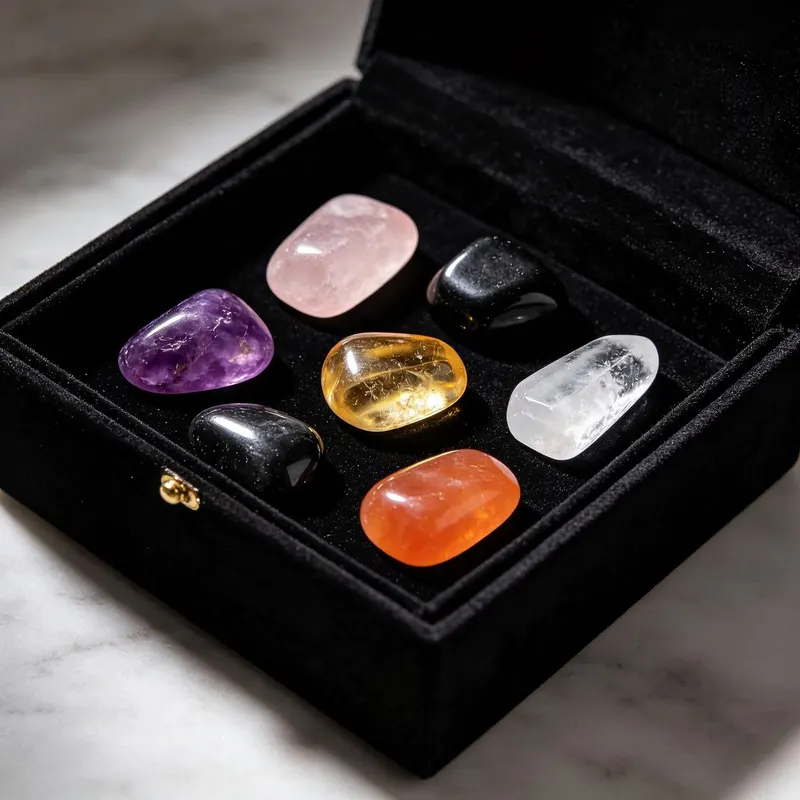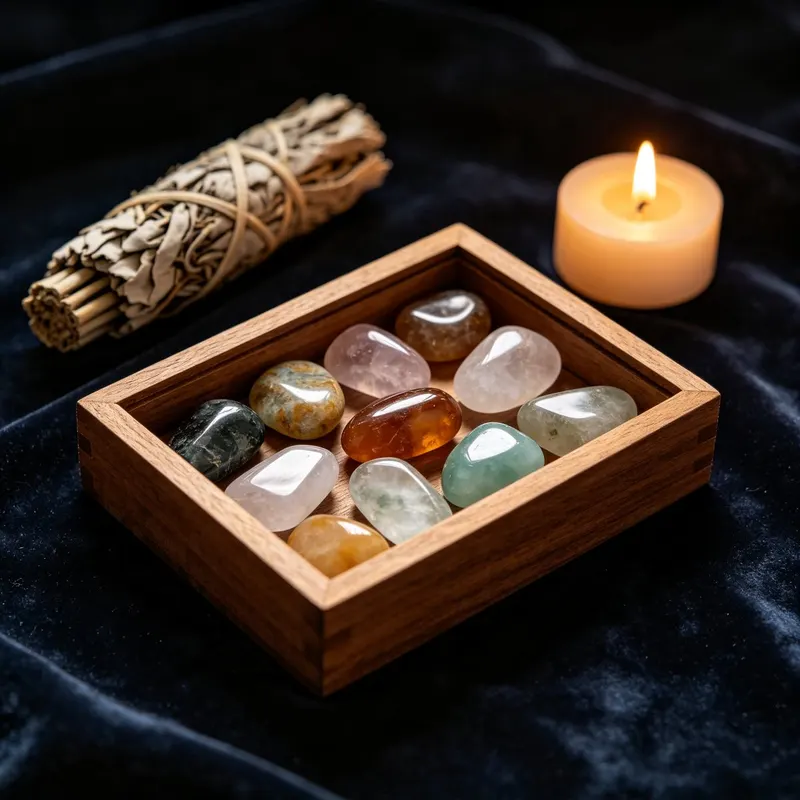
You've probably arrived here with one of two feelings. Either you're ready for partnership and want to do it deliberately rather than leave it to chance — or you're already in a relationship and want to bring more warmth, patience, and honesty into it. Either way, the instinct that brought you to crystals is a good one: you're looking for a practice that keeps your intention in front of you, day after day, instead of letting it dissolve into wishful thinking.
Crystals work best in that role — as physical reminders and focus tools. A stone on your wrist or bedside table doesn't summon a person or fix a relationship, and any guide that promises otherwise is selling you something. What a crystal can do is anchor a daily moment of attention: a breath, a check-in with what you actually want, a small act of care toward yourself or someone else. That's the honest version of "manifesting love," and it's the one this guide is built around.
Below you'll find the stones most traditionally associated with love and heart work, how to choose between them, a weekly ritual you can realistically keep, and a clear separation between what tradition says and what we can actually verify about caring for these materials.
Start With Self-Love, Not a Partner
The most common mistake in love manifestation is skipping straight to "find me someone." Practitioners — and honestly, most therapists — will tell you the same thing: the relationship you're most available for tends to reflect the relationship you have with yourself. If you're meeting people from a place of scarcity or self-criticism, that energy shapes who you attract and how you show up.
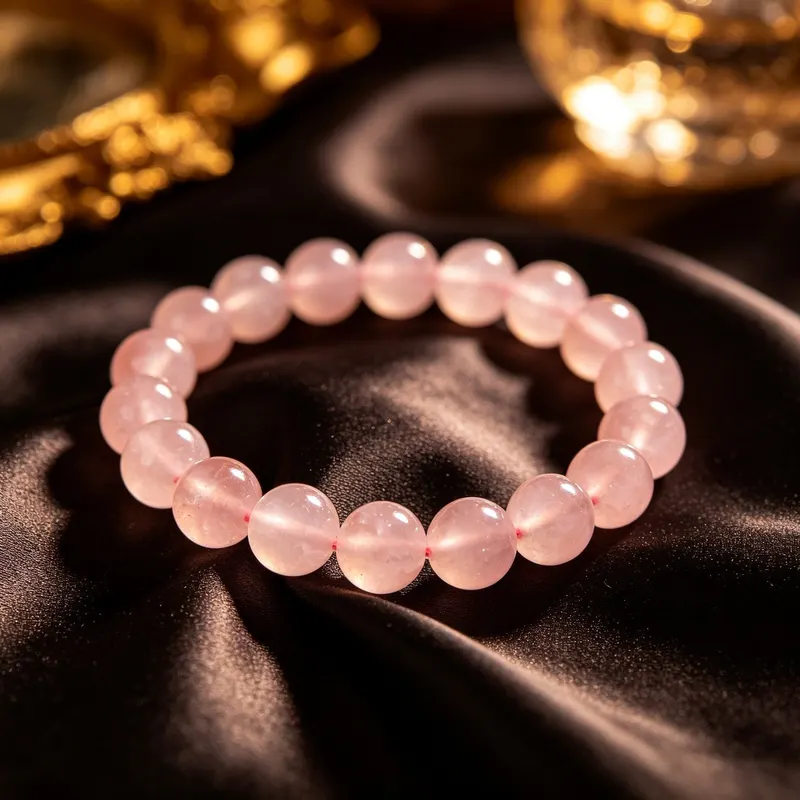
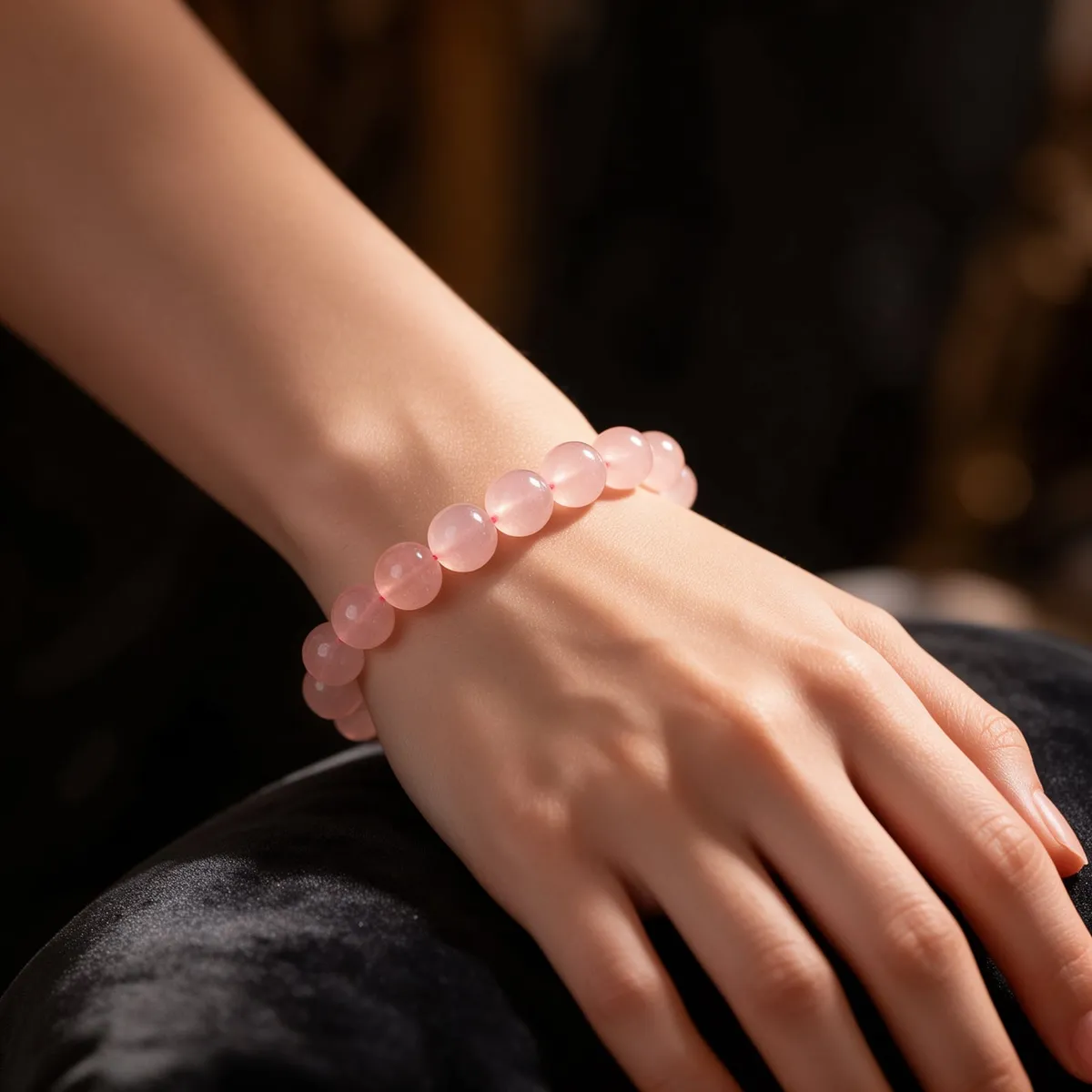
So the first stone on your list should be for self-worth, not partnership. Our crystals for self-love guide covers this in depth. If you want a single starting point, a Rose Quartz Love Bracelet worn during your morning routine is a simple, low-friction way to build the habit before you add anything else.
The Best Crystals for Love — and What Each One Is For
Not every "love crystal" does the same job. Rose quartz is the generalist; rhodonite is for repair; moonstone is for transition. Choosing the right one for your actual situation matters more than collecting all of them.
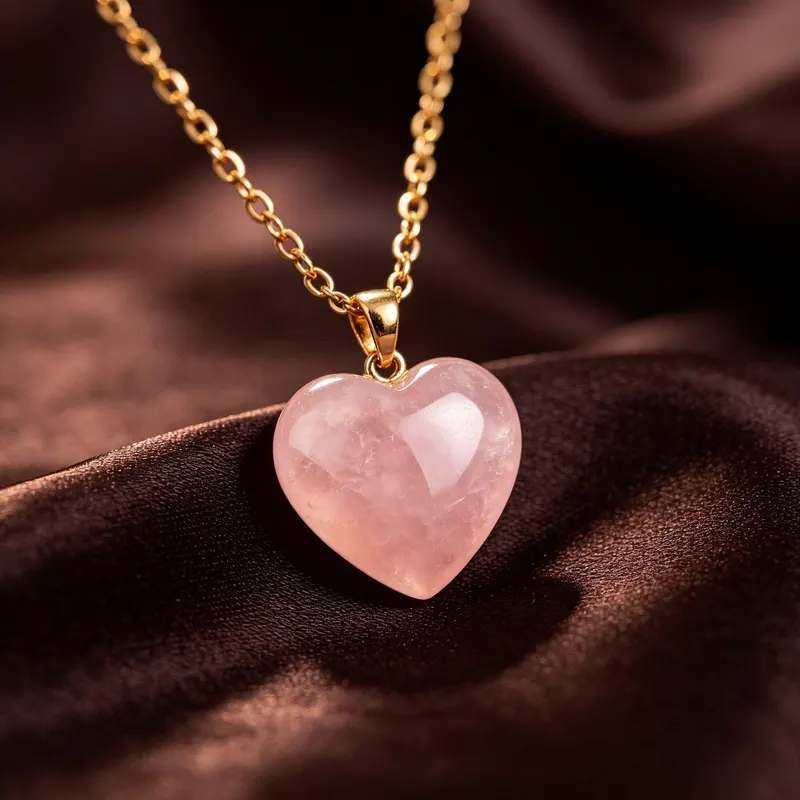
- Rose Quartz — The classic heart stone, traditionally associated with gentle, unconditional love of self and others. Best for daily wear and general heart-opening work. Try the bracelet for everyday use or the Rose Quartz Heart Pendant Necklace if you prefer something you can wear closer to the heart.
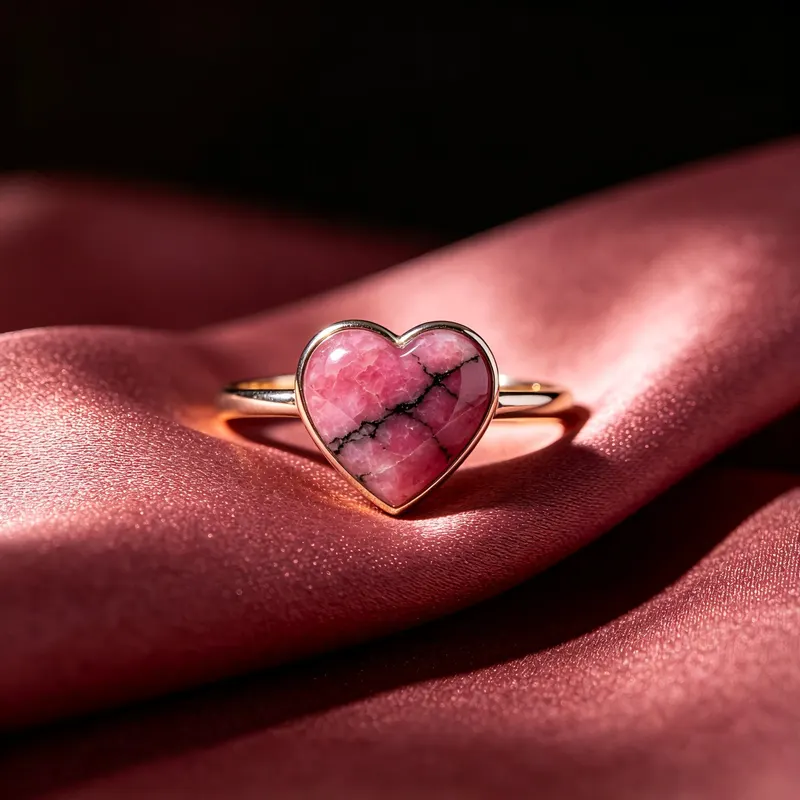
- Rhodonite — Believed to support compassion and forgiveness, especially after conflict or a difficult ending. A good choice if you're healing from a relationship rather than starting one. The Rhodonite Heart Ring is a discreet way to keep it present. See our rhodonite meaning guide for more.
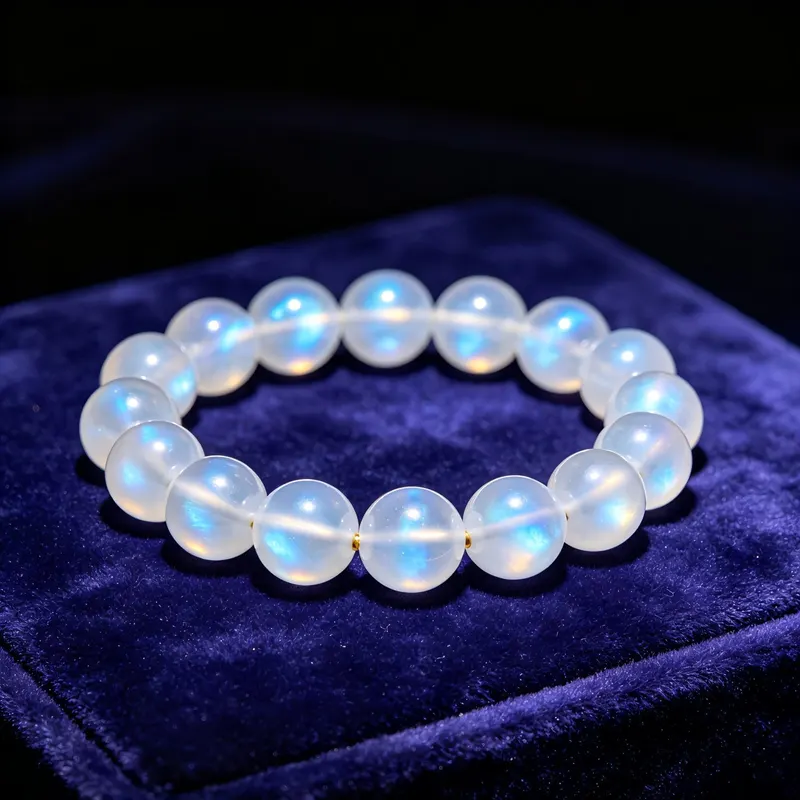
- Moonstone — Traditionally linked to new beginnings, emotional balance, and intuition in love. Suited to transitions: a move, a fresh start, or learning to trust your own read on people. The Rainbow Moonstone Bracelet is a natural fit. More in our moonstone meaning guide.
- Green Aventurine — Often called the "stone of opportunity," used to invite new connection and openness to chance encounters.
- Amethyst — For calm and clarity — useful when anxiety or overthinking gets in the way of being present with someone. The Amethyst Healing Bracelet is a common pairing with rose quartz.
- Lapis Lazuli — Traditionally associated with wisdom and honest communication, which matters more in long-term love than most people expect.
A quick comparison
| Stone | Best for | Typical form | Care note |
|---|---|---|---|
| Rose Quartz | Daily self-love and heart work | Bracelet, pendant | Keep out of prolonged direct sun; fades over time |
| Rhodonite | Healing, forgiveness, repair | Ring, tumbled stone | Softer stone — avoid water and knocks |
| Moonstone | New beginnings, intuition | Bracelet | Moderate hardness; keep dry, store separately |
| Green Aventurine | Inviting new opportunity | Tumbled, bracelet | Durable; rinse briefly and dry well |
| Amethyst | Calm, clarity, clear intentions | Bracelet, cluster | Sunlight fades color; keep dry |
| Lapis Lazuli | Honest communication | Pendant | Porous — avoid soaking and harsh cleaners |
How to Choose Your Stone (and What to Look For)
If you're buying your first love crystal, resist the urge to buy a set. One stone you actually use beats five that sit in a drawer. Here's a practical checklist:
- Match the stone to your real situation. Starting out or deepening self-worth? Rose quartz. Recovering from a breakup? Rhodonite. In transition? Moonstone. Overthinking everything? Pair amethyst with rose quartz.
- Check the material honestly. Natural rose quartz is translucent to milky with visible internal variation — perfectly uniform, glassy beads are often dyed or synthetic. Ask the seller whether the stone is natural and, for metal components, what the plating or metal actually is.
- Look at the finish. On bracelets, check that beads are smoothly polished with no chips at the drill holes, and that the elastic is knotted and secured (a dab of clear glue at the knot is normal and good).
- Size for comfort. Most beaded bracelets come in 6.5–7.5 inch (16.5–19 cm) inner circumference. Measure your wrist snugly with a strip of paper and add about half an inch for a comfortable fit. Rings should slide on without force — rhodonite is not a stone you want to resize repeatedly.
- Set a realistic budget. Beaded rose quartz and amethyst bracelets typically run $15–$45; moonstone and rhodonite similar; sterling silver pendants with a genuine quartz point commonly fall in the $40–$90 range, and gold-plated pieces sit in a similar band. Above that you're usually paying for design, metal weight, or rarity — not "more energy."
How to Use Your Crystals Day to Day
Consistency matters far more than ceremony. A few practical ways to work with your stone:
- Wear it during a specific routine. Put your bracelet on while you make coffee or after you brush your teeth, and use that moment to name one quality you want to bring to your relationships today.
- Keep a palm stone or pendant where you'll see it. A bedside table or desk is ideal — somewhere your eye lands when you're rushing.
- Pair, don't pile. Rose quartz with rhodonite ("love myself, then love well") or rose quartz with moonstone ("open heart, fresh start") are balanced pairings. Three or more stones at once tends to blur the intention.
- Use it as a cue, not a crutch. When you notice the stone, take one slow breath and ask: what's the next kind thing I can do — for myself or for someone else? That's the actual practice.
A Weekly Heart-Centered Ritual
This is a simple ritual you can keep up. Once a week — many people choose the new moon for beginnings or the full moon for release, but any consistent day works — set aside ten quiet minutes.
- Cleanse and settle. Wipe your stone with a soft dry cloth or rest it on a Selenite Cleansing Wand while you take a few slow breaths.
- Name what you offer. Write down three qualities you bring to love — patience, humor, reliability, honesty. Be specific and kind to yourself.
- Name what you seek. Write three qualities you want in a partner or want more of in your current relationship. Keep them about character, not a checklist of appearances.
- Place the paper under the stone and leave it overnight. In the morning, read it once and put it somewhere private.
- Take one real-world action. This is the step most guides skip. Send the message, accept the invitation, book the coffee, or have the conversation you've been avoiding. The ritual is the setup; the action is the work.
If you'd like a stone specifically for the reflective part of this practice, a Raw Amethyst Cluster makes a natural altar or bedside anchor, and our cleansing and charging guide covers the full routine.
What the old stories say — and what checks out
It's worth being clear about which claims come from tradition and which come from materials science. Both are useful; conflating them isn't.
Traditional lore. Rose quartz has been associated with the heart and with gentle love across multiple folk traditions; rhodonite with compassion and forgiveness; moonstone with intuition and cycles. These are cultural and symbolic associations. They're meaningful as framing and ritual, but they are not measurable properties of the stone, and no crystal has been shown in controlled research to attract a partner or repair a relationship.
What we can verify. These are real, testable facts about the materials — and they matter for how long your piece lasts:
- Hardness (Mohs scale). Quartz-family stones like rose quartz and amethyst sit around 7; moonstone around 6–6.5; rhodonite around 5.5–6.5; lapis lazuli around 5–6. Softer stones scratch and chip more easily, so store rhodonite and lapis separately from harder pieces.
- Sunlight. Amethyst and rose quartz can fade with prolonged direct sun. A sunny windowsill is not a good long-term display spot.
- Water. Many polished stones tolerate a quick rinse, but lapis lazuli is porous and shouldn't be soaked, and repeated water exposure can degrade bracelet elastic. Dry thoroughly after any contact with water.
- Heat and chemicals. Avoid hot water, perfume, hairspray, and household cleaners on plated metals and porous stones.
- Elastic wear. Beaded bracelets on elastic are consumables — expect to restring every year or two with regular wear.
Crystals are for reflection and ritual; they are not medical devices and are not a substitute for professional care.
Frequently Asked Questions
Which crystal is best for attracting a partner?
Rose quartz is the most common starting point, but it's usually paired with self-love work first. If your goal is openness to new opportunity, green aventurine is often added. There's no single "correct" stone — the one you'll actually use consistently is the better choice.
Can I use more than one crystal at a time?
Yes. Rose quartz with rhodonite, or rose quartz with moonstone, are balanced pairings. The caution is against stacking so many stones that you lose track of what each one is reminding you to do.
Do I need to believe in crystals for the practice to work?
No. The practice functions as a focus and reminder tool regardless of belief — much like a journal or a daily walk. Treat it as supportive ritual, not a guarantee of any outcome.
How do I cleanse love crystals without damaging them?
For softer stones like rhodonite and moonstone, dry methods are safest: a soft cloth, moonlight, or resting on a selenite plate. Avoid salt water soaks and prolonged sunlight. Our cleansing and charging guide has the full breakdown.
A Closing Note
The most useful thing a love crystal does is slow you down for a moment each day and ask a better question than "when will it happen?" — namely, what kind of love am I practicing right now? Choose one stone that fits your actual situation, keep it where you'll see it, and let the ritual point you back toward real connection, honest communication, and steady self-care. That's the work, and the stone is simply a reminder to keep doing it.