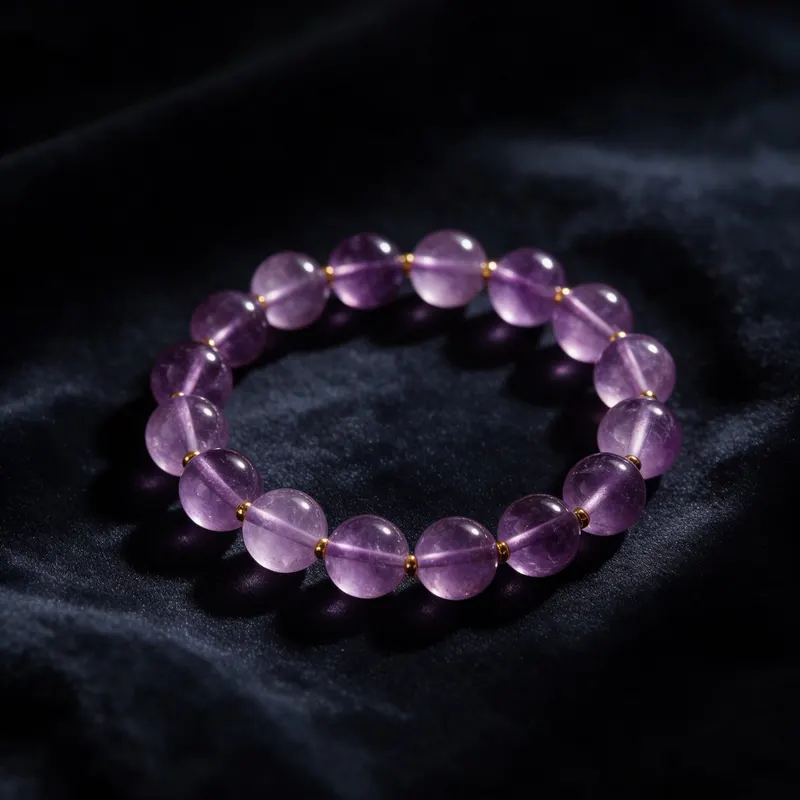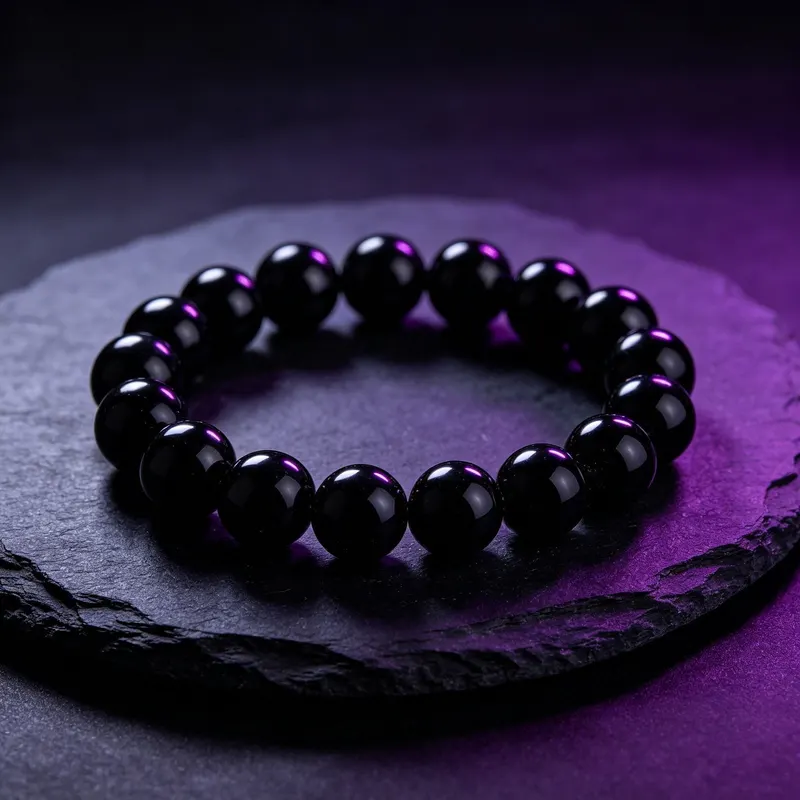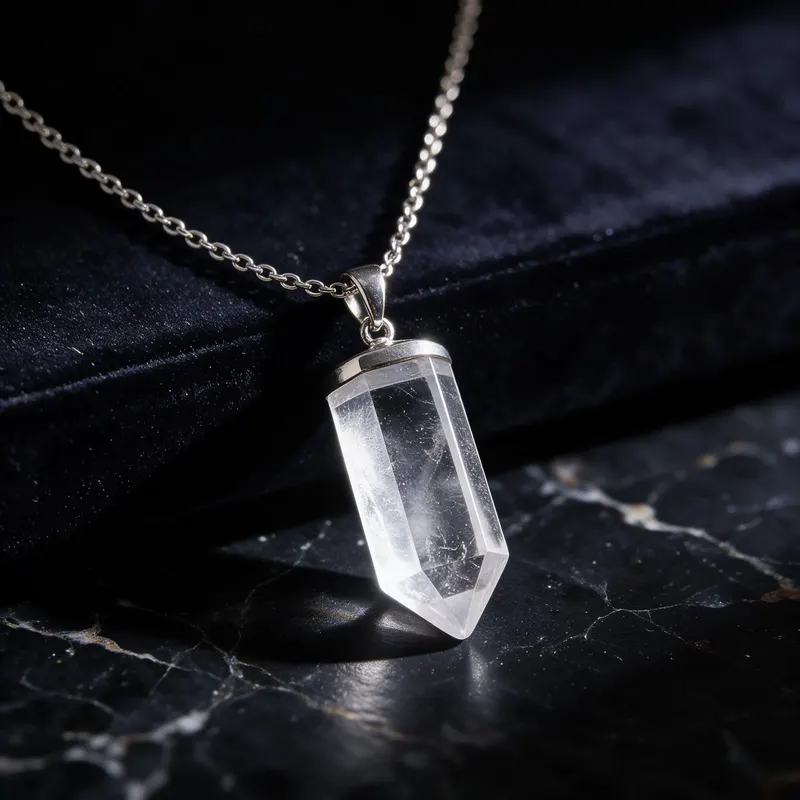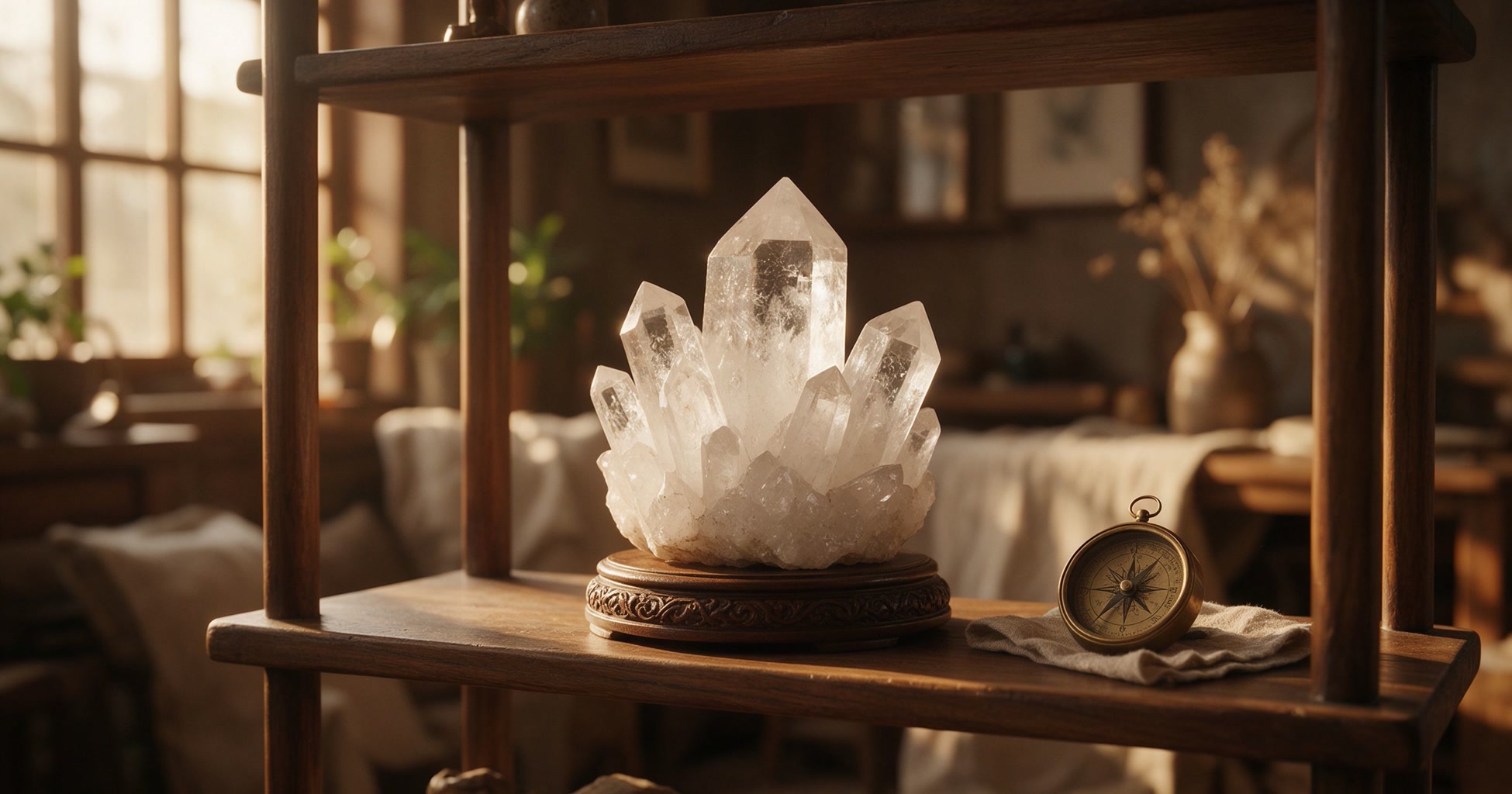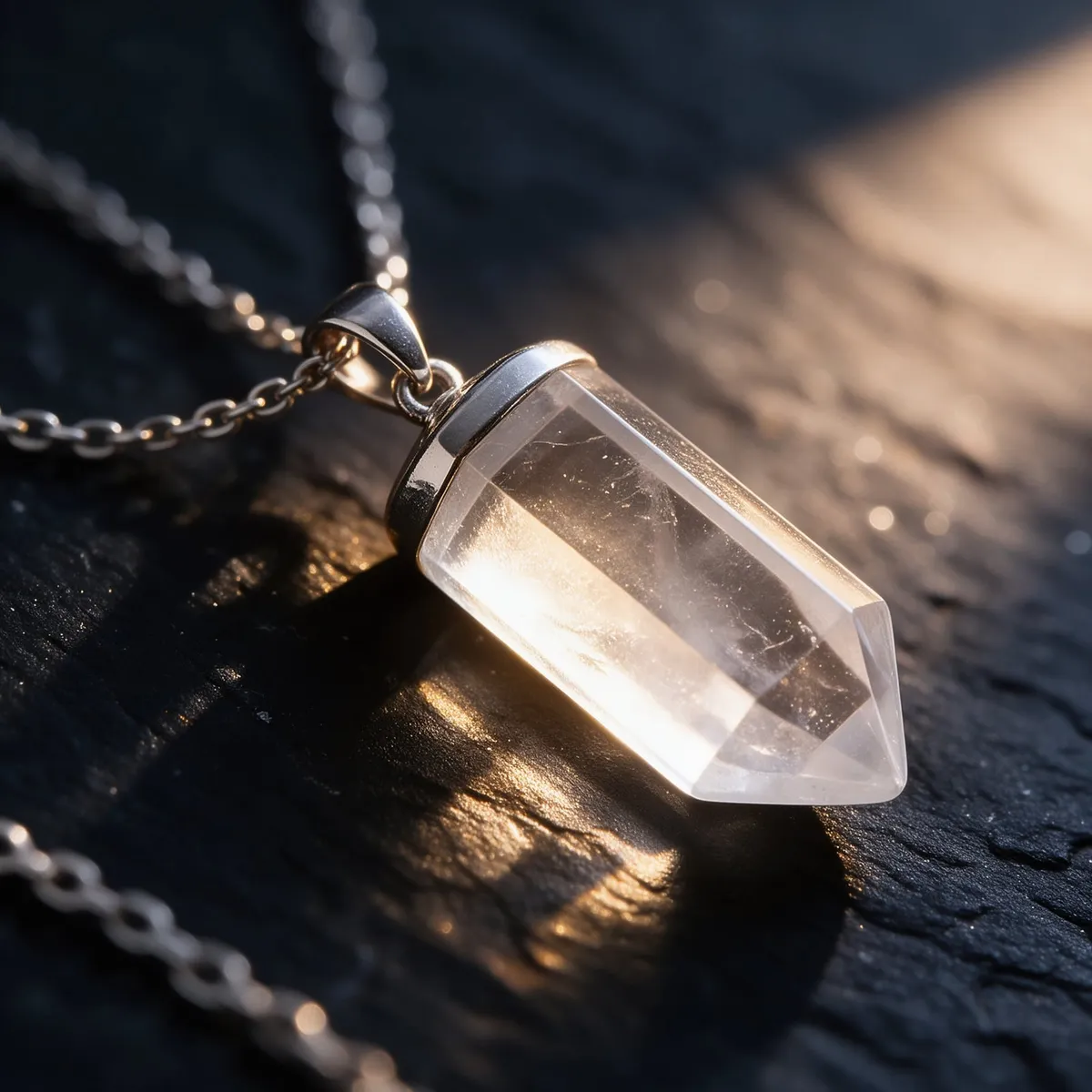
In short: for an open-plan office, the most practical stones are fluorite (focus), black tourmaline (boundaries), clear quartz (clarity) and amethyst (calm), kept small and discreet on your desk. They do not block noise — they work as a focus cue and a gentle boundary marker.
Why Open Plans Feel Draining
Constant conversation, nearby calls, visual motion and the low-grade feeling of being watched make deep work hard. An open plan removes the physical boundary that a door used to provide, so many people look for a small, personal ritual to reclaim a sense of space. A crystal will not absorb sound or stop a colleague from interrupting, but a single stone on the desk can act as a discreet cue: when your eyes land on it, you return to the task and remember the boundary you set.
Stones People Choose
The stones below are the ones most often chosen for shared, noisy workspaces. They are all small enough to sit unobtrusively beside a monitor.
| Stone | Traditionally chosen for | Format | Note |
|---|---|---|---|
| Fluorite | Focus amid distraction; mental clarity | Tumbled stone or small tower | Soft (Mohs 4) — keep it out of a pocket with keys |
| Black tourmaline | Boundaries and grounding | Raw chunk or polished stone | Durable; a common "shield" stone |
| Clear quartz | Clarity; amplifying an intention | Point or tumbled stone | Hard (Mohs 7); versatile |
| Amethyst | Calm and stress relief | Small cluster or tumbled stone | Fades in strong sun — keep off a sunny sill |
| Labradorite | Focus during change and pressure | Tumbled stone | Grey with a blue flash; discreet |
You only need one. A single stone you actually notice is more useful than a cluster you ignore.
Where to Place It on Your Desk
Placement is practical, not mystical. Put the stone where your eyes rest when you pause — beside the monitor base, next to your dominant hand, or in the corner of the desk that faces the room. Avoid stacking it with clutter or placing it where a drink can spill on it. The goal is a clear visual anchor, not decoration.
A Discreet Desk Practice
Keep it simple and repeatable:
- Morning: hold the stone for a few seconds and name one thing you want to finish today.
- When interrupted: after the conversation, glance at the stone and take one slow breath before returning to work.
- End of day: set it down, and let the day be done — a small closing ritual.
- Weekly: give it a quick cleanse (see below) and reset your intention.
What Crystals Can't Do
It is worth being honest: a desk stone will not block noise, replace noise-cancelling headphones, or fix a genuinely disruptive workplace. If the environment is harmful, the real tools are communication, boundaries, headphones and, where needed, a conversation with a manager. The stone is a mindfulness cue layered on top of those, not a substitute for them. And as always, it is not a medical or psychological treatment.
Caring for Desk Stones at Work
Office life is hard on stones: coffee, hand cream, dropped keys. Wipe the stone with a soft dry cloth, keep it away from drinks and food, and avoid leaving it in direct sun (which fades amethyst). For a quick cleanse at work, sound (a short chime) or resting it near a piece of selenite is enough; skip water for softer stones like fluorite. Once a week, take it home for a fuller cleanse if you like.
FAQ
People Also Ask
Which crystal is best for an open-plan office?
Fluorite for focus and black tourmaline for boundaries are the most common choices; clear quartz and amethyst are good alternatives. Choose one stone you will actually notice.
Do crystals block noise?
No. They do not absorb sound. Use them as a focus cue alongside real tools such as headphones and clear communication.
Can I keep a crystal on my desk all day?
Yes. Keep it out of direct sun, away from drinks, and wipe it with a dry cloth. Soft stones like fluorite scratch easily, so avoid loose keys and coins.
How often should I cleanse a desk stone?
Once a week is a common rhythm; a quick sound cleanse or a few minutes near selenite is enough between fuller cleanses.
Is it appropriate to have crystals at work?
Many people keep one discreet stone as a personal focus cue. Keep it small and unobtrusive, and respect shared-space norms.