Overthinking Is a Loop the Body Can Interrupt
It usually starts small: a sentence you wish you'd phrased differently, a decision you keep reopening, a conversation you're rehearsing for the fourth time before it has even happened. Within minutes the original thought has spawned branches, and you're no longer solving anything — you're circling. If that pattern feels familiar, you're in the right place. This guide is written for the person who lies awake replaying the day, who rereads a text looking for hidden meaning, or who can talk themselves out of a good decision and into a worse one through sheer repetition.
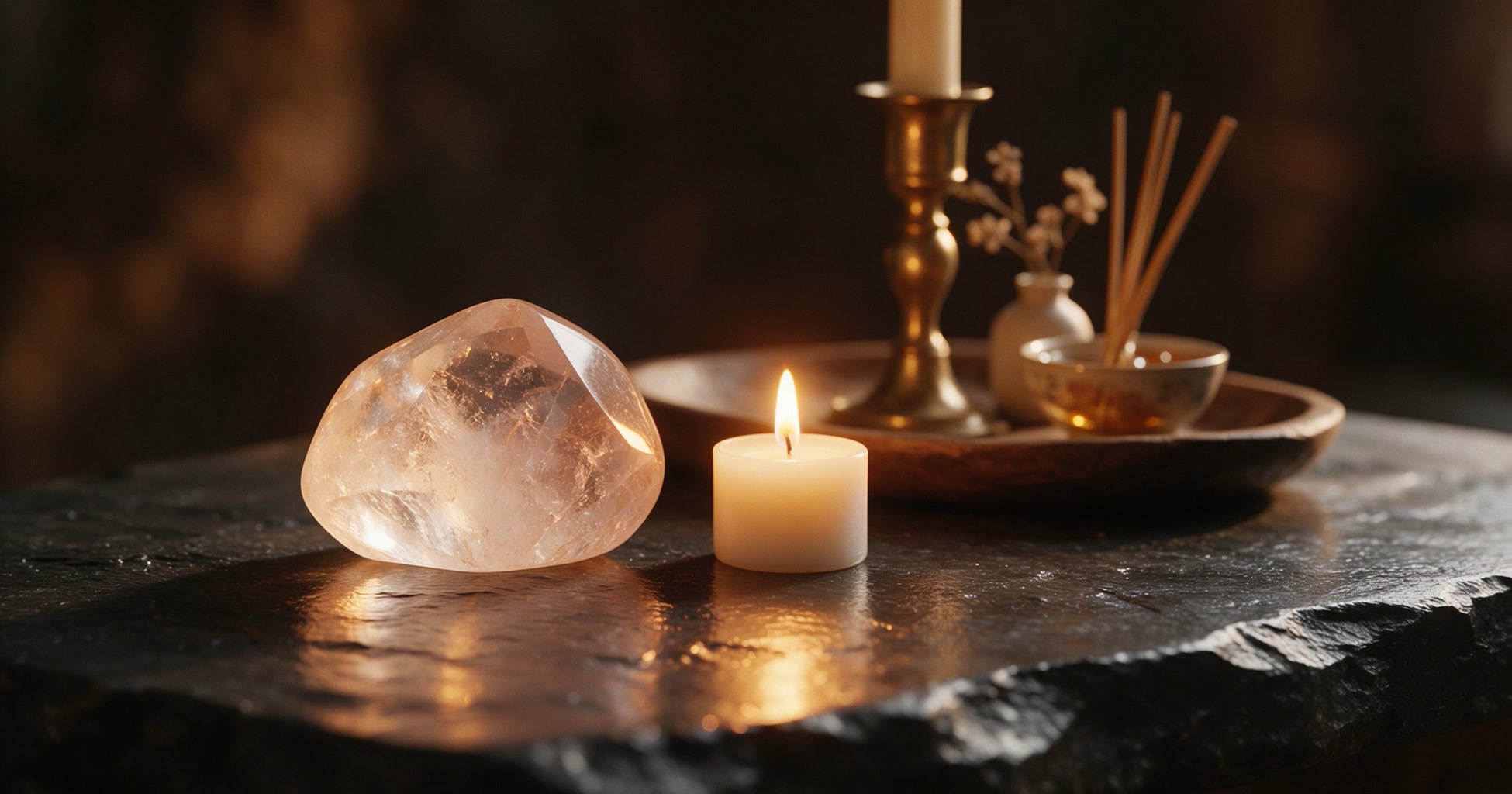
A racing mind rarely solves itself by thinking harder. The loop tightens precisely because attention keeps returning to it, and willpower alone is a poor tool for steering attention. What tends to work is a physical interruption — something that pulls you out of your head and into your hands — paired with a simple mental step that gives the loop somewhere to go. A grounding stone can serve as that interruption: not because it magically erases worry, but because holding something cool and solid, and breathing on purpose, gives your body a different signal to follow.
Below you'll find the stones most traditionally associated with calming a busy mind, a practical technique you can use tonight, honest guidance on choosing and caring for them, and a clear separation between what tradition claims and what we can actually verify. Crystals are for reflection and are not medical devices.
Stones for a Busy Mind
In crystal tradition, different stones are paired with different qualities of mental activity. Overthinking isn't one thing — it can be soft and dreamy, sharp and analytical, or tight and fearful — so it helps to match the stone to the flavor of the loop you're in.
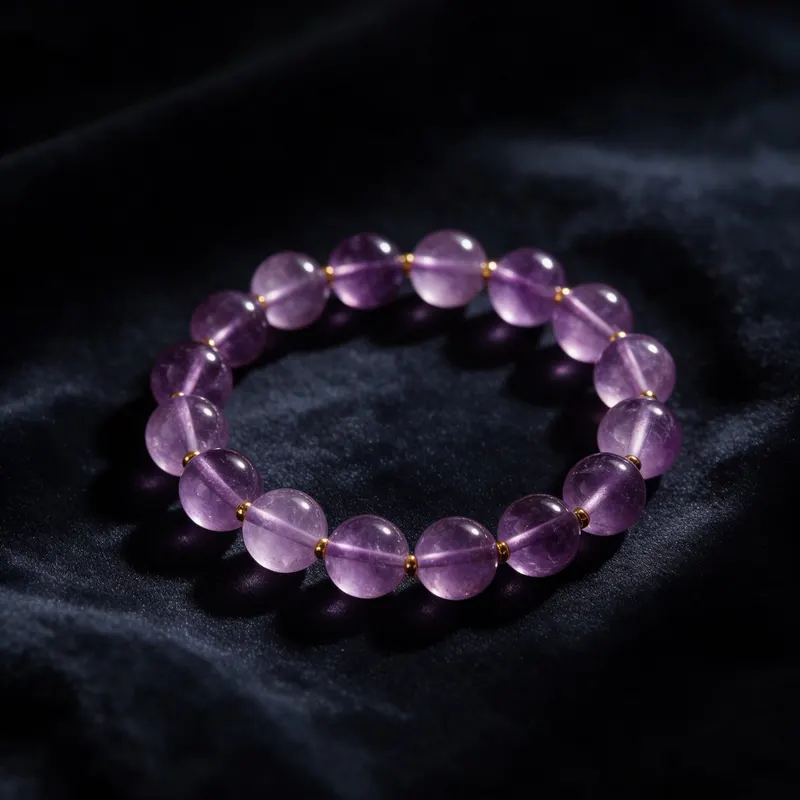
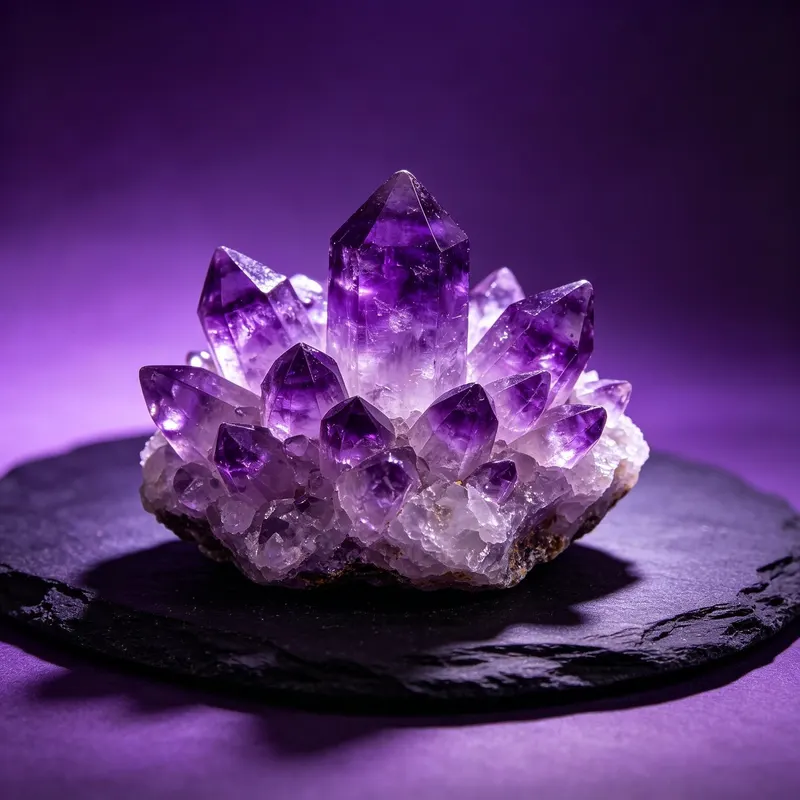
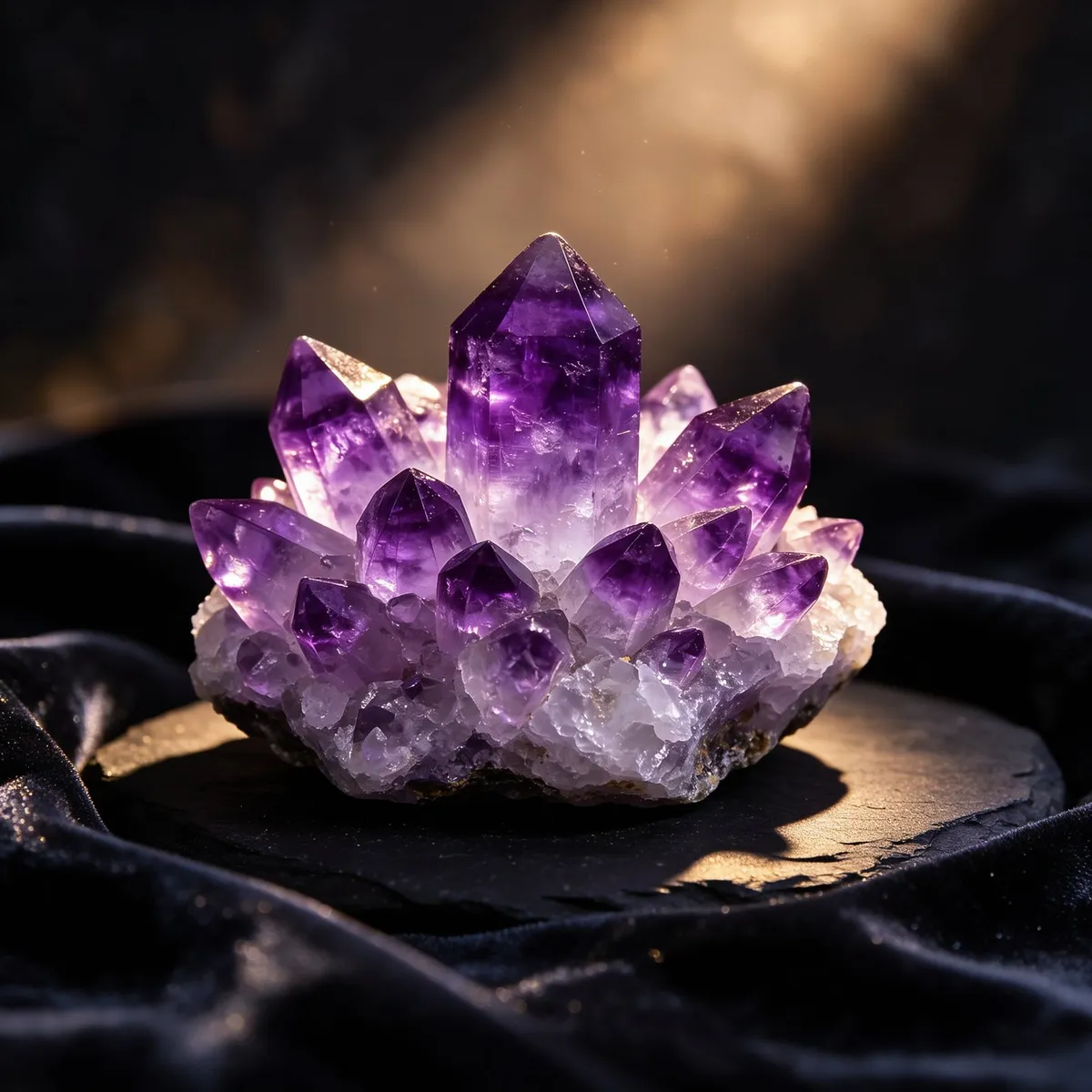
- Amethyst is traditionally associated with softening circular thoughts and easing the transition into rest. It's the classic wind-down stone, which is why it appears so often in evening routines. The Amethyst Healing Bracelet for Calm & Clarity is an easy everyday option, while a Raw Amethyst Cluster suits a bedside table or meditation altar.
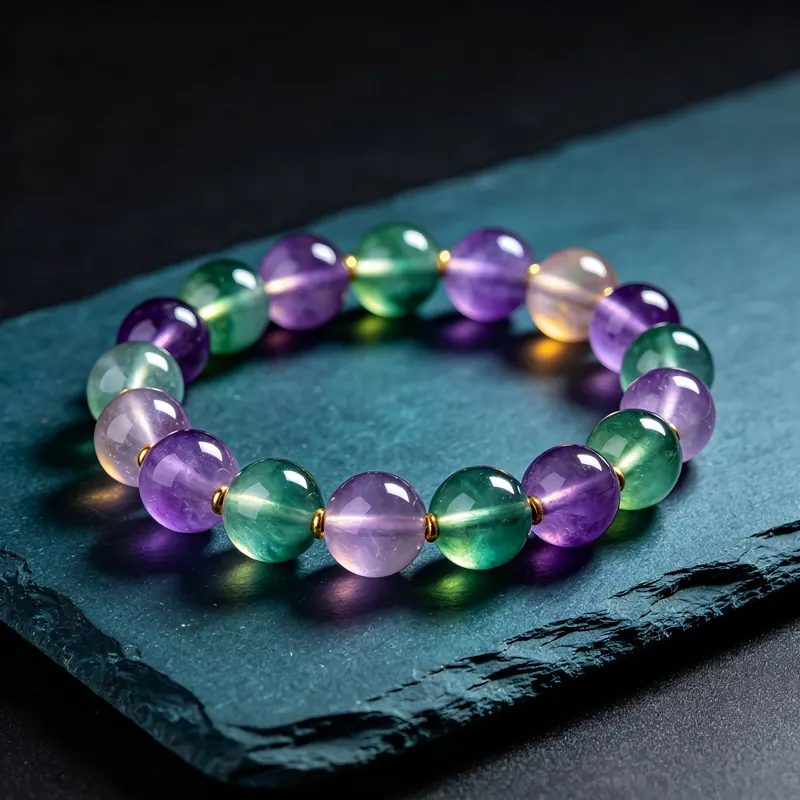
- Fluorite is believed to support focus and mental organization — the tradition frames it as a stone for sorting clutter rather than suppressing it. If your overthinking is analytical (lists, contingencies, "what if" planning), the Rainbow Fluorite Focus Bracelet is the most natural fit.
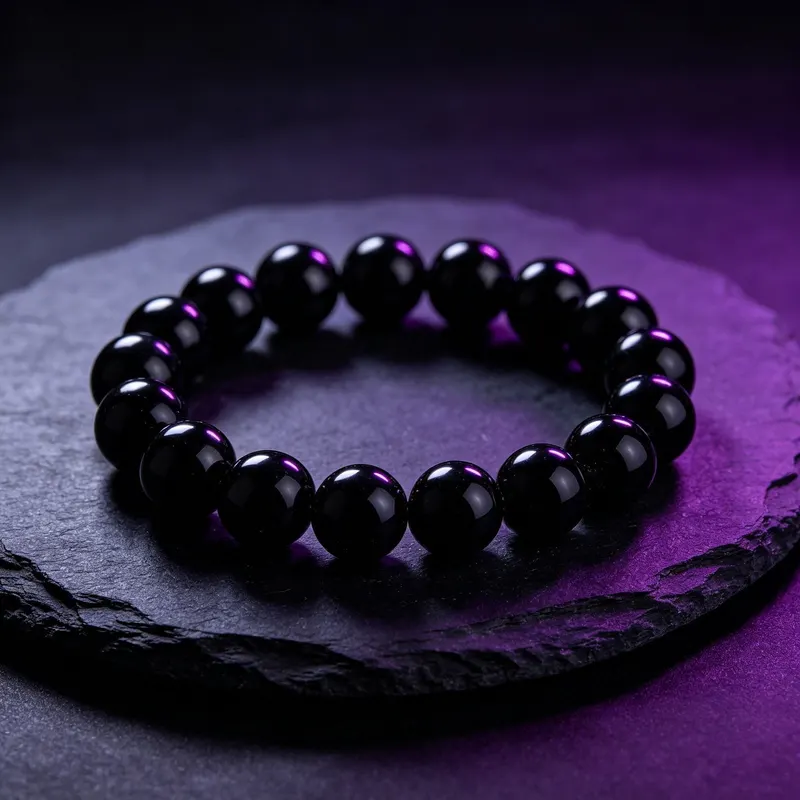
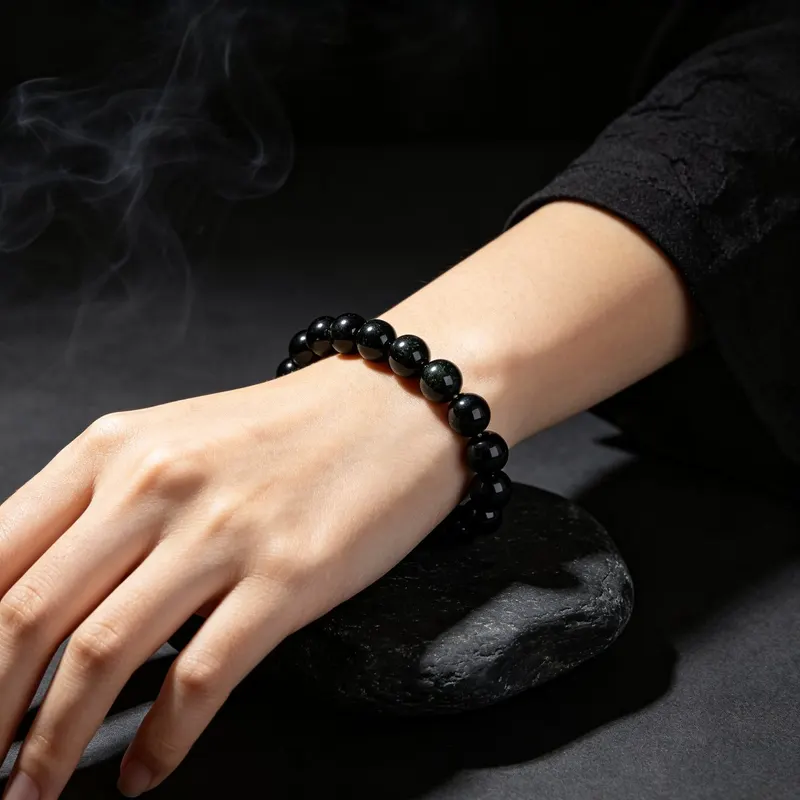
- Black tourmaline is traditionally used for grounding and protection, and is often reached for when worry has a fearful, spiraling quality. The Black Tourmaline Protection Bracelet for Grounding is the anchor stone of this group — heavy, opaque, and unmistakably physical in the hand.
- Labradorite is associated with intuition and perspective, and some people find it useful when overthinking is really indecision. The Labradorite Bracelet for Intuition & Transformation invites you to trust a decision rather than re-litigate it.
- Clear quartz is the general-purpose clarity stone in most traditions — a neutral choice if you're unsure which quality you need. A Clear Quartz Point Pendant keeps that reminder close without occupying your hands.
If you're new to all of this and would rather not commit to a single stone, a Healing Crystal Starter Kit lets you handle several and notice which one you actually reach for. That instinct is more useful than any chart.
How to Choose: A Practical Checklist
Most disappointment with crystals comes from buying something that doesn't fit your body, your routine, or your budget. Use this checklist before you add anything to a cart.
- Match the form to the moment. Bracelets suit all-day wear and fidgeting; pendants suit work settings where a bracelet would clatter on a desk; a raw cluster or wand suits a fixed spot like a nightstand or desk corner.
- Check sizing honestly. Bead bracelets are usually strung on elastic and sized in the 6.5–8 inch range; measure your wrist with a strip of paper and add about half an inch for comfort. Rings should be sized to the specific finger — knuckles and fingers differ, so measure the exact finger you intend to wear it on.
- Decide on metal sensitivity. Sterling silver and gold-plated findings are common; if you react to base metals, look for sterling silver or note that plating can wear over time with daily contact.
- Prefer natural variation. Genuine stones vary in color, banding, and inclusions. Uniform, suspiciously bright pieces at very low prices are often dyed or glass. Slight irregularity is a good sign, not a flaw.
- Set a realistic budget. Bead bracelets typically run from roughly $20–$60 depending on stone and bead size; pendants with sterling silver or gold-plated chains commonly fall in the $35–$90 range; raw clusters and display sets vary widely with size and quality. You do not need an expensive piece for this practice to be meaningful.
- Handle before you commit if you can. Weight and temperature matter more than photos suggest. A stone that feels pleasant in your hand is one you'll actually use.
A Technique That Helps
This is a short, repeatable routine — under five minutes — designed to interrupt the loop rather than argue with it. The stone is a physical anchor, not a cure.
- Notice "I'm looping" without judging it. Name it plainly: "This is rumination, not problem-solving." The distinction matters — problem-solving has a next step; rumination just repeats.
- Hold the stone and breathe out longer than you breathe in. Inhale for a count of four, exhale for a count of six to eight, six times. A longer exhale is a simple, well-known way to settle the body, and the weight of the stone gives your hands something to do besides scroll.
- Write the worry down, plus one concrete next step — or schedule "worry time" for later in the day. Getting it onto paper externalizes it; giving it an appointment contains it.
- Redirect attention to a present-moment task. Wash a dish, walk to the end of the block, stretch. The point is to give attention a destination, not to force the thought away.
Repeat as needed. The value is in the repetition, not in a single perfect session.
Comparison: Which Stone for Which Loop?
| Stone | Traditional association | Best form for overthinking | Practical notes |
|---|---|---|---|
| Amethyst | Calm, softening circular thoughts, rest | Bracelet or bedside cluster | Keep clusters out of prolonged direct sun; color can fade |
| Fluorite | Focus, mental organization, clarity | Bracelet for desk or study use | Softer stone (Mohs 4) — avoid knocks and abrasive cleaners |
| Black tourmaline | Grounding, protection, settling fear | Bracelet or pendant | Durable (Mohs 7–7.5); good for daily wear |
| Labradorite | Intuition, perspective, decisiveness | Bracelet | Moderately durable (Mohs 6–6.5); avoid harsh chemicals |
| Clear quartz | General clarity | Pendant | Hard (Mohs 7) but can chip; keep away from prolonged sun |
Traditional beliefs vs. verifiable facts
It's worth being precise about the difference between lore and fact, because a trustworthy practice depends on it.
What tradition says: Amethyst is traditionally associated with calm and rest; fluorite is believed to support focus and mental order; black tourmaline is traditionally used for grounding. These are cultural and symbolic associations, passed down through crystal lore. They are not clinical claims, and no crystal has been shown to treat overthinking, anxiety, or any medical condition.
What we can verify: hardness, durability, and care. These are measurable and genuinely useful when you're spending money.
- Mohs hardness: clear quartz and black tourmaline sit around 7–7.5 and hold up to daily wear; fluorite is much softer at about 4 and scratches easily, so treat it gently; labradorite is roughly 6–6.5.
- Water sensitivity: selenite and halite dissolve or degrade in water; fluorite and labradorite are best kept dry; quartz and tourmaline tolerate brief rinsing but shouldn't be soaked.
- Sunlight sensitivity: amethyst, rose quartz, and fluorite can fade with prolonged direct sun. Store them away from a bright windowsill.
- Cleaning: a soft dry or slightly damp cloth is safest for most stones. Avoid ultrasonic cleaners and harsh chemicals, especially on plated metals and softer stones.
- Storage: keep softer stones separate from harder ones so they don't get scratched in a drawer.
If you want a simple cleansing ritual, a Selenite Cleansing Wand is traditionally used to "clear" other stones — just keep the selenite itself dry, since it's water-soluble. Crystals are for reflection and are not medical devices.
FAQ
People Also Ask
What crystal stops overthinking?
No crystal "stops" overthinking in a clinical sense. In tradition, amethyst is associated with softening the loop and fluorite with organizing thoughts — the pair most often recommended, used alongside slow breathing and a written next step.
Why do I overthink more at night?
Quiet evenings remove distraction, so thoughts surface with nothing to compete against them. A wind-down routine — an amethyst in hand, a brain-dump on paper, and a longer exhale than inhale — often helps more than lying still and waiting for sleep.
How do I wear or carry a stone for this?
Choose a form you'll actually keep on you: a bracelet you can fidget with, a pendant that sits against the chest, or a small stone in a pocket. Measure your wrist before ordering a bracelet, and size a ring to the specific finger.
How do I care for these stones?
Wipe with a soft cloth, keep softer stones like fluorite away from knocks and water, store pieces separately, and keep amethyst and fluorite out of prolonged direct sun. Avoid ultrasonic cleaners and harsh chemicals.
Browse the Curated Collection
If you'd like to explore stones chosen for calm and rest, start with the Calm, Stress Relief & Sleep collection.
Shop the Stones
Keep Exploring
Anxiety Relief · Fluorite vs Amethyst · Sleep
Crystals are offered for wellness and reflection, not as medical or psychological treatment. They are not medical devices.