A Stone of Flowing Calm
You have a conversation coming up that you keep rehearsing in your head — a performance review, a difficult call to a family member, a first date where you want to sound like yourself and not a nervous echo. Or maybe the pressure is quieter than that: a low hum of stress that makes your shoulders creep toward your ears by mid-afternoon. Either way, you are looking for something that helps you slow down, breathe, and say what you actually mean.
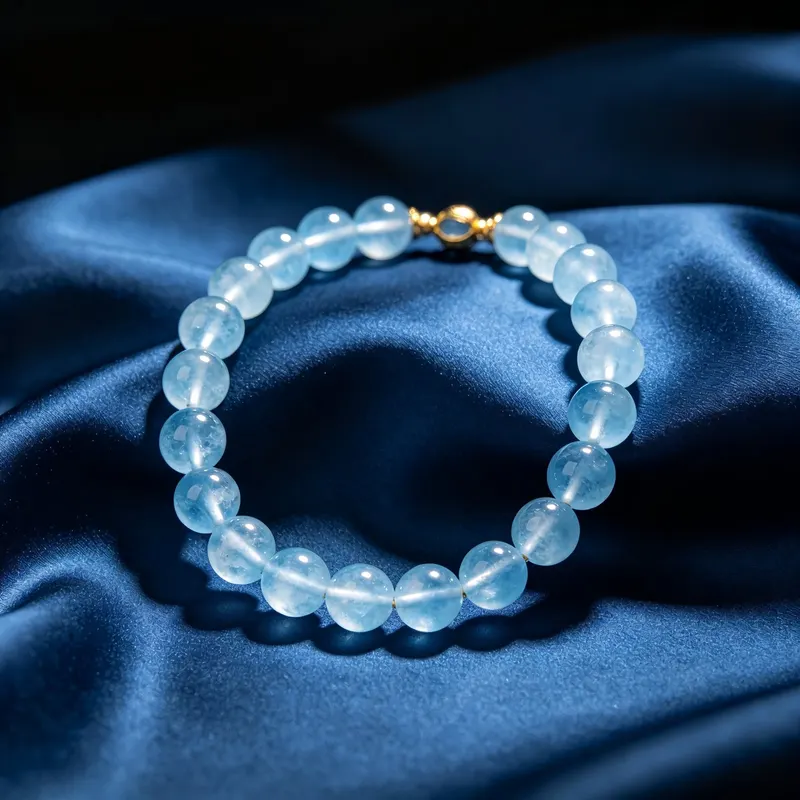
Aquamarine has been associated with exactly that kind of steadiness for a very long time. It is a pale-blue member of the beryl family — the same mineral family as emerald and morganite — and its name comes from the Latin aqua marina, "seawater." Sailors once carried it as a talisman for safe passage and calm weather, and that association with smooth water has carried through centuries of folklore into the way many people work with the stone today.
This guide covers what aquamarine is traditionally believed to support, how to choose a piece that suits you, how to care for it without damaging it, and where the line sits between tradition and verifiable fact. Treat it as a practical companion rather than a promise — the stone invites a certain mindset; the work of calm communication is still yours.
Aquamarine Meaning and Symbolism
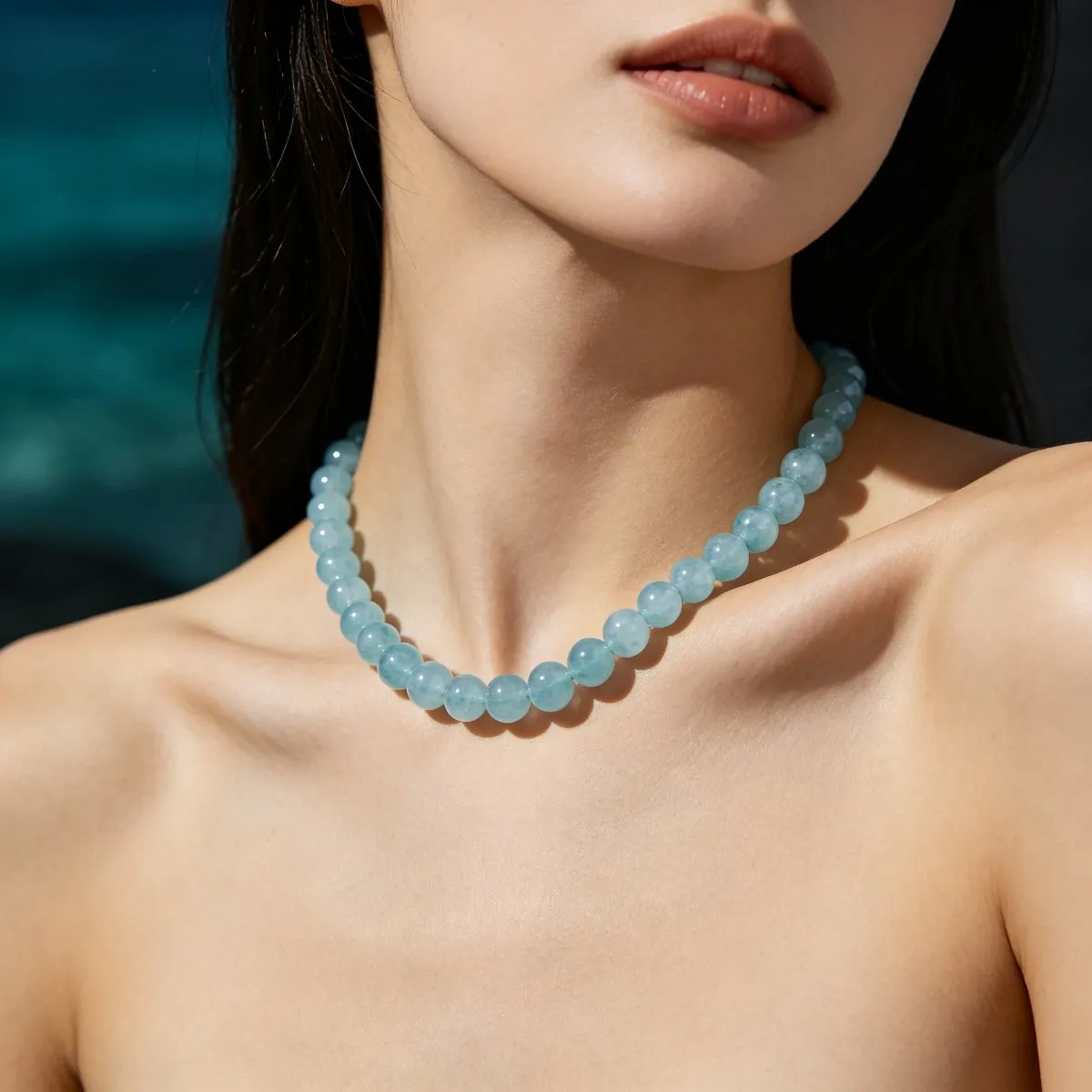
The seawater name is not just poetic. Aquamarine's color ranges from nearly clear to a soft sky blue to a deeper, saturated blue, and the finest stones have a clean, glassy look that really does resemble shallow tropical water. In traditional symbolism, that visual link to water carries the qualities people associate with calm seas: steadiness, clarity, honesty, and the ability to move through difficulty without thrashing.
In modern crystal practice, aquamarine is most often connected to the Throat chakra — the energy center traditionally associated with expression, truth, and being heard. That is why it so often shows up in conversations about public speaking, difficult honesty, and finding the right words under pressure. It is also traditionally linked to the element of water and to the idea of emotional flow: letting feelings move through rather than bottling them up.
It is worth saying plainly that these are traditional and symbolic associations, not scientific claims. What many people report is simpler and more grounded: wearing or holding a particular stone becomes a cue — a small, physical reminder to pause, breathe, and choose your words. That kind of cue-setting is a well-worn habit in many contemplative traditions, and it does not require belief in anything supernatural to be useful.
Aquamarine Properties
Here is how the stone's traditional qualities are usually described, with a practical note on what each one might look like in daily life:
- Calm: traditionally associated with soothing stress the way still water settles — often used as a focus during slow breathing or before a stressful moment.
- Communication: believed to resonate with the Throat chakra, supporting honest, measured expression rather than reactive speech.
- Courage: historically a talisman for calm under pressure — the courage to speak, not necessarily the courage to fight.
- Emotional flow: traditionally used to help release bottled-up feelings gently, at your own pace.
- Clarity: often described as clearing mental fog so you can think before you speak, rather than after.
- Serenity: a common bedside or desk stone for people who want a visual anchor for a slower nervous system.
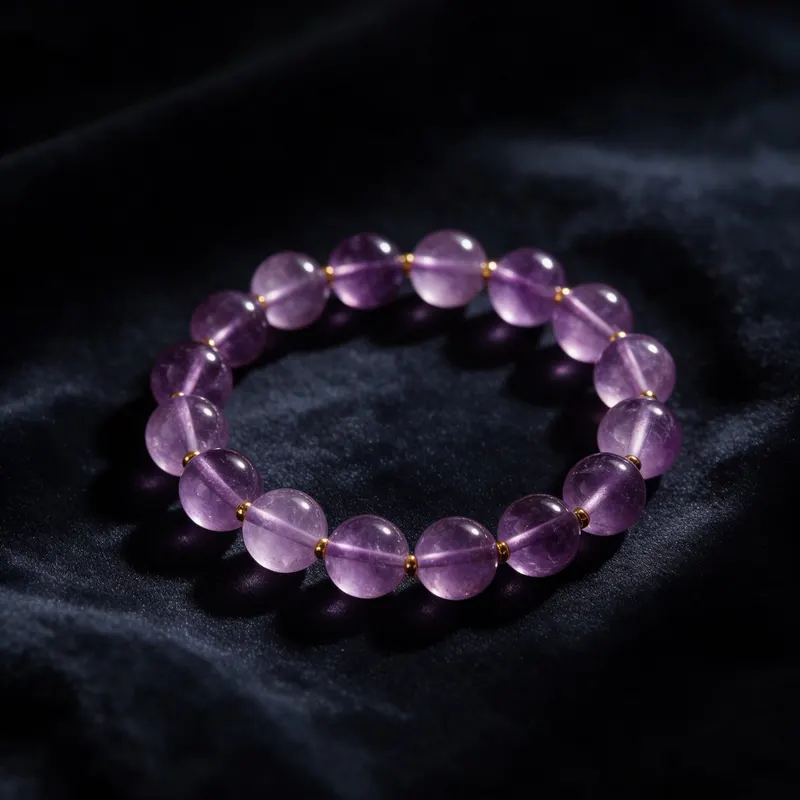
If your main struggle is a racing mind at night rather than difficult conversations, a softer, more inward stone may suit you better — our Amethyst Healing Bracelet for Calm & Clarity is a common companion for evening wind-down. Aquamarine tends to be the stone people reach for when the challenge is outward: speaking, listening, and staying composed in front of others.
How to Use Aquamarine
Because aquamarine is traditionally tied to the Throat chakra, placement matters more than with many stones. A few practical ways to work with it:
- Wear it near the throat. A pendant that sits at the collarbone or just below is the classic choice. Our Aquamarine Serenity Necklace for Calm Communication is designed for exactly this — close enough to notice, light enough to forget you are wearing it.
- Use it as a pre-conversation ritual. Before a meeting or hard phone call, hold the stone, take five slow breaths, and silently name the one thing you want to say clearly. The stone is the cue; the intention is the work.
- Keep it where you need it. A small tumbled stone on your desk or nightstand works as a visual reminder to unclench your jaw and drop your shoulders.
- Pair it with breathwork. Aquamarine pairs naturally with any slow-breathing practice — four counts in, six counts out — because the stone's whole symbolism is about steady, unhurried flow.
- Carry it, don't clutch it. A pocket stone is fine, but aquamarine is a relatively soft gem, so keep it in a small pouch rather than loose with keys.
If stress and worry are your main focus rather than communication, our guide to crystals for anxiety and stress relief covers a wider range of stones and practices. Aquamarine works well alongside that toolkit rather than instead of it.
Choosing an Aquamarine Piece: What to Look For
Aquamarine is widely available and comes in a wide range of quality and price. A few things to know before you buy:
- Color: Most commercial aquamarine is a light, icy blue. Deeper, more saturated blue is rarer and more expensive. Very pale stones are not "fake" — they are simply the common end of the natural range.
- Clarity: Fine aquamarine is typically eye-clean or nearly so. Visible inclusions are normal in affordable beads and are not a defect in a bracelet.
- Cut and setting: For a pendant, check that the stone sits securely in its setting and that the bail (the loop the chain passes through) is smooth and closed.
- Beads vs. faceted stones: Bracelets usually use polished beads; pendants usually use faceted stones. Beads are more forgiving of everyday wear.
- Treatments: Heat treatment is common and widely accepted in the trade for aquamarine. Ask the seller if you want to know; a reputable shop will tell you.
- Price expectations: Bead bracelets typically run from roughly $25 to $80 depending on bead size and color. Simple pendants in sterling silver or gold plate generally fall in the $40 to $150 range. Large, deeply colored, eye-clean faceted stones climb steeply from there. Be skeptical of "museum-grade" claims at bargain prices.
What tradition teaches — and what is provable
It helps to keep two kinds of claims separate. Here is an honest split:
| Topic | Traditional lore | What we can verify |
|---|---|---|
| Emotional effect | Believed to calm stress and support clear expression | No clinical evidence that stones treat anxiety or any condition; benefits are personal and reflective |
| Hardness | — | Aquamarine is beryl, rated 7.5–8 on the Mohs scale — durable for jewelry but softer than diamond or sapphire |
| Water exposure | Often used in water rituals | Occasional brief contact is fine, but prolonged soaking and harsh cleaners are not recommended; avoid ultrasonic cleaners on included stones |
| Sunlight | — | Long-term direct sun can fade some blue stones; store away from a sunny windowsill |
| Cleaning | Traditionally "cleansed" by moonlight or sound | Wipe with a soft damp cloth and mild soap; dry fully; store separately to avoid scratches |
| Chakra association | Throat chakra | A symbolic framework, not an anatomical or medical one |
The practical takeaway: aquamarine is a good everyday stone because it is reasonably hard, but it is not indestructible. Treat it like fine jewelry, not like a river rock.
Pairing Aquamarine With Other Stones
Aquamarine plays well with others, and pairing is one of the most practical ways to tailor a crystal practice to what you are actually working on:
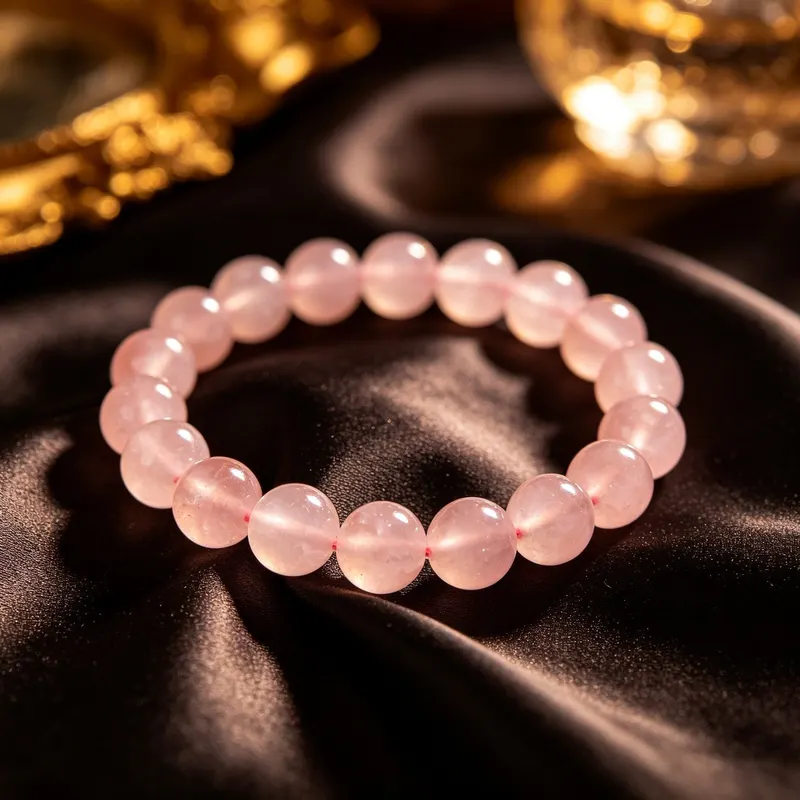
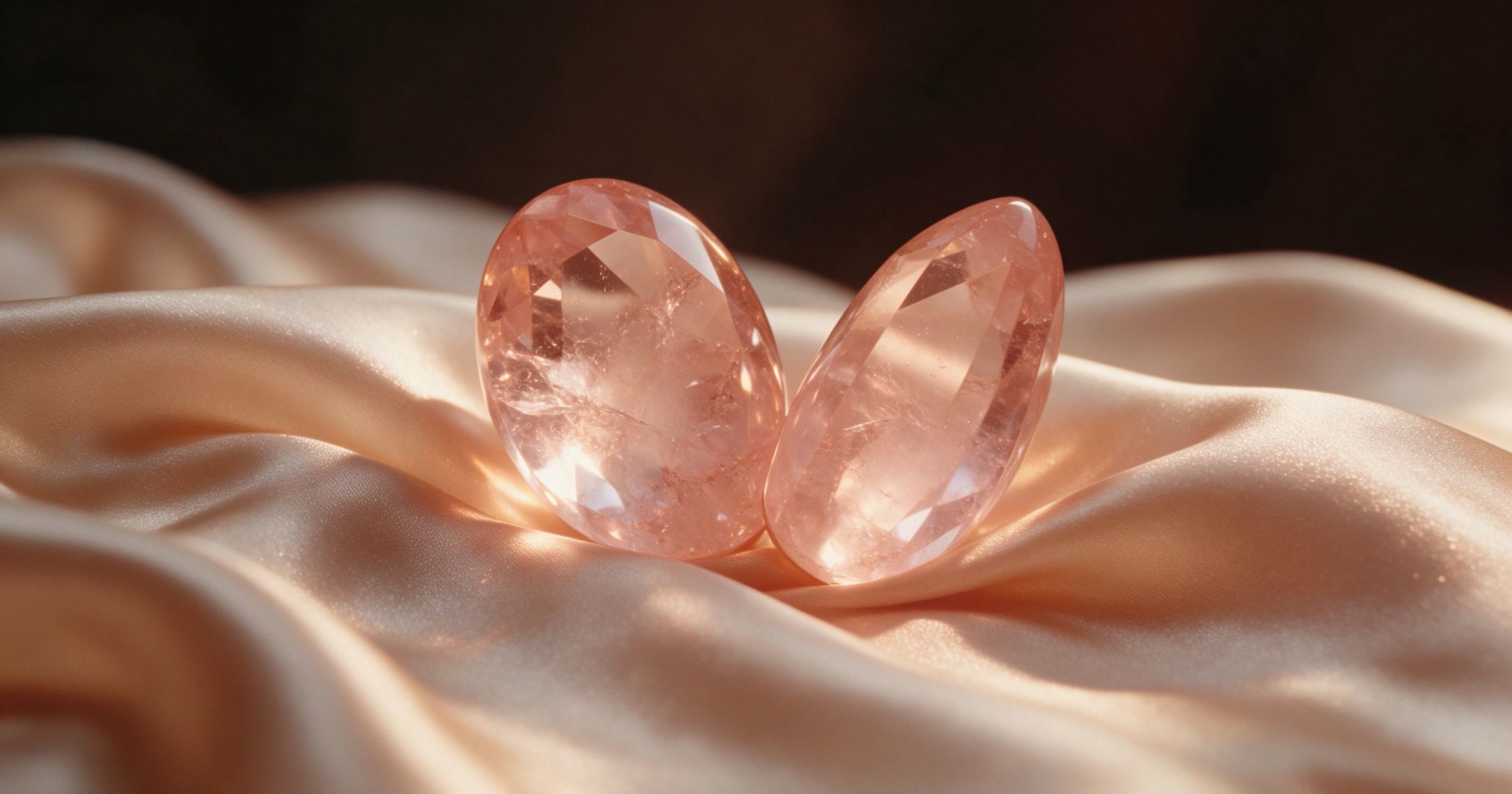
- With rose quartz for gentle emotional healing and self-compassion — see our Rose Quartz Love Bracelet for Self-Love & Heart. A good combination after a difficult conversation or a heartbreak.
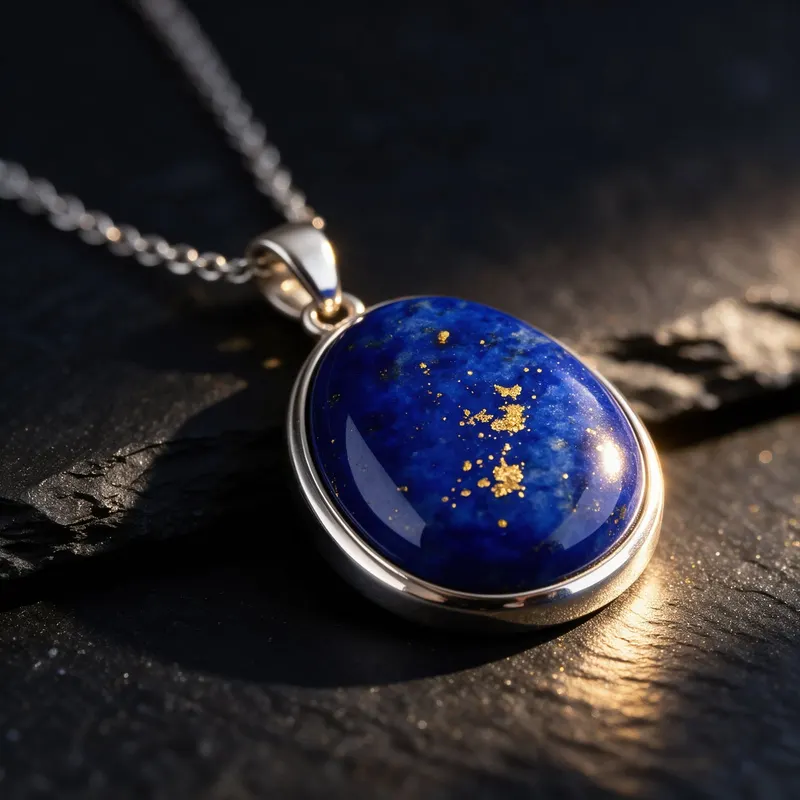
- With lapis lazuli for confident, articulate self-expression — lapis is traditionally associated with wisdom and voice, and the two blues look striking together.
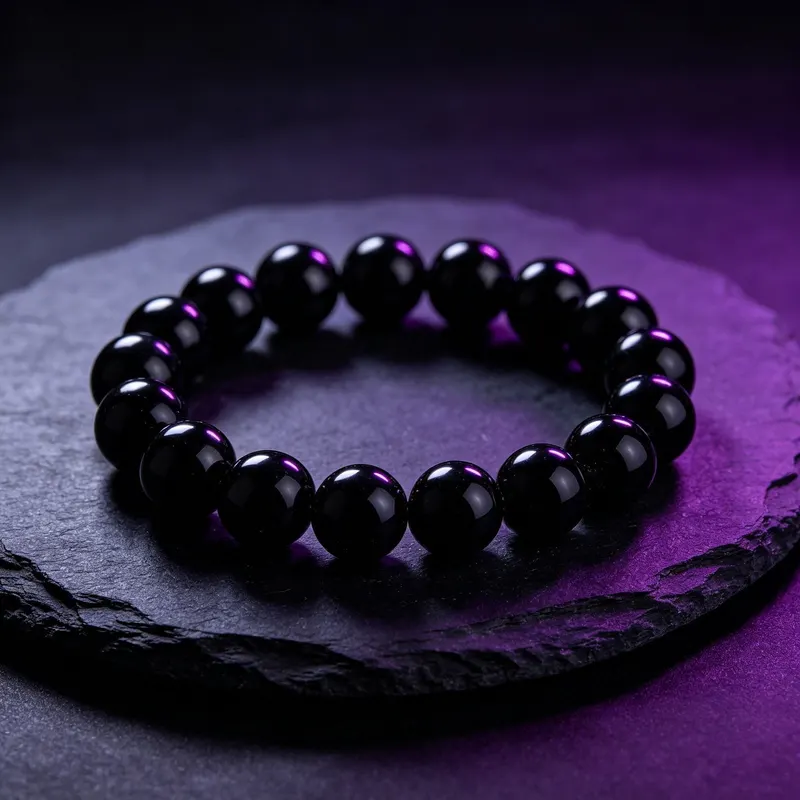
- With black tourmaline when you want grounding alongside calm — useful if speaking up tends to leave you feeling exposed. Our Black Tourmaline Protection Bracelet for Grounding is a natural partner.
- With clear quartz as an amplifier — a simple clear quartz point can sit alongside aquamarine on an altar or desk.
If you are building a practice from scratch, a set like our Healing Crystal Starter Kit, 7 Stones + Guide can help you learn which stones you actually reach for before investing in larger pieces.
FAQ
People Also Ask
Which chakra is aquamarine for?
Primarily the Throat chakra, with a traditionally calming influence on the whole energy body. In practice, that means it is most often used in situations involving speaking, listening, and honest expression.
Is aquamarine good for anxiety?
It is traditionally used to encourage a calm, flowing state of mind, and many people find it a helpful focus during breathing or grounding practices. It is not a treatment for anxiety, and it is not a substitute for professional support if anxiety is affecting your daily life.
Can I wear aquamarine every day?
Yes. At 7.5–8 on the Mohs scale, it is durable enough for regular wear, though you should remove rings and bracelets before heavy chores, swimming in chlorinated water, or anything that could scratch the surface. Store it separately from harder stones.
How do I cleanse or recharge aquamarine?
Traditional methods include moonlight, sound (a bell or singing bowl), or placing it near selenite. From a care standpoint, keep water contact brief, avoid harsh chemicals and ultrasonic cleaners, and wipe with a soft cloth. If you use a cleansing wand, our Selenite Cleansing Wand for Energy Clearing is a gentle option that does not require water at all.
Shop the Stones
- Aquamarine Serenity Necklace for Calm Communication
- Rose Quartz Love Bracelet for Self-Love & Heart
- Black Tourmaline Protection Bracelet for Grounding
- Selenite Cleansing Wand for Energy Clearing
Keep Exploring
Crystals for Anxiety · Crystals for Heartbreak · Crystal Jewelry Meaning
Crystals are intended to support personal and spiritual well-being and are not medical devices. They do not diagnose, treat, cure, or prevent any disease. If you are struggling with your mental or physical health, please reach out to a qualified professional.