Daily Wear Needs Tough, Versatile Stones
You bought a crystal bracelet because it caught your eye or because a particular stone resonated with you — and then real life intervened. You type on a laptop, haul a tote bag, wash dishes, and maybe fall asleep with your wrist still stacked. A few weeks in, the elastic feels looser, the beads look dull, and you wonder whether you should have picked something sturdier.
The good news: a handful of stones handle daily wear beautifully. They're hard enough to resist scratches, come in neutral or easy-to-style palettes, and look intentional whether you're at a desk, in a classroom, or out to dinner. This guide covers which crystal bracelets actually hold up, how to size and care for them, what to look for when buying, and realistic price expectations — plus an honest split between what tradition claims and what we can actually verify.
One note before we start: crystals are for reflection and are not medical devices. Keep that in mind as you read the "traditionally associated with" language throughout — it describes lore and personal ritual, not treatment.
What Makes a Crystal Bracelet "Everyday"?
Three practical factors separate a bracelet you'll wear daily from one that lives in a drawer:
- Hardness. On the Mohs scale, quartz-family stones (amethyst, rose quartz, clear quartz, citrine) sit at 7, which resists most everyday scratches. Softer stones like selenite (2) or fluorite (4) scuff easily and are better as occasional pieces or display stones.
- Toughness and structure. Hardness isn't the whole story. Stones with cleavage or internal fractures — including some feldspars — can chip if knocked against a desk edge. Smooth, rounded beads on a quality elastic are the most forgiving format.
- Palette and styling. A neutral or deep-toned bracelet matches more outfits, which means you'll actually reach for it. Black, smoky brown, deep purple and soft pink are the easiest daily choices.
The other half of durability is the stringing. Even the hardest beads fail if the elastic is thin or the knot is sloppy. We'll cover what to inspect below.
The Daily-Wear Shortlist
These picks balance durability, comfort and versatility. Each is traditionally associated with a particular quality, so choose the one whose meaning matches what you want to invite into your day.
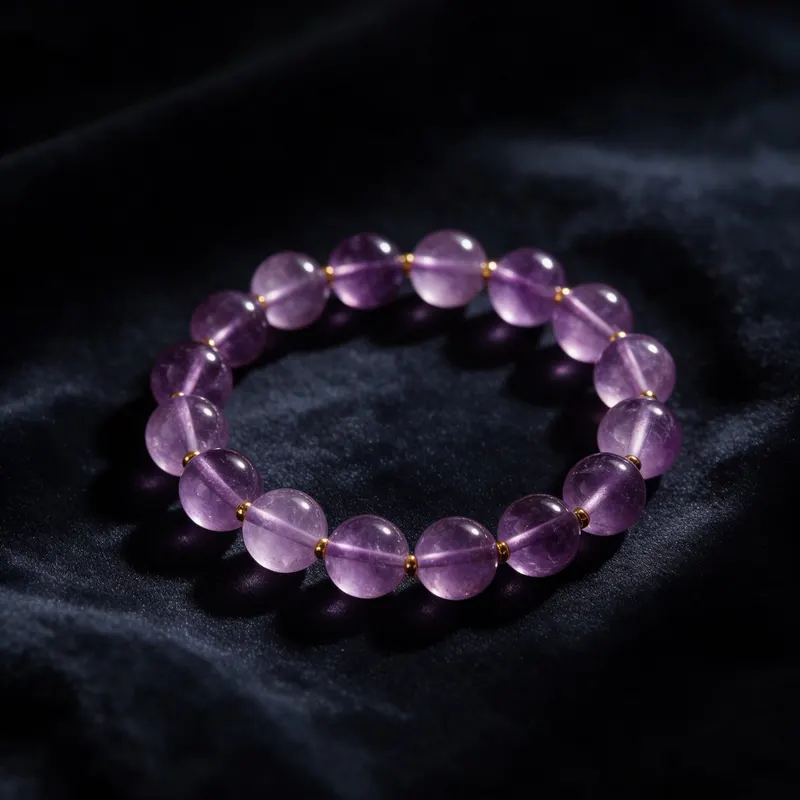
- Amethyst Healing Bracelet for Calm & Clarity — quartz-hard (Mohs 7), deep purple that reads as neutral, traditionally associated with calm and clarity. The most versatile single bracelet for most people.
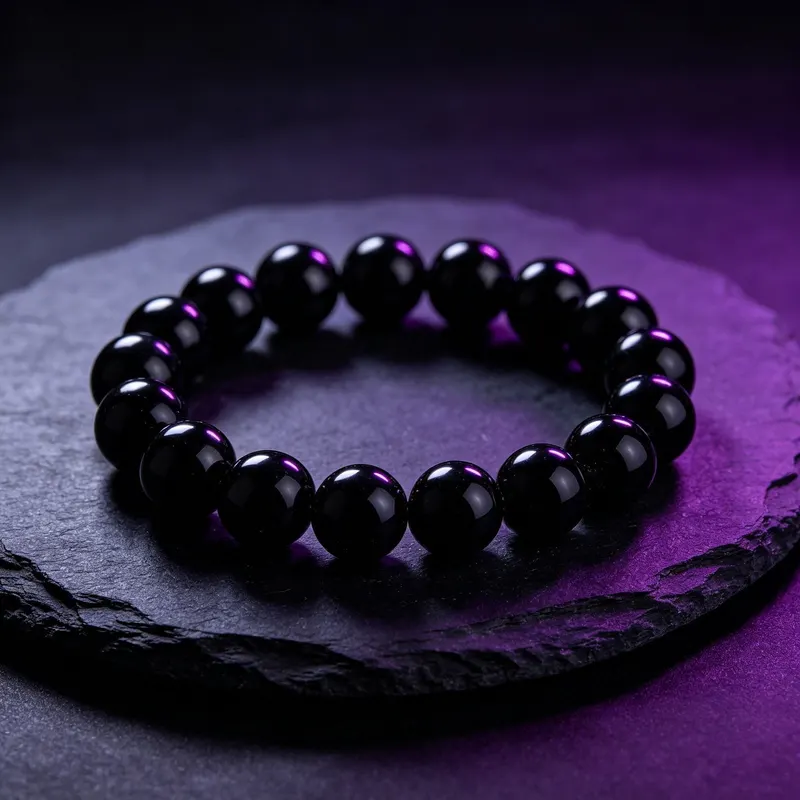
- Black Tourmaline Protection Bracelet for Grounding — a dense, dark stone that pairs with everything; traditionally associated with grounding and protection. Note that tourmaline is harder to source in perfectly uniform beads, so expect slight natural variation.
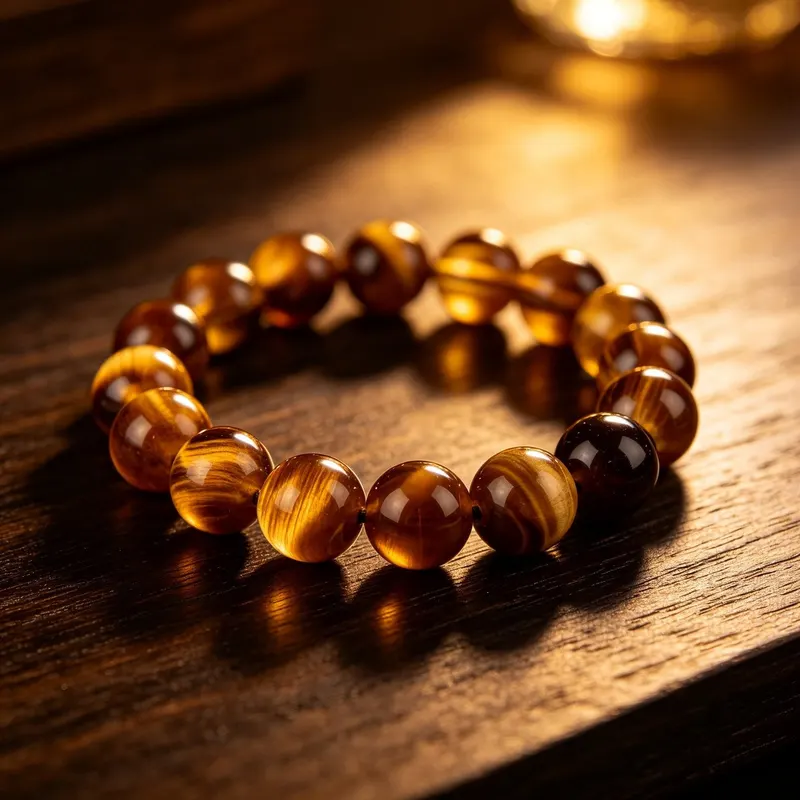
- Tiger's Eye Confidence Bracelet for Focus & Courage — chatoyant bands that catch light, traditionally associated with confidence and focus. Tiger's eye is a quartz variety (Mohs 6.5–7) and wears well.
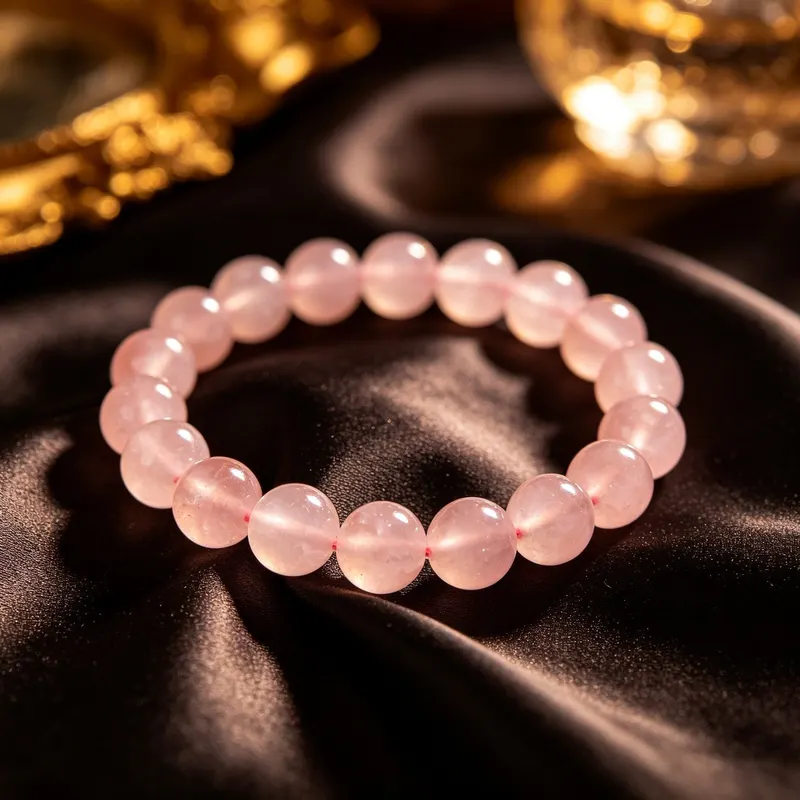
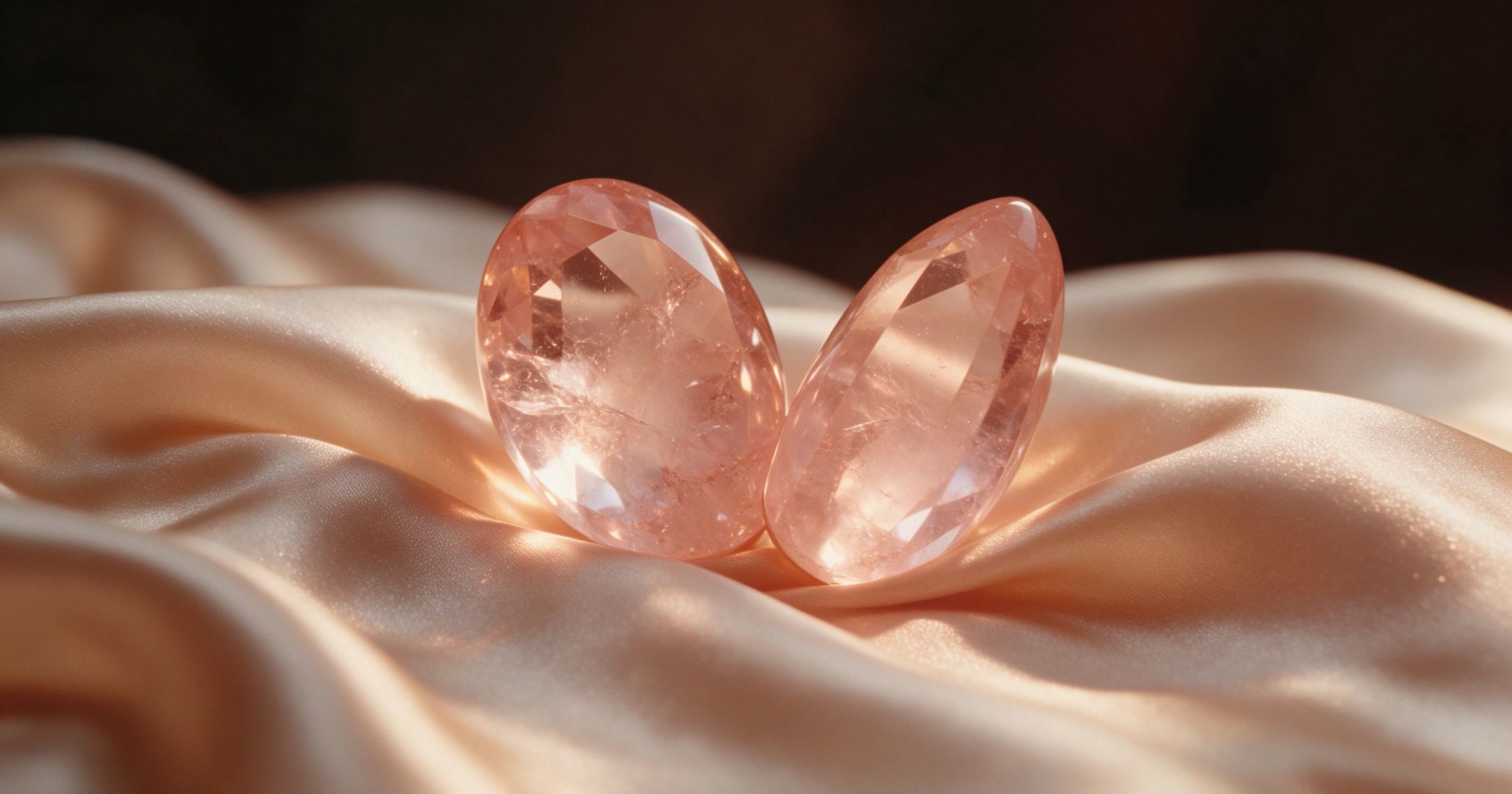
- Rose Quartz Love Bracelet for Self-Love & Heart — Mohs 7, soft pink, traditionally associated with self-love and heart-centered intention. A gentle everyday option, though pale beads show grime faster than dark ones.
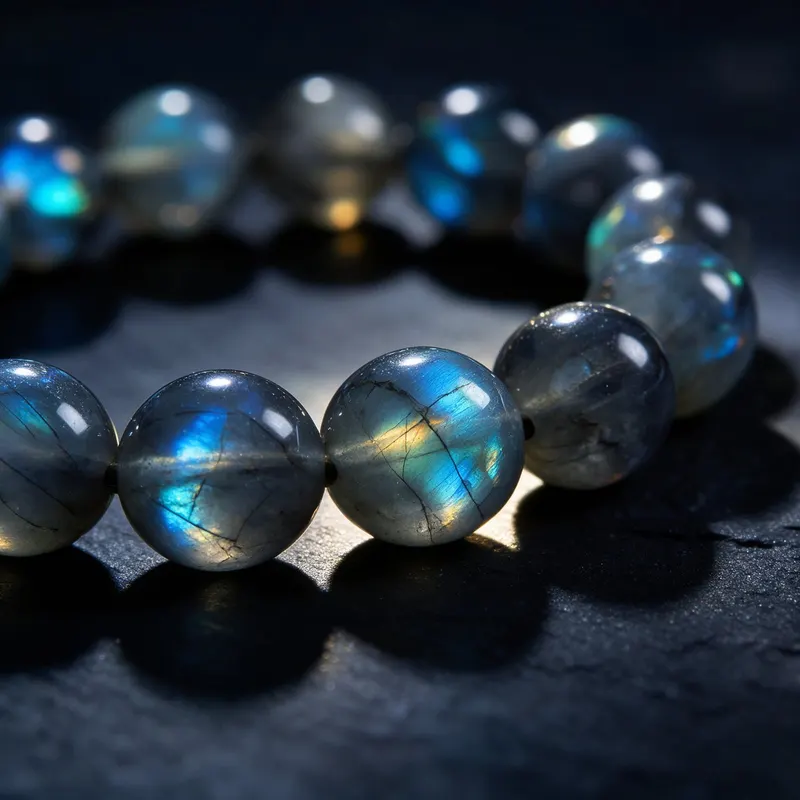
- Labradorite Bracelet for Intuition & Transformation — flashes of blue and gold, traditionally associated with intuition. Labradorite is a feldspar (Mohs 6–6.5) with cleavage, so treat it more gently than quartz.
- Tiger's Eye aside, if you want a single "starter" piece that covers many intentions, the 7 Chakra Balancing Bracelet mixes stones in one strand — check that the softer beads are protected and the elastic is strong.
For a deeper wardrobe, a Healing Crystal Starter Kit lets you try several stones before committing to a daily favorite.
Compare the Top Daily Picks
| Stone | Mohs Hardness | Water & Sun | Best For | Watch Out For |
|---|---|---|---|---|
| Amethyst | 7 | Fades in prolonged direct sun; avoid soaking | Calm, clarity, neutral styling | Color fading if left on a sunny sill |
| Black Tourmaline | 7–7.5 | Generally water-tolerant; avoid harsh cleaners | Grounding, protection, dark palette | Natural surface variation between beads |
| Tiger's Eye | 6.5–7 | Water-tolerant; avoid long soaking | Confidence, focus, warm tones | Banding looks different in every piece |
| Rose Quartz | 7 | Fades in direct sun; avoid soaking | Self-love, soft styling | Pale beads show lotion and grime |
| Labradorite | 6–6.5 | Avoid soaking; dry promptly | Intuition, statement flash | Cleavage — can chip if struck |
| Selenite | 2 | Water-soluble — keep dry | Cleansing other stones | Scratches and dissolves; not for daily wrist wear |
How to Choose — and Size — Your Everyday Bracelet
Sizing is the most common reason a bracelet gets returned or forgotten. Measure your wrist snugly with a soft tape just below the wrist bone, then add roughly half an inch (about 1.3 cm) for a comfortable fit, or a full inch if you prefer a looser drape. Bead size matters too: 6 mm beads suit smaller wrists and stack well; 8 mm is the most popular all-rounder; 10 mm reads as a bolder statement.
A quick buying checklist:
- Elastic quality: Look for doubled or thick elastic and a knot sealed with a dab of clear glue, ideally hidden inside a bead.
- Bead consistency: Beads should be smoothly drilled and roughly uniform in size — small variation is natural, wild variation often signals lower grading.
- Color honesty: Deep, even color in amethyst or rose quartz can be natural or enhanced; ask if you're unsure. Slight banding and inclusions are normal and often a sign of genuine stone.
- Weight and feel: Real stone feels cool and substantial. Very light, plasticky beads are a red flag.
- Price realism: Expect roughly $20–$45 for a well-made elastic bracelet in common stones, and more for larger beads, rarer material or metal accents. Extremely cheap bracelets often cut corners on elastic and bead grading.
If you want a pendant instead of a bracelet for daily wear, a Clear Quartz Point Pendant Necklace is a durable, low-maintenance alternative — quartz at Mohs 7 handles daily life well.
Keep It Looking New
- Roll bracelets on and off rather than stretching them over your hand — this is the single biggest factor in elastic lifespan.
- Remove before showering, swimming, exercise and sleeping. Heat, soap and sweat degrade elastic and dull softer stones.
- Wipe beads with a soft, dry cloth after wear to remove oils and lotion.
- Store flat or coiled in a pouch, away from direct sun, to protect color and prevent stretching.
- Recharge or cleanse on a Selenite Cleansing Wand weekly if that's part of your ritual — selenite is a traditional cleansing stone and stays dry, so it won't damage quartz beads.
What is handed down — and what we can verify
Crystal lore is rich, and it's worth separating belief from measurable fact so you can enjoy the first without being misled by the second.
Traditional associations (belief and ritual, not science): Amethyst is traditionally associated with calm and clarity; black tourmaline with grounding and protection; tiger's eye with confidence and focus; rose quartz with self-love and the heart; labradorite with intuition. Many people find that wearing a stone as a daily reminder supports their intentions — a reflective practice, not a treatment.
What we can verify (materials and care): Mohs hardness is a real, measurable scale — quartz at 7 resists scratches far better than selenite at 2. Amethyst and rose quartz can fade with prolonged direct sunlight. Selenite is water-soluble and should never be soaked. Elastic cord degrades with heat, sweat and repeated stretching regardless of the stone. These are the facts that should drive your care routine and buying decisions.
In short: choose the stone whose meaning resonates with you, but let hardness, stringing quality and care determine whether it survives your week.
FAQ
People Also Ask
Which crystal bracelet is best for everyday?
Amethyst and black tourmaline are the most durable, versatile daily staples — both are hard enough to resist scratches and neutral enough to match most wardrobes. Tiger's eye is a strong warm-toned alternative.
Can I wear my crystal bracelet in the shower?
Remove it. Soap, heat and repeated water weaken the elastic cord and can dull softer stones over time. Selenite, in particular, should never get wet.
How tight should a crystal bracelet fit?
Snug but not tight — about half an inch of ease over your measured wrist, or a full inch if you prefer it loose. You should be able to slide one finger under the strand without stretching it.
How often should I replace the elastic?
There's no fixed schedule, but check monthly for fraying, a loosening fit or a visible knot. Re-stringing is inexpensive and far better than losing beads when the cord finally snaps.
Start With One Stone
You don't need a full collection to begin. Pick the stone whose meaning speaks to you, confirm it's hard enough for your routine, and check the elastic before you commit. Wear it for a few weeks, notice how it fits into your day, and let that experience guide your next piece. Browse the full Crystal Bracelets collection when you're ready.
Crystals are offered for reflection and ritual, not as medical or psychological treatment. They are not medical devices and are not intended to diagnose, treat, cure or prevent any condition.