Rings Keep Intention Close
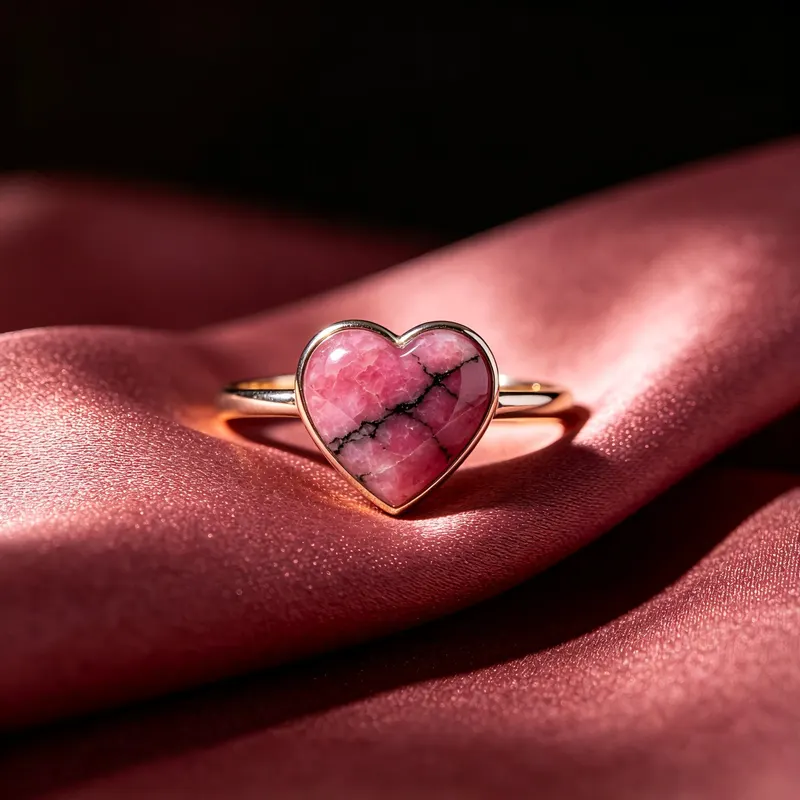
You're probably here because you've seen a crystal ring you love—maybe the Rhodonite Heart Ring—and you're wondering two things at once: what does this stone actually mean, and which finger should it go on? It's a fair question. Rings are different from bracelets and pendants. You see them every time you reach for a coffee cup, type a message, or hold someone's hand. That constant, quiet visibility is exactly why a ring can work as a small daily anchor for whatever intention you're setting.
This guide walks through the traditional meanings of common ring stones, the finger-by-finger lore (including the "receiving versus expressing" idea), and the practical side most guides skip: hardness, sizing, metal choice, and realistic prices. We'll be clear about what's tradition and what's verifiable, so you can choose a ring you'll actually wear and care for well.
One note up front: crystal traditions are symbolic and reflective. They can invite a mindset—calm, courage, self-compassion—but they don't guarantee outcomes. Think of a ring as a reminder you carry, not a mechanism.
Stones and Their Meanings
Most crystal rings on the market feature one of a handful of stones. Here's how each is traditionally associated, plus a quick note on how it behaves in a ring setting.
- Rhodonite — traditionally associated with compassion, forgiveness, and emotional balance. It's a manganese-bearing mineral, usually opaque pink with black veining, and it's relatively soft, so it suits occasional wear more than daily knocks.
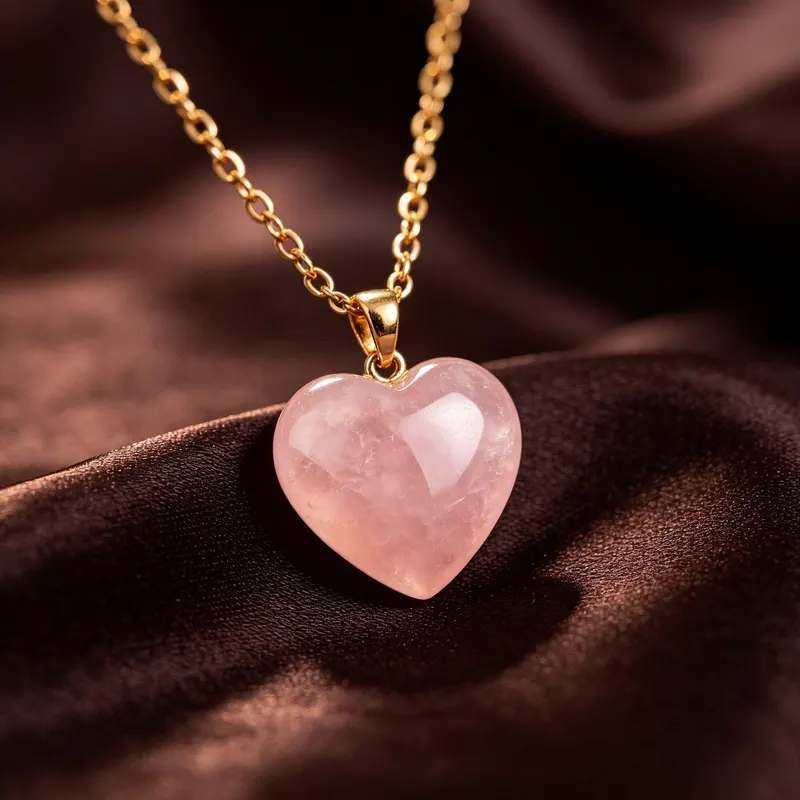
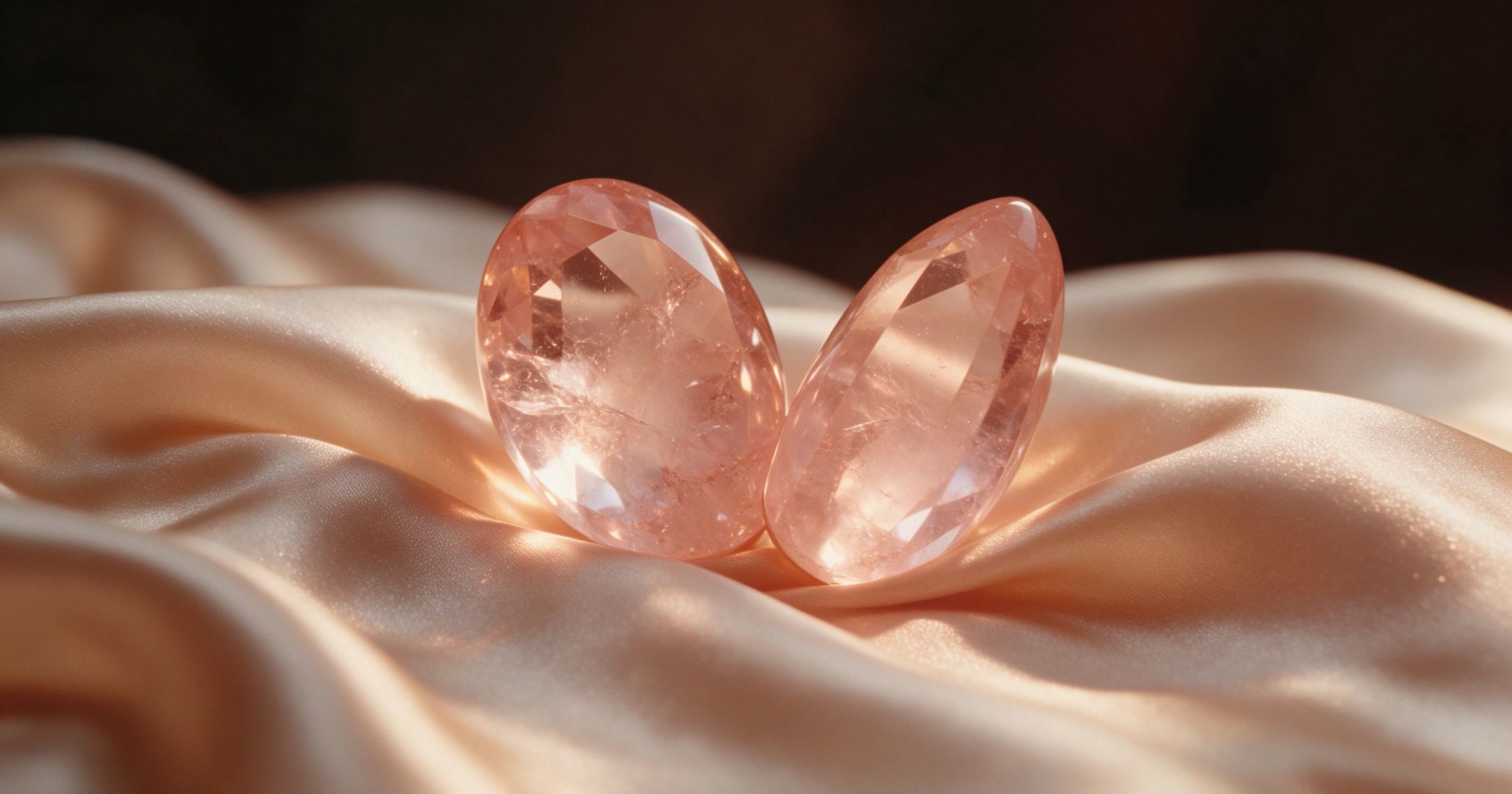
- Rose quartz — believed to support self-love, gentleness, and open-heartedness. It's a durable-enough quartz (Mohs 7) but often cut into larger, rounded shapes that can chip at the edges.
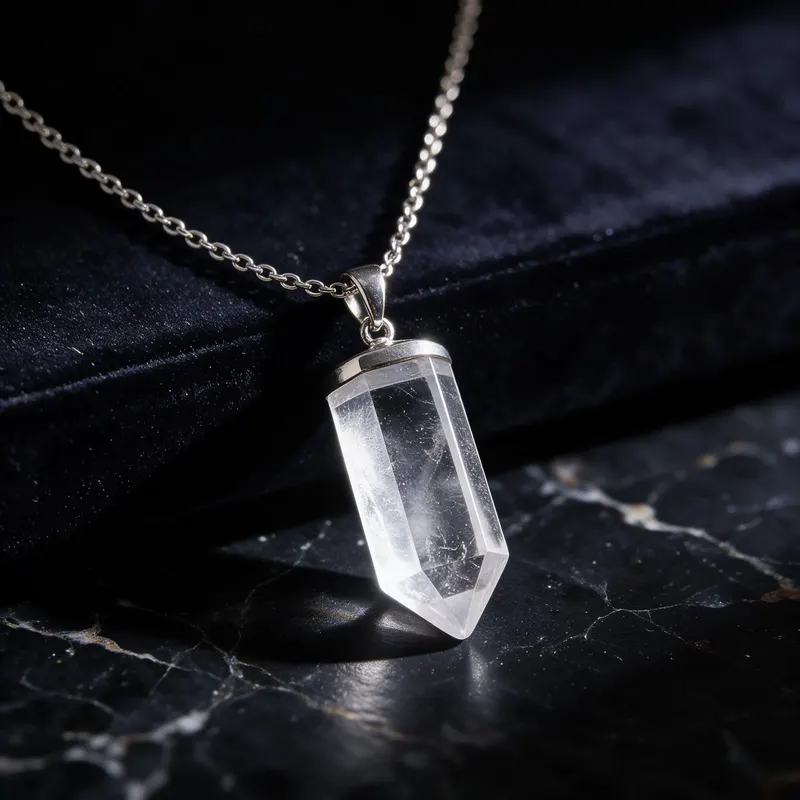
- Clear quartz — traditionally associated with clarity, focus, and amplification of intention. Hard (Mohs 7) and versatile; a good everyday choice.
- Amethyst — associated with calm, reflection, and winding down. Also Mohs 7, but its color fades with prolonged direct sun, so store it away from a sunny windowsill.
- Citrine — traditionally linked to joy, motivation, and abundance mindset. Natural citrine is rare; most is heat-treated amethyst, which is standard and fine as long as sellers say so.
- Black tourmaline or obsidian — associated with grounding and protection. Both are tough and forgiving for everyday wear.
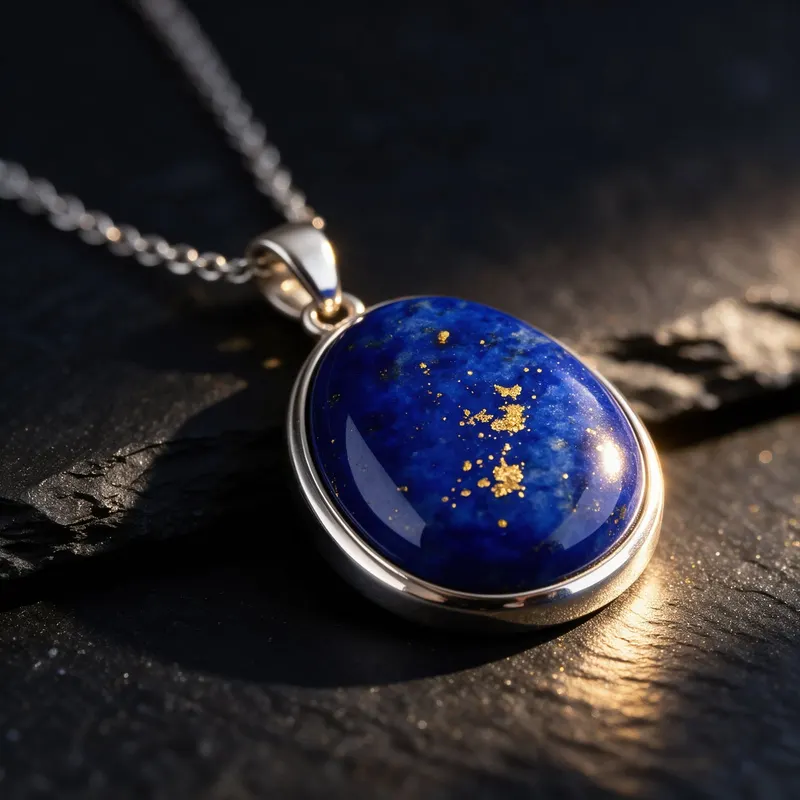
- Lapis lazuli — linked to wisdom and clear communication. It's a softer composite (roughly Mohs 5–6) and sensitive to acids and prolonged water, so treat it gently.
- Moonstone — associated with intuition and new beginnings. It's relatively soft (Mohs 6–6.5) with cleavage planes, meaning it can crack along internal lines if struck.
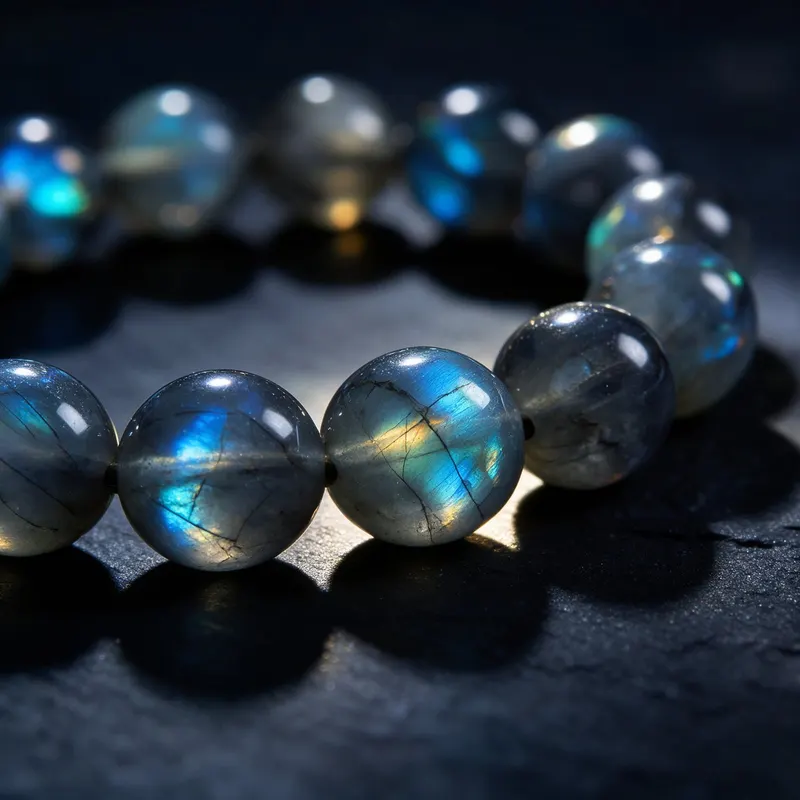
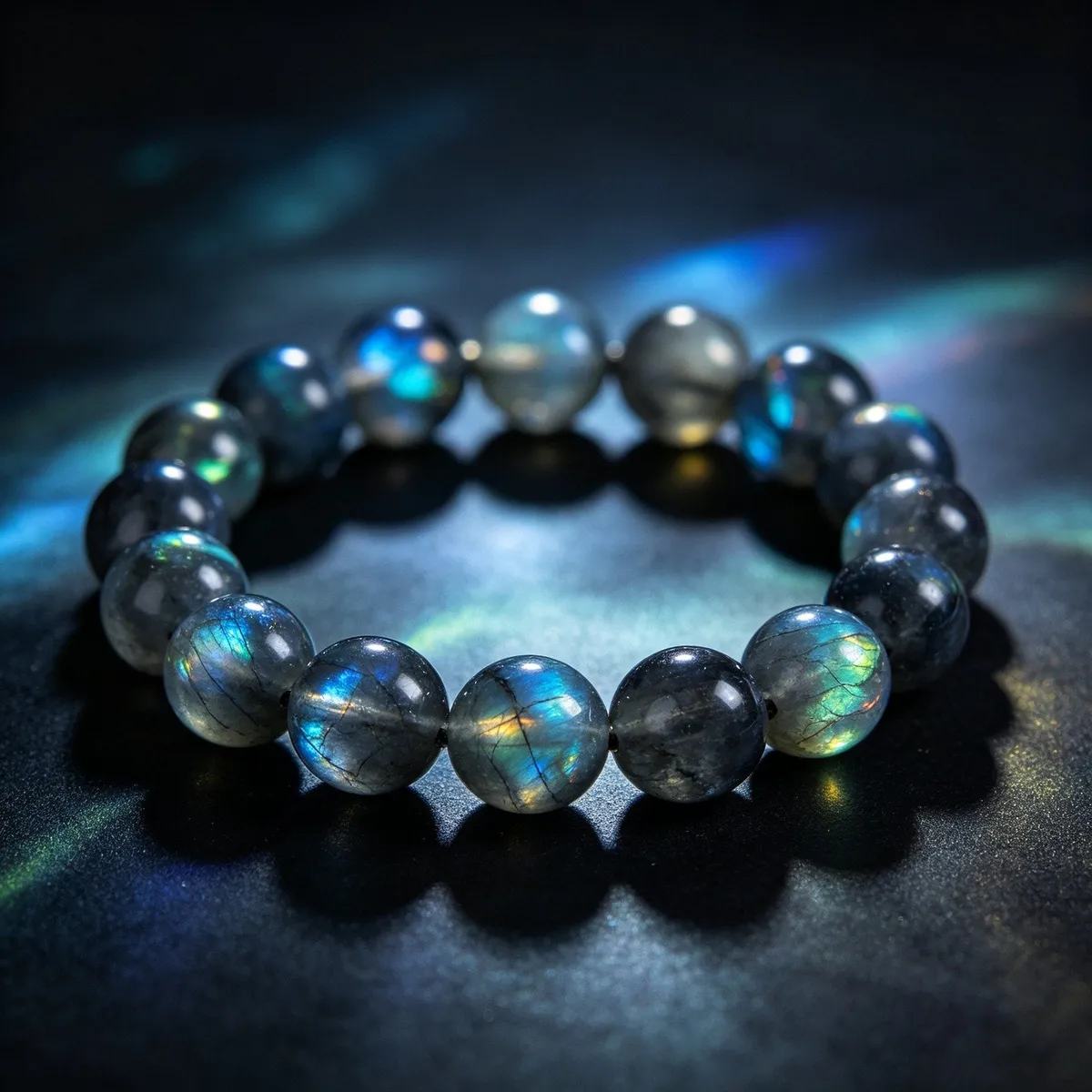
- Labradorite — linked to intuition and transformation. Similar hardness to moonstone; the flash (labradorescence) is best appreciated in a cabochon, which is common in rings.
If you want a stone that pairs with a ring you already own, the Rose Quartz Heart Pendant Necklace and the Clear Quartz Point Pendant Necklace use the same two stones most often set in rings, so you can build a matched set.
Finger Traditions: Receiving Versus Expressing
Finger lore varies by tradition, and there's no single authoritative source. The most common modern framing is a "receiving versus expressing" split: one hand is said to draw energy in, the other to project it outward. Which is which depends on who you ask—some traditions assign receiving to the left hand and expressing to the right; others reverse it. Because the traditions genuinely disagree, the most useful approach is to pick a consistent rule for yourself and stick with it.
Here's the finger-by-finger symbolism most often cited:
- Thumb — willpower and assertiveness. A thumb ring is bold and uncommon; it reads as a statement piece.
- Index finger — confidence and leadership. Often chosen for career or self-assurance intentions.
- Middle finger — grounding, responsibility, and balance. The longest finger, so the ring takes the most knocks—choose a hardy stone.
- Ring finger — love, creativity, and commitment. The most traditional "heart" finger and the most common choice for rose quartz or rhodonite.
- Pinky — communication and intuition. Small stones work best here for comfort.
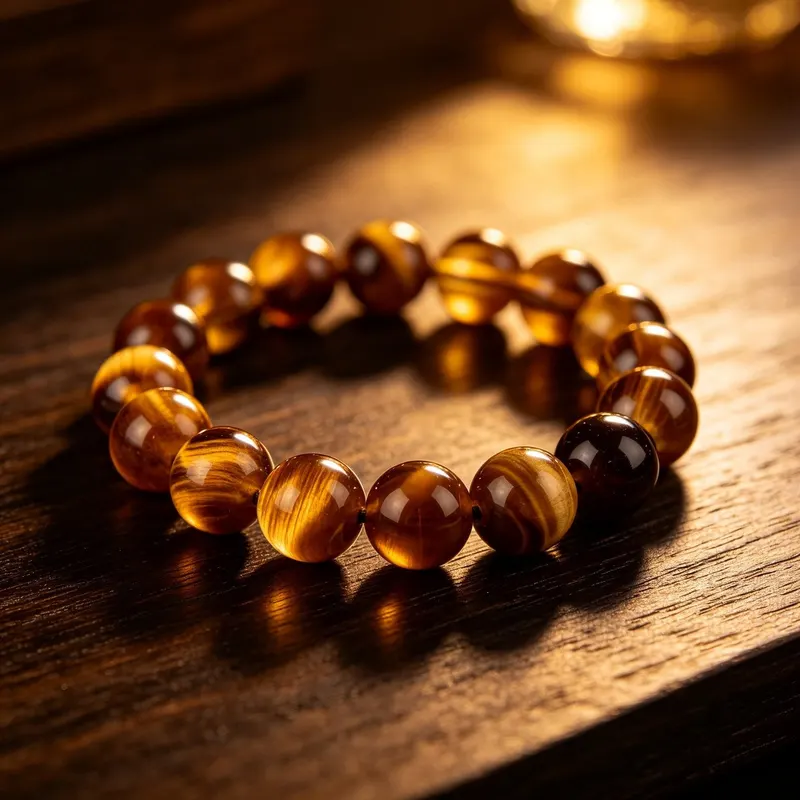
A practical way to use this: decide your intention first, then match the finger. If you want a ring for calm during a stressful season, amethyst on the middle finger (grounding) or ring finger (heart-centered) makes sense. If you want a confidence anchor for presentations, tiger's eye or citrine on the index finger fits the tradition. The Tiger's Eye Confidence Bracelet follows the same logic for the wrist, if you prefer to layer.
Choosing a Stone for Daily Wear: A Practical Comparison
Meaning matters, but so does durability. Rings take more abuse than any other jewelry—doorframes, keyboards, dishwashing, gym equipment. Use this table to match stone to lifestyle.
| Stone | Mohs Hardness | Water & Sun Sensitivity | Best For |
|---|---|---|---|
| Clear quartz | 7 | Generally stable; avoid harsh chemicals | Everyday wear, clarity intentions |
| Amethyst | 7 | Color fades in prolonged direct sun | Daily wear with sun-safe storage |
| Citrine (heat-treated) | 7 | Stable; avoid long sun exposure | Motivation, abundance intentions |
| Rose quartz | 7 | Stable; pale color can fade in sun | Heart-centered daily wear |
| Black tourmaline / obsidian | 7 / 5–5.5 | Stable; obsidian scratches more easily | Grounding, active days |
| Rhodonite | 5.5–6.5 | Avoid prolonged water and acids | Occasional wear, gentle settings |
| Lapis lazuli | 5–6 | Sensitive to acids and long soaking | Occasional wear, protected settings |
| Moonstone / labradorite | 6–6.5 | Avoid knocks; keep dry | Occasional wear, bezel settings |
What to look for when buying:
- Setting type: A bezel (metal wrapped around the edge) protects soft stones far better than prongs. For rhodonite, moonstone, or lapis, insist on a bezel.
- Metal: Sterling silver and gold-plated brass are common at accessible prices. Gold plating wears at high-friction points; solid gold costs far more but lasts.
- Sizing: Get measured at a jeweler or order a ring sizer. Fingers swell in heat and shrink in cold—measure at room temperature, end of day.
- Stone quality: Look for even color and no visible cracks. Inclusions are normal and often part of the stone's character; fractures that reach the surface are not.
- Disclosure: Reputable sellers state whether citrine is natural or heat-treated and whether stones are lab-grown or natural.
Realistic price expectations (US): Silver or gold-plated rings with a modest cabochon typically run $30–$90. Solid gold or larger, high-clarity stones push into the hundreds. Be wary of "rare" claims at bargain prices—most common ring stones are abundant.
What lore says — and what the evidence shows
It's worth separating two kinds of claims, because they answer different questions.
What the tradition says: Crystal lore assigns meanings to stones and fingers—rose quartz for love, the ring finger for commitment, the index for confidence. These associations are cultural and symbolic. They're meaningful as personal rituals and reminders, and many people find them genuinely helpful for focus. They are not scientific claims, and no crystal is a substitute for medical care, therapy, or financial advice.
What we can verify: The physical properties are measurable. Mohs hardness tells you how a stone resists scratching—quartz at 7 is tougher than lapis at 5–6. Water and sunlight sensitivity are real: amethyst and rose quartz can fade in prolonged sun, and lapis and rhodonite dislike acids and long soaking. These facts should drive your care routine and setting choice.
Care checklist:
- Remove rings before showering, swimming, cleaning, gardening, or lifting weights.
- Store each ring separately in a soft pouch or lined box to prevent scratching.
- Clean with lukewarm water and a soft cloth; skip ultrasonic cleaners for soft or fractured stones.
- Keep amethyst and rose quartz out of direct sun for long periods.
- Check prongs and bezels periodically; have loose stones tightened by a jeweler.
- Recharge intention however you like—moonlight, a selenite plate, or quiet reflection—but treat cleansing as ritual, not chemistry.
If you want a companion piece for clearing space before you wear your ring, the Selenite Cleansing Wand is a common choice; note that selenite itself is water-soluble, so keep it dry.
FAQ
People Also Ask
Which finger is best for a crystal ring?
Tradition associates the ring finger with love and creativity, the index with confidence, and the thumb with willpower. Choose the finger that matches your intention—and the one that feels comfortable, since a ring you fidget with will distract rather than remind.
Are crystal rings durable for daily wear?
Harder stones like quartz (Mohs 7) wear best. Softer stones such as rhodonite, lapis, and moonstone do better in bezel settings and occasional wear. Remove rings for cleaning, heavy lifting, and sleeping to protect both stone and setting.
Should I wear a crystal ring on my left or right hand?
Some traditions assign receiving to the left hand and expressing to the right; others reverse it. Since sources disagree, pick one rule and stay consistent—or simply choose the hand that feels natural for daily tasks.
How do I size a crystal ring and what should I pay?
Measure your finger at room temperature at the end of the day, or ask a jeweler. Expect $30–$90 for silver or gold-plated rings with a modest stone, and several hundred for solid gold or larger, high-clarity stones.
Browse the Curated Collection
Explore the full edit here: Crystal Gifts Collection →
Shop the Stones
Keep Exploring
Learn the broader symbolism in crystal jewelry meaning; for wrists, see which hand to wear a bracelet and the best bracelets.
Crystals are intended for reflection and personal ritual; they are not medical devices and do not diagnose, treat, cure, or prevent any disease. For health, sleep, or mood concerns, consult a qualified professional.