December Birthstones: Turquoise, Tanzanite and Zircon
If you were born in December, or you're shopping for someone who was, you've probably run into a small problem: the month has three official birthstones, and two of them are hard to buy well. Tanzanite comes from a single mining region in Tanzania and is priced accordingly. Fine turquoise is often stabilized, treated, or sold as a composite, and the difference matters. Blue zircon is beautiful but rarely stocked in most jewelry cases.
That's why so many December shoppers end up looking at calm blue alternatives instead — stones that carry the same quiet, winter-sky feeling but are easier to find, easier to care for, and easier to buy at a fair price. This guide walks through all three traditional December stones, explains what the tradition actually says about them, separates that lore from what we can verify about hardness and care, and then suggests in-stock blue and winter-light alternatives that make genuinely good gifts.
Whether you want a traditional birthstone, a calming everyday piece, or a small ritual object for a December birthday, the goal here is the same: help you choose something you'll actually wear or use, and know how to take care of it.
The Three Traditional December Birthstones
Turquoise
Turquoise is one of the oldest stones in human ornament, used across the American Southwest, Persia, Egypt, and Central Asia for thousands of years. Its color ranges from pale sky blue to deep blue-green, often with dark veining (called matrix) from the host rock. In the US market, most affordable turquoise is stabilized — treated with a resin to harden it — and some is reconstituted from crushed stone. Neither is dishonest if disclosed, but you should ask. Natural, untreated, high-color turquoise is a collector's material and priced like one.
Tanzanite
Tanzanite is a blue-violet variety of the mineral zoisite, discovered in the 1960s and found commercially only in a small area near Mount Kilimanjaro. It's a genuine rarity, which is why even modest stones carry a premium. It's also relatively soft for everyday jewelry and can be sensitive to sudden temperature changes and ultrasonic cleaning, so it's best treated gently.
Blue Zircon
Zircon (not to be confused with cubic zirconia) is a natural gemstone with high brilliance and a long history. Blue zircon is typically heat-treated to reach its color. It's durable enough for occasional wear but can chip at facet edges, so it's better in pendants and earrings than in rings worn daily.
What Each Stone Is Traditionally Associated With
Birthstone lore is cultural, not clinical. These are the associations that have grown up around each stone over time — treat them as a frame for reflection, not a promise of anything.
- Turquoise — traditionally associated with protection, good fortune, and safe travel; often given as a talisman.
- Tanzanite — a modern stone, popularly linked to insight, calm, and "new beginnings" energy; much of this lore is recent and marketing-driven rather than ancient.
- Zircon — historically connected to clarity, restful sleep, and steadying energy in older European lapidary traditions.
- Blue stones generally — across many traditions, blue is tied to calm communication, serenity, and clear thinking, which is why December's palette feels so cohesive.
The lore, and what we can actually verify
This is the section worth reading twice, because it's where most birthstone articles blur the line between folklore and fact.
| Stone | Traditional lore | Verifiable facts (Mohs hardness, sensitivity, care) |
|---|---|---|
| Turquoise | Protection, good fortune, safe travel | Mohs 5–6. Porous; absorbs oils, sweat, and cosmetics. Avoid hot water, chlorine, and ultrasonic cleaners. Wipe with a soft dry cloth. Stabilized material is more forgiving. |
| Tanzanite | Insight, calm, new beginnings (modern lore) | Mohs 6–7 with one direction of cleavage. Sensitive to sudden temperature change and ultrasonic cleaning. Best in pendants and earrings; store separately. |
| Blue zircon | Clarity, restful sleep, steadying energy | Mohs 6–7.5, brittle at facet edges. Avoid knocks; clean with mild soap and lukewarm water only. |
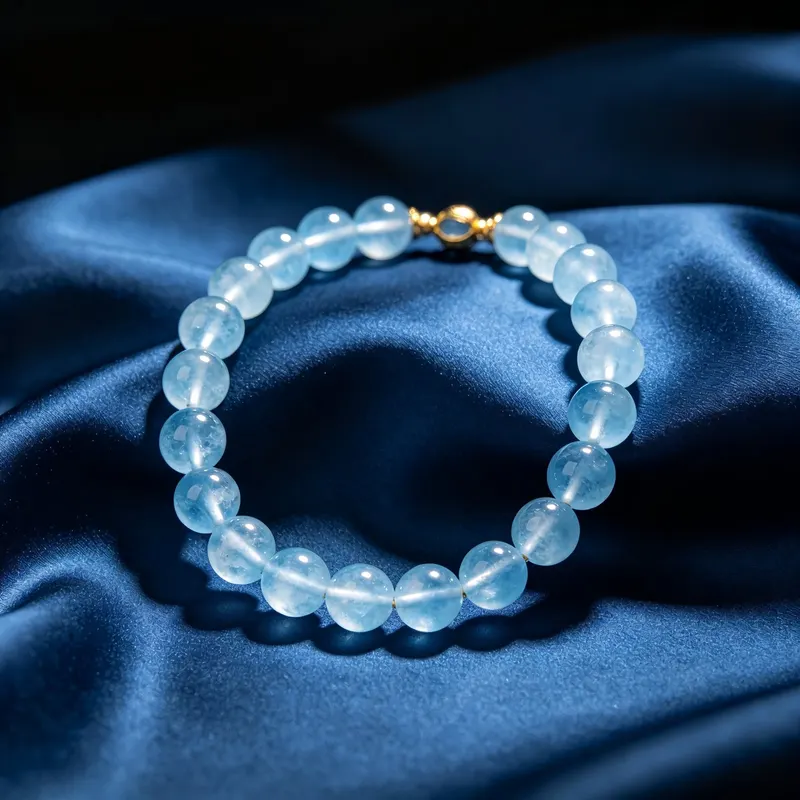
| Aquamarine (alternative) | Calm communication, serenity | Mohs 7.5–8. Durable for everyday wear. Generally safe in an ultrasonic cleaner if untreated; avoid prolonged sun exposure, which can fade some stones over time. |
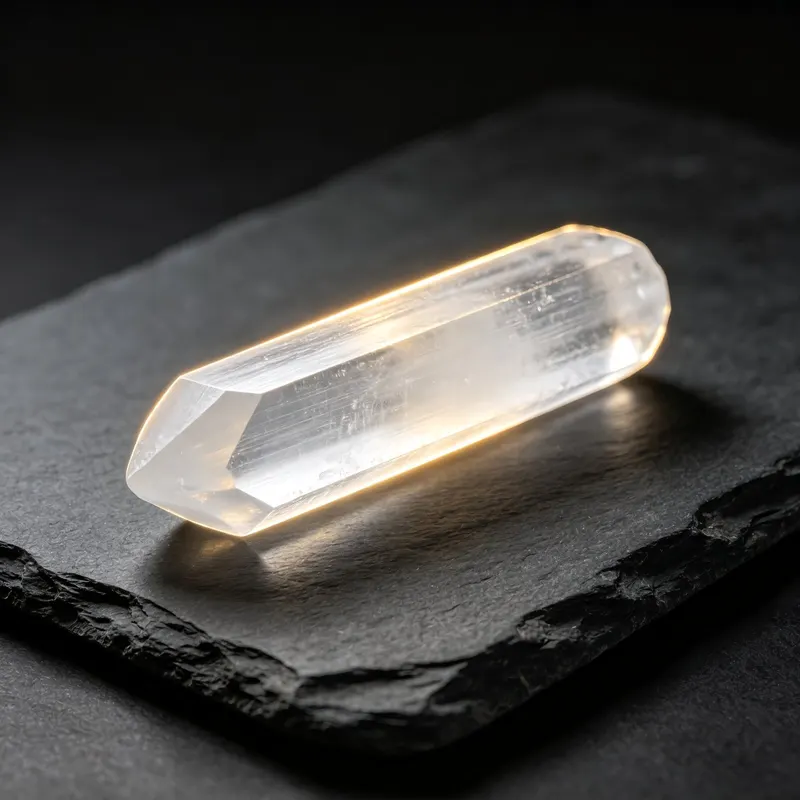
| Selenite (alternative) | Cleansing, clear energy | Mohs 2 — very soft and water-soluble. Never soak it. Dust with a dry cloth and keep it away from moisture. |
The takeaway: December's traditional stones are beautiful but delicate. If you want something you can wear daily without worry, a slightly harder blue alternative is a practical choice — not a compromise.
Calm Blue Alternatives That Are Actually in Stock
These stones echo December's winter-sky palette and are easier to source and care for. Each is traditionally associated with calm or clear energy, and each is a real, wearable option rather than a placeholder.
- Aquamarine — the closest match to December's serene blue. Our Aquamarine Serenity Necklace is a natural pick for a December birthday, and it's durable enough for regular wear.
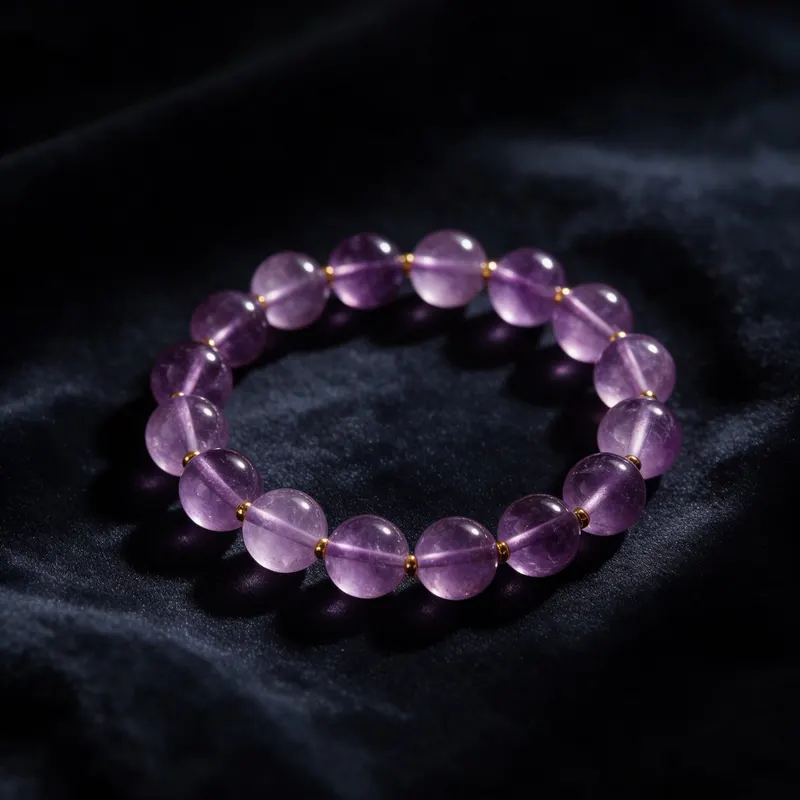
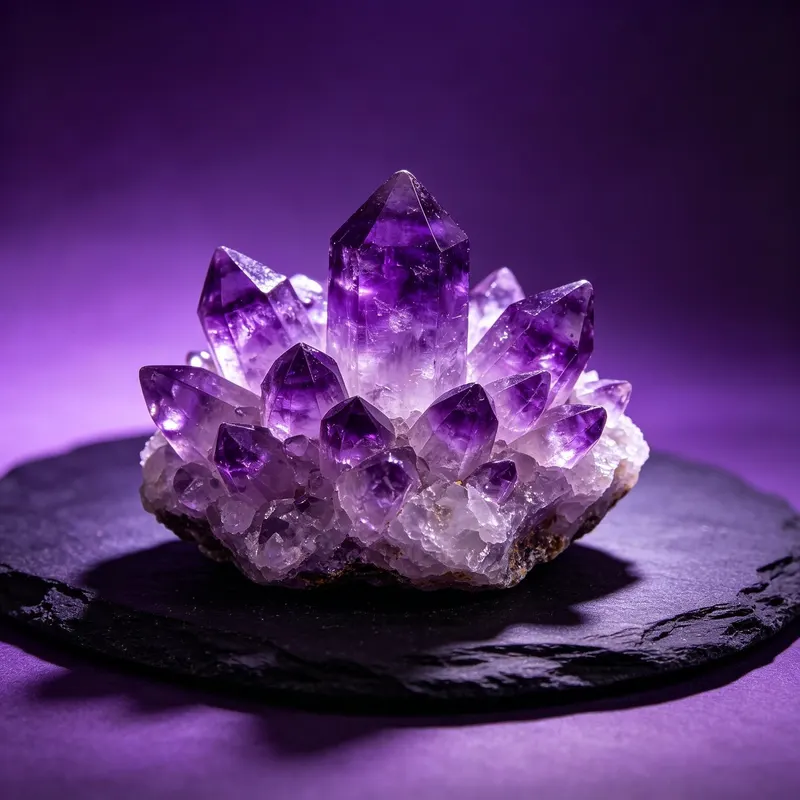
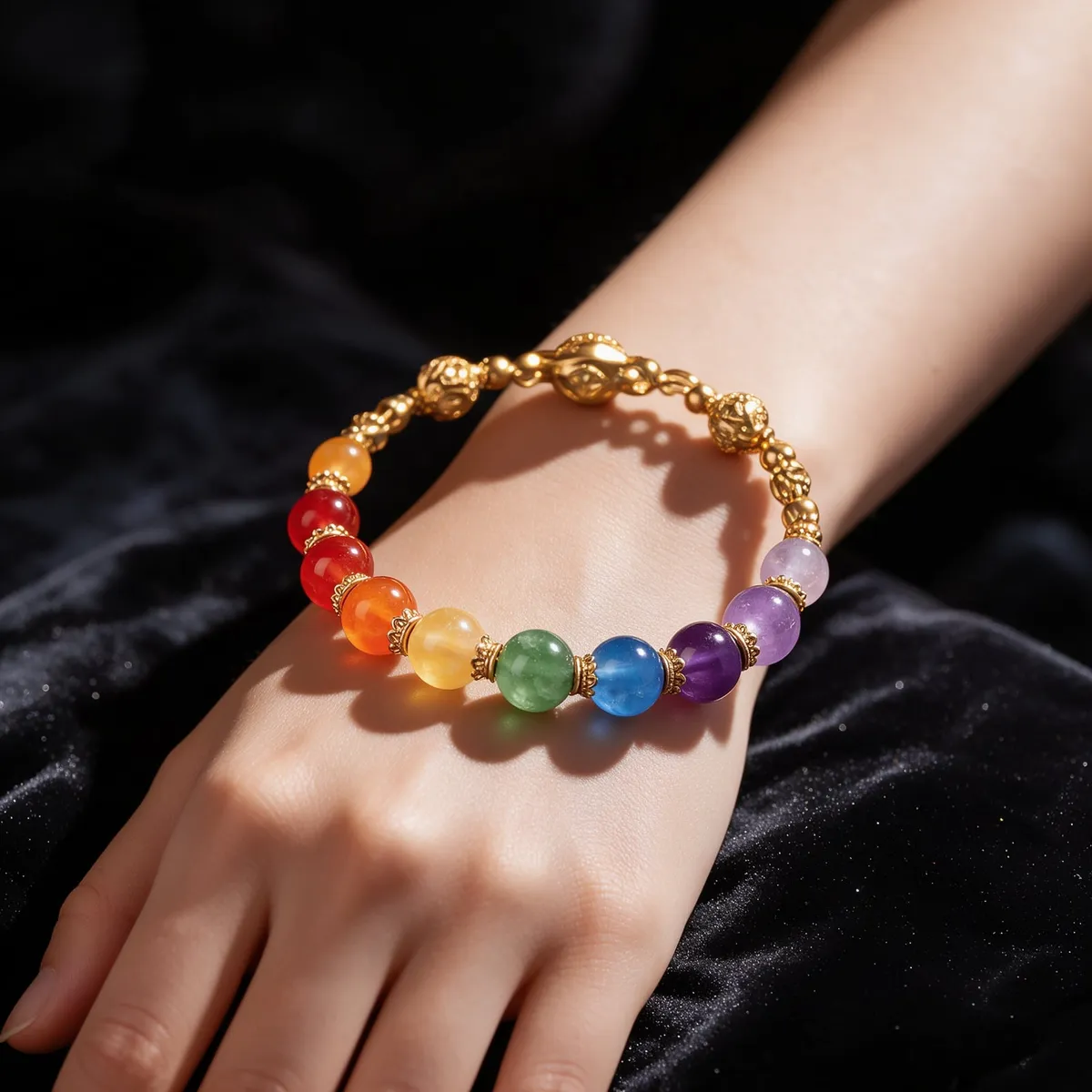
- Blue-violet amethyst — a deeper, more grounded take on the tanzanite color. The Amethyst Healing Bracelet for Calm & Clarity is a comfortable everyday piece, and the Raw Amethyst Cluster works well on a bedside or altar.
- Selenite — the "winter light" stone. Our Selenite Cleansing Wand is a favorite small gift, though it needs dry handling (see the table above).
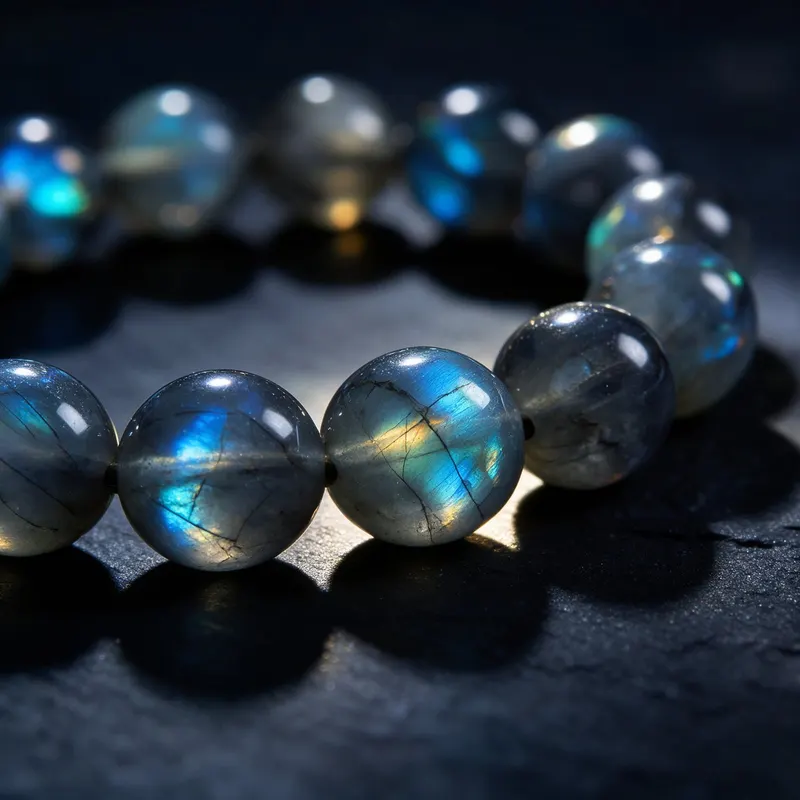
- Moonstone — pale, luminous, and quietly wintry. The Rainbow Moonstone Bracelet is a good option if you want something softer than a saturated blue.
- Clear quartz — the neutral choice when you're not sure of someone's taste. The Clear Quartz Point Pendant in sterling silver pairs with almost anything.
If you'd rather let someone choose for themselves, the Healing Crystal Starter Kit is a low-pressure gift for a December birthday, especially for someone new to crystals.
How to Choose and Gift a December Birthstone
A quick checklist before you buy:
- Ask about treatment. For turquoise, ask whether it's natural, stabilized, or reconstituted. For tanzanite and zircon, ask about heat treatment. Reputable sellers disclose this.
- Match the stone to the wear. Rings take the most abuse; pendants and earrings are safer for softer stones like tanzanite and turquoise.
- Check the metal. Sterling silver and gold-plated settings suit blue stones well; if the wearer has metal sensitivities, confirm the base metal.
- Size bracelets properly. Measure the wrist snugly and add about half an inch (1.3 cm) for a comfortable fit. Beaded bracelets typically run 6.5–7.5 inches; stretch styles should slide on without force.
- Set a realistic budget. Expect roughly $30–$80 for a beaded crystal bracelet, $50–$150 for a sterling silver pendant with a mid-grade stone, and $150–$400+ for a small fine tanzanite or natural turquoise piece. Genuine tanzanite and untreated turquoise climb quickly from there.
- Frame the gift honestly. "A little serenity for the year ahead" is a lovely sentiment. Promising luck, love, or health is not — and it isn't what the tradition actually claims.
FAQ
People Also Ask
What are December's birthstones?
December has three traditional birthstones: turquoise, tanzanite, and blue zircon. All sit in the blue-to-blue-violet range, which is why the month has such a cohesive, calming palette.
What blue crystal makes a good December gift?
Aquamarine is the most natural alternative — it mirrors December's serene blue and is durable enough for everyday wear. Amethyst, moonstone, and clear quartz are also good choices if you want something a little different.
Is tanzanite or turquoise better for everyday jewelry?
Neither is ideal for daily ring wear. Turquoise (Mohs 5–6) is porous and absorbs oils, and tanzanite (Mohs 6–7) is sensitive to temperature change. Both work well in pendants, earrings, and occasional-wear pieces. For everyday durability, aquamarine (Mohs 7.5–8) is the safer choice.
How do I clean a December birthstone?
Use mild soap and lukewarm water with a soft cloth for most stones, and dry thoroughly. Skip ultrasonic and steam cleaners for turquoise, tanzanite, and zircon. Never soak selenite — it's water-soluble. When in doubt, a dry soft cloth is the safest option.
Browse the Collection
Explore the full edit here: Calm, Stress Relief & Sleep Collection →
Keep Exploring
Birthstones by Month · Aquamarine · Sagittarius
Crystals and birthstone lore are offered for reflection, tradition, and wellness — not as medical advice. Crystals are for reflection and are not medical devices; they do not diagnose, treat, cure, or prevent any condition.