If you were born in February — or you are shopping for someone who was — you have probably noticed that amethyst is everywhere this time of year. It shows up in birthstone roundups, gift guides, and jewelry cases, often with a lot of vague promises attached. The problem is that most of what you will read either oversells the stone or tells you almost nothing useful about it: what the color actually means, how to choose a piece that will last, whether it can get wet, and what a fair price looks like.
This guide is meant to fix that. Amethyst is the February birthstone, a violet variety of quartz, and one of the most historically documented stones in the world — which means there is a real difference between what tradition says about it and what we can actually verify about the material itself. We will walk through both, clearly separated, so you can enjoy the meaning without being misled about the physics.
By the end you will know how to wear amethyst, how to care for it so the color holds, how to spot a genuine piece from a dyed or glass imitation, and how to choose a gift that fits the person rather than the packaging.
Why Amethyst Is the February Birthstone
Amethyst is the modern and traditional birthstone for February, and it is also tied to Pisces, the water sign that dominates the month's zodiac calendar. In some Western traditions it is additionally linked with Virgo, largely for its association with a settled, analytical mind. That dual identity — a stone for dreamers and a stone for organizers — is part of why it has stayed popular for so long.
As a gift, this makes amethyst unusually flexible. It works as a birthstone present, a friendship token, a milestone piece for a graduation or a new job, or simply a stone someone buys for themselves when they want to slow down. It is also one of the few birthstones that reads as genuinely wearable across styles, from delicate gold pendants to chunky raw-stone bracelets.
Traditional Amethyst Meaning
The name comes from the Greek amethystos, meaning "not drunk." Ancient Greeks believed the stone could ward off intoxication and keep the mind clear — a thread that still runs through how amethyst is described today. In medieval Europe it symbolized royalty and spiritual protection and was set into church and crown jewelry. In Tibetan and Ayurvedic traditions it is one of the stones used to settle an overactive mind.
None of this is medical advice, and it is worth saying plainly: amethyst is traditionally associated with calm and clarity, but it does not treat insomnia, anxiety, or any condition. What the history does explain is why the stone has held meaning across so many cultures for so many centuries — and why people still reach for it at the end of a long day.
Properties People Choose Amethyst For
- Calm and restful sleep. Traditionally placed on a nightstand or under a pillow to invite a quieter mind before bed.
- Clarity of thought. A long-standing companion for meditation, study, and decisions made under stress.
- Spiritual connection. Associated with the crown and third-eye chakras and used in intention-setting rituals.
- Gentle protection. Often paired with Black Tourmaline as a soft "shield" stone for a home office or bedside.
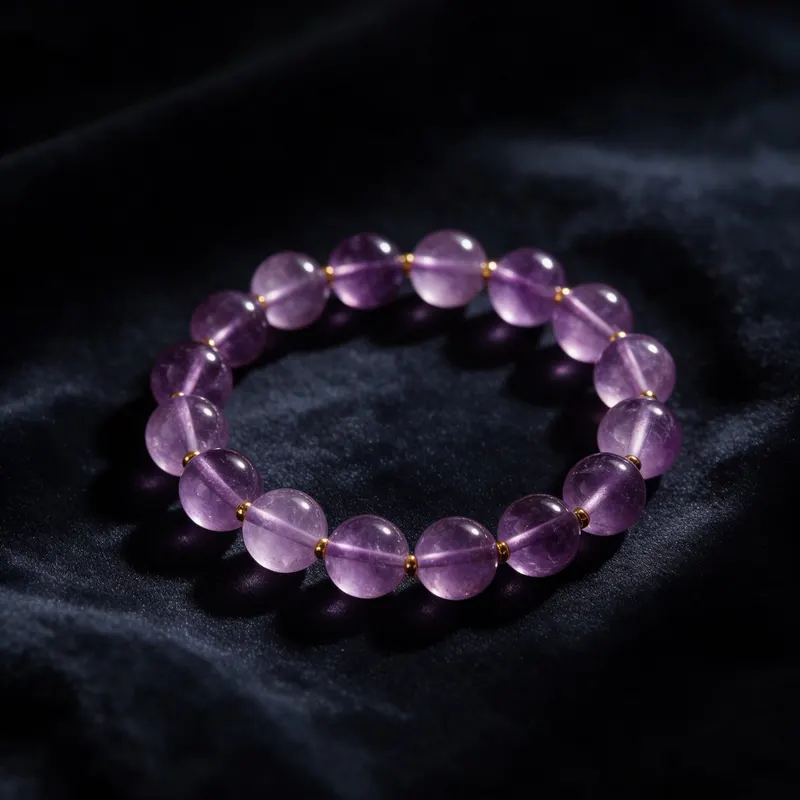
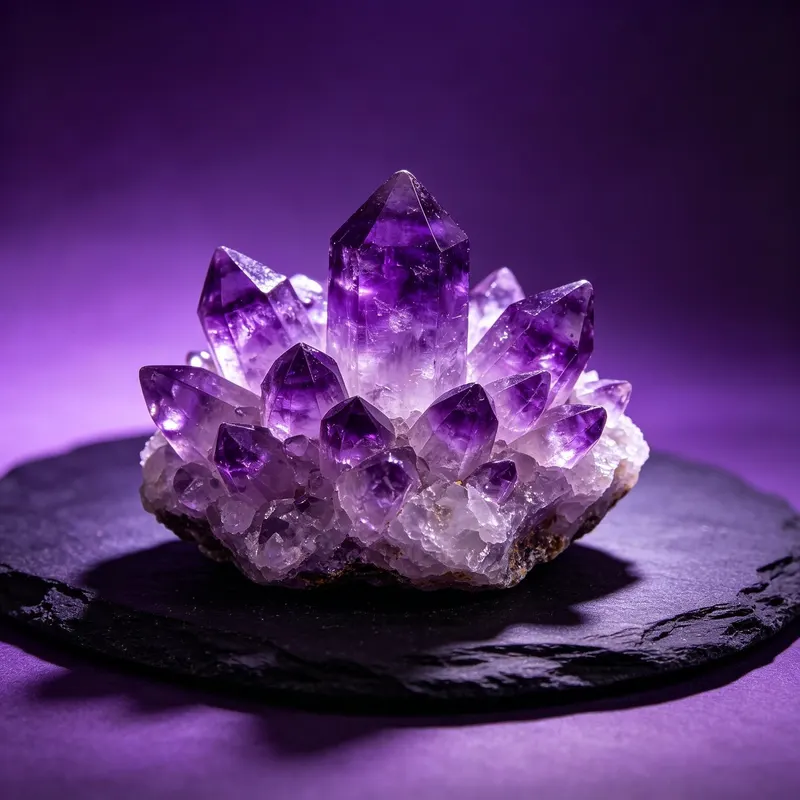
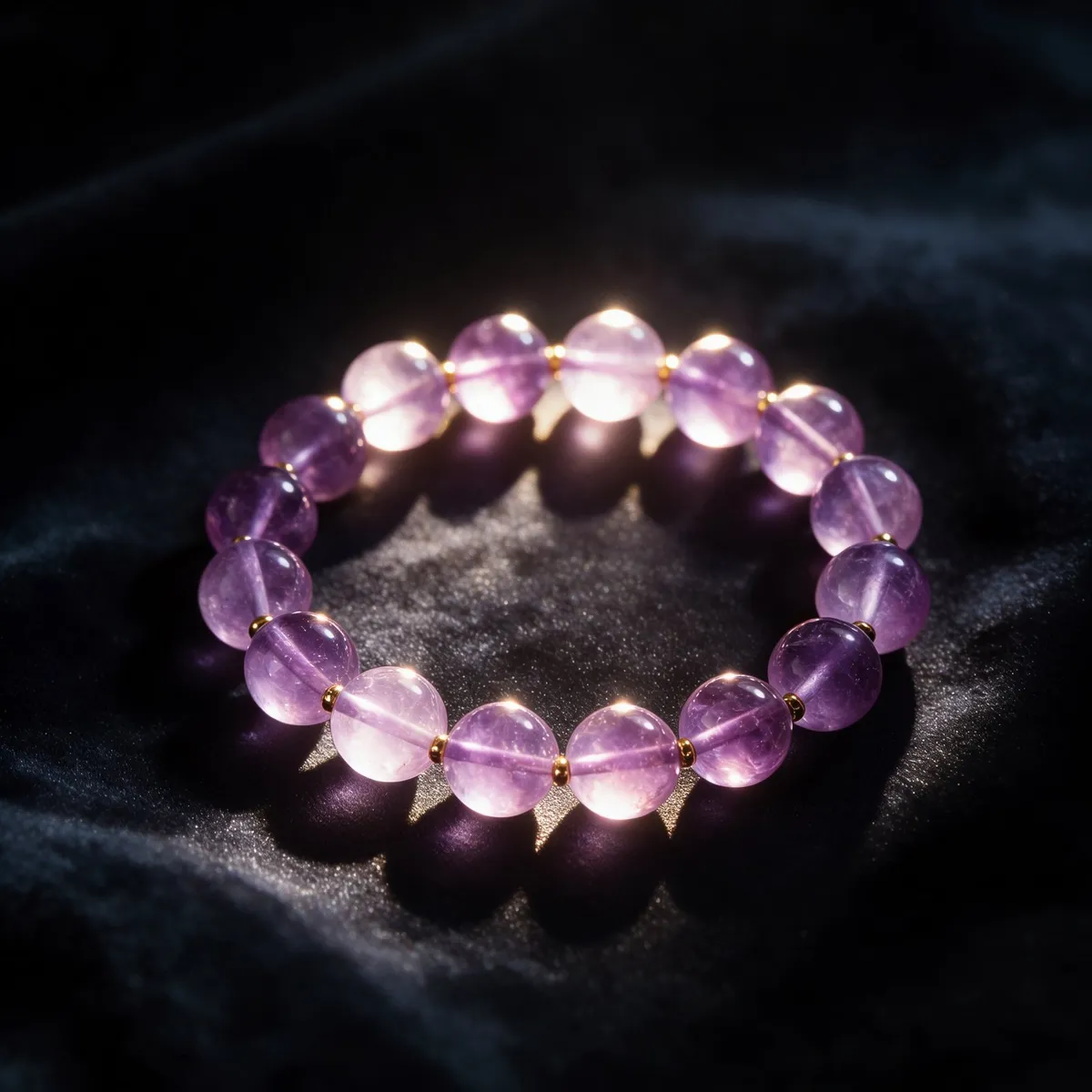
If you are choosing a piece for a specific intention, the Amethyst Healing Bracelet for Calm & Clarity is the most wearable everyday option, while a Raw Amethyst Cluster for Meditation & Altar suits someone building a small meditation corner or bedside ritual.
Amethyst and the Chakras
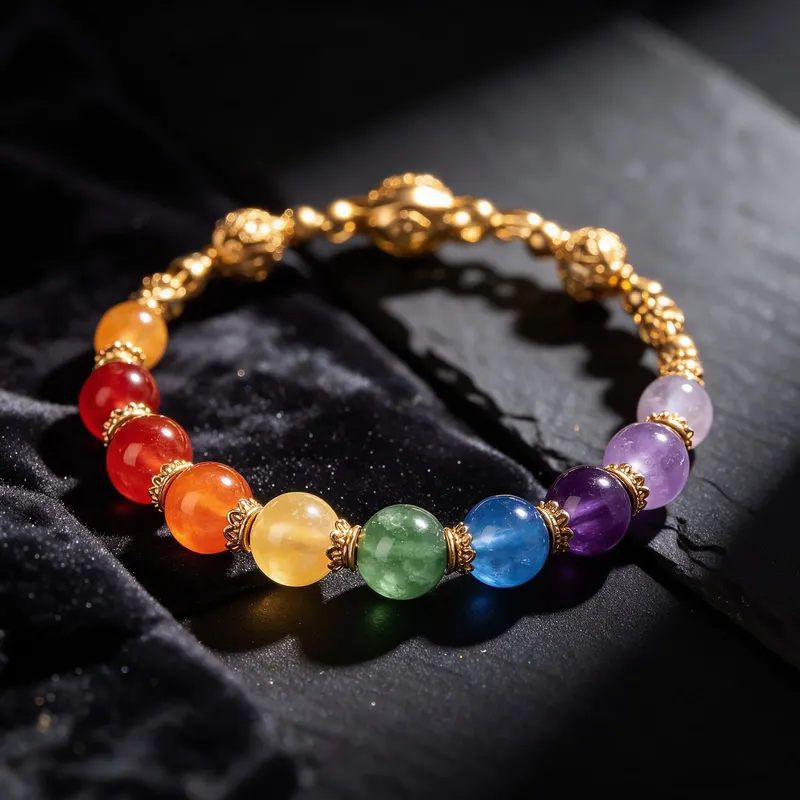
Amethyst is most often connected to the third eye (intuition and insight) and the crown chakra (connection, peace, surrender). In a chakra-balancing practice it is usually placed at the forehead or just above the crown during meditation. It pairs naturally with Clear Quartz for amplifying an intention and with Rose Quartz when a heart-centered practice is the goal. If you are new to the system and want a set that covers all seven centers, a 7 Chakra Balancing Bracelet is an easy starting point.
How to Wear and Use Amethyst
The most common way to keep amethyst close is in jewelry — a pendant worn near the heart, or a bracelet resting at the wrist. The second most common is to place a piece in the home: a small cluster on a desk for focus, a tumbled stone by the bed, or a larger specimen in a meditation corner.
Choosing a size and format
- Bracelets are usually strung on elastic and sized around 7–8 inches for adults; check whether the listing gives a bead diameter (8mm is a common, comfortable everyday size).
- Pendants work best when the stone sits at or just below the collarbone; a 16–18 inch chain is the most versatile length for most adults.
- Clusters and raw pieces are decorative and best kept on a stable surface out of reach of pets and small children.
Matching the piece to the person
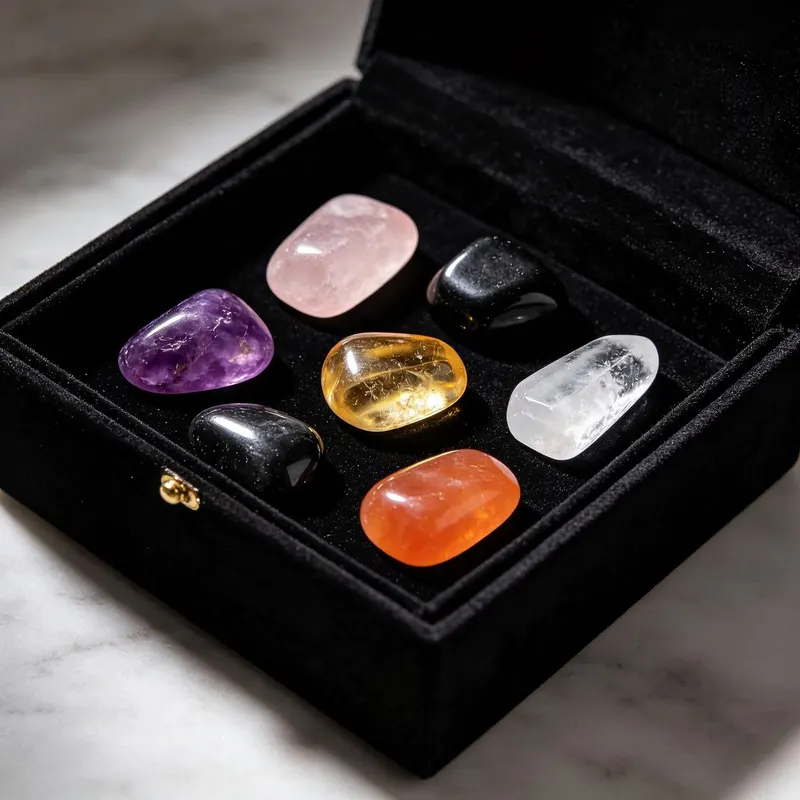
For someone who wears jewelry daily, a bracelet or pendant will get far more use than a display stone. For someone who already has a meditation or journaling practice, a raw cluster or a small tumbled stone may mean more. If you are genuinely unsure, a starter set removes the guesswork — the Healing Crystal Starter Kit includes amethyst alongside six other stones and a short guide.
Traditional beliefs vs. verifiable facts
This is where most crystal writing gets slippery, so let's be precise. Tradition and material science answer different questions, and both are worth knowing.
| Claim | What the tradition says | What we can verify |
|---|---|---|
| Calm and sleep | Traditionally associated with a quieter mind and restful sleep. | No clinical evidence that amethyst treats insomnia or anxiety. It is a reflective object, not a medical device. |
| Hardness | — | Amethyst is quartz, rated 7 on the Mohs hardness scale — durable for jewelry but softer than diamond or sapphire. |
| Water | Often described as "water-safe." | A brief rinse is fine for tumbled, polished stones. Geodes, clusters, and pieces with metal settings should be kept dry. |
| Sunlight | Charged by moonlight. | Prolonged direct sun can fade the color, because the violet comes from trace iron and natural irradiation. Store away from a bright windowsill. |
| Cleaning | Cleansed with intention. | A soft dry cloth is enough. Avoid harsh chemicals, bleach, and ultrasonic cleaners, which can damage settings and surface polish. |
In short: the meaning is cultural and personal, and the care instructions are physical and testable. Treat the first as a practice you opt into and the second as maintenance you can rely on.
Caring for Amethyst
- Sun: Keep pieces out of long direct sunlight; the color can lighten over months. Recharge in moonlight or on a Selenite plate instead.
- Water: A brief rinse is fine for tumbled stones. Avoid soaking geodes, clusters, or anything with glued settings.
- Cleaning: Wipe with a soft dry cloth. For metal settings, use a jewelry polishing cloth rather than liquid cleaners.
- Storage: Keep amethyst separate from harder stones like diamond or sapphire to avoid scratches, and store pendants flat to protect the chain.
- Recharging: Many people refresh a piece monthly on a Selenite Cleansing Wand, in moonlight, or simply by holding it with clear intention.
How to Tell Real Amethyst From an Imitation
Amethyst is affordable enough that fakes are less common than with rarer stones, but dyed quartz and glass are still sold as "amethyst." A few practical checks:
- Temperature: Real quartz feels cool to the touch and warms slowly in the hand; glass warms almost immediately.
- Color zoning: Natural amethyst often shows uneven color — lighter and darker bands or a paler tip. Perfectly uniform, saturated purple across a large piece is a reason to look closer.
- Inclusions: Tiny internal fractures, "veils," and slight cloudiness are normal and often a sign of a natural stone.
- Weight and feel: Glass tends to feel lighter and can have tiny round bubbles under magnification.
What to Expect to Pay
Amethyst is one of the more accessible gemstones, which is good news for gift-givers. As a rough guide, not a quote: simple beaded bracelets and small tumbled stones typically sit in the entry range, sterling silver pendants with a modest faceted stone land in the mid range, and large, deeply colored display clusters or gold-plated settings move into the higher range. Price should track the depth and evenness of color, the size of the stone, the metal, and the quality of the setting — not the story attached to it. Be wary of any listing that prices a small, pale stone like a rare gem, or that promises specific life outcomes.
Choosing an Amethyst Gift
For a February birthday, an amethyst bracelet is the most wearable choice and the easiest to size. A raw cluster makes a beautiful home piece for someone who likes a calm bedside or desk. If the recipient prefers a pendant, a clear quartz point or a gold-plated setting can be layered with amethyst for a more personal look.
And if you are shopping for yourself, start with the question "where will I actually use this?" A bracelet you wear to work will earn its place faster than a display stone that stays in a drawer.
FAQ
People Also Ask
Is amethyst only a February birthstone?
It is the modern and traditional February birthstone and is also linked with Pisces, and with Virgo in some Western traditions.
Can amethyst go in water?
Tumbled and polished amethyst is fine for a brief rinse. Geodes, clusters, and pieces with metal or glued settings should be kept dry.
Does amethyst fade?
Yes — prolonged direct sunlight can lighten the color over time. Store it away from a bright windowsill and recharge by moonlight or on a Selenite plate instead.
How do I know my amethyst is real?
Real amethyst feels cool to the touch, often shows natural color zoning or inclusions, and does not feel like plastic or warm instantly like glass. For a deeper read, see our guide to treated versus natural crystals.
The Bottom Line
Amethyst earns its place as the February birthstone because it is both meaningful and genuinely wearable. Enjoy the tradition — the calm, the clarity, the quiet ritual of a stone by the bed — while treating the care instructions as the practical part they are. Choose a piece you will actually wear or display, check the color and setting before you buy, and keep it out of long direct sun. That is how a birthstone becomes something you keep for years rather than a gift that lives in a drawer.
Crystals are for reflection and personal meaning; they are not medical devices and are not a substitute for professional care.