Why May's Birthstone Feels Different
If you were born in May, or you're shopping for someone who was, you've probably noticed that emerald comes with a certain weight. It's the birthstone of spring's greenest month, tied in tradition to love, renewal and an open heart — and it's also one of the more expensive stones to buy in a meaningful size. That combination leaves a lot of gift-givers in an awkward spot: you want something that honors the birthstone tradition, but a fine emerald pendant or ring can run from several hundred dollars into the thousands depending on color, clarity and origin.
This guide does two things. First, it explains what emerald has traditionally meant and how to buy one sensibly if that's your plan. Second, it introduces heart-centered alternatives — stones in the pink and green families that carry similar symbolic weight, cost far less, and are often easier to wear every day. None of this is about swapping one stone for a "lesser" one. It's about choosing the piece that fits the person, the budget and the way they'll actually use it.
One note before we start: crystal and birthstone traditions are cultural and symbolic. They're lovely frameworks for reflection and gifting, but they aren't medicine, and no stone promises a particular outcome. We'll be clear throughout about where tradition ends and verifiable gemology begins.
Emerald: The Traditional May Birthstone
Emerald is a variety of the mineral beryl, colored green by traces of chromium and vanadium. It has been mined and treasured for thousands of years, and in Western birthstone tradition it has held the May slot since the modern standardized lists took shape in the early twentieth century. Across cultures, green stones have long been linked to spring, growth and vitality — emerald simply became the most famous example.
In crystal lore, emerald is traditionally associated with love and loyalty, renewal and rebirth, and an open, compassionate heart. Many practitioners place it in the heart-centered family alongside pink stones, which is why May's birthstone and rose quartz are often discussed together. Whether or not you work with those associations, they explain why emerald gifts tend to feel romantic and hopeful rather than flashy.
What to know if you're buying a real emerald
- Expect treatments. Most commercial emeralds are treated with colorless oil or resin to fill surface-reaching fractures. This is standard and accepted in the trade, but it should be disclosed. Untreated stones command a significant premium.
- Clarity is graded differently. Emeralds are a "Type III" gem, meaning inclusions are expected. The trade calls this jardin (garden). Eye-clean emeralds are rare and expensive; a lightly included stone with good color is a normal, honest purchase.
- Color drives price. A slightly bluish, saturated green is most prized. Pale or heavily grayed stones cost far less.
- Realistic pricing. Small emerald accents (under about 0.25 carat) in sterling silver or gold vermeil can start in the low hundreds of dollars. A one-carat fine emerald in a gold setting typically runs well into four figures. Lab-grown emerald offers the same look for much less and is a legitimate choice — just confirm what you're buying.
- Care matters. Emerald is relatively soft for a gemstone (7.5–8 on the Mohs scale) and brittle, and it dislikes heat, steam, ultrasonic cleaners and harsh chemicals, which can remove oils or damage fillings. Clean with a soft damp cloth and store separately.
Heart-Centered Alternatives to Emerald
If emerald's symbolism — love, renewal, an open heart — is what you're really after, several stones carry that same thread and are far easier to source and wear. Here's how the most relevant options compare.
| Stone | Traditional associations | Mohs hardness | Everyday wear | Typical price for a bracelet or pendant |
|---|---|---|---|---|
| Emerald | Love, loyalty, renewal, open heart | 7.5–8 | Careful — avoid knocks, heat, chemicals | High; fine stones in four figures |
| Rose quartz | Gentle love, self-love, compassion | 7 | Good for pendants; bracelets need care | Low to moderate |
| Rhodonite | Love, forgiveness, emotional healing | 5.5–6.5 | Best for rings worn occasionally | Low to moderate |
| Rainbow moonstone | Intuition, new beginnings, feminine energy | 6–6.5 | Moderate; avoid rough wear | Low to moderate |
| Aquamarine | Calm, clear communication, serenity | 7.5–8 | Very good for everyday | Moderate |
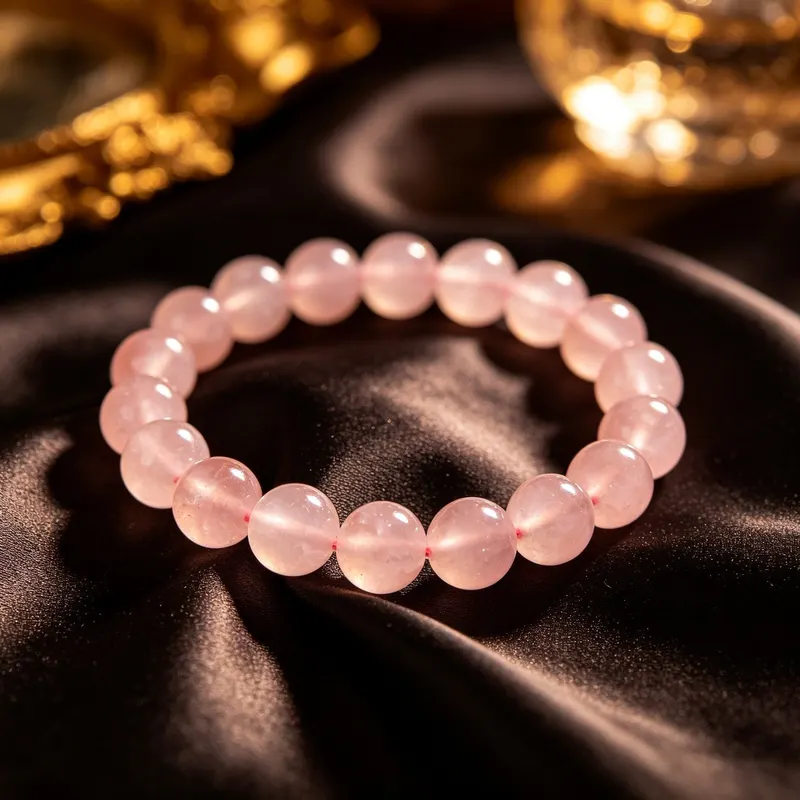
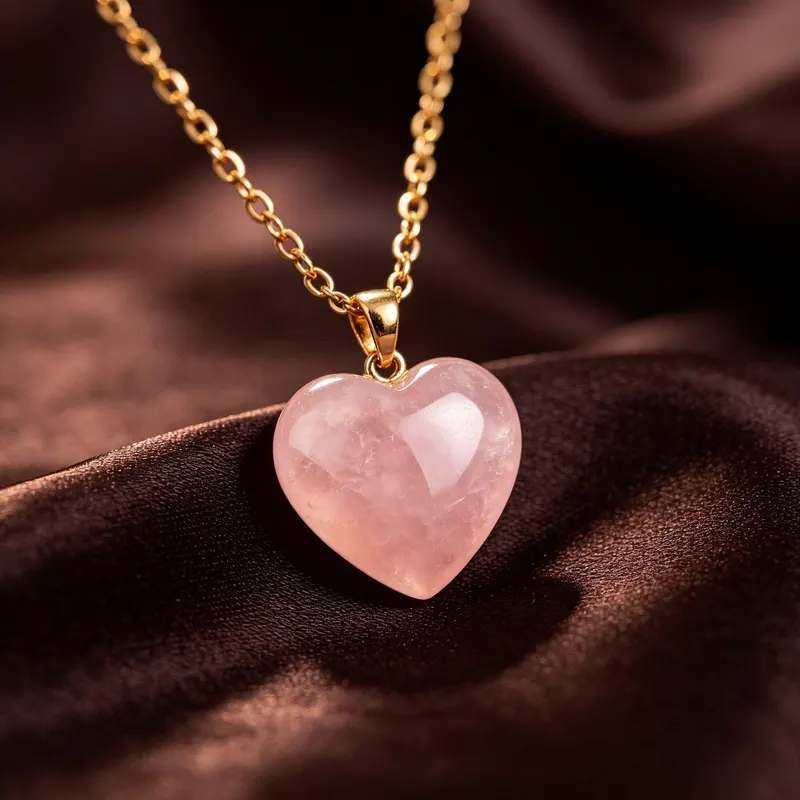
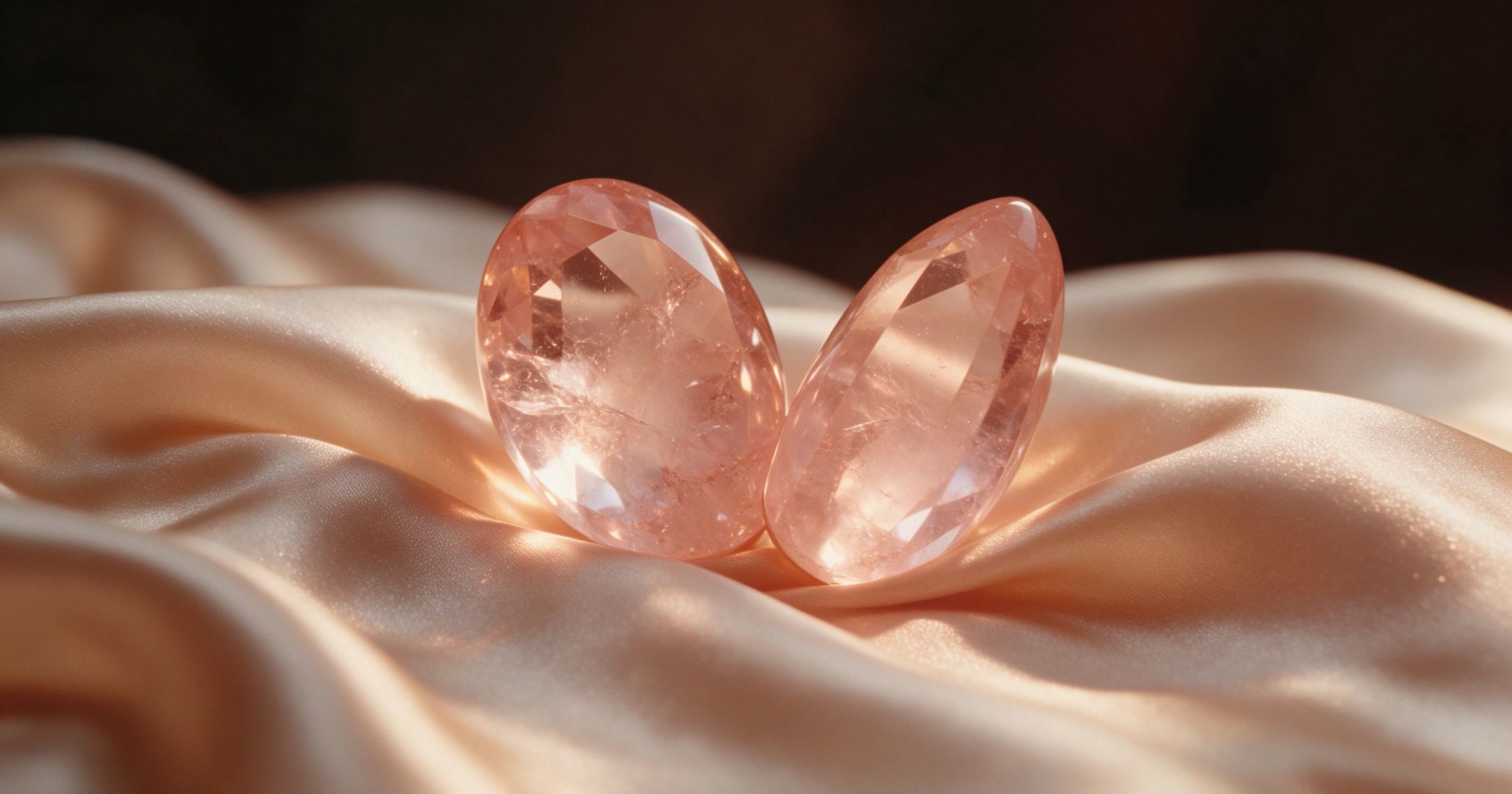
Two of these deserve a closer look for May gifting. Rose Quartz Love Bracelet for Self-Love & Heart is the most direct echo of emerald's heart-centered tradition — pink rather than green, but the same theme of love and renewal. If you'd prefer a piece worn over the heart, the Rose Quartz Heart Pendant Necklace, Gold-Plated reads as a more personal, romantic gift and sits naturally against the skin.
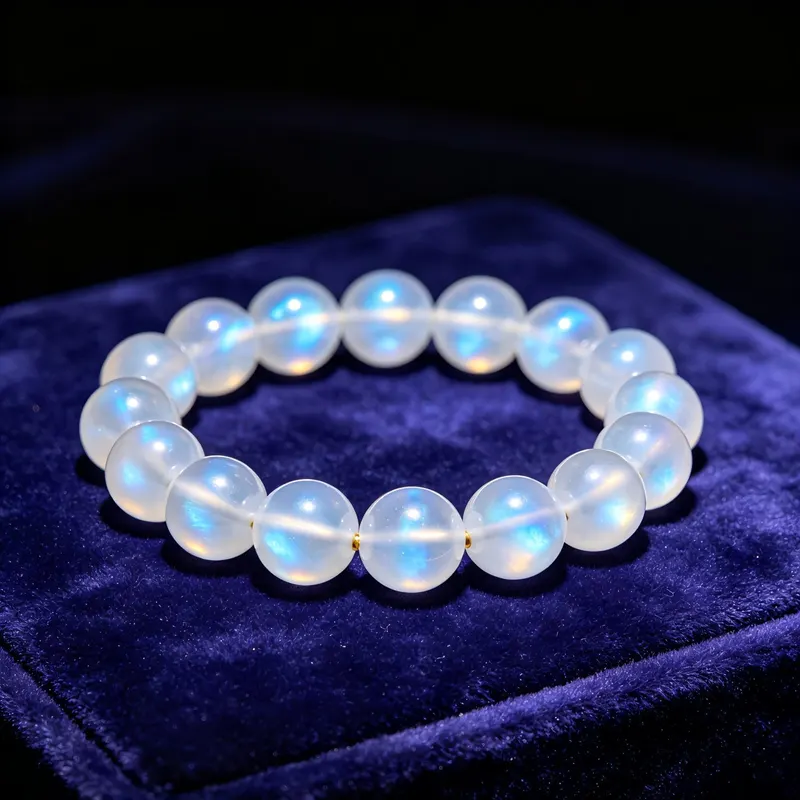
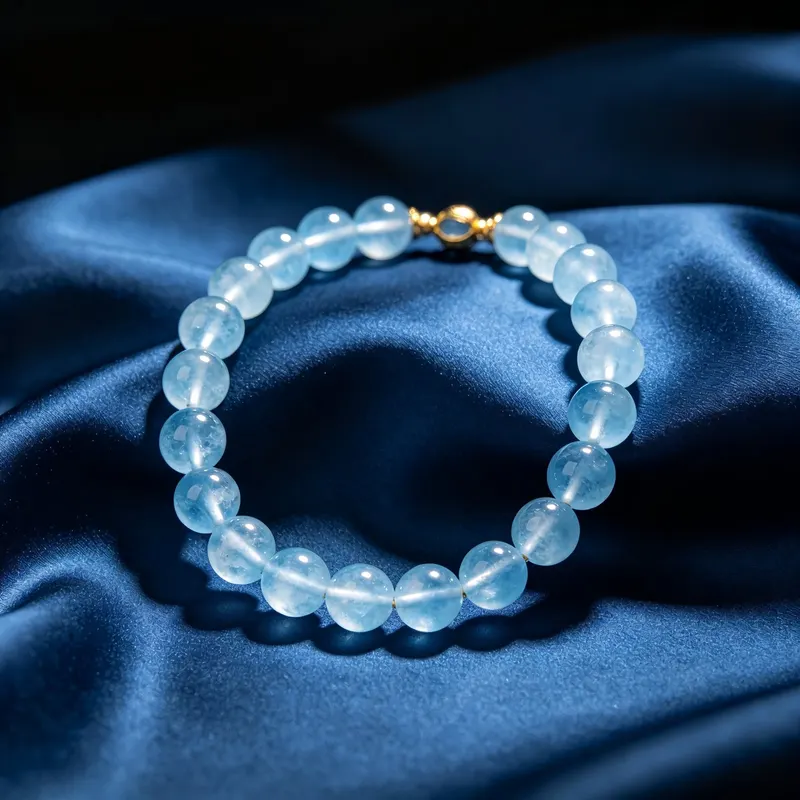
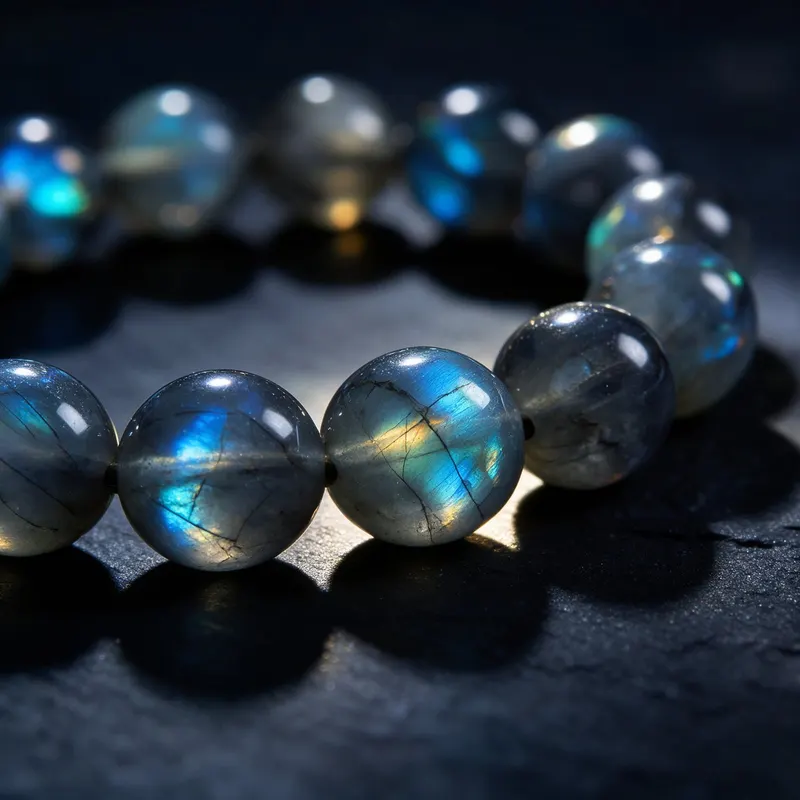
For something a little less expected, Rainbow Moonstone Bracelet for Intuition & New Beginnings leans into the "fresh beginnings" side of May rather than the love side. And if the May-born person in your life is more practical than romantic, Aquamarine Serenity Necklace for Calm Communication is a genuinely durable everyday option with a spring-appropriate blue-green palette.
How to Choose: A Practical Checklist
Before you buy, run through these questions. They'll narrow the field faster than browsing.
- What's the occasion and budget? Set a number first. Under $75 opens up most beaded bracelets and many pendants; $75–$200 covers gold-plated pendants and nicer stone quality; above that, you're in fine-jewelry territory where emerald becomes realistic in small sizes.
- Will they wear it daily or occasionally? Daily wear favors harder stones (aquamarine, emerald with care) and simple settings. Occasional wear frees you to choose softer stones like rhodonite or moonstone.
- Bracelet, pendant or ring? Bracelets are the most forgiving fit — most are strung on elastic and sized around 6.5–7.5 inches, which suits average wrists. Pendants avoid sizing entirely. Rings need an actual size, so measure or ask.
- Metal and skin sensitivity. Sterling silver and gold-plated brass are common; if the recipient has sensitive skin, confirm the metal and avoid unplated base metals.
- Stone quality signals. Look for even color, minimal obvious cracks, and a smooth polish. For beaded pieces, check that beads are consistently sized and the elastic is knotted and finished, not just glued.
- Does the symbolism match the person? A love-and-renewal stone suits a romantic; an intuition stone suits someone in transition. Match the theme, not just the color.
What is handed down — and what we can verify
It's worth separating two kinds of claims, because they're often blended together in crystal writing.
What tradition says: Emerald and rose quartz are traditionally associated with love, loyalty and an open heart. Many people believe these stones may support emotional openness and self-compassion, and use them in meditation or as daily reminders. These are symbolic and cultural associations, passed down through lore rather than tested in laboratories. We present them as such — invitations to reflect, not promises of any outcome.
What we can verify: hardness, durability and care are measurable. Emerald sits at 7.5–8 on the Mohs scale and is brittle and treatment-sensitive. Rose quartz is about 7 — fine for a pendant, more vulnerable as a bracelet that knocks against desks and doorframes. Rhodonite (5.5–6.5) and moonstone (6–6.5) are softer still and scratch more easily. Selenite is very soft (around 2) and dissolves in water, so it should never be soaked. As a general rule: keep stones away from prolonged direct sunlight (amethyst and rose quartz can fade), avoid ultrasonic and steam cleaners for anything treated or soft, and clean with a soft damp cloth. Store pieces separately so harder stones don't scratch softer ones.
Disclaimer: Crystals are for reflection and are not medical devices. They do not diagnose, treat, cure, or prevent any disease.
Gifting a May Birthday
A few practical ways to make the gift land well:
- Frame the stone honestly. Call rose quartz "the stone of gentle love" or moonstone "the stone of new beginnings" — evocative, not overstated.
- Add a card that explains the choice. A line about why you picked this stone for this person does more than any packaging.
- Pair with something seasonal. Fresh spring flowers, a small dish for the bedside, or a soft pouch for storage all work.
- Include care instructions. A short note on keeping the piece dry and stored separately shows you thought about longevity.
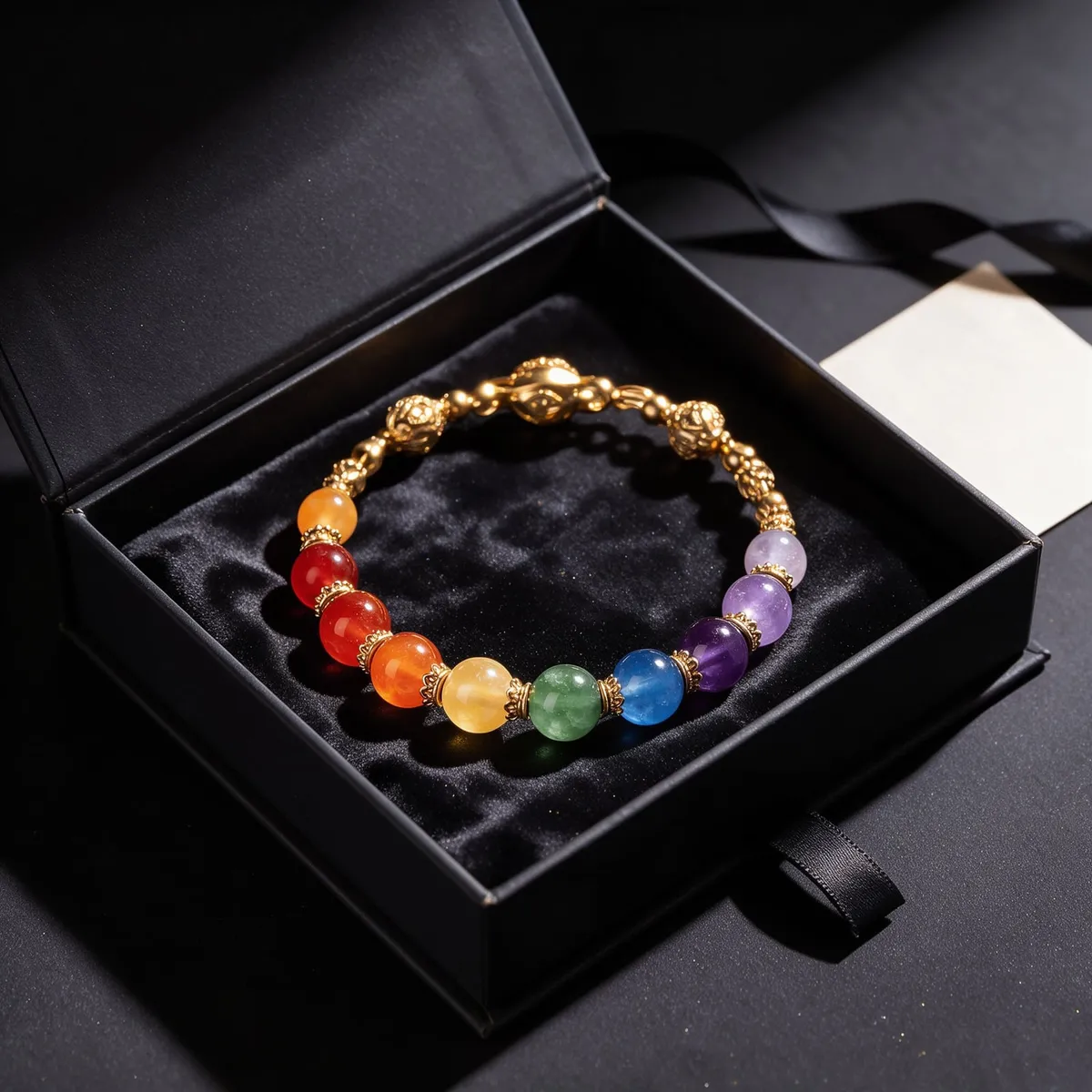
- Consider a set if they're new to crystals. The Healing Crystal Starter Kit, 7 Stones + Guide gives a May-born beginner a full palette to explore, with the guide doing the explaining for you.
FAQ
People Also Ask
What is May's birthstone?
Emerald is the traditional May birthstone, associated in lore with love, loyalty, renewal and an open heart. It's a beryl, colored green by trace elements, and it's typically more expensive than most other birthstones.
Which crystal is closest to emerald's energy?
Rose quartz is the most common heart-centered alternative, sharing emerald's traditional themes of love and compassion. Moonstone is a good fit if you want to emphasize renewal and new beginnings instead.
Is emerald safe to wear every day?
With care. At 7.5–8 on the Mohs scale it's reasonably hard, but it's brittle and often treated, so it dislikes knocks, heat, steam and chemicals. A bezel setting and removal before cleaning or exercise will extend its life considerably.
How much should I expect to spend on a May birthstone gift?
It depends entirely on the stone. A rose quartz or moonstone bracelet typically sits in the low tens of dollars; a gold-plated pendant in the tens to low hundreds; a small genuine emerald piece in the low hundreds and up, with fine emeralds running into four figures. Set your budget first, then choose the stone that fits it.
Closing Thoughts
Emerald earns its place as May's birthstone — it's beautiful, storied and genuinely tied to themes of love and renewal. But the heart of the tradition isn't the price tag. It's the idea of giving someone a stone that says growth, warmth, an open heart. A rose quartz pendant, a moonstone bracelet or a small starter set can carry that message just as sincerely, and often gets worn more. Browse the Love & Relationships Collection for more heart-centered pieces, or start with the birthstones by month guide if you're shopping across the calendar.