Why October's Birthstones Feel Different
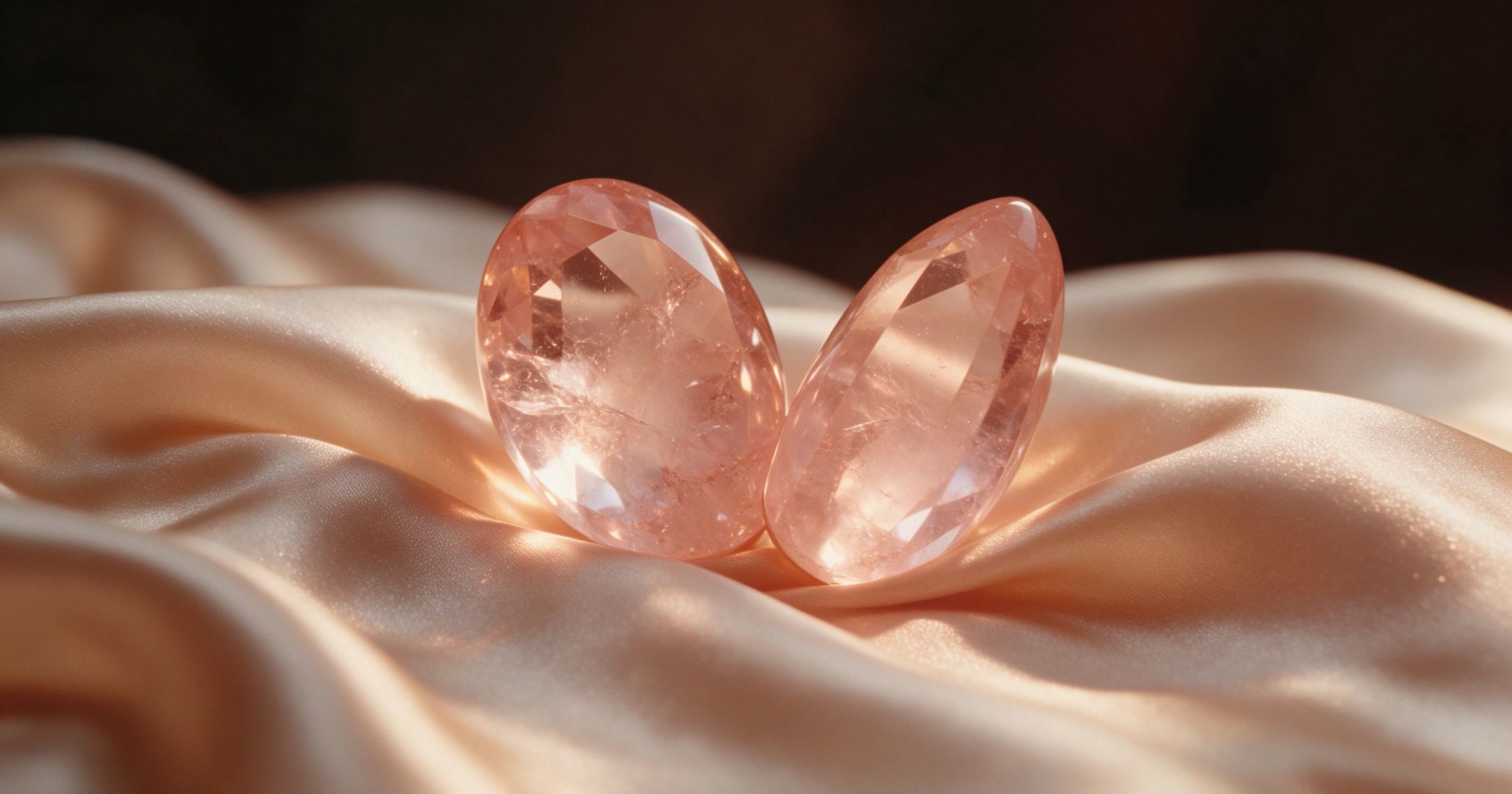
If you were born in October—or you're shopping for someone who was—you've probably noticed that this month's birthstone story is a little more complicated than most. October has two official birthstones, opal and tourmaline, and they couldn't be more different in personality. Opal is soft, luminous, and famously fragile. Tourmaline is hard, versatile, and comes in nearly every color of the rainbow. Choosing between them (or deciding how to wear them) takes a bit more thought than picking a single stone.
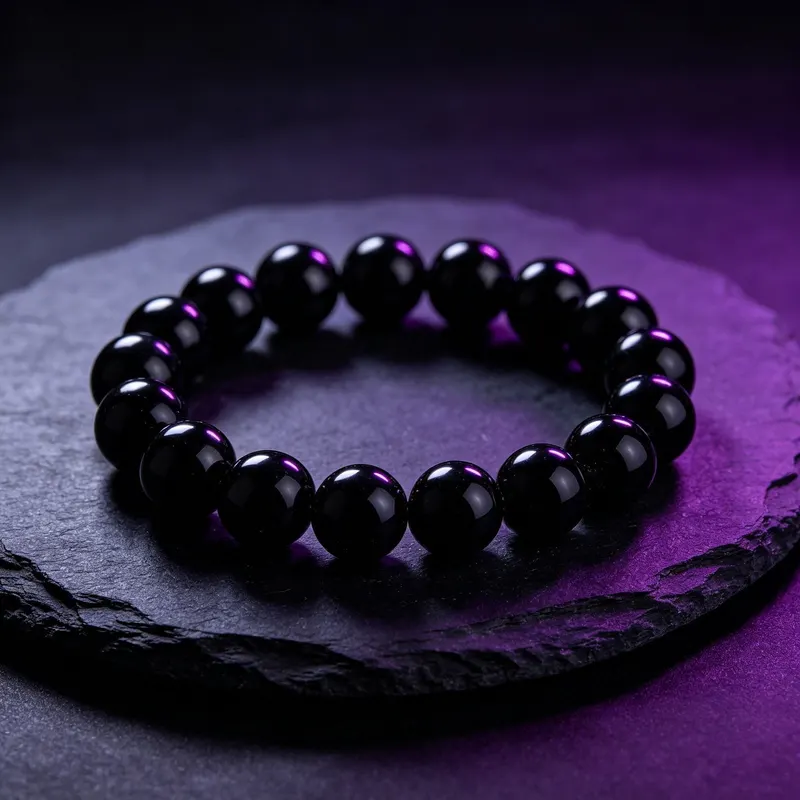
There's also a practical wrinkle: fine opal jewelry is delicate and can be expensive, and tourmaline's most collectible colors—the vivid pinks and blues—command serious prices. That's why many October birthdays end up drawn to stones that capture the same energy in a more wearable, everyday form: deep black tourmaline for grounding, or labradorite for that shifting, opal-like flash of color.
This guide walks through what each October birthstone traditionally represents, how to choose and care for them, what to realistically expect to pay, and how to build a gift that actually gets worn. We'll separate the folklore from the facts along the way, because both matter when you're spending real money.
Opal: The Stone of Shifting Light
Opal is unique among gemstones because it isn't technically a crystal in the usual sense. It's formed from tiny spheres of silica and water, and its famous "play-of-color"—the flashes of blue, green, orange, and red that seem to move as you turn it—comes from the way light diffracts through those spheres. No two opals look alike, which is part of the appeal.
In traditional lore, opal is believed to amplify whatever energy the wearer brings to it, and it's traditionally associated with inspiration, emotional expression, and creativity. Some traditions link it to good fortune; others historically treated it as a protective stone. What's consistent across cultures is the idea of opal as a stone of change and iridescence—fitting for a month that marks the shift from summer into autumn.
What to know before buying opal
- It's soft. Opal ranks roughly 5.5–6.5 on the Mohs hardness scale, which means it scratches and chips more easily than quartz or diamond. It's best for earrings, pendants, and occasional-wear rings rather than daily-wear pieces.
- It contains water. Many opals hold 3–10% water by weight, which makes them sensitive to extreme dryness, heat, and sudden temperature changes. Avoid storing opal near a heater or wearing it in a hot shower.
- Treatments exist. Doublets and triplets (thin slices of opal glued to a backing) are common and legitimate, but they should be disclosed and priced accordingly. Always ask what you're buying.
- Price varies enormously. A small solid opal cabochon might run $50–$150; a fine black opal with bright play-of-color can run into the thousands. Lab-created opal offers the look for far less.
Tourmaline: October's Versatile Second Stone
Tourmaline is one of the most colorful minerals on earth—it can be pink, green, blue, yellow, brown, or black, and sometimes several colors in a single crystal. It's also harder than opal, ranking 7–7.5 on the Mohs scale, which makes it far more practical for rings and bracelets you plan to wear every day.
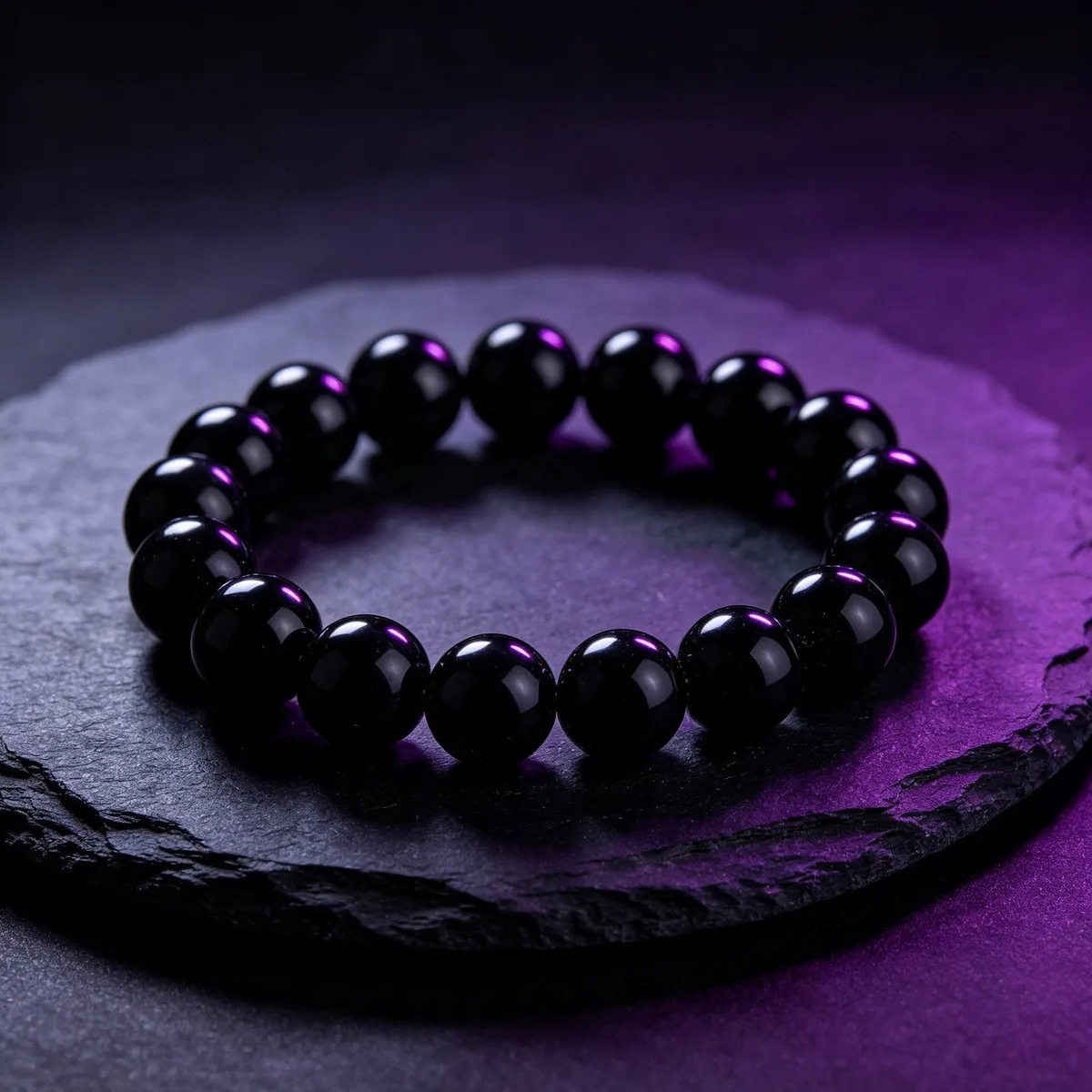
The black variety, schorl (commonly called black tourmaline), is the one most often used in wellness and metaphysical jewelry. It's traditionally associated with protection and grounding, and many people keep it nearby during stressful seasons or wear it as a daily anchor. If you're drawn to that idea, a Black Tourmaline Protection Bracelet for Grounding is a practical, affordable way to wear the October stone every day rather than saving it for special occasions.
What to know before buying tourmaline
- Color drives price. Vivid pink and blue tourmaline (often called rubellite and indicolite) are the most valuable. Green and black are far more affordable.
- It's durable but not indestructible. At 7–7.5 on Mohs, it's fine for bracelets and pendants; rings will eventually show wear.
- Bead quality varies. In bracelets, look for evenly sized, well-polished beads with consistent color and no obvious cracks or dull patches.
- Realistic pricing. A genuine black tourmaline bead bracelet typically runs $25–$70 depending on bead size and grade. Fine faceted gem tourmaline in jewelry starts in the low hundreds and climbs quickly.
Opal vs. Tourmaline: A Quick Comparison
| Feature | Opal | Tourmaline |
|---|---|---|
| Mohs hardness | 5.5–6.5 | 7–7.5 |
| Best for | Pendants, earrings, occasional rings | Bracelets, rings, everyday wear |
| Water sensitivity | High—avoid soaking and heat | Low—generally water-safe |
| Color range | Play-of-color on pale to black body | Nearly every color, including black |
| Typical entry price | $50–$150 (small solid opal) | $25–$70 (bead bracelet) |
| Traditional meaning | Inspiration, emotional expression, change | Protection, grounding, balance |
If You Love Opal's Look but Want Something More Durable
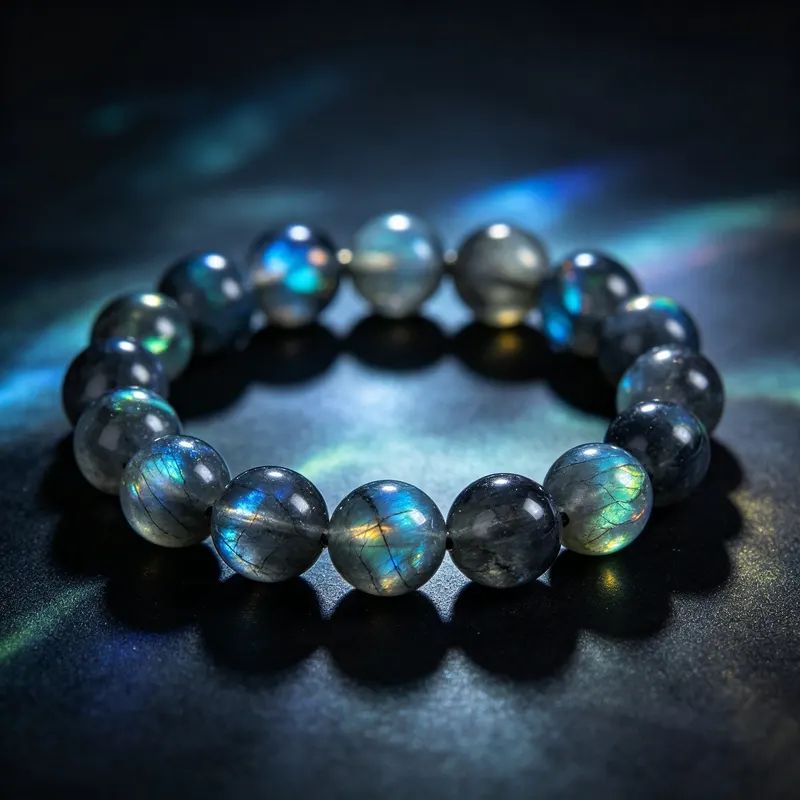
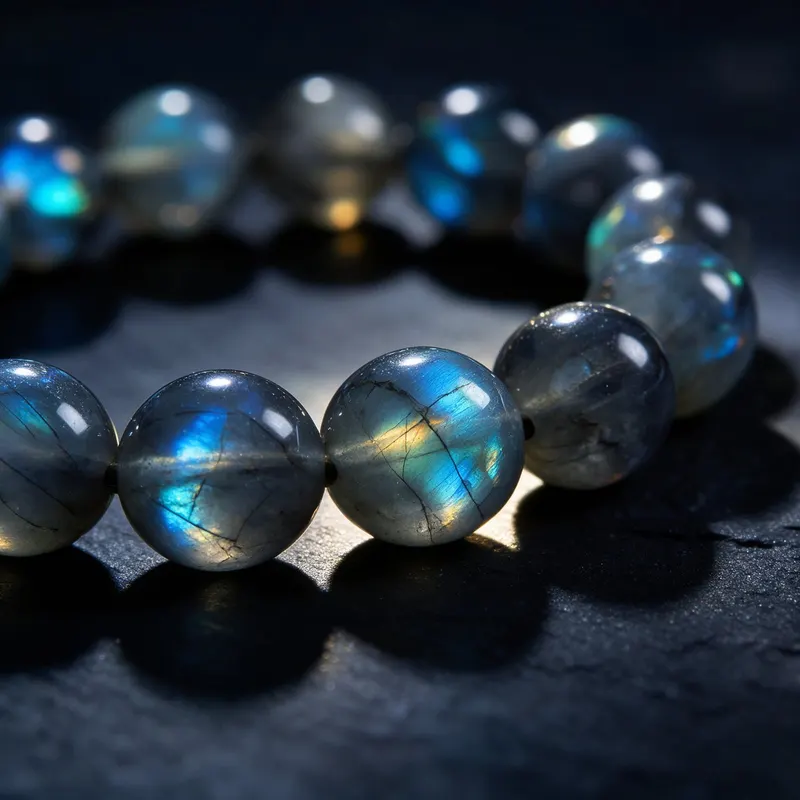
Opal's shifting flash is hard to replicate, but a few stones come close in spirit—and they hold up better to daily wear. Labradorite is the closest match: it displays a phenomenon called labradorescence, a blue-green-gold flash that moves as the stone turns, much like opal's play-of-color but on a darker, moodier background. It's also tougher, ranking 6–6.5 on Mohs, and far more affordable.
Labradorite is traditionally associated with intuition, transformation, and protection—a fitting companion to October's themes. A Labradorite Bracelet for Intuition & Transformation gives you that opal-like shimmer in a piece you can wear without worrying about every knock. If you want the effect in a pendant or ring instead, look for labradorite set in a bezel, which protects the stone's edges.
Other options worth considering: moonstone (a softer, milky sheen rather than a flash) and rainbow fluorite (banded color that shifts in the light). Both are gentler on the budget and easier to care for than opal.
How to Choose an October Birthstone Gift
The best birthstone gift is one the recipient will actually wear, so start with their habits rather than the stone's reputation. Use this checklist:
- Consider their lifestyle. Active, hands-on people do better with tourmaline, labradorite, or another durable stone than with opal.
- Match the metal to their existing jewelry. Sterling silver suits cool tones (labradorite, black tourmaline, blue tourmaline); gold-plated settings suit warm tones (pink tourmaline, carnelian, citrine).
- Check sizing. For bracelets, measure the wrist snugly and add about half an inch for comfort. Bead bracelets typically come in 6.5–7.5 inch lengths; stretch styles should fit without pinching.
- Ask about the stone's origin and treatment. A reputable seller will tell you whether a stone is natural, treated, or lab-created.
- Set a realistic budget. Genuine gemstone jewelry doesn't have to be expensive—$30–$80 buys a nice bead bracelet or a small pendant—but be skeptical of "fine opal" priced like costume jewelry.
- Think about layering. A birthstone bracelet pairs well with a simple chain or a second stone, so consider whether the piece works alone or in a stack.
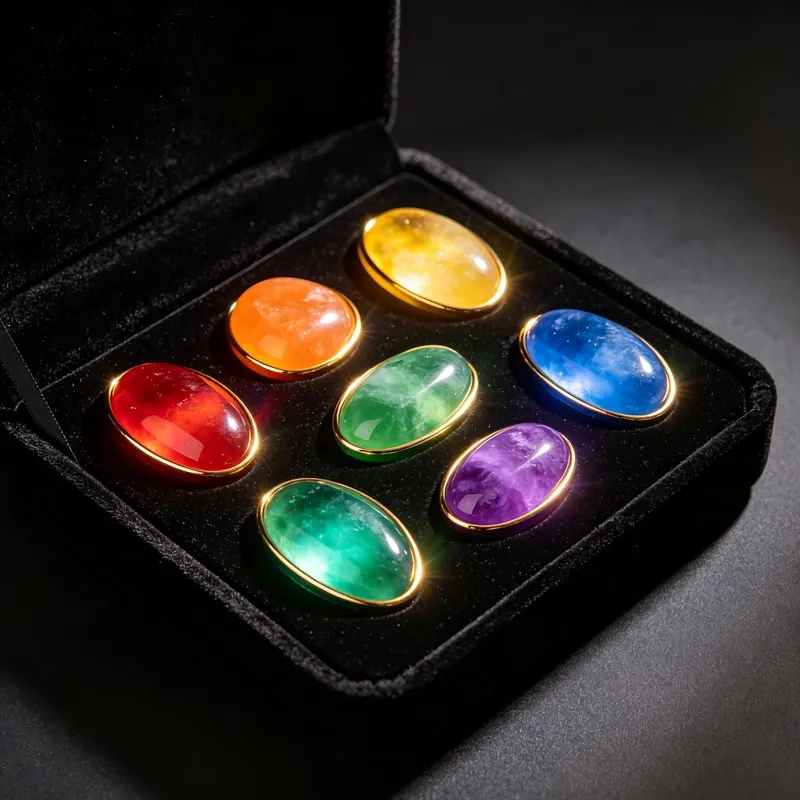
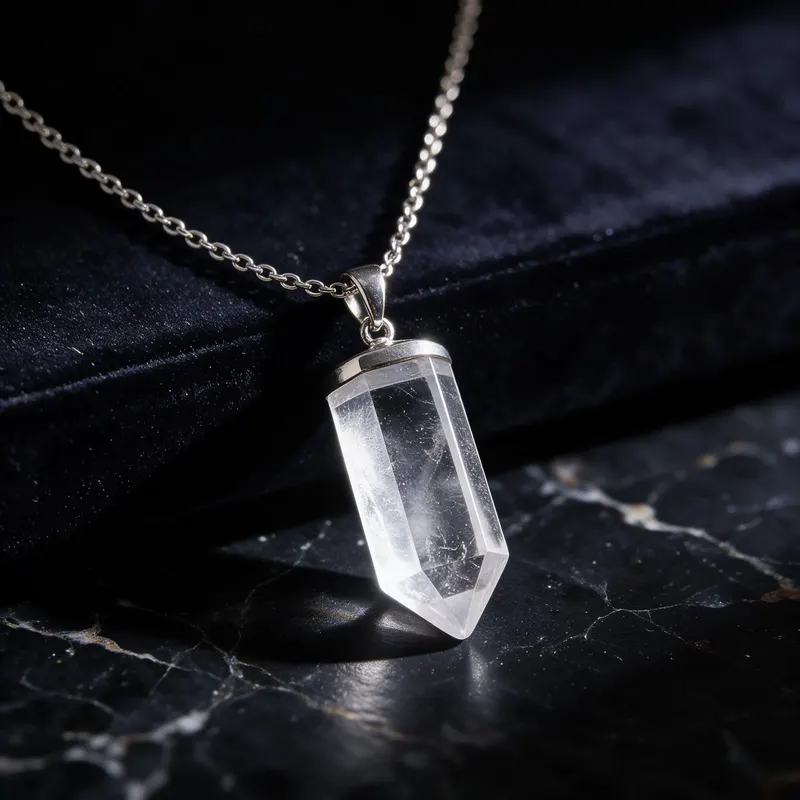
If you're shopping for someone who already loves crystals, a 7 Chakra Stone Set with Wooden Display Box makes a thoughtful gift that includes tourmaline-adjacent grounding stones alongside other classics. For a more personal, single-stone choice, a Clear Quartz Point Pendant Necklace is a versatile neutral that layers with almost anything.
What lore says — and what the evidence shows
Birthstone lore is rich, but it's worth being clear about what's tradition and what's measurable. Here's how to separate the two:
Traditional lore (belief and symbolism)
- Opal is believed to amplify the wearer's energy and traditionally associated with inspiration and emotional expression.
- Black tourmaline is traditionally associated with protection and grounding; many people use it as a focus during stressful periods.
- Labradorite is traditionally associated with intuition and transformation.
- These meanings are cultural and symbolic. They invite reflection and ritual—they are not claims about physical or medical effects.
Verifiable facts (what you can check)
- Hardness: Opal 5.5–6.5; tourmaline 7–7.5; labradorite 6–6.5 on the Mohs scale. This directly affects how well each stone resists scratching.
- Water and heat sensitivity: Opal contains water and is sensitive to heat, dryness, and sudden temperature change. Tourmaline and labradorite are generally water-safe for brief cleaning.
- Care: Clean opal with a soft, damp cloth only—never ultrasonic cleaners or steam. Clean tourmaline and labradorite with mild soap and lukewarm water, then dry thoroughly.
- Storage: Keep opal in a soft pouch away from direct sunlight and heat. Store harder stones separately so they don't scratch softer ones.
Crystals and birthstone lore are offered for reflection, tradition, and wellness—not as medical advice. Crystals are for reflection and are not medical devices; they do not diagnose, treat, cure, or prevent any condition.
Frequently Asked Questions
What are October's birthstones?
October has two official birthstones: opal and tourmaline. Opal is prized for its play-of-color, while tourmaline is valued for its wide range of colors and greater durability.
What crystal looks most like opal?
Labradorite is the closest match in spirit—it shows a shifting blue-green-gold flash called labradorescence that resembles opal's play-of-color, and it's more durable and affordable for everyday wear.
Can I wear opal every day?
You can, but it's not ideal. Opal is relatively soft and water-sensitive, so it's better suited to pendants, earrings, and occasional-wear rings. For daily wear, tourmaline or labradorite is a more practical choice.
How much should I expect to spend on an October birthstone gift?
It depends on the stone and setting. A genuine black tourmaline or labradorite bead bracelet typically runs $25–$70; a small solid opal pendant might run $50–$150; fine faceted tourmaline or high-quality opal jewelry can cost several hundred dollars or more. Lab-created stones offer the look for less.
A Final Word
October's dual birthstones give you room to choose based on personality rather than obligation: opal for the person who loves light and change, tourmaline for the one who wants something steady and grounding. Whichever you pick, buy from a seller who's transparent about the stone, care for it properly, and treat the meaning as a nice layer of tradition—not a promise. Explore the full Protection & Grounding Collection to see more options, or browse Birthstones by Month to compare October with the rest of the year.