Yes—With a Little Common Sense
You bought a crystal bracelet or pendant because it felt meaningful, and now you want to know whether it can just live on your wrist or around your neck every day—through showers, workouts, desk work, and sleep. The short answer is yes for most people, most stones, and most days. The longer answer is that "every day" looks different for a soft, water-sensitive stone than it does for a tough quartz, and the piece that fails first is rarely the stone itself. It is usually the elastic, the clasp, or a plated finish.
This guide is about the practical side of daily wear: which stones hold up, which need babying, when to take a piece off, how to build a stack that doesn't clatter or tangle, and how to keep a bracelet or necklace looking good for years. We'll also separate what crystal tradition claims from what you can actually verify about a stone's hardness and care, so you can make decisions that feel grounded.
Think of daily crystal wear as a small ritual with a maintenance plan attached. A piece you love and care for becomes part of your routine; a piece you wear carelessly becomes a chipped bead and a stretched cord.
What "Everyday Wear" Actually Means for a Stone
Daily wear exposes jewelry to three things: abrasion (friction against skin, desks, keys, other bracelets), moisture (handwashing, dishes, showers, sweat), and impact (bumping a doorframe, dropping a pendant). How a stone responds depends mostly on its hardness on the Mohs scale, which runs from 1 (talc) to 10 (diamond). A stone at 7 or above resists scratching from everyday contact; a stone at 5 or below scratches more easily and often dislikes water or heat.
Two other factors matter just as much. First, the setting: an elastic bracelet's cord degrades with water and heat, while a sterling silver or gold-plated chain wears at the clasp and plating. Second, the finish: polished beads hide small scuffs better than faceted ones, and porous or raw stones can absorb oils and lotions. When you choose a daily piece, you're really choosing a stone and a construction.
Durable Daily Stones (and the Ones to Treat Gently)
If you want a piece you can wear without thinking about it, lean toward quartz-family stones and other hard materials. These tolerate daily friction well and are easy to clean with a soft cloth.
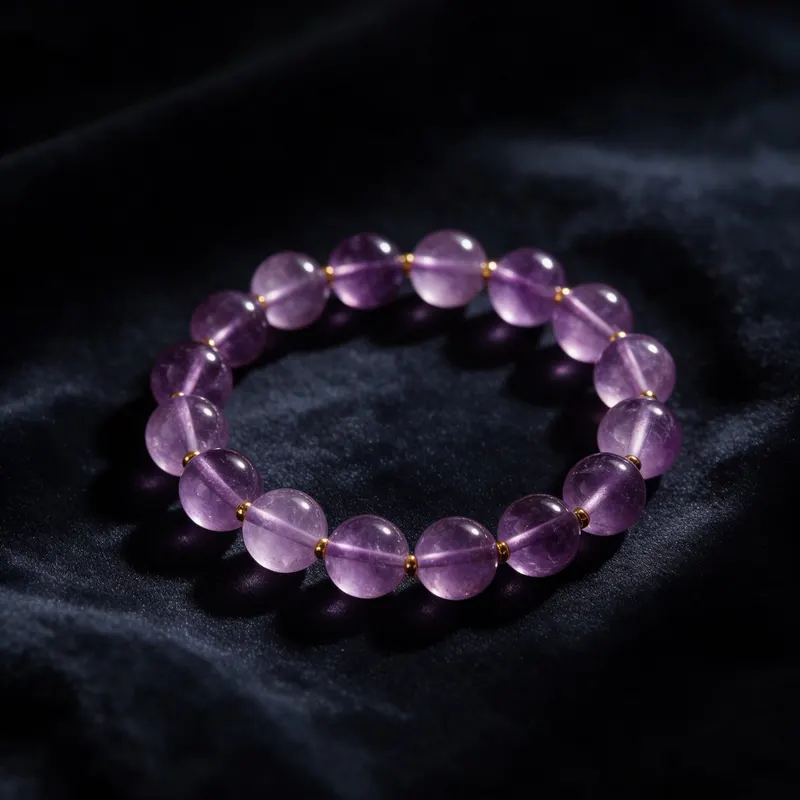
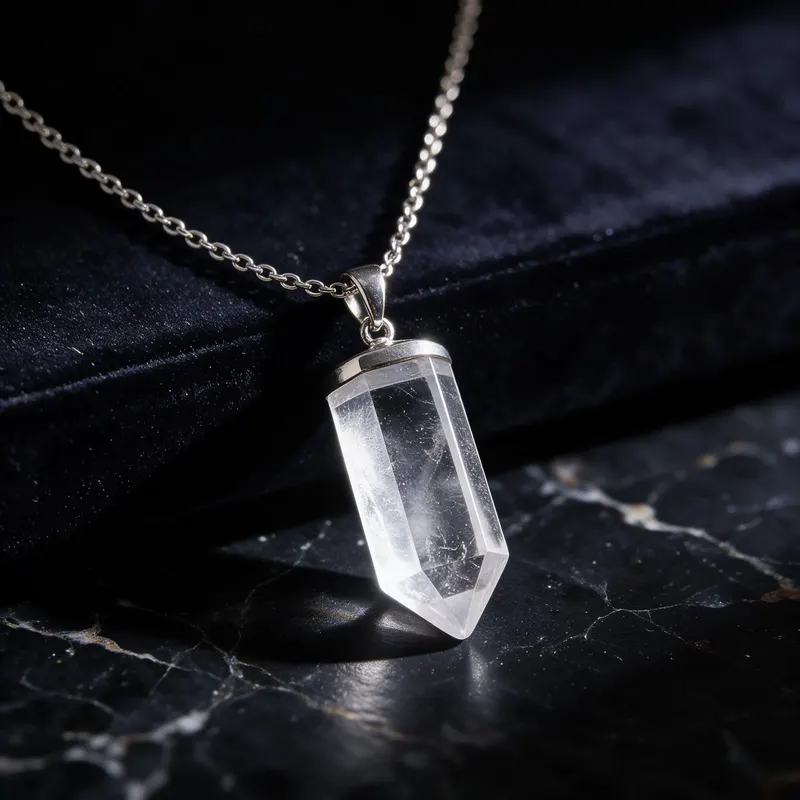
- Quartz family (hardness 7): Amethyst and clear quartz are excellent everyday choices, traditionally associated with calm and clarity. A Clear Quartz Point Pendant Necklace, Sterling Silver keeps the stone off your wrist entirely, which sidesteps cord wear.
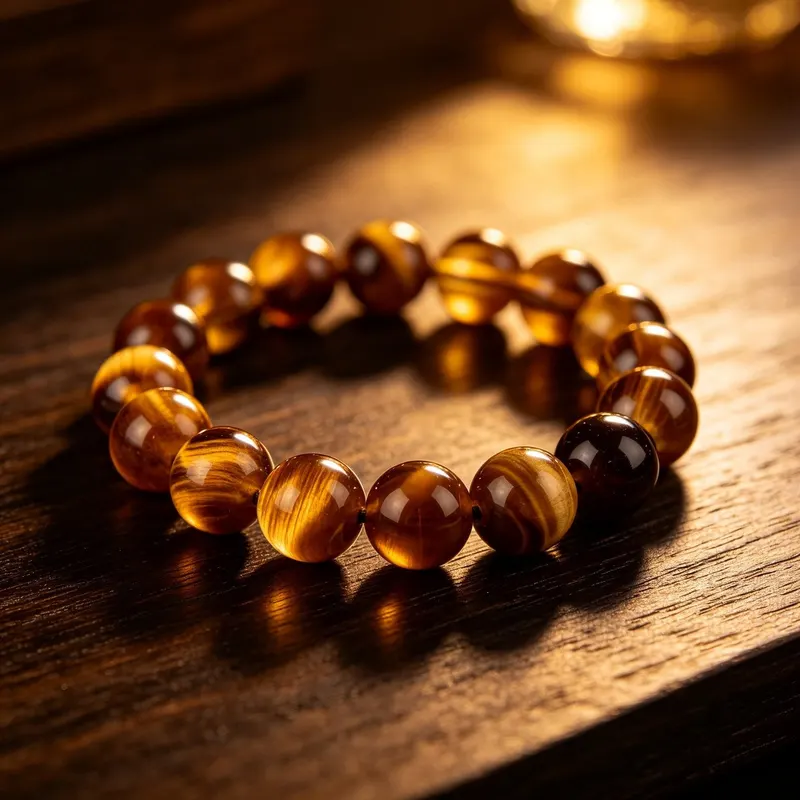
- Tiger's eye (about 7): A tough, chatoyant stone that hides scratches well—see the Tiger's Eye Confidence Bracelet for Focus & Courage. Traditionally associated with confidence and focus.
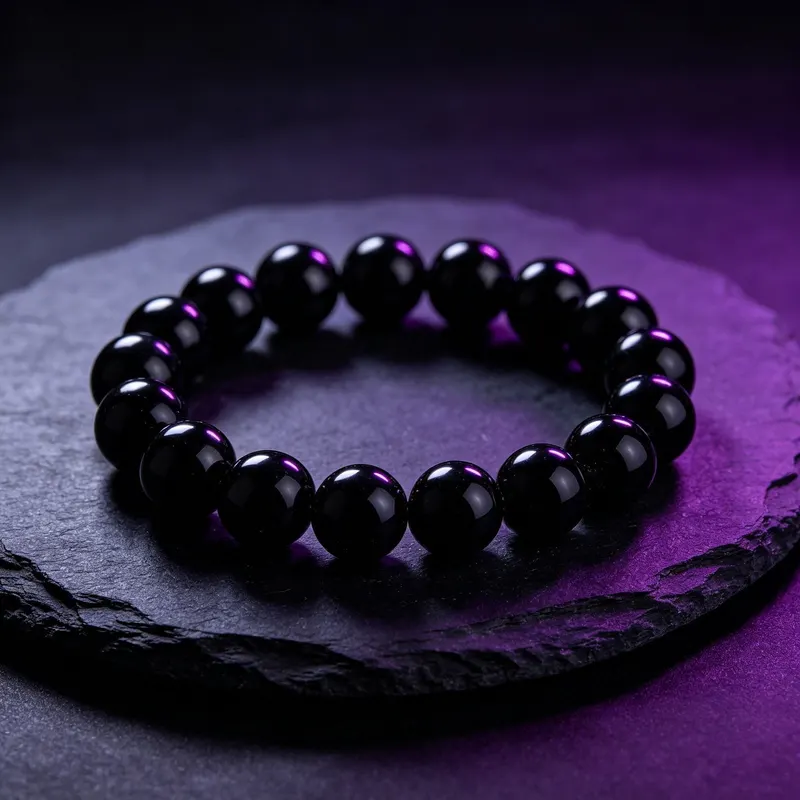
- Black tourmaline (7–7.5): Dense and durable, a natural pick for grounding. The Black Tourmaline Protection Bracelet for Grounding is a workhorse for daily wear.
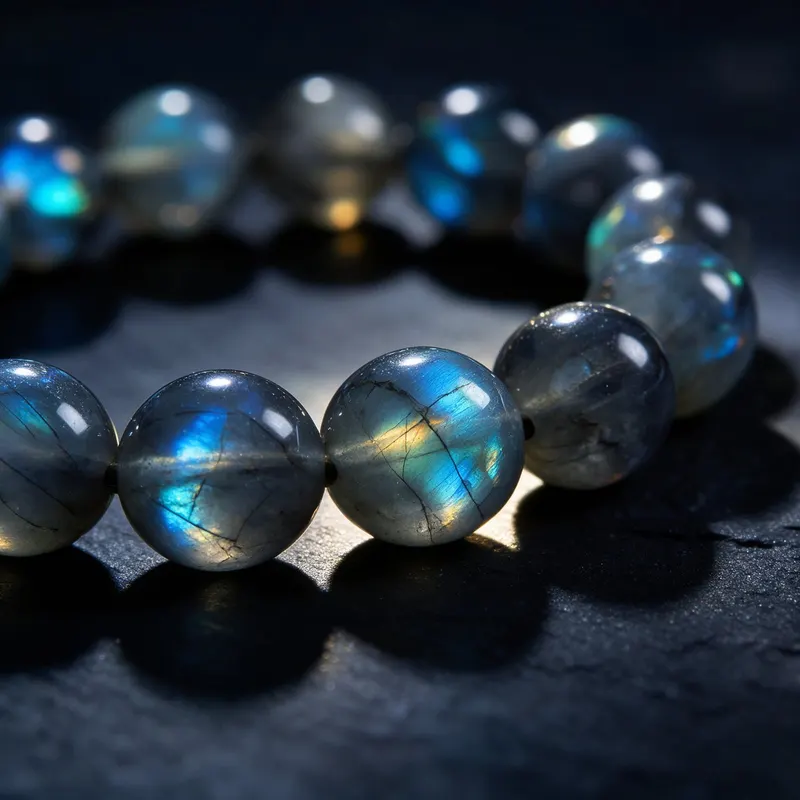
- Labradorite (6–6.5): Hard enough for regular wear but can chip at edges if struck; treat it as a "careful daily" stone. The Labradorite Bracelet for Intuition & Transformation is best kept for gentler days.
- Mixed chakra sets: A 7 Chakra Balancing Bracelet, Natural Mixed Stones combines several stones, so its durability is only as good as its softest bead—usually fine for daily wear if you remove it for water and impact.
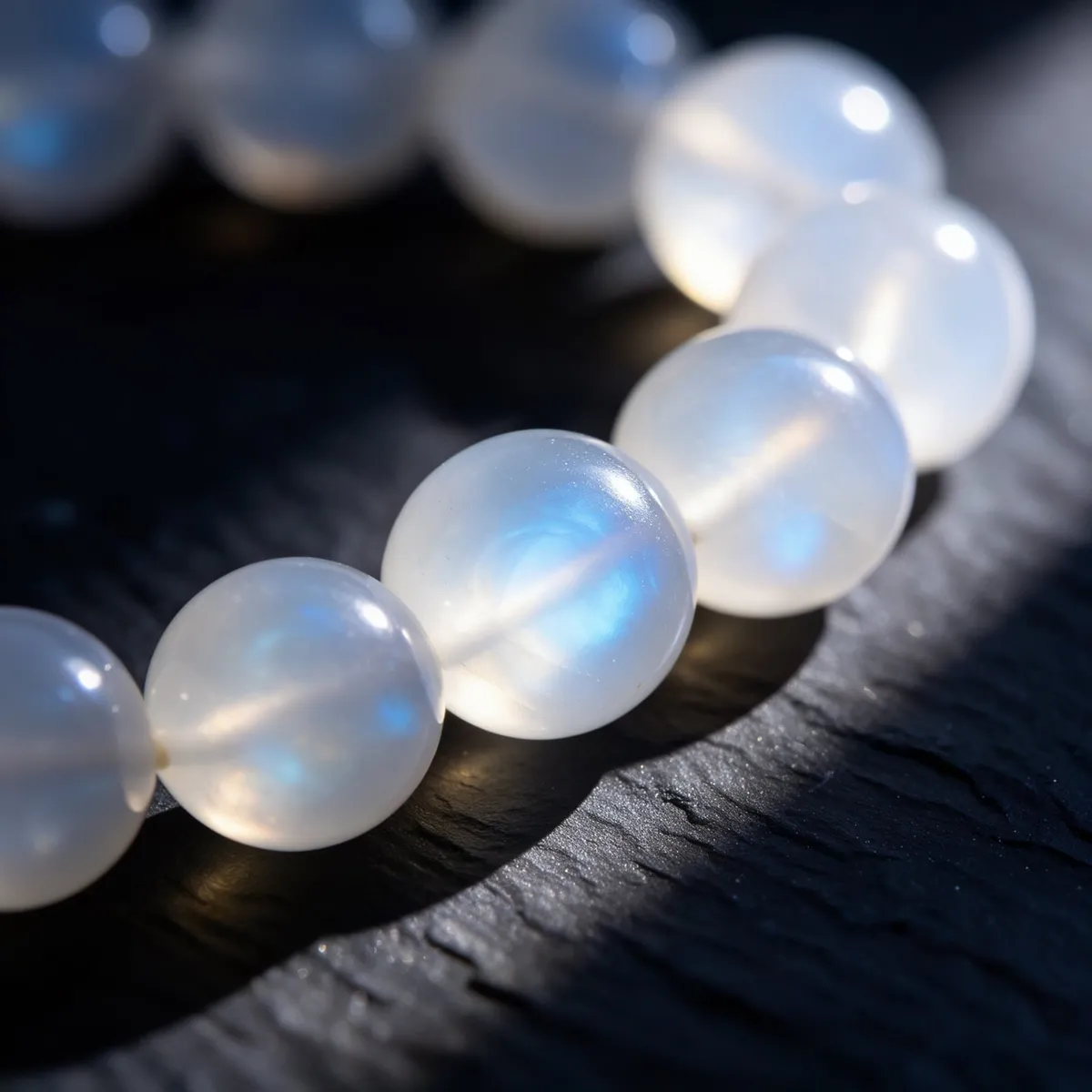
Softer or more delicate stones—selenite (about 2), fluorite (4), moonstone (6–6.5), rhodonite (5.5–6.5), and plated pendants—are better as "some days" pieces. They can absolutely be worn often, but they reward a little caution: no soaking, no gym sessions, and a soft pouch when stored.
Quick Comparison: Daily-Wear Suitability
| Stone / Piece | Approx. Mohs Hardness | Water & Sun Notes | Daily-Wear Verdict |
|---|---|---|---|
| Amethyst | 7 | Fades with prolonged strong sunlight; fine with brief water | Excellent for daily wear |
| Clear quartz | 7 | Very stable; easy to clean | Excellent |
| Tiger's eye | ~7 | Stable; avoid harsh chemicals | Excellent |
| Black tourmaline | 7–7.5 | Stable; wipe dry after moisture | Excellent |
| Labradorite | 6–6.5 | Stable but edge-chips if struck | Good with care |
| Moonstone | 6–6.5 | Stable; avoid knocks | Good with care |
| Fluorite | 4 | Soft; scratches easily; avoid soaking | Occasional wear |
| Rhodonite | 5.5–6.5 | Soft; keep away from hard knocks | Occasional wear |
| Selenite | ~2 | Water-soluble; keep dry | Not for daily wear |
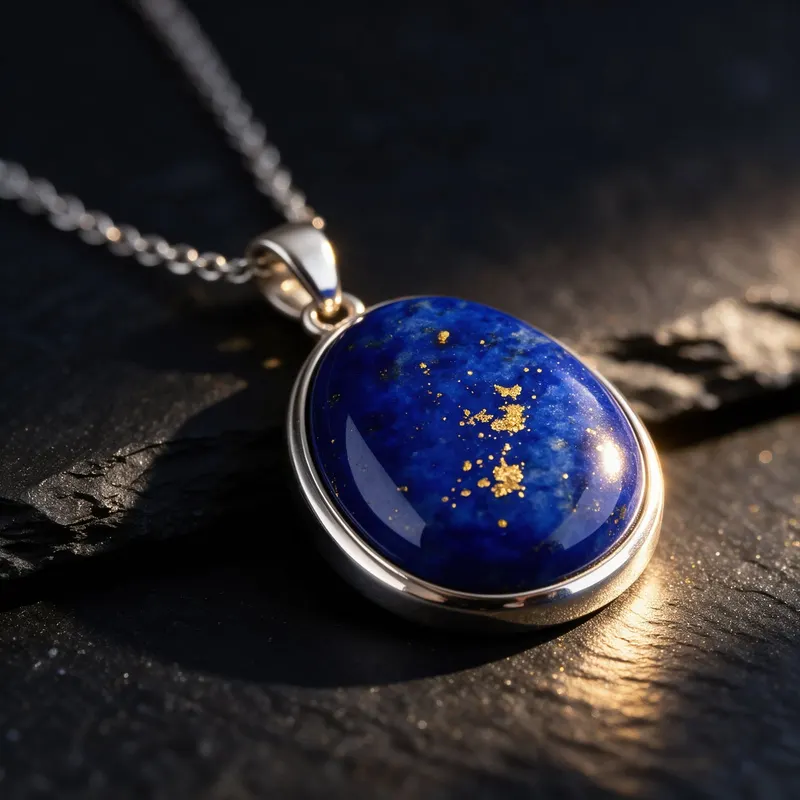
| Plated pendants (gold-plated, etc.) | Stone-dependent | Plating wears with sweat, perfume, water | Good with care; remove for showers |
Hardness figures are widely published mineralogical values; treat them as approximate ranges. Plating durability depends on the manufacturer's process.
When to Take It Off
Even a tough stone benefits from a few daily breaks. Build these into your routine and your jewelry will last noticeably longer:
- Showers and baths: Remove beaded bracelets and plated pendants. Water and heat degrade elastic cord and dull plating; porous stones can absorb soap.
- Swimming and hot tubs: Chlorine and salt water are hard on cord, silver, and plating. Take everything off.
- Heavy lifting and intense workouts: Sweat plus friction plus impact is the fastest way to stretch a cord or chip a bead. Wear a silicone band instead, or nothing.
- Sleep: Elastic bracelets stretch and can snag on bedding; pendants can tangle or press into your skin. Give them a rest overnight.
- Cleaning and gardening: Harsh chemicals and grit scratch soft stones and wear plating.
- Applying lotion, perfume, or sunscreen: Let products absorb first, then put jewelry on. This protects both stone and finish.
For styling and layering ideas, see our guides on how to wear crystal bracelets and how to stack them.
How to Build a Comfortable Daily Stack
A daily stack should feel like nothing by mid-morning—no clinking, no tightness, no beads digging into your wrist. A few practical rules:
- Start with one anchor stone. Choose a piece that matches a steady intention for the season—grounding, focus, or calm—and wear it most days. The Black Tourmaline Protection Bracelet for Grounding or a Amethyst Healing Bracelet for Calm & Clarity both work well as anchors.
- Mix hard with soft carefully. A 7-hardness stone will slowly scratch a 4-hardness neighbor. If you layer, keep the soft stone on the outside or on a different wrist.
- Mind the sizes. Measure your wrist snugly with a soft tape, then add about 0.5 inch (1.3 cm) for a comfortable beaded fit. A bracelet that slides over your hand without a clasp should be loose enough to rotate but not so loose it falls off.
- Limit the stack to two or three pieces. More than that increases friction and tangling, especially with pendants.
- Alternate wrists. If you type or write all day, wear the bracelet on your non-dominant wrist to reduce desk wear.
What to Look For When Buying for Daily Wear
- Elastic quality: Look for double-strung or knotted elastic and a description that mentions durable cord. Pre-stitched or knotted ends last longer than glued ones.
- Bead size: 6–8 mm beads are the sweet spot for daily comfort; 10 mm and up feel heavier and catch on sleeves.
- Metal type: Sterling silver and solid gold are more durable than plating. If you choose gold-plated, expect the finish to wear over time with daily use—that's normal, not a defect.
- Stone condition: Polished, smooth beads with no visible cracks or pits resist dirt and chipping better than raw or heavily included stones.
- Realistic pricing: Genuine gemstone beaded bracelets typically run from about $25 to $90 depending on stone rarity and bead size; sterling silver pendants with a genuine stone commonly fall in the $50–$150 range. Very low prices often signal dyed, treated, or synthetic material—ask what you're buying.
What is handed down — and what we can verify
Crystal traditions are rich and worth exploring, but they are not the same as measurable facts. Here's a clear split:
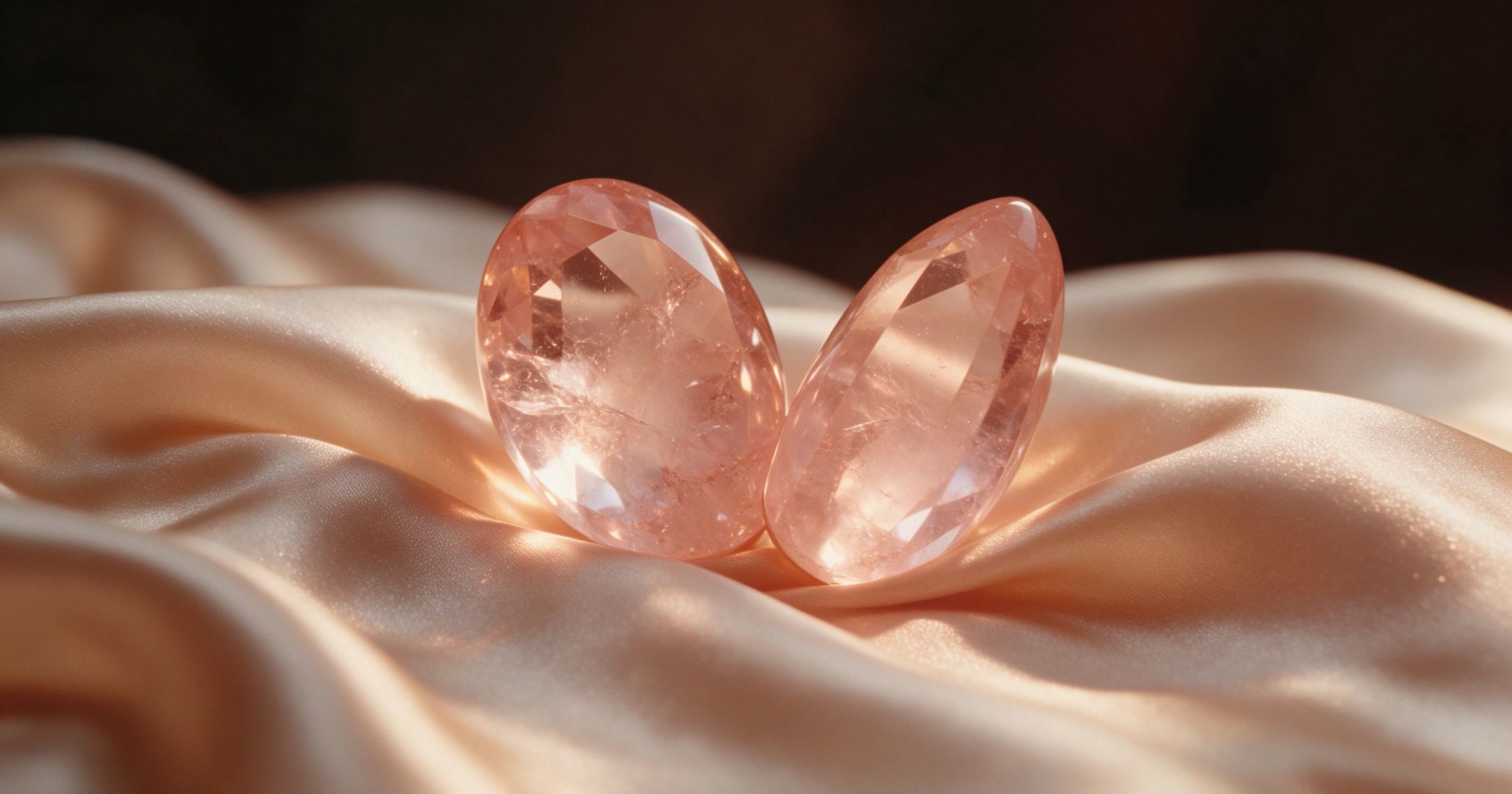
What tradition says: Different stones are traditionally associated with different qualities—amethyst with calm and clarity, rose quartz with love and self-care, tiger's eye with confidence, black tourmaline with grounding and protection, moonstone with intuition and new beginnings, and citrine with abundance and joy. Many people use these associations as prompts for reflection, journaling, or intention-setting. These are cultural and spiritual frameworks, not scientific claims.
What we can verify: Hardness (Mohs scale), water and sunlight sensitivity, porosity, and how a setting or cord will wear are all measurable and testable. Amethyst's color can fade with prolonged strong sunlight. Selenite dissolves in water. Fluorite scratches easily. Elastic degrades with heat and moisture. Plated finishes wear with friction and chemicals. These are the facts that should drive your care routine.
What we can't promise: Crystals are not medical devices and do not diagnose, treat, cure, or prevent disease. They don't guarantee love, wealth, exam results, or any specific outcome. What they can do is invite you to pause, set an intention, and build a small daily ritual—and that reflective habit is where most of the value lies.
Crystals are for reflection and are not medical devices. If you are struggling with your mental or physical health, please reach out to a qualified professional.
A Simple Daily Care Routine
Five minutes a week keeps a daily piece in good shape:
- Wipe after wear: A soft, dry cloth removes skin oils and sweat.
- Cleanse gently: For hard stones, a brief rinse and pat-dry is fine; for soft or water-sensitive stones, use smoke, sound, or a dry cloth instead. Our guide to cleansing a bracelet walks through methods.
- Rest the elastic: Rotate between two bracelets so each cord gets a day off.
- Store separately: A soft pouch per piece prevents scratching between stones.
- Re-string when needed: If the cord looks frayed or stretched, re-string before it snaps.
FAQ
People Also Ask
Is it okay to sleep with a crystal bracelet on?
It's generally better to remove elastic bracelets while sleeping to protect the cord and avoid discomfort. A smooth pendant on a sturdy chain is usually fine, but take it off if it tangles or presses.
Can I wear the same crystal every day?
Yes, if it matches a steady intention. Rotate or cleanse it regularly, and give the cord a rest day now and then.
Do crystals stop working if worn constantly?
There's no fixed expiry in tradition. Cleansing and re-stating your intention keeps a piece feeling fresh; think of it as maintenance for your ritual, not a battery that runs out.
Can I shower with a crystal pendant?
It depends on the stone and metal. Hard stones like quartz are fine with brief water, but plated chains and soft or porous stones should come off. When in doubt, remove it.
Start With One Piece You'll Actually Wear
The best daily crystal is the one that fits your life—comfortable, durable enough for your routine, and meaningful enough that you reach for it each morning. Pick one anchor stone, learn its care needs, and let the rest of your collection rotate in for gentler days. If you're building a first stack, browse the Crystal Bracelets Collection or start with a Healing Crystal Starter Kit, 7 Stones + Guide to find the stone that fits your intention.