Why Chakra Balancing With Crystals Appeals to So Many People
Maybe you've been sleeping badly, feeling scattered, or carrying a low hum of worry you can't quite name. Maybe a friend handed you a piece of amethyst and told you it would help, and you're curious but skeptical. Or you've been reading about the seven chakras and want a practical, grounded way to start working with them — without wading through vague promises or contradictory advice.
This guide is for that reader. It walks through each chakra, the crystals traditionally paired with it, and how to actually use them: which stones to wear, how to cleanse them, what to look for when you buy, and what a fair price looks like. It also draws a clear line between what crystal traditions claim and what can be verified — because a trustworthy guide should do both.
Chakra work is a contemplative practice, not a medical one. Think of crystals as physical anchors for attention: they give your reflection a shape, a color, and a place to return to. That framing is useful whether you take the energy traditions literally or simply appreciate the ritual.
Crystals are for reflection and are not medical devices. They do not diagnose, treat, cure, or prevent any condition.
What the Chakras Are — A Quick, Honest Primer
The chakra system comes from Indian spiritual traditions, with roots in early Hindu and Buddhist texts. The word chakra means "wheel" in Sanskrit. In the most commonly taught modern version — popularized in the West through 20th-century yoga and New Age literature — there are seven major chakras running from the base of the spine to the crown of the head, each associated with a color, an element, a set of themes, and a corresponding area of the body.
It's worth being clear: the chakra system is a spiritual and symbolic framework, not an anatomical one. You won't find a chakra on an MRI. That doesn't make it meaningless — many people find the map genuinely useful for self-reflection — but it does mean you should treat "chakra imbalance" as a metaphor for life patterns rather than a diagnosis.
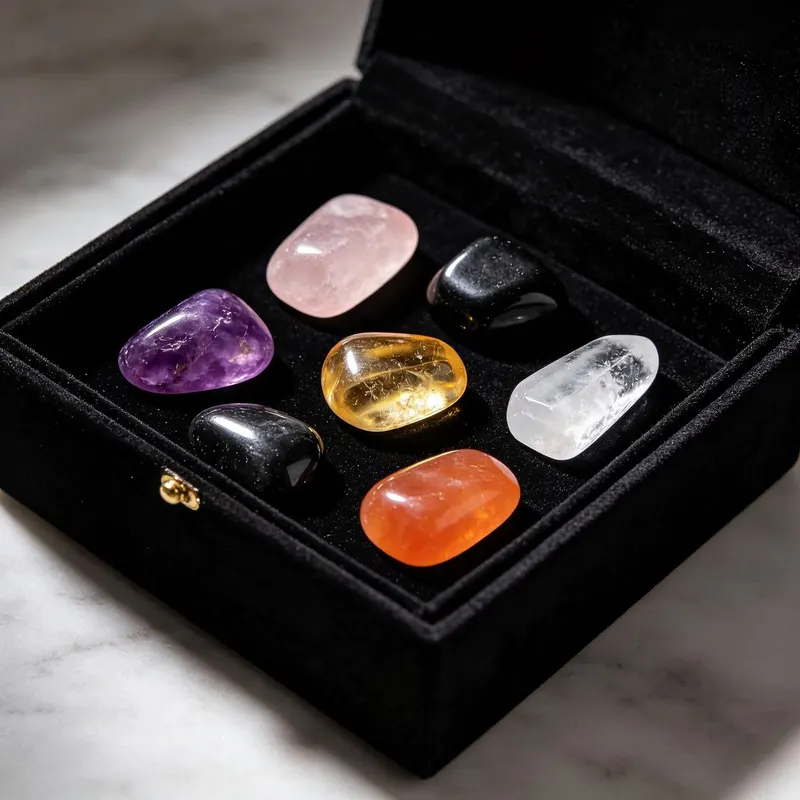
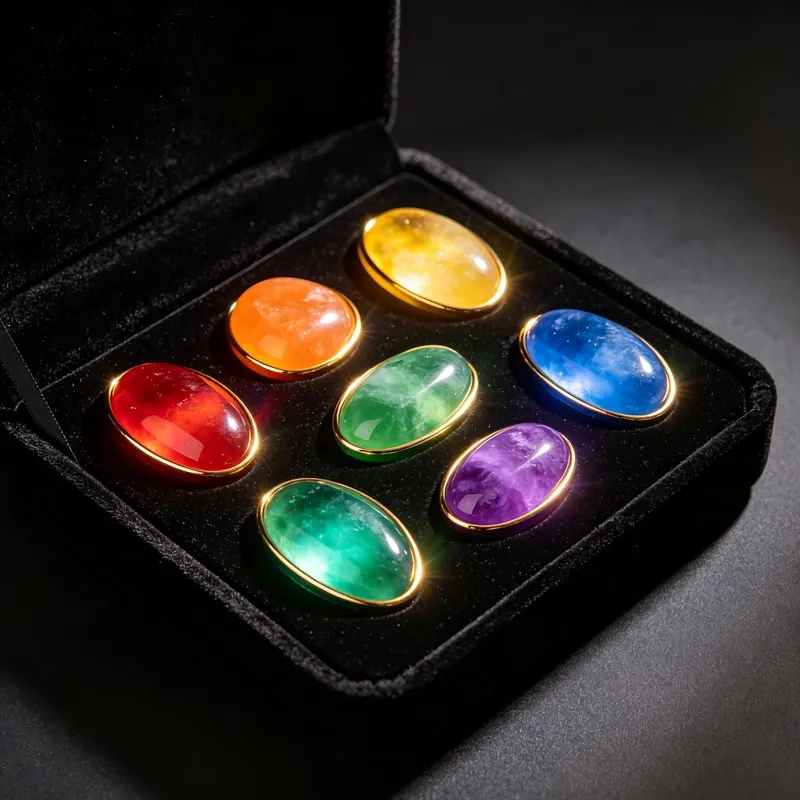
If you're new to the system, a structured set makes learning easier than buying stones one at a time. The Healing Crystal Starter Kit, 7 Stones + Guide pairs one stone with each chakra and includes a reference guide, which is a sensible way to see how the colors and themes fit together before you invest in larger pieces.
Signs Your Chakras Are Imbalanced
In chakra tradition, a chakra can be described as blocked (underactive), overactive, or balanced. Teachers of the system often suggest that imbalance shows up as physical, emotional, or spiritual symptoms — but again, these are symbolic correspondences, not clinical signs. If you have persistent physical symptoms such as digestive trouble, headaches, or a sore throat, that's a conversation for a doctor, not a crystal shop.
What the framework can do is help you notice patterns. If you keep circling the same worry, struggling to speak up, or feeling disconnected from people you love, mapping that pattern onto a chakra gives you a vocabulary and a focal point for reflection. Below is a practical overview of each chakra, the themes traditionally associated with it, and the crystals most often paired with it.
The Seven Chakras and Their Crystals
Root Chakra (Muladhara) — Grounding and Security
Color: Red. Themes: Safety, stability, belonging, basic needs. Traditionally associated with: feelings of being ungrounded, anxious, or preoccupied with security and money.
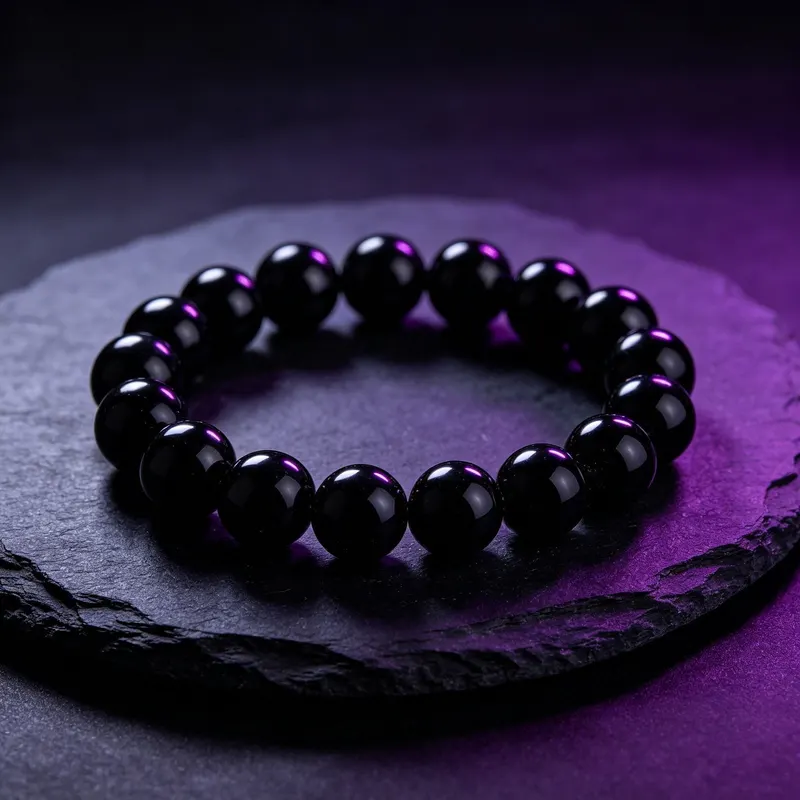
Crystals: Black Tourmaline, Red Jasper, Hematite, Black Obsidian. Dark, dense stones are the traditional choice here — the logic being that heavy stones mirror the feeling of being planted. A Black Tourmaline Protection Bracelet for Grounding is a common starting point because it's comfortable for daily wear and easy to pair with a grounding practice like walking barefoot or a few minutes of slow breathing.
Sacral Chakra (Svadhisthana) — Creativity and Feeling
Color: Orange. Themes: Creativity, pleasure, emotional flow, change. Traditionally associated with: creative blocks, emotional numbness, or difficulty allowing yourself enjoyment.
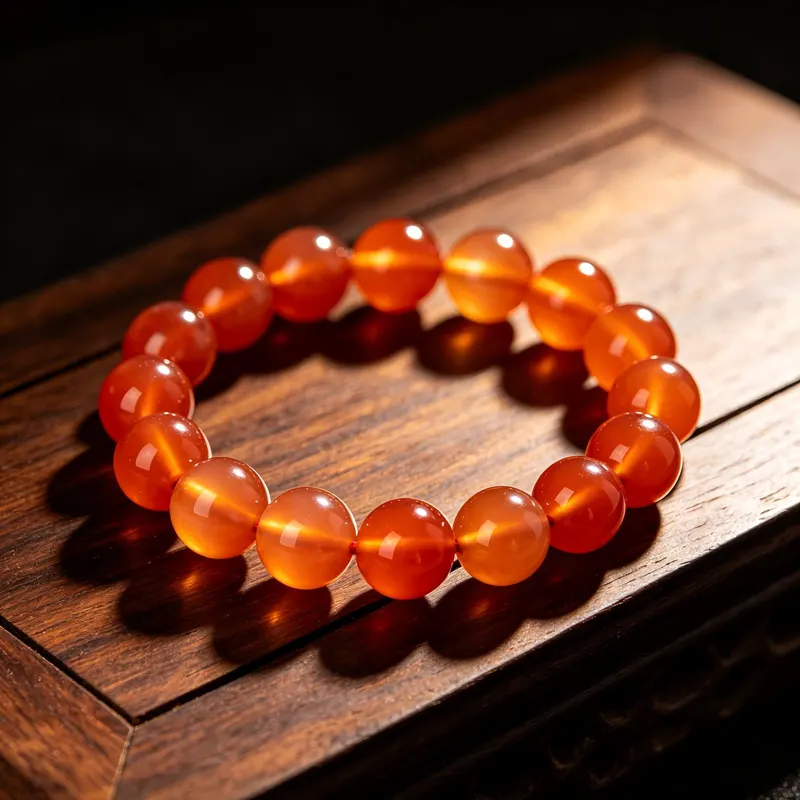
Crystals: Carnelian, Orange Calcite, Sunstone. Warm orange stones are believed to invite momentum and play. The Carnelian Creativity Bracelet for Motivation & Fire is a natural fit if you're working on a project and want a tactile reminder to keep showing up.
Solar Plexus (Manipura) — Confidence and Will
Color: Yellow. Themes: Personal power, self-esteem, direction, discipline. Traditionally associated with: low confidence, indecision, or feeling pushed around by other people's agendas.
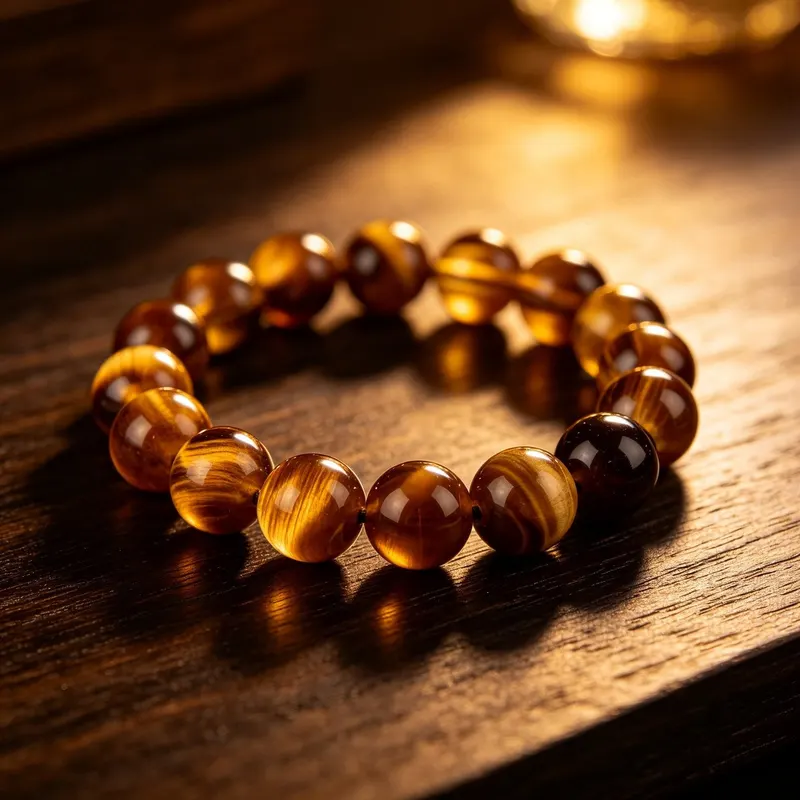
Crystals: Citrine, Tiger's Eye, Pyrite, Yellow Jasper. These are the "get moving" stones of the tradition. A Tiger's Eye Confidence Bracelet for Focus & Courage is one of the most wearable options — the chatoyant band of light across the stone is genuinely beautiful, and the association with steady courage is easy to hold in mind before a meeting or a difficult conversation.
Heart Chakra (Anahata) — Connection and Compassion
Color: Green (and often pink). Themes: Love, grief, forgiveness, empathy. Traditionally associated with: relationship strain, unresolved grief, or difficulty forgiving yourself or others.
Crystals: Rose Quartz, Green Aventurine, Rhodonite, Malachite. Rose Quartz is the best-known heart stone, and the tradition frames it as self-love first, romantic love second. The Rose Quartz Love Bracelet for Self-Love & Heart suits everyday wear; if you prefer a pendant, the Rose Quartz Heart Pendant Necklace, Gold-Plated sits physically near the heart, which many people find a helpful cue. For forgiveness work specifically, Rhodonite is the traditional pick — the Rhodonite Heart Ring for Love & Forgiveness is a subtle way to keep that intention close.
Throat Chakra (Vishuddha) — Expression and Truth
Color: Blue. Themes: Communication, honesty, being heard, boundaries. Traditionally associated with: difficulty speaking up, fear of judgment, or feeling that your words don't land.
Crystals: Aquamarine, Lapis Lazuli, Blue Lace Agate, Sodalite. Blue stones are paired with clear, calm speech. The Aquamarine Serenity Necklace for Calm Communication is a gentle choice for anyone who finds themselves rehearsing conversations in their head; Lapis Lazuli, traditionally linked to wisdom and honest speech, appears in the Lapis Lazuli Wisdom Pendant, Gold-Plated Chain.
Third Eye (Ajna) — Insight and Intuition
Color: Indigo. Themes: Clarity, intuition, imagination, perspective. Traditionally associated with: mental fog, second-guessing yourself, or feeling disconnected from your own instincts.
Crystals: Amethyst, Labradorite, Fluorite, Iolite. These are the "step back and see it clearly" stones. The Labradorite Bracelet for Intuition & Transformation is a favorite for its shifting flash of color, and the Rainbow Fluorite Focus Bracelet for Concentration is a practical pick for study or deep work sessions.
Crown Chakra (Sahasrara) — Connection and Perspective
Color: Violet or white. Themes: Spiritual connection, meaning, perspective beyond the self. Traditionally associated with: cynicism, spiritual burnout, or feeling cut off from a sense of purpose.
Crystals: Clear Quartz, Selenite, Amethyst. Clear Quartz is the tradition's great amplifier and all-purpose stone; Selenite is associated with clearing and light. A Clear Quartz Point Pendant Necklace, Sterling Silver works well as a single, versatile piece, while a Selenite Cleansing Wand for Energy Clearing doubles as a tool for cleansing other stones (more on that below).
Chakra Cheat Sheet: Colors, Themes, and Stones at a Glance
| Chakra | Color | Core Theme | Traditional Stones |
|---|---|---|---|
| Root | Red | Safety, grounding | Black Tourmaline, Red Jasper, Hematite |
| Sacral | Orange | Creativity, feeling | Carnelian, Orange Calcite, Sunstone |
| Solar Plexus | Yellow | Confidence, will | Citrine, Tiger's Eye, Pyrite |
| Heart | Green / Pink | Love, compassion | Rose Quartz, Green Aventurine, Rhodonite |
| Throat | Blue | Expression, truth | Aquamarine, Lapis Lazuli, Blue Lace Agate |
| Third Eye | Indigo | Intuition, clarity | Amethyst, Labradorite, Fluorite |
| Crown | Violet / White | Connection, perspective | Clear Quartz, Selenite, Amethyst |
If you'd rather work with all seven at once, a matched set like the 7 Chakra Stone Set with Wooden Display Box keeps the colors organized and makes a meditation layout easy to set up and put away.
What folklore claims — and what is verifiable
This is the section most crystal guides skip, and it's the one that matters most for buying well and caring for your stones. Here's the honest split.
What the tradition says: Each chakra has a color and theme, certain stones resonate with certain chakras, and placing or wearing those stones can support balance, clarity, or calm. These are traditional associations, not tested claims. We present them as a framework for reflection — "traditionally associated with," "believed to," "may support" — never as promises of health, wealth, love, or exam results.
What we can verify: the physical properties of the stones themselves, which determine how you should treat them.
- Mohs hardness (a 1–10 scratch-resistance scale) tells you how durable a stone is. Quartz-family stones like Amethyst, Citrine, and Rose Quartz sit around 7 — fine for daily wear but still scratchable. Selenite is extremely soft (about 2) and will scratch with a fingernail, so keep it away from other stones in storage. Fluorite is around 4 and chips easily. Black Tourmaline is roughly 7–7.5 and tough. Lapis Lazuli is about 5–6 and porous.
- Water sensitivity: Selenite dissolves and damages in water — never soak it. Lapis Lazuli and Malachite should also be kept dry. Opal and Moonstone dislike prolonged soaking. Quartz, Amethyst, and Rose Quartz tolerate a quick rinse, but drying promptly is always safer.
- Sunlight sensitivity: Amethyst, Rose Quartz, Citrine, and Fluorite can fade with prolonged direct sun. Store them away from a bright windowsill.
- Care basics: Wipe with a soft dry or slightly damp cloth; avoid harsh cleaners, ultrasonic cleaners, and hot water; store soft stones separately in a pouch.
None of this makes the stones "work" or "not work" in an energetic sense — it simply means a well-cared-for stone lasts, and a damaged one is a disappointment.
How to Choose and Use Chakra Crystals: A Practical Checklist
- Start with one chakra, not seven. Pick the theme you're actually working on this month — grounding, expression, self-love — and choose one stone for it. Depth beats breadth.
- Choose the format for your life. Bracelets suit daily wear and are easy to remove for showering; pendants sit near the heart or throat and work well for intention-setting; raw clusters are for a bedside table or altar.
- Check sizing before you buy. Bracelets are typically strung on elastic and sold in a single circumference (often around 7 inches / 18 cm); measure your wrist with a soft tape and add about half an inch for comfort. Rings should be sized to the finger you'll actually wear them on — the ring finger is usually a half size larger than the index.
- Look for natural variation. Genuine stones vary in color, inclusions, and pattern. Uniform, glassy perfection at a very low price is a reason for caution, not reassurance.
- Ask what the stone is. A reputable seller names the mineral, not just the marketing term. "Amethyst" is a variety of quartz; "Rainbow Fluorite" should show banded color.
- Set a realistic budget. Beaded bracelets in these stones commonly run roughly $20–$60; sterling silver pendants with a genuine faceted or cabochon stone often land around $50–$150; a raw amethyst cluster might be $25–$80 depending on size. Gold-plated settings cost less than solid gold and will wear over time — expect plating to thin with daily wear.
- Cleanse gently and regularly. Traditional methods include moonlight, sound, or a Selenite wand. Skip salt water for porous or soft stones.
Chakra Balancing Meditation
This is the classic practice, and it's simple. Lie down somewhere comfortable. Place the corresponding crystal on or near each chakra point — root at the base of the spine, sacral just below the navel, solar plexus above it, heart at the center of the chest, throat at the base of the neck, third eye between the brows, crown at the top of the head. If lying with stones on your body feels awkward, place them in a line beside you instead.
Starting at the root, visualize each chakra as a slowly spinning wheel of its color, glowing a little brighter as you breathe into it. Work upward, spending a minute or two at each point. Finish at the crown, then lie still for a few breaths before gathering the stones.
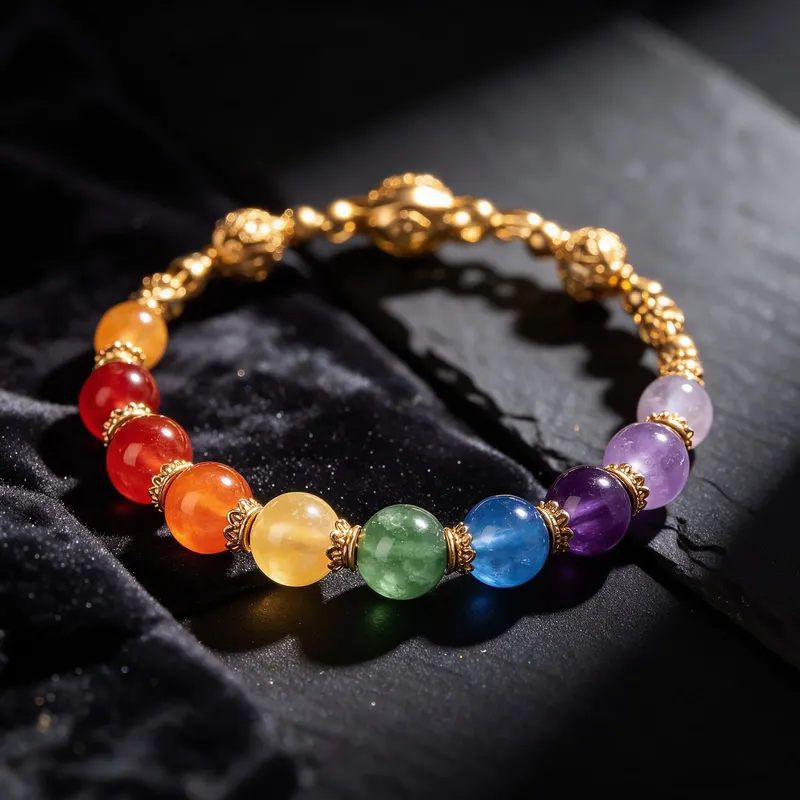
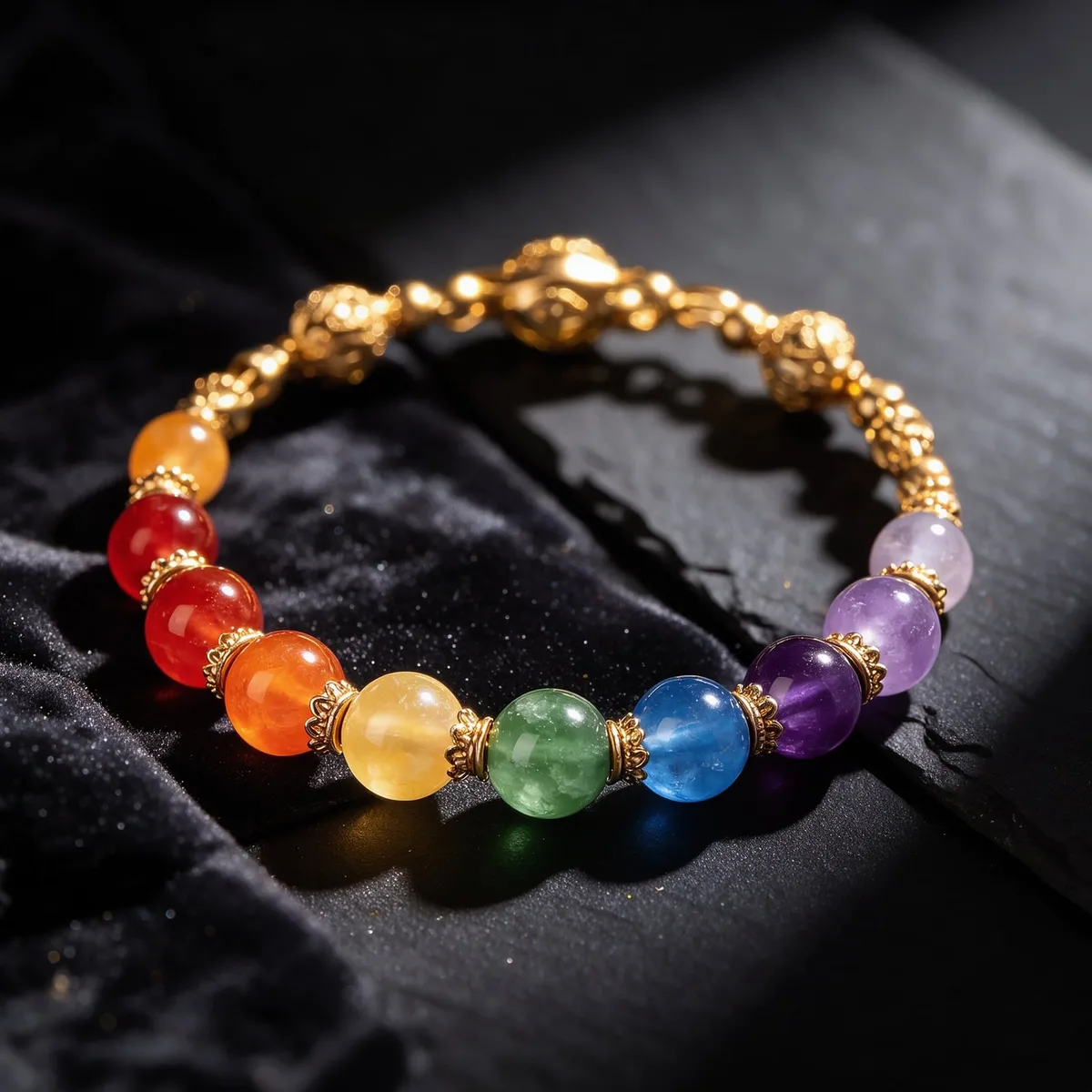
If you'd rather not juggle seven stones, a single piece works just as well. A raw Raw Amethyst Cluster for Meditation & Altar placed nearby makes a lovely focal point for third-eye and crown work, and the 7 Chakra Balancing Bracelet, Natural Mixed Stones lets you carry the whole sequence on your wrist for a quieter, wearable version of the same practice.
Frequently Asked Questions
How do I know which chakra needs attention?
There's no test — and anyone who offers one is overselling. The practical approach is to read through the seven themes and notice which one describes your current life most accurately. If you keep struggling to speak up, start with the throat. If you feel ungrounded, start with the root. Treat it as a prompt for reflection, not a diagnosis.
How often should I cleanse my crystals?
Tradition suggests cleansing when a stone feels "heavy" or after intense periods, and many people simply cleanse weekly or on a new moon. Physically, a gentle wipe and proper storage matter more than any schedule. Never soak Selenite, Lapis Lazuli, or Malachite.
Can I wear multiple chakra crystals at once?
Yes — many people wear a bracelet and a pendant together, or layer two bracelets. Just be mindful of hardness: a soft stone like Fluorite can be scratched by a harder quartz bracelet if they rub together all day. If you're layering, keep the softer piece on the outside or wear them on separate wrists.