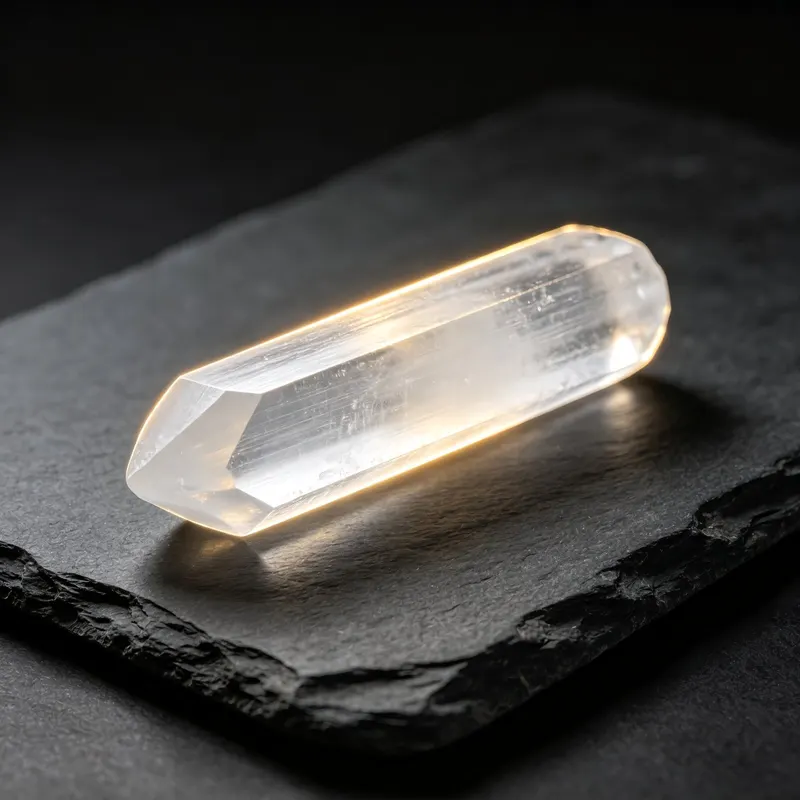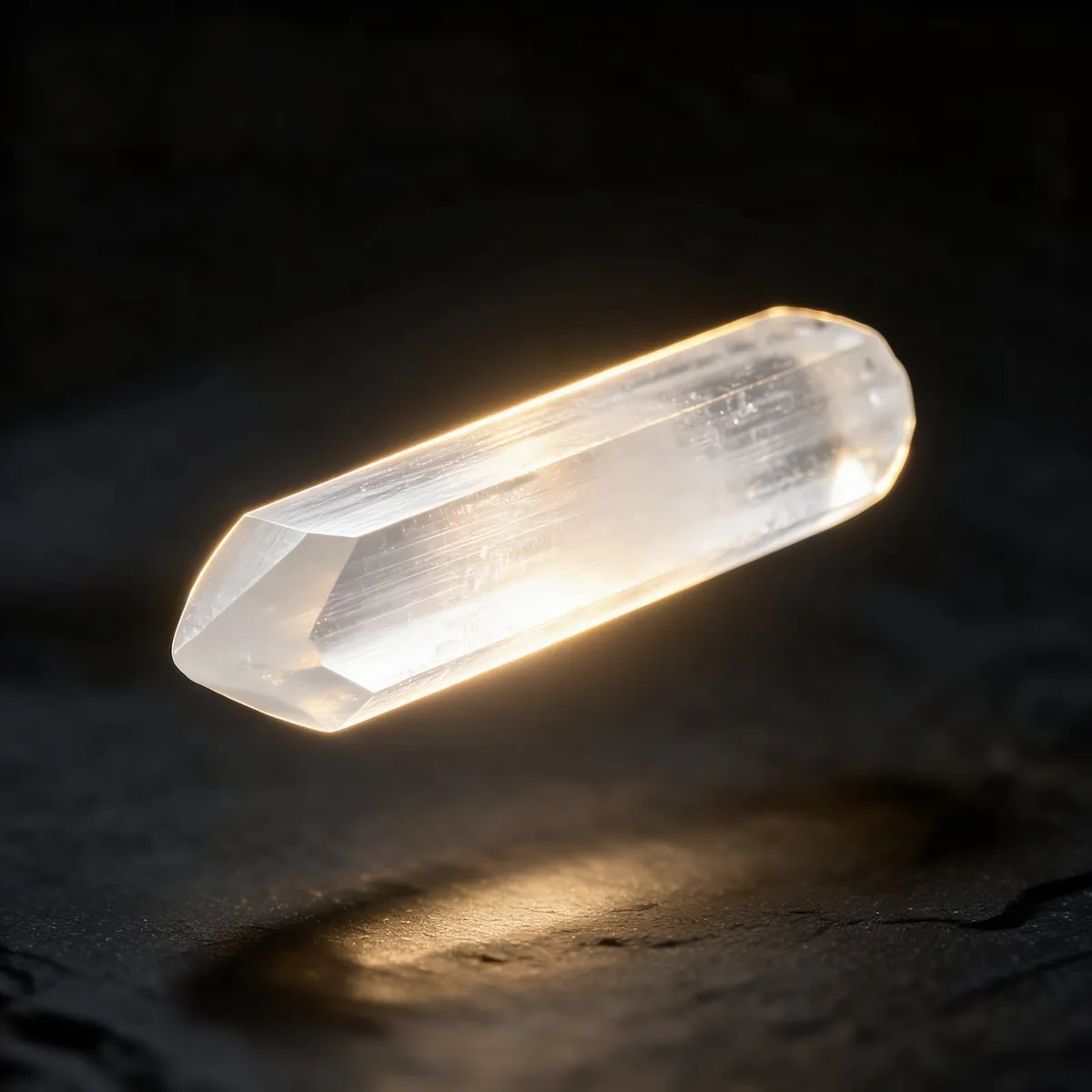
- Selenite is the colourless, translucent form of gypsum — very soft (Mohs 2) and water-soluble.
- Never soak selenite. Use dry methods (light, sound, intention) or rest other stones on a selenite plate.
- A selenite plate or bowl is the most common charging station for small stones and jewellery.
- Clean selenite itself with a soft dry cloth only — no liquids, no salt water.
If you've started collecting crystals, you've probably hit the same small snag everyone does: you know you're "supposed to" cleanse them, but every method you read about seems to involve water, salt, smoke, or a full moon you keep forgetting to track. Meanwhile, half your collection — the softer stones, the ones with silver findings, the bracelets you actually wear — can't safely go near a bowl of salt water anyway.
Selenite solves that problem. It's the no-water, no-smoke, no-schedule method: you set a stone down, walk away, and come back later. It's also one of the most misunderstood stones in the cabinet, because selenite itself is fragile in ways most care guides gloss over. This guide covers how to actually use it, how long to leave stones on it, how to keep the selenite from clouding or chipping, and where the line sits between crystal tradition and mineral fact.
Whether you own a single Selenite Cleansing Wand or you're building a full bedside charging station, the routine below is designed to be low-effort enough that you'll actually keep it.
What Selenite Actually Is (and Why That Matters for Care)
Selenite is a variety of gypsum — chemically, hydrated calcium sulfate. The name comes from Selene, the Greek moon goddess, which is where much of its lunar, "clearing" reputation originates. The pieces sold for crystal work are usually the fibrous, translucent form, cut into plates, bowls, wands, and towers.
The practical detail that shapes everything else: gypsum sits at Mohs 2, which is softer than a fingernail (Mohs 2.5). That means selenite scratches if you look at it wrong — a key in the same pocket, a stone dragged across a plate, even a fingernail pressed hard can leave a mark. It's also water-soluble, so soaking, rinsing, or leaving it in a damp bathroom will pit and eventually erode the surface. Salt water is worse: it can leave a crusty residue and dull the finish permanently.
So the rule that governs this entire practice is simple: selenite stays dry. Everything else is flexible.
How to Cleanse Crystals with Selenite: Three Methods
1. The selenite plate or bowl (the default method)
This is the workhorse. Rest tumbled stones, bracelets, pendants, or rings directly on a selenite plate or in a selenite bowl and leave them. No ritual required, no timing to remember. It's the method most people settle into because it's passive — the stones get their reset while you sleep.
Two practical notes: place smaller pieces in a shallow dish on top of the plate so they don't roll off, and keep metal jewellery from sliding around, since grit between metal and selenite will scratch the plate. For bracelets in regular rotation, a plate beside your jewellery dish means every piece gets a nightly reset automatically.
2. The selenite wand (for a quick, intentional pass)
Hold the wand and glide it slowly around or just above a stone for 30–60 seconds, setting an intention as you go. This suits pieces that are too large for a plate, or a quick refresh between deeper cleanses. Keep the wand a centimetre or two off the surface rather than dragging it — you'll avoid scratches on both stones.
3. Selenite in storage (the set-and-forget option)
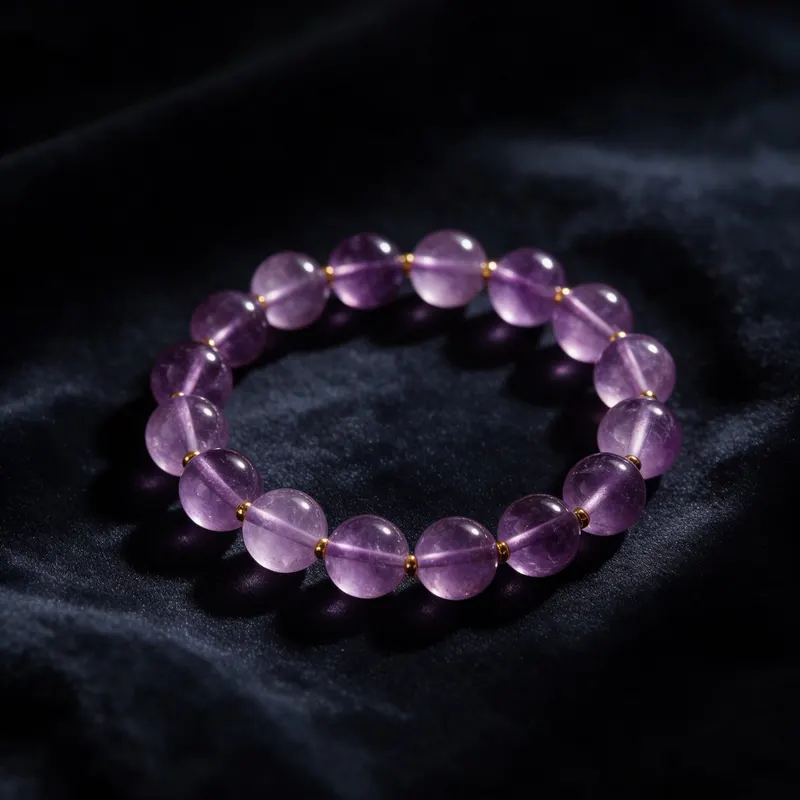
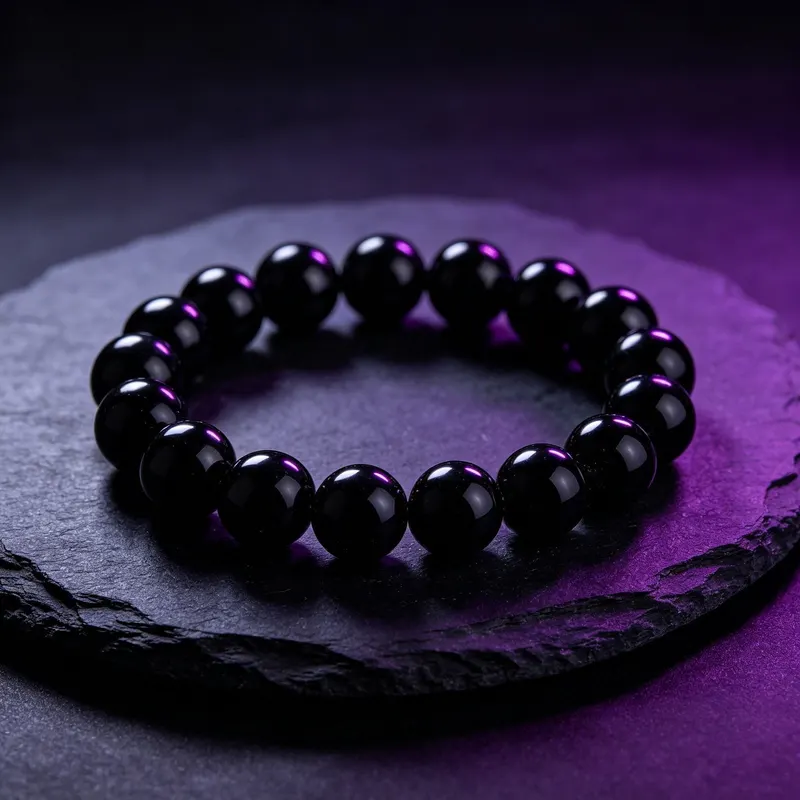
Keep a small selenite piece in the dish, box, or pouch where you store crystals. It's the least precise method but the most consistent — stones are being "cleared" simply by living next to selenite. This is especially useful for a travel pouch or a drawer where you keep everyday pieces like a Amethyst Healing Bracelet or a Black Tourmaline Protection Bracelet.
How Long Should Crystals Stay on Selenite?
There's no measurable answer here — crystal cleansing is a practice, not a process with a timer. What most people do:
- Light refresh: a 30–60 second wand pass, or an hour on a plate, for a piece you wear daily.
- Standard reset: a few hours, or simply overnight, for tumbled stones and bracelets.
- Deeper reset: 24 hours on a plate for a new stone, a piece that's been through a stressful stretch, or one you haven't worn in months.
The honest guidance is to pick a rhythm you'll keep. A stone that gets a nightly hour on a plate is better cared for than one that gets a perfect 24-hour ritual once and then nothing for a year.
Does Selenite Need Charging?
In crystal tradition, selenite is considered self-cleansing — it doesn't need to be cleared by other stones, moonlight, or smoke. That reputation is one reason it's so widely used as a charging station: the tool maintains itself.
From a care standpoint, though, selenite does need occasional physical attention. Dust settles on it, handling leaves fingerprints, and a plate that's been used as a resting spot for dozens of stones will pick up grit. Wipe it with a soft, dry, lint-free cloth. That's the whole maintenance routine. No water, no salt, no soap.
What the old stories say — and what checks out
Crystal practice blends centuries of folklore with modern mineralogy, and it's worth keeping the two separate so you know what you're actually relying on.
| Claim or practice | What the tradition says | What we can verify |
|---|---|---|
| Selenite "cleanses" other crystals | Traditionally considered a self-cleansing clearing stone; resting stones on it is believed to reset their energy | Not scientifically measurable. It is, however, a genuinely convenient dry resting place that keeps stones off damp surfaces |
| Selenite never needs charging | Believed to be self-renewing, linked to the moon | It does not need energetic charging by tradition — but it does need dry dusting and careful handling |
| Water cleansing | Some guides suggest rinsing any stone | Never for selenite. Gypsum is water-soluble (Mohs 2); soaking pits and erodes it |
| Salt or salt water | Popular for "deep cleansing" | Avoid entirely for selenite — salt residue dulls and can crust the surface |
| Sunlight charging | Sun is often used to charge stones | Brief sun is fine, but prolonged direct sun can fade or dull the finish. Moonlight is the gentler option |
| Emotional or health benefits | Traditionally associated with calm, clarity, and clearing | Not verifiable. Selenite is for reflection and ritual, not treatment |
The takeaway: use selenite because the routine is pleasant and practical, not because it does something measurable to a stone. The tradition gives the practice meaning; the mineralogy tells you how to keep your pieces intact.
What to Look For When Buying Selenite
Selenite is inexpensive and widely available, which means quality varies a lot. A few things to check:
- Translucency: good pieces glow softly when backlit. Opaque, chalky white is usually lower grade.
- Surface: look for a smooth, satiny finish without cloudy patches, chips along the edges, or white crusty spots (a sign of water or salt damage).
- Fibrous striations: fine parallel lines are normal and part of its character — not a flaw.
- Size for purpose: a plate roughly the size of a saucer holds a handful of tumbled stones or two bracelets; a bowl suits rings and small pendants; a wand is best for spot-refreshing larger pieces.
- Base: towers and lamps should sit flat and stable — selenite is soft and a wobbly piece will chip at the base.
Realistic pricing (US): small wands typically run $8–$20, plates and bowls roughly $15–$40 depending on size and clarity, and larger towers or lamps $30–$80+. Genuine selenite is not a precious material — if a piece is priced like a gemstone, you're paying for presentation, not rarity.
Building a Low-Effort Care Routine
The whole appeal of selenite is that it removes decisions. A simple setup:
- Bedside or dresser: a selenite plate where bracelets and rings land at the end of the day.
- Storage: a small selenite piece in the box or pouch where the rest of your collection lives.
- Travel: a short wand in your jewellery case — it doubles as a spot-refresher and takes up almost no room.
- Weekly: a dry wipe of the plate with a soft cloth to clear dust and grit.
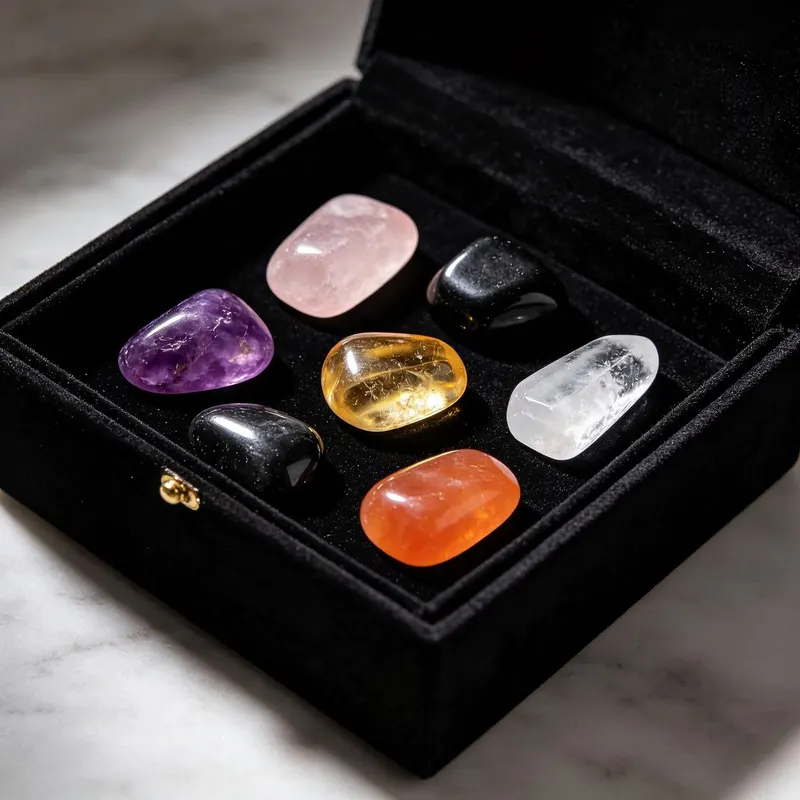
If you're just starting out, pairing a Selenite Cleansing Wand with a Healing Crystal Starter Kit, 7 Stones + Guide gives you a complete beginner setup — stones to work with and a dry, water-free way to reset them. If your collection leans toward jewellery, a Clear Quartz Point Pendant Necklace, Sterling Silver or a Rose Quartz Love Bracelet for Self-Love & Heart are good candidates for a nightly rest on a plate, since neither should be soaked or exposed to salt.
FAQ
People Also Ask
How long should crystals sit on selenite?
A few hours or overnight is the common standard; a 30–60 second wand pass works for a light refresh between deeper cleanses. Choose a rhythm you'll actually keep.
Does selenite actually cleanse other crystals?
In crystal tradition, selenite is considered a self-cleansing clearing stone, and many people use it as a convenient, water-free reset. There's no scientific measurement behind the claim — the practical benefit is a dry, stable resting place that keeps stones away from moisture.
Can selenite go in the sun?
Brief exposure is fine, but prolonged direct sun can dull its finish. Moonlight is the gentler match, and it fits the stone's lunar associations.
Can I clean selenite with water or salt?
No. Selenite is gypsum (Mohs 2) and water-soluble — soaking pits and erodes it, and salt can leave a dull crust. Use a soft, dry cloth only.
Keep Exploring
Crystals That Cannot Go in Water · Selenite Meaning & Properties · How to Store Crystals
Crystals are intended to support personal and spiritual well-being and are not medical devices. They do not diagnose, treat, cure, or prevent any disease. If you are struggling with your mental or physical health, please reach out to a qualified professional.