An Honest Starting Point
You've probably arrived here with a stone in your hand and a fair question: does this actually do anything? Maybe someone gave you an amethyst bracelet for your birthday, or you felt calmer after holding a piece of rose quartz at a market and want to know whether that was real. Perhaps you're skeptical but curious, or you're drawn to crystals and tired of hearing them either dismissed outright or oversold as miracle cures.
At Luna Dao we hold both tradition and evidence in the same hand. Crystals are not proven medical devices, and we never claim they cure disease or guarantee outcomes. But many people do report genuine, subjective benefit from working with them—and there are entirely plausible, non-magical reasons why that happens.
This guide separates what science can verify from what tradition claims, explains why ritual and mindfulness matter, and gives you practical guidance on choosing, sizing, and caring for stones so you can enjoy them honestly.
What the Research Says
The most-cited experimental work on crystals comes from studies in which participants held real stones versus convincing placebos. In blinded conditions, people often reported similar improvements regardless of which they received—suggesting that expectation, not the mineral, was doing the work. No rigorous trial has demonstrated that crystals emit a unique healing energy that affects the body.
It's true that quartz has remarkable physical properties. It is piezoelectric: under mechanical pressure it generates an electrical charge, which is why it's used in watches, sensors, and electronics. But that property belongs to the physics of the material, not to a mechanism for healing in jewelry. A quartz pendant in electronics and a quartz pendant on a necklace are not doing the same thing.
None of this means your experience is fake. It means the benefit is better explained by psychology, attention, and meaning than by mineral energy—and that explanation is still worth taking seriously.
Why People Still Feel a Difference
The placebo effect is not the same as "nothing." It is a real, measurable shift in how people feel, driven by expectation and context. When you add ritual and attention on top of that, you get a practice that can genuinely lower stress and support intention. Here's what's likely happening:
- Ritual and mindfulness: Pausing to hold a stone, breathe, and set an intention interrupts a stress loop. Slow breathing and brief focused attention are well-established ways to settle the nervous system.
- Placebo and expectation: Belief and conditioned cues—the weight of the stone, the ritual of putting it on—can shift how you feel. That's a feature, not a flaw.
- Sensory grounding: A tangible object anchors attention, much like a worry stone. Cool, smooth surfaces give your hands and mind somewhere to rest.
- Meaning and beauty: Wearing something symbolic supports identity and intention. A bracelet you associate with calm becomes a cue to actually pause and breathe.
In other words, the stone is a tool for attention. What you do with that attention is where the benefit lives.
Tradition vs. evidence: what holds up
Crystal traditions—from Chinese five-element theory to Western lapidary lore—assign qualities to stones: amethyst is traditionally associated with calm and clarity, rose quartz with the heart and self-love, citrine with abundance and joy. These are cultural and symbolic frameworks, not clinical claims. They can be meaningful and useful without being medically true.
What we can verify is the physical and practical side: hardness, sensitivity to water and sunlight, and how to care for each stone. That's where honest guidance actually protects your purchase. Here's a comparison of common stones in our collection:
| Stone | Mohs Hardness | Water Sensitivity | Sunlight Sensitivity | Care Note |
|---|---|---|---|---|
| Clear Quartz | 7 | Low | Low | Durable; wipe with a soft cloth |
| Amethyst | 7 | Low | Moderate—may fade | Keep out of prolonged direct sun |
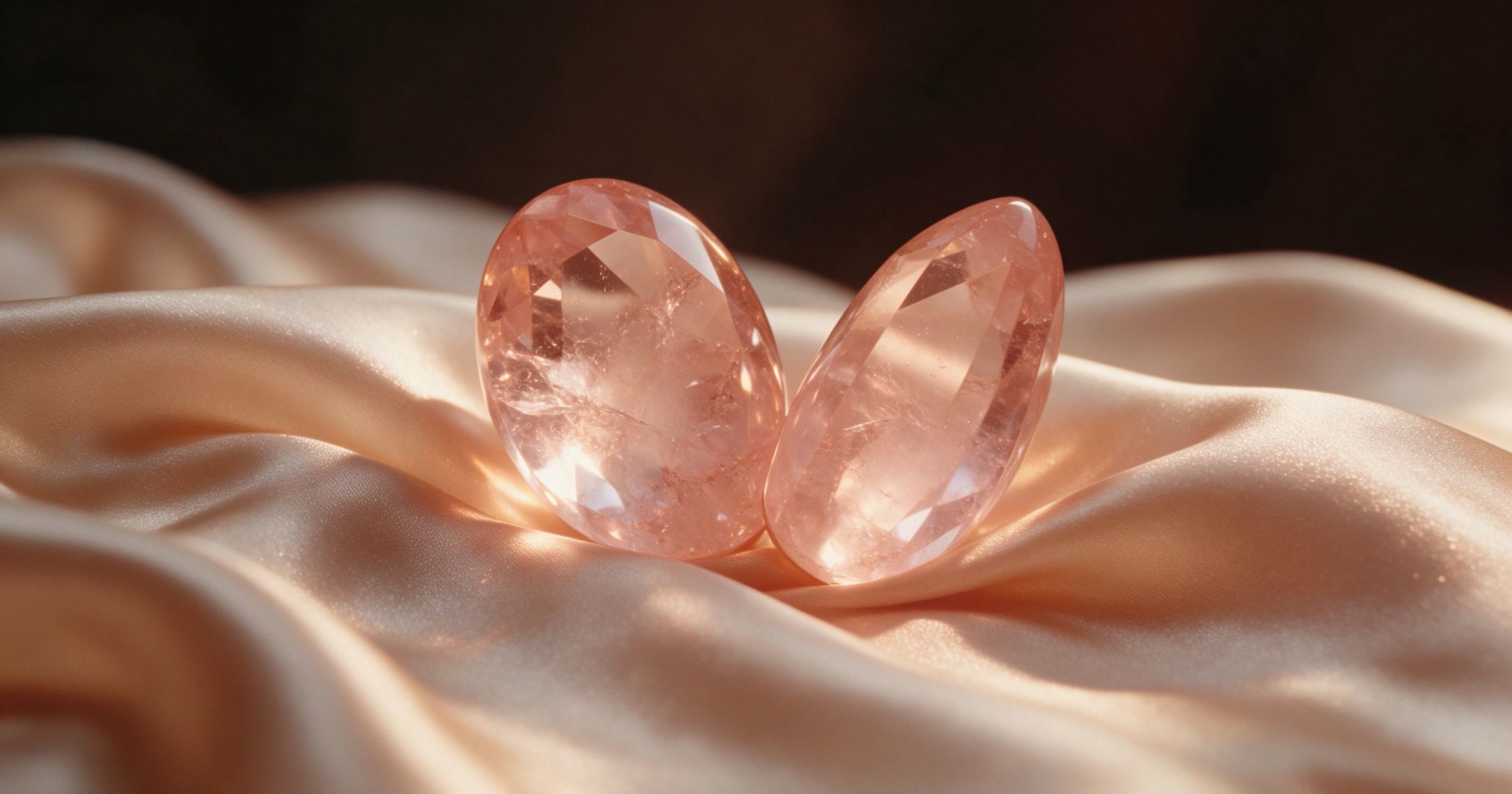
| Rose Quartz | 7 | Low | Moderate—may fade | Avoid harsh cleaners and heat |
| Citrine | 7 | Low | Moderate—may fade | Store away from strong light |
| Black Tourmaline | 7–7.5 | Low | Low | Very durable; rinse and dry |
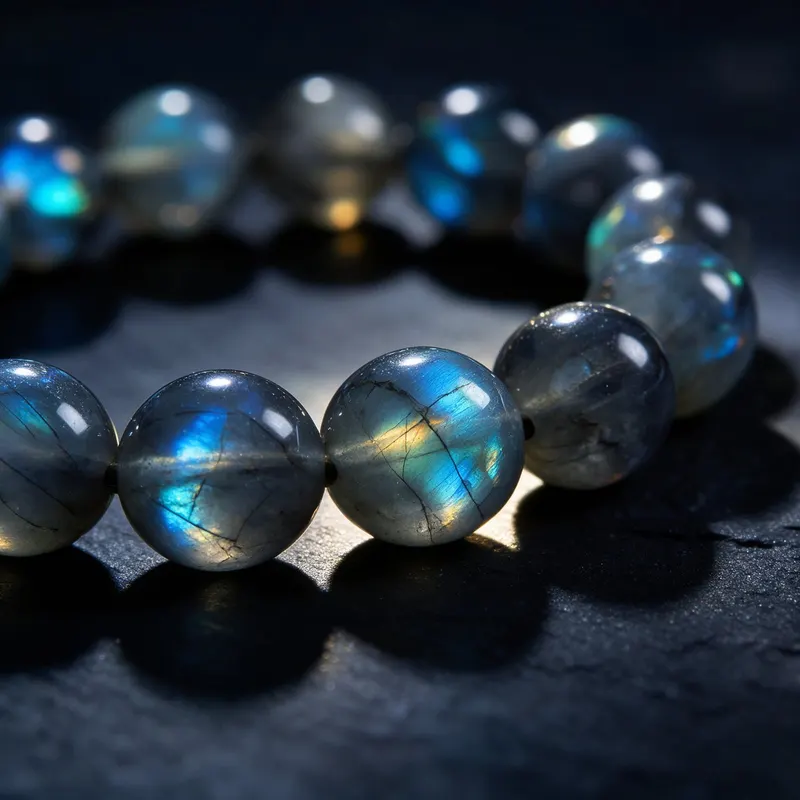
| Labradorite | 6–6.5 | Low | Low | Softer—avoid knocks and abrasion |
| Selenite | 2 | High—dissolves | Low | Keep dry; never soak or rinse |
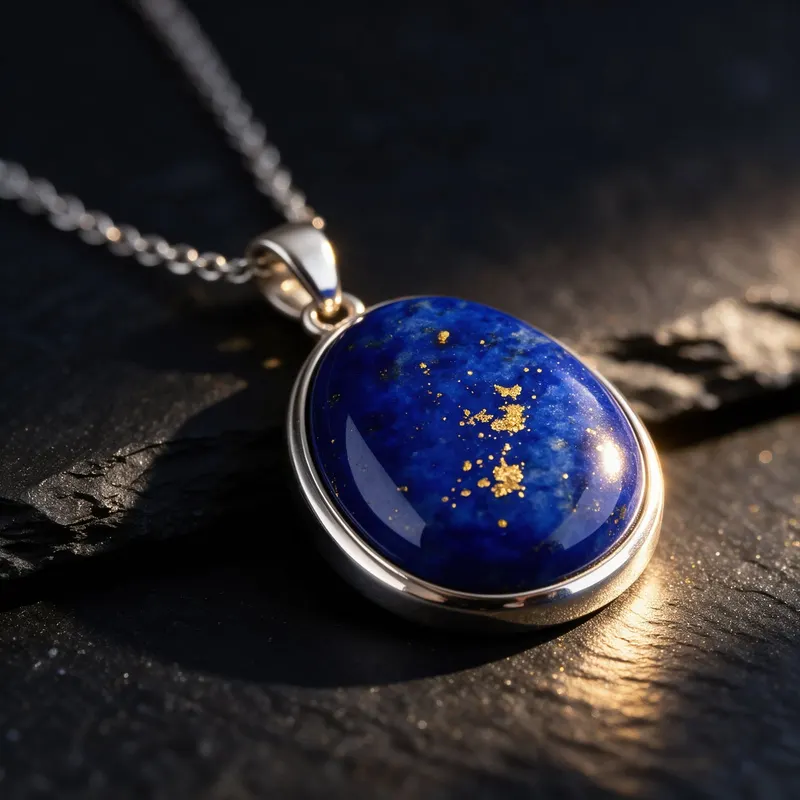
| Lapis Lazuli | 5–6 | Moderate | Low | Avoid soaking; wipe clean |
| Rainbow Fluorite | 4 | Low | Moderate—may fade | Soft; store separately to avoid scratches |
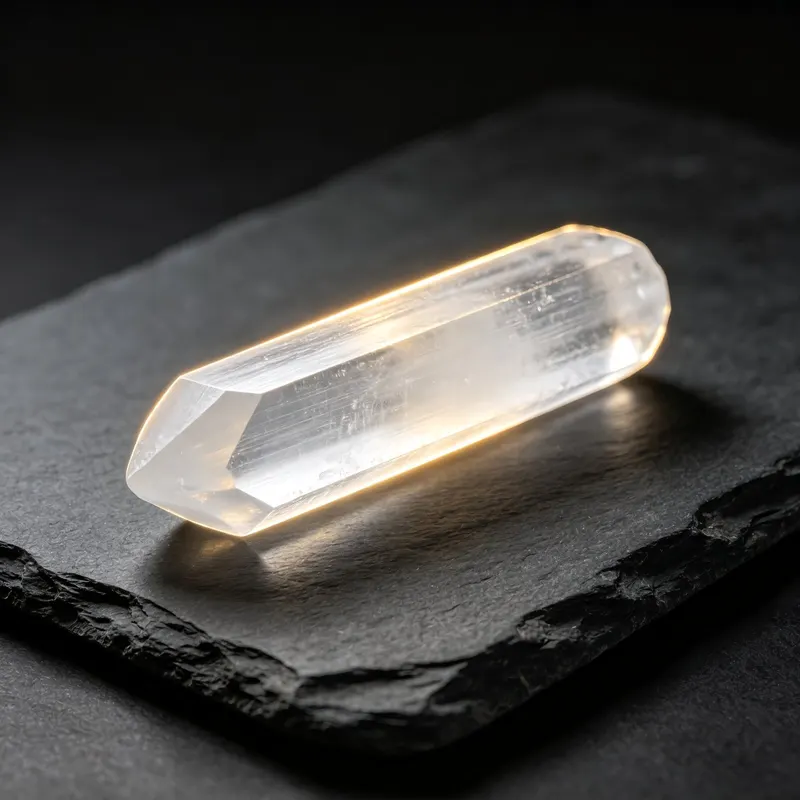
A few practical takeaways from that table: selenite should never be soaked, so a Selenite Cleansing Wand is best wiped or kept dry. Softer stones like fluorite and lapis scratch easily against harder ones, so store them separately. And several colored stones—amethyst, rose quartz, citrine—can fade with long sun exposure, so a sunny windowsill isn't the best permanent home.
How to Choose a Crystal (Without Getting Fooled)
If you're buying your first piece, start with what you'll actually use and enjoy rather than what sounds most powerful. A short checklist:
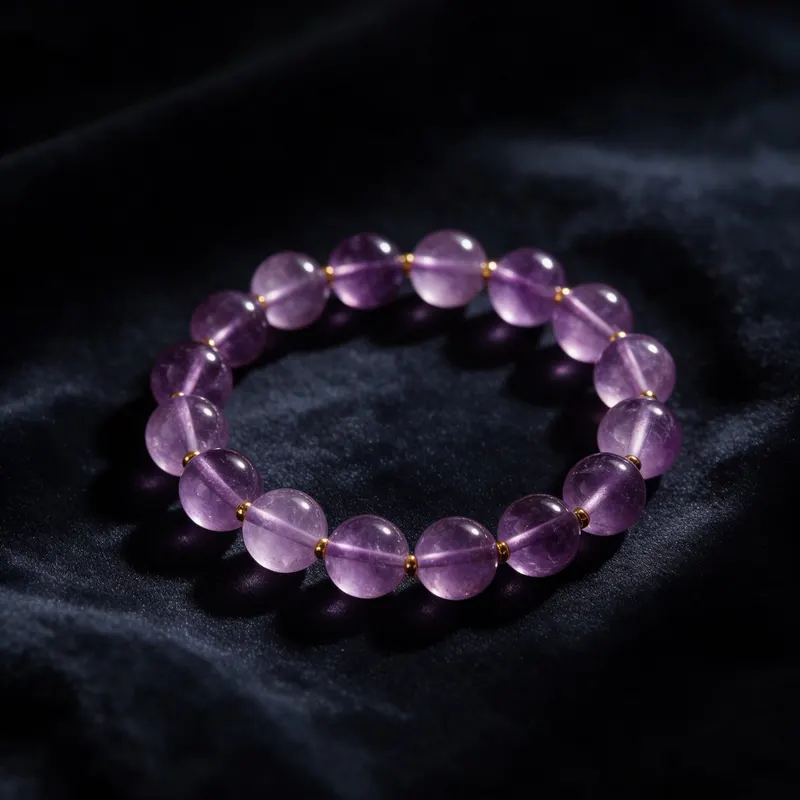
- Match the intention, not the hype: Choose a stone whose traditional association fits what you want to practice—calm, focus, self-compassion. A Amethyst Healing Bracelet is a gentle, popular starting point for a wind-down ritual.
- Check the stone, not just the story: Look for natural color variation and inclusions. Perfectly uniform, glassy stones at very low prices are often dyed, glass, or reconstituted.
- Ask about treatment: Heat treatment of citrine and amethyst is common and widely accepted; dyeing and irradiation are worth disclosing. A reputable seller will tell you.
- Feel the weight and finish: Real stone feels cool and has heft. Check that beads are evenly drilled and the elastic or clasp is well finished.
- Realistic prices: A genuine beaded bracelet in common stones typically runs roughly $20–$60; pendants in sterling silver or gold-plated settings $30–$90; raw clusters and larger specimens more. Rare or large flawless pieces cost more—but "rare" is often a marketing word, so compare.
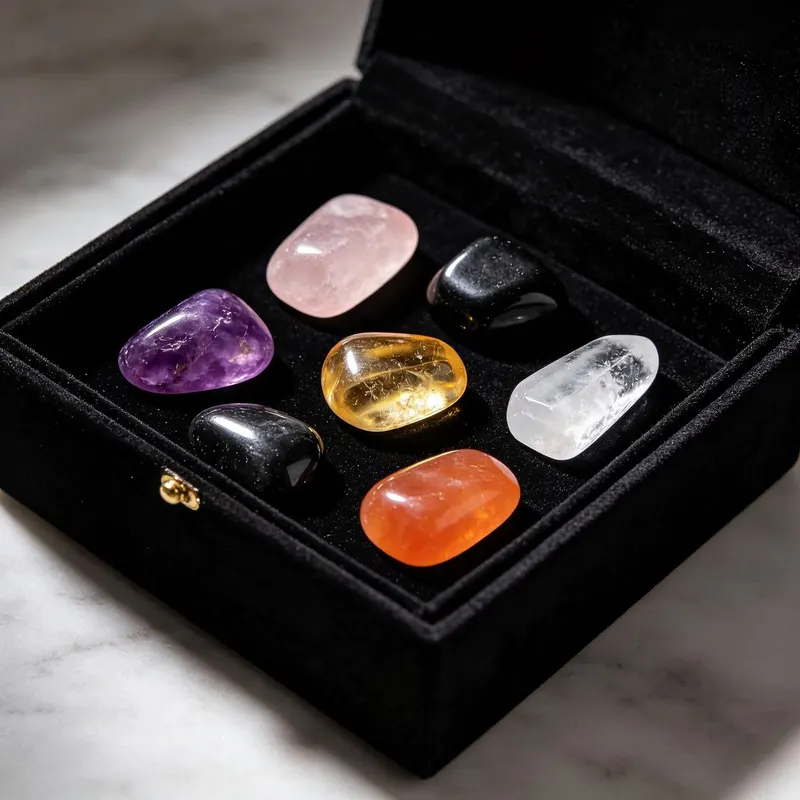
If you're undecided, a set lets you try several at once. Our Healing Crystal Starter Kit pairs seven stones with a guide, which is a sensible way to learn what you actually reach for.
Sizing, Wearing and Caring for Your Stones
Practical details matter more than most crystal guides admit. For bracelets, measure your wrist snugly with a soft tape and add about half an inch for comfort; most beaded bracelets are strung on elastic and sit best when they don't slide over your hand. For necklaces, a 16–18 inch chain sits at the collarbone, 20–24 inches below it—choose based on necklines you wear most.
Care is simple if you know the stone. Wipe most pieces with a soft, dry cloth. Avoid ultrasonic cleaners and harsh chemicals, especially on plated settings. Keep selenite dry, store soft stones separately, and take bracelets off before swimming or showering to protect elastic and finishes. For a deeper routine, see our guide to cleansing and charging crystals.
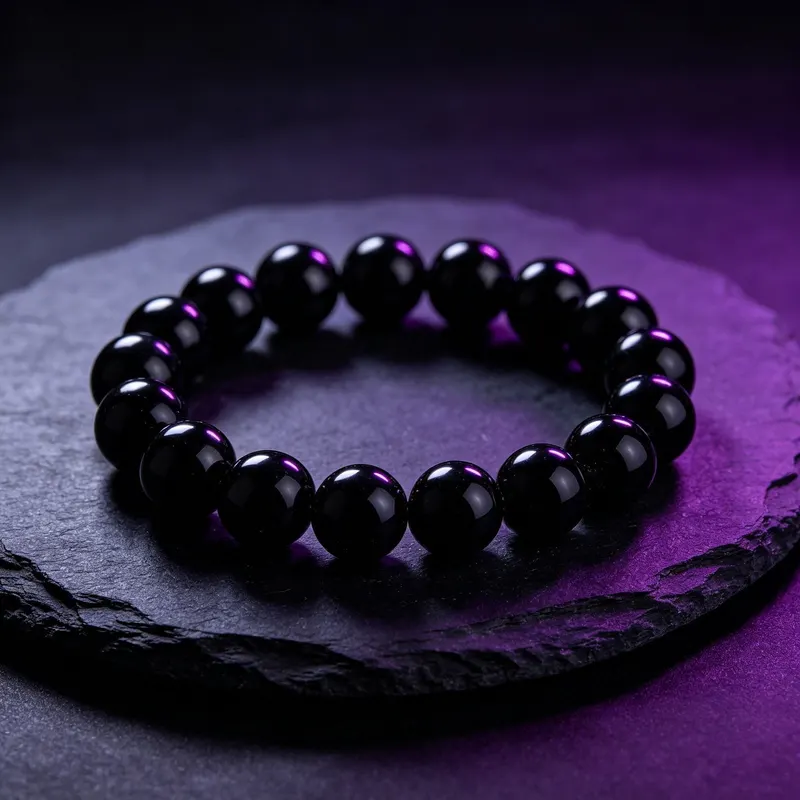
If you want a piece to wear daily, durability helps. A Black Tourmaline Protection Bracelet is hard-wearing and traditionally associated with grounding, while a Clear Quartz Point Pendant in sterling silver is a versatile, low-maintenance everyday choice.
Our Responsible Position
- Enjoy crystals as tools for mindfulness, ritual, and meaning—use them to cue the calm, focus, or self-compassion you want to practice.
- Never replace real medical or psychological care with stones. If you're struggling with your health, talk to a qualified professional.
- Choose pieces you'll actually use, care for them properly, and buy from sellers who are honest about treatments and sourcing.
Crystals are for reflection and are not medical devices. They do not diagnose, treat, cure, or prevent any condition, and they do not guarantee outcomes.
FAQ
People Also Ask
Do crystals scientifically heal the body?
There is no rigorous evidence that crystals cure illness. Reported benefits are best understood through ritual, mindfulness, expectation, and the placebo response—real experiences, but not medical treatment.
Is it okay to use crystals if the effect is "just placebo"?
Yes, if the practice lowers your stress, causes no harm, and doesn't replace medical care. The placebo effect is a genuine shift in how you feel; pairing it with honest expectations keeps it healthy.
How do I know if a crystal is real?
Look for natural variation, inclusions, and cool weight; be wary of uniform color at suspiciously low prices. Ask sellers about treatments like dyeing or heat. Our guide on telling if a crystal is real walks through the checks.
Can I wear my crystals every day?
Usually yes—choose durable stones for daily wear, remove bracelets before swimming or showering, and keep soft or water-sensitive stones like selenite and fluorite away from moisture and knocks.
Browse the Curated Collection
If you'd like to start with a piece that fits a specific intention, explore the full edit in our Bestsellers Collection, or revisit our guide on choosing your first crystal.
Shop the Stones
- Healing Crystal Starter Kit, 7 Stones + Guide
- Clear Quartz Point Pendant Necklace, Sterling Silver
- Amethyst Healing Bracelet for Calm & Clarity