Anger Is a Signal, Not a Failure
If you've ever felt the heat rise before you could stop it—jaw tight, voice sharp, heart pounding—you already know that anger rarely asks permission. Maybe you're the person who replays a conversation at midnight, wishing you'd said nothing or said it differently. Maybe your anger shows up as irritability with the people you love most, or as a low simmer you can't quite name. You're not broken for feeling it. Anger is one of the most useful signals the body produces: it tends to flare when a boundary has been crossed, when something feels unfair, or when a softer feeling—hurt, fear, shame, exhaustion—has been pushed underground.
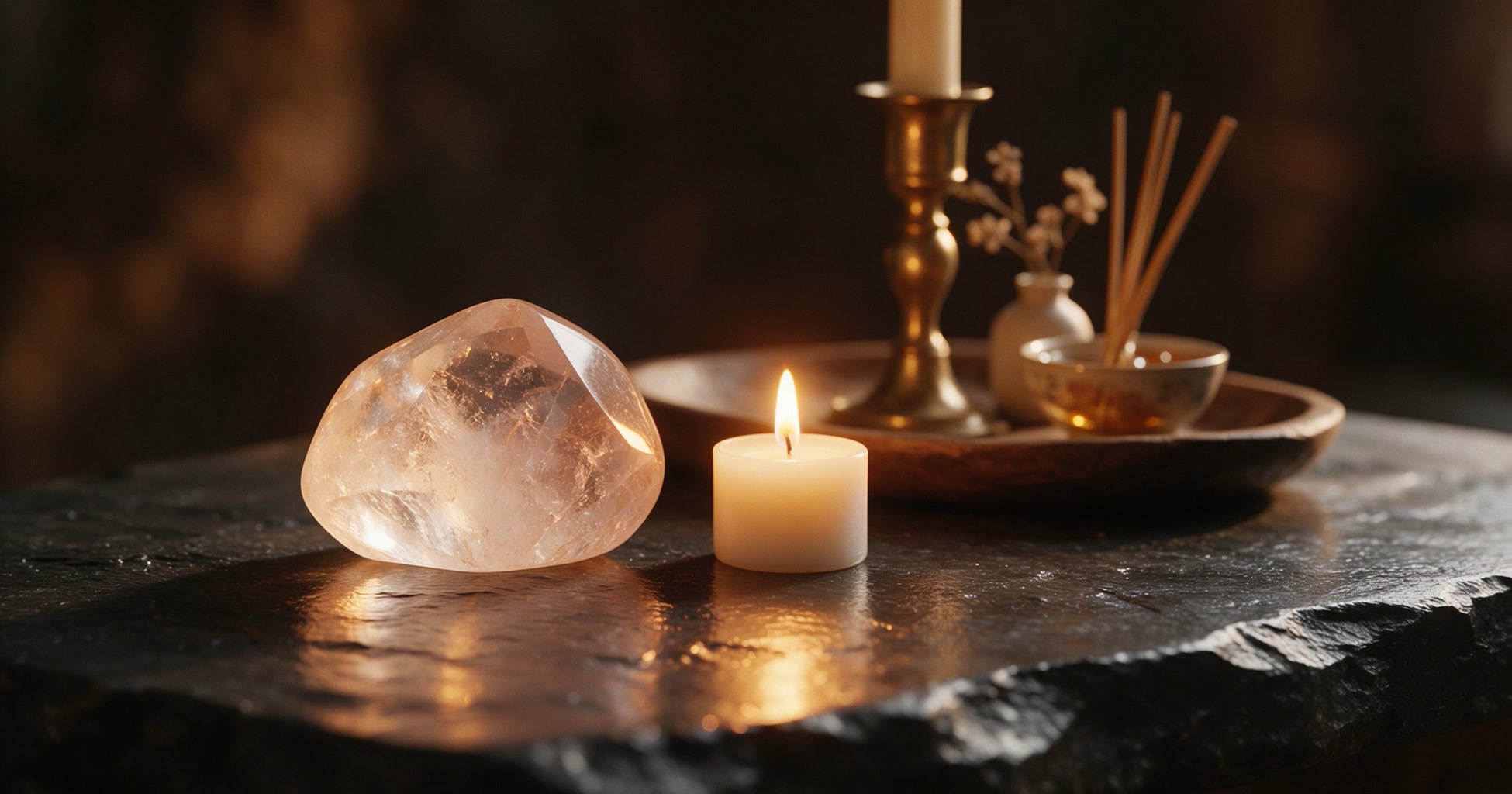
Crystals won't remove what angers you, and they won't make a difficult person easier to deal with. What they can do is give you a physical anchor for a pause—a small, deliberate ritual that interrupts the automatic reaction and buys you a few seconds to choose your next move. In our experience, that pause is where most of the real work happens.
This guide covers which stones are traditionally associated with cooling, grounding, and processing the hurt beneath anger; how to use them in heated moments and over the long term; and how to tell traditional lore apart from what we can actually verify about a stone's hardness, care, and durability. If your anger feels persistent, overwhelming, or tied to trauma, professional support is the most important step—crystals are a complement to that work, never a replacement.
Why Anger Deserves a Softer Approach
Suppressing anger doesn't work. Neither does venting it without direction—research on catharsis has long suggested that "letting it out" aggressively tends to rehearse the feeling rather than discharge it. What tends to help is slowing the nervous system down enough to think clearly, then acting on what the anger is pointing at: a conversation, a boundary, a request for help, or simply rest.
This is where a grounding object earns its place. Holding something cool and solid in your palm gives your attention somewhere to land that isn't the person in front of you. It's a cue, not a cure. Used consistently, it becomes a kind of muscle memory: stone in hand, long exhale, name the feeling, then respond.
Traditional crystal lore frames this in energetic terms—stones "absorbing" or "redirecting" heat, "clearing" charged emotion, "opening" the heart. We hold those ideas lightly. What we can say with confidence is that a deliberate pause, paired with slow breathing, is a well-established way to reduce physiological arousal. The stone is the reminder; the breath does the work.
Stones Traditionally Associated With Cooling and Grounding
The stones below are the ones most often reached for in anger and irritability work. Each has a distinct role, and many people find it useful to keep two on hand: one for the acute moment and one for the slower, longer work of understanding what keeps setting you off.
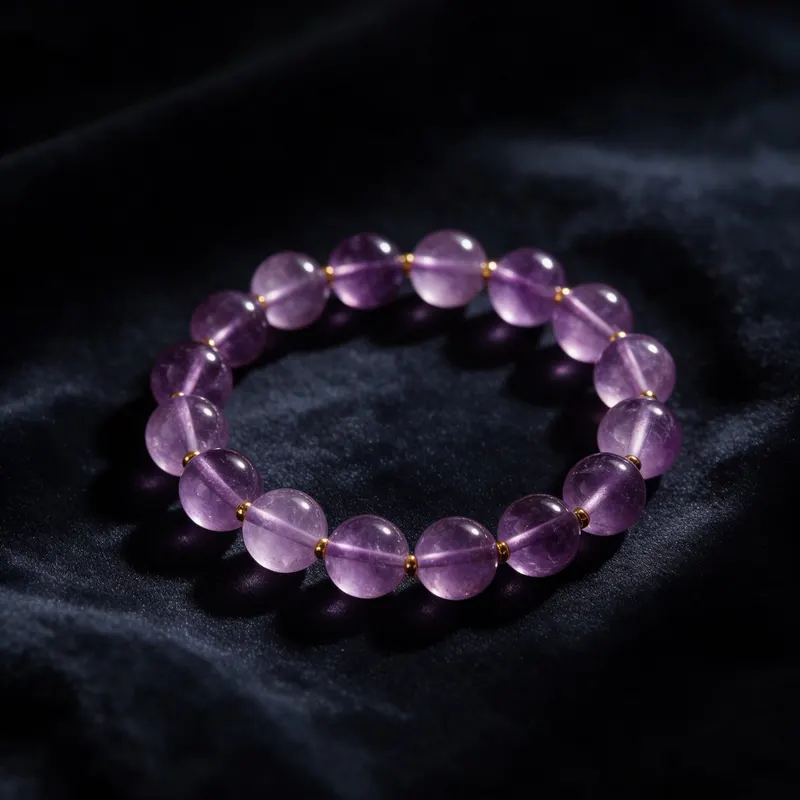
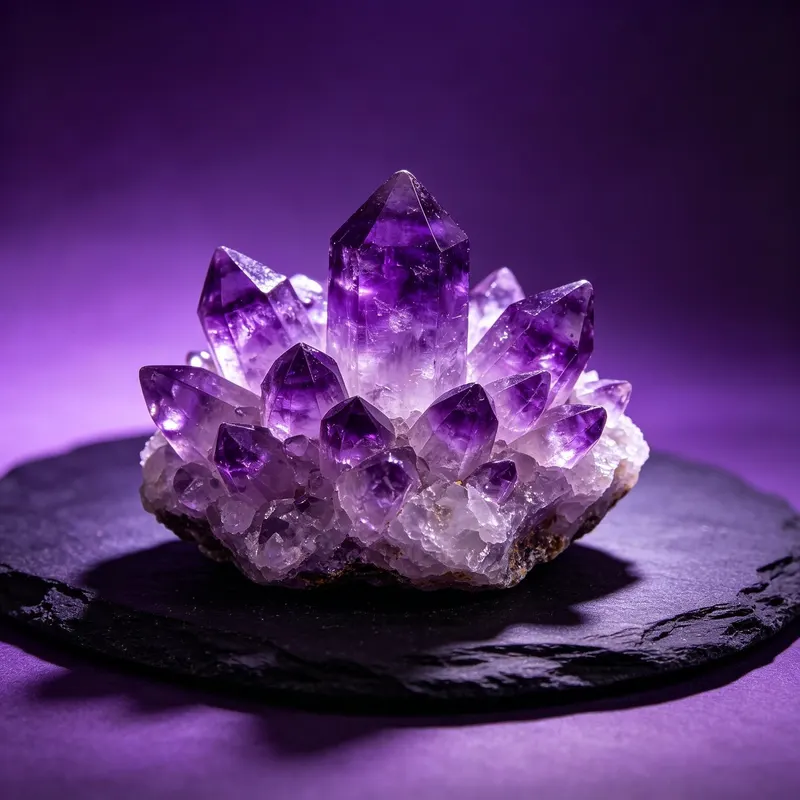
- Amethyst — traditionally associated with calming a racing mind and settling mental heat. It's the stone most people reach for when anger shows up as overthinking, rumination, or a sharp tongue. The Amethyst Healing Bracelet for Calm & Clarity is an easy everyday piece; a Raw Amethyst Cluster works well on a desk or altar where you can rest your eyes on it during a pause.
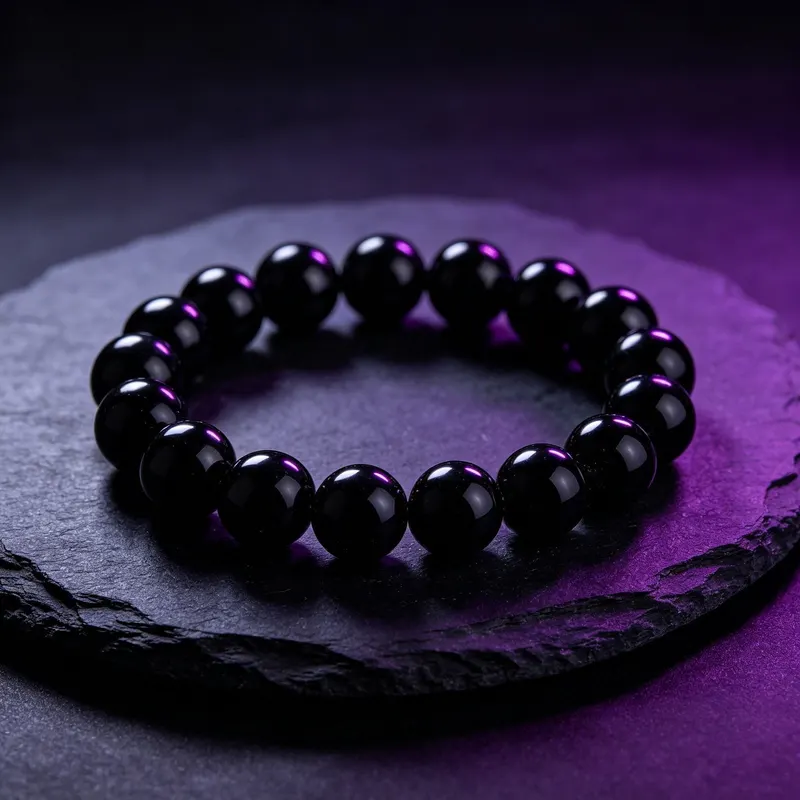
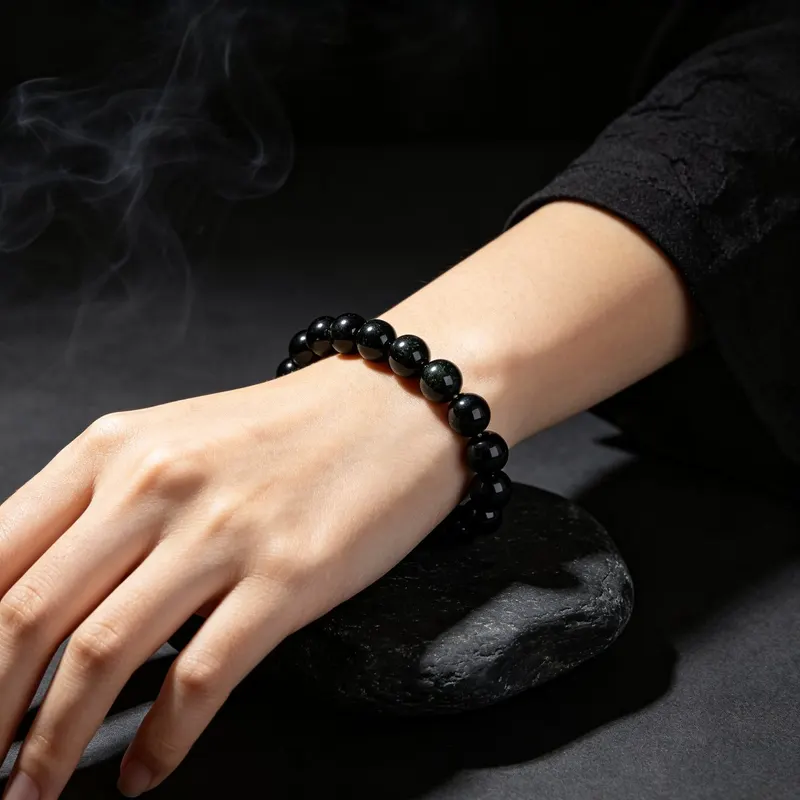
- Black tourmaline — believed to be grounding and protective, and traditionally used to "release charge." If your anger feels physical—hot face, clenched hands, a buzzing restlessness—this is the stone most often recommended. The Black Tourmaline Protection Bracelet for Grounding is a practical choice because it sits on the wrist where you can touch it discreetly.
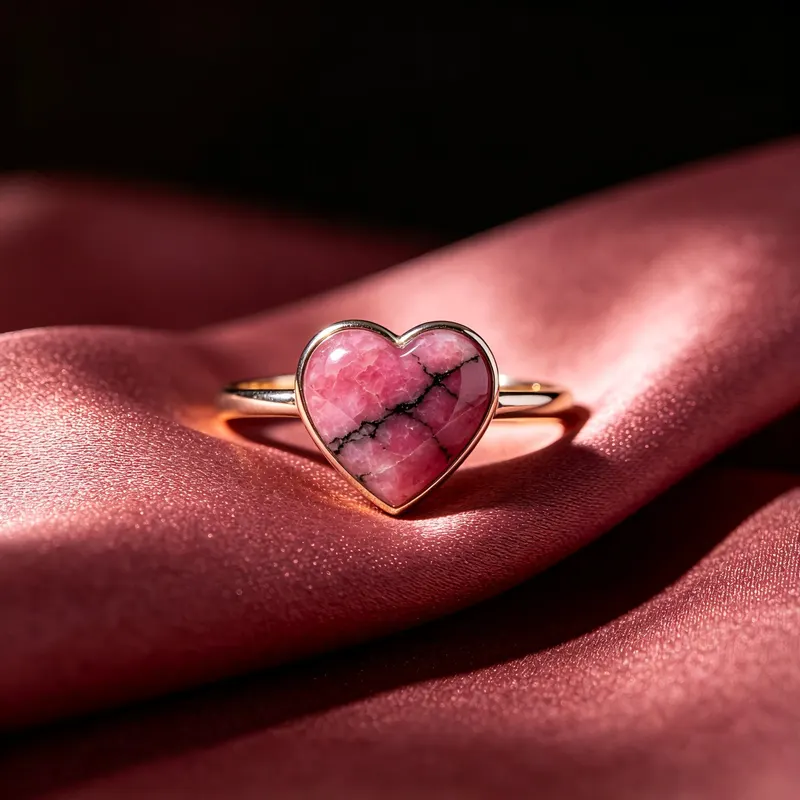
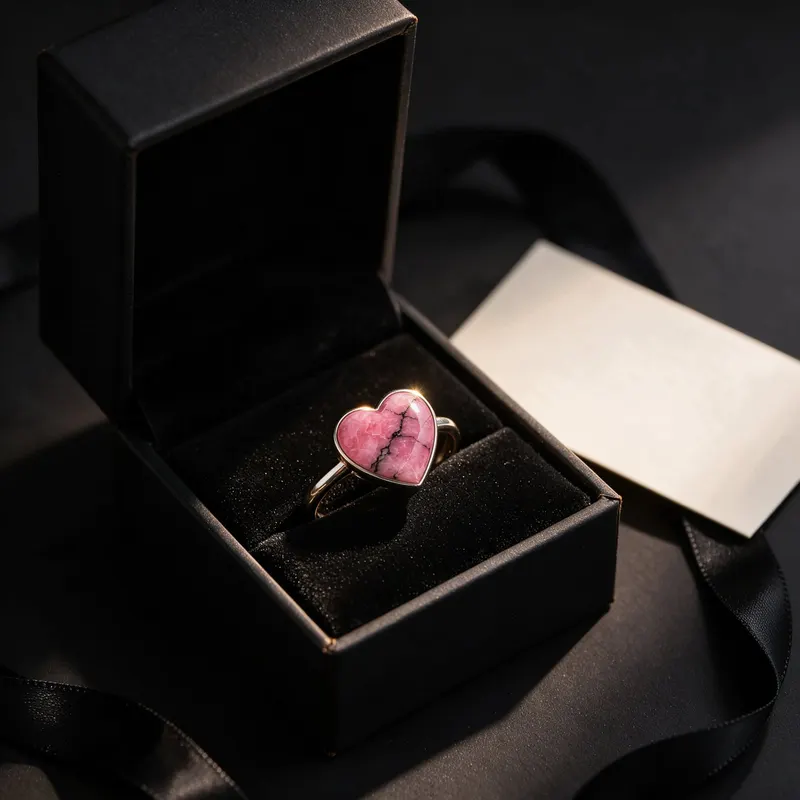
- Rhodonite — traditionally associated with the heart and with forgiveness, and often suggested for the hurt that sits underneath anger. If you find yourself angry at someone you love, or angry at yourself, rhodonite is the gentler companion. The Rhodonite Heart Ring for Love & Forgiveness keeps that intention close; you can read more about the stone in our guide to rhodonite's meaning and properties.
- Black obsidian — associated with truth and mirroring. Some find it bracing rather than soothing; it's traditionally used for honest self-examination, which can be useful once the acute heat has passed. The Black Obsidian Teardrop Protection Pendant Necklace is a good option if you prefer a pendant to a bracelet.
- Selenite — traditionally used for "clearing" energy, including from other stones. A Selenite Cleansing Wand is more of a ritual tool than a calming stone, but many people find the act of clearing their space—and their stones—a settling end-of-day practice.
- Labradorite — associated with intuition and transformation. Useful if your anger tends to arrive with a flash of insight you'd rather not have, or if you're working on changing a long-standing pattern. The Labradorite Bracelet for Intuition & Transformation is a popular pick.
If you're new to stones and want to experiment before committing to a single piece, the Healing Crystal Starter Kit includes seven stones and a guide, which makes it easier to notice which one you actually reach for when you're heated.
Choosing a Stone: A Quick Comparison
There's no single "best" crystal for anger—the right one depends on how your anger tends to show up. Use this table as a starting point, not a rule.
| Stone | Traditional association | Best for | Typical form & price range |
|---|---|---|---|
| Amethyst | Calm, clarity, mental quiet | Rumination, sharp words, overthinking | Bracelet or cluster; roughly $20–$60 |
| Black tourmaline | Grounding, protection, release | Physical heat, restlessness, feeling "charged" | Bracelet or tumbled stone; roughly $20–$50 |
| Rhodonite | Heart, forgiveness, compassion | Hurt beneath anger, self-directed anger | Ring or tumbled stone; roughly $25–$70 |
| Black obsidian | Truth, mirroring, protection | Honest reflection after the heat passes | Pendant; roughly $25–$60 |
| Labradorite | Intuition, transformation | Changing long-standing patterns | Bracelet; roughly $25–$55 |
Prices vary with stone quality, metal findings, and craftsmanship; treat these as ballpark figures rather than fixed rules. Be cautious of any seller promising that a stone will "eliminate" anger or "cure" emotional problems—no stone can do that, and the claim is a red flag.
A checklist before you buy
- Sizing: For bracelets, measure your wrist with a soft tape and add roughly half an inch for a comfortable fit; most beaded bracelets list their circumference, so compare rather than guess. For rings, know your size in the brand's own chart—ring sizing is not universal.
- Comfort: You'll only use a stone if it's easy to wear or reach. A ring you can twist, a bracelet you can touch, or a palm-sized stone on your desk all work better than something stored in a drawer.
- Quality cues: Look for natural variation—color banding, inclusions, and slight differences between pieces are normal. Uniformly perfect, suspiciously cheap stones are often dyed or synthetic.
- Findings: If you have metal sensitivities, check whether clasps and chains are sterling silver, gold-plated over brass, or stainless steel.
- Return policy: Buy from sellers who accept returns; you won't know how a stone feels in your hand until it arrives.
A Practice for Heated Moments
This is the core of the work: a short sequence you can run in under two minutes, ideally before you say anything you'll regret.
- Step away, if you can. Hold your stone in one hand—or both, cupped. Let it be cool against your palm.
- Breathe out longer than you breathe in. Try inhaling for a count of four and exhaling for a count of six to eight, six times. The long exhale is the part that matters; it's a simple way to signal safety to your body.
- Name the feeling underneath. Say it silently or aloud: "I feel ___ because ___." Hurt, dismissed, overwhelmed, afraid, exhausted—anger is usually standing in front of something.
- Decide on one action. Not the whole solution—one next step. A boundary, a request, a walk, or a conversation scheduled for later.
- Return only when calm. If the heat comes back, repeat. There's no prize for pushing through.
Over time, the stone becomes a cue: your hand finds it, your body remembers the sequence, and the pause gets a little shorter and a little more automatic.
Building Long-Term Emotional Balance
Acute practices manage moments; the longer work is about patterns. A few practical habits pair well with crystal work:
- Keep a simple anger log. Note the trigger, the feeling underneath, and what helped. After a few weeks, patterns usually emerge—certain times of day, certain conversations, certain unmet needs.
- Use a morning or evening ritual. Holding a stone for a minute of slow breathing at the start or end of the day builds the association before you need it urgently.
- Pair stones with action. If amethyst helps you think clearly, use that clarity to draft the boundary email. If rhodonite softens self-criticism, use the softness to apologize where it's owed.
- Protect your sleep and blood sugar. Irritability is often physiological. This isn't crystal work, but it's the foundation crystal work sits on.
- Know when to seek support. If anger is affecting your relationships, work, or safety—or if it feels connected to trauma—a therapist or counselor is the right next step. That's not a failure of your practice; it's part of it.
What the old stories say — and what checks out
Crystal traditions are old, varied, and largely unstudied in controlled settings. We think it's worth being clear about what's lore and what's fact, so you can enjoy the former without being misled about the latter.
Traditional lore
- Amethyst is said to "cool" heated emotions and quiet an overactive mind.
- Black tourmaline is believed to absorb or deflect "negative energy" and ground scattered feelings.
- Rhodonite is traditionally associated with the heart, forgiveness, and emotional healing.
- Selenite is said to "clear" the energy of other stones and spaces.
These are cultural and spiritual frameworks, not scientific claims. We present them as invitations to reflection, not as guarantees of any outcome.
What we can verify
- Hardness (Mohs scale): Amethyst and clear quartz are about 7; black tourmaline about 7–7.5; rhodonite about 5.5–6.5; obsidian about 5–5.5; labradorite about 6–6.5; selenite is very soft, around 2—it scratches easily and should be handled gently. Softer stones are more prone to chips and wear, which matters for rings and bracelets you wear daily.
- Water sensitivity: Selenite is water-soluble and should never be soaked or rinsed. Rhodonite and labradorite are generally fine with a quick wipe but shouldn't be left soaking. Amethyst and quartz tolerate brief water but can fade with prolonged sun exposure.
- Sunlight: Amethyst, rose quartz, and other colored stones can fade with long direct sun exposure—store them away from a bright windowsill.
- Cleaning: A soft dry or slightly damp cloth is the safest method for most pieces. Avoid ultrasonic cleaners and harsh chemicals, especially on plated metals and soft stones.
- Storage: Keep softer stones separate from harder ones to avoid scratches; store pendants and bracelets so clasps don't tangle or bend.
Crystals are for reflection and ritual; they are not medical devices and are not a substitute for professional care.
FAQ
People Also Ask
What crystal calms anger quickly?
Amethyst for a racing mind and black tourmaline for physical grounding are the most commonly recommended pair. The stone itself isn't magic—pair it with long exhales and a deliberate pause, and it becomes a reliable reset cue.
Can crystals fix what makes me angry?
No. Crystals support a calmer response; boundaries, honest conversations, and—where needed—therapy address the cause. Think of the stone as a reminder to pause, not a solution to the problem.
Which stone is best for anger at myself?
Rhodonite is traditionally associated with self-forgiveness and compassion, which makes it a common choice for self-directed anger. Many people pair it with a short journaling practice—naming the criticism, then writing what a kinder version would say.
How do I care for these stones day to day?
Wipe with a soft cloth, keep selenite dry and away from water, store colored stones out of direct sun, and separate soft stones from hard ones. For bracelets and rings, remove them before showering, swimming, or cleaning with chemicals to protect both the stone and the metal.
Browse the Curated Collection
If you'd like to explore further, our Calm, Stress Relief & Sleep Collection gathers stones chosen for settling the nervous system and slowing a busy mind.
Shop the Stones
- Amethyst Healing Bracelet for Calm & Clarity
- Black Tourmaline Protection Bracelet for Grounding
- Rhodonite Heart Ring for Love & Forgiveness
- Black Obsidian Teardrop Protection Pendant Necklace
- Selenite Cleansing Wand for Energy Clearing
Keep Exploring
Anxiety Relief · Boundaries · Rhodonite
Crystals are offered for wellness, reflection and ritual—not as medical or psychological treatment. If you are struggling with persistent anger, low mood, grief or trauma, please reach out to a qualified professional.