When the Light Starts to Shift
Around late September, something in the day feels different. The mornings arrive later, the afternoons thin out faster, and there's a crispness in the air that wasn't there a few weeks ago. If you keep crystals, or you're curious about starting, this is the moment many people feel drawn to reset their altar, clear their stones, and take stock of the year so far.
The autumn equinox is the point where day and night are roughly equal—a hinge in the year when light begins to give way to dark. Many traditions treat it as a harvest festival: a time to gather what was grown, give thanks for what came through, and deliberately set down what's finished. It's not about forcing positivity or pretending the hard parts didn't happen. It's about honest accounting, and then making room.
This guide walks through a practical autumn equinox crystal ritual using warm harvest stones and a grounding release stone, plus the specifics most articles skip: which crystals to choose, how to size a bracelet, how to care for each stone, what's tradition versus verifiable fact, and what a fair price looks like. You don't need a big collection. Three stones and twenty quiet minutes are enough to begin.
Harvest What You Sowed
The autumn equinox balances light and dark as the year turns inward. It invites gratitude for results gathered and release of what is complete. In crystal practice, that translates into two movements: holding what nourished you this year, and letting go of what has run its course.
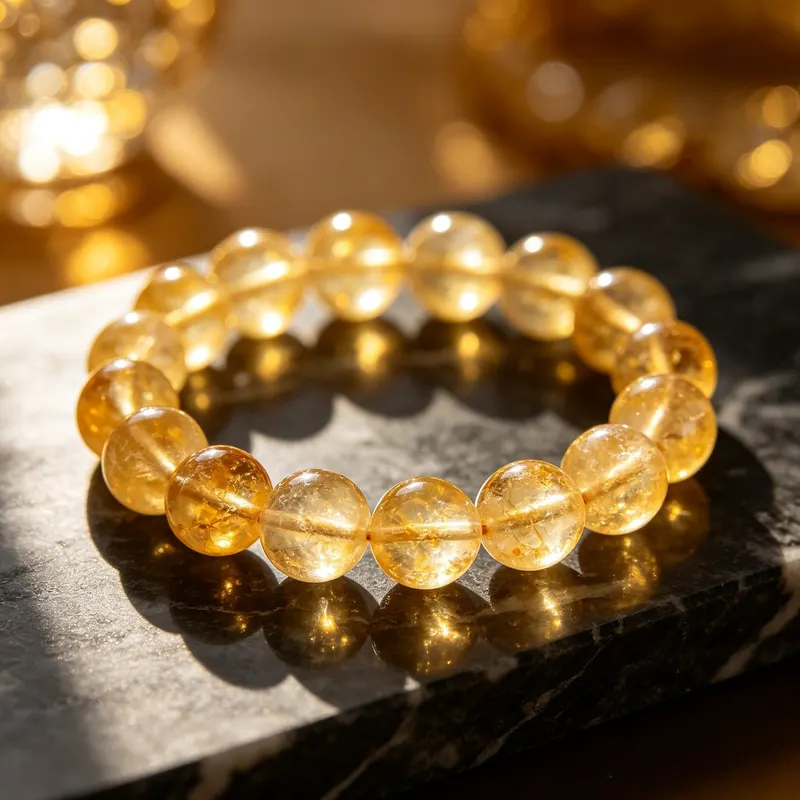
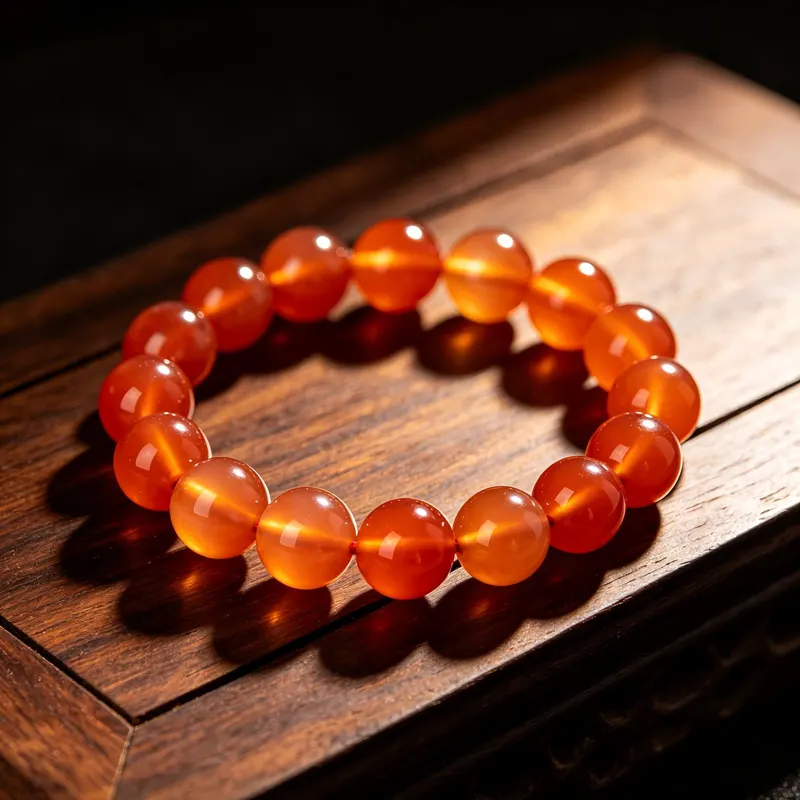
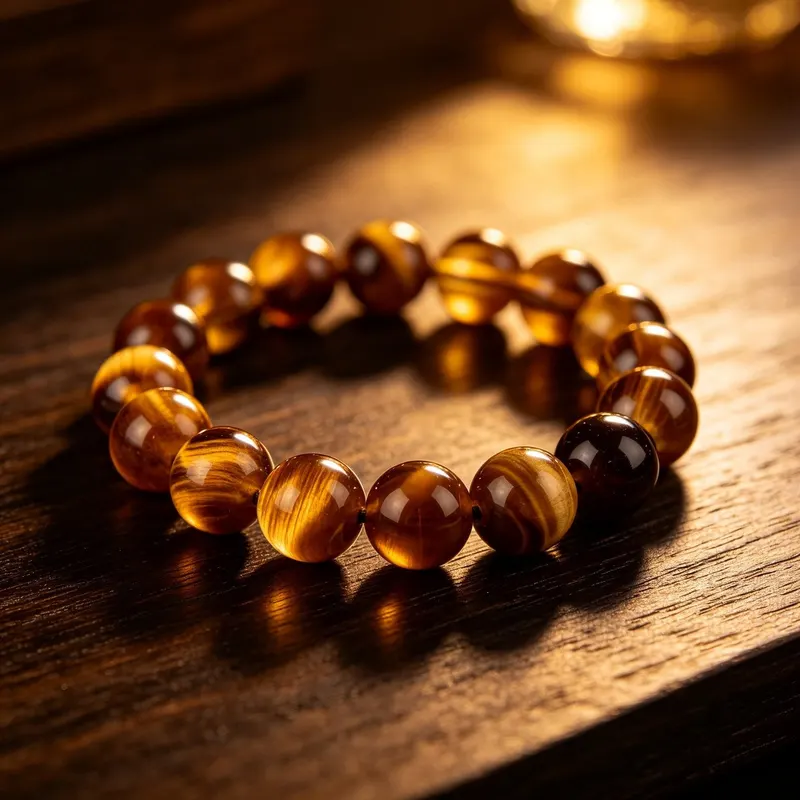
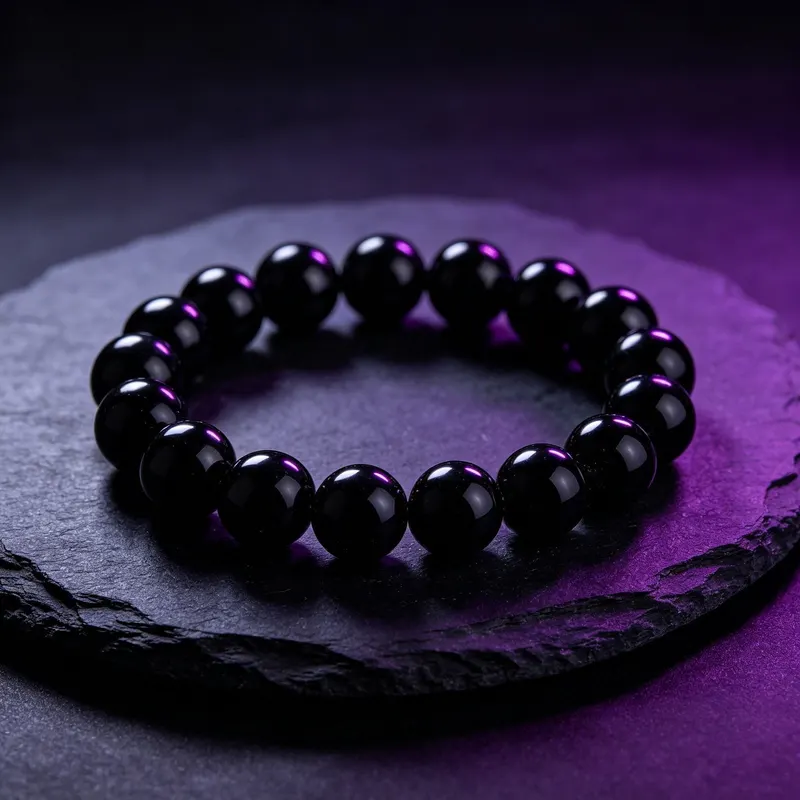
Warm-toned stones—citrine, carnelian, tiger's eye—are traditionally associated with harvest energy, vitality, and the confidence to name your own progress. Darker grounding stones like black tourmaline and obsidian are traditionally associated with protection and release, believed to help you feel steady while you set something down. Using them together mirrors the equinox itself: equal parts light and dark, gratitude and grief, gathering and clearing.
Harvest Stones: What to Choose and Why
You don't need every stone on this list. Pick one warm stone for gratitude and one dark stone for release, and you have a complete ritual. Here's how the main options differ.
- Citrine — sunny yellow to amber; traditionally associated with abundance, joy, and appreciating what you've gathered. A natural fit for the gratitude half of the ritual. The Citrine Abundance Bracelet is an easy everyday piece for this.
- Carnelian — warm orange-red; traditionally associated with motivation, creativity, and grounded vitality. Good if your harvest was more about effort and momentum than money. Try the Carnelian Creativity Bracelet.
- Tiger's Eye — banded gold-brown; traditionally associated with focus and courage. A good choice if you're harvesting a work or study goal. The Tiger's Eye Confidence Bracelet suits this.
- Black Tourmaline — deep black, often striated; traditionally associated with protection and grounding, and the most common pick for release work. The Black Tourmaline Protection Bracelet is a solid anchor stone.
- Black Obsidian — glossy volcanic glass; traditionally associated with truth and clearing. If you want a pendant rather than a bracelet, the Black Obsidian Teardrop Protection Pendant Necklace works well for a release-focused ritual.
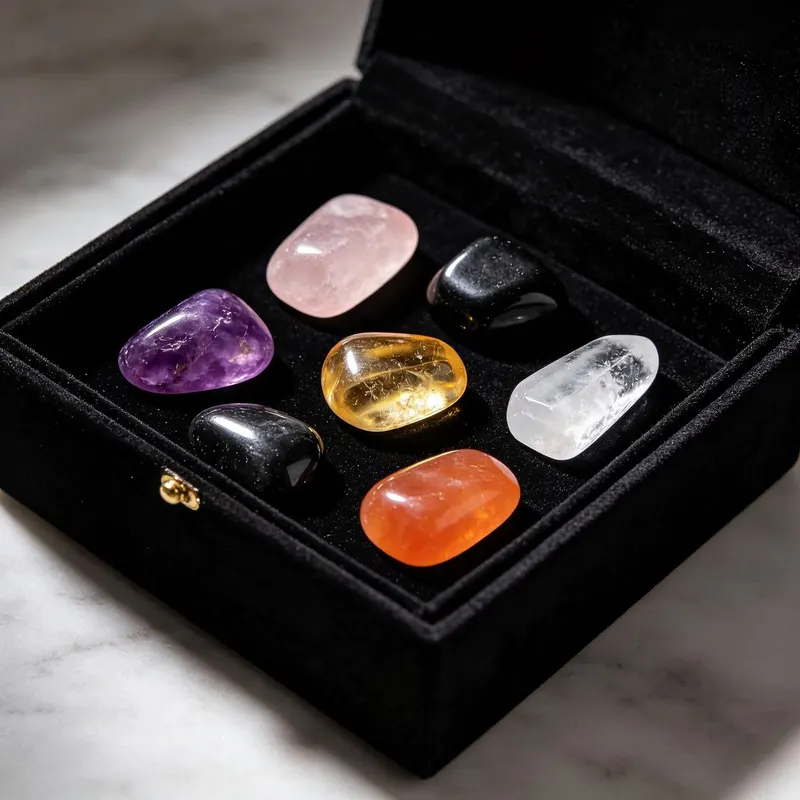
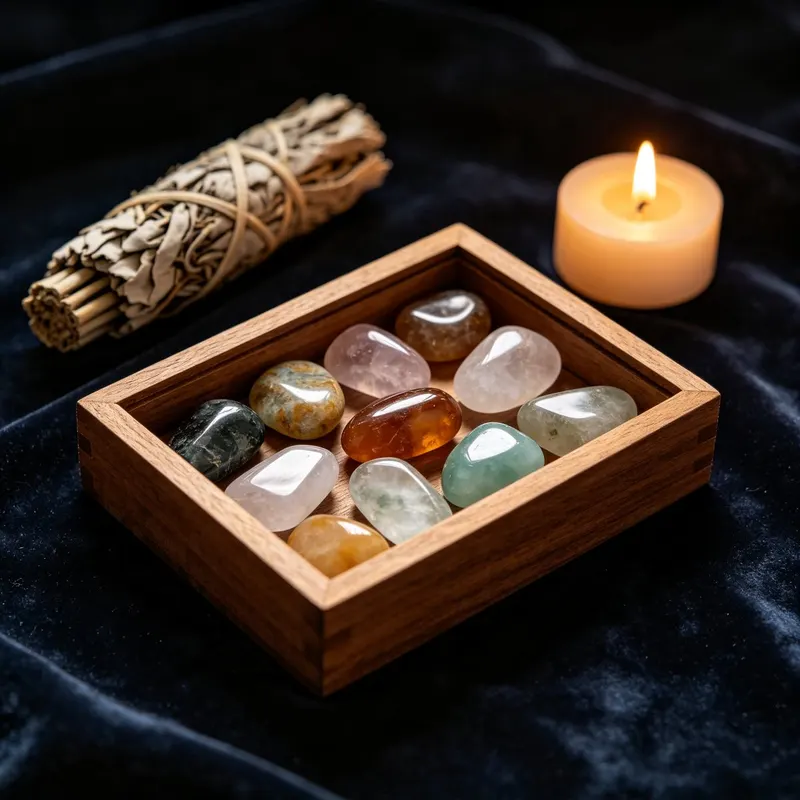
If you're new to crystals entirely, a set like the Healing Crystal Starter Kit gives you several stones to work with across the season without committing to a large collection.
A Harvest Ritual, Step by Step
Set aside twenty to thirty minutes, ideally in the evening near a window or outdoors. You'll need a warm stone, a dark stone, a piece of paper, and a pen.
- List what you have grown or achieved this year. Be specific and unglamorous. A finished project, a habit kept, a hard conversation had, a friendship maintained. Small counts.
- List what is ready to be released as leaves fall. A grudge, a role you've outgrown, a goal that no longer fits, a worry you've carried too long.
- Hold your warm stone over the gratitude list. Name each item aloud or silently. Let yourself actually feel the satisfaction of it—this is the harvest.
- Hold your dark stone over the release list. Read each item once, then set the stone down. You're not solving anything tonight; you're marking a decision to stop carrying it.
- Spend time outdoors as an act of grounding. A short walk, bare feet on grass, or simply standing at an open window. Let the ritual end in your body, not just your head.
Keep the two lists somewhere visible until the winter solstice, then revisit them. Many people find the release list is the more useful document six months later.
How to Choose, Size, and Care for Your Stones
A few practical notes so the ritual actually works with the pieces you own.
- Bracelet sizing: measure your wrist snugly with a soft tape, then add roughly half an inch (about 1.3 cm) for a comfortable fit. Most beaded bracelets are strung on elastic and will relax slightly with wear.
- Bead size: 8 mm beads suit most wrists; 6 mm reads more delicate, 10 mm more substantial. If you're between sizes, size up.
- Pendants: check the chain length—16 inches sits at the collarbone, 18 inches at the sternum, 20 inches lower. Match it to how you'll actually wear it.
- What to look for: consistent color, minimal cracks or cloudy inclusions (some inclusions are natural and fine), and a clasp or string that feels secure. Ask whether a stone is natural or heat-treated—citrine in particular is often heat-treated amethyst, which is common and not a flaw.
- Realistic pricing: beaded bracelets in natural stone typically run from about $20 to $60 depending on stone quality and bead size; sterling silver pendants generally start around $40–$80; raw clusters vary widely. Be cautious of any listing that promises outcomes or prices a plain bracelet in the hundreds.
Tradition vs. evidence: what holds up
Crystal practice blends centuries of folk tradition with modern wellness ritual. It's worth being clear about which is which.
| Stone | Traditional association | Verifiable facts & care |
|---|---|---|
| Citrine (quartz) | Abundance, joy, warmth | Mohs hardness 7; keep out of prolonged direct sunlight, which can fade color; wipe with a soft damp cloth |
| Carnelian (chalcedony) | Motivation, vitality, creativity | Mohs 6.5–7; generally water-safe for quick cleaning; avoid harsh chemicals and prolonged sun |
| Tiger's Eye | Focus, courage, protection | Mohs 6.5–7; avoid harsh cleaners; a soft dry cloth is best |
| Black Tourmaline | Protection, grounding, release | Mohs 7–7.5; durable and water-tolerant; avoid sudden temperature changes |
| Black Obsidian | Truth, clearing, protection | Volcanic glass, Mohs ~5–5.5; scratches easily, so store separately; avoid knocks |
The traditional associations above are lore, not science. What is verifiable is hardness, water and sunlight sensitivity, and how to keep a stone looking good for years. Treat the meanings as a reflective framework—"traditionally associated with," "believed to," "may support"—rather than a promise. A citrine bracelet won't create abundance; it can, however, serve as a daily reminder of what you're working toward.
Crystals are for reflection and ritual; they are not medical devices and are not a substitute for professional care.
FAQ
People Also Ask
What crystal is good for autumn?
Warm citrine and carnelian echo harvest colors, with black tourmaline for seasonal release. Tiger's eye is another good warm option if you're focused on effort and follow-through.
How do I use crystals for gratitude?
Hold a warm stone while naming specific things you are grateful for—the physical cue deepens the practice. Keep it in your pocket or on your desk as a reminder to notice progress during the day.
How do I cleanse my stones after a release ritual?
Wipe them with a soft damp cloth, or set them in moonlight overnight. Selenite is a traditional cleansing companion, but it's soft (Mohs 2) and water-soluble, so keep it dry and store it away from harder stones. Avoid saltwater soaks for anything with metal findings.
Do I need a full crystal set for the equinox?
No. One warm stone and one dark stone are enough. A starter kit is convenient if you want to explore, but the ritual works with whatever you already have.
Browse the Curated Collection
Shop the Stones
Keep Exploring
Thanksgiving · Letting Go · Moon Phases
Crystals are offered for wellness and ritual, not as medical or psychological treatment.