When Your Mind Feels Cloudy
You sit down to work, and the words blur. You read the same paragraph three times. You walk into a room and forget why, start five tasks and finish none. If that sounds familiar, you are not lazy or broken—you are dealing with what most people call brain fog: a fuzzy, drifting, hard-to-pin-down sense that your thinking is running through wet sand.
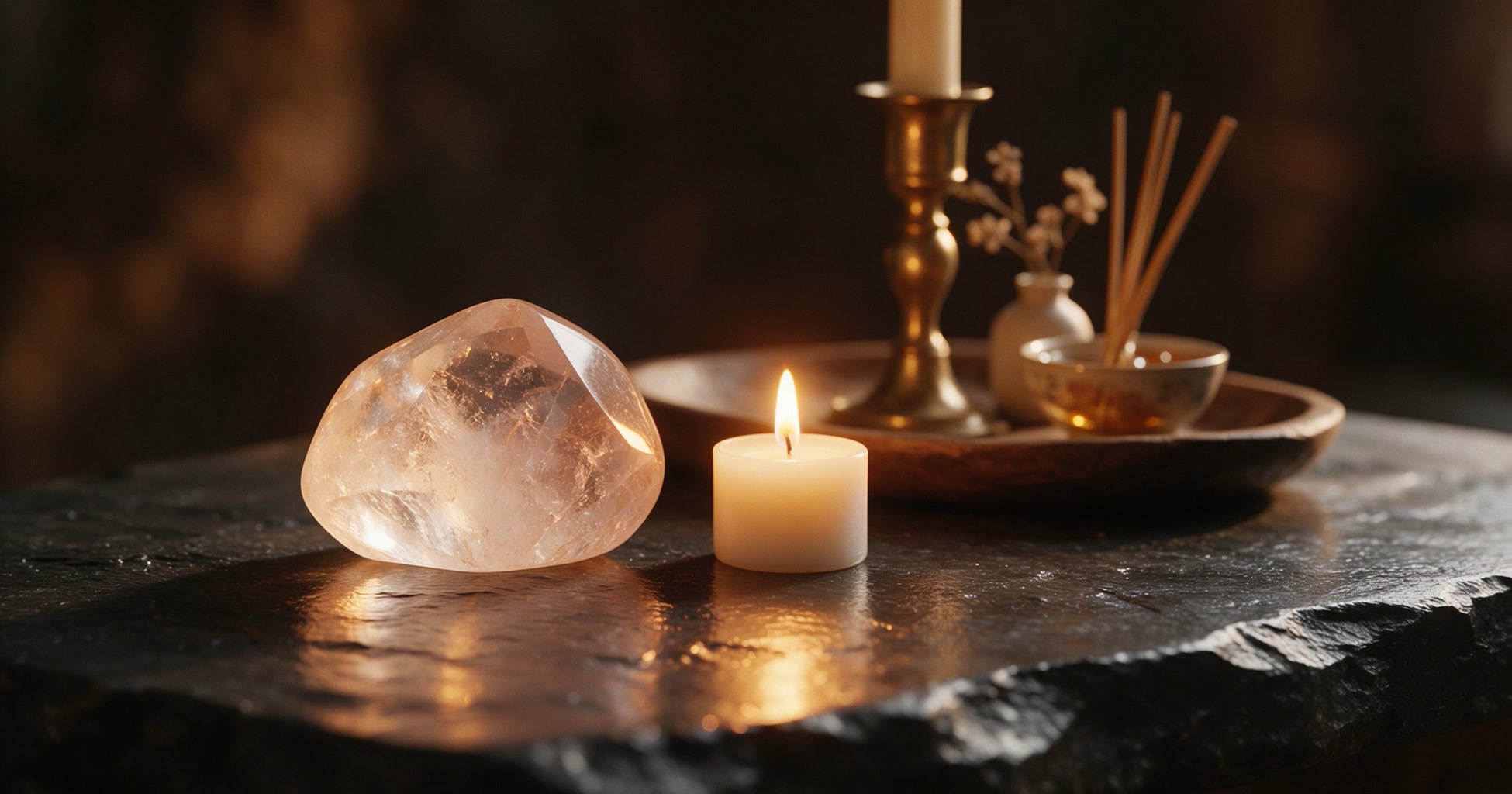
Crystal sellers often promise a stone will "clear" that fog. We think that's the wrong place to start. Mental cloudiness is a signal, and the honest approach is to look at the ordinary causes first—sleep, water, stress, blood sugar, screen load, and sometimes a medical issue worth checking—then use a crystal as a deliberate cue for the focus you're already building. A stone can be a beautiful anchor. It cannot do the sleeping or the hydrating for you.
This guide covers the stones most often associated with clarity, how to choose and care for them, a practical reset ritual you can run in ten minutes, and a clear line between tradition and what we can actually verify. It is for the reader who wants both the ritual and the reality.
Brain Fog Has Real Causes—Check Them First
Before you buy anything, run through the basics. Mental cloudiness commonly traces back to short or poor-quality sleep, mild dehydration, chronic stress, skipped meals or blood-sugar swings, too much alcohol, and long stretches of fragmented attention from notifications. Some medications list cognitive fuzziness as a side effect, and a range of health conditions can present this way too.
None of that is a diagnosis, and we are not qualified to give one. What we can say plainly: persistent, worsening, or disruptive fog deserves a conversation with a healthcare professional rather than a crystal-only approach. A clarity ritual works best as a support alongside those fundamentals—not as a substitute for them. If you've ruled out the obvious causes and still feel foggy, that's a reason to check in with someone qualified, not to buy a bigger stone.
Clarity Stones and What They're Traditionally Associated With
The stones below are the ones most often reached for in clarity and focus work. Treat the descriptions as tradition and symbolism, not as claims about your brain. What they genuinely offer is a physical, repeatable cue—something to touch, look at, and associate with "now I begin."
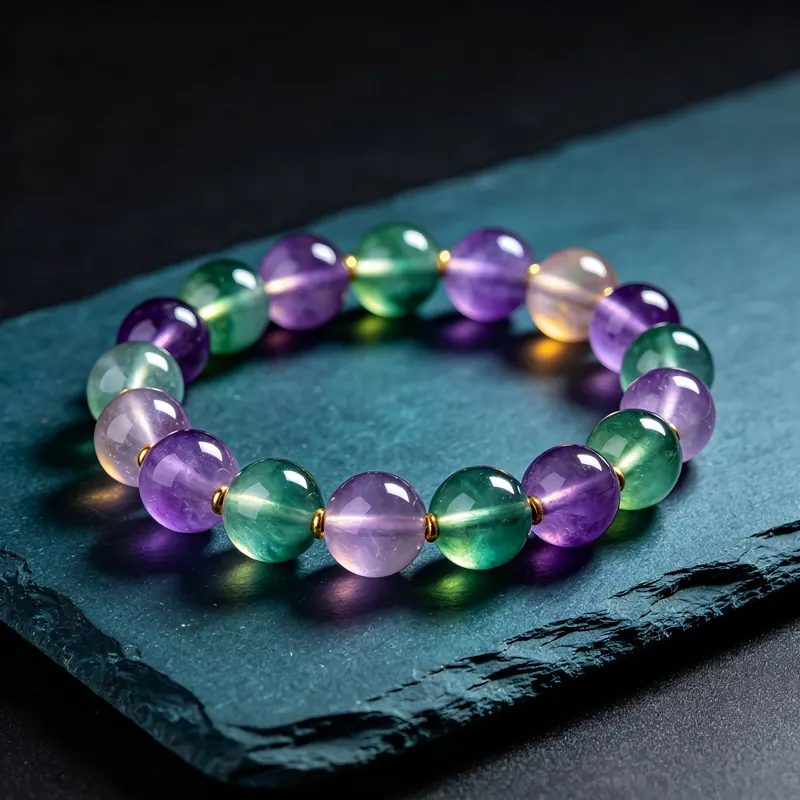
- Fluorite is traditionally associated with organizing scattered thoughts and bringing order to mental clutter. The Rainbow Fluorite Focus Bracelet for Concentration is a good pick if you want a wearable reminder you can glance at during deep work.
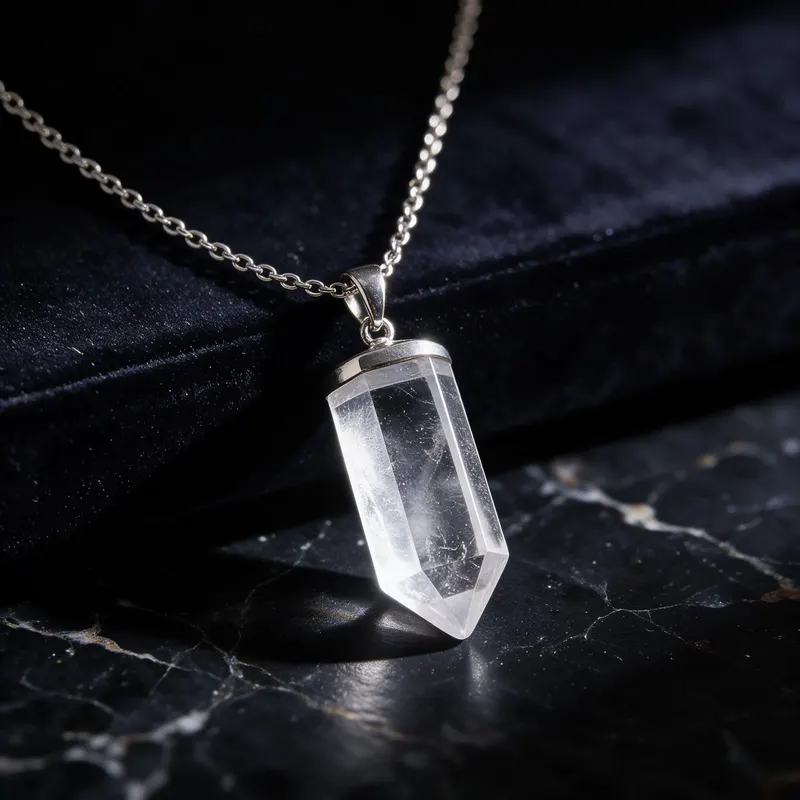
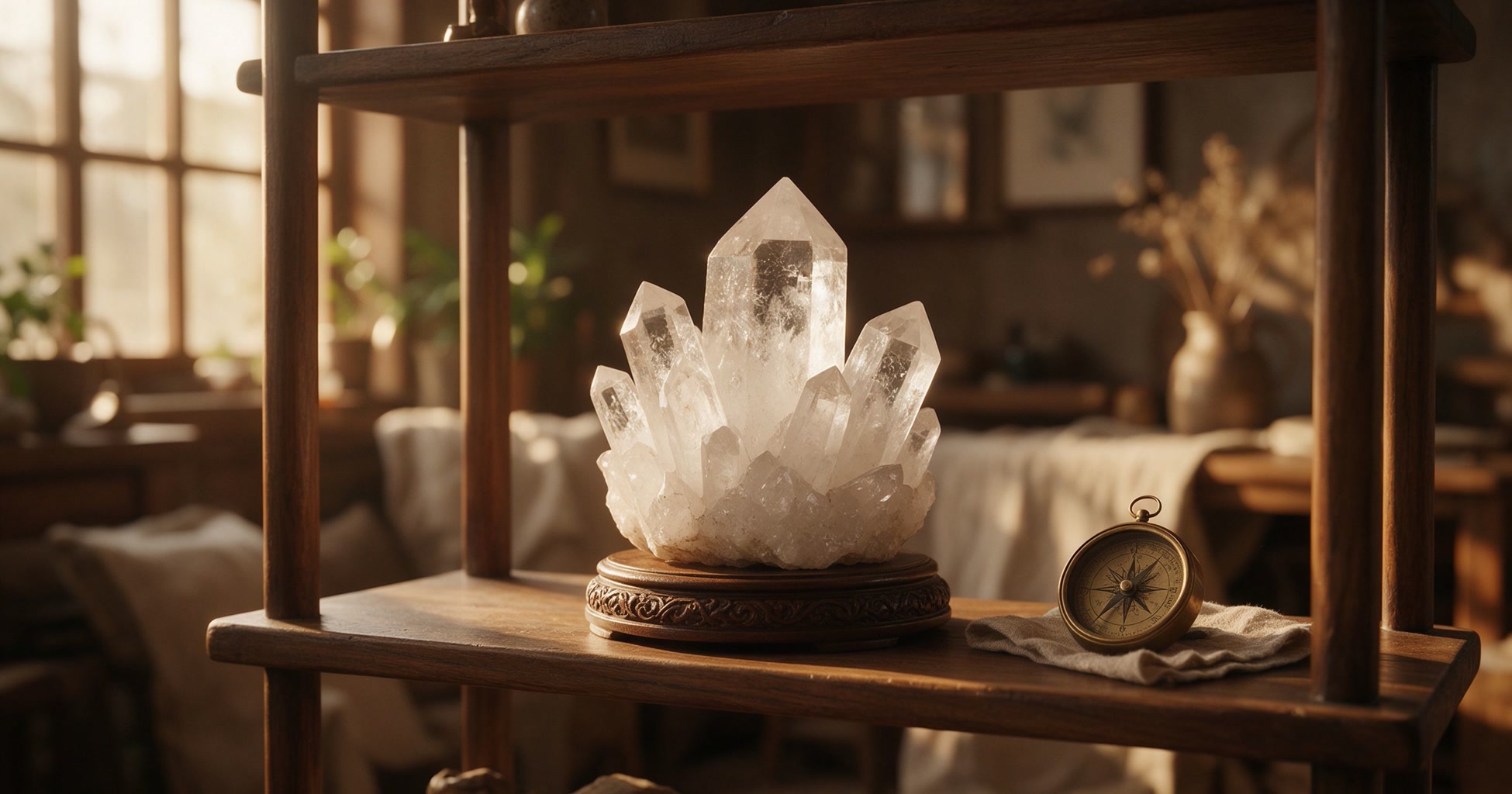
- Clear quartz is the classic "programmable" stone—believed to hold and amplify intention. A Clear Quartz Point Pendant Necklace works as a focus anchor you can hold for a breath before starting a task.
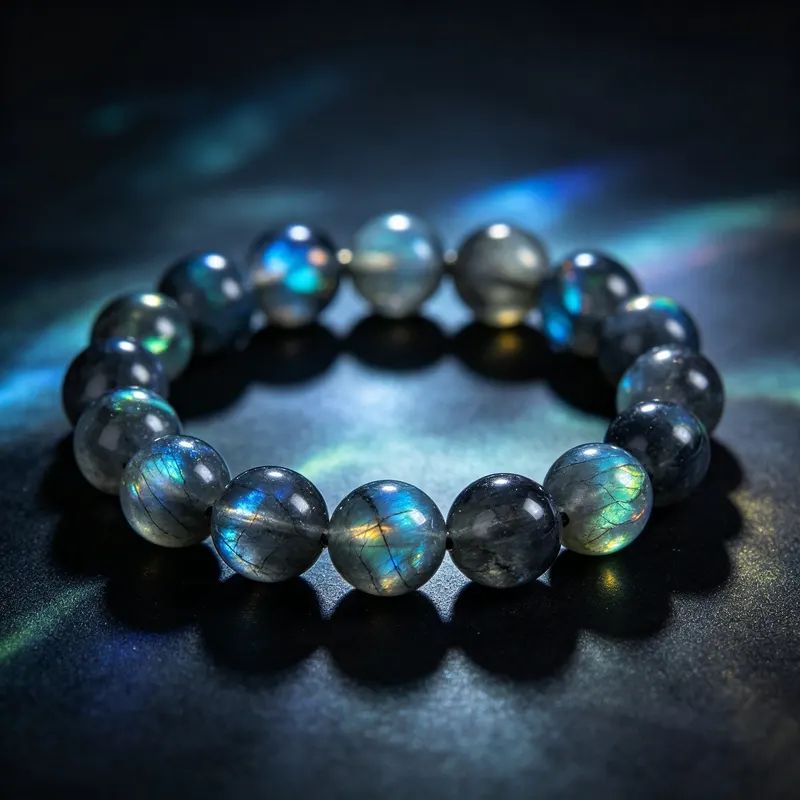
- Labradorite is traditionally linked to intuition and mental nimbleness, often chosen for complex or creative problem-solving. The Labradorite Bracelet for Intuition & Transformation suits people who need to think on their feet.
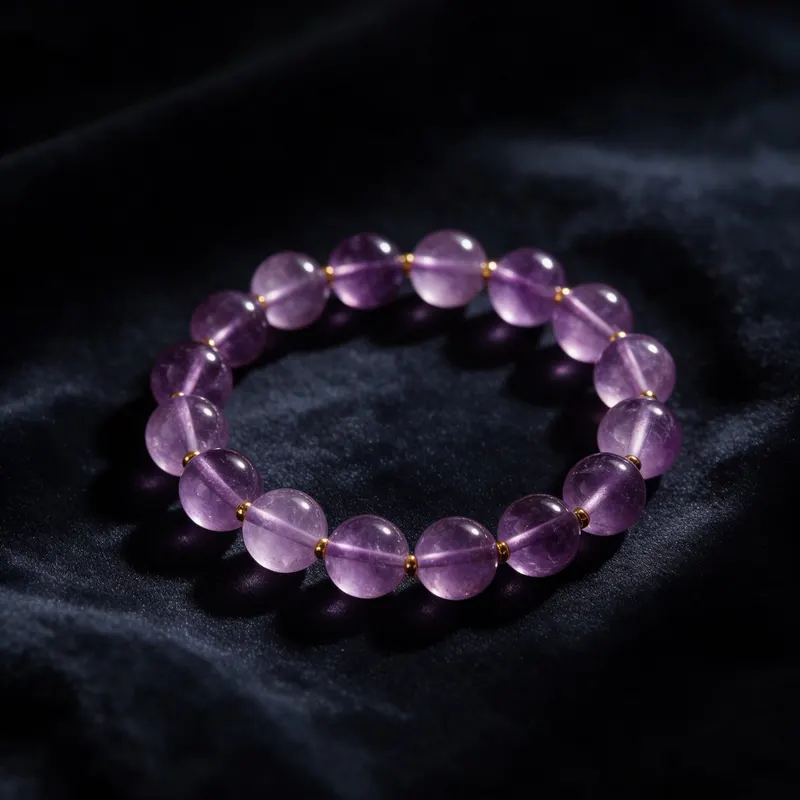
- Amethyst is associated with calm and clarity, and is often used to wind down a racing mind. The Amethyst Healing Bracelet for Calm & Clarity is a gentle choice if your fog comes with overstimulation.
- Tiger's eye is traditionally tied to focus and steady confidence—useful when fog is really avoidance or scattered motivation. Consider the Tiger's Eye Confidence Bracelet for Focus & Courage.
You do not need all of these. One stone you actually use beats five that sit in a drawer.
How to Choose: A Quick Comparison
If you're deciding between the main clarity stones, this table maps tradition to practical use. It is a guide to preference, not a ranking of effectiveness.
| Stone | Traditionally associated with | Best format for focus work | Practical note |
|---|---|---|---|
| Fluorite | Organizing scattered thoughts, concentration | Bracelet you can see while typing | Softer stone—keep away from hard knocks |
| Clear quartz | Clarity, amplifying intention | Pendant or point you can hold | Very durable; easy everyday wear |
| Labradorite | Intuition, mental agility | Bracelet for active workdays | Protect the surface—it can chip |
| Amethyst | Calm, clarity, winding down | Bracelet or bedside cluster | Fades in prolonged direct sun |
| Tiger's eye | Focus, courage, follow-through | Bracelet for motivation dips | Tough and low-maintenance |
Quick checklist before you buy:
- Pick the format you'll actually wear or see—bracelet, pendant, or a stone on the desk.
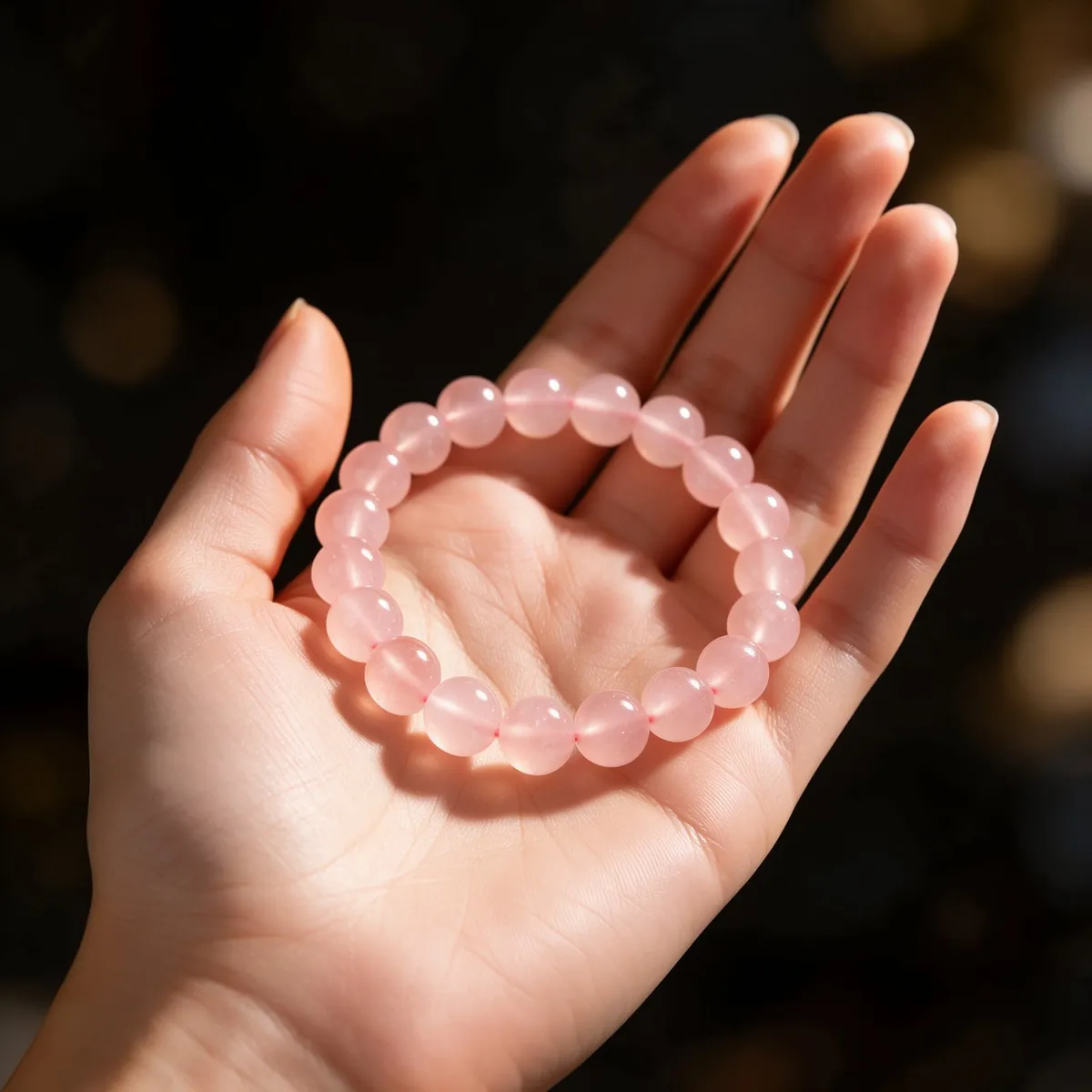
- Check sizing: measure your wrist and add about half an inch for a comfortable bracelet fit.
- Look for natural variation and honest listings; avoid anything described with guaranteed outcomes.
- Set a realistic budget—simple bracelets and pendants typically run from roughly $25 to $80, with larger specimen pieces higher.
- Choose one stone tied to your specific fog (overstimulation vs. avoidance vs. creative block).
A Clarity Reset You Can Run in Ten Minutes
- Fix the body first. Drink a glass of water and get daylight or a short walk. These clear fog faster than anything on your desk.
- Name one outcome. Write the single result you want in the next 25 minutes—one, not five.
- Set your anchor. Hold your stone, take three slow breaths, and silently state your intention. This is the cue, not the cure.
- Start with the smallest step. Begin with a two-minute action so momentum does the rest.
- Protect the block. Silence notifications, group similar tasks, and keep one tab or one document open.
- Close the loop. When the timer ends, set the stone down deliberately—a physical signal that the block is finished.
Repeat it daily for a week and you're really training a habit, with the stone as the trigger. That's the honest mechanism: ritual plus structure, working together.
What tradition holds — and what we can verify
It's worth separating the lore from the facts so you know what you're actually buying.
Tradition (belief and symbolism): Fluorite "organizes" thoughts, clear quartz "amplifies" intention, labradorite sharpens intuition, amethyst calms a racing mind. These are cultural and spiritual associations passed down in crystal and I Ching traditions. They are meaningful as ritual and reflection. They are not measured effects on cognition, and we won't pretend otherwise.
What we can verify (physical facts and care):
- Hardness varies. On the Mohs scale, clear quartz is a 7 and tiger's eye about 7, so both handle daily wear well. Fluorite is only about 4, and amethyst about 7 but brittle—softer stones scratch and chip more easily and should be stored separately.
- Water sensitivity. Selenite dissolves in water and should never be soaked; keep it dry. Many polished stones are fine with a quick wipe but not prolonged soaking.
- Sunlight sensitivity. Amethyst and some other colored stones can fade with long direct sun exposure, so store them away from a bright windowsill.
- Cleaning. A soft dry or slightly damp cloth is safest for most pieces. Avoid harsh chemicals and ultrasonic cleaners on softer or treated stones.
- Metal care. Sterling silver and gold-plated settings benefit from being kept dry and wiped after wear to slow tarnish and plating wear.
In short: the tradition gives the stone meaning; the mineralogy tells you how to keep it looking good for years.
Caring for Your Clarity Stones
A few habits keep your pieces wearable and your ritual consistent. Store softer stones like fluorite in a pouch rather than loose in a jewelry box where harder quartz can scratch them. Take bracelets off before showering, swimming, or cleaning. Wipe pendants with a dry cloth after wearing to remove skin oils. If you use a cleansing ritual—moonlight, sound, or a selenite wand—treat it as part of the practice you enjoy, not a maintenance requirement. The Selenite Cleansing Wand for Energy Clearing is a popular companion for people who like a clearing routine, and it stays dry by design.
FAQ
People Also Ask
What crystal is good for brain fog?
Fluorite is the traditional focus organizer, often paired with clear quartz as a programmed clarity anchor. Labradorite is another common choice for mental agility. These are symbolic associations used as focus cues—not treatments for fog.
Can crystals cure brain fog?
No. First address sleep, hydration, stress, diet, and possible medical causes with a qualified professional. A crystal is a focus cue that works alongside those basics, not a replacement for them.
How do I wear or size a clarity bracelet?
Measure your wrist with a soft tape and add roughly half an inch for a comfortable fit. Most beaded bracelets are slightly stretchy; if you're between sizes, size up. Wear it where you'll see it during work so it functions as a reminder.
How should I clean and store these stones?
Wipe with a soft dry or slightly damp cloth and store softer stones like fluorite separately to prevent scratches. Keep amethyst out of prolonged direct sun, keep selenite dry, and remove jewelry before swimming or showering.
Start With One Stone, One Habit
Clarity doesn't come from a collection—it comes from a repeatable routine and a cue that reminds you to begin. Choose the stone that matches your particular fog, set it somewhere you'll see it, and pair it with the basics your body actually needs. If you'd like to explore further, browse the Focus & Clarity collection, or read more on crystals for focus and study and the meanings of fluorite and labradorite.
Crystals are offered for wellness and reflection and are not medical devices. They are not intended to diagnose, treat, cure, or prevent any condition. If fog, anxiety, or low mood significantly affects daily life, please reach out to a qualified professional.