When Caring for Someone Else Becomes Your Whole Life
If you are reading this at 11 p.m. after a day of medications, appointments, and someone else's needs, you already know the shape of caregiver burnout. It rarely arrives all at once. It builds through months of vigilance—the phone that might ring, the pill schedule you keep in your head, the way you answer "I'm fine" before anyone finishes asking. Compassion fatigue is the quieter cousin: the numbness that creeps in when you have given so much empathy that there is temporarily none left to give.
This guide is not here to tell you that a bracelet will fix any of that. It won't create respite hours, pay for home care, or make a family member step up. What a stone can do is serve as a physical anchor—something you touch, see, and wear that interrupts the autopilot and reminds you, dozens of times a day, that you are a person with needs too, not only a care provider.
Below you'll find a practical caregiver's set, rituals for micro-resets, guidance on boundaries and asking for help, and an honest separation between what crystal traditions say and what we can actually verify. Think of it as a small toolkit for putting your own oxygen mask on first—not as a substitute for real support.
You Can't Pour From an Empty Cup
Caregiver burnout and compassion fatigue build quietly through constant vigilance. The signs are easy to dismiss as "just being tired": waking already exhausted, dreading the day, feeling detached from the person you love, snapping over small things, or noticing that activities you used to enjoy now feel like another chore. When those signals persist for weeks, they deserve attention—not another cup of coffee.
Stones won't create time, but worn daily they become a recurring reminder to protect your own energy and accept support. The value is in the cue, not the magic: every time your wrist catches the light or your fingers find a smooth bead, you get a two-second invitation to breathe, check in with your body, and ask whether you're running on empty.
A Caregiver's Set: Three Stones, Three Jobs
You don't need a dozen crystals. For caregiving, three stones cover the most common needs: self-compassion, calm, and boundaries. Each is traditionally associated with a different kind of support, and each works best when paired with an actual action.
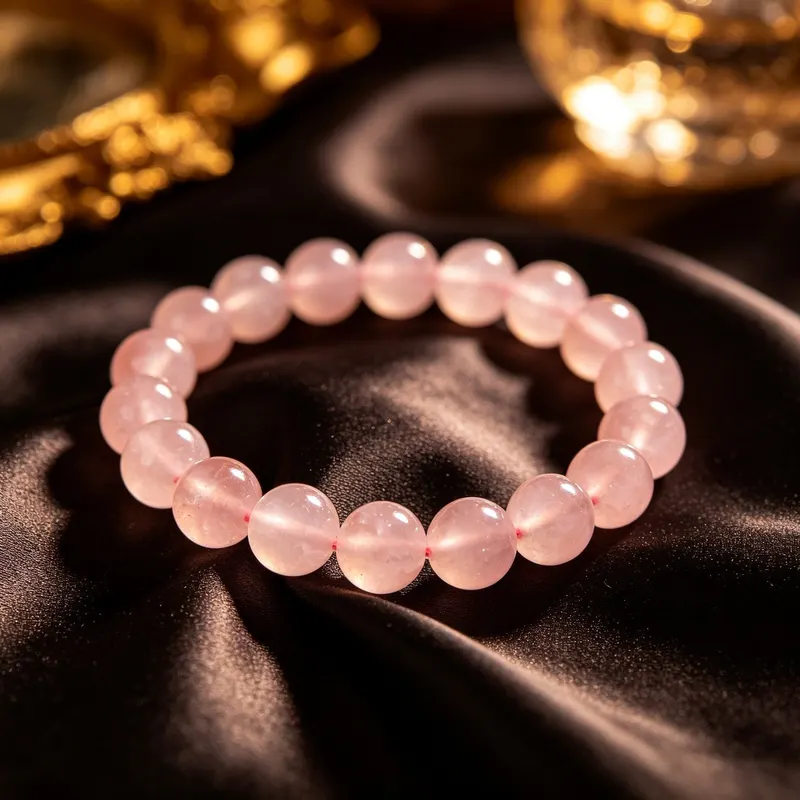
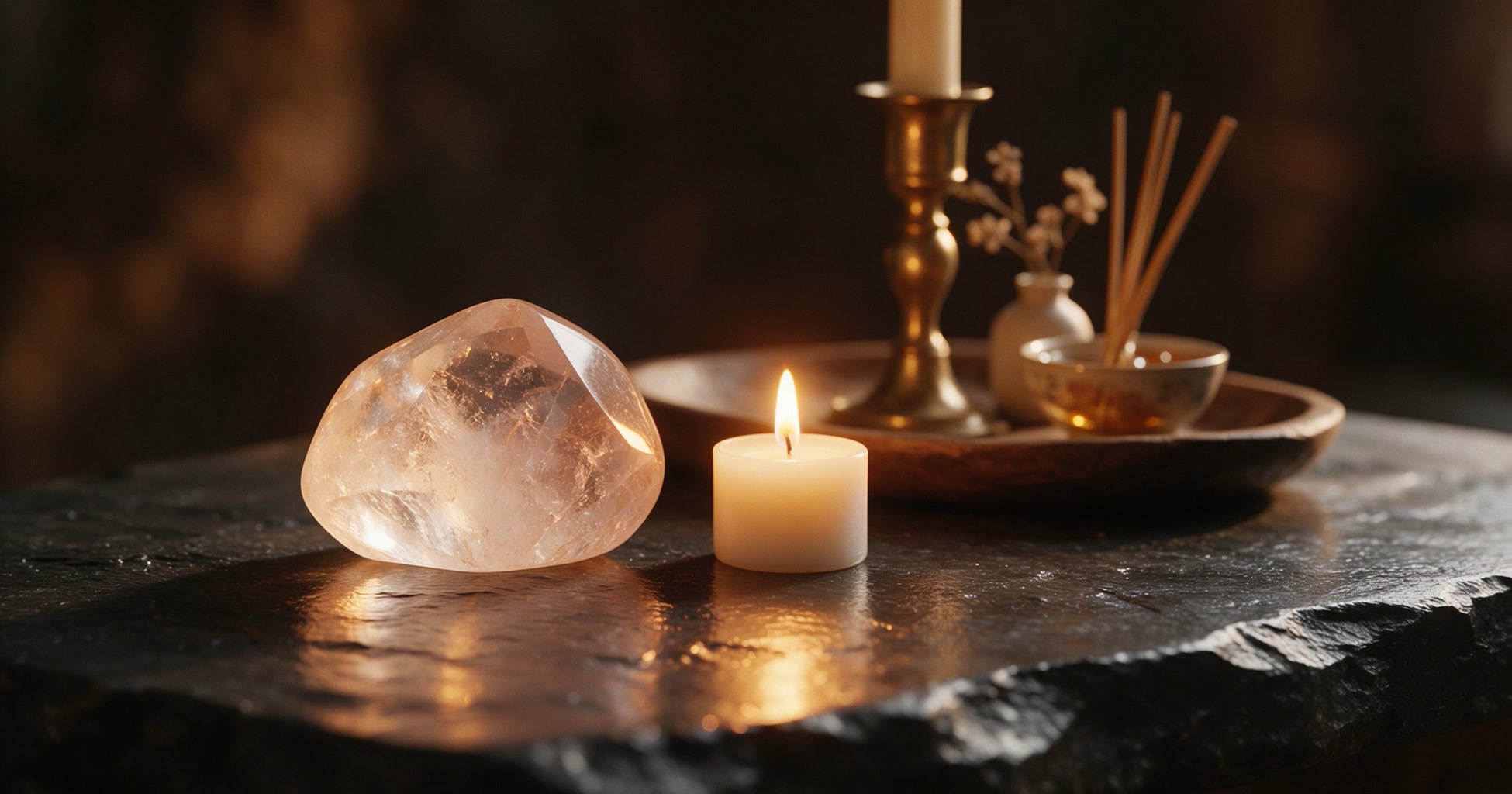
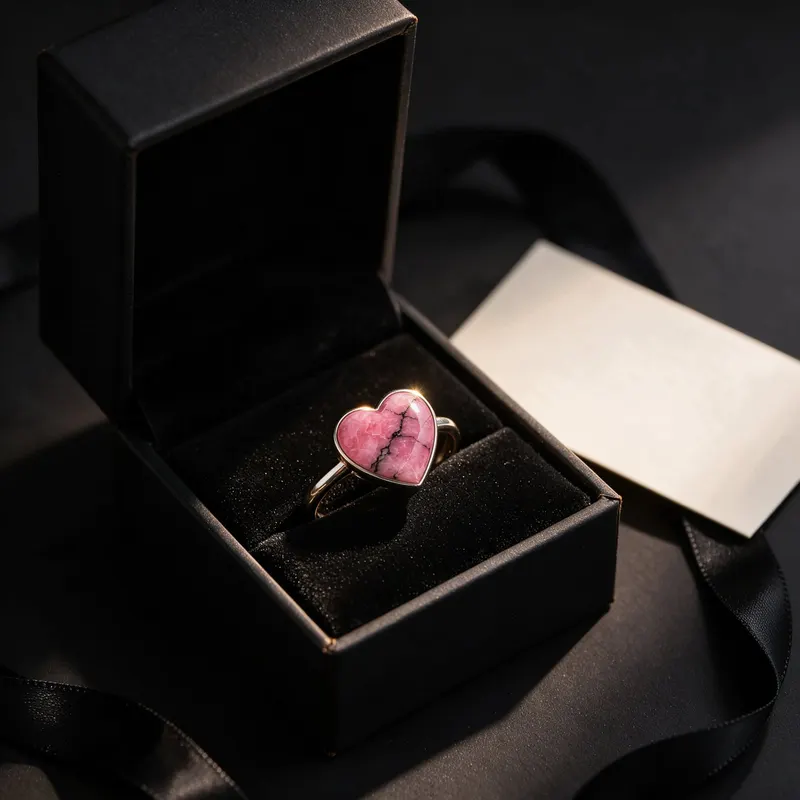
- Rose quartz for self-compassion. The Rose Quartz Love Bracelet for Self-Love & Heart is a reminder to direct some of the compassion you give so freely outward back toward yourself. Traditionally associated with the heart and gentle self-love, it invites you to speak to yourself the way you'd speak to the person you're caring for.
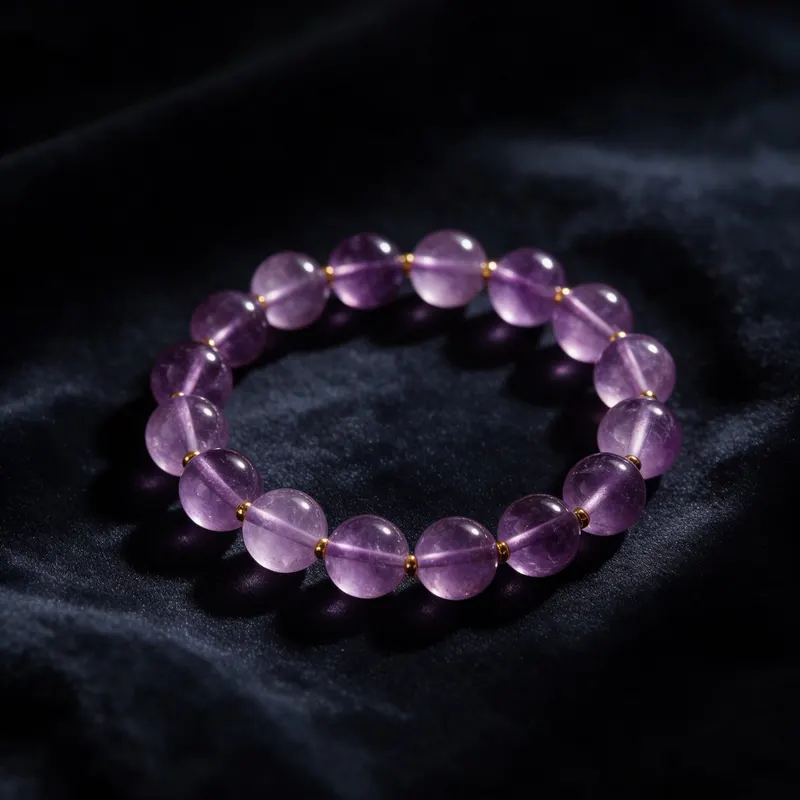
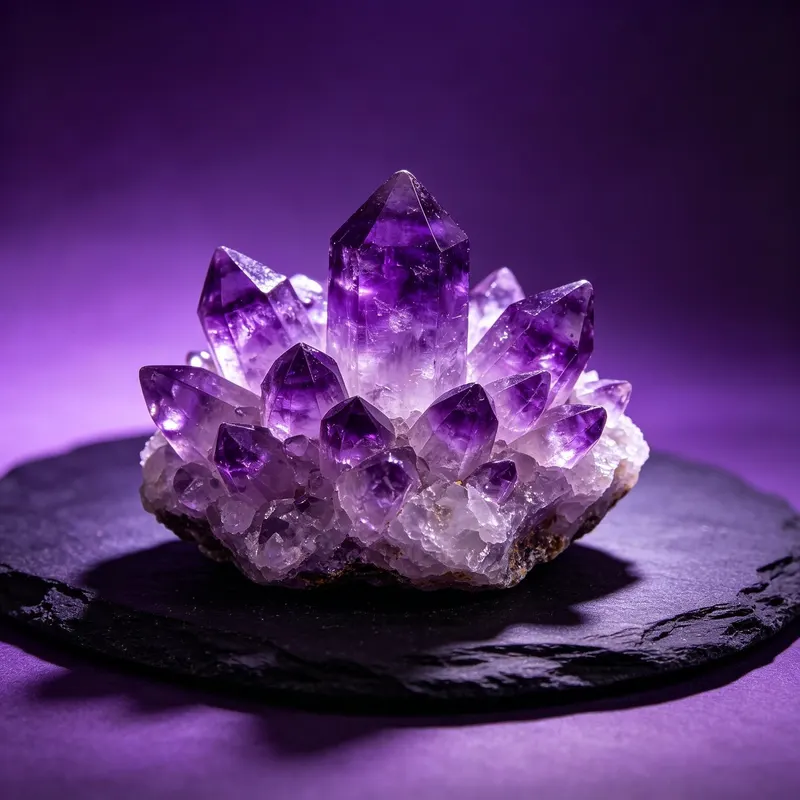
- Amethyst for micro-resets. The Amethyst Healing Bracelet for Calm & Clarity is believed to support calm and mental clarity—useful when your thoughts are scattered across a dozen tasks. If you prefer a stone you can hold during a breathing pause, the Raw Amethyst Cluster for Meditation & Altar makes a quiet focal point on a nightstand or desk.
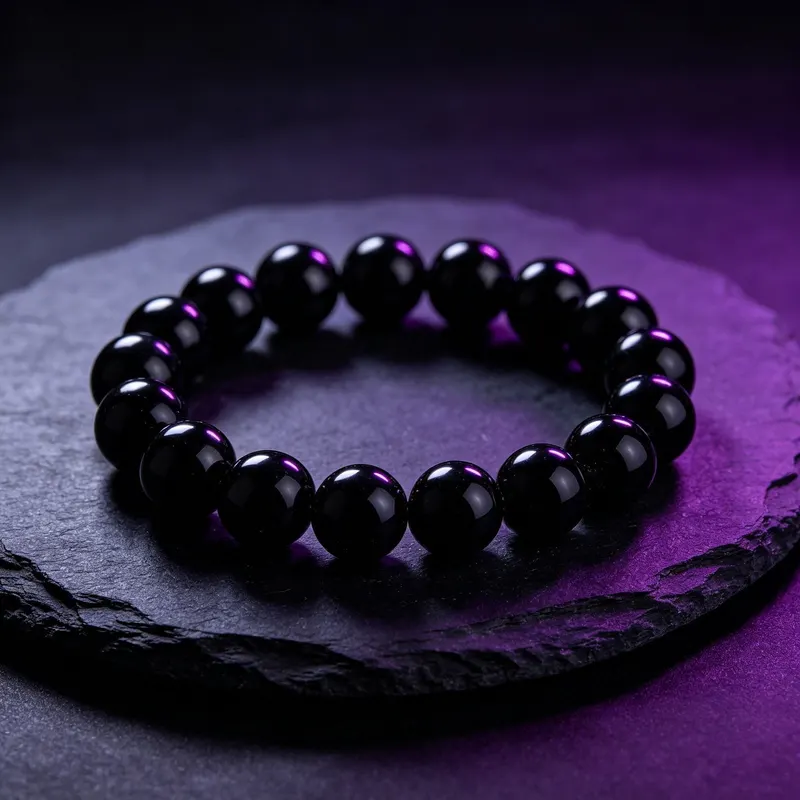
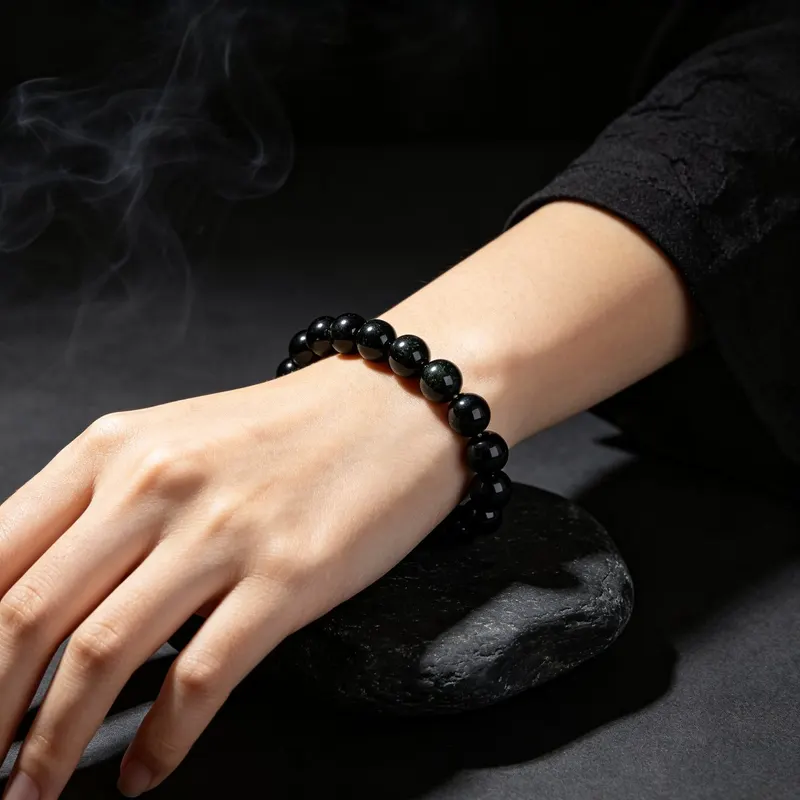
- Black tourmaline for boundaries. The Black Tourmaline Protection Bracelet for Grounding is traditionally associated with grounding and energetic protection—a wearable cue for the sentence "I can't take that on right now."
If you want a single piece that carries all three intentions, the 7 Chakra Balancing Bracelet uses mixed natural stones and can serve as an all-purpose anchor. And if you're new to crystals entirely, the Healing Crystal Starter Kit includes seven stones plus a guide, so you can experiment without overcommitting.
How to Choose: A Quick Comparison
Match the stone to the moment you struggle with most, not to what looks prettiest online. This table pairs each option with the caregiver challenge it best addresses and a realistic price range for natural-stone jewelry.
| Stone / Piece | Traditionally associated with | Best for | Typical price |
|---|---|---|---|
| Rose quartz bracelet | Self-love, heart, gentleness | Guilt, self-neglect, harsh inner voice | $25–$45 |
| Amethyst bracelet | Calm, clarity, rest | Racing thoughts, stolen quiet moments | $25–$45 |
| Black tourmaline bracelet | Grounding, protection, boundaries | Saying no, absorbing others' stress | $30–$50 |
| 7 chakra bracelet | Balance, wholeness | One piece for all intentions | $30–$55 |
| Starter kit (7 stones) | Varied | Beginners who want to explore | $35–$60 |
Prices vary with bead size, stone grade, and metal findings. Be wary of anything dramatically cheaper than these ranges—it's often dyed glass or resin rather than natural stone. Look for listings that name the stone, show the actual piece, and describe bead diameter (8mm is a common, comfortable size for most wrists).
Protecting Your Energy: A Daily Practice
Rituals only help when they're small enough to survive a hard day. Keep these short and repeatable.
- Schedule one non-negotiable daily reset—even ten quiet minutes—and treat it as seriously as a care task. Put it in the calendar. Let someone know.
- Use the stone as a cue. Each time you touch it, take one slow breath and drop your shoulders. That's it. Ten seconds, repeated, adds up.
- Name one task to delegate or one offer of help to accept this week. Write it down. "Let me know if you need anything" is not a plan; "Could you bring dinner Thursday?" is.
- Set one boundary out loud. Practice a single sentence—"I can't talk after 9 p.m." or "I need Sunday mornings for myself"—until it feels less like a betrayal and more like maintenance.
- Watch for sustained exhaustion, numbness, or resentment and seek respite care or a support group early, before a crisis forces the issue.
A Five-Minute Reset You Can Do Anywhere
Hold your stone in your non-dominant hand. Breathe in for four counts, out for six. Repeat five times. Then ask yourself one question: What is the single next thing that actually needs doing? Not the whole list—just the next thing. This is a grounding exercise, not a cure, but it can interrupt the spiral long enough to make a decision.
Asking for Help Without Apologizing
Many caregivers find asking for help harder than giving it. A few practical shifts:
- Be specific. People want to help but freeze at vague requests. "Can you sit with Mom Tuesday from 2 to 4?" is easier to answer than "I'm overwhelmed."
- Accept imperfect help. If someone loads the dishwasher wrong, let it go. The goal is support, not control.
- Build a small roster. Three people who can each do one thing—a grocery run, a phone check-in, a meal—beat one heroic friend who burns out too.
- Use formal resources. Respite programs, caregiver support groups, and counseling exist for exactly this. Asking a doctor or social worker what's available locally is a practical step, not a failure.
What the old stories say — and what checks out
Crystal traditions are rich, but they are traditions, not clinical evidence. Here's an honest split.
What the tradition says
- Rose quartz is traditionally associated with the heart and self-love; many caregivers use it as a reminder to be gentle with themselves.
- Amethyst is believed to support calm, clarity, and restful quiet—often used during meditation or breathing pauses.
- Black tourmaline is traditionally associated with grounding and protection, and is commonly used as a boundary cue.
What we can verify
- Hardness (Mohs scale): Quartz-family stones like amethyst and rose quartz rate about 7, meaning they resist scratches but can chip if dropped on tile. Black tourmaline is roughly 7–7.5. Selenite is very soft (about 2) and scratches easily—keep it away from other stones.
- Water sensitivity: Most quartz bracelets tolerate brief contact with water, but prolonged soaking can degrade elastic cord and metal findings. Selenite should not be soaked at all—it can dissolve or pit. Remove bracelets before showers, dishes, or swimming.
- Sunlight: Amethyst and rose quartz can fade with prolonged direct sun. Store them in a drawer or pouch rather than a sunny windowsill.
- Care basics: Wipe with a soft dry cloth. Avoid harsh cleaners, perfume, and lotions on the stone. Check elastic for stretching and restring if it feels loose. Store pieces separately to prevent scratching.
- Sizing: Measure your wrist snugly with a soft tape, then add about half an inch for comfort. Most bracelets list bead size and inner circumference; if you're between sizes, size up.
Crystals are for reflection and are not medical devices. They do not diagnose, treat, cure, or prevent any condition, and they cannot replace medical or mental-health care.
FAQ
People Also Ask
What crystal helps caregiver burnout?
There's no single "correct" stone. Many caregivers build a small set: rose quartz for self-compassion, amethyst for calm micro-resets, and black tourmaline for boundaries. Choose based on the challenge you notice most—guilt, racing thoughts, or difficulty saying no—and pair the stone with a real action.
How do you recover from compassion fatigue?
Recovery generally requires real respite, delegated support, boundaries, and often counseling or a support group. A self-care ritual with a stone can reinforce those steps and remind you to keep them, but it cannot replace them. If numbness or exhaustion persists, reach out to a qualified professional.
How do I wear or care for a crystal bracelet daily?
Wear it on the wrist you'll notice most often. Remove it for showers, dishes, and swimming to protect the elastic and metal. Wipe it with a dry cloth, keep it out of prolonged direct sun, and check the cord regularly. If it stretches, restring before it snaps.
Do I need to "cleanse" my stones?
Cleansing is a traditional practice, not a scientific requirement. If it's meaningful to you, simple methods like a dry wipe, a few minutes of moonlight, or resting the stone on selenite are gentle options. Avoid soaking soft stones like selenite, and skip salt-water baths for pieces with metal findings.
A Small Reminder, Worn Daily
Caregiving is real work, and burnout is not a character flaw—it's a signal that support is needed. A stone won't carry the load, but it can be the small, steady reminder that you matter too. Start with one piece, one breath, and one honest request for help this week. That's a beginning.
Crystals are offered for wellness and reflection, not as medical or psychological treatment. If anxiety, low mood, or exhaustion significantly affects daily life, please reach out to a qualified professional.