Clear the Noise Before You Choose
You have a decision to make, and you have been circling it for days. Maybe it's a job offer, a move, a relationship conversation, or a purchase big enough to keep you up at night. You've made lists. You've asked friends. You've re-read the same email six times. The problem isn't that you lack information—it's that the noise in your head has gotten louder than your own judgment.
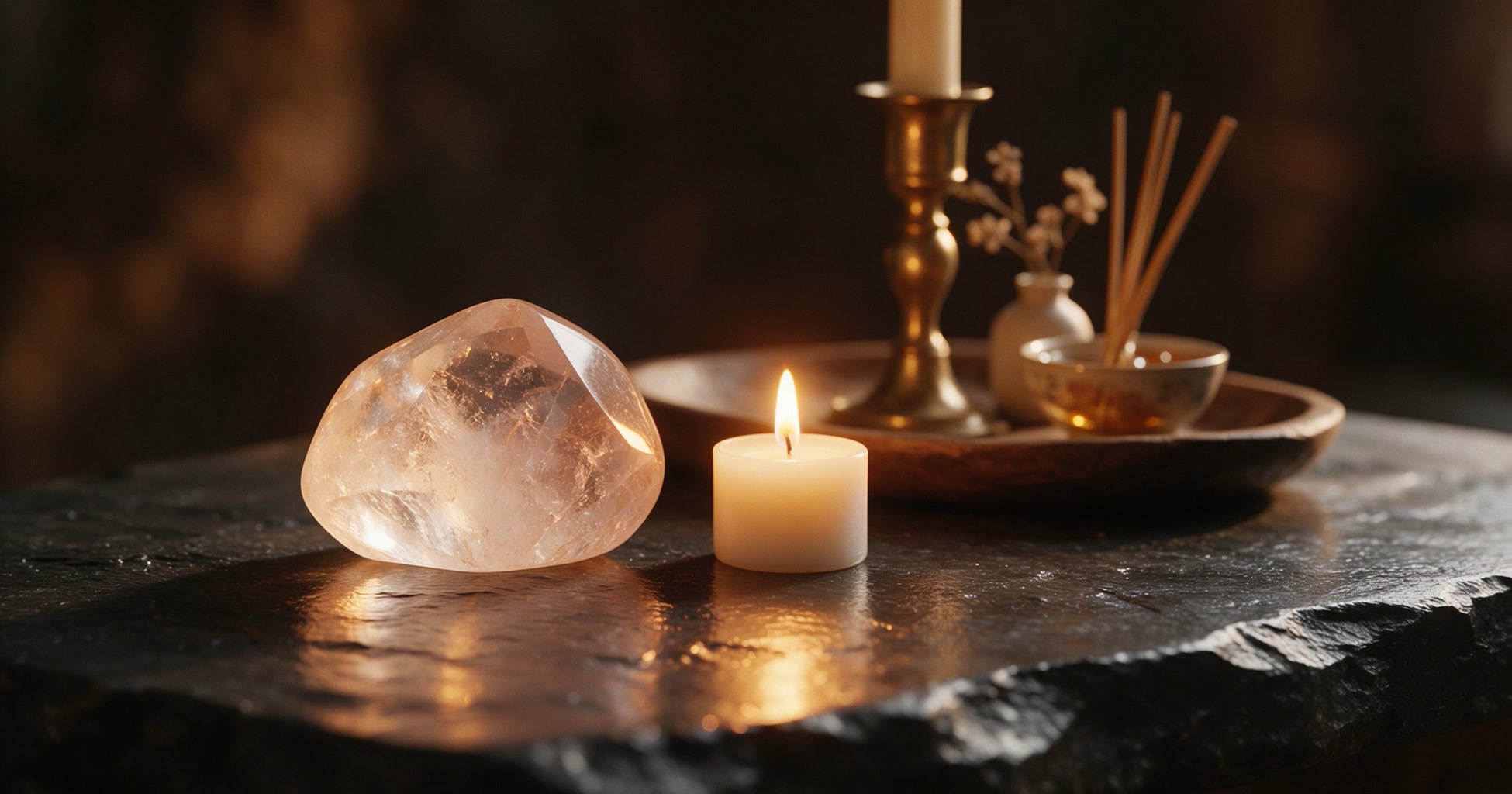
This is where crystals enter the picture for many people, not as fortune-tellers but as focusing anchors. A stone you can hold gives your racing mind somewhere to land. The ritual of pausing, breathing, and touching something solid can slow the spiral long enough for your actual values and instincts to surface.
Below you'll find the stones traditionally associated with clarity and grounded decision-making, a practical five-minute ritual, honest guidance on what crystals can and can't do, and the specifics—sizing, care, realistic prices—that most crystal articles skip.
Clarity Stones and What They're Traditionally Used For
Different stones are chosen for different flavors of mental fog. Here's how the most common clarity stones are traditionally understood, and which one tends to suit which situation.
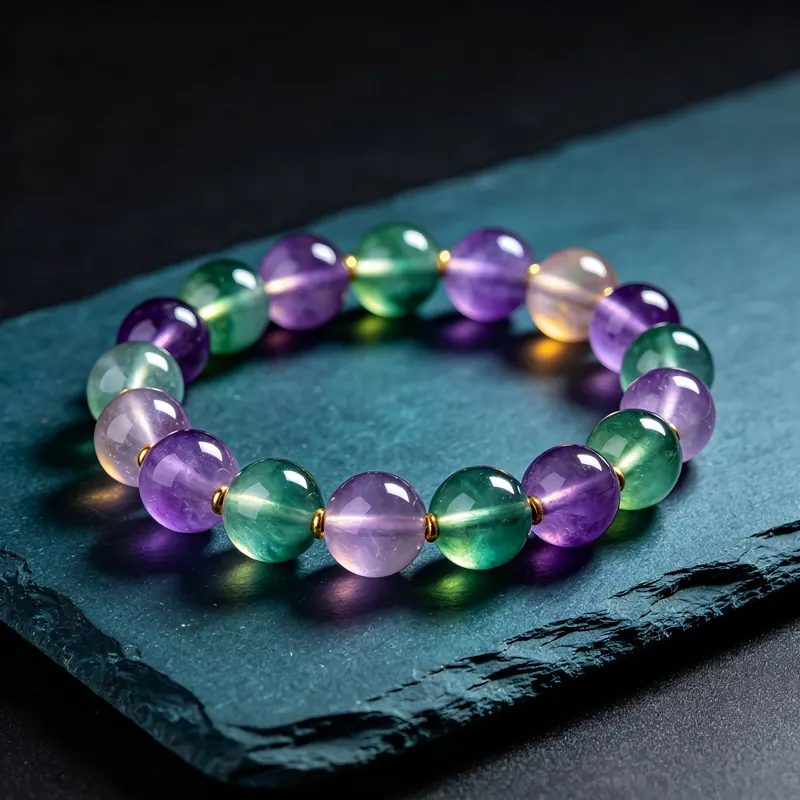
- Fluorite: Traditionally associated with organizing scattered thoughts and restoring mental order. A good pick when your problem is too many tabs open in your brain. Try the Rainbow Fluorite Focus Bracelet for Concentration.
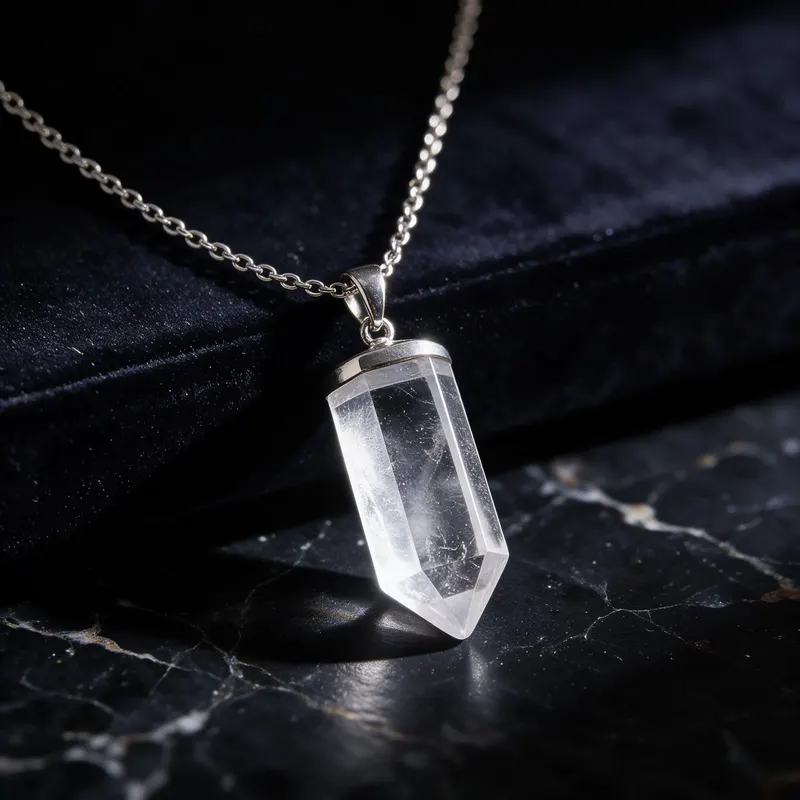
- Clear quartz: Believed to act as an amplifier—many people "program" a piece with a single clear question and return to it during reflection. The Clear Quartz Point Pendant Necklace, Sterling Silver keeps that reminder close to the body.
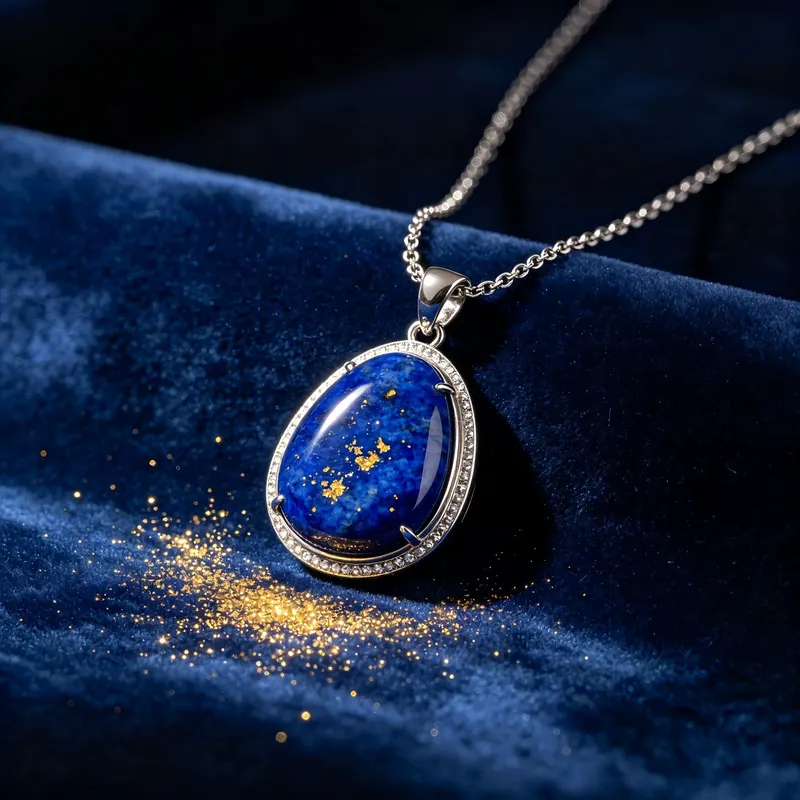
- Lapis lazuli: Traditionally linked to truthful, wise expression—useful when the real decision is about saying what you actually want out loud. See the Lapis Lazuli Wisdom Pendant, Gold-Plated Chain.
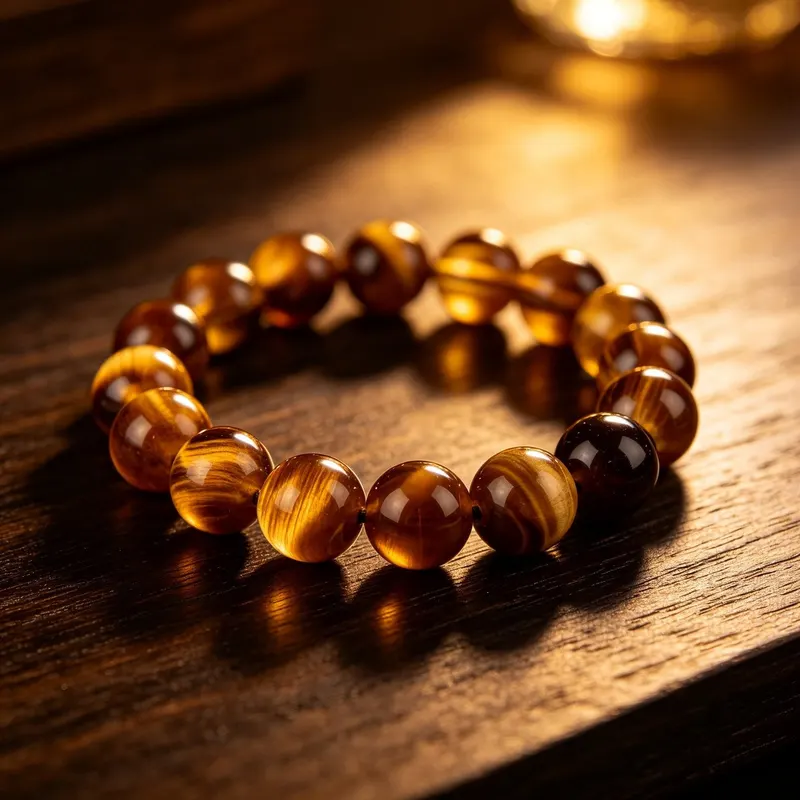
- Tiger's eye: Associated with grounded courage and the willingness to commit once you've decided. The Tiger's Eye Confidence Bracelet for Focus & Courage is a practical everyday choice.
- Amethyst: Traditionally used to quiet a busy mind and support calm reflection—helpful when overthinking tips into anxiety. The Amethyst Healing Bracelet for Calm & Clarity is a gentle starting point.
- Labradorite: Believed to support intuition and trust in your own read on a situation, especially during transitions.
How to Choose the Right Stone for Your Decision
You don't need a collection. You need one stone that matches the specific stuck-point you're in. Use this checklist to narrow it down:
- Too many options, can't organize them? Choose fluorite.
- Know the answer but won't say it? Choose lapis lazuli.
- Afraid to commit after deciding? Choose tiger's eye.
- Anxious and can't think straight? Choose amethyst.
- Need to trust a gut feeling? Choose labradorite.
- Want a blank slate to focus one question on? Choose clear quartz.
If you're brand new to stones and want to compare a few before committing, the Healing Crystal Starter Kit, 7 Stones + Guide lets you handle several at once—useful because the "right" stone is often the one you keep reaching for.
Form Factor: Bracelet, Pendant, or Raw Stone?
The same stone behaves differently depending on how you wear or use it. Here's a straightforward comparison to help you decide.
| Form | Best for | Practical notes | Typical price range (USD) |
|---|---|---|---|
| Bracelet | Daily wear, constant low-key reminder | Check wrist size; 7–8 in is common. Bead bracelets stretch slightly over time. | $20–$60 |
| Pendant | Keeping a single intention close to the heart | Confirm chain length (16–20 in typical) and metal (sterling vs. gold-plated). | $35–$90 |
| Raw cluster / point | Altar, desk, or meditation ritual | Heavier; needs a stable surface. Not for wearing. | $25–$80 |
| Wand | Clearing space or resetting other stones | Selenite is soft—handle gently and keep dry. | $15–$40 |
Prices vary with stone quality, metal type, and craftsmanship. Be cautious of anything marketed as "certified" or "guaranteed" for a specific outcome—those claims aren't verifiable and are a red flag.
A Five-Minute Decision Ritual
This is the practical heart of the article. Set aside five quiet minutes, ideally at the same time each day while you're working through a decision.
- Settle. Hold your stone and breathe slowly until your shoulders drop and your jaw unclenches.
- Name the values. Write each option on paper and, beside it, the value it serves (security, freedom, honesty, rest).
- Notice the body. While still holding the stone, read each option aloud and notice where your body relaxes or tightens. This is information, not a verdict.
- Commit to one small step. Not the whole decision—just the next action. Send the email. Ask the question. Sleep on it one more night.
- Close the loop. Set the stone down and step away. The ritual is a pause, not a permanent crutch.
If you want a dedicated piece for this practice, a raw stone like the Raw Amethyst Cluster for Meditation & Altar works well on a desk or bedside table, where it can anchor the ritual without needing to be worn.
The lore, and what we can actually verify
Crystal traditions are rich, but they are traditions—not laboratory findings. It's worth separating the two so you can enjoy the practice without being misled.
What tradition says
Across many cultures, stones have been associated with qualities like clarity, courage, and calm. Fluorite is traditionally linked to mental order; lapis lazuli to truth and wisdom; tiger's eye to courage; amethyst to a quiet mind. These associations are meaningful as symbols and as focusing tools—they give you a language for what you're working through.
What we can verify
- Hardness (Mohs scale): Clear quartz and amethyst rate about 7; tiger's eye about 7; lapis lazuli about 5–6; fluorite only about 4. Softer stones scratch more easily—keep fluorite away from keys and rough surfaces.
- Water sensitivity: Selenite dissolves in water and should never be soaked. Lapis lazuli and fluorite can be damaged by prolonged water exposure. Clear quartz and amethyst tolerate brief rinsing but are best wiped dry.
- Sunlight: Amethyst, rose quartz, and fluorite can fade with long direct sun exposure. Store them away from a bright windowsill.
- Cleaning: Wipe with a soft dry or barely damp cloth. Avoid ultrasonic cleaners and harsh chemicals on softer or plated pieces.
- Metals: Sterling silver and gold-plated chains need gentle handling; plated finishes wear over time with sweat and perfume.
Crystals are for reflection and are not medical devices. They do not diagnose, treat, cure, or prevent any disease. If you're struggling with your mental or physical health, please reach out to a qualified professional.
FAQ
People Also Ask
What crystal is best for making a decision?
Fluorite is a popular starting point for organizing scattered thoughts, while clear quartz is often used to focus on a single question. The best choice is usually the stone that matches your specific stuck-point—see the checklist above.
Can crystals make a decision for me?
No. They're used as focusing anchors that help you settle so your own judgment can lead. The decision—and the responsibility—remains yours.
Which stone is traditionally used to calm overthinking?
Amethyst and fluorite are both traditionally associated with a quieter, more ordered mind. Many people pair a calming stone with a clarity stone during a decision ritual.
How do I care for a soft stone like fluorite or selenite?
Keep them dry, store them separately from harder stones, and wipe with a soft cloth. Avoid soaking, ultrasonic cleaners, and prolonged direct sunlight, which can fade color.
Trusting Yourself
The real work of a clarity stone isn't magic—it's the pause it invites. Hold it, breathe, name what matters, and take one small step. Over time, that practice builds something more valuable than any single answer: trust in your own ability to choose. Start with one stone that fits your situation, care for it well, and let the ritual do its quiet work.