The Body Keeps the Day
It's 9:40 p.m. The inbox is closed, the dishes are done, and yet your shoulders are still up around your ears. Your jaw is tight. Your mind is replaying a meeting from eight hours ago. You're physically in your living room, but your nervous system is still at your desk.
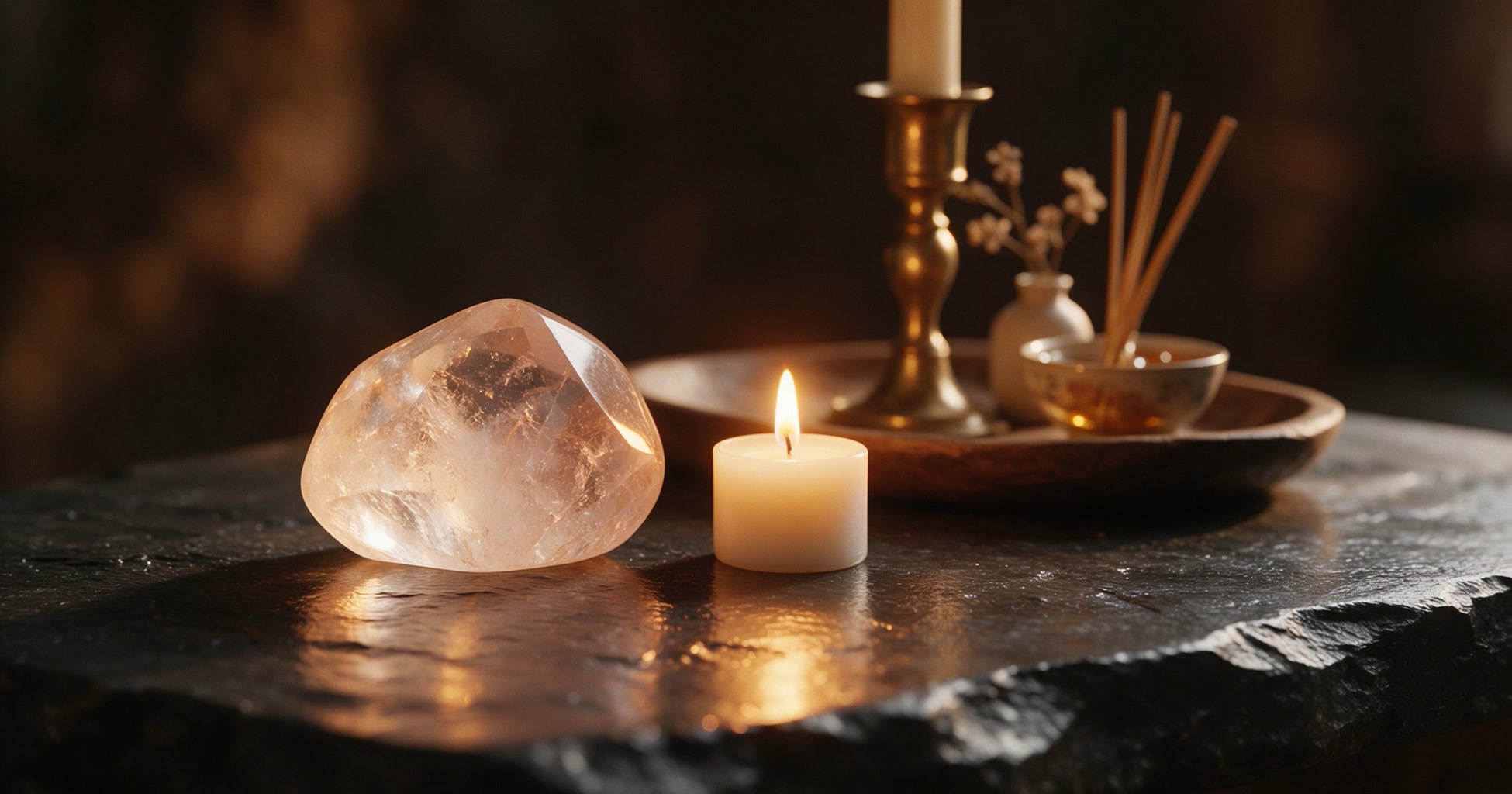
Deep relaxation is a skill, not a switch. Most of us can't simply decide to unwind—we need a transition, a small repeated sequence that tells the body the working day is genuinely over. That's where an evening ritual comes in, and it's where a crystal can earn a real place in your life: not as a magic button, but as a sensory cue. Something cool and smooth in your palm, a specific weight and texture you only touch at wind-down time, becomes a physical signal that the day is closing.
This guide covers the stones traditionally associated with calm and settling, how to build a ten-minute ritual around them, how to choose and care for them, and—importantly—what we can and can't honestly claim about what they do.
Relaxing Stones to Reach For
These are the stones most often reached for in evening practices. The descriptions below reflect traditional associations and the way each stone feels in use—not medical effects.
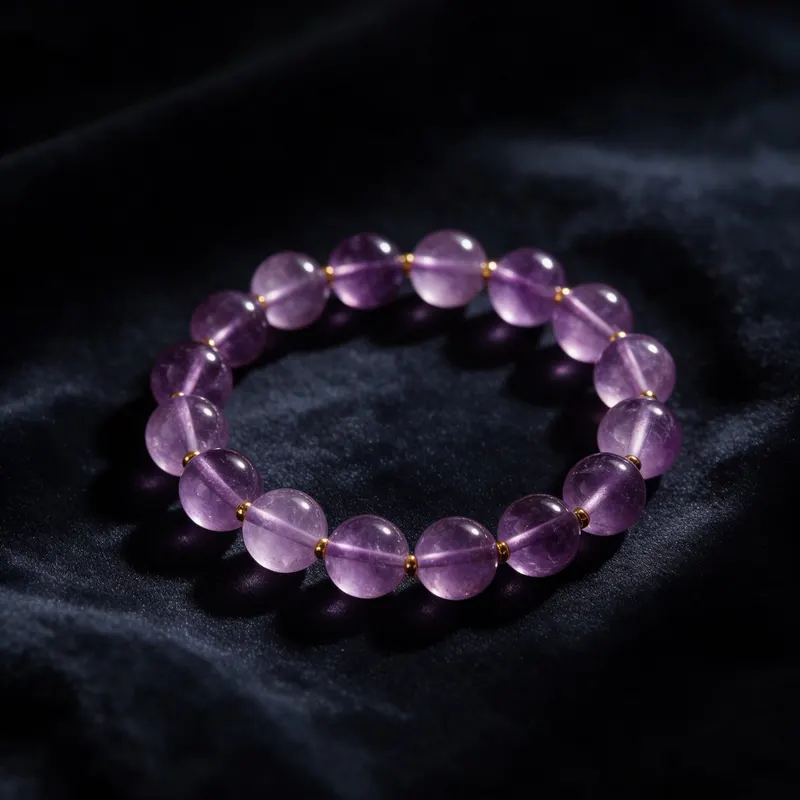
- Amethyst: the classic calm stone, traditionally associated with quieting an overactive mind. Cool, weighty, and widely available at every price point.
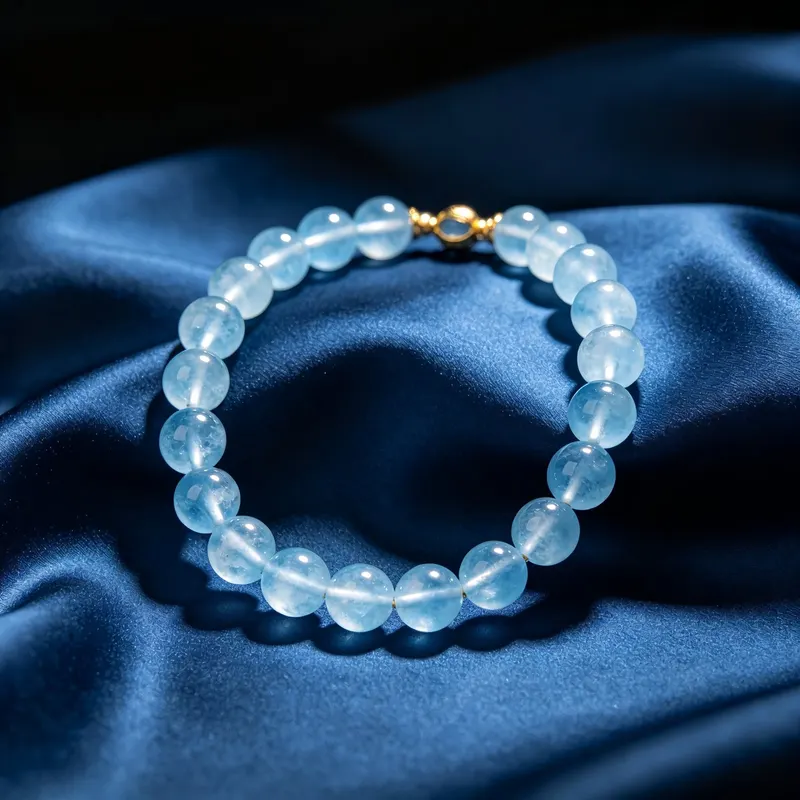
- Aquamarine: soft, flowing serenity, like slow water. Traditionally believed to support calm communication—useful if your evenings are spent replaying conversations.
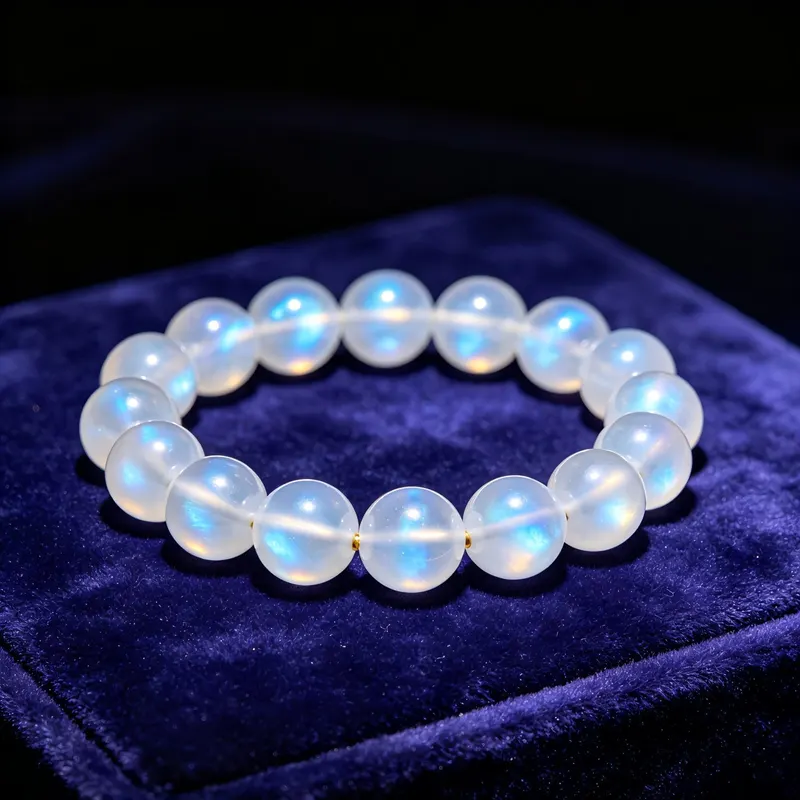
- Moonstone: gentle easing as the day turns to night; long associated with intuition and new beginnings, which makes it a natural companion for the transition into rest.
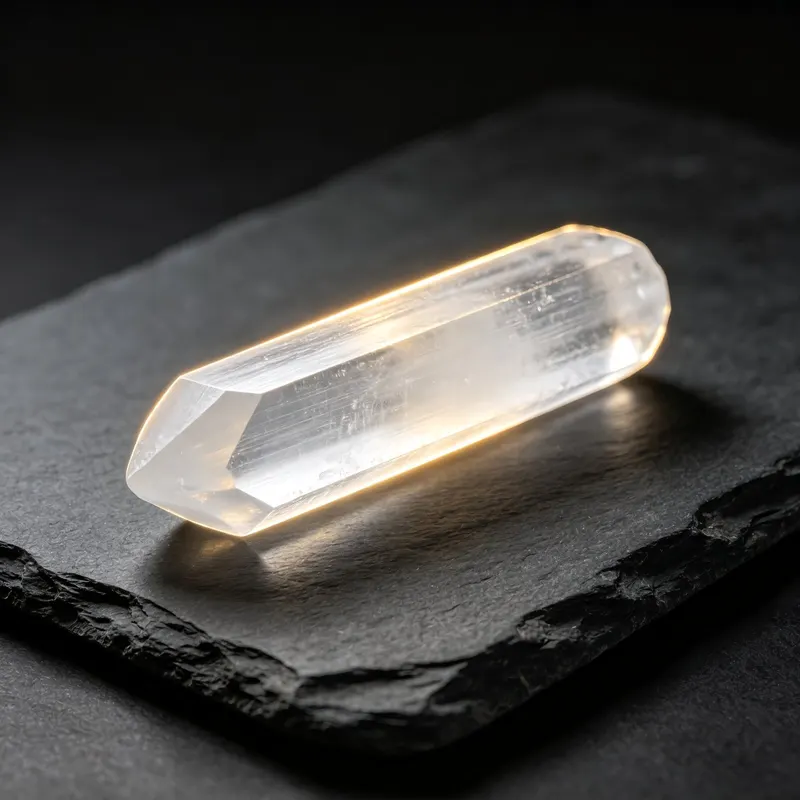
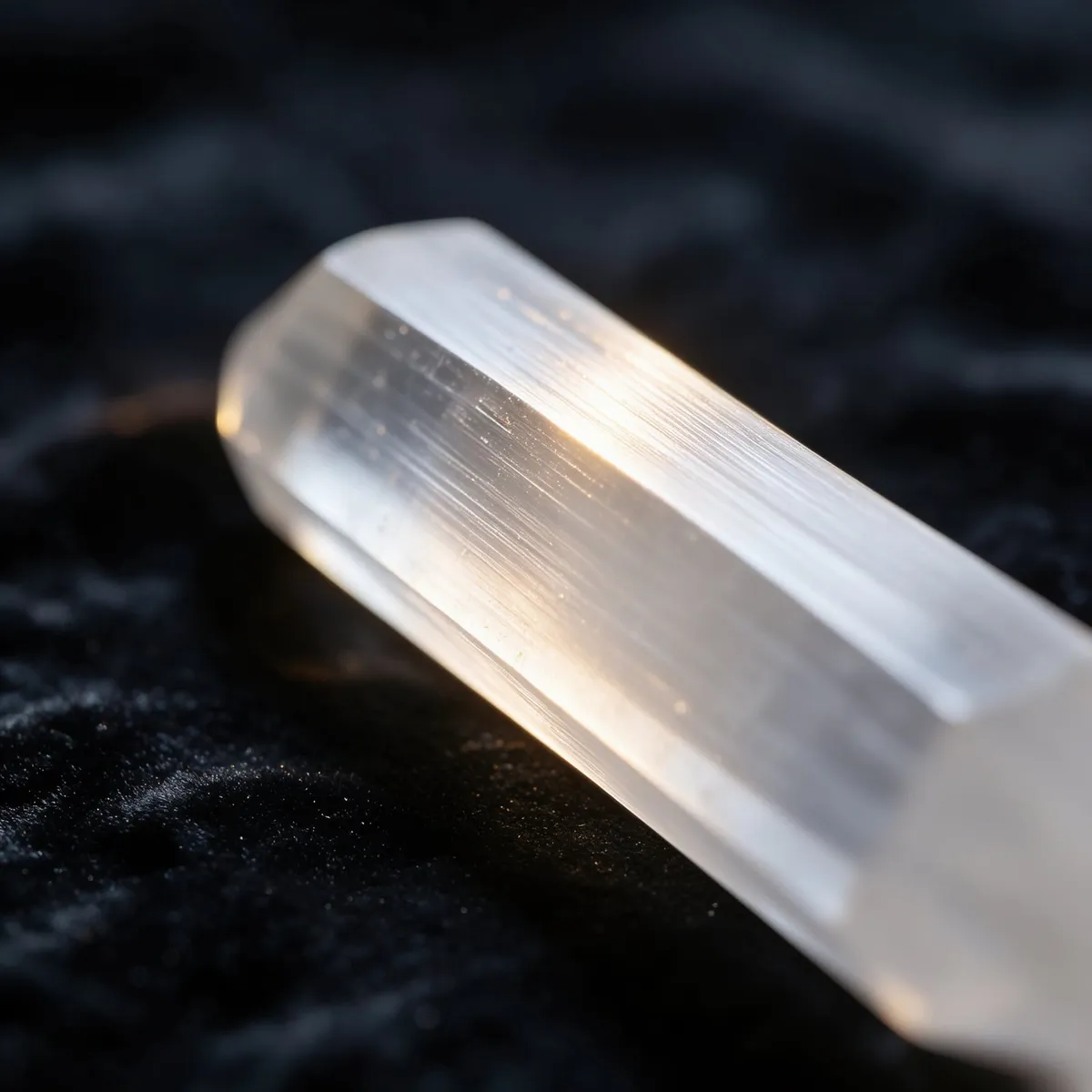
- Selenite: a light, clearing quality—traditionally used for "clearing" a space or a racing mind, and practical for the mental tabs you can't seem to close.
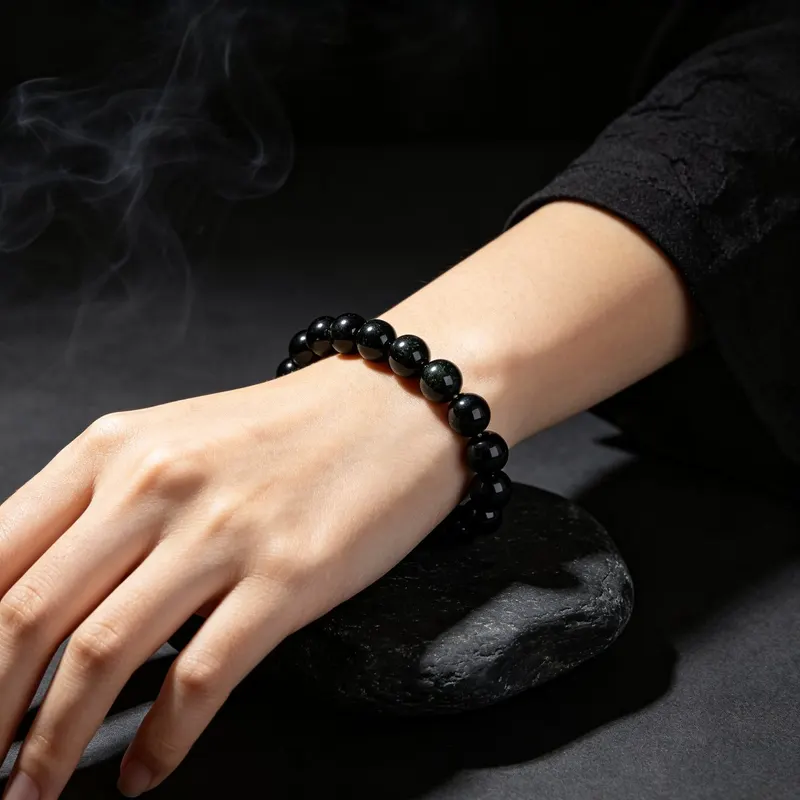
- Black tourmaline: grounding and protective in tradition; a good choice if your version of "wound up" feels more like static and edginess than mental chatter.
- Labradorite: associated with intuition and protection; many people find its shifting flash quietly absorbing to look at, which makes it a good focal stone for slow breathing.
You don't need all of them. One stone you actually use beats six that sit in a drawer.
How to Choose Your Evening Stone
Choosing well comes down to three practical questions: how you'll use it, how it feels, and what you're willing to spend.
Match the form to the ritual
- Held in the hands: a bracelet, a palm stone, or a small cluster. Best for a seated breathing practice.
- Worn during wind-down: a bracelet or a light necklace you can put on after work and take off before bed.
- Kept bedside: a cluster, wand, or tumbled stone on the nightstand—something you see and touch as you settle.
Check the feel and the finish
Hold it if you can, or buy from a seller with clear photos and a returns policy. Look for even color, a smooth polish with no sharp edges against the skin, and a clasp that sits flat on the wrist. For bracelets, measure your wrist and add roughly half an inch (about 1.3 cm) for a comfortable fit; most beaded bracelets are strung on elastic, so err slightly snug rather than loose. For pendants, a 16–18 inch chain sits at the collarbone, 20–22 inches falls mid-chest—choose based on where you want the stone to rest.
Know what things cost
Realistic expectations help you avoid both overpaying and being disappointed by something described as "premium" at a suspiciously low price. Beaded bracelets in amethyst, moonstone, or black tourmaline typically run from about $20 to $60 depending on bead size and grade. Aquamarine is pricier—expect roughly $40 to $120 for a bracelet or simple pendant, more for deeply saturated blue. A small raw amethyst cluster generally falls between $25 and $80. Selenite wands are among the most affordable pieces, often under $25. If a listing promises "AAA museum grade" at a bargain price, treat it as marketing language rather than a certification—there is no universal grading standard for these stones.
A 10-Minute Unwind Ritual
Keep it short and repeatable. The consistency is what turns a nice idea into a cue your body recognizes.
- Dim the lights and set your phone aside—ideally in another room.
- Sit somewhere comfortable and hold an Amethyst Healing Bracelet or a palm stone in both hands.
- Breathe slowly, releasing the shoulders and jaw on each exhale. Four counts in, six counts out is a simple rhythm to follow.
- Scan the body from head to feet, letting each area soften as you pass through it.
- End by placing the stone beside your bed, where you'll see it tomorrow evening.
If you prefer to wear your cue rather than hold it, an Aquamarine Serenity Necklace put on after work—or a Rainbow Moonstone Bracelet kept on the nightstand—works the same way. The stone itself isn't doing the work; the ritual is. The stone simply makes the ritual tangible.
Set the Scene
Pair your stone with lowered light, slow music, and a consistent bedtime so the cue strengthens over time. A few practical additions that make the ritual easier to keep:
- Same time, same chair. Repetition is what builds the association.
- One sensory anchor. A candle, a specific playlist, or the stone—pick one or two, not five.
- A visible resting place. A small tray or dish on the nightstand keeps the stone in sight and out of the way.
- A hard stop. Ten minutes, then move naturally toward bed.
If you want to extend the practice, our sleep crystal guide covers stones for the bedside, the stress-relief guide addresses a racing mind, and the meditation guide offers a short seated practice you can fold into your evening.
Traditional beliefs vs. verifiable facts
It's worth being clear about the difference between lore and fact, because it makes the practice more enjoyable, not less.
| Stone | Traditional association | What we can verify | Care notes |
|---|---|---|---|
| Amethyst | Calm, clarity, quieting an overactive mind | Quartz family; Mohs hardness 7; color fades with prolonged direct sunlight | Wipe with a soft damp cloth; keep out of long sun exposure |
| Aquamarine | Serenity, calm communication | Beryl family; Mohs hardness 7.5–8; generally stable in water | Rinse briefly and dry; avoid harsh chemicals and ultrasonic cleaners |
| Moonstone | Intuition, gentle transition, new beginnings | Feldspar; Mohs hardness 6–6.5; can be sensitive to knocks and cleaning chemicals | Wipe only; avoid soaking and ultrasonic cleaners |
| Selenite | Clearing, light, mental "reset" | Gypsum; Mohs hardness 2; water-soluble and easily scratched | Keep dry; dust with a soft dry cloth; store away from moisture |
| Black tourmaline | Grounding, protection | Mohs hardness 7–7.5; durable for daily wear | Warm water and mild soap are fine; dry thoroughly |
| Labradorite | Intuition, protection, transformation | Feldspar; Mohs hardness 6–6.5; flash is a natural optical effect | Wipe clean; avoid drops and harsh cleaners |
What the table can't tell you is whether a stone will relax you. What we can say honestly is that a short, repeated, quiet ritual—with a cool, smooth object in your hands and your phone in another room—is a reasonable and pleasant way to mark the end of a day. Whether the effect comes from the stone, the pause, or both is something you get to notice for yourself.
Crystals are for reflection and are not medical devices.
FAQ
People Also Ask
Which crystal is most relaxing?
Amethyst is the most popular calming stone in tradition, and the easiest to find at a reasonable price. Aquamarine and moonstone offer a softer, more flowing feel. The honest answer is that the most relaxing stone is the one you'll actually pick up each evening.
Where do you put crystals to relax?
In your hands during a breathing practice, on the nightstand beside your bed, or worn lightly as you wind down. A small dish or tray keeps them visible and protected. Avoid placing water-soluble stones like selenite near a humidifier or open window.
Can crystals help you sleep?
They can be a calming part of a bedtime routine, and a consistent routine is genuinely useful. Good sleep hygiene—a regular schedule, low light, and less screen time—remains the foundation. If sleep problems persist, speak with a qualified professional.
How do I clean and care for my stones?
Most polished stones need only a wipe with a soft damp cloth and thorough drying. Selenite should stay dry entirely. Moonstone and labradorite are better wiped than soaked. Keep all pieces out of prolonged direct sunlight if color matters to you, and store bracelets flat so the elastic isn't stretched.
Shop the Stones
- Amethyst Healing Bracelet
- Aquamarine Serenity Necklace
- Rainbow Moonstone Bracelet
- Selenite Cleansing Wand
- Raw Amethyst Cluster
Keep Exploring
Crystals for Sleep · Stress Relief Crystals · Meditation Crystals
Crystals are intended to support personal and spiritual well-being and are not medical devices. They do not diagnose, treat, cure, or prevent any disease. If you are struggling with your mental or physical health, please reach out to a qualified professional.