- Focus stones work as tactile anchors — they help you notice that attention has drifted; they do not remove the distraction for you.
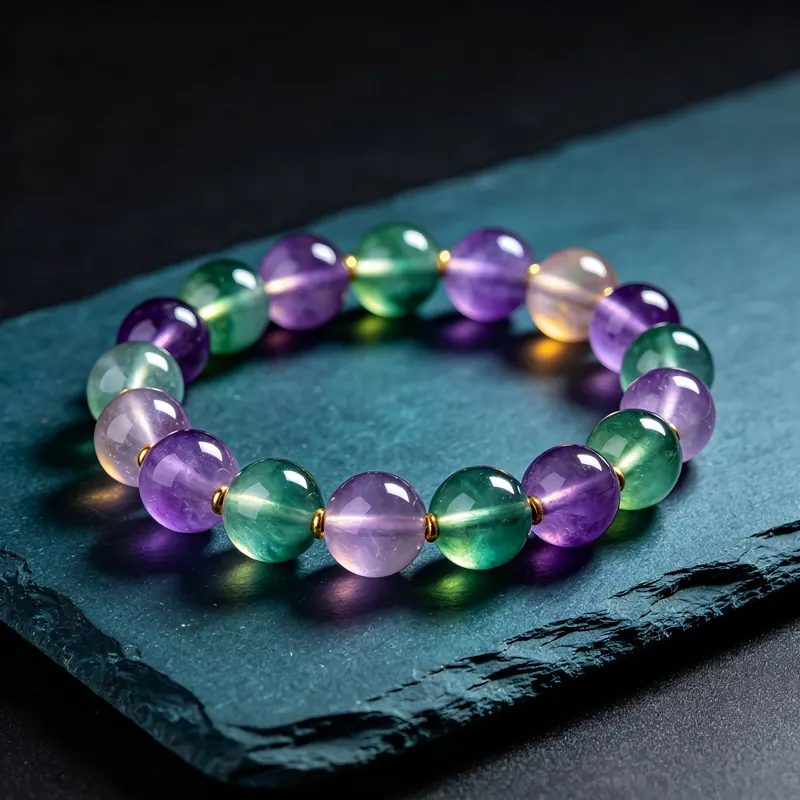
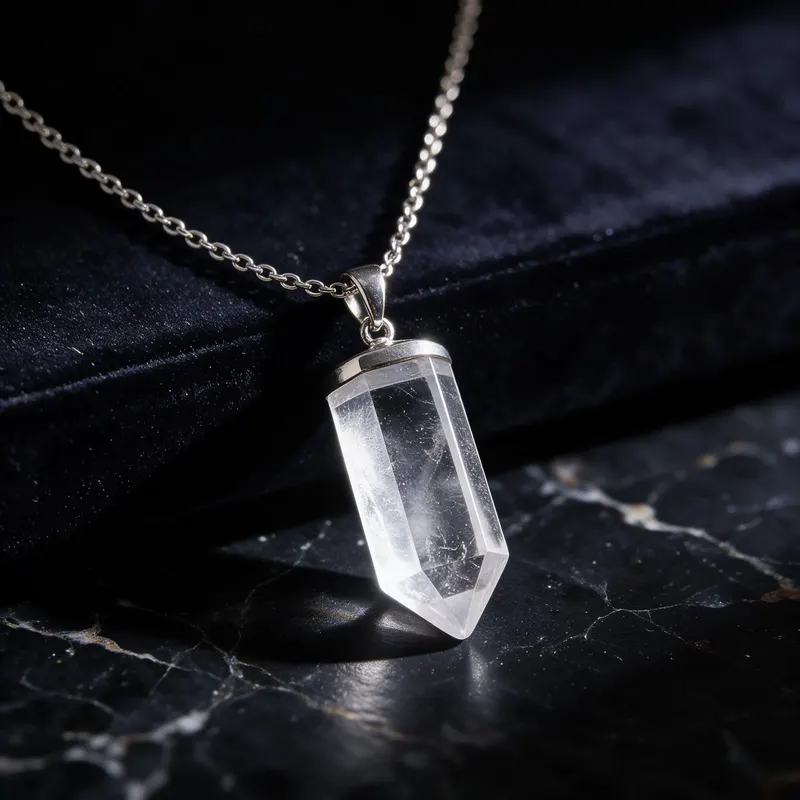
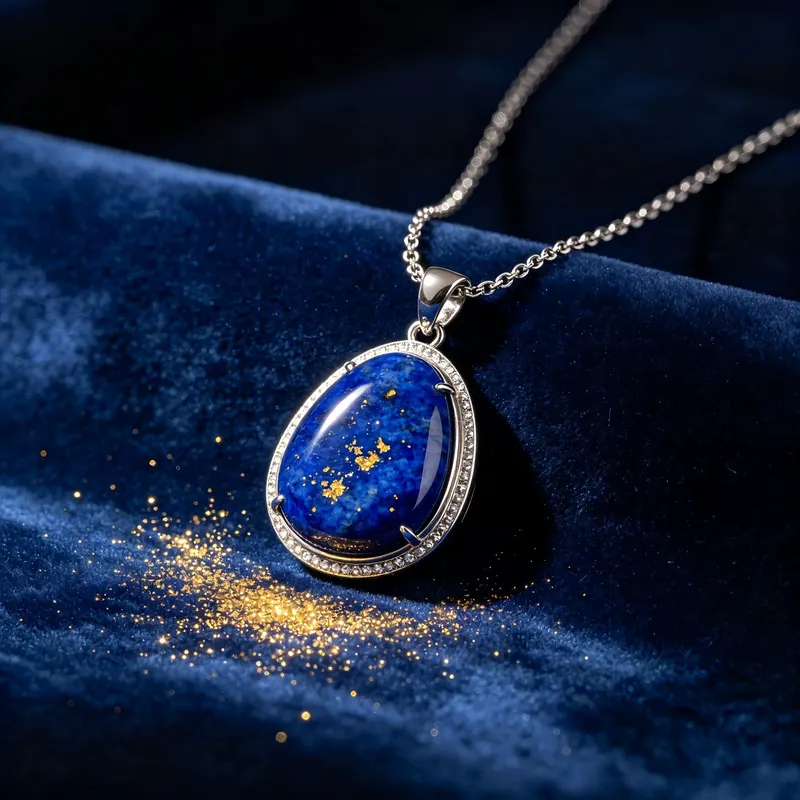
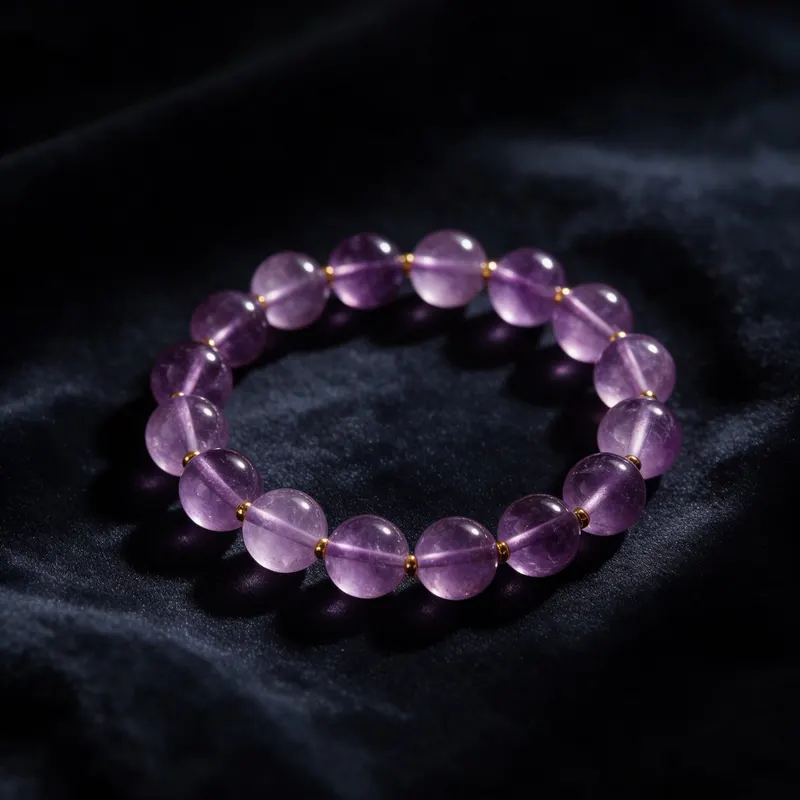
- Most chosen: fluorite for scattered thoughts, clear quartz for a sharper intention, lapis lazuli for sustained concentration, amethyst for calm alertness.
- Put the stone where your hand actually is — desk edge, keyboard side, or worn — so it sits inside your field of attention.
- Pair it with one structural change (phone away, one tab, a timed block). The stone marks the decision; it does not make it.
Crystals for a Clear Mind
It is 9 p.m., the exam is in three days, and you have read the same paragraph four times. Or it is mid-afternoon at your desk, twelve tabs are open, and the task you actually need to finish has not moved since morning. If that sounds familiar, you are not short on willpower — you are short on a way to notice when your attention leaves and a reason to bring it back.
That is where crystals for focus, study and mental clarity fit in, and it is worth being honest about what they can and cannot do. A stone will not read the chapter for you or raise your grade. What it can do is serve as a physical, visible cue: something on your desk or on your wrist that you chose deliberately, that you can touch when you feel your mind drifting, and that reminds you of the intention you set before you sat down. Think of it as a bookmark for your attention rather than a battery for your brain.
This guide covers which stones are traditionally associated with focus and clear thinking, how to choose between them, how to place and care for them, what they realistically cost, and — in a dedicated section — where traditional lore ends and verifiable mineral facts begin. Crystals are used here for reflection and ritual; they are not medical devices.
Top Focus Stones and What Each Is Traditionally Associated With
Different stones get recommended for different flavors of distraction. The table below pairs each stone with the mental state it is traditionally associated with, so you can match the stone to the problem you actually have rather than buying whatever is trending.
| Stone | Traditionally associated with | Best for | Typical form |
|---|---|---|---|
| Fluorite | Mental organization, "clearing the fog," steady concentration | Scattered thoughts, multitasking overload, study sessions | Bracelet, tumbled stone |
| Clear Quartz | Clarity, amplification of intention, focus | Setting one sharp goal before deep work | Point pendant, tumbled stone |
| Lapis Lazuli | Wisdom, clear expression, sustained attention | Long reading or writing sessions, presentations | Pendant |
| Amethyst | Calm alertness, quieting mental chatter | Anxious or overstimulated minds before study | Bracelet, raw cluster |
| Tiger's Eye | Confidence, motivation, follow-through | Finishing what you start; procrastination | Bracelet |
| Labradorite | Intuition, insight, fresh perspective | Stuck projects, creative blocks | Bracelet |
Fluorite: the organizer
Fluorite is the stone most often recommended for scattered thinking, and it has one practical advantage: it comes in banded greens, purples and blues, so it is easy to find a piece you actually enjoy looking at. A bracelet keeps it in contact with your wrist during a study block, which makes it easy to touch as a reset cue. If you prefer something on the desk, a tumbled fluorite stone works just as well. The Rainbow Fluorite Focus Bracelet for Concentration is a straightforward starting point.
Clear Quartz: the intention-setter
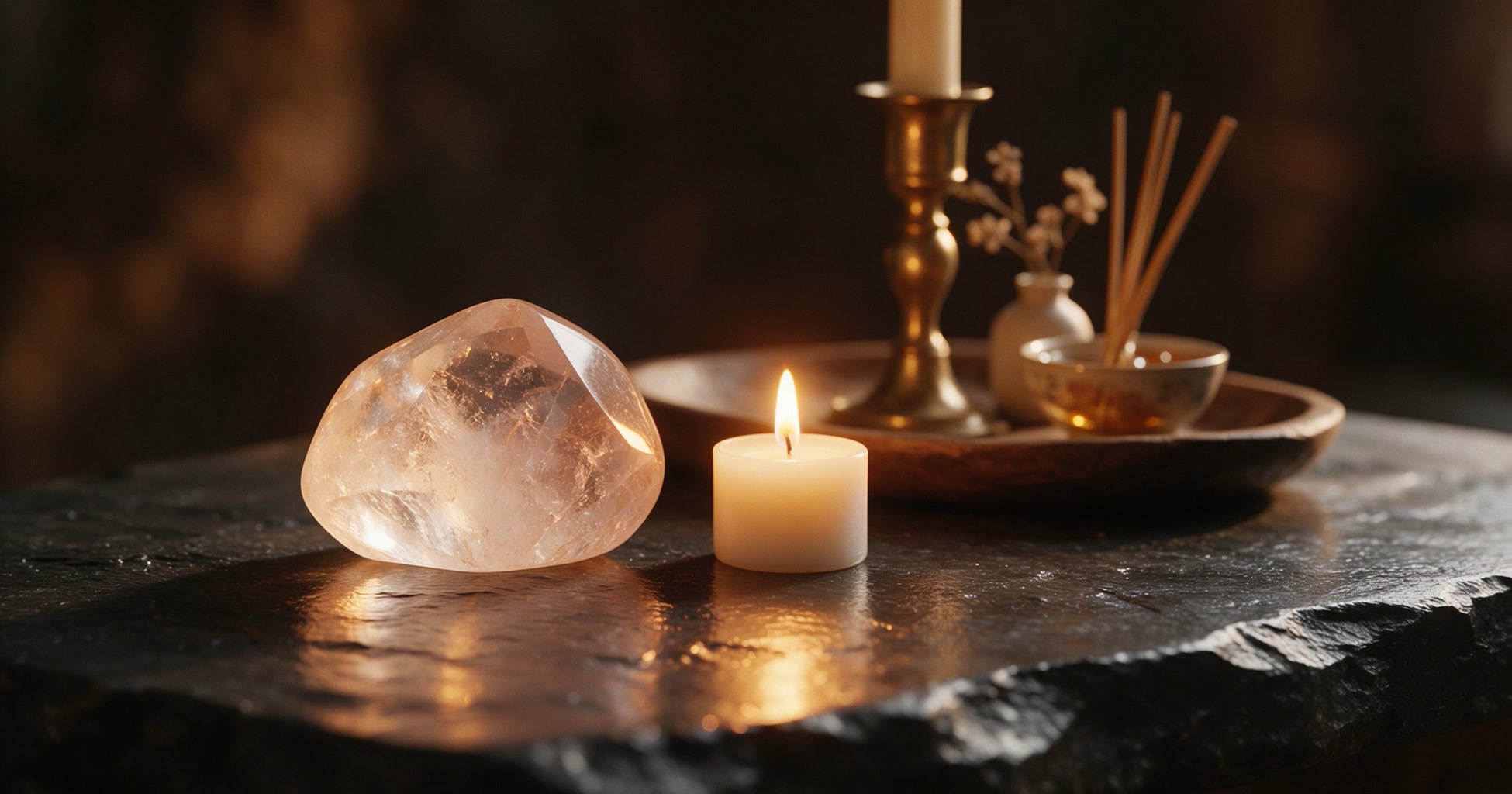
Clear quartz is traditionally treated as an amplifier — not because it makes you smarter, but because it is used to hold a single, clearly stated intention. That makes it well suited to the moment before you begin: hold the stone, name the one thing you are about to do, then start. A pendant keeps it close without cluttering your desk; the Clear Quartz Point Pendant Necklace in sterling silver is a clean, wearable option.
Lapis Lazuli: the long-haul stone
Lapis is traditionally associated with wisdom and clear expression, which is why it turns up in recommendations for reading, writing and presenting. If your study involves long stretches of text or you need to explain what you have learned, a lapis pendant such as the Lapis Lazuli Wisdom Pendant keeps the reminder visible without occupying desk space.
Amethyst: for the overstimulated mind
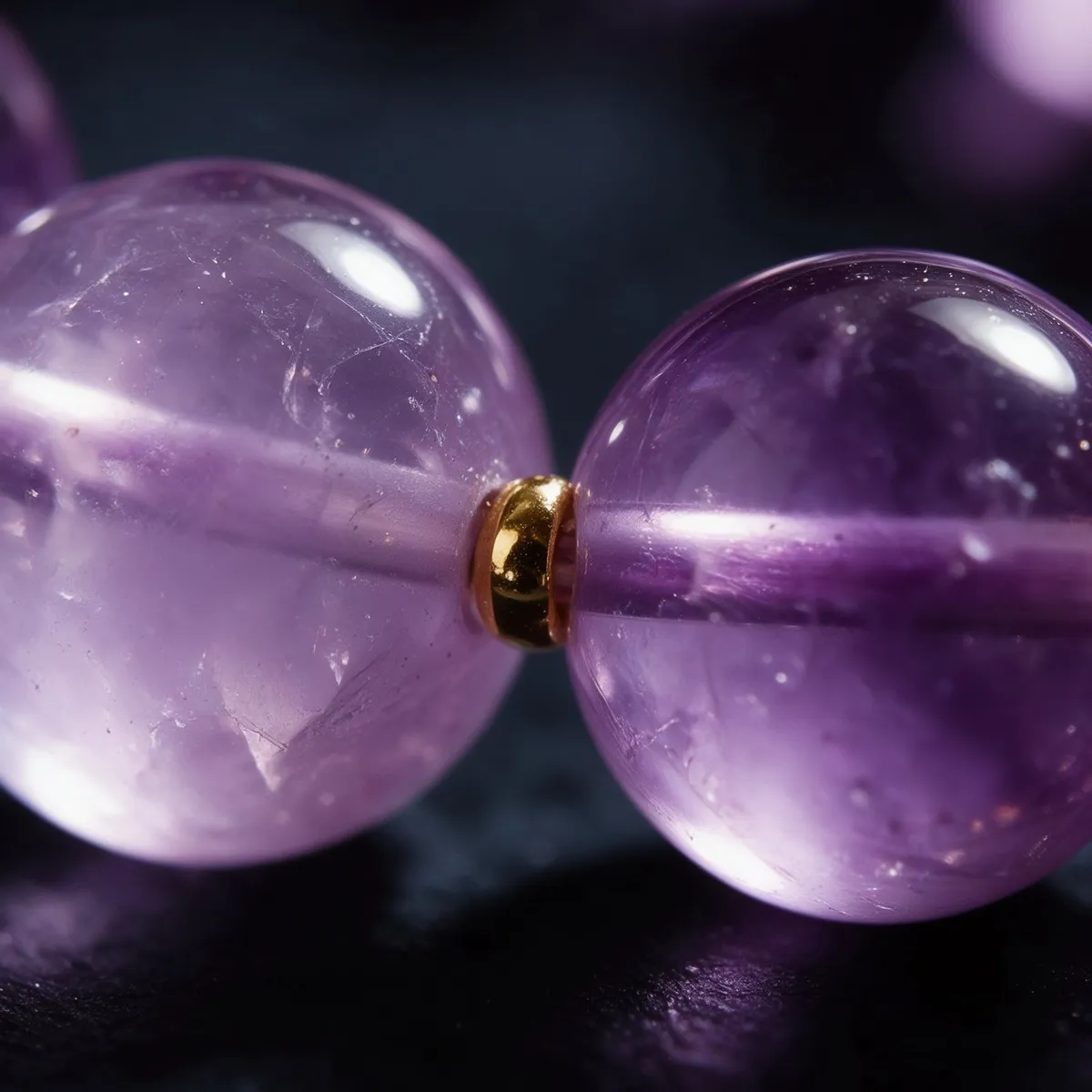
Sometimes the barrier to focus is not boredom but noise — mental chatter, anxiety, a mind that will not settle. Amethyst is traditionally associated with calm alertness, and many people use it as a wind-down stone before sleep as much as a study stone. If your focus problem is really a racing-mind problem, start here. The Amethyst Healing Bracelet for Calm & Clarity is wearable during study, and a Raw Amethyst Cluster works well on a desk or altar as a visual cue to slow down.
Tiger's Eye and Labradorite: for momentum and fresh angles
Tiger's Eye is traditionally associated with confidence and follow-through, making it a reasonable pick if your issue is starting or finishing rather than concentrating. Labradorite is associated with intuition and new perspectives — useful when you are stuck on a problem and need to approach it differently. Neither is a substitute for a study plan, but both work as tactile reminders of the approach you decided on.
How to Choose: A Practical Checklist
Before you buy anything, run through these questions. They will narrow the field faster than reading ten more stone lists.
- What is the actual problem? Scattered attention (fluorite), racing mind (amethyst), trouble starting (Tiger's Eye), long reading sessions (lapis), or a stuck project (labradorite).
- Worn or placed? Bracelets suit study blocks and commutes; pendants suit presentations and reading; loose stones or clusters suit a fixed desk or altar.
- Will you actually see it? A stone in a drawer does nothing. Choose a form that sits in your line of sight or on your wrist.
- Do you like how it looks? This matters more than it sounds. A stone you find pleasant is one you will keep on the desk.
- Is the price honest for the material? See the price section below before you spend.
- Can you care for it? Some stones fade in sunlight or dislike water; check the care notes before committing.
A Pre-Study Focus Ritual
The ritual matters more than the stone. Keep it short enough that you will actually do it every time:
- Clear the desk of everything except what the session requires.
- Put your phone in another room or face-down in a drawer — not just silent.
- Place your stone at the edge of the desk or on your wrist where your hand naturally rests.
- Hold it for three slow breaths and state one specific goal out loud or in writing: "I will read pages 40 to 55," not "I will study."
- Set a timer for 25 minutes and begin. When attention drifts, touch the stone, note the drift without judgment, and return to the page.
- At the end of the block, set the stone down deliberately — a small signal that the session is closed.
This pairs naturally with the Pomodoro technique. The stone is the anchor; the timer is the structure. If you want to build a broader wind-down or wind-up practice around it, our guide to crystals for meditation covers short sessions you can do before study.
Set Up a Distraction-Free Workspace
A calm desk supports a calm mind, and the stone should be part of the room's logic rather than an ornament on top of chaos. A few practical moves:
- One stone, one spot. Choose a fixed position — left of the keyboard, on the desk edge, or on a small tray — so reaching for it becomes automatic.
- Keep the desk surface mostly empty. Clutter competes with the stone for attention and undermines the cue.
- Control light and sound. Warm, indirect light and consistent background noise (or silence) reduce the number of things your attention has to filter.
- Separate study from rest. If you can, do not study in the same spot where you scroll or watch video; the association blurs.
- Add a cleansing habit. Many people wipe their desk stone weekly and rinse or smudge it as part of resetting the space. A Selenite Cleansing Wand is a common tool for this, though a dry soft cloth is perfectly adequate.
For more on placement, see our guide to the best crystals for office and workspace.
The lore, and what we can actually verify
It is worth separating two kinds of claims, because they are not equally reliable.
What the tradition says: In crystal healing lore, fluorite is called the "Genius Stone" and is said to organize scattered thoughts; clear quartz is described as an amplifier of intention; lapis lazuli is linked to wisdom and truthful speech; amethyst to calm and spiritual clarity. These are traditional associations passed down through popular crystal literature. They are meaningful as ritual and symbolism, and many people find them useful as prompts — but they are not scientific claims, and no crystal has been shown to improve concentration or memory in controlled research.
What we can verify: The mineral facts are checkable, and they matter for buying and care.
- Hardness (Mohs scale): Clear quartz is 7, amethyst is 7, Tiger's Eye is about 6.5–7, lapis lazuli is roughly 5–6, and fluorite is only 4. That means fluorite scratches easily — keep it in a soft pouch, away from keys and other jewelry, and do not store it loose in a bag.
- Sunlight: Amethyst and rose quartz can fade with prolonged direct sun exposure. Display them away from a hot, bright windowsill.
- Water and chemicals: Fluorite should not be soaked or cleaned with harsh cleaners; lapis lazuli is porous and can be damaged by water and chemicals. Wipe both with a dry or barely damp soft cloth. Clear quartz and amethyst tolerate a brief rinse, but drying promptly is always safer.
- Heat and knocks: All of these stones can chip. Bracelets take the most abuse — take them off for gym sessions, dishes and gardening.
- What "natural" means: Color-enhanced and dyed stones are common in the market. Reputable sellers state treatments; if a price seems impossibly low for deep, uniform color, ask.
Crystals are for reflection and are not medical devices. If difficulty concentrating is persistent, distressing, or affecting your daily life, speak with a qualified professional — a stone is not a substitute for that conversation.
Realistic Price Expectations
Crystal prices vary enormously with size, grade and setting, so treat these as broad ranges rather than quotes. Beaded bracelets of common stones like amethyst, fluorite or Tiger's Eye typically sit in the low-to-mid tens of dollars. Sterling silver pendants with a modest clear quartz point generally run higher, into the tens to low hundreds depending on the silver weight and stone quality. Gold-plated settings cost less than solid gold and will wear over time with daily use. Raw clusters are priced by size and specimen quality. If a piece is dramatically cheaper than comparable listings, suspect dyeing, reconstituted material, or a plated rather than solid setting — and ask the seller directly.
FAQ
People Also Ask
Where should I put a crystal for focus?
Within your line of sight on the desk — the edge nearest your non-dominant hand works well — or worn as a bracelet you can touch to reset. The key is that reaching for it is easy and automatic.
Which stones are best for exams?
Fluorite for organizing material and clear quartz for holding a single intention make a practical pair. If exam nerves are the bigger issue, amethyst is traditionally associated with calm alertness and may be a better fit.
How do I clean and care for focus stones?
Wipe with a soft dry cloth. Avoid soaking fluorite and lapis lazuli, keep amethyst out of prolonged direct sun, and store softer stones separately so they do not scratch. Remove bracelets for exercise and housework.
Do I need to "charge" or cleanse my stone?
There is no verifiable mechanism behind charging, but the habit is harmless and useful as a ritual: a weekly wipe-down and a moment of resetting your intention is a reasonable practice. Skip methods that damage the stone, such as salt water soaks for porous or soft materials.
Shop the Stones
- Rainbow Fluorite Focus Bracelet for Concentration
- Clear Quartz Point Pendant Necklace, Sterling Silver
- Lapis Lazuli Wisdom Pendant, Gold-Plated Chain
- Amethyst Healing Bracelet for Calm & Clarity
- Tiger's Eye Confidence Bracelet for Focus & Courage
Keep Exploring
Office & Workspace Crystals · Crystals for Meditation · Crystals for Confidence
Crystals are intended to support personal and spiritual well-being and are not medical devices. They do not diagnose, treat, cure, or prevent any disease. If you are struggling with your mental or physical health, please reach out to a qualified professional.