A Gentle Companion, Not a Cure
Maybe you're reading this in the first raw weeks after a loss, when the days blur and ordinary tasks feel enormous. Maybe it's been months, and the people around you have quietly moved on while your grief has not. Or maybe the loss isn't a death at all—a relationship, a friendship, a version of your life you thought you'd have. However you arrived here, you're likely looking for something small and quiet to hold onto, a physical anchor for feelings that are hard to put into words.
Crystals won't take the loss away. Nothing will, and anyone who promises otherwise is selling something. What a stone can offer is simpler and more honest: a smooth, cool weight in your palm, a reason to pause and breathe, a tangible reminder to be kind to yourself when you're being anything but. Many people find that a small object held during hard moments becomes a kind of companion—not because it fixes anything, but because it helps you stay present with what you feel.
This guide walks through the stones most often turned to during grief, how to choose and care for them, and how to build a gentle practice around them. It also separates what tradition claims from what we can actually verify, so you can approach this with clear eyes. And because grief is heavy, please read the rest of this page as an invitation, not a prescription: human support—friends, family, a therapist, a grief group—is the foundation. Crystals are the small stones you place around that foundation.
Stones Traditionally Turned To
Across many traditions, certain stones have been associated with comfort, compassion, and steadiness. None of these associations are medical claims; they're cultural and symbolic, and they work best as prompts for your own reflection. Here are the ones most commonly chosen for grief and loss:
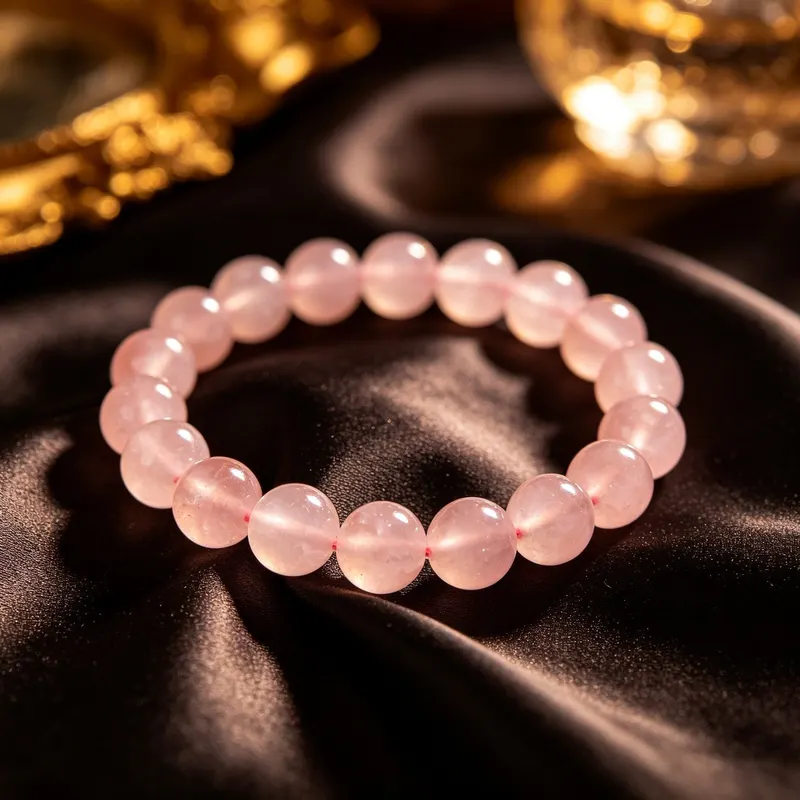
- Rose quartz: traditionally associated with soft compassion and self-kindness—useful when you're being hard on yourself for grieving "wrong" or "too long."
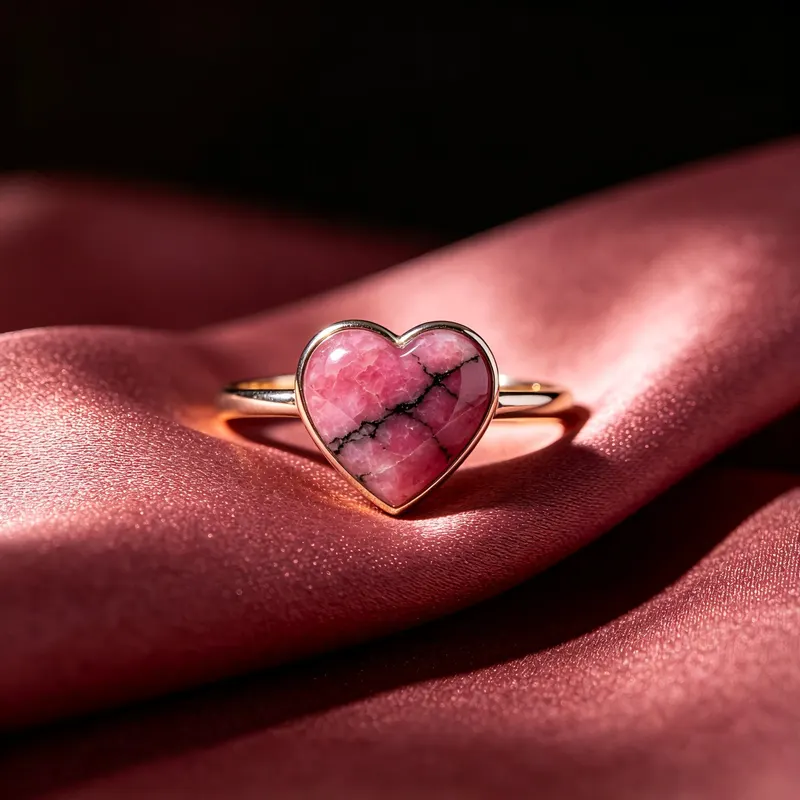
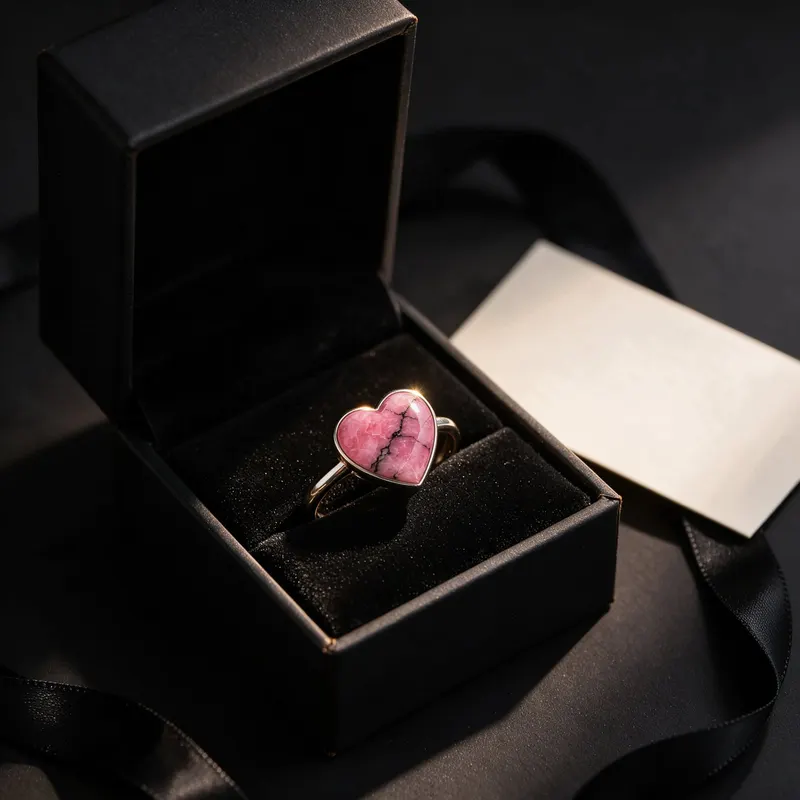
- Rhodonite: believed to support emotional balance and steady the heart through heartache; many people reach for it during waves of sadness.
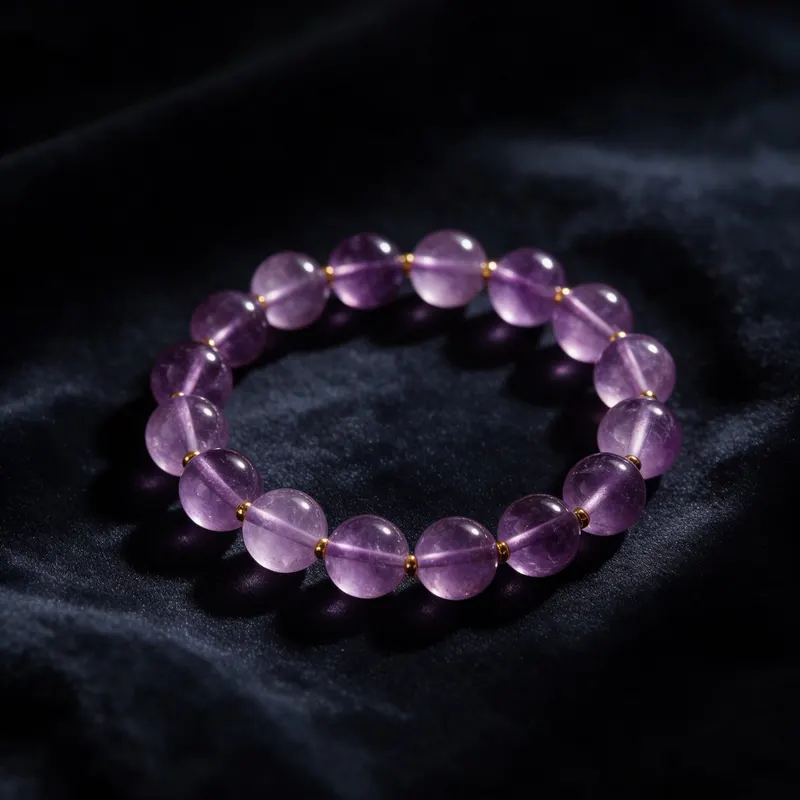
- Amethyst: traditionally associated with calm for a racing mind and gentler rest, which matters when grief disrupts sleep.
- Moonstone: associated with emotional cycles and new beginnings—a comfort when feelings arrive in unpredictable waves.
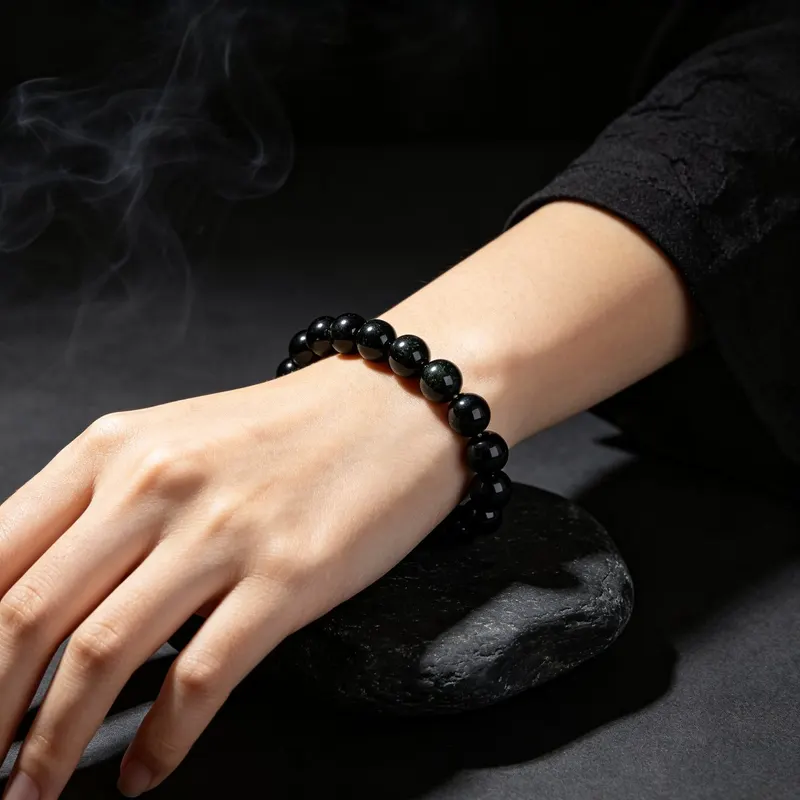
- Black tourmaline: traditionally used for grounding and protection, helpful when grief leaves you feeling unmoored or overwhelmed.
- Clear quartz: often described as an amplifier and clarifier; some use it simply as a neutral stone for meditation and reflection.
- Selenite: traditionally used for "clearing" energy—a symbolic reset between difficult days.
You do not need all of these. One stone you actually hold is worth more than seven sitting in a drawer.
How to Choose a Stone for Your Grief
Choosing during grief should be low-effort. You don't need a system; you need something that feels right in your hand. A few practical guidelines:
- Start with one stone. Pick the one whose description resonates most—or simply the one whose color you find soothing. There is no wrong answer.
- Choose a wearable if you want it with you. A Rose Quartz Love Bracelet or a Amethyst Healing Bracelet keeps the reminder on your wrist through workdays, errands, and sleepless nights.
- Choose a palm stone or ring if you want to hold something. A Rhodonite Heart Ring is small enough to touch discreetly during a hard meeting or a long night.
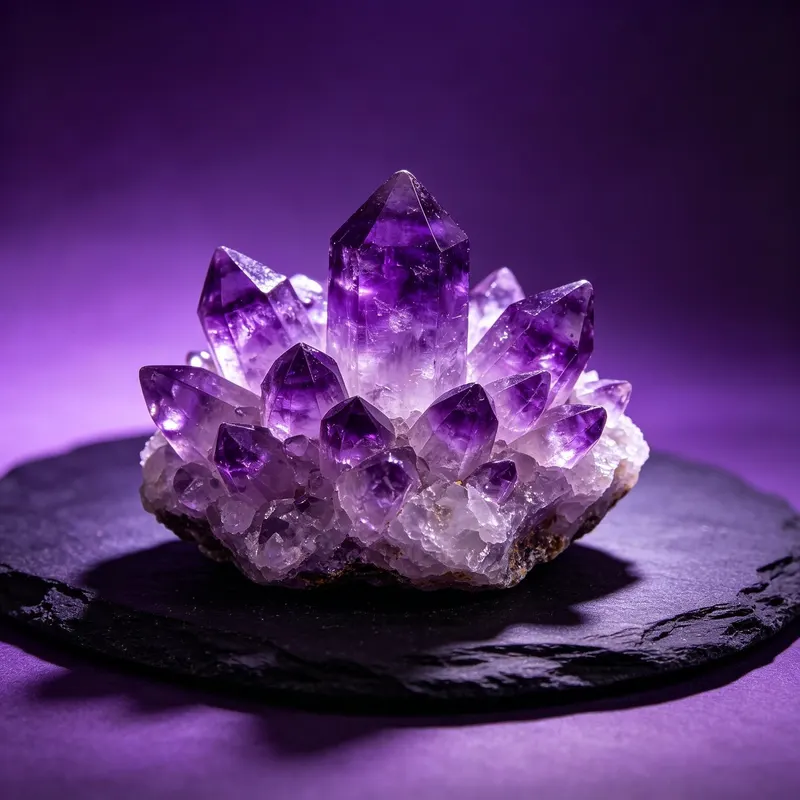
- Choose a cluster or wand if you want a ritual object at home. A Raw Amethyst Cluster can sit on a bedside table or altar; a Selenite Cleansing Wand gives you a simple, symbolic gesture for "starting fresh" on a difficult morning.
- Consider a set if you're unsure. A Healing Crystal Starter Kit lets you try several stones without committing to one.
If you're buying in person, hold a few and notice which one you keep returning to. If you're buying online, read the stone and size details carefully—more on that below.
Comparison: Which Stone for Which Moment
The table below maps common grief experiences to stones people traditionally reach for. Treat it as a menu of options, not a diagnosis of your feelings.
| What you're feeling | Stone often chosen | Typical form | How people use it |
|---|---|---|---|
| Harsh self-criticism, guilt | Rose quartz | Bracelet, pendant, tumbled stone | Worn daily as a reminder of self-kindness; held during reflection |
| Waves of heartache | Rhodonite | Ring, tumbled stone | Held or touched during difficult moments, especially before sleep |
| Racing mind, poor rest | Amethyst | Bracelet, cluster | Part of a wind-down routine; placed on a bedside table |
| Feeling unmoored or overwhelmed | Black tourmaline | Bracelet, tumbled stone | Carried in a pocket; held to "ground" before difficult tasks |
| Emotional ups and downs | Moonstone | Bracelet | Worn through cycles of feeling; used as a new-beginnings reminder |
| Wanting a simple ritual | Selenite, clear quartz | Wand, pendant | Used in a brief morning or evening clearing practice |
How to Use Them Gently
There is no correct way to use a crystal, and no schedule you need to keep. The point is to create small moments of pause. A few low-effort practices people find helpful:
- Pocket stone: Keep a tumbled stone in a pocket or bag and hold it when a wave hits—at your desk, on a walk, in the car.
- Wearable reminder: A bracelet or ring can serve as a quiet cue to breathe and check in with yourself. A Rose Quartz Heart Pendant Necklace keeps the reminder close to the heart, literally.
- Bedside anchor: Place an amethyst cluster or a smooth stone on your nightstand. Hold it as part of your wind-down routine, especially on nights when sleep is hard.
- Morning reset: A brief gesture with a selenite wand—a slow pass over your hands, a breath—can mark the start of a new day without pretending yesterday didn't happen.
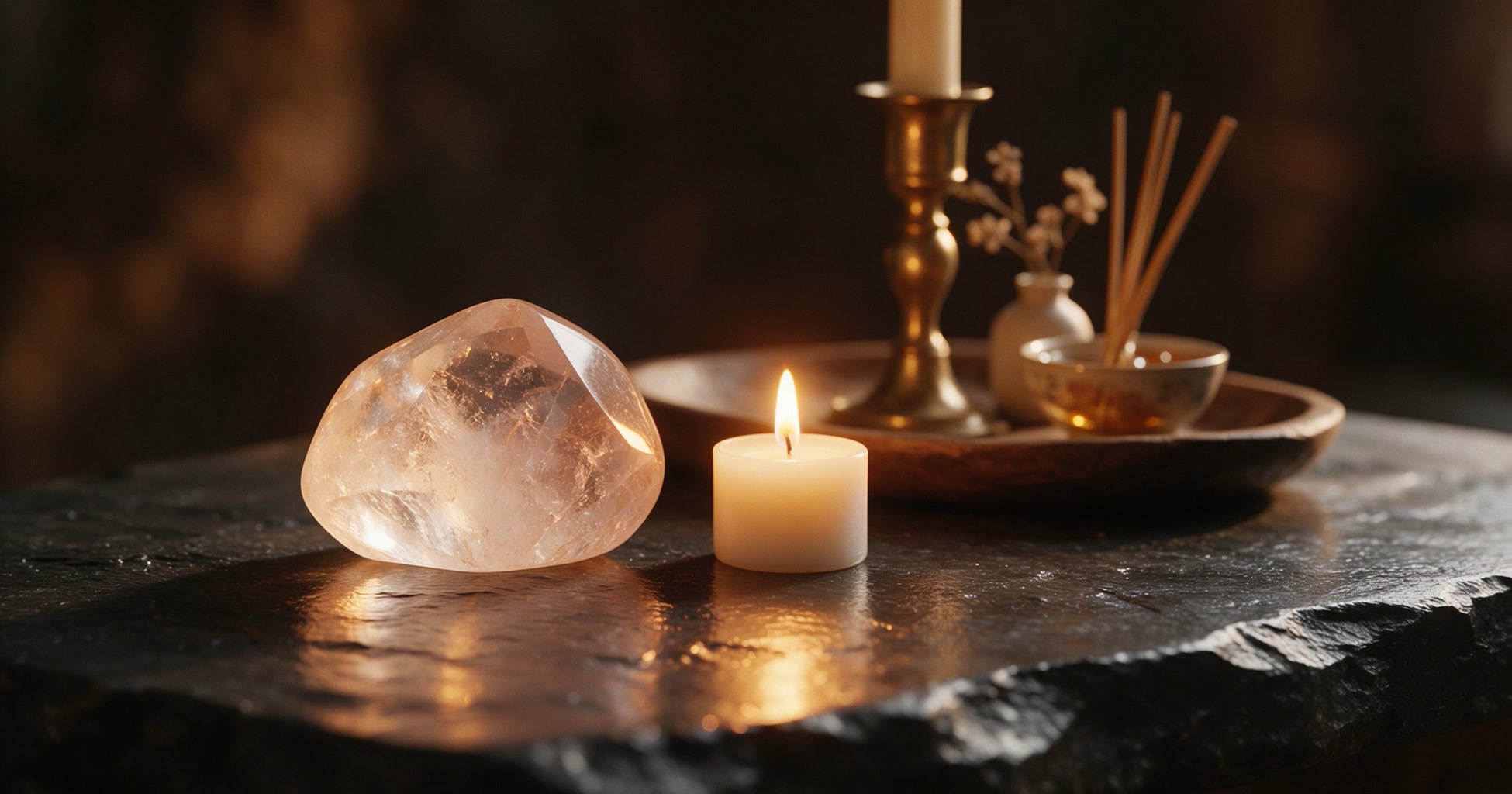
- Altar or shelf: A small arrangement of stones, a photo, and a candle can give grief a physical place in your home, which many people find comforting.
Keep it simple. If a practice starts to feel like a chore or an obligation, set it down. Grief is already enough work.
A Soft Practice
If you'd like a structured moment, try this five-minute practice. Sit somewhere comfortable. Cup the stone in both hands—or hold your ring or pendant. Breathe slowly, a little longer on the exhale than the inhale. Allow whatever you feel without trying to change it; sadness, numbness, anger, and relief are all allowed. When your mind wanders, return to the weight of the stone in your hands. Then say one compassionate phrase to yourself, such as "It's okay to be hurting" or "I'm allowed to take this slowly."
There is nothing to fix in that moment. The practice is not about feeling better on command—it's about giving yourself permission to feel what's actually there, with something small and steady in your hands.
What tradition holds — and what we can verify
It's worth being clear about the difference between lore and fact, because clarity is a form of care.
What tradition says: Rose quartz has long been associated with love and compassion; rhodonite with emotional balance; amethyst with calm and rest; moonstone with cycles and intuition; black tourmaline with grounding and protection. These associations come from folk and spiritual traditions, not from clinical research. They are meaningful to many people as symbols and prompts, and that symbolic value is real—but it is not medical evidence.
What we can verify: These are physical materials with measurable properties. On the Mohs hardness scale, quartz-family stones (rose quartz, amethyst, clear quartz) rate about 7, which means they resist scratching but can still chip. Rhodonite is softer, roughly 5.5–6.5, so a rhodonite ring can scratch or wear with daily hard use. Moonstone and labradorite are feldspars around 6–6.5 and are somewhat brittle. Selenite is very soft—about 2—and dissolves in water, so it should never be soaked or worn in the shower. Black tourmaline is comparatively tough at around 7–7.5.
Care implications: Keep soft stones like selenite and rhodonite away from water, harsh cleaners, and knocks. Most quartz-family stones can be wiped with a damp cloth, but avoid prolonged soaking, especially for bracelets with elastic cord or plated metal. Sunlight can fade some dyed or heat-treated stones over long periods, so store them away from a bright windowsill. Remove rings and bracelets before cleaning, gardening, or the gym. And if a stone breaks, that's normal wear—not a bad omen.
Crystals are for reflection and are not medical devices.
What to Look For and What to Expect to Pay
Crystal pricing varies widely, and it helps to know what drives it. Size, clarity, color saturation, cut, and the metal used in jewelry all matter. Here's a realistic sense of what to expect:
- Tumbled stones: often a few dollars to around $15, depending on size and quality.
- Elastic bracelets: commonly $15–$45 for natural stone beads; higher for large-bead or premium-clarity pieces.
- Pendants on sterling silver or gold-plated chains: typically $30–$90; solid gold will be considerably more.
- Rings: often $25–$70 depending on the stone and setting.
- Clusters and wands: roughly $20–$80 for display-size pieces; large specimens cost more.
- Sets and kits: often $30–$80, which can be better value than buying stones individually.
What to look for: clear product photos, stated stone type and size, and honest descriptions of any treatments (heat treatment and dyeing are common and not inherently bad, but should be disclosed). Be cautious of claims that a stone will "heal" or "cure" anything—no reputable seller should promise that. For jewelry, check the clasp and cord quality; elastic should be knotted securely and not overly stretched.
FAQ
People Also Ask
What crystal is best for grief?
There's no single "best" stone—grief is personal. Rose quartz is often chosen for self-compassion, rhodonite for steady emotional support, and amethyst for calmer rest. Choose the one that feels most comforting to hold.
Can crystals help with grieving?
Many people find them a comforting tactile anchor and a prompt for reflection. They are not a treatment for grief and do not replace support from loved ones, a therapist, or a grief group.
How do you use a crystal when grieving?
Hold a smooth stone during difficult moments, keep one nearby at night, or wear a bracelet or ring as a gentle reminder of self-kindness. A brief breathing practice with the stone in your hands is enough.
How do I care for grief stones?
Wipe most stones with a soft damp cloth and dry them. Keep soft stones like selenite and rhodonite away from water, and remove jewelry before cleaning or exercise. Store pieces separately to avoid scratches.
More Support
For the specific ache of a relationship ending, see our guide to heartbreak healing; for rebuilding self-compassion, explore self-love crystals and stress support. If grief is making daily life hard to manage, please reach out to a qualified professional—that is the most important step you can take.
Shop the Stones
- Rose Quartz Love Bracelet
- Rhodonite Heart Ring
- Amethyst Healing Bracelet
- Raw Amethyst Cluster
- Selenite Cleansing Wand
Keep Exploring
Heartbreak Healing Crystals · Self-Love Crystals · Anxiety & Stress Crystals
Crystals are intended to support personal and spiritual well-being and are not medical devices. They do not diagnose, treat, cure, or prevent any disease. If you are struggling with your mental or physical health, please reach out to a qualified professional.