When Your Heart Needs a Gentle Place to Land
Maybe it ended last week, or maybe it ended months ago and you're still carrying it. Maybe it wasn't a breakup at all—a friendship that quietly faded, a loss you're still naming, a disappointment that settled deeper than you expected. However the ache arrived, you're here looking for something to hold onto, and that makes sense.
Crystals won't fix a broken heart. Nothing does that on a schedule. But many people find that a smooth stone in a pocket or a pendant against the chest becomes a small, steady anchor—something to touch when the day gets heavy, a physical reminder to breathe and be gentle with yourself. Think of it less as a cure and more as a companion for the walk.
This guide covers which stones are traditionally associated with grief, release, and renewal, how to choose one that fits your situation, how to care for it, and a simple ritual for moving forward. It also separates what the tradition says from what we can actually verify, so you can hold your practice with both an open heart and clear eyes.
Choosing a Stone for the Kind of Grief You're Carrying
Heartbreak isn't one feeling—it's a stack of them. Sadness, anger, relief, guilt, numbness, hope. Different stones are traditionally associated with different aspects of that experience, so start by naming what you most need right now.
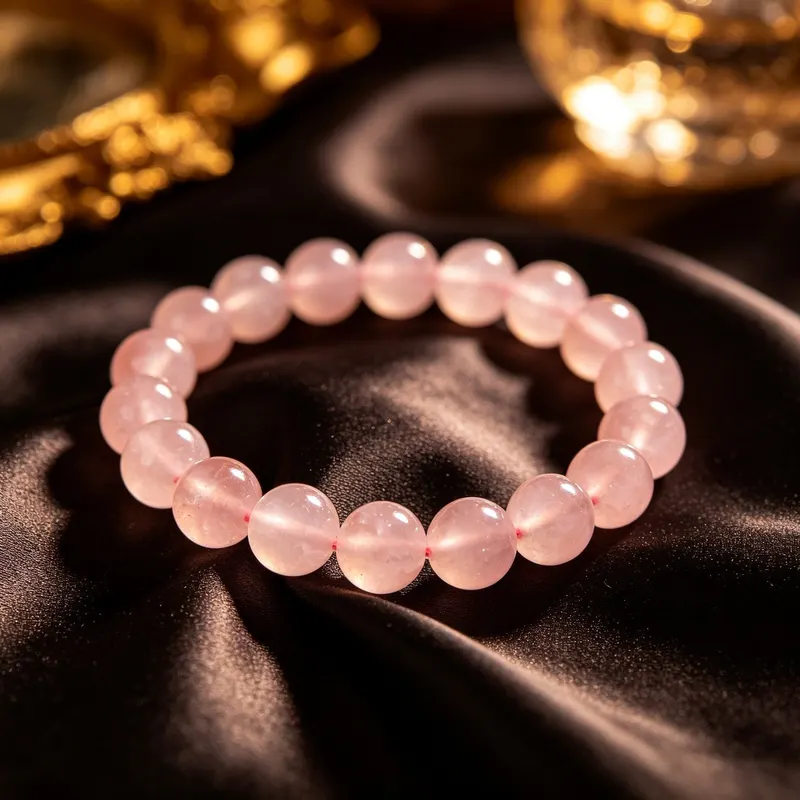
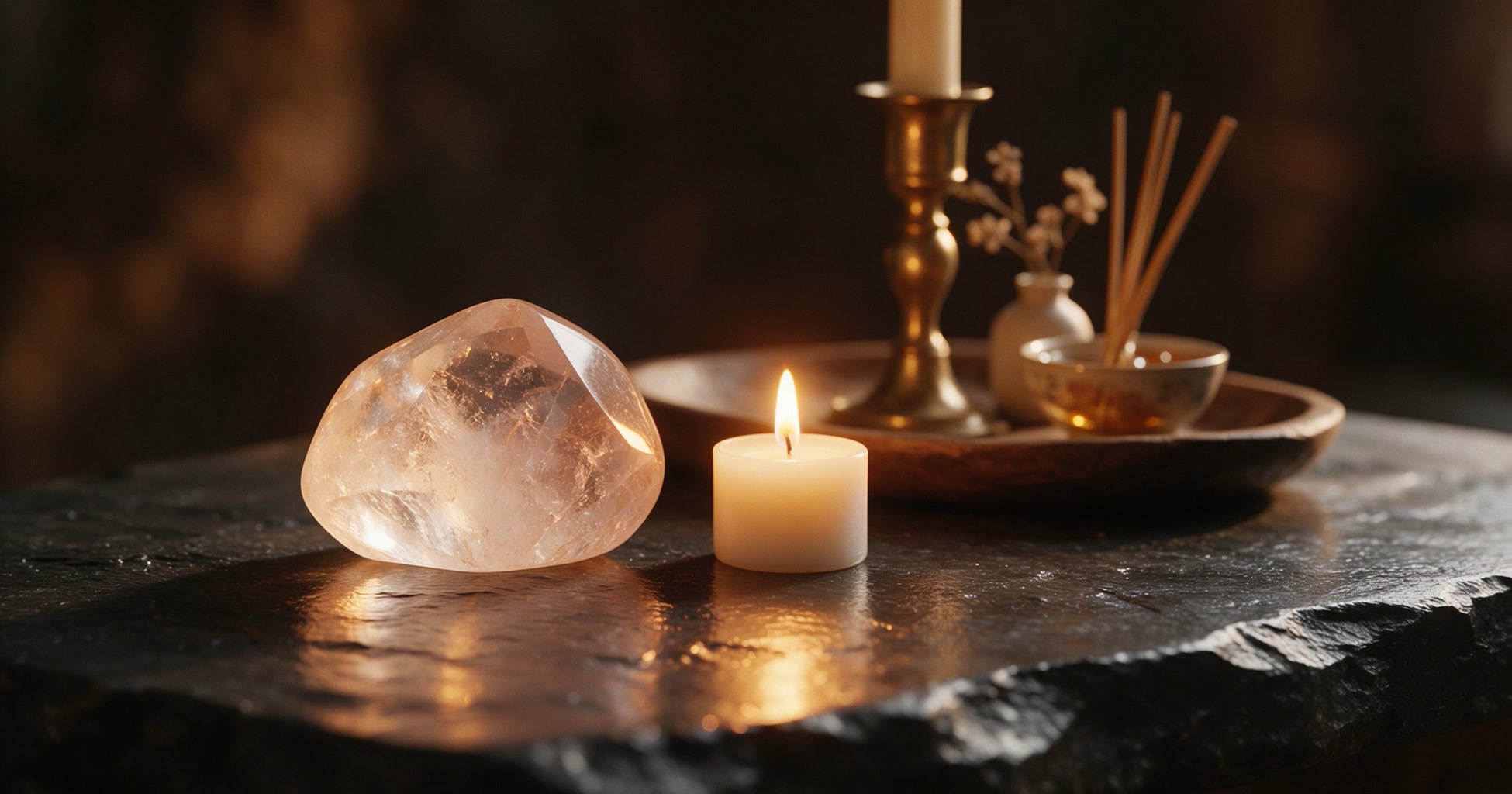
- If you need softness and self-compassion: Rose Quartz is the gentlest starting point. It's traditionally associated with self-love and is often chosen when the hardest part is being kind to yourself.
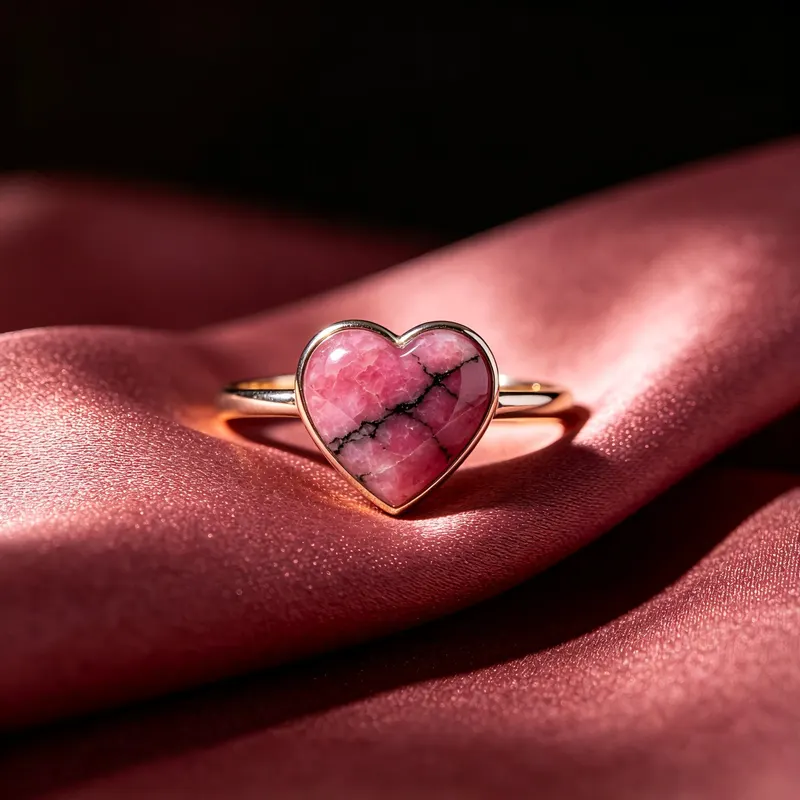
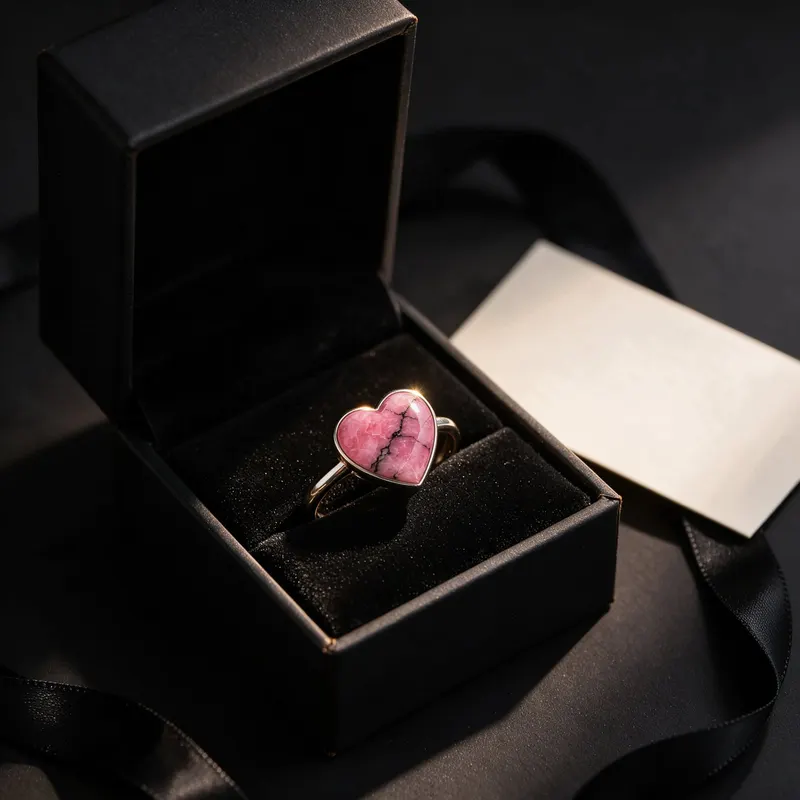
- If you're processing old wounds or struggling to forgive: Rhodonite is the classic stone for heartache and forgiveness—including forgiving yourself.
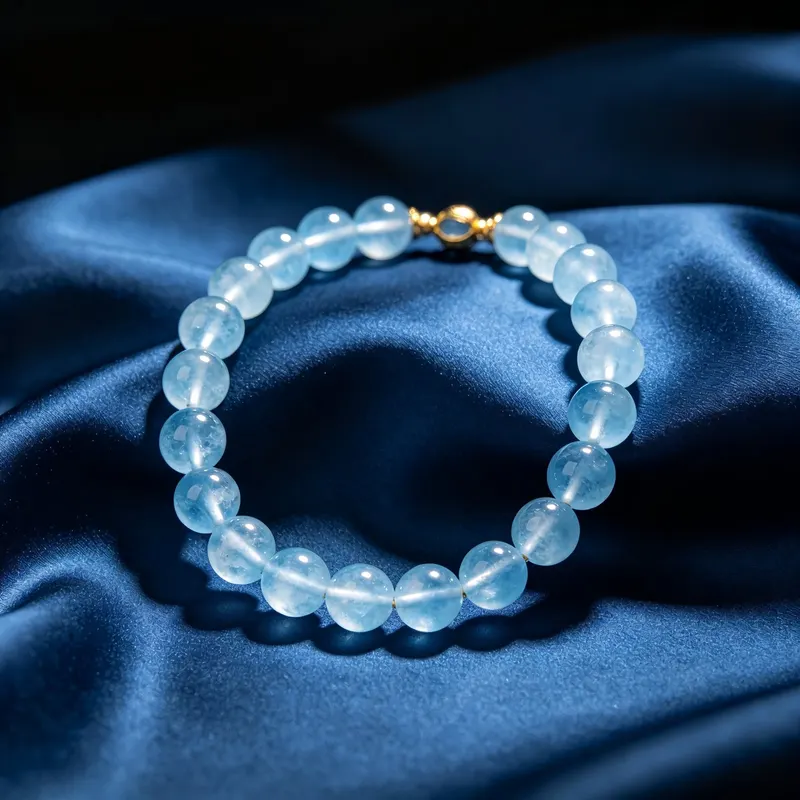
- If you need to say something or hold a difficult conversation: Aquamarine is traditionally linked to calm, compassionate communication.
- If you're in a season of change and don't know what's next: Moonstone is believed to support emotional cycles and new beginnings.
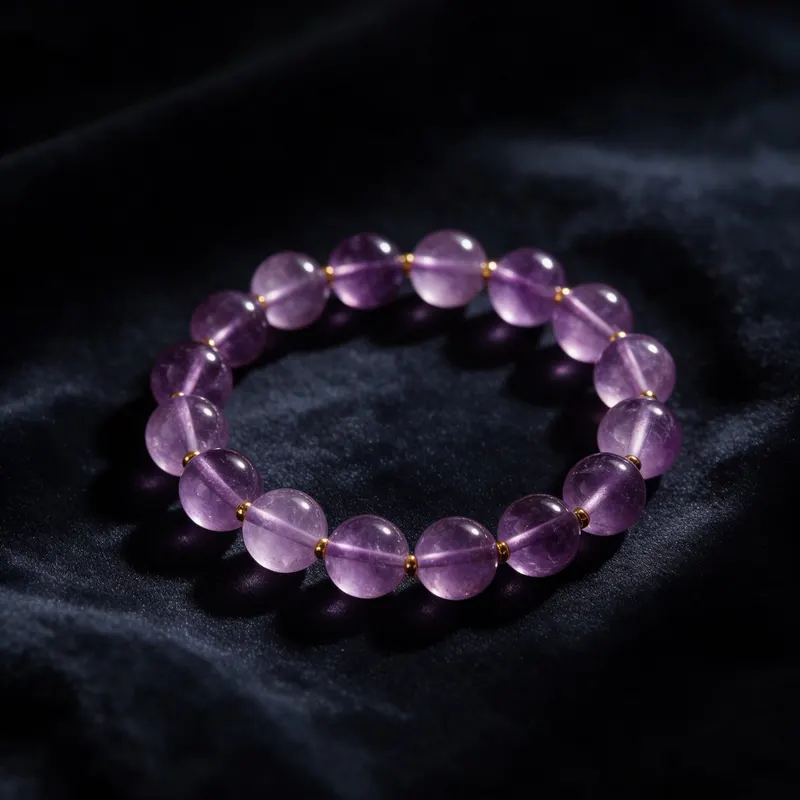
- If your mind won't stop replaying things at night: Amethyst is traditionally associated with calm and quieting restless thoughts.
- If you feel ungrounded or emotionally exposed: Black Tourmaline is often chosen for grounding and a sense of protection.
- If you're ready to rebuild confidence: Tiger's Eye is traditionally associated with courage and steady focus.
You don't need all of them. One well-chosen stone you actually carry is worth more than a drawer full you never touch.
Stones for Heartbreak: A Quick Comparison
Here's how the most common heartbreak stones differ, so you can match one to your moment rather than guessing.
| Stone | Traditionally associated with | Best worn as | Care note |
|---|---|---|---|
| Rose Quartz | Self-love, softness, comfort | Bracelet or pendant | Fades in prolonged direct sun; keep away from heat |
| Rhodonite | Heartache, forgiveness, emotional processing | Ring or pocket stone | Moderately hard; avoid harsh chemicals and ultrasonic cleaners |
| Aquamarine | Calm, clear communication, serenity | Necklace | Harder than it looks but can chip; avoid knocks |
| Moonstone | Emotional cycles, intuition, new beginnings | Bracelet | Softer stone; protect from scratches and sudden temperature change |
| Amethyst | Calm, restful thoughts, meditation | Bracelet or cluster at home | Fades in strong sunlight; keep dry and cool |
| Black Tourmaline | Grounding, protection, steadiness | Bracelet | Durable; wipe clean with a soft cloth |
How to Choose: A Practical Checklist
Buying a crystal for emotional support is a personal decision, but a few practical checks will help you end up with something you'll actually keep close.
- Start with the feeling, not the label. Pick the stone whose traditional associations match what you need this week—not the one that sounds most impressive.
- Consider how you'll wear it. Bracelets are easy to keep on all day; pendants sit close to the chest and feel more private; rings are good for a stone you want to touch discreetly.
- Check the size. Bracelets are usually sold in a range of wrist sizes—measure your wrist with a soft tape and add about half an inch for a comfortable fit. Pendants are typically listed by stone dimensions and chain length; a 16–18 inch chain sits near the collarbone, 20 inches and up hangs lower.
- Look at the stone, not just the photo. Natural stones vary in color and pattern, so a little difference from the listing is normal and not a defect.
- Ask about the metal. Sterling silver and gold-plated findings are common; if you have sensitive skin, confirm what the chain or band is made of before buying.
- Set a realistic budget. Simple beaded bracelets and small pendants typically run from about $25 to $80; larger statement pieces and higher-grade stones cost more. You don't need an expensive stone for this practice.
Stones to Keep Close During Heartbreak
If you want a place to start, these are the pieces most often chosen for this season of life.
The Rose Quartz Love Bracelet is the softest entry point—wear it on the wrist you tend to touch when you're anxious, and let it be a reminder to speak to yourself the way you'd speak to a friend. For the harder work of processing and forgiving, the Rhodonite Heart Ring keeps a heartache stone literally at hand. If your grief involves words left unsaid or a conversation you're dreading, the Aquamarine Serenity Necklace is traditionally associated with calm, compassionate communication.
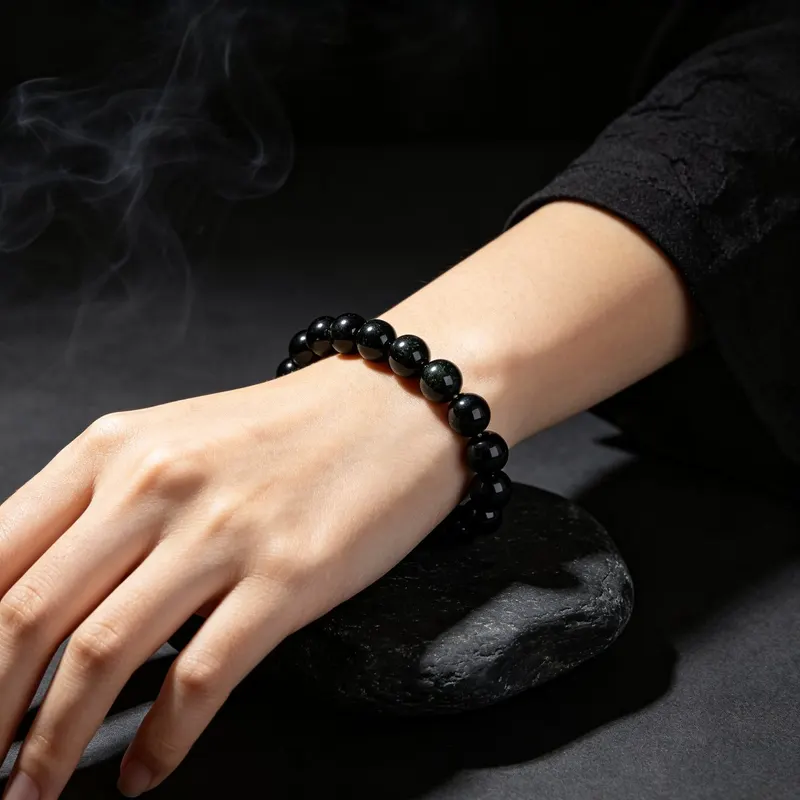
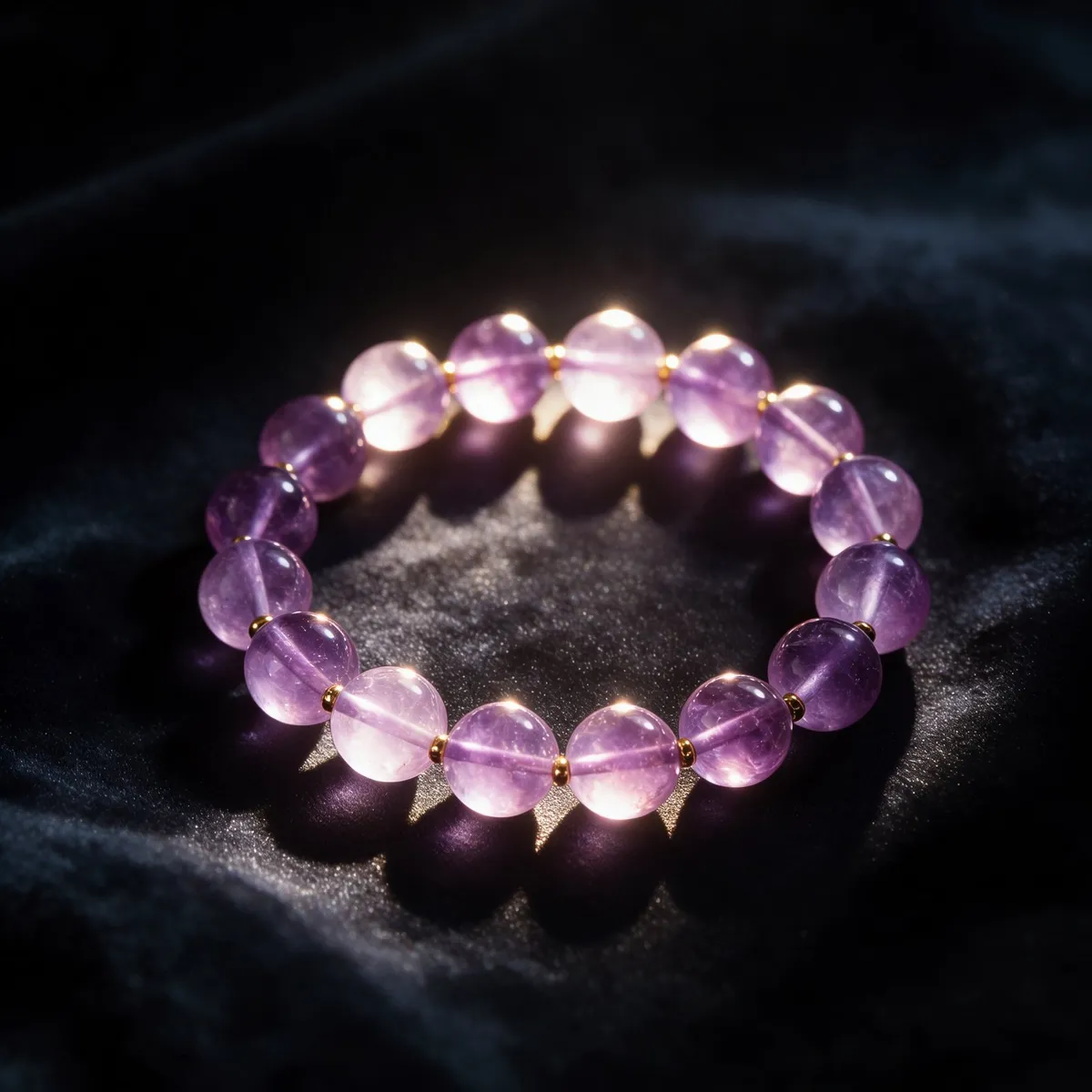
For restless nights and a mind that won't quiet down, the Amethyst Healing Bracelet is a gentle companion, and a Raw Amethyst Cluster on a bedside table makes a calming focal point for evening wind-down. If you feel emotionally exposed or ungrounded, the Black Tourmaline Protection Bracelet is often chosen for steadiness. And when you're ready to look toward what's next, the Rainbow Moonstone Bracelet is traditionally associated with new beginnings.
Not sure which to pick? The Healing Crystal Starter Kit includes seven stones and a guide, which is a low-pressure way to explore before committing to a single piece.
A Soothing Release Ritual
Ritual doesn't have to be elaborate. What matters is that it's repeatable and kind. Try this when you have ten quiet minutes.
- Set the space. Sit somewhere calm. Dim the lights if you can. Put your phone face down.
- Hold the stone. Take your rhodonite (or whichever stone you've chosen) and rest it over your heart, or hold it loosely in both hands.
- Breathe slowly. Four counts in, six counts out, for a few rounds. Let your shoulders drop.
- Name what's there. Without judging it, notice what surfaces—sadness, anger, relief, numbness. You don't have to solve it. Just let it be seen.
- Visualize softening. Imagine the feeling loosening, like ice melting, rather than being pushed away.
- Close gently. Place a rose quartz nearby as a symbol of the love that begins within. Say something kind to yourself out loud if you can.
Repeat it as often as it helps—daily, weekly, or just on the hard days. There's no correct frequency.
What the old stories say — and what checks out
Crystal healing is a spiritual and cultural tradition, not a science, and it's worth being honest about the difference. Here's how to hold both.
What the tradition says: Rose quartz has long been associated with the heart and with self-love; rhodonite with forgiveness and emotional processing; amethyst with calm and restful thought; moonstone with cycles and intuition; aquamarine with calm communication. These associations come from folklore, metaphysical practice, and centuries of use—not from clinical research. There are no studies establishing that any crystal treats grief, anxiety, or any other condition.
What we can verify: the physical properties of the stones, which matter for care and longevity.
- Hardness (Mohs scale): Quartz-family stones like amethyst and rose quartz sit around 7, which is reasonably durable for daily wear. Moonstone is softer, around 6–6.5, and scratches more easily. Rhodonite is roughly 5.5–6.5 and can chip with hard knocks. Aquamarine is around 7.5–8 but can still fracture along cleavage lines.
- Sunlight: Amethyst and rose quartz can fade with prolonged direct sun exposure. Store them away from a sunny windowsill.
- Water and chemicals: Avoid soaking most stones in water, and keep them away from perfume, hairspray, chlorine, and household cleaners. Ultrasonic cleaners are not recommended for softer or porous stones.
- Cleaning: A soft dry or barely damp cloth is the safest routine for nearly every stone. Wipe jewelry after wearing and store pieces separately to prevent scratching.
- What it can't do: A stone cannot mend a relationship, guarantee an outcome, or replace professional care. Its value is symbolic and emotional—and that's real, even if it isn't measurable.
Crystals are intended for reflection and personal ritual; they are not medical devices and do not diagnose, treat, cure, or prevent any disease.
FAQ
People Also Ask
How long should I carry a heartbreak stone?
For as long as it feels comforting. Some people keep the same stone for years; others swap it out as their needs change. There's no timeline for healing, and no rule about when to stop.
Can crystals replace therapy?
No. They're supportive keepsakes, not treatment. If grief, anxiety, or low mood is affecting your daily life, a licensed therapist or counselor is the right resource—and a stone can sit alongside that work, not instead of it.
How do I care for and cleanse my stone?
Wipe it with a soft cloth after wearing and store it separately from other jewelry. Many people also "cleanse" stones energetically—by setting them in moonlight, smudging, or placing them near selenite—but treat these as personal ritual rather than maintenance. Avoid soaking stones in water or leaving them in direct sun.
Which stone is best if I'm not sure what I need?
Start with rose quartz. Its associations with self-love and gentleness make it a safe, versatile choice for almost any kind of heartache, and it's easy to wear every day.
Be Kind to Yourself
Pair your crystal practice with the unglamorous basics: rest, movement, time outside, and connection with people who support you. A stone can remind you to breathe, but the healing happens in how you treat yourself day to day. When you're ready to go a little deeper, our guide to crystals for self-love is a natural next step, and if anxiety is part of the picture, crystals for anxiety and stress relief may help too.
Keep exploring: Crystals for Self-Love · Rose Quartz Meaning · Crystals for Anxiety
Crystals are intended to support personal and spiritual well-being and are not medical devices. They do not diagnose, treat, cure, or prevent any disease. If you are struggling with your mental or physical health, please reach out to a qualified professional.