Introversion Is a Strength to Protect
If you have ever left a good party early, stood in the bathroom for five quiet minutes at a work event, or felt a strange kind of hangover the morning after a busy day of meetings, you already understand the introvert's rhythm. Nothing is wrong with you. You simply run on a battery that recharges in quiet, and every crowded room, group conversation, and background hum of stimulation draws it down.
Many introverts turn to crystals as part of a broader energy-care practice: a small, tactile object that reminds them to check in, set a boundary, and step away before they are completely depleted. This guide walks through which stones are traditionally associated with protection, calm, and recovery, how to wear and care for them, and how to build a realistic routine around your actual life—not an idealized one.
Think of crystals as anchors for intention rather than magic switches. They work best alongside real boundaries, genuine rest, and honest communication about what you need.
Why Introverts Gravitate to Crystals
Introversion is not shyness, and it is not a problem to fix. It is a preference for lower-stimulation environments and deeper, smaller-scale connection. The challenge is that modern life rarely offers that by default, so introverts often need deliberate tools to manage their energy across a long day.
Crystals appeal for a few practical reasons. They are portable, they are tactile (holding something cool and smooth can itself be calming), and they give a physical cue to a mental intention. When you touch a black tourmaline bracelet before walking into a crowded room, you are pairing a sensation with a reminder: I can stay grounded here, and I can leave when I need to.
That pairing is the whole mechanism. The stone does not do the work for you—it helps you remember to do it.
A Quiet Support Set: Stones Traditionally Associated With Boundaries and Recovery
You do not need a large collection. Three or four stones cover most introvert needs: one for boundaries in public, one for settling an overstimulated mind, one for self-compassion afterward, and optionally one for clarity when you need to communicate a limit.
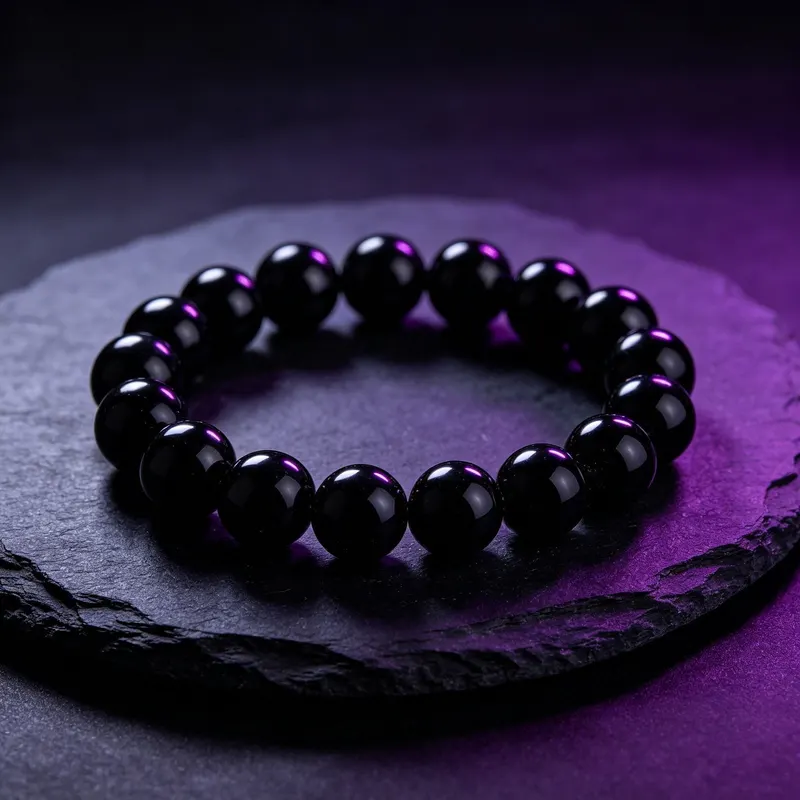
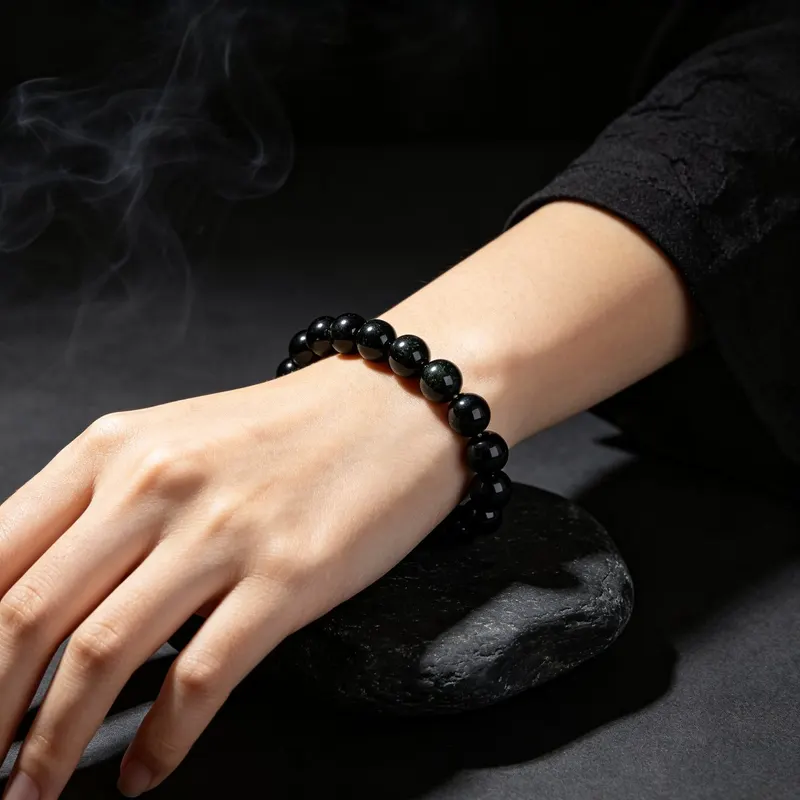
- Black tourmaline for boundaries. Traditionally associated with protection and grounding, it is the stone many people reach for before crowds, travel, or draining conversations. A Black Tourmaline Protection Bracelet for Grounding keeps it on your wrist where you can touch it discreetly.
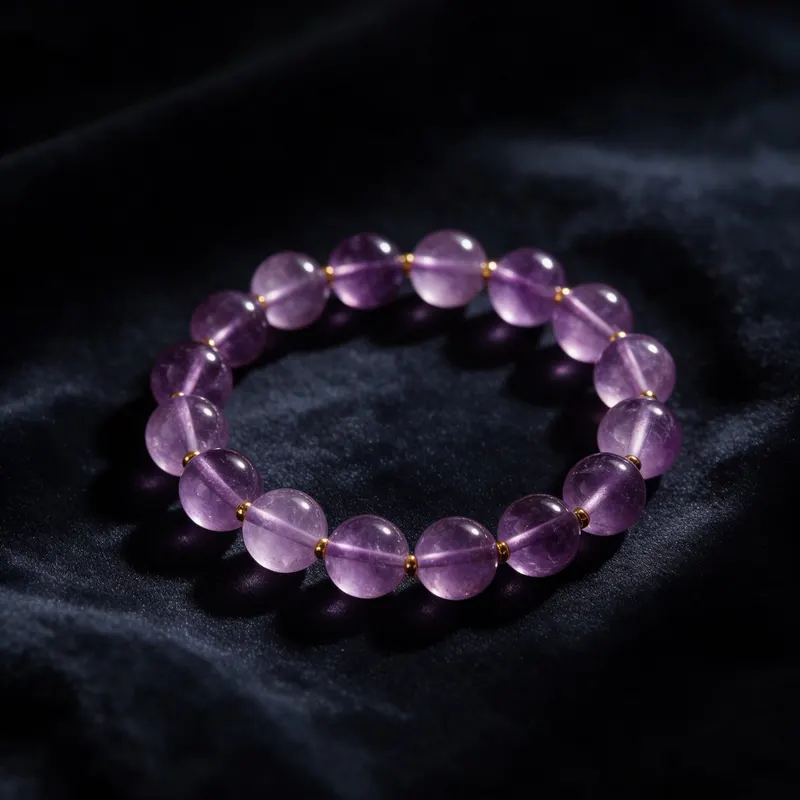
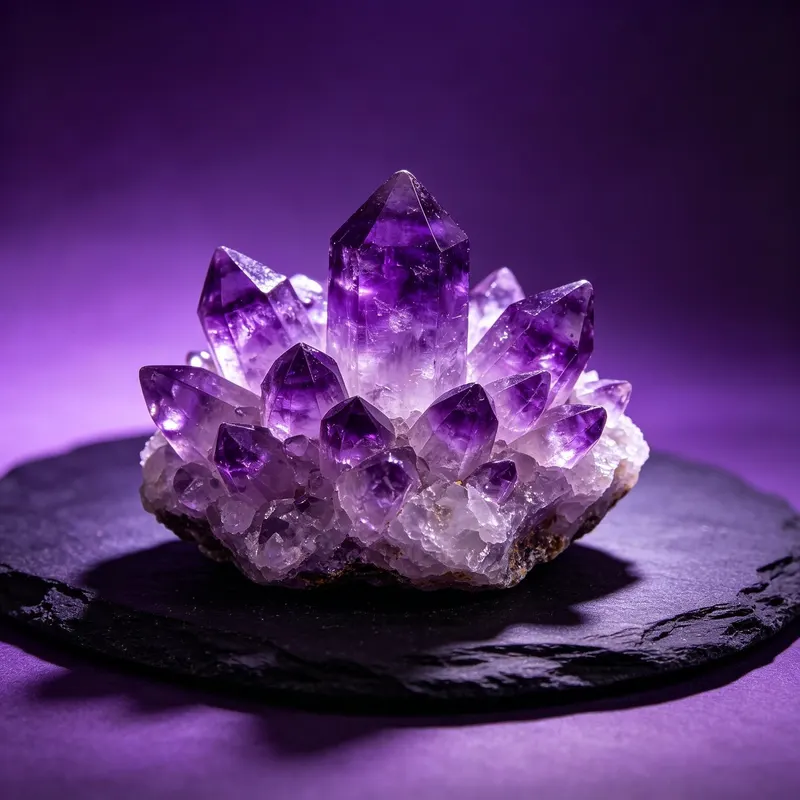
- Amethyst for an overstimulated mind. Believed to support calm and mental clarity, amethyst is a natural fit for the wind-down after a social day. The Amethyst Healing Bracelet for Calm & Clarity is easy to wear; a Raw Amethyst Cluster works well on a bedside table or altar for evening quiet.
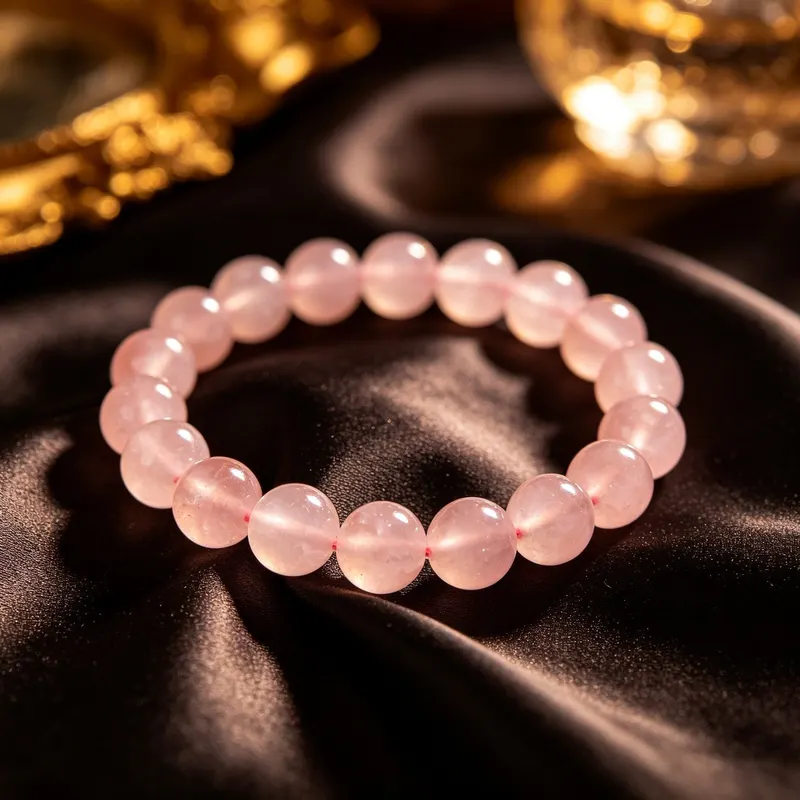
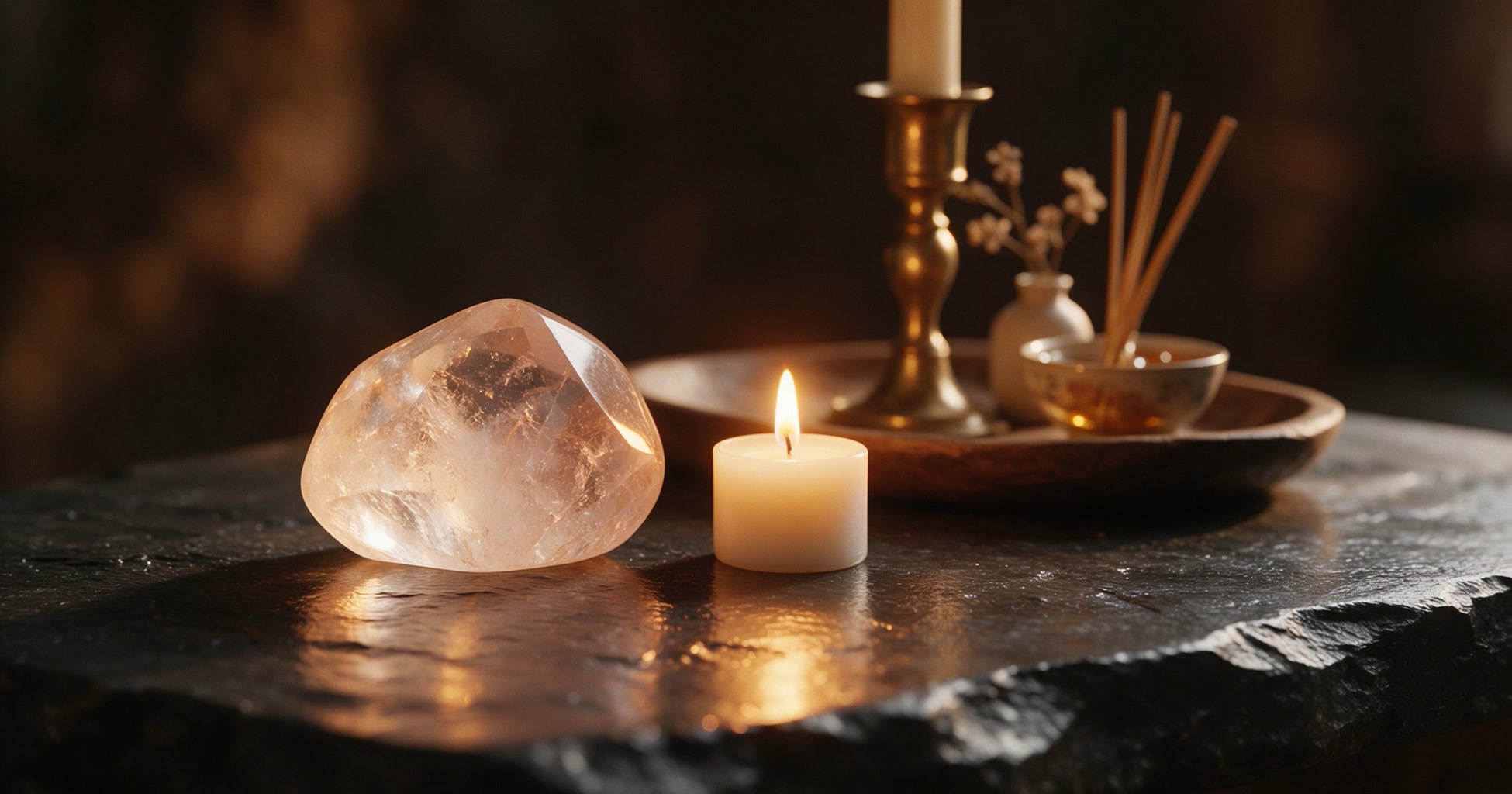
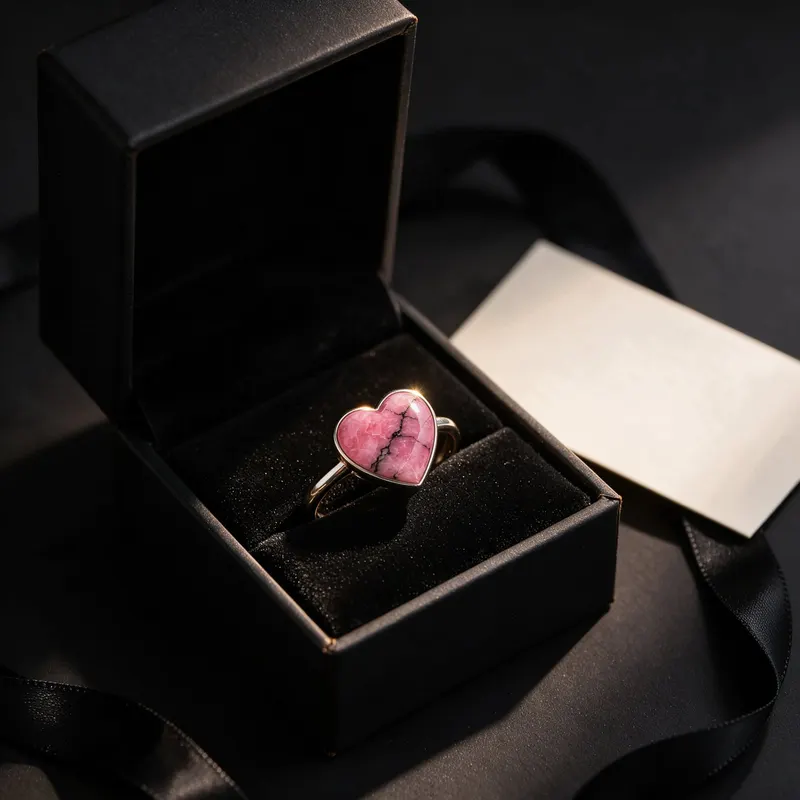
- Rose quartz for self-compassion. Introverts are often hard on themselves for needing downtime. Rose quartz is traditionally associated with gentle self-love, which makes it a fitting stone for the recovery window. The Rose Quartz Love Bracelet for Self-Love & Heart is a simple everyday option.
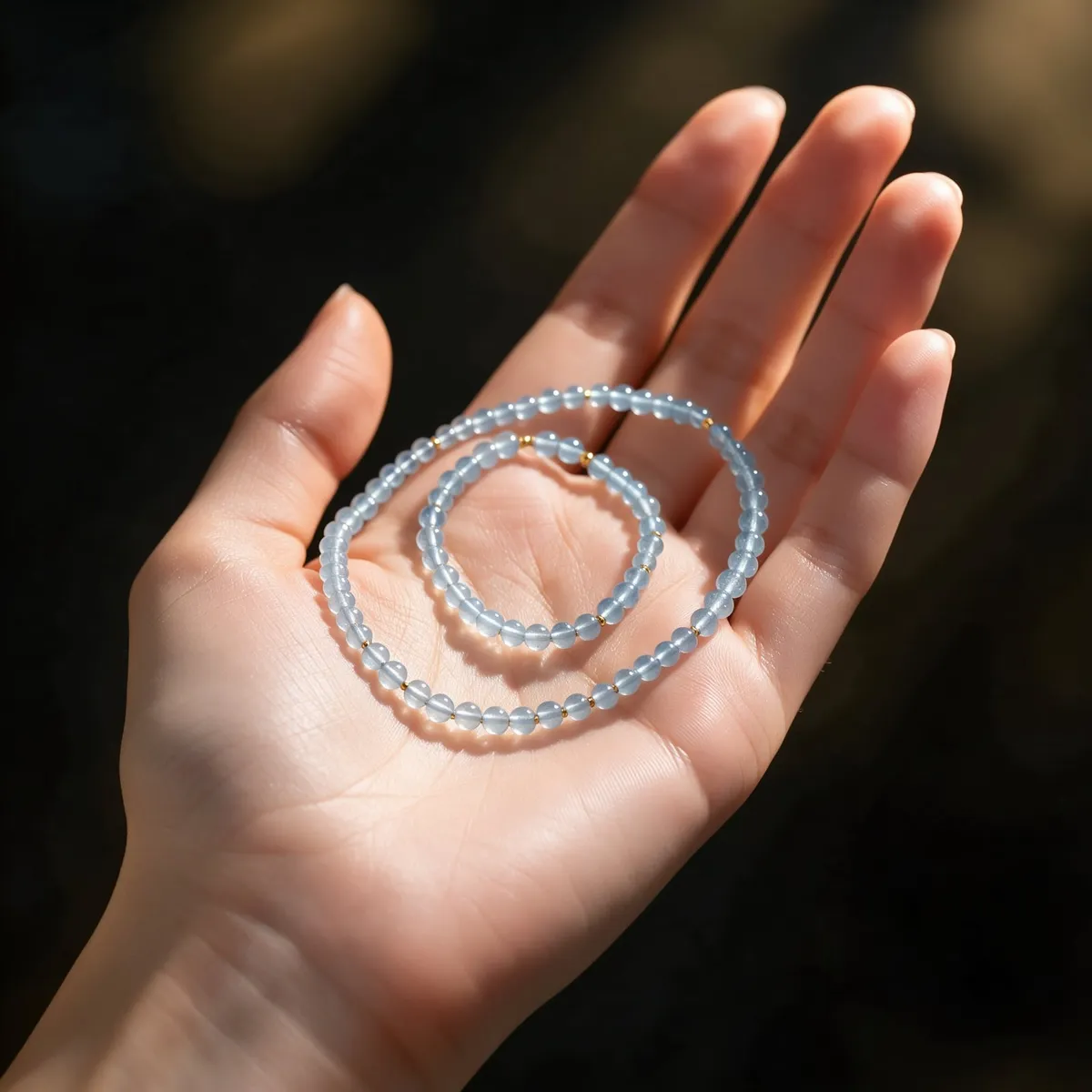
- Aquamarine for calm communication. If your challenge is speaking up about your limits—declining the third social invitation, asking for a quieter workspace—aquamarine is traditionally associated with calm, clear expression. The Aquamarine Serenity Necklace for Calm Communication suits that intention.
If you are new to crystals and want to experiment before committing to a set, a Healing Crystal Starter Kit with seven stones and a guide is a low-pressure way to find which ones you actually reach for.
How to Choose: A Practical Checklist
Choosing a stone is partly intuitive and partly practical. Use this checklist so you end up with something you will actually wear or use.
- Match the stone to the moment. Boundaries in public (black tourmaline, obsidian), recovery at home (amethyst, rose quartz), communication (aquamarine, lapis lazuli), focus at work (fluorite, tiger's eye).
- Choose a format you will use. Bracelets suit people who forget to pocket things. Pendants sit close to the body and are easy to wear under a shirt. Raw pieces and wands are better for a desk, nightstand, or meditation corner.
- Check sizing before you buy. Most beaded bracelets are 7–8 inches (18–20 cm) in circumference and strung on elastic. Measure your wrist with a soft tape or a strip of paper, then add about half an inch for comfort. If you are between sizes, size up.
- Look at the stone itself. Natural stones vary in color and pattern—that is normal. Avoid pieces with obvious cracks running through the bead, chipped edges, or a dull, cloudy finish on clear stones like quartz. For elastic bracelets, check that the knot is secure and hidden.
- Set a realistic budget. Beaded bracelets in natural stones typically run from about $20 to $60. Pendants in sterling silver or gold-plated settings generally start around $40 and climb with metal quality and stone size. Large raw clusters and display sets sit higher. You are paying for the stone, the setting, and the finish—not for certification, which most wellness-grade crystal jewelry does not carry.
- Start small. One or two stones worn consistently will do more for your routine than a drawer full of pieces you never touch.
A Recharge Routine for Social Days
Rituals work when they are short enough to survive a real schedule. This sequence takes about ten minutes total and can be adapted to almost any day.
- Before the event: Hold your black tourmaline for a minute and picture a calm boundary around you—not a wall, just a membrane you can breathe through. Name one exit plan (a time you will leave, a person you can text).
- During the event: Use two-minute resets. Step outside, visit the restroom, or find a quiet corner. Touch the stone, take four slow breaths, and return. These micro-breaks prevent the crash that comes from pushing through.
- On the way home: Put your phone away for the commute if you can. Let the transition happen instead of carrying the room home with you.
- Afterward: Lie down with amethyst on your chest or beside you and breathe slowly for five minutes. No screens, no replaying conversations. If you keep a journal, note one thing that went well and one limit you want to hold next time.
- Close the loop: Hold rose quartz and offer yourself a little credit. Needing quiet is not a failure of sociability; it is information about how you function best.
If you want a dedicated object for the wind-down, a Selenite Cleansing Wand is traditionally used to "clear" a space or a stone between uses, and it doubles as a visual cue that the social day is over.
What folklore claims — and what is verifiable
Crystal traditions are old, varied, and often beautiful, but they are not the same as tested claims. Here is an honest split between lore and what you can check for yourself.
| Stone | Traditional association | Verifiable facts and care notes |
|---|---|---|
| Amethyst | Calm, clarity, quieting an overactive mind | Quartz variety; Mohs hardness 7. Generally safe with water, but prolonged direct sun can fade color. Wipe with a soft cloth. |
| Black tourmaline | Protection, grounding, energetic boundaries | Mohs 7–7.5. Durable for daily wear. Avoid harsh chemicals; warm water and a soft brush are fine. |
| Rose quartz | Self-love, gentleness, heart-centered calm | Mohs 7. Sensitive to prolonged sunlight, which can fade pink. Keep out of harsh cleaners and ultrasonic baths if the setting is glued. |
| Aquamarine | Calm communication, steady expression | Mohs 7.5–8. Generally water-safe; avoid sudden temperature changes, which can stress the stone. |
| Selenite | Cleansing, clearing space | Mohs 2—very soft and water-soluble. Keep dry; store away from harder stones to avoid scratches. |
| Black obsidian | Protection, truth-telling, grounding | Volcanic glass, Mohs 5–5.5. Can chip on impact; store separately and avoid knocking against hard surfaces. |
What you can verify: hardness (which tells you how easily a stone scratches or chips), water and sunlight sensitivity, and whether a setting is sterling silver, gold-plated, or base metal. What remains tradition: the meanings and associations. Those are cultural and personal, and they are best held as invitations to reflect rather than promises. No stone will make you an extrovert, and none replaces rest, therapy, or medical care.
Crystals are for reflection and ritual; they are not medical devices and are not a substitute for professional care.
Caring for Your Stones
Care is simple but worth doing, because a chipped or clouded stone loses the tactile appeal that makes the ritual work.
- Keep soft stones separate. Selenite, obsidian, and fluorite scratch easily; store them in a pouch or a compartment away from quartz and tourmaline.
- Clean gently. Warm water, a drop of mild soap, and a soft cloth handle most pieces. Skip ultrasonic cleaners and harsh chemicals, especially on plated jewelry.
- Watch the sun. Amethyst and rose quartz can fade with long exposure to direct sunlight. A windowsill for an hour is fine; a summer windowsill for weeks is not.
- Check elastic. Replace stretched or frayed elastic before it snaps. Roll bracelets on and off rather than pulling them over your hand.
- Reset the intention. Many people "cleanse" stones by leaving them near selenite, in moonlight, or simply by holding them and setting a fresh intention. Choose whatever feels meaningful to you.
FAQ
People Also Ask
What is the best crystal for an introvert?
There is no single best stone. Black tourmaline for energetic boundaries and amethyst for calming an overstimulated mind make a strong core pair, with rose quartz added for self-compassion during recovery.
Do crystals help with social exhaustion?
They can support a grounding and recovery ritual—holding a stone, breathing slowly, stepping outside—but genuine rest, limits, and time alone remain the essentials. Crystals are a reminder, not a treatment.
How should I wear a crystal bracelet if I am sensitive to overstimulation?
Choose one bracelet rather than stacking several, wear it on your non-dominant wrist so it stays out of the way, and check the fit—snug enough not to slide, loose enough to rotate. If a piece feels distracting, keep it in your pocket or on your desk instead.
How do I know which stone to start with?
Start with the moment that drains you most. If it is crowds, begin with black tourmaline. If it is the aftermath—the racing mind at night—begin with amethyst. If it is speaking up about your limits, aquamarine or lapis lazuli may fit better.
Closing Thoughts
Introversion is not a flaw to correct; it is a way of processing the world that deserves protection and respect. A small, well-chosen set of stones—black tourmaline for boundaries, amethyst for recovery, rose quartz for kindness toward yourself—can turn vague intentions into a routine you actually follow. Keep the ritual short, keep the boundaries real, and let the quiet be part of the plan rather than something you apologize for.
Explore more grounding pieces in our Protection & Grounding Collection, or read on about crystals for empaths, anxiety relief, and boundaries.