Steady Nerves, Clear Words
You have the qualifications. You have the experience. What you don't have is control over the forty-five minutes ahead — the panel of strangers, the pause that stretches a beat too long after a question, the way your heart speeds up when someone says "tell me about a time you failed." Interview nerves are not a character flaw; they are your body preparing to be evaluated, and that preparation is loud.
Many people find that a small, physical anchor helps them return to their breath and their message. A stone in a pocket, a bracelet under a cuff, a pendant resting near the collarbone — something you can touch discreetly when your thoughts start to scatter. It doesn't replace preparation, and it won't answer the question for you, but it can invite you back to the version of yourself who did the work.
This guide covers which stones are traditionally associated with calm, clear speech and grounded confidence, how to choose and wear them, how to care for them, and a short pre-interview ritual you can do in a bathroom stall or a parked car. It also separates what tradition holds from what we can actually verify about each stone.
Stones for the Interview
Different stones are traditionally associated with different qualities, and an interview asks for several at once: composure, articulate speech, steady confidence, and a clear head. You don't need all of them. Pick one or two that match where you tend to struggle most.
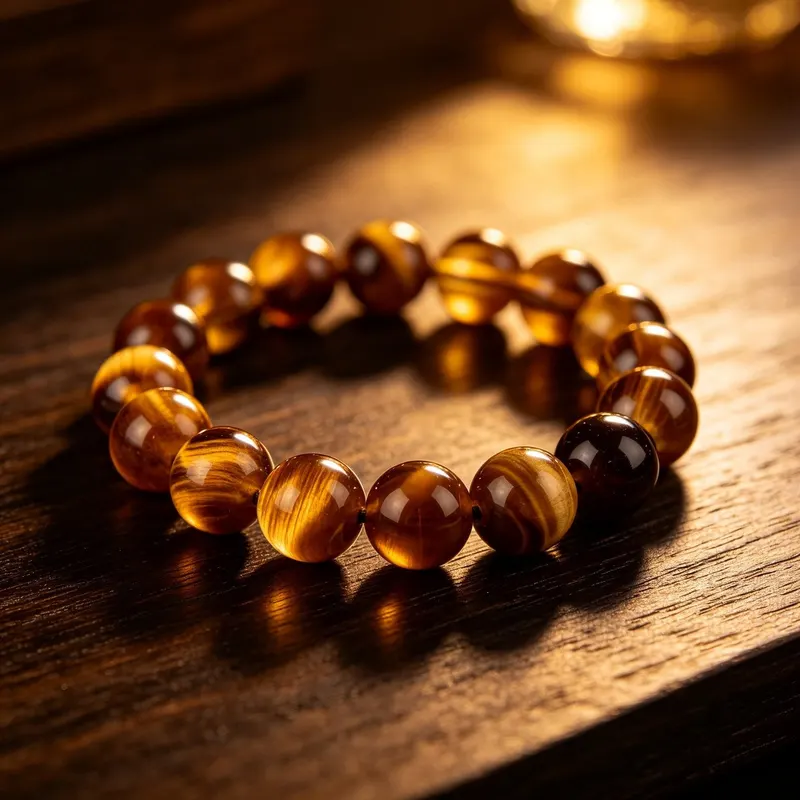
- Tiger's eye: traditionally associated with grounded courage and steady resolve. A good choice if your nerves show up as second-guessing. Wear the Tiger's Eye Confidence Bracelet on your dominant wrist so you notice it when you gesture.
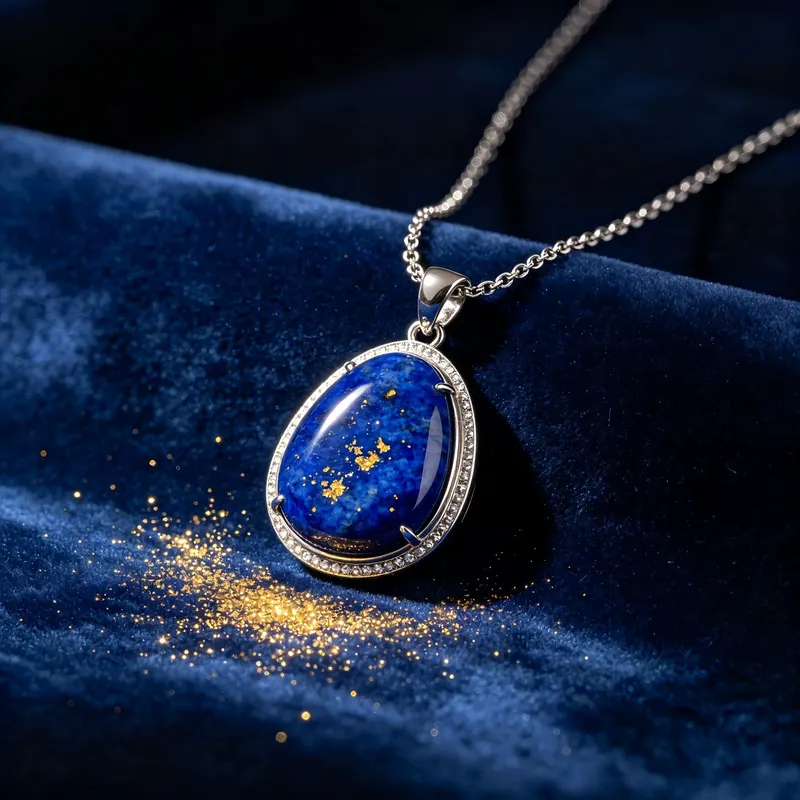
- Lapis lazuli: long associated with truthful, considered speech. A Lapis Lazuli Wisdom Pendant sits near the throat, which is why it's a common pick for people who tend to ramble or over-explain.
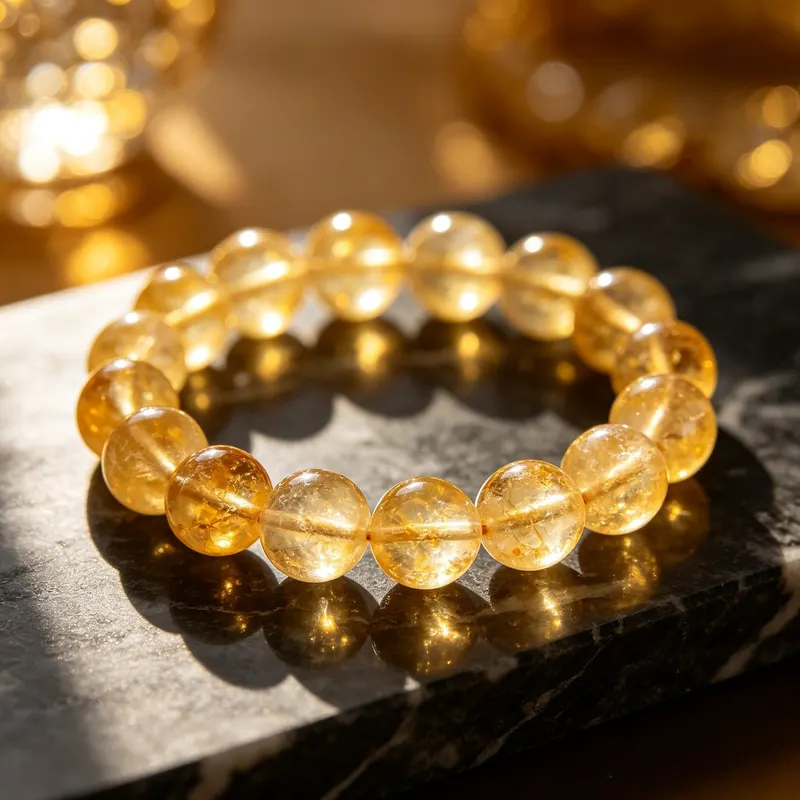
- Citrine: a warm, optimistic stone, traditionally tied to ease and forward momentum. The Citrine Abundance Bracelet suits final-round interviews or conversations about the role's future.
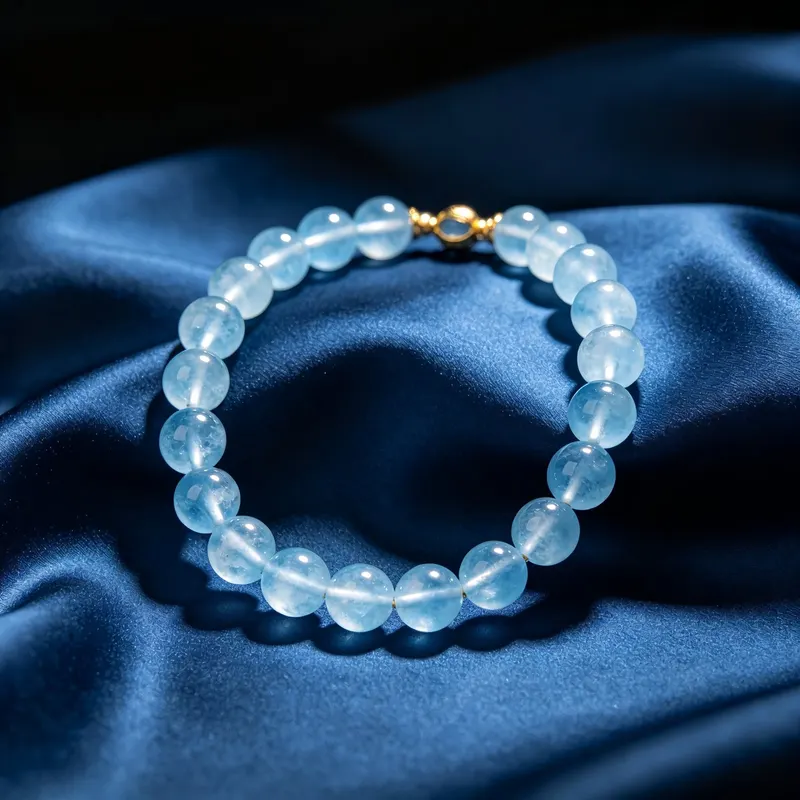
- Aquamarine: often described as slow-water calm — useful if your anxiety is physical, like a racing heart or shallow breathing. The Aquamarine Serenity Necklace is light enough to forget you're wearing it.
- Amethyst: traditionally associated with a quiet, settled mind. Helpful if you tend to spiral into worst-case thinking the night before. The Amethyst Healing Bracelet is a low-key option.
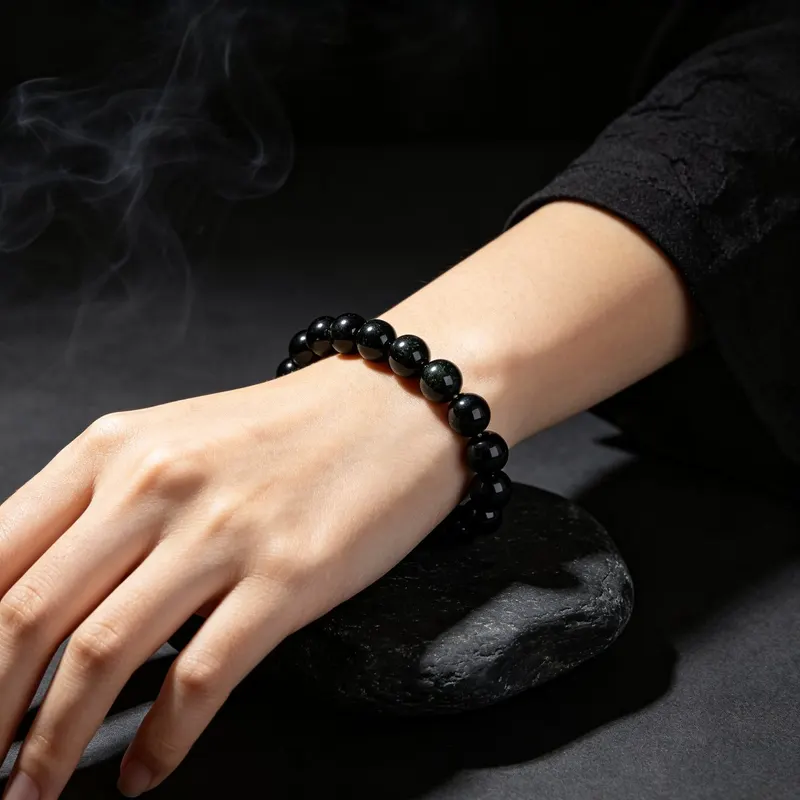
- Black tourmaline: a grounding stone, often chosen when you want to feel less porous to other people's energy — useful for panel interviews or a room full of strong personalities.
If you're new to working with stones, the Healing Crystal Starter Kit includes seven stones plus a guide, which is a sensible way to find out which ones you actually reach for before committing to a single piece.
How to Choose: A Practical Checklist
Most interview jewelry fails for boring, practical reasons — it clinks against a desk, catches on a sleeve, or feels so unfamiliar that you fidget with it. Run through this before you buy:
- Discretion: Can you touch it without it being obvious? A smooth bead bracelet or a small pendant works better than a chunky statement piece.
- Noise: Do the beads or the chain rattle when you move? Loose bracelets and long chains can be distracting on a video call or across a table.
- Fit: Bracelets should sit close to the wrist without pinching. Measure your wrist with a soft tape and add about half an inch (roughly 1.3 cm) for comfort. Pendants should rest at a length that stays put when you lean forward.
- Metal sensitivity: If your skin reacts to base metals, look for sterling silver or gold-plated pieces over a quality base, and check the clasp and chain, not just the stone.
- Weight: A heavy pendant or cluster will pull at your neck over a long day. Lighter is better for interviews.
- Color against your outfit: A stone that disappears against your clothing is easier to wear discreetly. If you want it visible as a conversation piece, that's a different (and valid) choice — just decide in advance.
What tradition teaches — and what is provable
Crystal traditions are old, varied, and largely oral. It's worth being honest about which claims are lore and which are simple material facts you can check. The table below separates the two so you can make an informed choice.
| Stone | Traditional association | What we can verify (hardness, care) |
|---|---|---|
| Tiger's eye | Courage, grounded confidence, protection | Mohs 6.5–7; durable for daily wear; keep away from harsh chemicals and ultrasonic cleaners |
| Lapis lazuli | Wisdom, truthful speech, calm communication | Mohs 5–6; softer and porous, so avoid water, perfume, and household cleaners; wipe with a dry cloth |
| Citrine | Optimism, abundance, warmth | Mohs 7 (quartz family); generally durable, but prolonged direct sunlight can fade the color |
| Aquamarine | Calm, serene communication, courage | Mohs 7.5–8; durable, but avoid sudden temperature changes and prolonged sun |
| Amethyst | Calm, clarity, quiet mind | Mohs 7; durable, but color can fade with long sun exposure |
| Black tourmaline | Grounding, protection, energetic boundaries | Mohs 7–7.5; durable; clean with lukewarm water and a soft cloth |
Two things worth saying plainly. First, hardness matters: a soft stone like lapis will scratch and dull if you wear it against a metal watch or toss it loose in a bag. Second, no stone has been shown in controlled research to change interview outcomes — the calming effect people describe is real to them, and that's meaningful, but it's best understood as a ritual and a focus aid rather than a treatment.
A Five-Minute Pre-Interview Ritual
This is the part that does the most work. Do it somewhere private — a car, a quiet corridor, a bathroom stall — about ten minutes before you go in.
- Minute 1 — Settle. Hold your stone in your palm or rest your thumb on your bracelet. Feel its temperature and weight. Let your shoulders drop.
- Minutes 2–3 — Breathe. Inhale through your nose for a count of four, exhale slowly for a count of six. Repeat five or six times. The longer exhale is the point; it's the part that tends to settle a racing heart.
- Minute 4 — Rehearse one answer. Not the whole interview. Pick your strongest story — the one you'd want to be asked about — and say the first sentence out loud, slowly.
- Minute 5 — Set an intention. One short phrase you can return to mid-interview: "slow and clear," or "I belong in this room." Say it once while touching the stone, so the touch becomes a cue.
During the interview, when you feel yourself speeding up, press your thumb against the stone once and take one slow breath before answering. That's the whole technique. For more on this, see our guides to social confidence, general confidence crystals, and the throat chakra.
Care, Cleansing, and Realistic Expectations
If you plan to wear a stone regularly, treat it like any other piece of jewelry. Wipe it with a soft dry cloth after wearing, keep it away from perfume, hairspray, and cleaning products, and store it separately so harder stones don't scratch softer ones. Selenite, for example, is very soft (Mohs 2) and dissolves in water — the Selenite Cleansing Wand should be kept dry and handled gently.
On cleansing: many people rinse stones under running water, leave them in moonlight, or set them on a selenite plate. These are traditional practices, not verified methods, and some stones — lapis, selenite, and anything dyed or porous — should not get wet at all. A dry wipe and a quiet moment of intention are perfectly sufficient.
On price: expect roughly $20–$45 for a simple beaded bracelet in a common stone, $40–$90 for a pendant on a sterling silver or gold-plated chain, and $60–$120 for a multi-stone set or starter kit. Prices climb for larger stones, rarer material, and hand-set metals. Be cautious of anything marketed with dramatic claims or unusually high prices for common stones.
Crystals are for reflection and are not medical devices. They do not diagnose, treat, cure, or prevent any disease. If interview anxiety is significantly affecting your life, a qualified professional is the right person to talk to.
FAQ
People Also Ask
What crystal is best before an interview?
Tiger's eye is the most common pick for steady confidence, often paired with lapis lazuli for clear, articulate speech. If your nerves are physical — a racing heart, shallow breathing — aquamarine is traditionally associated with calm and may be a better fit.
Where should I keep the crystal during an interview?
In a pocket you can touch discreetly, or worn as a bracelet or pendant under clothing. The goal is something you can reach without drawing attention, so you can use it as a quiet cue to slow down and breathe.
Can crystals guarantee I get the job?
No. No stone can promise an outcome, and anyone who says otherwise is overselling. Crystals are a ritual aid for staying calm and present; preparation, practice, and fit remain what drive results.
How do I clean and store my interview stone?
Wipe it with a soft dry cloth after wearing and store it separately from harder jewelry. Avoid water and chemicals for softer stones like lapis lazuli, and keep amethyst and citrine out of prolonged direct sunlight to protect their color.
Browse the Curated Collection
Explore the full edit here: Focus & Clarity Collection →
Shop the Stones
- Tiger's Eye Confidence Bracelet
- Lapis Lazuli Wisdom Pendant
- Citrine Abundance Bracelet
- Aquamarine Serenity Necklace
Keep Exploring
Social Confidence Crystals · Crystals for Confidence · Throat Chakra Crystals