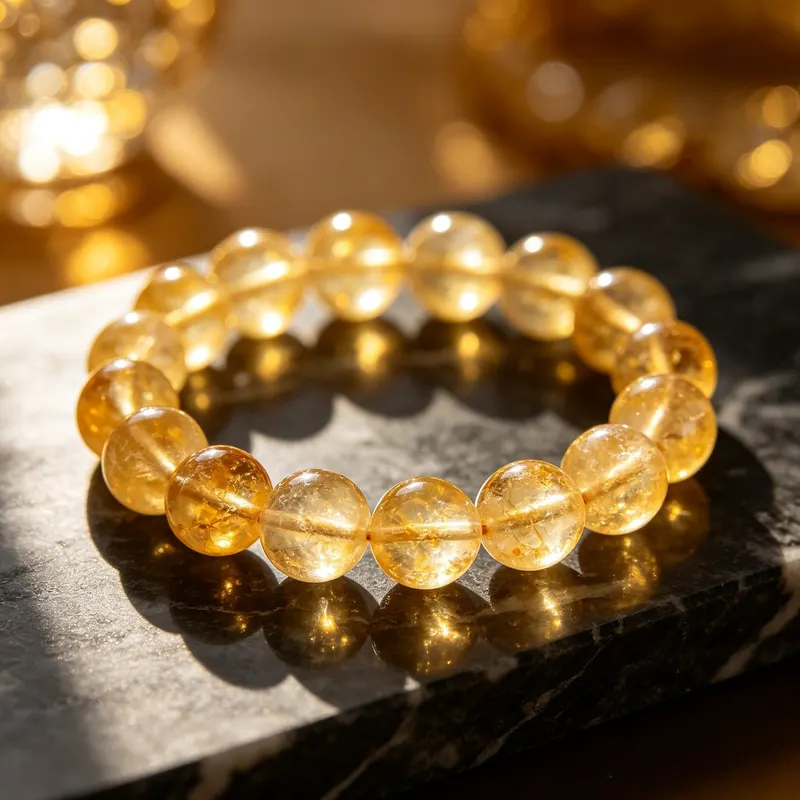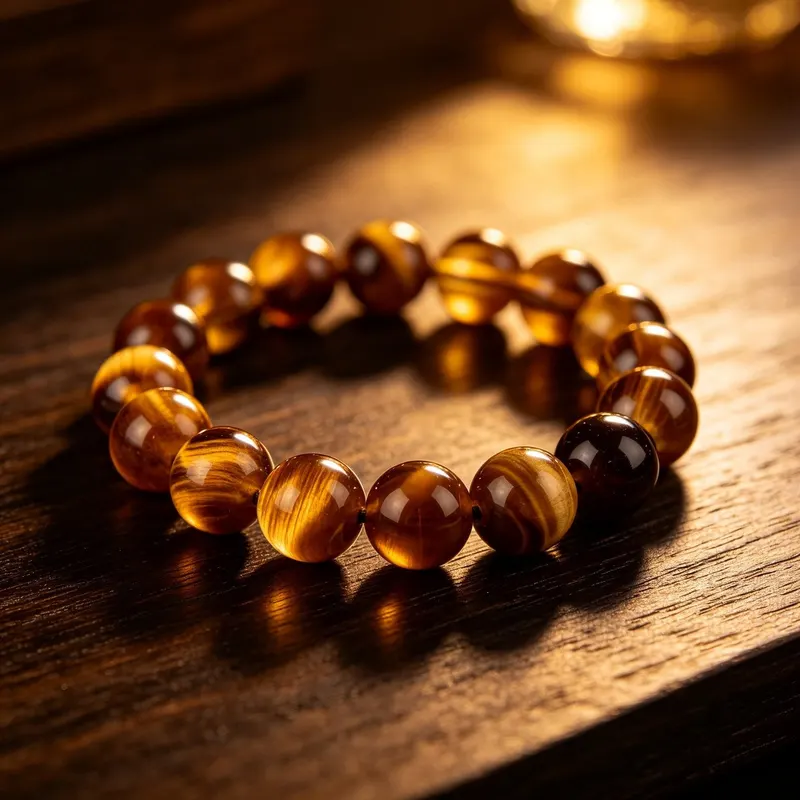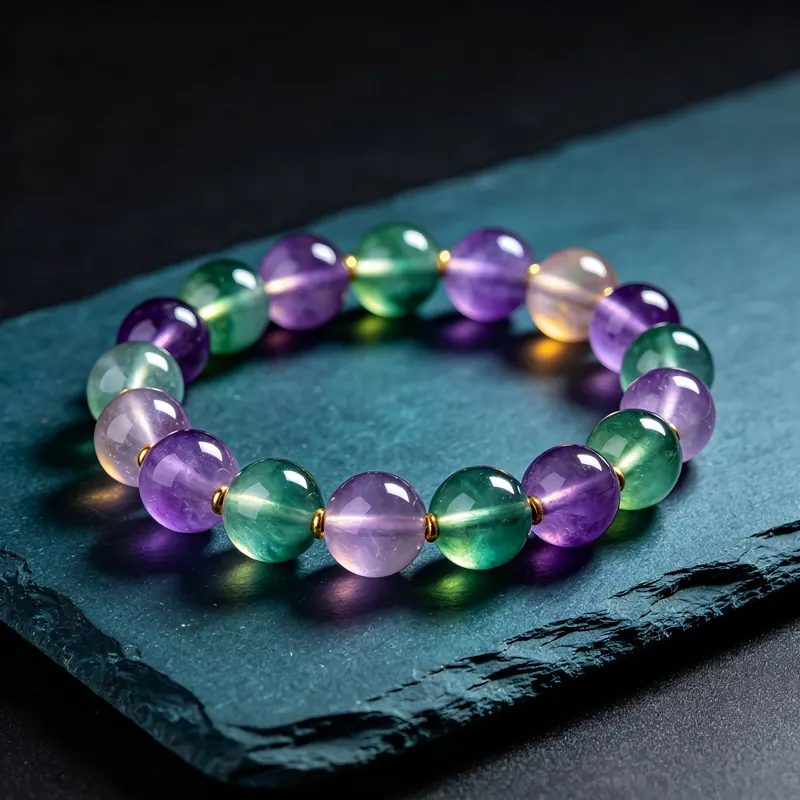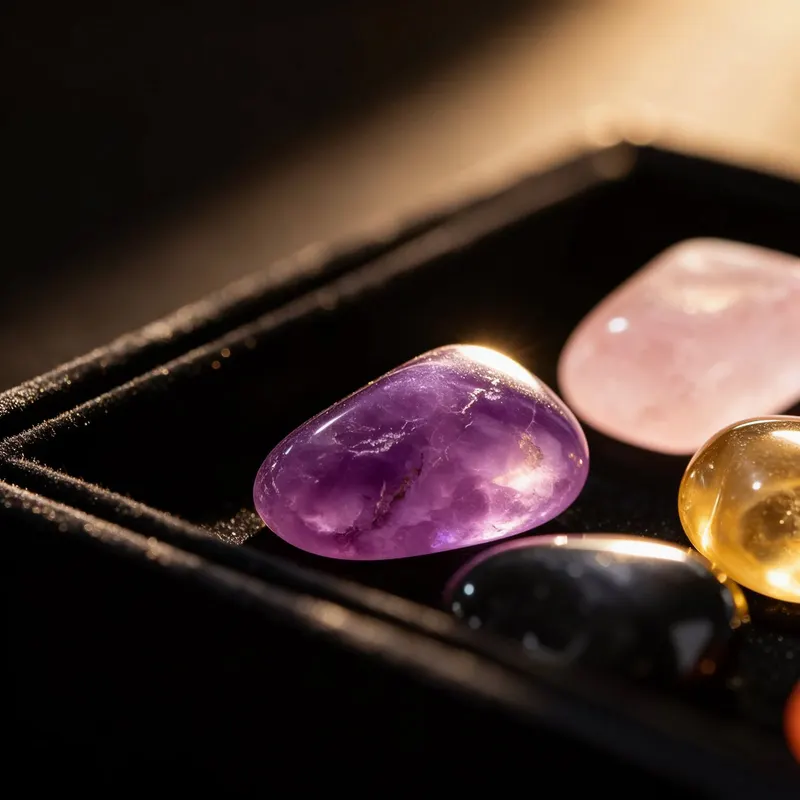
Quick answer: citrine (confidence and abundance), tiger's eye (decisiveness) and fluorite (focus) are the stones most often used in a job-search ritual — paired with concrete action, not passive wishing.
When the Job Search Starts to Wear You Down
You have a resume that needs tailoring, a spreadsheet of openings, and a growing sense that everyone else already has this figured out. Maybe you're job hunting after a layoff, trying to move up, or re-entering the workforce after time away. Either way, the search is rarely one clean burst of effort—it's weeks of applications, follow-ups, interview prep, and silence, punctuated by the occasional rejection that lands harder than it should.
That's where a grounded crystal practice can actually help. Not because a stone can hand you an offer, but because ritual gives structure to a process that often feels formless. Holding a specific stone before a hard task, or wearing one into an interview, creates a small, repeatable cue that reminds you who you're trying to be in that moment: focused, steady, articulate. The crystal isn't doing the work. It's helping you show up for it.
This guide covers which stones are traditionally associated with the qualities a job search demands, how to build a weekly ritual around them, and how to choose and care for pieces that will last. It also separates what the tradition claims from what we can actually verify—because a trustworthy practice is a clear-eyed one.
Manifestation Means Aligned Action
A new job comes from applications, preparation, and interviews. No crystal changes that equation. What a ritual can do is keep you consistent through the grind—the unglamorous middle stretch where motivation dips and rejection stings.
The most useful way to think about it: a crystal is a physical anchor for an intention. When you pick up your citrine before opening a job board, you're not casting a spell. You're signaling to yourself that this hour is for focused effort, not anxious scrolling. That signal, repeated often enough, builds the habits that actually move a search forward.
Job-Search Stones and What They're Traditionally Associated With
Different phases of a search call for different energies. Here's how the stones most often recommended for career work map onto the actual tasks in front of you.
- Citrine — traditionally associated with optimism, abundance, and an opportunity-ready mindset. Best for the early, generative phase: defining your target role, refreshing your resume, reaching out to contacts. Many people keep a piece on their desk as a reminder to stay open rather than defeatist. The Citrine Abundance Bracelet is an easy way to carry that reminder into networking events.
- Tiger's eye — believed to support confidence, focus, and grounded courage. This is the interview stone: it's associated with steadying nerves and speaking with conviction. The Tiger's Eye Confidence Bracelet is a natural pick for interview days and high-stakes calls.
- Fluorite — traditionally linked to concentration and mental clarity. Use it during application blocks, skill-building, and study sessions—especially if you're prepping for a certification or learning a new tool. The Rainbow Fluorite Focus Bracelet works well as a "work mode" cue.
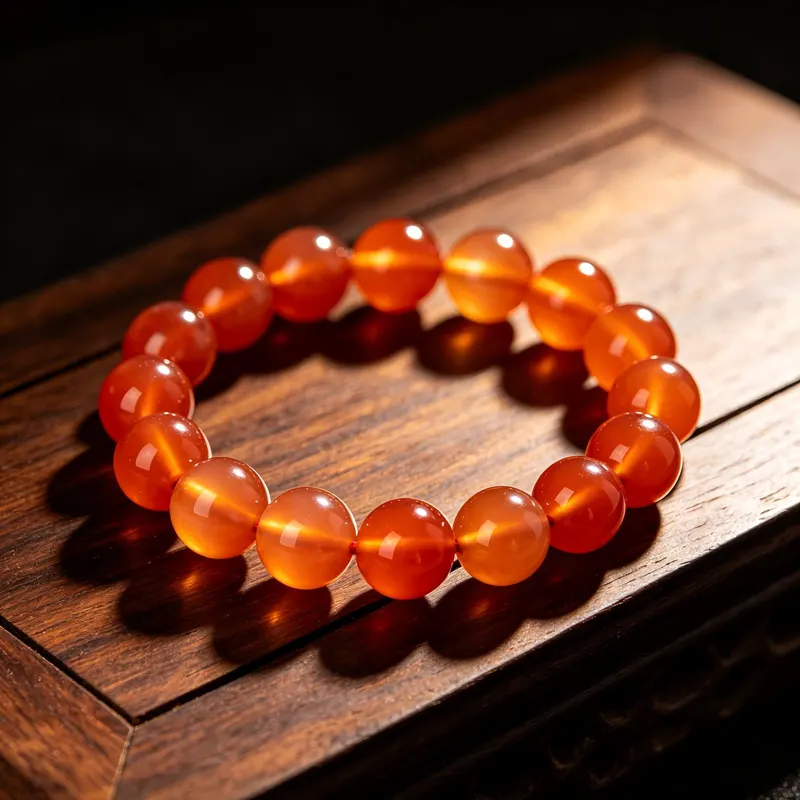
- Carnelian — associated with motivation, creativity, and forward momentum. Helpful when you're stuck in inertia or need to push through the awkward early stages of a career pivot. The Carnelian Creativity Bracelet suits brainstorming and portfolio work.
- Lapis lazuli — traditionally connected to wisdom and clear communication. A good companion for writing cover letters, preparing talking points, or any role where articulating your value is the whole game. Consider the Lapis Lazuli Wisdom Pendant for interview days when you want a piece that reads as polished rather than casual.
- Black tourmaline — believed to support grounding and protection. Useful if the search is stirring up anxiety or you're recovering from a difficult workplace. The Black Tourmaline Protection Bracelet is often worn as a steadying presence.
Choosing the Right Stone for Your Search
You don't need all of them. Pick based on where your search is actually snagging. The table below matches the most common job-search problems to stones and the practical habit each one supports.
| Your sticking point | Stone to try | The habit it anchors |
|---|---|---|
| Dreading interviews, freezing up | Tiger's eye | Rehearsing out loud before each call |
| Scattered applications, low focus | Fluorite | Timed, distraction-free application blocks |
| Pessimism, fear of rejection | Citrine | Daily review of openings and outreach |
| Stuck, unmotivated, procrastinating | Carnelian | Small daily actions toward a career pivot |
| Anxious, unsettled, recovering from a bad job | Black tourmaline | Grounding routine before and after search sessions |
| Struggling to articulate your value | Lapis lazuli | Drafting and practicing your key talking points |
If you're new to crystals and want to experiment before committing to a single stone, a mixed set lets you try several at once. The Healing Crystal Starter Kit includes seven stones plus a guide, which is a practical way to find out which one you actually reach for.
A Weekly Ritual for the Job Search
Ritual works best when it's small enough to repeat. This weekly structure takes about ten minutes of setup and folds into work you're already doing.
- Monday — set the target. Hold your citrine and write down the exact role, company type, and salary range you're pursuing this week. Specificity beats vague ambition. Keep the note where you'll see it.
- Tuesday through Thursday — do the focused work. Keep fluorite on your desk during application and skill-prep blocks. Set a timer, close the extra tabs, and treat the stone as the signal that this hour is for output.
- Before any interview — rehearse with tiger's eye. Wear it, then practice your answers out loud, ideally standing up. The stone is the cue; the rehearsal is the actual preparation.
- After a rejection — reset, don't spiral. Re-cleanse the stone you were working with (see care notes below) and write one sentence about what the rejection taught you. Then move on. This is the reframe: rejection is data, not a verdict.
- Friday — review and release. Look back at what you sent, note follow-ups due next week, and put the stones away. A search that never pauses is a search that burns out.
If anxiety is the dominant feeling rather than flagging motivation, you may want a calmer anchor alongside the career stones. The Amethyst Healing Bracelet is traditionally associated with calm and clarity, and many people wear it during the wind-down after a stressful search day.
Folklore, and the facts we can check
Crystal lore is old, varied, and often beautiful. It is also not science. Here's an honest split between the traditional associations and the physical facts you can rely on when buying and caring for a stone.
What the tradition says
Across many cultures, specific stones have been associated with particular qualities: citrine with abundance, tiger's eye with courage, fluorite with clarity, lapis lazuli with wisdom. These associations are cultural and symbolic. They can be meaningful as personal reminders and ritual anchors, and many people find them genuinely useful for focus and intention-setting. What they are not is a mechanism for producing outcomes. No stone has been shown to attract a job, influence a hiring manager, or change the result of an interview.
What we can verify
- Hardness varies enormously. On the Mohs scale, quartz-family stones like citrine, amethyst, and tiger's eye sit around 6.5–7, which means they resist scratches reasonably well but can still be damaged by harder materials. Lapis lazuli is softer, roughly 5–6, and more prone to scratching and chipping. Fluorite is notably soft at about 4, so it scratches easily and should be kept away from keys, coins, and other jewelry.
- Water sensitivity matters. Selenite dissolves in water and should never be soaked. Lapis lazuli can be damaged by prolonged water exposure and harsh cleaners. Many polished bracelets are fine with a quick wipe but not a soak.
- Sunlight can fade some stones. Amethyst, rose quartz, and citrine can fade with prolonged direct sun exposure. Store them away from a sunny windowsill.
- Care is simple. Wipe polished stones with a soft, dry or barely damp cloth. Avoid ultrasonic cleaners and chemical dips unless a jeweler confirms they're safe for that specific stone. Store bracelets separately to prevent scratching, and check elastic cords periodically for wear.
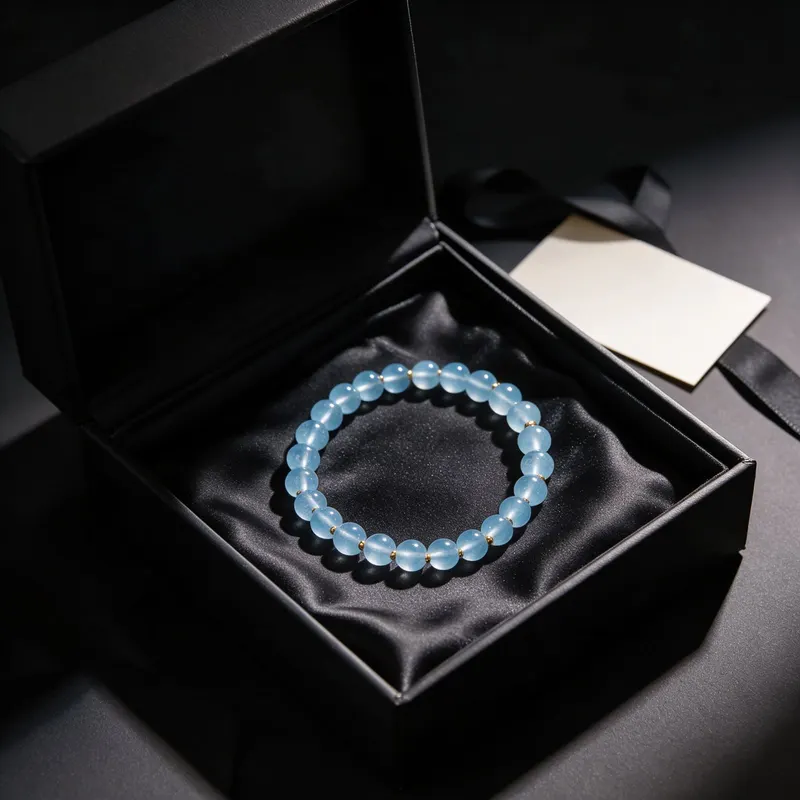
- Sizing is practical. Most beaded bracelets are strung on elastic and sized around 7–7.5 inches; measure your wrist with a soft tape and add about half an inch for comfort. Pendants depend on chain length—16 to 18 inches sits near the collarbone, 20 inches and up hangs lower.
Crystals are for reflection and ritual. They are not medical devices and are not a substitute for professional advice.
How to Choose, and What to Expect to Pay
When you're shopping, look for natural variation. Genuine stones differ in color, inclusions, and pattern from piece to piece; perfectly uniform, glassy beads at a very low price are worth a second look. Ask what the stone is and how it's been treated—heat treatment is common and generally acceptable for citrine and amethyst, but it should be disclosed. Check the clasp or elastic, the finish on the beads, and whether the piece feels comfortable for the hours you'll actually wear it.
Realistic price expectations for beaded bracelets and simple pendants are modest—most quality natural-stone pieces fall in an accessible everyday range rather than a luxury one. Raw specimens and larger display pieces cost more. Buy for the stone you'll actually use, not the biggest collection.
FAQ
People Also Ask
Which crystal helps you get a job?
No crystal gets you a job. Citrine is traditionally associated with an opportunity-ready mindset and tiger's eye with interview confidence, and both can serve as reminders to apply consistently and prepare thoroughly—which is what actually moves a search forward.
Can crystals attract a specific job?
They cannot create offers or influence hiring decisions. What they can do is support the focus, consistency, and confidence that make you a stronger candidate. Treat them as ritual anchors for real action, not as a substitute for it.
How do I cleanse and care for job-search stones?
Wipe polished stones with a soft cloth and store them away from direct sun and moisture. Avoid soaking water-sensitive stones like selenite and lapis lazuli, and skip ultrasonic cleaners unless a jeweler confirms they're safe. Re-cleansing after a rejection is a useful ritual reset as much as a physical one.
How many stones do I need?
Start with one or two that match your biggest sticking point—tiger's eye if interviews are the hurdle, fluorite if focus is. Add more only if a specific phase of your search calls for it. A small, well-used collection beats a drawer full of unused pieces.
A Final Word
The most honest thing we can say about crystals and the job search is also the most useful: the stone is a cue, and the work is yours. Choose a piece that means something to you, build a small ritual around it, and let it remind you to send the application, rehearse the answer, and follow up. That's the part that gets you hired.
Browse the Abundance & Success collection to find a stone that fits your search, and keep exploring with our guides to job interviews, the first day at a new job, and decision-making.