Why Mercury Retrograde Feels So Personal
If you've ever had a week where three emails went to the wrong person, a flight got rescheduled twice, and your laptop decided to update itself during a deadline, you already understand the appeal of a Mercury retrograde kit. In astrology, Mercury is the planet tied to communication, travel, contracts, and technology, and its retrograde periods—when it appears to move backward from Earth's vantage point—are traditionally linked to mix-ups, delays, and the return of unfinished business. Whether you plan your life around the stars or just find the seasonal warnings oddly relatable, the cycle tends to arrive with a lot of noise.
This guide is for anyone who wants a calm, grounded way to move through that noise. The crystals below are traditionally associated with protection, focus, and clear speech—but they work best as physical reminders paired with real, practical habits. A stone on your desk can cue you to pause before hitting send; it can't proofread the message for you. That partnership between ritual and routine is the whole point.
We'll cover the traditional meaning of the cycle, how to build a small grounding kit, how to choose and care for each stone, and what you can genuinely verify about the materials. No promises of perfect timing—just a steadier way to handle the wobble.
What Mercury Retrograde Traditionally Signals
In astrology, Mercury rules communication, travel, and technology, so its retrograde periods are associated with mix-ups, delays, and revisiting the past. Many practitioners treat the cycle as a cue to slow down, double-check, and finish what's already in motion rather than launch something brand-new. The tradition isn't really about doom—it's about attention. Read as a seasonal prompt, the retrograde invites you to reread the contract, confirm the meeting in writing, and give yourself margin on travel days.
That framing is useful even if you don't follow astrology at all. Most of us could use a built-in reminder to slow down a few times a year, and a small, tactile ritual—holding a stone, setting it beside your keyboard—makes that reminder easier to keep.
Building a Grounding Retrograde Kit
You don't need a dozen stones. A focused kit of three to five pieces covers the three areas the cycle traditionally stresses: staying grounded when plans shift, keeping your thinking organized, and communicating with patience. Here's a practical starting point.
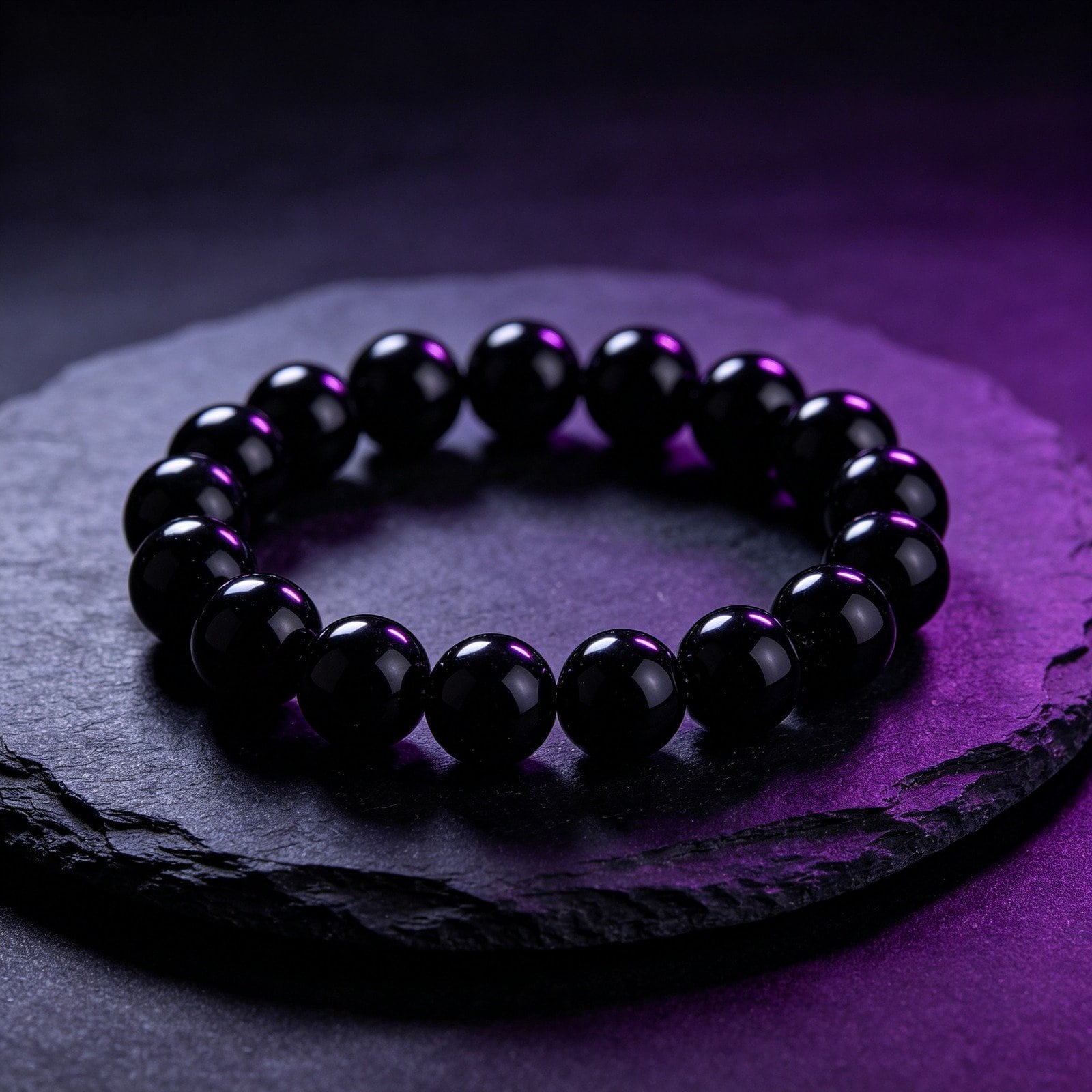
- For grounding when plans shift: Black Tourmaline Protection Bracelet for Grounding. Black tourmaline is traditionally associated with protection and steadiness—a good anchor when devices misbehave and schedules move.
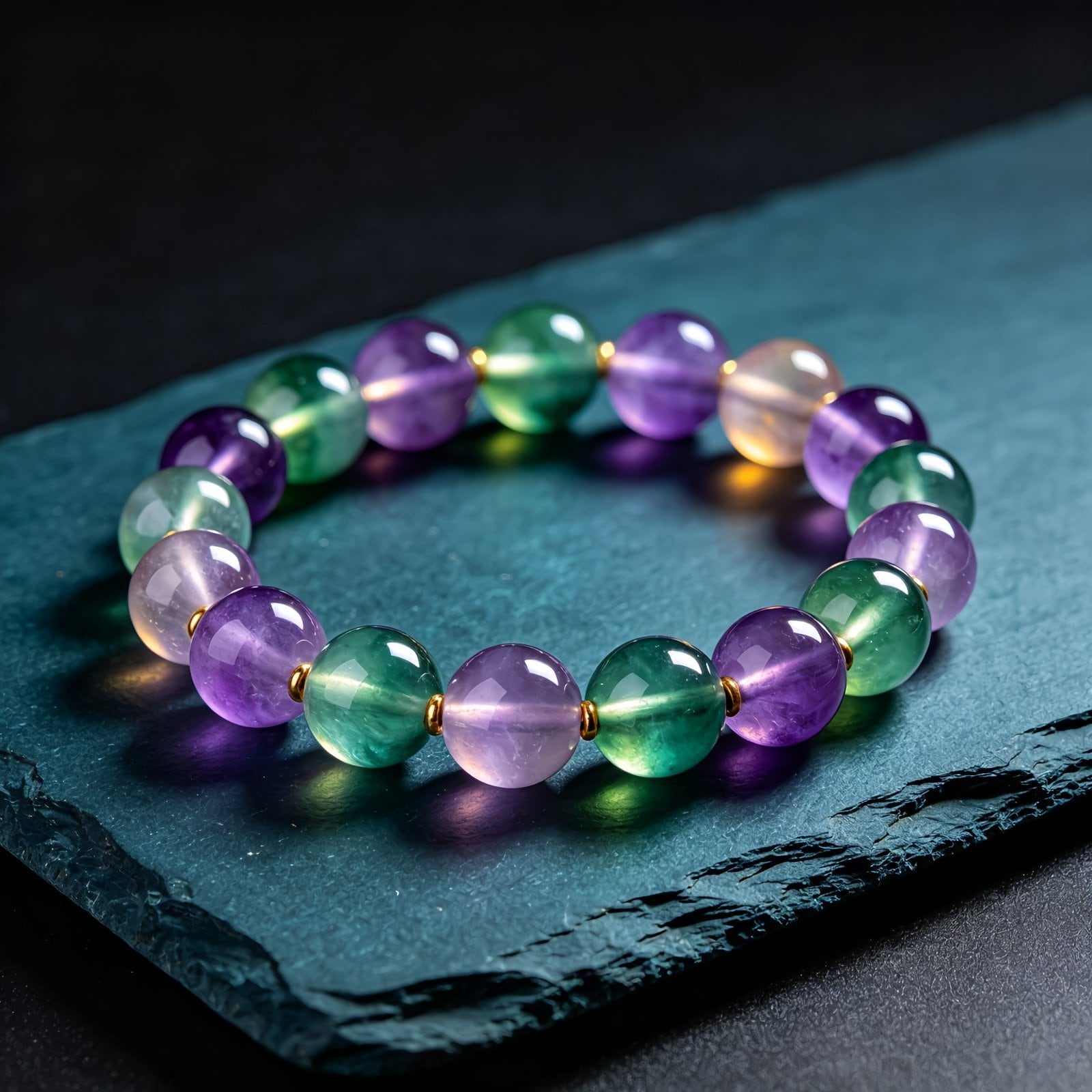
- For organized thinking: Rainbow Fluorite Focus Bracelet for Concentration. Fluorite is believed to support focus and clarity, which helps when messages get confusing or details blur.
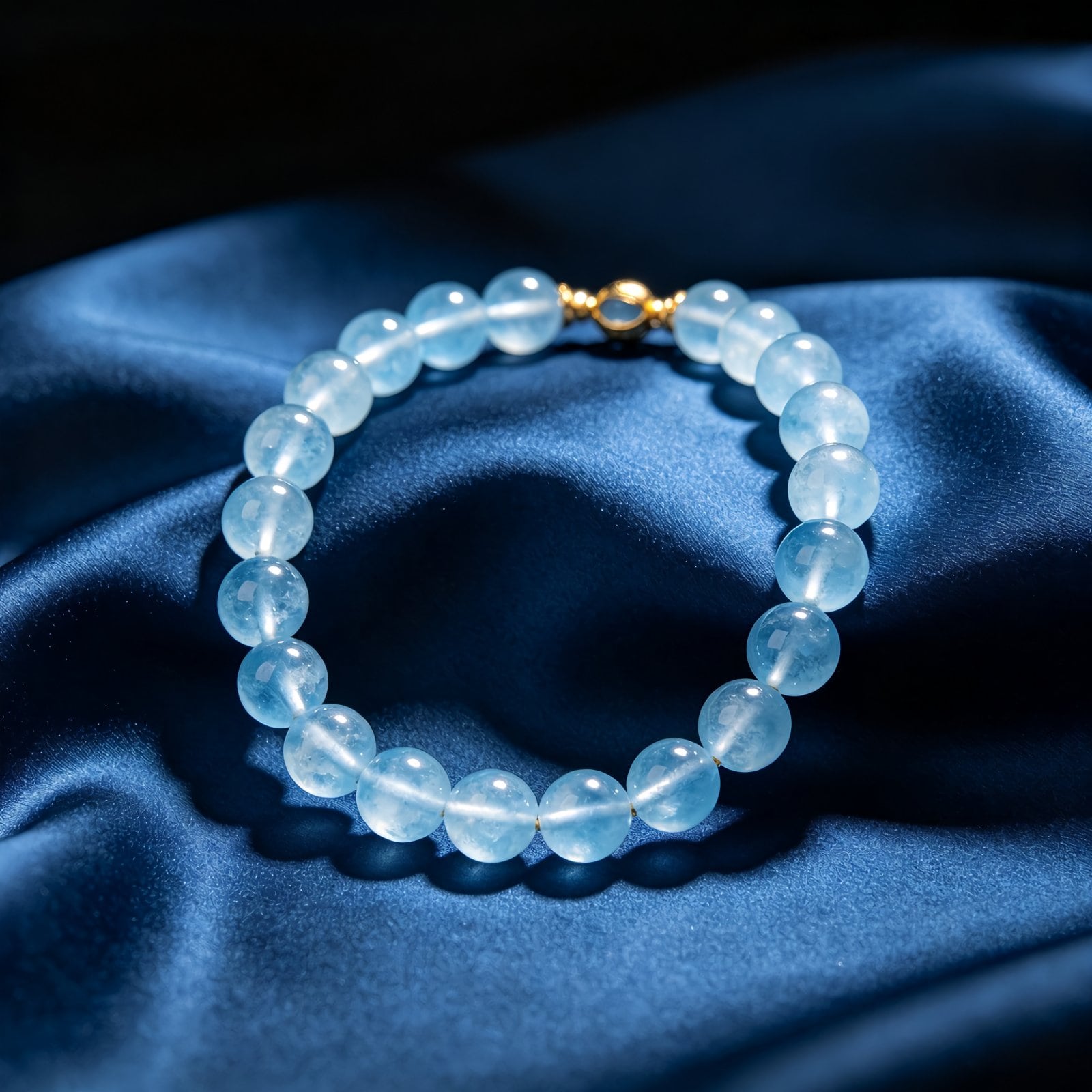
- For patient, clear speech: Aquamarine Serenity Necklace for Calm Communication. Aquamarine is traditionally linked to calm communication—useful when a conversation starts to tense up.
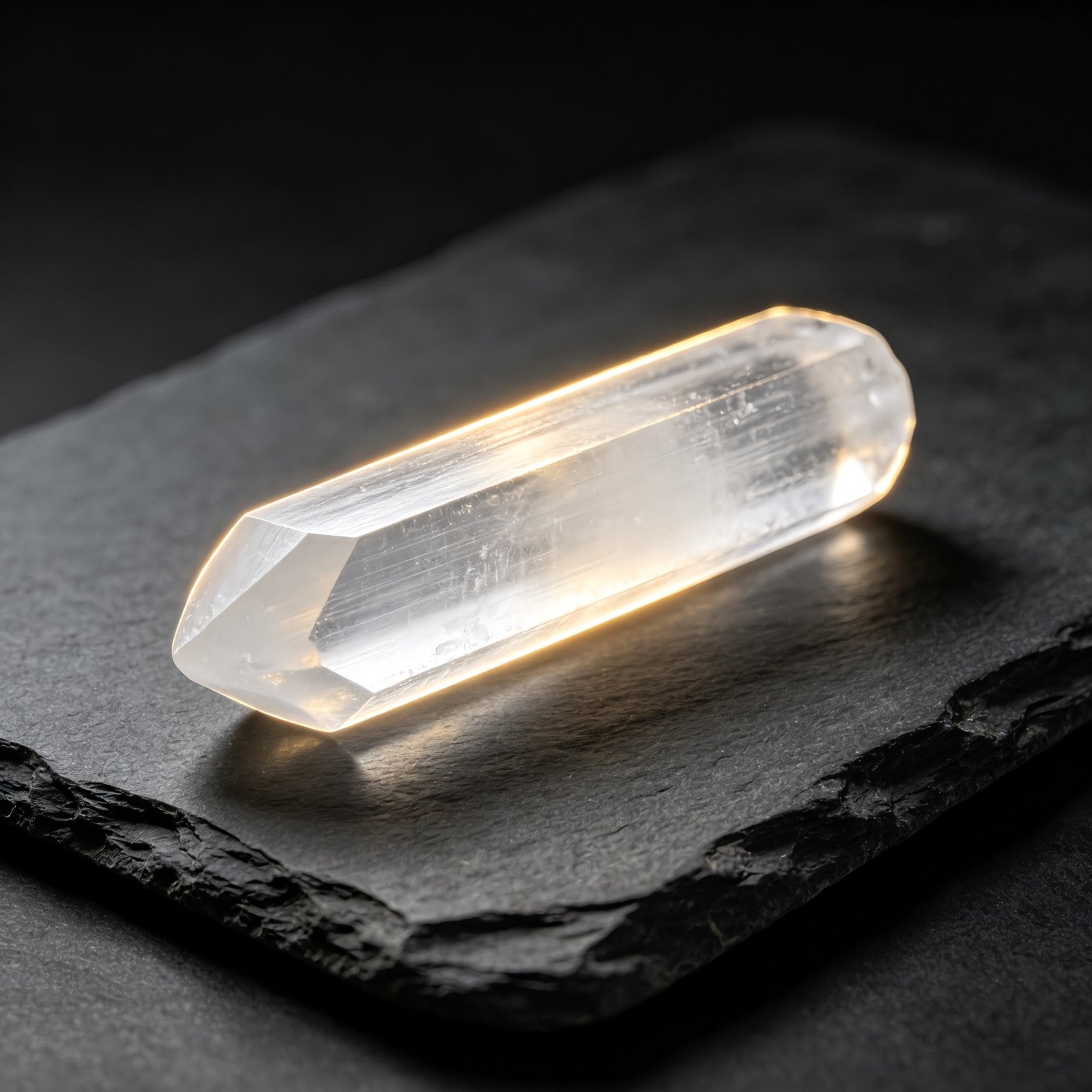
- For a desk or altar anchor: a Selenite Cleansing Wand for Energy Clearing is a common pick for clearing and resetting a workspace between tasks.
- For a physical cue in your pocket: a small tumbled stone or a Healing Crystal Starter Kit, 7 Stones + Guide if you're new and want to experiment before committing to a larger piece.
Keep the kit small and portable. The point is to reach for it at the moments that matter—before a difficult reply, during a travel delay, at the start of a meeting—not to display a collection.
Choosing the Right Stones for the Cycle
Different stones suit different temperaments and situations. Use the table below as a quick comparison, then pick the one or two that match how you actually experience retrograde season. If you tend to spiral, lean toward grounding. If you tend to rush, lean toward focus. If you tend to snap in tense conversations, lean toward calm communication.
| Stone | Traditionally associated with | Best format for retrograde | Realistic price range (USD) |
|---|---|---|---|
| Black tourmaline | Protection, grounding, steadiness | Bracelet or pocket stone | $20–$60 |
| Fluorite | Focus, clarity, organization | Bracelet or desk stone | $20–$55 |
| Aquamarine | Calm communication, patience | Necklace or small pendant | $35–$120 |
| Selenite | Clearing, resetting, ritual | Wand or small slab | $15–$45 |
| Clear quartz | Clarity, intention-setting | Pendant or point | $25–$90 |
Prices vary with bead size, metal choice (sterling silver and gold plating cost more), and stone quality. Be wary of listings that promise guaranteed outcomes or claim "certified" spiritual effects—those aren't things a lab can test. What you can check is the material, the finish, and whether the seller describes the stone honestly.
How to Choose: A Quick Checklist
- Match the stone to the problem you actually have. Grounding for anxiety about delays, focus for scattered thinking, calm communication for tense conversations.
- Pick a format you'll actually use. A bracelet you wear daily beats a display piece you forget.
- Check the metal. If you have sensitive skin, ask whether the clasp and chain are sterling silver, gold-plated brass, or stainless steel.
- Confirm sizing. Bracelets are usually listed by bead diameter (6mm, 8mm) and inner circumference; measure your wrist and add about 1 cm for comfort.
- Read the description for honesty. Good sellers describe the stone and its traditional associations without promising results.
How to Use Your Kit Day to Day
Ritual works best when it's small and repeatable. Try these habits during the cycle:
- Morning check-in: hold your grounding stone for a minute and name the one thing you'll double-check today.
- Before sending: touch your focus stone, then reread the email once before hitting send.
- During tense conversations: keep your calm-communication piece nearby and use it as a cue to breathe before replying.
- End of day: set your stones back in their spot and note one thing you finished or revised.
Pair each ritual with a practical action—backing up files, confirming a meeting in writing, building travel buffer time. The stone is the reminder; the action is what actually smooths the cycle.
What tradition holds — and what we can verify
It's worth separating lore from fact so you can enjoy the first without being misled by the second.
Traditional lore
Crystal traditions hold that black tourmaline deflects negativity and grounds energy, that fluorite clears mental fog, and that aquamarine soothes communication. These are cultural and spiritual associations, passed down through practice—not measurable effects. We present them as "traditionally associated with" because that's accurate.
What we can verify
- Hardness (Mohs scale): Clear quartz and amethyst rate about 7; aquamarine about 7.5–8; black tourmaline about 7–7.5; fluorite is soft at about 4; selenite is very soft at about 2. Softer stones scratch easily and shouldn't share a pouch with harder ones.
- Water sensitivity: Selenite dissolves in water and should never be soaked. Fluorite can be damaged by prolonged water exposure. Most quartz-family stones tolerate a quick rinse but do better with a dry or barely damp cloth.
- Sunlight sensitivity: Amethyst and rose quartz can fade with prolonged direct sun. Store them away from a bright windowsill.
- Care basics: Wipe with a soft dry cloth, store separately in a pouch, and keep perfumes and harsh cleaners away from plated metals.
Crystals are for reflection and are not medical devices. They are not a substitute for professional advice on health, finances, or legal matters.
The Practical Side (This Is What Actually Helps)
- Proofread emails and texts before sending, and confirm meetings in writing.
- Back up devices and update software early rather than mid-deadline.
- Build extra travel buffer time and keep documents and chargers organized.
- Pause before reacting to a misunderstanding; retrograde is a good excuse to ask clarifying questions.
- Use the period to revisit, revise, and finish rather than launch something brand-new.
Keep a grounding stone at your desk or in your bag as a physical cue to slow down; the planning and patience are what genuinely smooth the cycle.
FAQ
People Also Ask
Which crystal is best for Mercury retrograde?
Black tourmaline for grounding is the most common pick, with fluorite for mental clarity and aquamarine for calm communication. Choose based on whether you struggle most with anxiety, scattered focus, or tense conversations.
Does Mercury retrograde actually affect technology?
Astrologically it's associated with tech and communication mix-ups; there's no scientific evidence that a planet's apparent motion affects devices. Regardless of belief, backing up files and double-checking plans is always worthwhile.
What should you do during Mercury retrograde?
Use the cycle to review, back up, proofread, and build in extra time, while avoiding rushed launches or irreversible decisions when you can. Pair these habits with a small grounding ritual if it helps you stay consistent.
How do I clean and store my retrograde kit?
Wipe stones with a soft dry cloth and store them separately—especially soft stones like selenite and fluorite, which scratch easily. Keep plated jewelry away from water and perfume, and store amethyst and rose quartz out of direct sun to prevent fading.
Browse the Curated Collection
Shop the Stones
Keep Exploring
Protection Crystals · Grounding · Workspace Crystals
Crystals are offered for wellness and reflection, not as medical or psychological treatment, and outcomes are not guaranteed.