Embracing the Threshold
Maybe you are packing boxes for a move across the country, or starting a job where you do not yet know anyone's name. Maybe a long relationship has ended, or a chapter you loved is simply closing on its own. Whatever brought you here, you are standing at a threshold, and thresholds are strange places: part relief, part grief, part static electricity.
Crystals for new beginnings are not a substitute for a plan, a therapist, a moving checklist, or a good night's sleep. What they offer is more modest and, for many people, genuinely useful: a physical object that holds your attention on the change you are making. Holding a stone while you name what you hope for can slow your breathing, interrupt a spiral of worry, and give a big abstract transition a small, tangible anchor.
This guide covers which stones are traditionally associated with fresh starts, how to choose one for your specific situation, how to care for it, what it realistically costs, and where tradition ends and verifiable gemology begins. Use it as a companion to your practical preparations, not a replacement for them.
Stones for Fresh Starts
The stones below are the ones most often reached for during transitions. The associations are traditional and symbolic; treat them as prompts for reflection rather than promises.
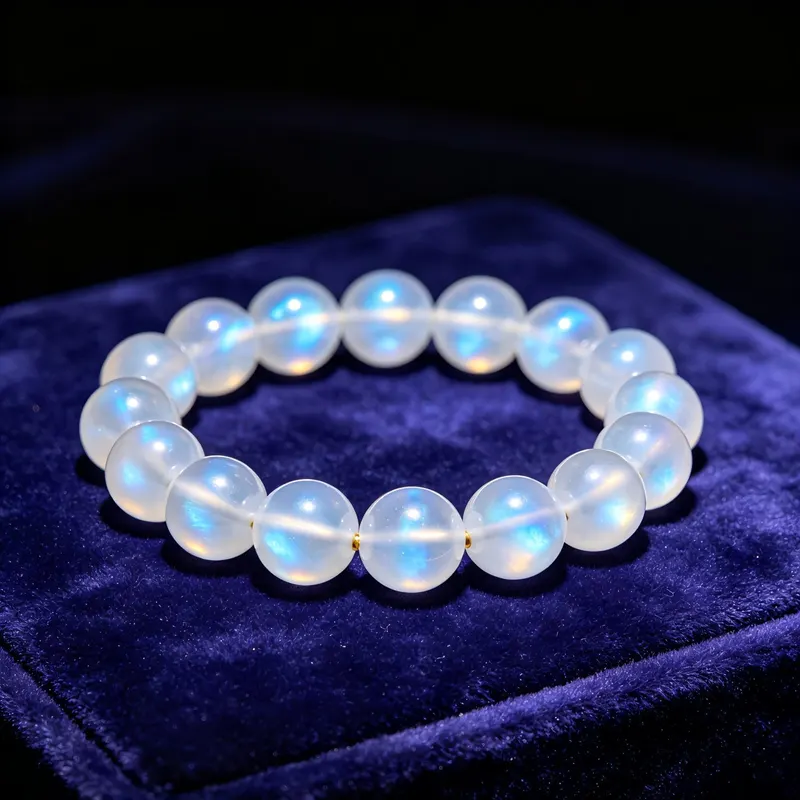
- Moonstone — traditionally associated with cycles, tides, and new beginnings. It is the classic choice when you are starting something whose outcome is not yet visible. Our Rainbow Moonstone Bracelet for Intuition & New Beginnings is a gentle everyday piece for this work.
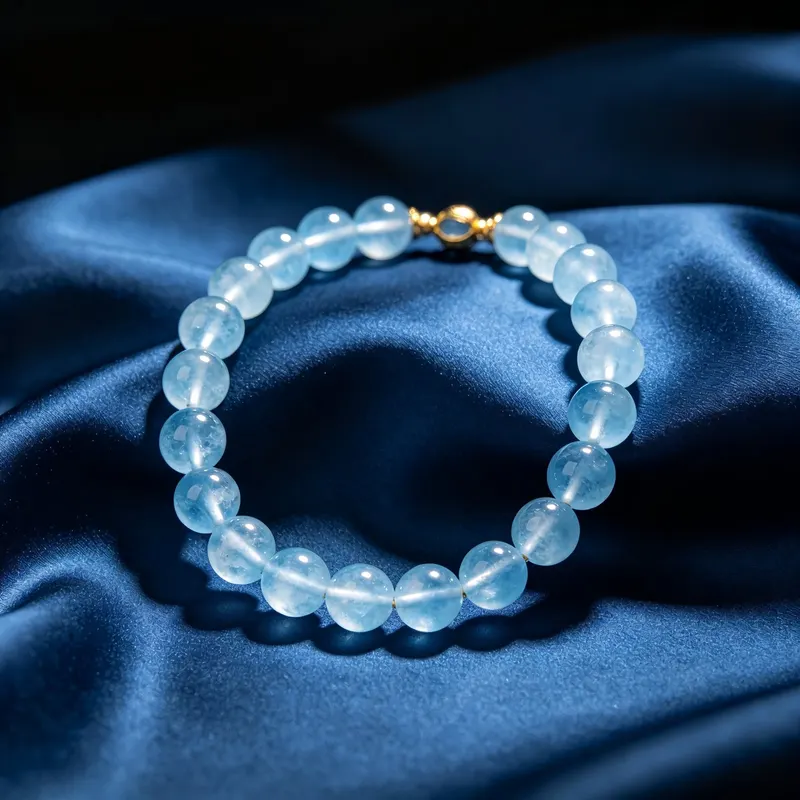
- Aquamarine — believed to support calm, flowing communication. A good fit if your new chapter involves hard conversations, a new team, or finding your voice again. The Aquamarine Serenity Necklace for Calm Communication keeps this close to the throat, where the tradition places it.
- Citrine — associated with optimism, warmth, and forward momentum. Choose it when the challenge is not fear but flatness, or when you want to invite energy into a new venture.
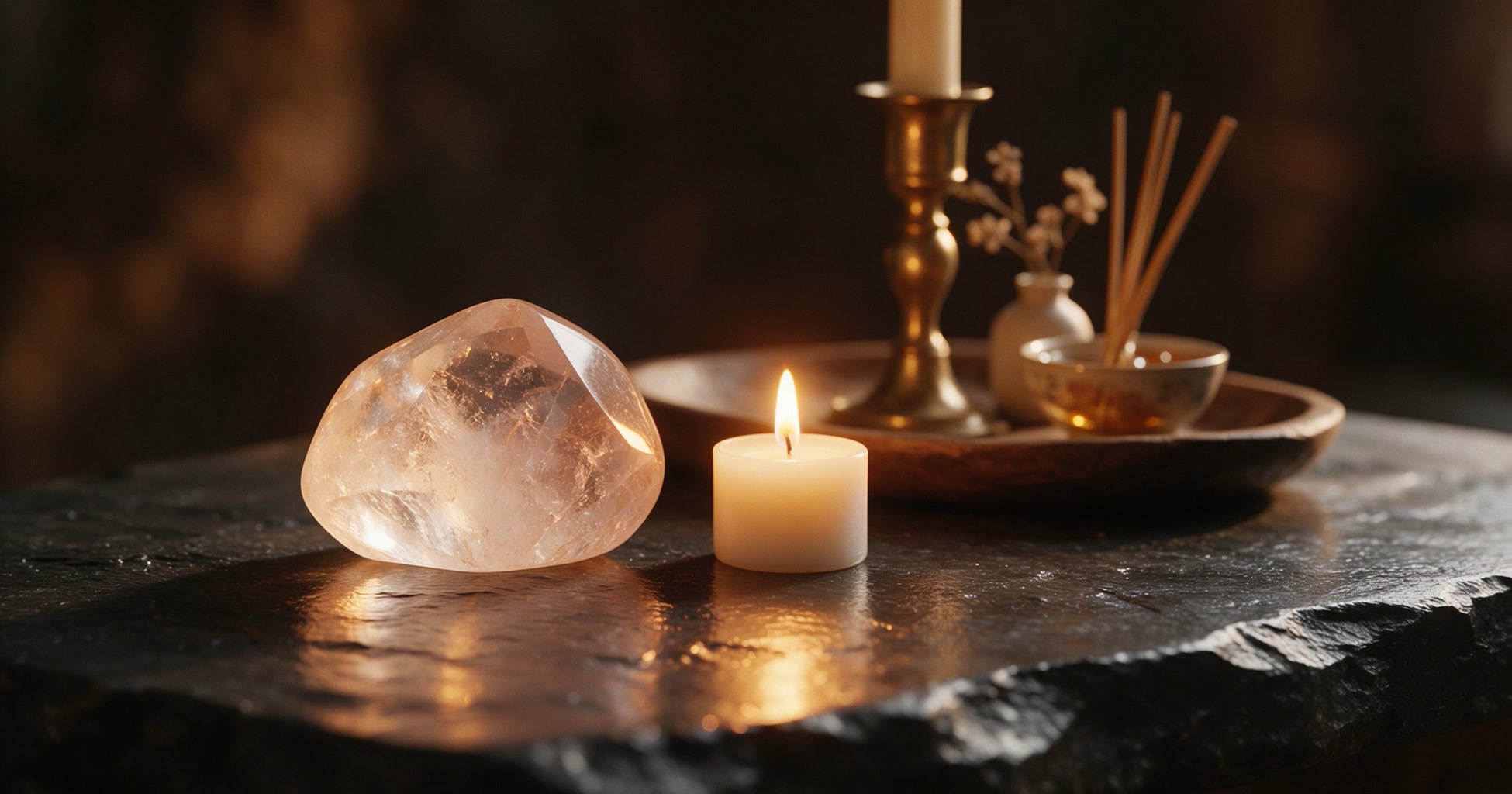
- Clear Quartz — the "clean slate" stone, often used as a blank canvas for a stated intention. Its clarity makes it easy to hold one thought in mind while you hold the stone.
- Labradorite — traditionally associated with transformation and inner strength, and a favorite for periods when you are becoming someone slightly new.
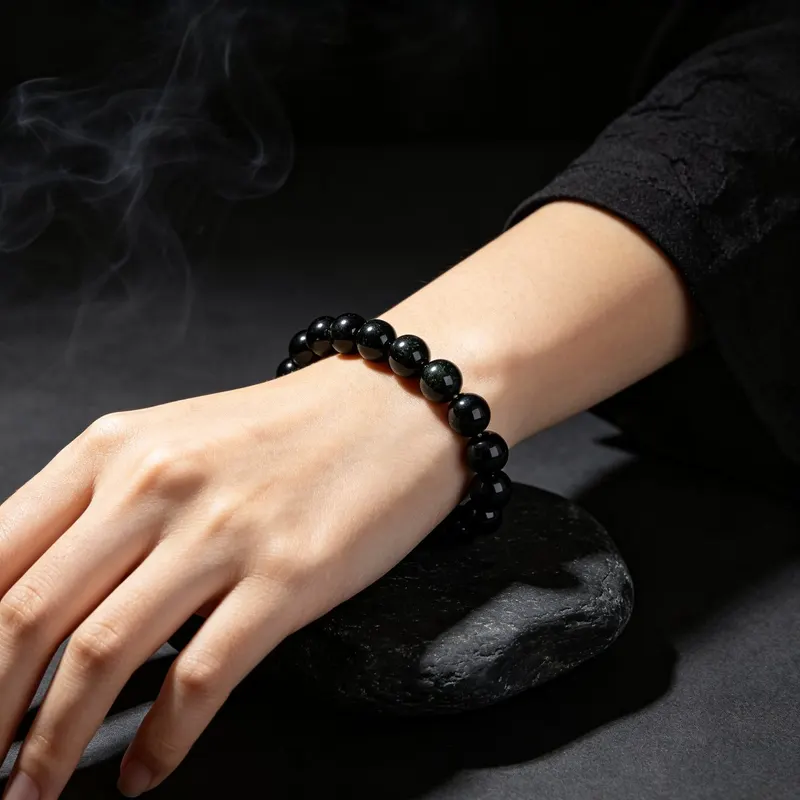
- Black Tourmaline and Black Obsidian — grounding, protective stones. Useful when change has left you feeling unmoored or overstimulated.
- Carnelian — a warm, motivating stone for when you need a nudge to start, not just to endure.
- Selenite — not a beginning stone per se, but a traditional tool for clearing space, literal and symbolic, before something new begins.
How to Choose: Match the Stone to Your Transition
Most people do not need a dozen stones. One well-chosen piece, worn or kept where you will see it daily, tends to serve better than a crowded shelf. Use this checklist to narrow it down.
- Name the actual feeling. Is it fear, grief, exhaustion, excitement, or numbness? Fear of change points toward grounding stones (black tourmaline, obsidian) paired with moonstone. Grief points toward gentler stones like rose quartz or rhodonite. Flatness points toward citrine or carnelian.
- Name the actual task. If the transition requires focus (a new degree, a certification), consider fluorite. If it requires speaking up, consider aquamarine or lapis lazuli.
- Decide how you will use it. Worn daily? Choose a bracelet or pendant you genuinely like the look of, because you will see it constantly. For ritual or altar use, a raw cluster or a stone set may suit better.
- Check your lifestyle. Rings and bracelets take more wear than pendants or shelf pieces. If you work with your hands, a pendant or a stone kept at your desk may last longer.
- Let yourself be drawn to one. Within the shortlist, pick the stone you keep looking at. That instinct is part of the practice.
A Quick Comparison of Common Beginning Stones
| Stone | Traditional association | Best for | Typical form |
|---|---|---|---|
| Moonstone | Cycles, intuition, new beginnings | Uncertain outcomes, emotional transitions | Bracelet, pendant |
| Aquamarine | Calm, clear communication | New jobs, difficult conversations | Necklace |
| Citrine | Optimism, abundance, energy | Motivation, new ventures | Bracelet |
| Clear Quartz | Clarity, intention-setting | A clean slate, focused practice | Pendant, point |
| Labradorite | Transformation, inner strength | Reinvention, identity shifts | Bracelet |
| Black Tourmaline | Grounding, protection | Anxiety of change, overstimulation | Bracelet |
| Carnelian | Motivation, confidence | Getting started, creative projects | Bracelet |
A Release-and-Begin Ritual
This is a simple, repeatable practice you can do in ten minutes. It works best done once at the start of a transition, then revisited when you feel pulled back into old patterns.
- Write what you are releasing. On a slip of paper, name one thing you are ready to leave behind: a habit, a story about yourself, a grudge, a role you have outgrown. One item is enough.
- Discard it safely. Tear it up and recycle it, or burn it outdoors in a fire-safe container away from anything flammable. Never burn paper indoors near curtains or leave a flame unattended.
- Hold your stone. Take your moonstone or clear quartz in your non-dominant hand. Breathe slowly for a minute or two.
- Name one intention. Say it aloud in plain language: "I am starting this job with curiosity," or "I am making room for rest." Keep it to a single sentence.
- Place the stone where you will see it each morning. A bedside table, a desk, a windowsill. Let it be a daily reminder rather than a one-time event.
If you want to go deeper into this practice, our guide to setting intentions with crystals walks through how to phrase an intention and how to return to it over time.
Tradition and evidence, side by side
It is worth being clear about which parts of crystal practice are traditional and which are matters of gemology and common sense. Both matter, but they are different kinds of knowledge.
Traditional lore
The associations in this article, moonstone with cycles, aquamarine with calm communication, citrine with optimism, come from long-standing folk and spiritual traditions. They are symbolic and reflective. They are not clinical claims, and no stone has been shown to treat anxiety, depression, or any medical condition. If you are struggling, please speak with a qualified professional.
Verifiable facts: hardness and durability
Gemstones differ enormously in how well they survive daily wear. The Mohs scale runs from 1 (talc) to 10 (diamond), and it tells you how easily a stone scratches.
- Quartz family (clear quartz, amethyst, citrine, rose quartz, carnelian): around 7 on the Mohs scale. Durable enough for daily wear, though they can chip if struck.
- Moonstone and labradorite: roughly 6 to 6.5. Fine for bracelets and pendants, but softer than quartz and more prone to scratching.
- Aquamarine: about 7.5 to 8. Good durability for a necklace.
- Selenite: about 2. Very soft. It scratches with a fingernail and dissolves in water, so keep it dry and handle it gently.
- Black tourmaline and obsidian: tourmaline is around 7 to 7.5; obsidian is volcanic glass, around 5 to 5.5, and can chip at edges.
Water and sunlight sensitivity
Not every stone should be cleansed with water or left in direct sun. Selenite dissolves in water. Moonstone and labradorite can be harmed by prolonged soaking. Amethyst, rose quartz, and citrine may fade in strong, sustained sunlight. A safe default for most pieces is a soft dry cloth, a brief rinse only for water-safe stones like quartz, and storage away from direct sun.
Care basics
- Put jewelry on last, after lotions and perfume, and take it off before swimming, showering, or cleaning.
- Store pieces separately so harder stones do not scratch softer ones.
- Clean with a soft, damp cloth; avoid ultrasonic cleaners and harsh chemicals unless a jeweler confirms they are safe for the setting.
- Check bracelet elastic and pendant clasps periodically, especially if you wear them daily.
Practical Notes: Sizing, Settings, and Price Expectations
Sizing. For beaded bracelets, measure your wrist snugly with a soft tape and add roughly half an inch for comfort; most elastic bracelets are sold in small, medium, and large ranges. For necklaces, a 16-inch chain sits at the collarbone, 18 inches just below it, and 20 inches or more drops toward the chest. If you are between sizes, size up for pendants you plan to layer.
What to look for. Natural stones vary in color and pattern, and that variation is normal. Look for even stringing, secure knots or crimps, and clasps that open and close smoothly. For moonstone, a visible blue or rainbow sheen is a sign of quality; for labradorite, look for flashes of color as you tilt the stone. Ask whether a piece is natural or treated, since many citrines and some amethysts are heat-treated, which is common and not inherently a flaw.
Price expectations. Beaded bracelets in natural stone typically run from about $20 to $60 depending on stone quality and bead size. Simple pendants on gold-plated or sterling silver chains generally fall in the $30 to $90 range. Raw clusters and small stone sets are often $25 to $70. Very low prices can mean dyed, glass, or reconstituted material; very high prices usually reflect metal content or exceptional stone quality rather than spiritual potency. Spend what feels comfortable and prioritize pieces you will actually wear.
Building a Small Beginning Set
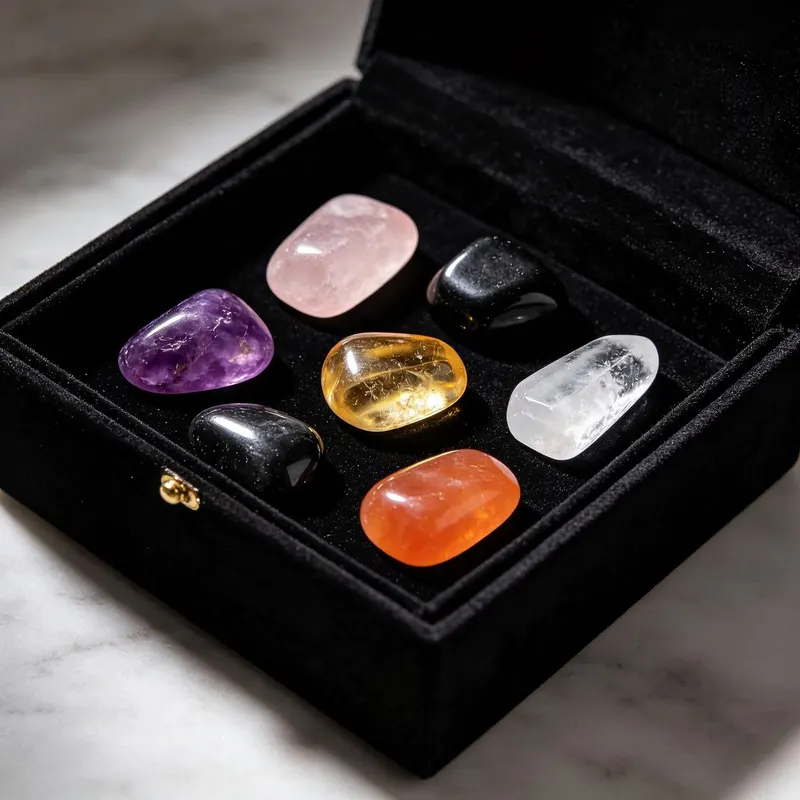
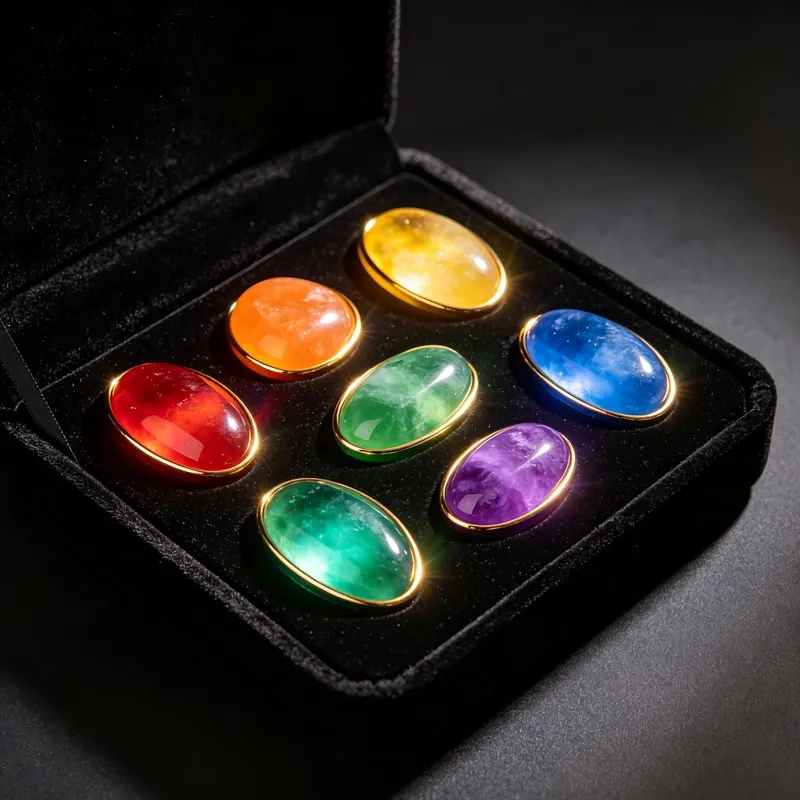
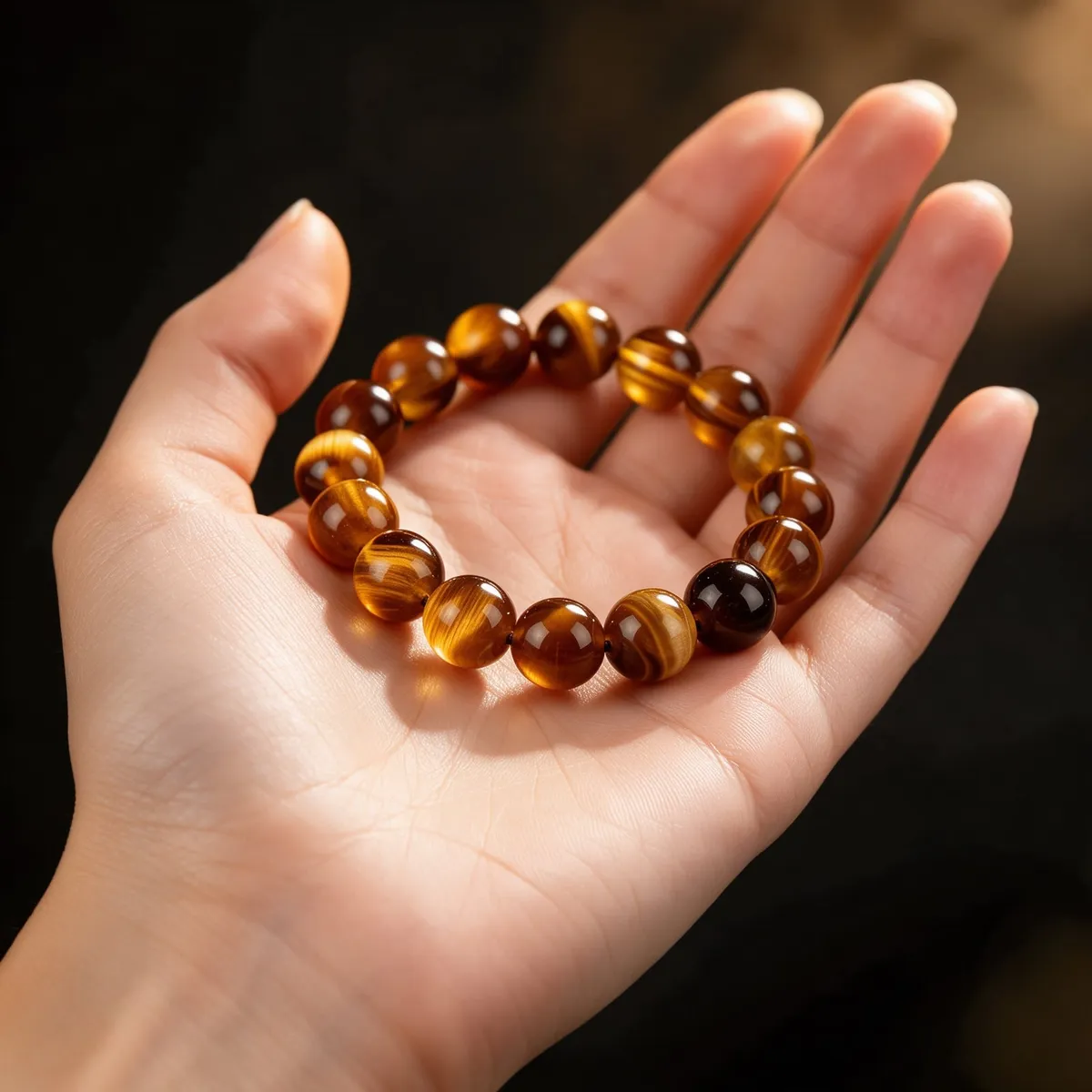
If you are new to crystals, a starter approach works well. Begin with one stone for the transition itself (moonstone or clear quartz), one for grounding (black tourmaline or obsidian), and one for energy (citrine or carnelian). A Healing Crystal Starter Kit can cover the basics in one purchase, and a 7 Chakra Stone Set with Wooden Display Box suits those who prefer a shelf or altar arrangement. If you want a single piece to carry you through a job change, the Tiger's Eye Confidence Bracelet for Focus & Courage is a practical, durable choice.
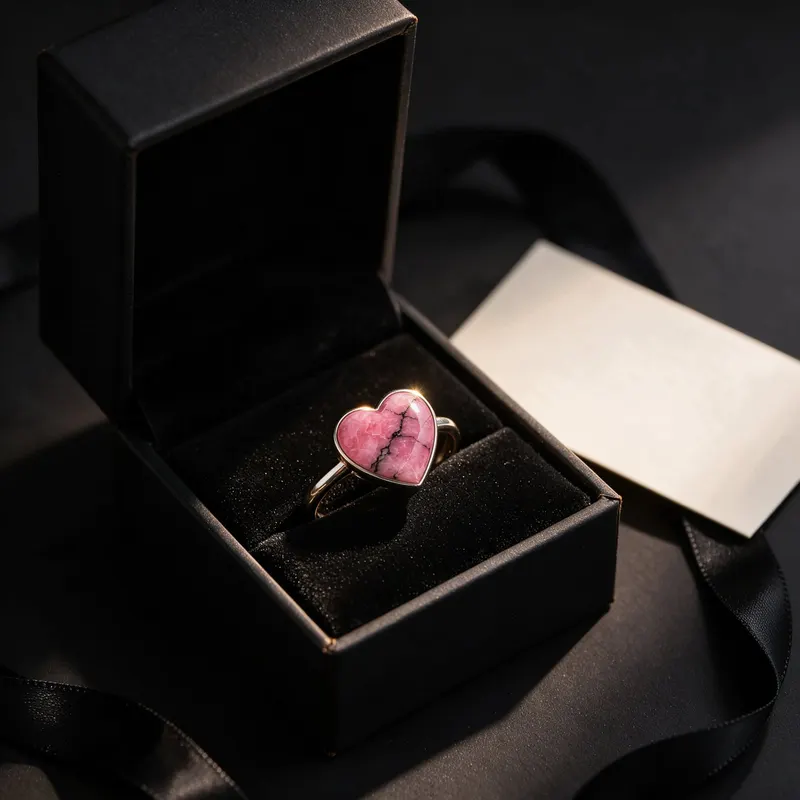
For clearing space before a new chapter, a Selenite Cleansing Wand is a traditional tool; keep it dry and store it away from harder stones. And if your transition involves repairing your relationship with yourself, the Rose Quartz Love Bracelet for Self-Love & Heart is a gentle companion.
Move Forward With Intention
Crystals work best as part of a larger practice. Pair your new-beginning stone with a clear, written plan, and revisit your intention weekly rather than only once. Our manifestation guide offers a structured approach, and if self-doubt is the main obstacle, the confidence crystals guide may help you choose a supporting stone.
FAQ
People Also Ask
Which crystal symbolizes new beginnings?
Moonstone is the most commonly cited stone for new beginnings and cycles, traditionally associated with tides, change, and intuition. Clear quartz is a close second, often used as a blank slate for a stated intention.
What stone helps with fear of change?
Traditionally, moonstone is chosen for flow and emotional steadiness, while black tourmaline or black obsidian are used for grounding. Many people pair one of each: a grounding stone for the anxiety of transition and a beginning stone for the hope.
How do I cleanse a new stone?
For most pieces, a soft dry cloth and a few minutes of quiet attention are enough. Avoid water for selenite, moonstone, and labradorite, and keep amethyst, rose quartz, and citrine out of prolonged direct sun. Never use salt water on metal settings, as it can corrode them.
Do I need to spend a lot for a meaningful piece?
No. A modest beaded bracelet or simple pendant is entirely sufficient. What matters is that you choose a stone you will see and handle regularly, and that you pair it with a real plan for the change you are making.
Closing
Transitions rarely feel tidy. The point of a beginning stone is not to make change painless but to give you a small, steady object to return to when the ground feels unsteady. Choose one, name your intention in a single clear sentence, and let it remind you each morning that you are allowed to start again.
Crystals are for reflection and are not medical devices. They do not diagnose, treat, cure, or prevent any disease. If you are struggling with your mental or physical health, please reach out to a qualified professional.