Turn Resolutions Into Intentions
It's early January, and you've probably already written a list — or at least a mental one. Less scrolling. More sleep. A career move that actually happens this year. The trouble is that most resolutions collapse by February, not because you lack willpower, but because they were never specific enough to act on or gentle enough to return to after a bad week.
A crystal ritual won't do the work for you, and it isn't a shortcut. What it can do is give you a quiet, physical anchor for a small number of intentions you've thought through carefully — something to hold, see daily, and revisit when motivation dips. The stones are a reminder of a decision you already made.
This guide walks through a January reset using clear quartz, citrine and black tourmaline, with practical notes on choosing stones, sizing, care, and what the tradition actually claims versus what we can verify.
Why Intentions Stick Better Than Resolutions
A resolution is usually a verdict: I will lose weight. I will save more. I will stop procrastinating. It's binary, and it sets you up to fail on the first off day. An intention is a direction. It describes how you want to move through the year rather than a pass/fail outcome, which makes it far easier to pick back up after a lapse.
The other practical difference is quantity. Most people set ten resolutions and remember two. Three intentions, written in the present tense and tied to a visible object, are small enough to hold in your head all year. That's the whole design of this ritual: fewer promises, more follow-through.
Stones for a Fresh Start
Three stones carry this ritual, each with a distinct job. You don't need all three to begin — start with clear quartz if you're choosing one.
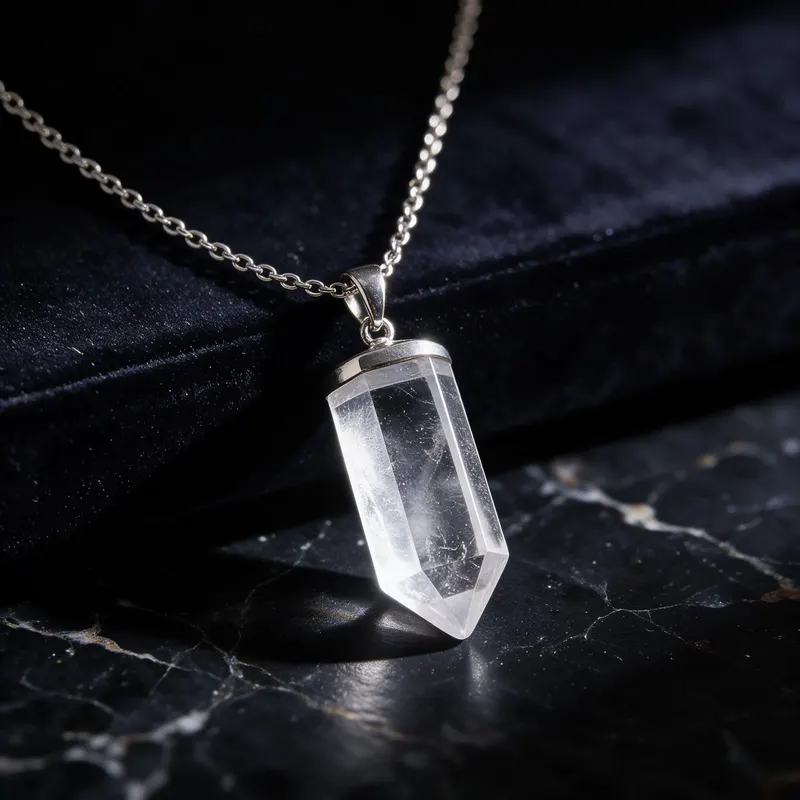
- Clear quartz is traditionally associated with clarity and focus, which makes it the natural stone for holding an intention steady. A Clear Quartz Point Pendant Necklace, Sterling Silver keeps it on your body; a palm stone or point works equally well on an altar or desk.
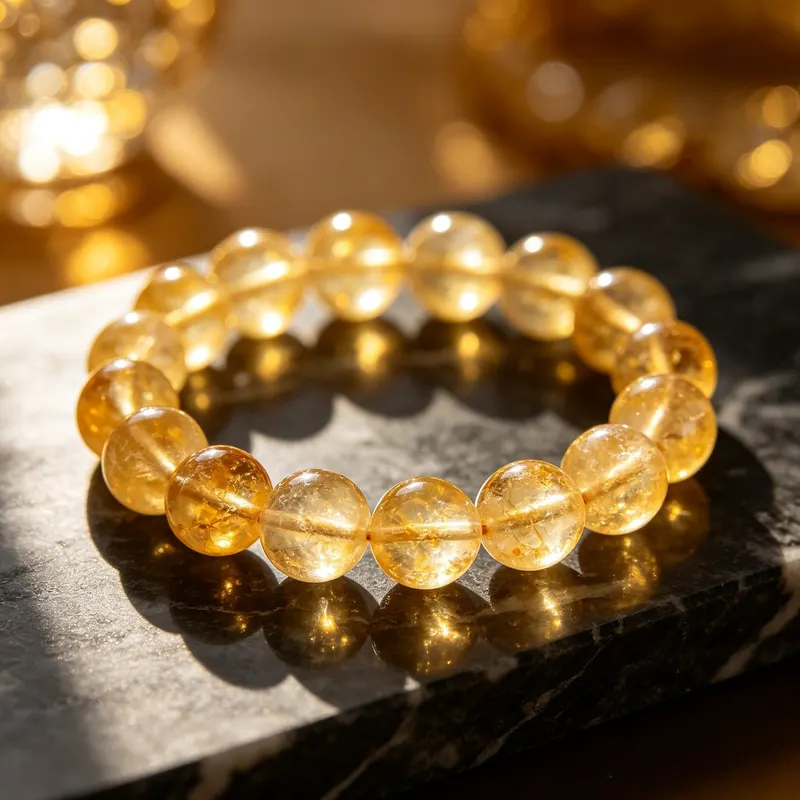
- Citrine is believed to carry warm, forward-looking energy and is traditionally associated with optimism and abundance. A Citrine Abundance Bracelet for Prosperity & Joy sits somewhere you'll see it daily — a wrist, a bedside table, a desk corner.
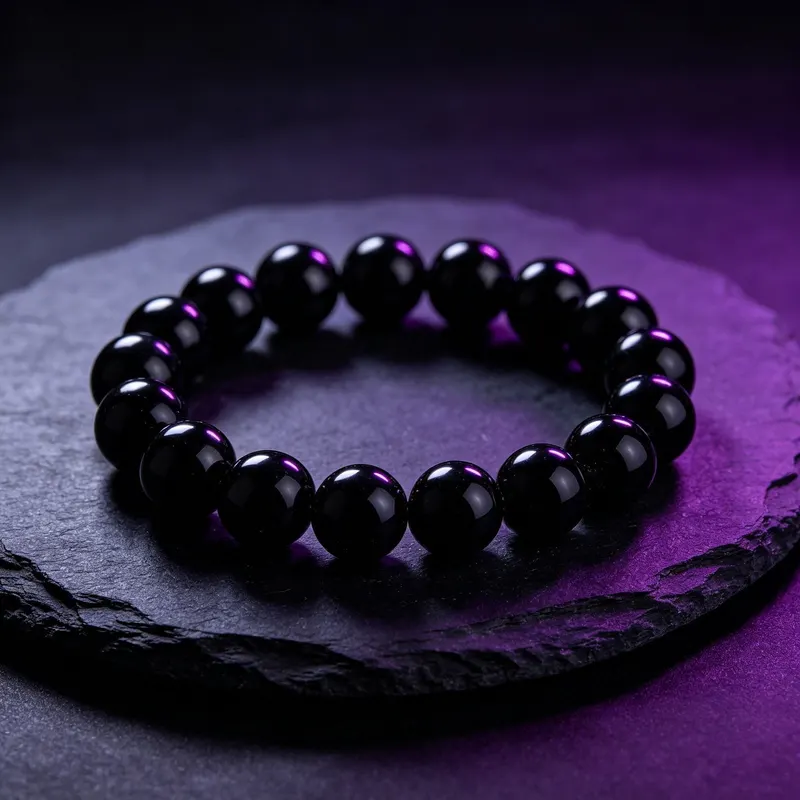
- Black tourmaline is the release stone in this trio, traditionally associated with grounding and protection. A Black Tourmaline Protection Bracelet for Grounding is the piece you hold when you're closing out the previous year rather than reaching for the next one.
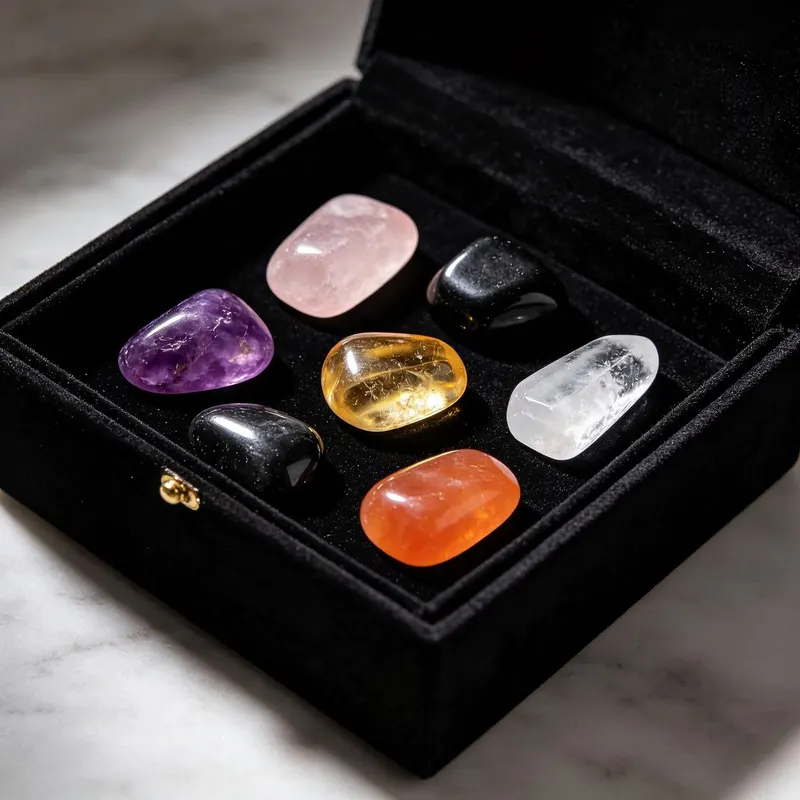
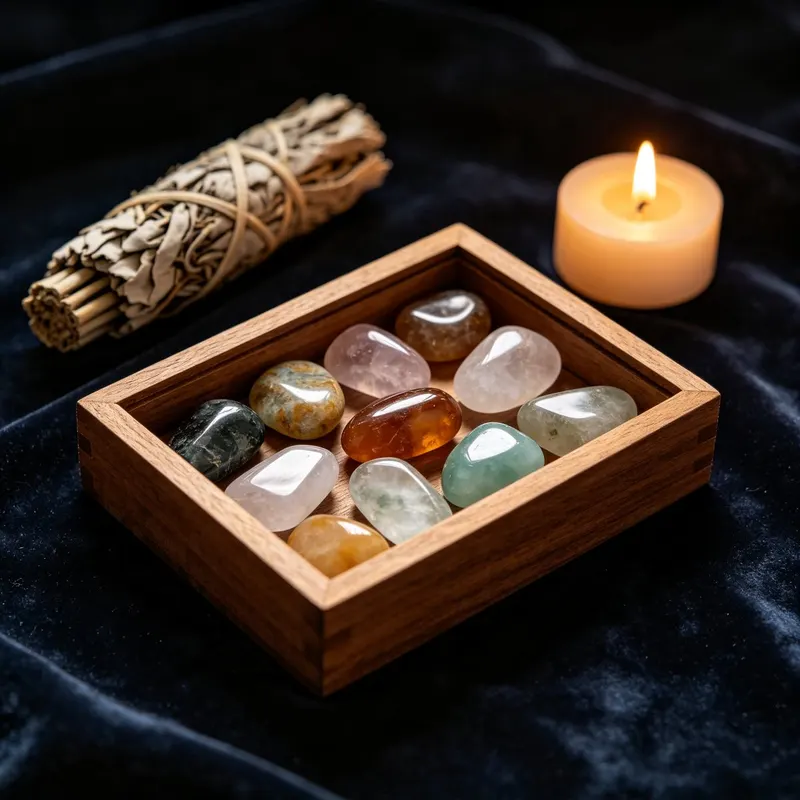
If you'd rather work with a set than individual pieces, a Healing Crystal Starter Kit, 7 Stones + Guide covers these three plus four more, which is useful if you're new and want to compare how different stones feel in the hand before committing to larger pieces.
The Ritual, Step by Step
Set aside twenty to thirty minutes on New Year's Eve, New Year's Day, or the first quiet morning you can find in January. The timing matters less than the quiet.
- Clear the space. Tidy a small surface — a corner of a desk, a nightstand, a windowsill. Wipe it down. Put your phone in another room.
- Write three intentions in the present tense. "I am building a work routine that leaves me energy at 6pm" beats "I will work harder." Keep each one to a single sentence and make it something you can act on this week.
- Hold your clear quartz and read each intention aloud, slowly. Reading aloud is the part people skip, and it's the part that makes the intention feel real rather than theoretical. Pause between each one.
- Set citrine where you'll see it daily. Not in a drawer. A spot you pass every morning.
- Hold black tourmaline and name one thing you're leaving in the previous year. A habit, a grudge, a project that's finished. Say it once, then put the stone down.
- Revisit at each new moon. Reread your three intentions. Are they still true? Adjust or retire them. Recharge the stones as described below.
If you want a longer, more formal version of this practice, our new moon ritual guide pairs well with the monthly check-in.
Choosing Your Stones: A Practical Checklist
Crystal quality varies enormously, and price doesn't always track quality. Use this checklist whether you're buying online or in person.
- Check the color is natural, not dyed. Citrine in particular is often heat-treated amethyst — this is widely accepted in the trade, but sellers should say so. Deep, uniform orange with no variation is a warning sign; natural citrine tends toward pale gold to honey with subtle zoning.
- Look for clarity and internal character. Clear quartz should be largely transparent with natural inclusions; perfectly flawless, glassy pieces at a low price are usually glass.
- Ask about treatments. A reputable seller will tell you if a stone is dyed, heated, or coated. "Natural" should mean the material, not necessarily an untreated color.
- Feel the weight. Real stone is heavier and cooler than resin or glass of the same size.
- For bracelets, measure your wrist. Wrap a strip of paper around your wrist bone, mark it, and measure flat. Add roughly 1–1.5 cm (about 0.5 inch) for a comfortable fit. Most beaded bracelets are sold in 16–19 cm sizes; if you're between sizes, size up.
- For pendants, check the chain length. 16–18 inches sits at the collarbone; 20–24 inches hangs lower. Sterling silver and gold-plated chains need different care — see below.
- Set a realistic budget. Beaded bracelets in natural stone typically run from about $20 to $80 depending on stone and bead size. Small clear quartz pendants in sterling silver commonly fall in the $40–$120 range. Large, high-clarity points and clusters cost considerably more. Be skeptical of "rare" stones priced far below market — and of ordinary stones priced far above it.
What lore says — and what the evidence shows
Crystal lore is old, varied, and not scientifically established. It's worth being clear about which claims are tradition and which are plain physical fact, because the second category is what actually determines how you care for your stones.
| Claim | Status | What it means for you |
|---|---|---|
| Clear quartz "amplifies" intention | Traditional lore | Use it as a focus object; the benefit is in the deliberate attention, not the stone itself |
| Citrine attracts abundance | Traditional lore | Treat it as a daily reminder of goals you're already working toward |
| Black tourmaline grounds and protects | Traditional lore | Useful as a calming ritual cue; not a substitute for real support if you're struggling |
| Quartz is hard (Mohs 7) | Verifiable fact | Scratch-resistant but can chip; store separately from softer stones |
| Citrine is hard (Mohs 7) | Verifiable fact | Fine for daily wear; avoid harsh cleaners and prolonged direct sun, which can fade color over time |
| Black tourmaline is hard (Mohs 7–7.5) | Verifiable fact | Durable for bracelets; still chips on hard impacts |
| Stones can be "charged" in sunlight | Partly verifiable | Sun is fine for quartz and tourmaline; skip it for amethyst, rose quartz and fluorite, which fade |
| Stones should never touch water | Depends on the stone | Quartz and tourmaline tolerate brief rinsing; selenite dissolves, and plated metals tarnish — keep those dry |
Care basics: wipe stones with a soft dry or slightly damp cloth. Clean sterling silver with a silver polishing cloth; keep gold-plated pieces away from water, perfume and lotion, and remove them before showering or swimming. Store beaded bracelets flat or in a pouch so the elastic doesn't stretch. To "recharge," place stones on a windowsill in moonlight or beside a piece of selenite — a Selenite Cleansing Wand for Energy Clearing is the traditional tool for this and doubles as a display piece. Keep selenite itself dry.
Adapting the Ritual to Your Year
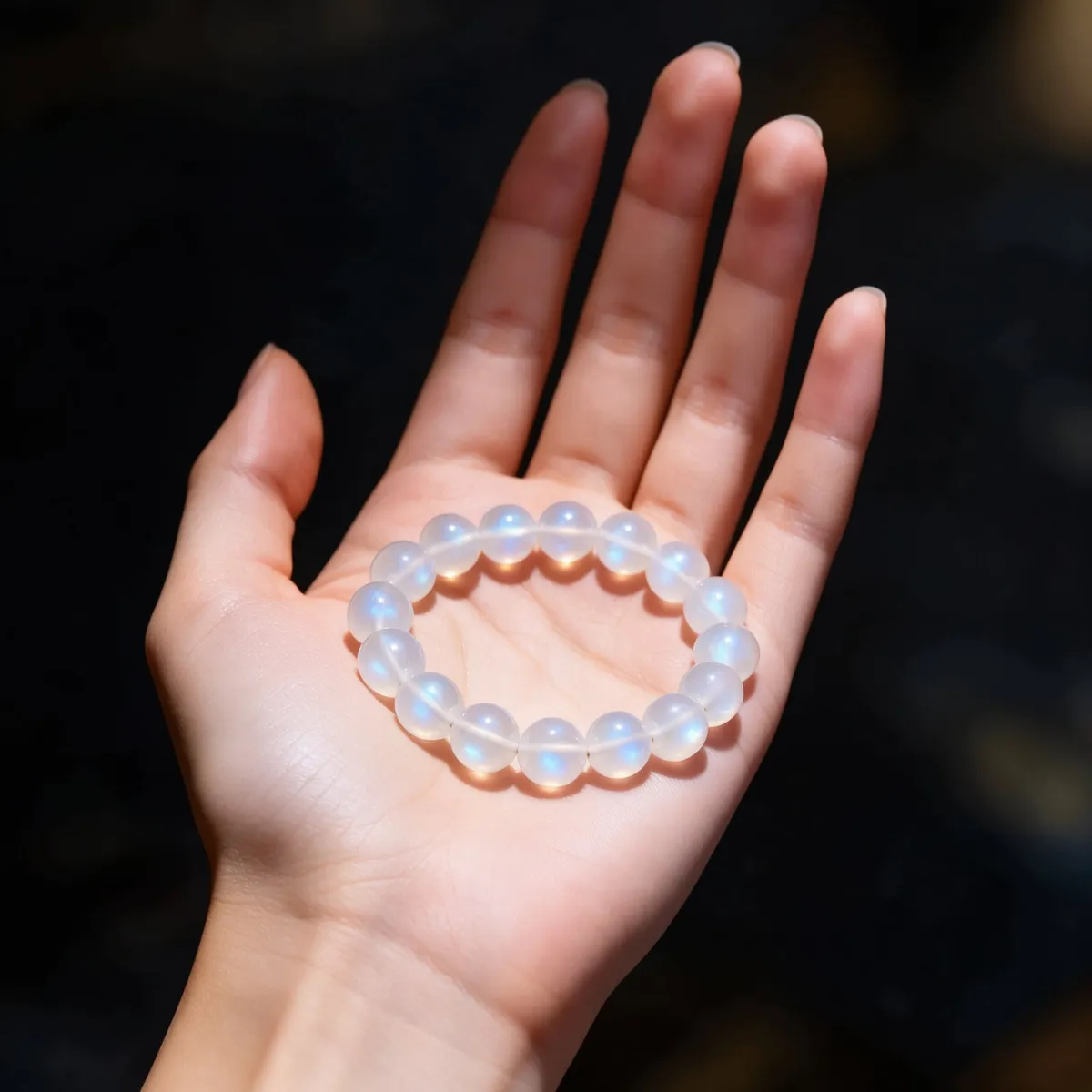
The three-stone structure is a starting point, not a rule. If your year is mostly about focus and work, a Rainbow Fluorite Focus Bracelet for Concentration can stand in for citrine. If the year is about a fresh chapter after a loss or a move, Rainbow Moonstone is traditionally associated with new beginnings. If you're rebuilding confidence, Tiger's Eye is the classic choice.
If you'd rather build a small altar than wear your stones, a Raw Amethyst Cluster for Meditation & Altar makes a natural centerpiece, and a 7 Chakra Stone Set with Wooden Display Box gives you a tidy way to keep a rotation of stones visible. Whichever you choose, keep the number small. A crowded altar is harder to return to than three stones with a clear job.
One more practical note: the ritual only works if the intentions are ones you can act on. Before you finish, write down the single smallest step for each intention — the email you'll send, the walk you'll take, the bedtime you'll try. The stones remind you; the step is what moves you.
FAQ
People Also Ask
What crystal is best for new beginnings?
Clear quartz is the most common choice for setting intention, and citrine is the traditional companion for optimism and forward momentum. Moonstone is also traditionally associated with new chapters. Any of the three works — pick the one you'll actually keep in sight.
How many intentions should I set?
Three is a sustainable number: enough to cover the areas that matter most, few enough to remember and act on. If you're drawn to more, write them all down, then choose the three you're most willing to work on this quarter.
How do I cleanse and recharge my stones?
Wipe them with a soft cloth, then place them in moonlight overnight or beside selenite. Avoid sunlight for amethyst, rose quartz and fluorite, which can fade. Keep selenite, plated jewelry and any glued settings away from water.
Do I need to buy new stones every year?
No. The same three stones can carry the ritual year after year, and many people find that continuity meaningful. If you want to mark a new chapter, add one stone rather than replacing the set.
A Closing Note
The value of this ritual isn't in the stones themselves — it's in the twenty quiet minutes you spend deciding what the year is actually for, and in the daily reminder that keeps those decisions in view. Choose stones you like the look and feel of, care for them simply, and let them do the modest job they're good at: bringing you back to an intention you already chose.
Crystals are for reflection and ritual; they are not medical devices and are not a substitute for professional care.