When the Night Turns Against You
You wake at 3 a.m. with your heart pounding, the details of the dream already dissolving but the fear still sitting on your chest. Maybe it happens once a week. Maybe it happens most nights, and you've started dreading the moment you turn off the lamp. You've tried a glass of water, a podcast, a different pillow—and you're here because you want something gentler and more intentional to bring to bedtime.
Crystals won't rewrite your dreams. What they can do is anchor a calm, repeatable wind-down ritual—a physical cue that tells your body the day is over and the room is safe. That ritual, done consistently, is the real work. The stones are the reminder.
This guide covers which stones are traditionally associated with restful sleep and protection, how to place and care for them, a practical bedtime routine, and—importantly—how to tell the difference between ordinary bad dreams and something that deserves professional support.
Why a Bedtime Ritual Matters More Than the Stone
Nightmares tend to cluster around periods of stress, disrupted sleep schedules, illness, or big life transitions. The body's stress response doesn't fully stand down, and the mind keeps rehearsing threat even in sleep. A calming pre-sleep routine works on the other side of that equation: it lowers arousal before bed, keeps your sleep timing consistent, and gives your nervous system a predictable sequence it can learn to associate with safety.
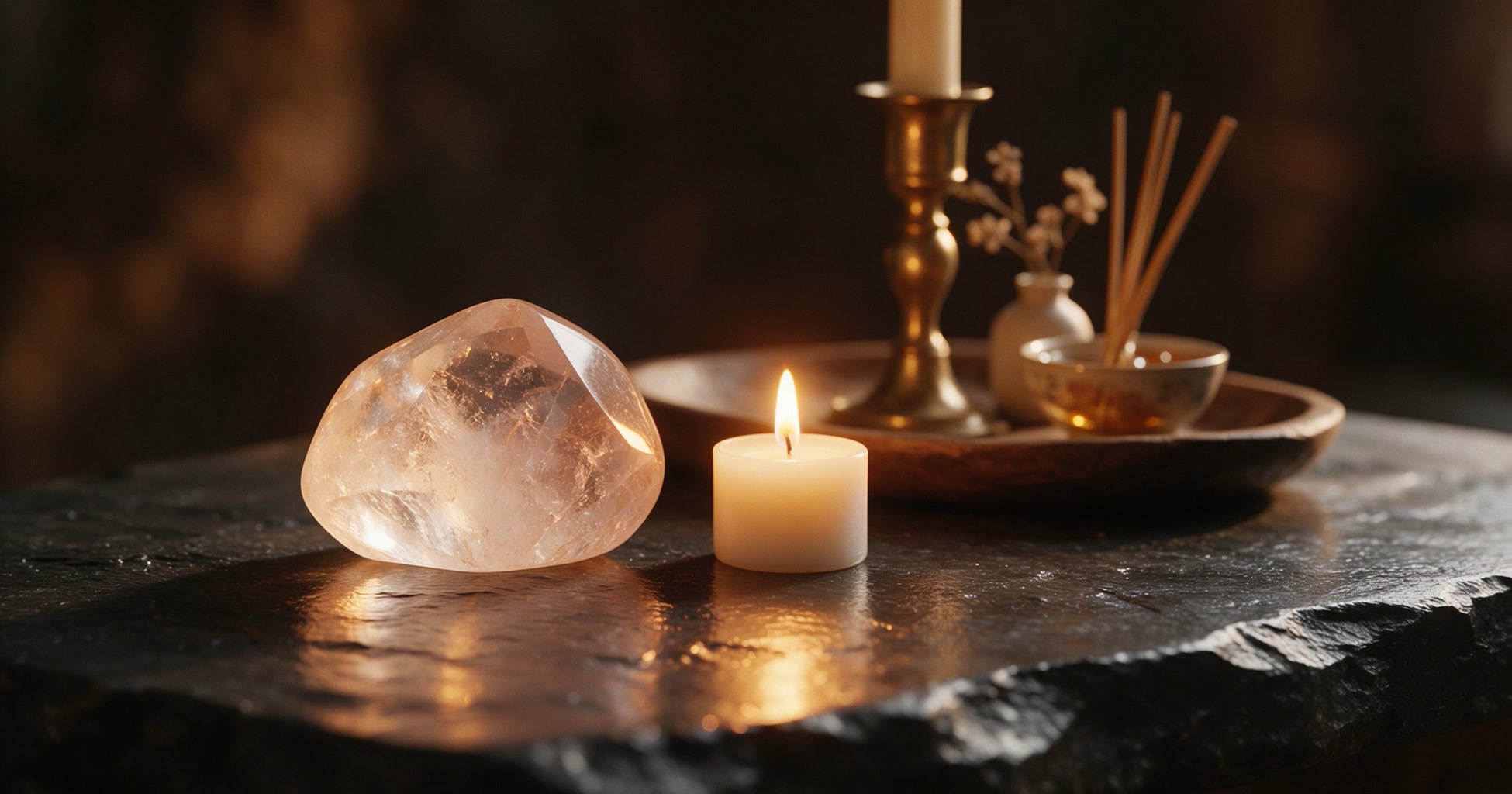
This is where a crystal earns its place. It's a tangible object you pick up at the same time each night, in the same low light, with the same slow breathing. Over a couple of weeks, the stone itself becomes the cue—you hold it and your body begins to downshift. That's conditioning, not magic, and it's genuinely useful. Think of the crystal as a bookmark for calm rather than a switch that turns nightmares off.
Bedside Stones: What to Choose and Why
Traditional crystal lore assigns different qualities to different stones. These are cultural associations and frameworks for reflection, not clinical claims—but they give you a meaningful way to choose and to focus your intention each night.
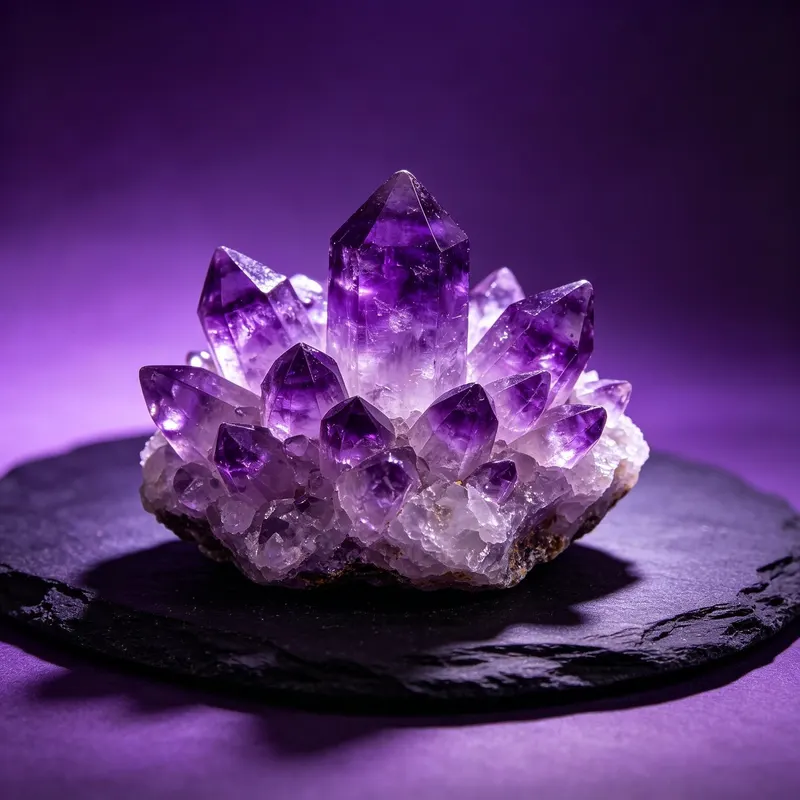
- Amethyst is the most common sleep-adjacent stone in the tradition, associated with a settled mind and quieter thoughts. The Amethyst Healing Bracelet for Calm & Clarity is easy to hold during breathing, or you can keep a Raw Amethyst Cluster for Meditation & Altar on the nightstand as a room anchor.
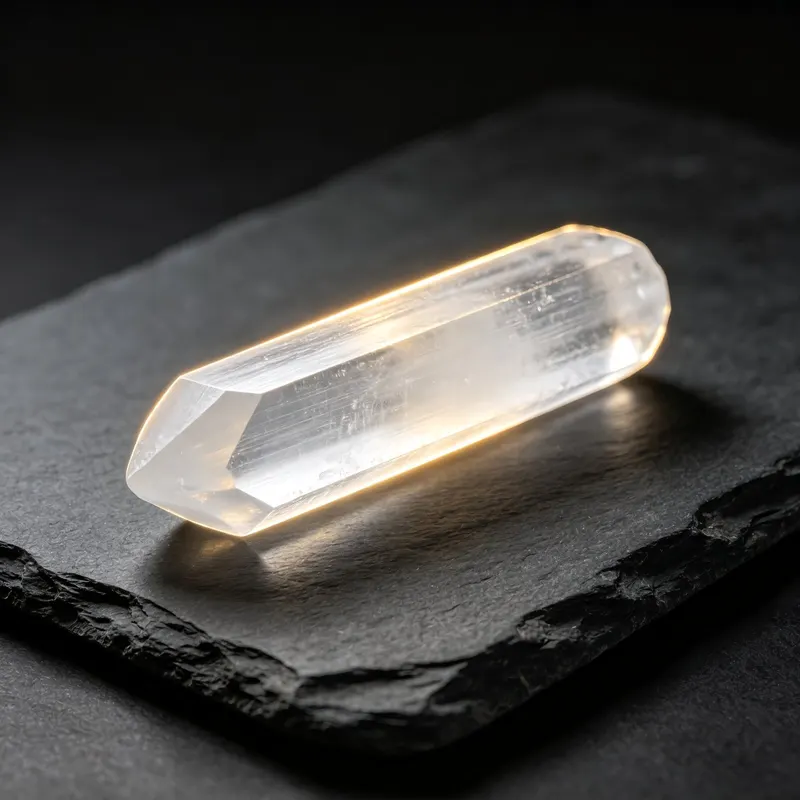
- Selenite is traditionally used for clearing a space and is often described as bringing a light, clean feeling to a room. A Selenite Cleansing Wand laid flat on the nightstand works well as part of an evening "reset" gesture.
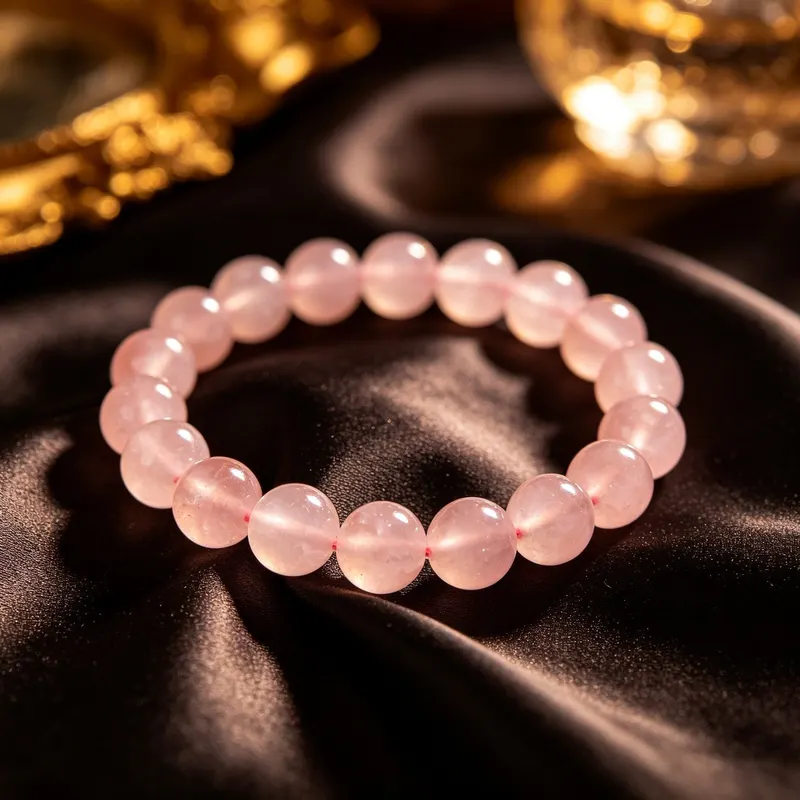
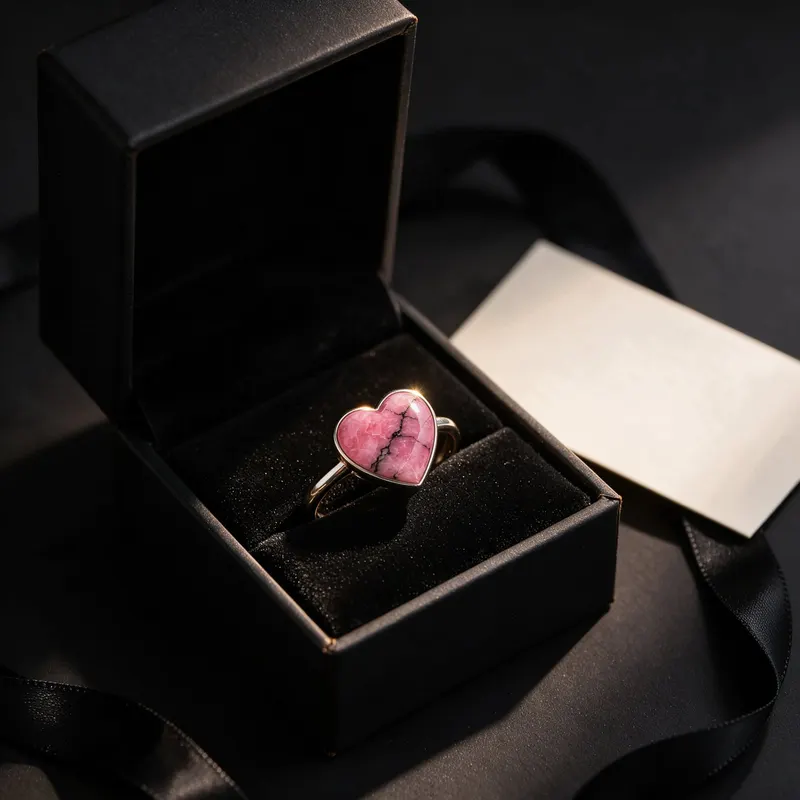
- Rose quartz is associated with comfort and gentle self-compassion—useful if your nightmares leave you feeling raw or unsettled. The Rose Quartz Love Bracelet for Self-Love & Heart is a soft, unobtrusive choice for the bedside.
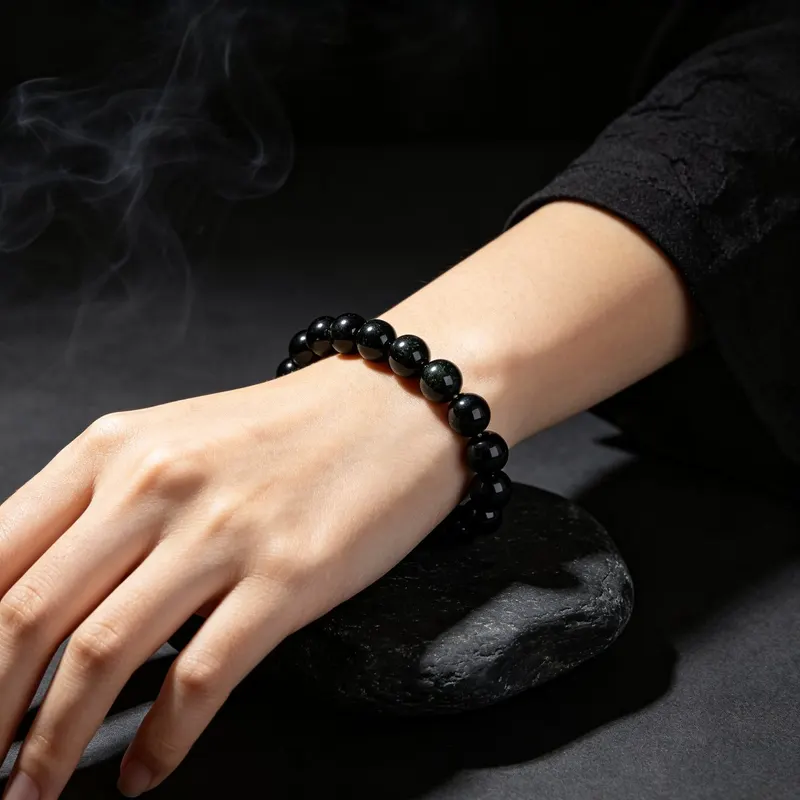
- Black tourmaline and obsidian are the tradition's protection stones, believed to support a sense of being shielded or grounded. The Black Tourmaline Protection Bracelet for Grounding suits people whose nightmares center on feeling unsafe.
- Moonstone is tied to intuition and cycles, and some people find it a natural companion for dream-focused reflection. The Rainbow Moonstone Bracelet for Intuition & New Beginnings is a good fit if you want to work with dreams rather than push them away.
You do not need all of these. One or two stones chosen with intention will serve you better than a crowded nightstand.
Quick comparison
| Stone | Traditional association | Best bedside form | Care note |
|---|---|---|---|
| Amethyst | Calm, quiet mind, rest | Bracelet to hold, or raw cluster | Fades in prolonged direct sun; keep away from harsh heat |
| Selenite | Clearing, lightness, space reset | Flat wand on nightstand | Water-soluble—never soak or rinse |
| Rose quartz | Comfort, self-compassion, safety | Bracelet or small heart | Sturdy; wipe with a soft dry cloth |
| Black tourmaline | Protection, grounding | Bracelet or tumbled stone | Durable; avoid dropping on hard floors |
| Obsidian | Protection, honest reflection | Pendant or tumbled stone | Can chip at edges; store separately |
| Moonstone | Intuition, cycles, new beginnings | Bracelet | Softer stone—avoid knocks and harsh cleaners |
How to Set Up Your Bedside (Sizing, Placement, Safety)
A few practical details make the difference between a ritual you keep and one you abandon.
- Keep stones off the mattress. Loose stones and bracelets can end up under your back or tangled in sheets. A nightstand, a small tray, or a shelf above the bed is safer—especially with children or pets in the room.
- Bracelet sizing: measure your wrist snugly with a strip of paper and add roughly half an inch (about 1–1.5 cm) for comfort. Most beaded bracelets sit between 6.5 and 7.5 inches; if you're between sizes, size up so the elastic isn't stretched overnight.
- Pendant length: if you prefer to wear a stone rather than hold one, a pendant that rests at the sternum is comfortable for evening wear and easy to remove before sleep. The Black Obsidian Teardrop Protection Pendant Necklace is a good example of a piece that works as a wind-down cue.
- Light and quiet: keep the room cool, dark, and as quiet as you can manage. The stone should be the only thing you need to reach for.
- One anchor object: resist adding a new stone every week. Consistency is what builds the association.
A Wind-Down Routine You Can Actually Keep
This takes about fifteen minutes and works best at the same time each night.
- Screens off an hour before bed. Dim the lights instead.
- Set the room. Cool temperature, curtains closed, phone face-down or in another room.
- Pick up your stone. Hold it in your non-dominant hand and breathe slowly—in for four counts, out for six—for about two minutes. Let your shoulders drop.
- Name three safe, good things from the day. Small is fine: a warm drink, a kind word, a moment of quiet.
- Set the stone down on the nightstand in the same spot each night. That placement is the closing gesture.
- If you wake from a nightmare, don't lie there replaying it. Turn on a low light, hold the stone, breathe slowly, and if you're still unsettled after ten minutes, get up briefly and sit somewhere calm before returning.
Give the routine two to three weeks before judging it. Rituals build slowly.
Tradition vs. evidence: what holds up
It's worth being clear about which parts of this practice are lore and which are plain physical fact.
Traditional lore: Amethyst is said to quiet a busy mind; selenite is believed to clear stagnant energy from a room; black tourmaline and obsidian are traditionally associated with protection and grounding; rose quartz is linked to comfort and self-compassion; moonstone is tied to intuition and dreamwork. These are cultural and spiritual frameworks. They are not medical claims, and no crystal has been shown to prevent or treat nightmares.
What we can verify: the physical properties of the stones, which determine how you care for them.
- Mohs hardness: quartz-family stones (amethyst, rose quartz, clear quartz) sit at about 7, which is reasonably durable for daily wear but can still scratch softer materials. Moonstone and labradorite are around 6–6.5 and chip more easily. Selenite is very soft, around 2—it scratches with a fingernail, so handle it gently and keep it away from other stones in storage.
- Water sensitivity: selenite dissolves in water and should never be soaked or rinsed. Many polished stones tolerate a quick wipe with a barely damp cloth, but dry cleaning is safest across the board.
- Sunlight sensitivity: amethyst and rose quartz can fade with prolonged direct sun. Store them away from a bright windowsill.
- Cleaning: a soft dry or barely damp cloth is enough. Avoid ultrasonic cleaners and harsh chemicals, which can damage coatings and softer stones.
- Charging and cleansing rituals (moonlight, sound, selenite plates) are traditional practices with no measurable effect on the stone—but they're a pleasant, harmless part of the ritual if they help you slow down.
Crystals are for reflection and ritual; they are not medical devices.
When to Seek Professional Support
Occasional nightmares are common and usually ease with better sleep habits and lower stress. But some patterns deserve more than a bedtime ritual. Consider talking to a doctor or mental health professional if:
- Nightmares happen most nights and leave you afraid to sleep.
- You avoid sleep, or your daytime functioning, mood, or work is affected.
- The dreams replay a real traumatic event, or come with flashbacks.
- You act out dreams—kicking, shouting, or moving violently in sleep—or you injure yourself or a partner.
- You feel persistently low, anxious, or unsafe during the day.
Evidence-based therapies exist for recurring nightmares, and a clinician can help you find the right one. A crystal routine can sit alongside professional care; it shouldn't replace it.
FAQ
People Also Ask
Where should I place a crystal for nightmares?
On the nightstand, a small tray, or a shelf above the bed—not loose in the bed, especially with children or pets in the room. Keep the placement identical each night so it becomes a reliable cue.
Do crystals stop nightmares?
No. They don't treat or prevent nightmares. What they can do is anchor a calming bedtime routine, which may support better sleep hygiene and a greater sense of safety at night. Recurring or distressing nightmares deserve professional support.
How do I clean and care for bedside stones?
Wipe with a soft dry cloth. Never soak selenite—it's water-soluble. Keep amethyst and rose quartz out of prolonged direct sun, store softer stones like moonstone and selenite separately to avoid scratches, and skip ultrasonic cleaners.
Which stone should a beginner start with?
Amethyst is the most common starting point, given its traditional association with a settled mind. If your nightmares center on feeling unsafe, black tourmaline may feel more appropriate. Choose one, use it consistently for a few weeks, and see how the routine feels before adding anything else.
A Gentle Place to Begin
Start with a single stone, a fixed spot on the nightstand, and the same fifteen minutes each evening. The goal isn't to control your dreams—it's to give your body a clear, repeated signal that the day is done and the room is safe. If you'd like to explore further, browse the Calm, Stress Relief & Sleep Collection, or read more on sleep crystals, amethyst's meaning, and bedroom placement.
Crystals are offered for wellness, reflection, and ritual—not as medical or psychological treatment. If you are struggling with persistent low mood, anxiety, grief, or trauma, please reach out to a qualified professional.