When Everything Is Taking Longer Than You Hoped
There is a particular kind of discomfort that comes from waiting well. A job search that stretches into months. A body that heals more slowly than the calendar suggests. A relationship, a creative project, a decision that simply isn't ready yet. The waiting itself isn't always the hard part—it's the low hum of frustration underneath it, the mental replay of "why isn't this moving faster?"
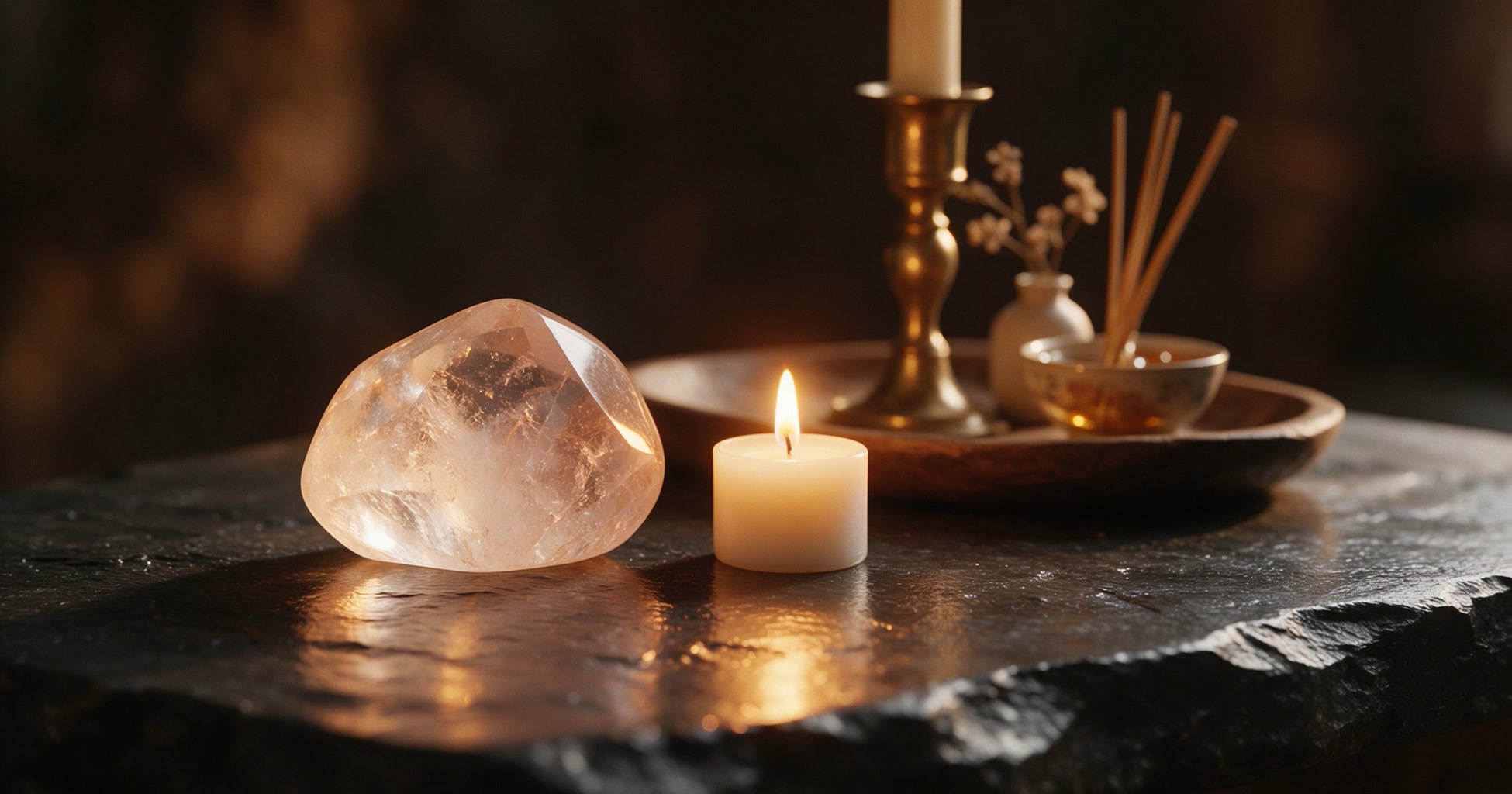
If you've found yourself drawn to crystals during a slow season, you're in good company. Many people reach for grounding stones not because they expect a stone to speed things up, but because they want something tangible to hold while they practice staying calm. That's the spirit of this guide: patience as a daily practice, supported by stones that are traditionally associated with calm, grounding, and self-compassion.
Below you'll find which stones are most often chosen for patience work, how to actually use them, how to choose and size them, and—importantly—what we can honestly say about crystals versus what remains tradition and belief.
Patience Is a Practice of the Nervous System
Waiting—for results, healing, a reply, a season to change—can feel physically agitating. You may notice it in your jaw, your shoulders, your breath going shallow. Patience, in this light, isn't a personality trait you either have or lack; it's a set of small physical and mental habits you can rehearse. Grounding stones are traditionally used as anchors for that rehearsal: you hold one, slow your breathing, and give your attention somewhere steady to land.
Think of a stone less as a switch and more as a cue—like a meditation bell or a journal on your nightstand. Its job is to remind you to pause, and the pause is where the real work happens.
Stones for the Waiting Place
Different stones suit different flavors of impatience. Some people need to slow a racing mind; others need to feel their feet on the floor; others need to be gentler with themselves about being frustrated in the first place.
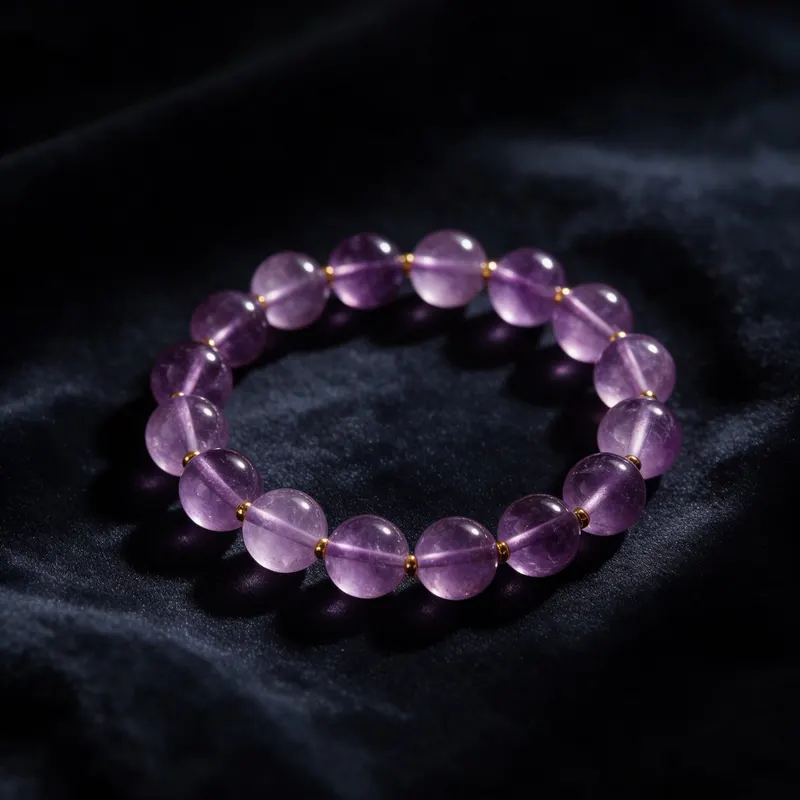
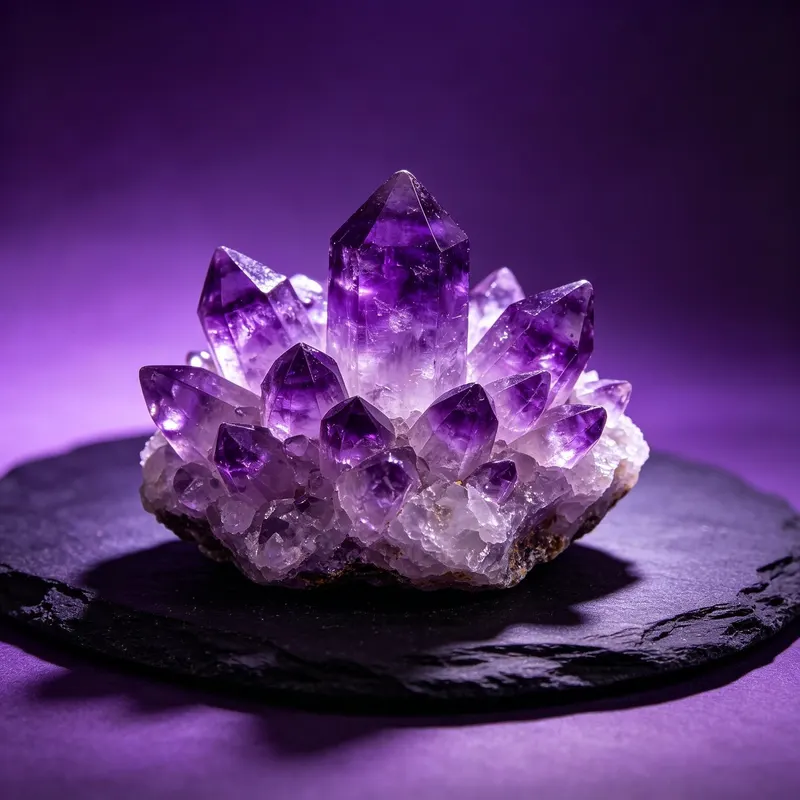
- Amethyst is traditionally associated with calming an overactive mind and is a common choice for evening wind-down and meditation. The Amethyst Healing Bracelet for Calm & Clarity is an easy everyday piece; if you prefer a stone for a desk or altar, the Raw Amethyst Cluster for Meditation & Altar gives you something larger to rest your gaze on.
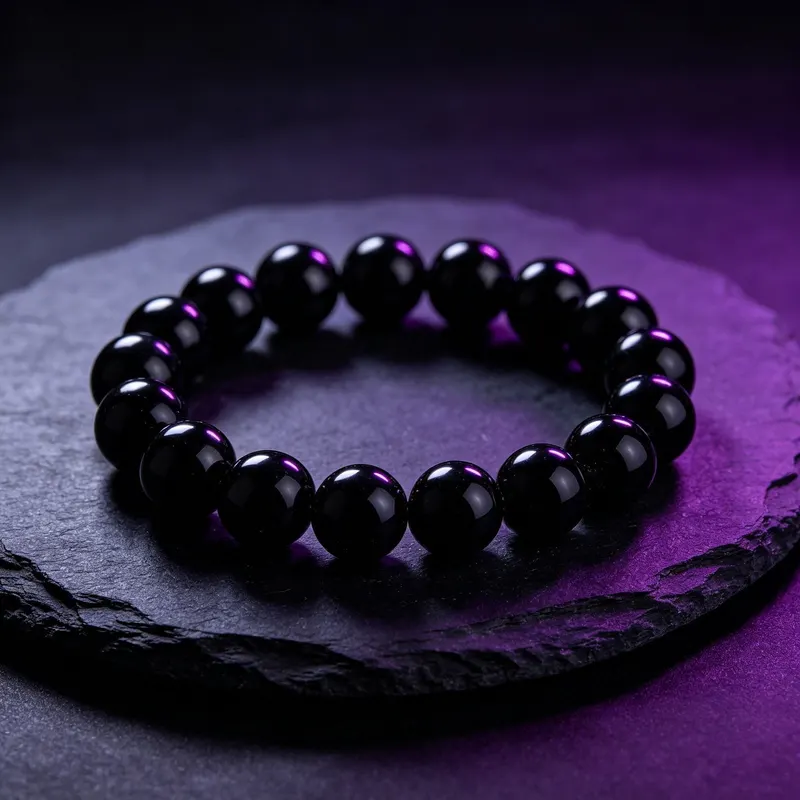
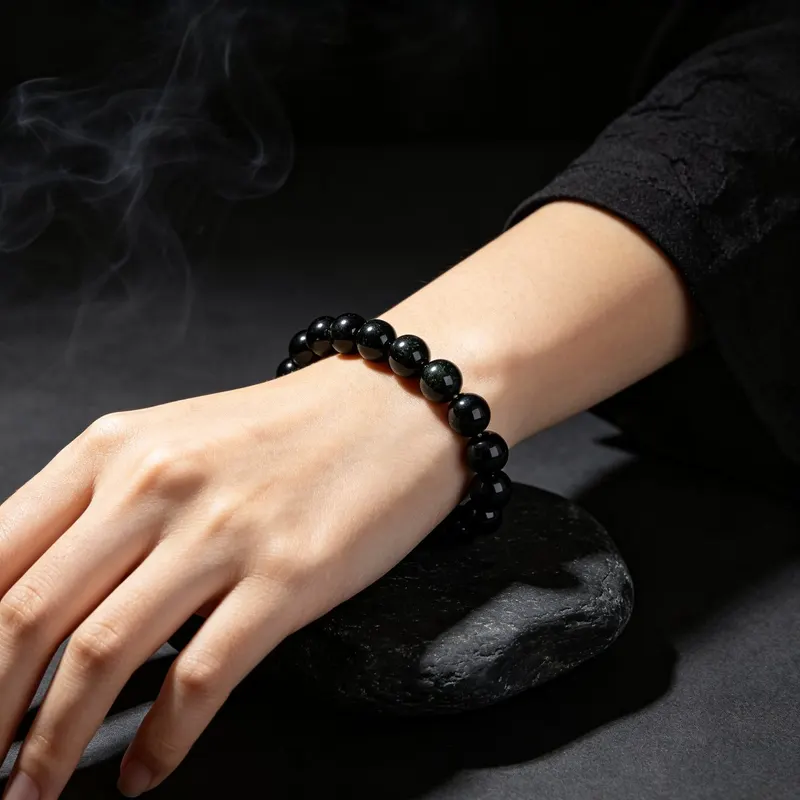
- Black tourmaline is believed to support grounding—useful when impatience feels like static in the body. The Black Tourmaline Protection Bracelet for Grounding is a practical choice for wearing through a workday.
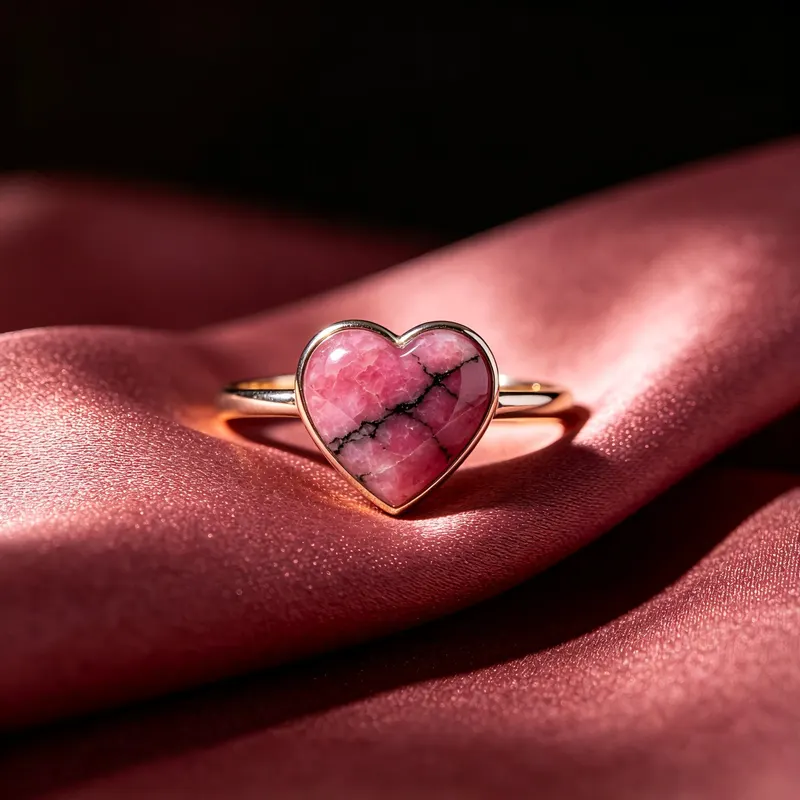
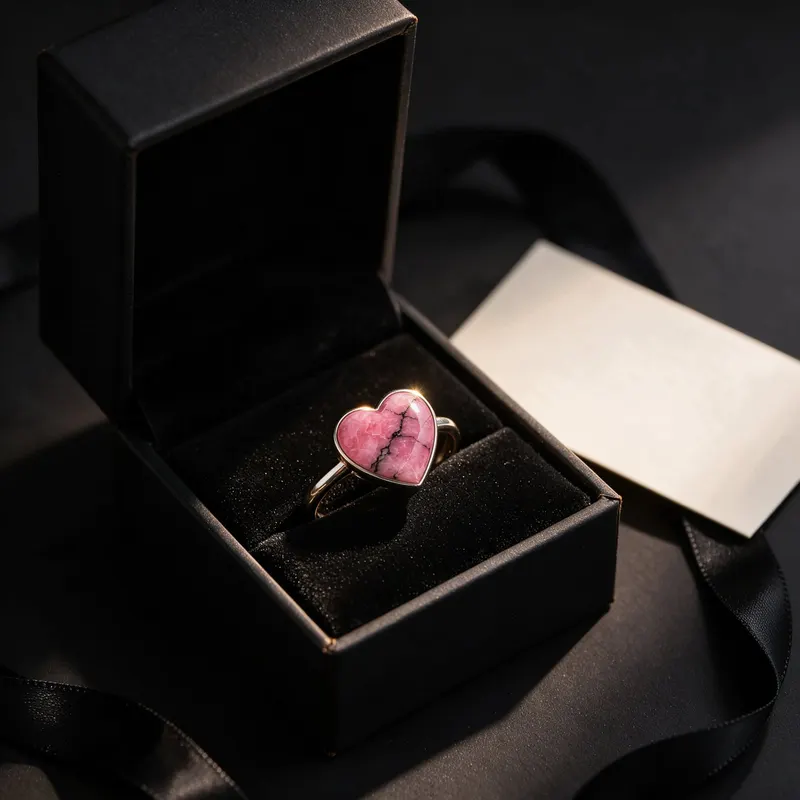
- Rhodonite is traditionally associated with forgiveness and gentle self-compassion, which matters when you're frustrated with yourself for being frustrated. The Rhodonite Heart Ring for Love & Forgiveness keeps that reminder close at hand.
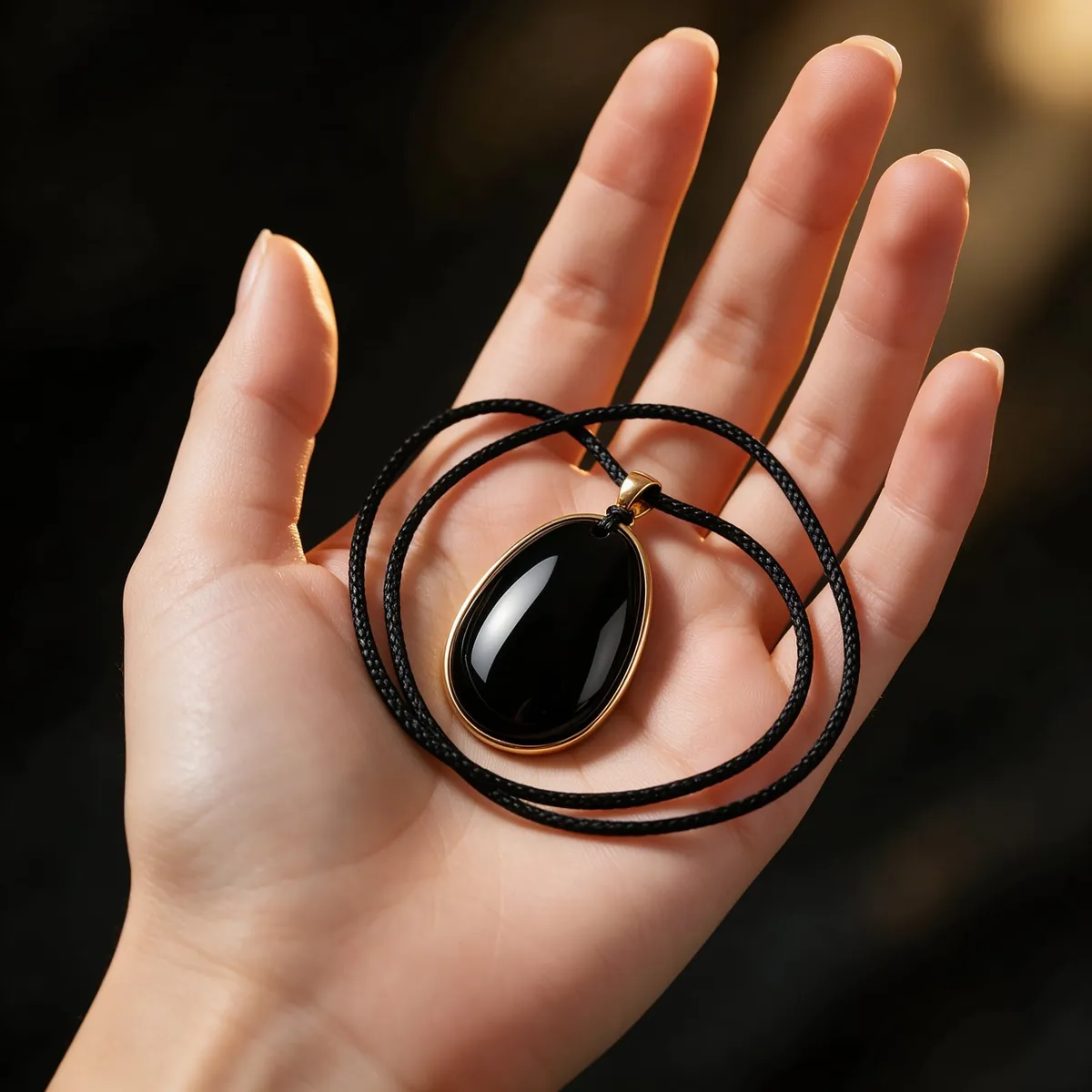
- Clear quartz is often used as a "clarity" stone—helpful for sorting what's actually within your control. A Clear Quartz Point Pendant Necklace works well if you prefer a pendant to a bracelet.
- Moonstone is associated with new beginnings and cycles, a fitting companion for seasons that feel stuck between one chapter and the next.
Choosing a Patience Stone: A Quick Comparison
If you're deciding between a few options, this table may help you match a stone to the kind of waiting you're doing. These are traditional associations, not guarantees.
| Stone | Traditionally associated with | Best format for | Typical price range |
|---|---|---|---|
| Amethyst | Calm, clarity, quieter mind | Bracelet or cluster for meditation | $25–$70 |
| Black tourmaline | Grounding, protection, steadying | Bracelet worn daily | $30–$60 |
| Rhodonite | Self-compassion, forgiveness | Ring or small tumbled stone | $30–$65 |
| Clear quartz | Clarity, focus | Pendant | $40–$90 |
| Moonstone | Intuition, new beginnings | Bracelet | $30–$60 |
Prices vary with stone quality, metal (sterling silver and gold-plated settings cost more), and craftsmanship. Be wary of anything dramatically cheaper than these ranges—it often means dyed, glass, or reconstituted material rather than natural stone.
A Practice for Impatient Moments
This is a short routine you can do in about two minutes, anywhere. It borrows from grounding and breathing practices that many people find settling.
- Name it without judging it. Silently note, "I'm in a hurry," or "I'm frustrated." Naming a feeling tends to loosen its grip slightly.
- Hold your stone and lengthen your exhales. Breathe in for a count of four, out for a count of six, for about a minute. Let the stone's weight and temperature give your attention somewhere to rest.
- Redirect to one small action. Ask, "What is one thing within my control right now?" Send the email, drink the water, take the walk.
- Repeat daily. Patience tends to strengthen with repetition, much like a muscle. The stone becomes a cue for the whole sequence.
A bulleted checklist for building the habit:
- Keep your stone where you'll see it during the waiting—desk, car, bedside.
- Pair the practice with an existing routine (morning coffee, commute, before bed).
- Use one stone for one purpose so the cue stays clear.
- Note in a journal what triggered impatience and what helped—patterns emerge fast.
What the old stories say — and what checks out
Crystal traditions are old and culturally rich, but they are not the same as tested scientific claims. Here's an honest split.
What tradition says
Many crystal traditions hold that certain stones carry energetic properties—amethyst for calm, black tourmaline for grounding, rhodonite for the heart. These are beliefs passed down through practice and lore. They can be meaningful to you personally without being proven, and that's okay. What we won't do is claim a stone diagnoses, treats, or cures anything.
What we can verify
- Hardness (Mohs scale): Quartz-family stones like amethyst and clear quartz rate about 7, meaning they resist scratches but can chip. Rhodonite is softer (roughly 5.5–6.5) and more prone to scratching. Black tourmaline is around 7–7.5. Softer stones need gentler handling.
- Water sensitivity: Selenite dissolves in water and should never be soaked. Many porous or dyed stones can fade or degrade with prolonged water exposure. As a rule, clean most crystal jewelry with a soft dry or barely damp cloth rather than soaking it.
- Sunlight sensitivity: Amethyst, rose quartz, and several other stones can fade with long direct sun exposure. Store them away from a bright windowsill.
- Care basics: Remove bracelets and rings before swimming, showering, cleaning, or exercising. Store pieces separately to avoid scratches. Check elastic bracelets for wear and restring before they snap.
- Sizing: Measure your wrist with a soft tape and add about half an inch for a comfortable bracelet fit. For rings, use a ring sizer or have a jeweler measure you—sizing varies by brand.
Crystals are for reflection and are not medical devices. If frustration or low mood is affecting your daily life, a healthcare professional is the right person to talk to.
How to Choose and Care for Your Stone
When you're shopping, look for natural color variation and inclusions—real stones rarely look perfectly uniform. Ask whether metal components are sterling silver or gold-plated, since plating wears over time. For daily wear, a bracelet is convenient; for a desk or altar, a cluster or wand gives you something to hold during a longer pause.
Cleaning is simple: a soft cloth for most pieces, and a dry brush for textured stones. If you follow a tradition of "cleansing" your stones, many people use moonlight, sound, or a selenite wand—just keep water-sensitive stones dry. The Selenite Cleansing Wand for Energy Clearing is a common choice for that ritual, and it should be stored away from moisture.
If you're new to crystals entirely, a Healing Crystal Starter Kit, 7 Stones + Guide lets you try several stones before committing to one. And if you'd like to explore more calming pieces, browse the Calm, Stress Relief & Sleep Collection.
FAQ
People Also Ask
What crystal is best for patience?
Black tourmaline is traditionally used for grounding frustration while amethyst is associated with calming the mind—a solid patience pair. Rhodonite adds a gentler, self-compassionate note.
How do I stop feeling frustrated while waiting?
Ground the body first with slow exhales, then refocus on one small action within your control. Holding a stone can serve as a simple cue to begin that pause.
Can I wear my patience stone every day?
Yes, with care. Remove bracelets and rings for swimming, showering, and exercise, and check elastic for wear. Softer stones like rhodonite benefit from gentler handling.
How do I know if a stone is real?
Look for natural color variation and inclusions, ask about the metal setting, and be skeptical of prices far below typical ranges. A reputable seller will describe the stone honestly rather than promise outcomes.
A Closing Note
Patience rarely arrives all at once. It's built in small, repeated pauses—one breath, one held stone, one small action at a time. Choose a stone that feels right in your hand, keep it where you'll see it during the waiting, and let it remind you to slow down. That's the whole practice.
Crystals are offered for wellness and gifting, not as medical or psychological treatment.