If you live somewhere the sun sets before dinner for months at a time, you already know the pattern: the alarm goes off in the dark, the afternoon light is gone before you finish work, and by January your mood has quietly flattened. Maybe you're sleeping more but waking up tired, craving carbohydrates, and finding it harder to feel excited about things you normally enjoy. You're not imagining it, and you're not being dramatic. Seasonal shifts in light affect many people, and for some the change is significant enough to interfere with daily life.
This guide is for anyone who wants to take that dip seriously without overcomplicating it. We'll look at what actually has evidence behind it—light exposure, movement, sleep regularity, social contact, professional support—and where crystals fit in as a small, honest ritual rather than a cure. Stones like citrine and amethyst won't replace a morning walk or a conversation with your doctor, but they can serve as tangible reminders of intentions you've already set. Think of them as anchors for habits, not substitutes for them.
We'll be specific about what to buy, how to care for it, what it costs, and what the tradition claims versus what can actually be verified. If you're here for a pretty bracelet and a bit of structure, you'll find both. If you're here because you're struggling, please read the section on professional help carefully—that part matters more than any stone.
Take Seasonal Low Mood Seriously
Shorter days lower energy and mood for a lot of people, and that's a normal response to less light. But seasonal affective disorder (SAD) is a recognized condition, not a personality flaw, and it deserves real attention. Symptoms can include persistent low mood, loss of interest, sleep changes, appetite changes (often cravings for starchy foods), difficulty concentrating, and a heaviness that doesn't lift with a good weekend.
If you notice these patterns repeating each year, or if they're severe enough to affect work, relationships, or your ability to function, that's a signal to talk to a healthcare provider. Crystals are a supportive ritual. They are not a treatment, and no stone should delay you from getting help that works.
Sunny, Uplifting Stones for the Dark Months
In crystal tradition, certain stones are associated with warmth, light, and calm—qualities that feel scarce in winter. Here's how a few of them are traditionally used, and how you might work them into a realistic routine.
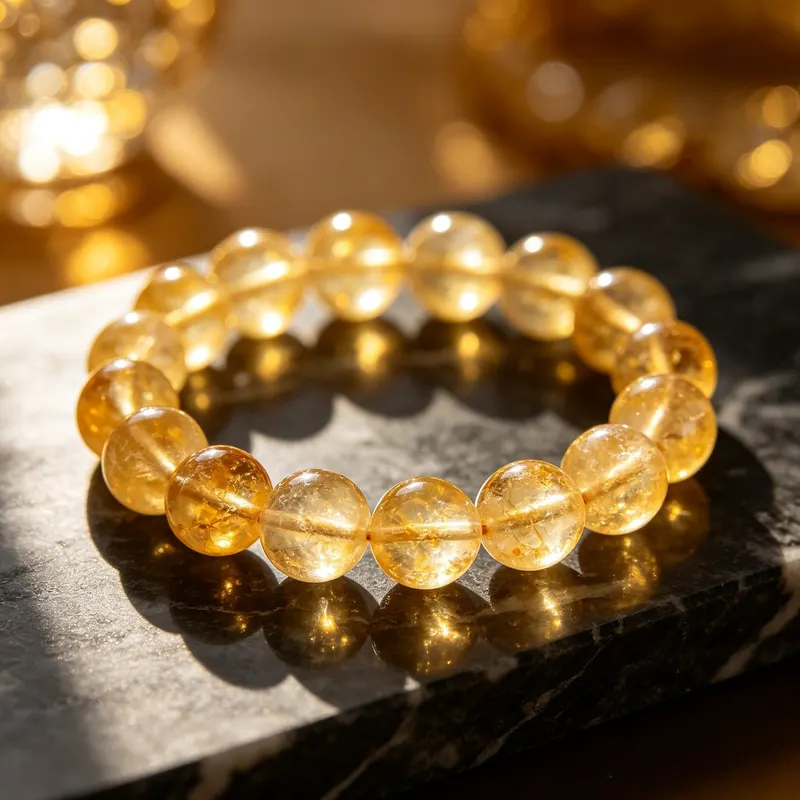
- Citrine is the classic "sunshine" stone, traditionally associated with optimism and energy. A Citrine Abundance Bracelet works as a portable cue: wear it on your wrist and let it remind you to step outside for ten minutes of daylight, even when it's gray.
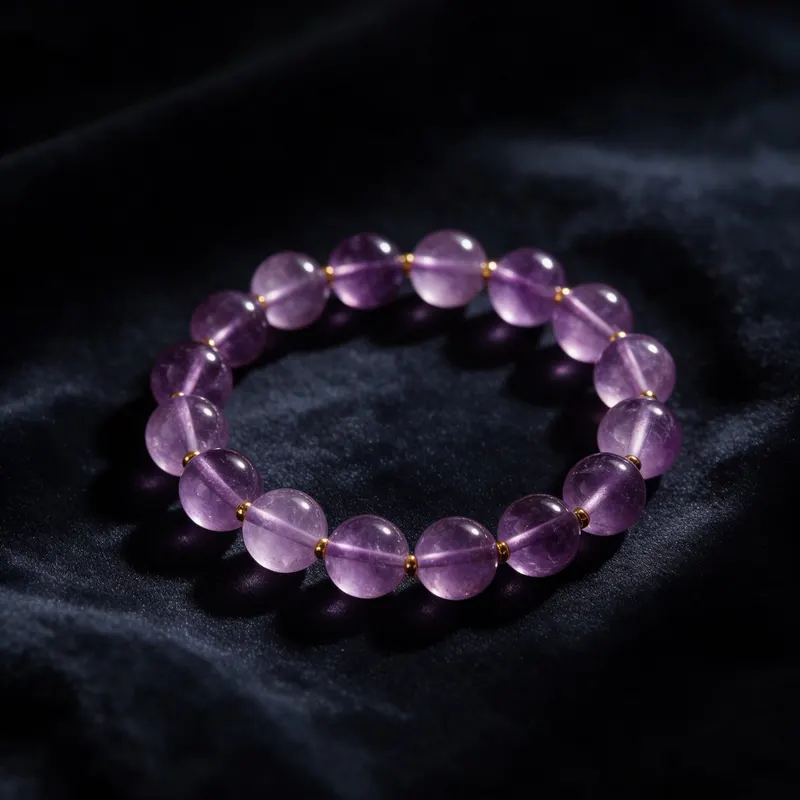
- Amethyst is believed to support calm and steadier evenings. An Amethyst Healing Bracelet can be part of a wind-down ritual—put it on when you dim the lights and put your phone away, signaling to yourself that the day is closing.
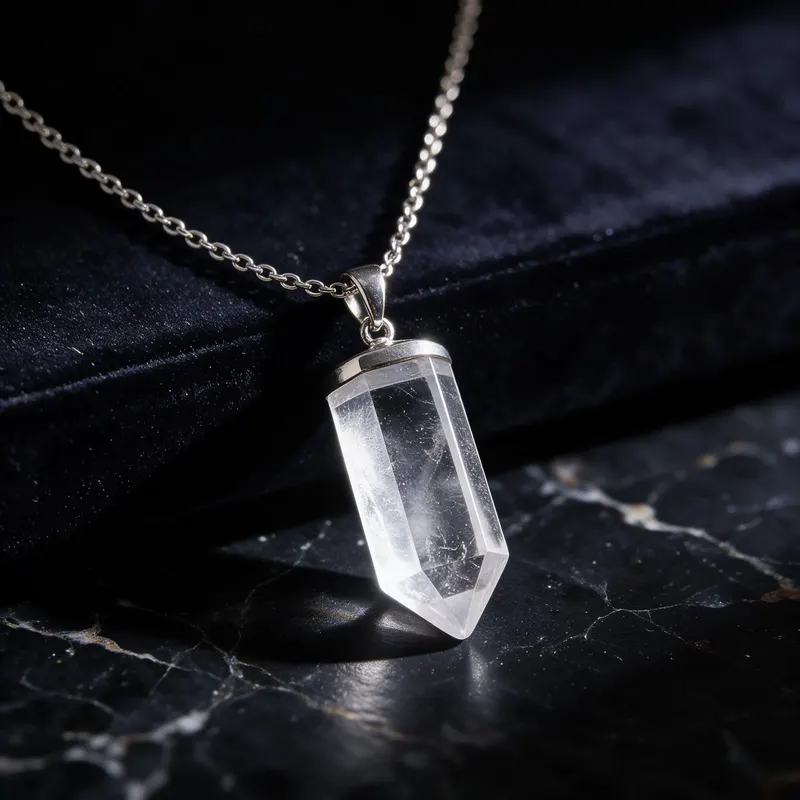
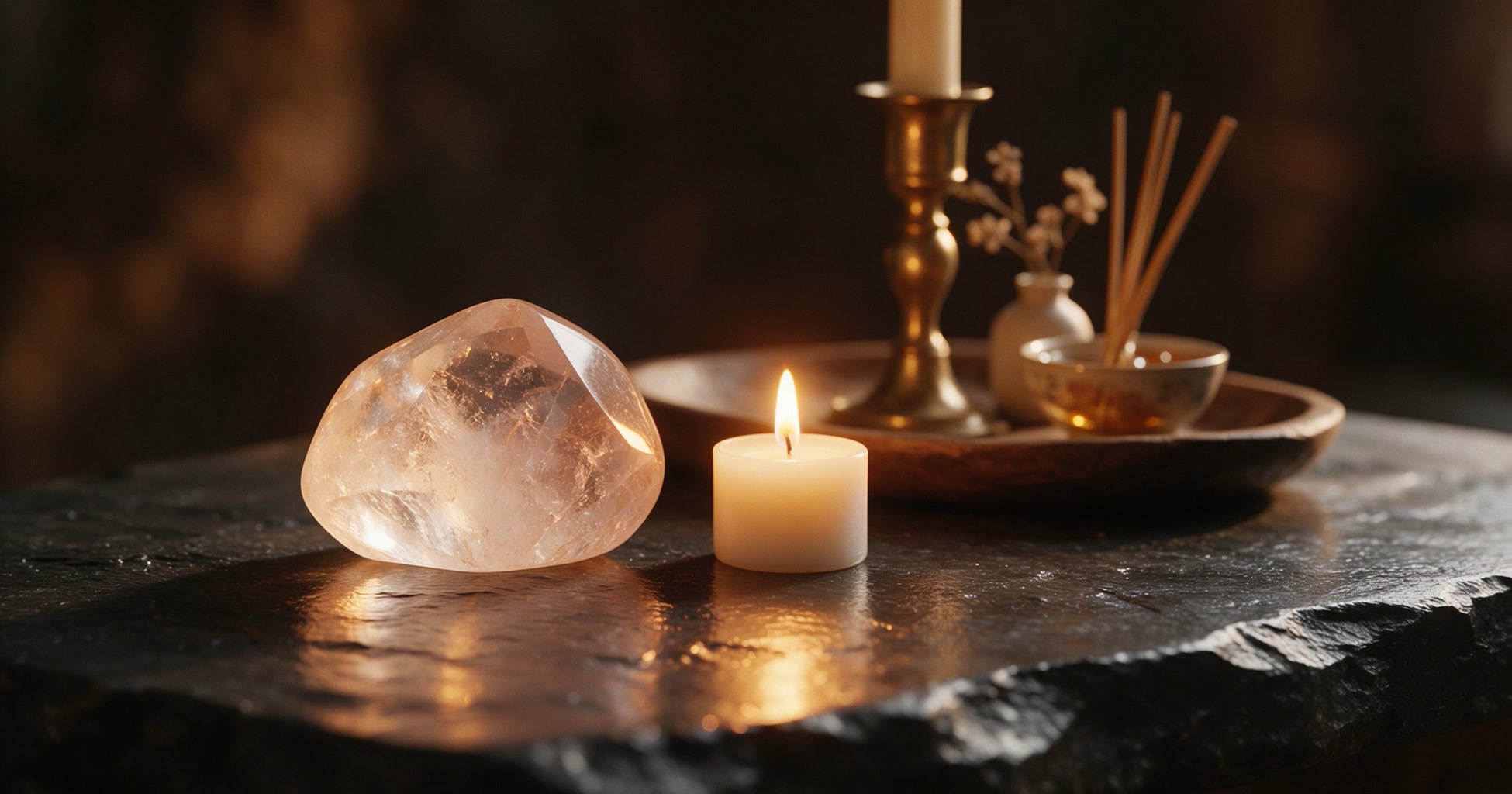
- Clear quartz is traditionally used as an amplifier and intention-setter. A Clear Quartz Point Pendant Necklace can hold a single, specific intention for the season—something like "I will get outside before noon"—rather than a vague wish.
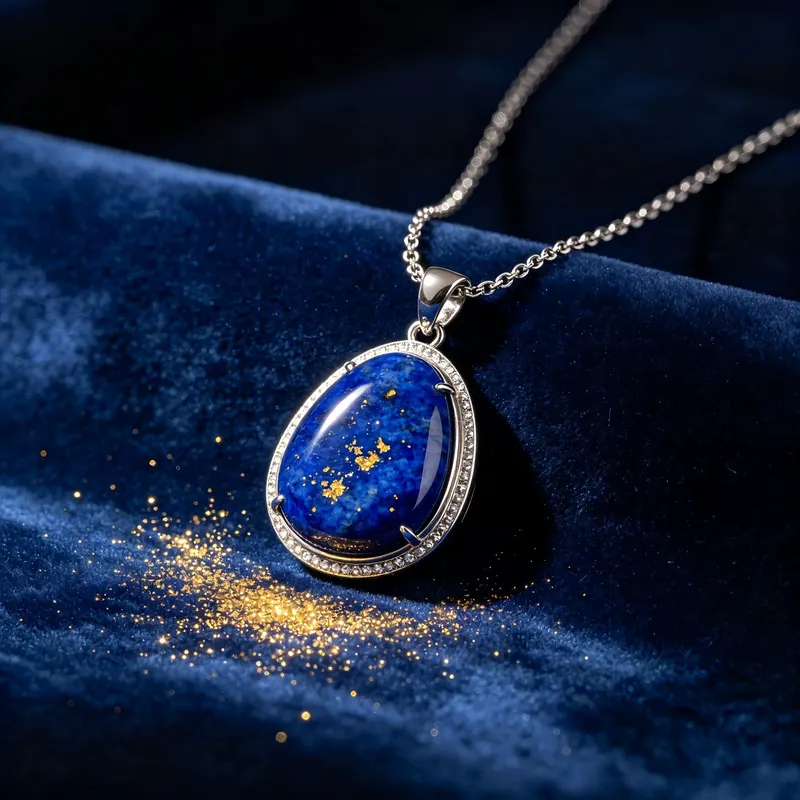
- Lapis lazuli is associated with wisdom and clear communication, which can be useful if winter isolation makes it harder to reach out. A Lapis Lazuli Wisdom Pendant can serve as a reminder to send the text or make the call.
None of these stones generate light or replace a lamp. What they can do is give a physical, visible form to an intention you've already decided to act on. That's the honest version of the ritual.
What Actually Helps Most
If you only do four things this winter, make them these. They're boring, they're free or cheap, and they have far more evidence behind them than any crystal.
- Get outside within an hour of waking. Natural light in the morning helps anchor your body clock. Even an overcast sky is brighter than indoor lighting. Ten to twenty minutes is a reasonable starting point; a walk is better than standing still.
- Keep a steady sleep and movement schedule. Going to bed and waking at roughly the same time—and moving your body most days—supports mood and energy more reliably than any supplement or stone.
- Stay connected, and schedule it before you feel like it. Winter isolation creeps in quietly. Put a recurring call or coffee on the calendar so it happens even on low-energy weeks.
- If low mood is severe or lasts weeks, talk to a professional. Light therapy, talk therapy, and other approaches may help, and a clinician can help you figure out what's appropriate for you.
Building a Winter Ritual That Fits Real Life
The most useful crystal practice is the one you'll actually keep. Here's a simple structure you can adapt:
- Morning: Put on your citrine bracelet, then go outside for natural light. The stone is the trigger; the light is the point.
- Midday: If you work indoors, take a short walk or stand near a window. Touch your pendant or bracelet and name one thing you're looking forward to this week.
- Evening: Switch to amethyst, dim the lights, and set a phone cutoff time. Use the stone as a physical marker that the day is winding down.
- Weekly: Cleanse your stones (see care notes below) and check in with yourself: is the routine still working, or has it become automatic in a way that's lost its meaning?
If you're building a practice from scratch, a Healing Crystal Starter Kit with seven stones and a guide can be a low-pressure way to try a few different rituals before committing to one.
Choosing Your Stones: A Practical Comparison
Here's a quick reference for the stones most often reached for during low-light months. Prices are realistic ranges for bracelets and small pendants from reputable sellers; expect to pay more for larger pieces, precious metals, or certified gemstones.
| Stone | Traditional Association | Best Used For | Typical Price (Bracelet/Pendant) |
|---|---|---|---|
| Citrine | Optimism, energy, abundance | Morning light cue, motivation | $25–$60 |
| Amethyst | Calm, sleep, spiritual clarity | Evening wind-down, meditation | $20–$55 |
| Clear Quartz | Clarity, amplification, intention | Single-intention pendant | $30–$75 (sterling silver) |
| Lapis Lazuli | Wisdom, communication | Reaching out, journaling | $35–$90 (gold-plated) |
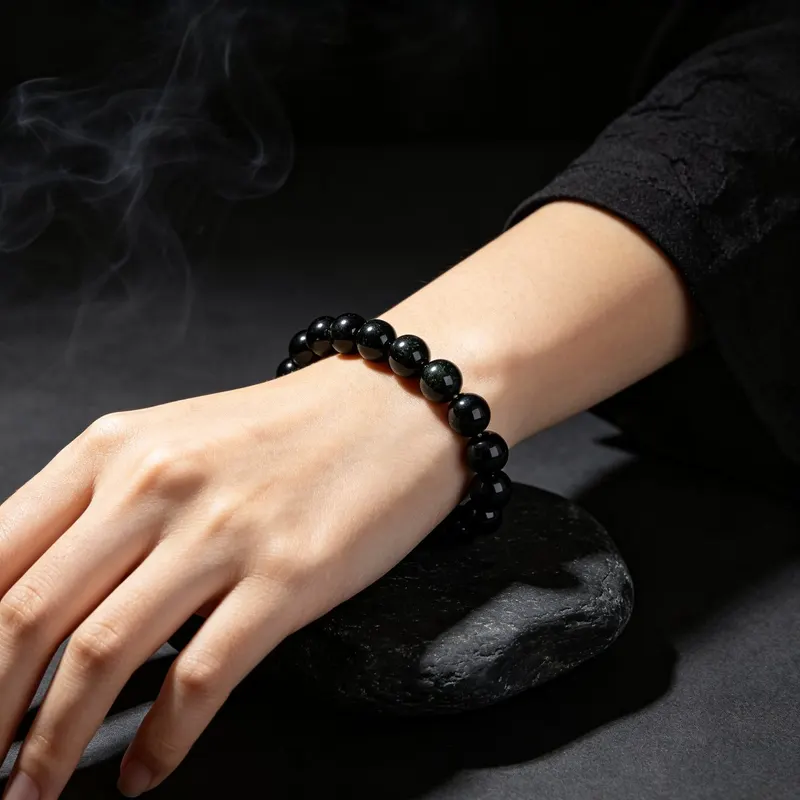
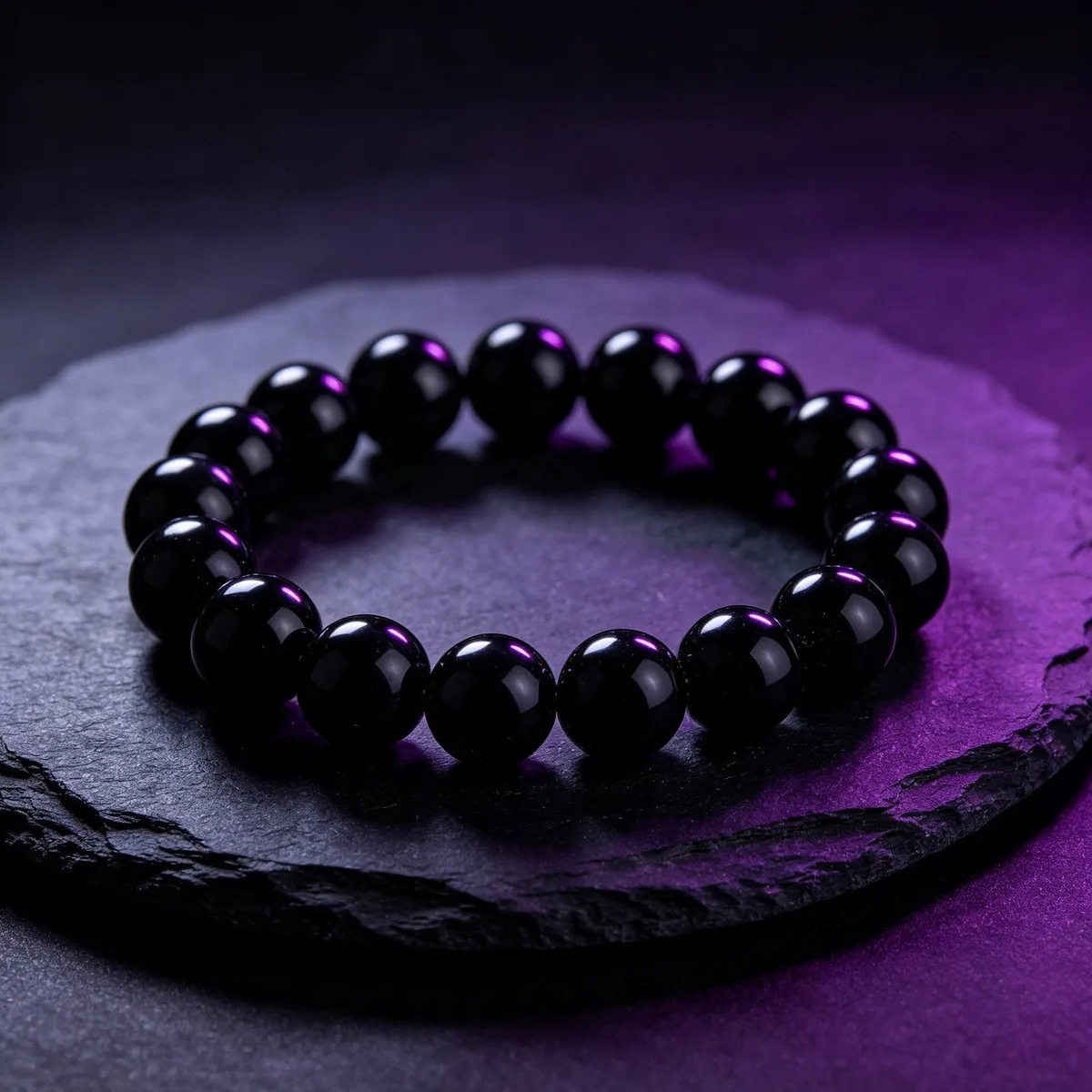
| Black Tourmaline | Grounding, protection | Anxiety-heavy days, boundaries | $25–$50 |
When you're shopping, look for natural stones with visible variation rather than perfectly uniform beads, which often indicate glass or dyed material. Ask whether the stone is natural or treated—citrine, for example, is frequently heat-treated amethyst, which is standard and not a problem, but sellers should be upfront about it. Check the clasp and string quality on bracelets; a well-made piece should feel secure and comfortable for daily wear.
What the old stories say — and what checks out
Crystal traditions are old and varied, and it's worth being clear about what's lore and what's fact.
Traditional lore
- Citrine is believed to carry "sun" energy and is traditionally associated with lifting mood and inviting optimism.
- Amethyst is traditionally associated with calm, restful sleep, and spiritual clarity.
- Clear quartz is believed to amplify intentions and is often used in meditation and ritual.
- Lapis lazuli is traditionally associated with wisdom and honest communication.
What can be verified
- Hardness: Quartz-family stones (citrine, amethyst, clear quartz) rank 7 on the Mohs scale, so they resist scratches but can chip. Lapis lazuli is much softer (about 5–5.5) and scratches more easily. Black tourmaline is around 7–7.5.
- Water sensitivity: Amethyst and citrine can fade with prolonged sun exposure, so store them away from direct sunlight. Lapis lazuli is sensitive to water and household chemicals—keep it dry. Selenite dissolves in water and should never be soaked.
- Cleaning: Wipe quartz-family stones with a soft damp cloth and dry immediately. For lapis, use a dry or barely damp cloth only. Avoid ultrasonic cleaners and harsh chemicals on all porous or soft stones.
- What stones don't do: They don't emit light, treat SAD, or replace medical care. Their value is symbolic and ritual—a physical reminder of habits that do help.
Crystals are for reflection and ritual and are not medical devices.
FAQ
People Also Ask
Which crystal is best for winter blues?
Citrine is the traditional "sunshine" stone and a common choice for morning rituals, but it works best as a cue alongside real light exposure and routine. Amethyst is often preferred for evenings and sleep support.
Can crystals treat seasonal affective disorder?
No. SAD is a recognized medical condition, and crystals are not a treatment. If your low mood is severe, persistent, or affecting daily life, speak to a healthcare professional. Light therapy and other approaches may be appropriate, and a clinician can help you decide.
How do I care for citrine and amethyst jewelry?
Both are quartz-family stones (Mohs 7), so they're durable for daily wear but can chip. Wipe with a soft damp cloth, dry immediately, and store away from direct sunlight to prevent fading. Remove before swimming, showering with harsh soaps, or heavy exercise.
How much should I expect to spend on a crystal bracelet or pendant?
Most quality bracelets fall in the $20–$60 range, and pendants in sterling silver or gold-plated settings typically run $30–$90. Be cautious of prices far below that range, which often indicate glass or dyed material, and of prices far above it without documentation of the stone's origin and quality.
A Small, Honest Practice
Crystals won't fix winter. But a citrine bracelet that reminds you to step outside, an amethyst that signals the end of the day, or a clear quartz pendant holding one specific intention can make a real routine easier to keep. Pair them with light, movement, sleep, and connection—and if the season feels heavier than you can manage alone, reach out to someone qualified. That's the most important step, and no stone can take it for you.
Explore more supportive pieces in our Calm, Stress Relief & Sleep Collection, or read our guides on sleep, anxiety relief, and winter solstice rituals.