When Sleep Won't Come
It's 2 a.m., and your mind has decided now is the perfect time to replay every conversation you've had this week. Or maybe you fall asleep fine but wake at 4 a.m. with your heart already racing. Perhaps you've tried the usual advice—cooler room, no caffeine after noon, phone in another room—and you're still staring at the ceiling. If that sounds familiar, you're probably here because someone mentioned crystals, or because you're curious whether a stone on your nightstand can actually do anything.
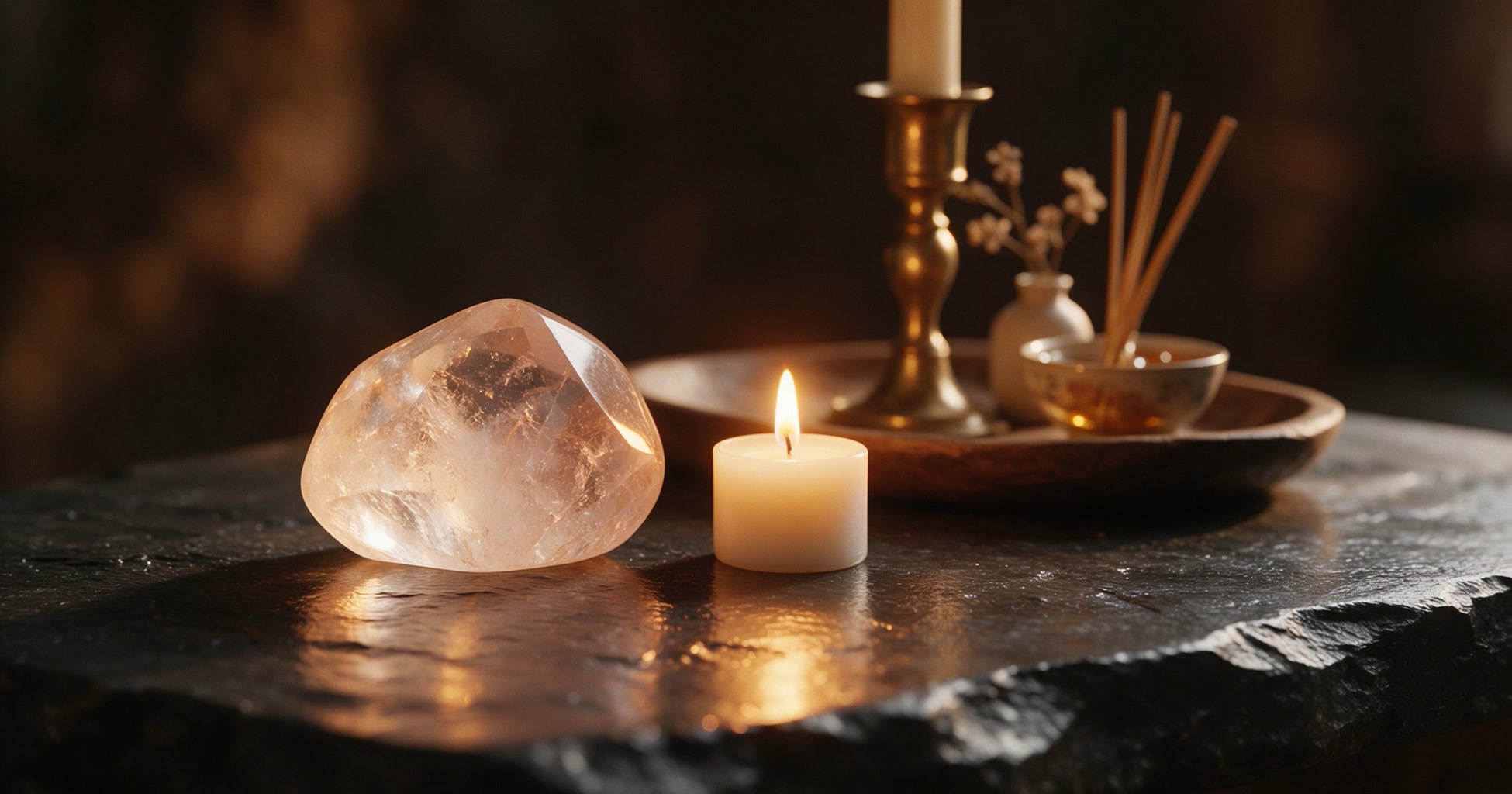
Here's the honest answer: crystals are not a treatment for insomnia, and no stone will replace good sleep hygiene or, if you need it, medical care. What crystals can do is serve as a physical anchor for a calming bedtime ritual—a tangible cue that tells your nervous system the day is over. Many people find that holding a cool, smooth stone or pausing to look at one on the nightstand invites a slower breath and a quieter mind.
This guide covers the stones most traditionally associated with rest and calm, how to choose and place them, how to care for them properly, and where tradition ends and verifiable facts begin. Think of it as a practical companion, not a prescription.
How to Choose a Sleep Crystal
Before you buy anything, it helps to know what kind of sleeper you are. The right stone for racing thoughts is different from the right stone for a restless, unsettled feeling in the room.
- Racing mind, can't switch off: Look for stones traditionally associated with mental quiet—amethyst, howlite, fluorite.
- Waking anxious or unsettled: Consider grounding stones like black tourmaline or obsidian, placed beside rather than under the pillow.
- Emotional heaviness at night: Rose quartz or rhodonite, which tradition links to gentleness and self-compassion.
- Irregular routines, new chapters: Moonstone, traditionally tied to cycles and transitions.
- Clearing the room's atmosphere: Selenite, used in many traditions for space clearing.
A useful rule: choose one or two stones, not seven. A crowded nightstand becomes clutter, and clutter is the opposite of a calming ritual.
The Stones Traditionally Associated with Rest
Amethyst
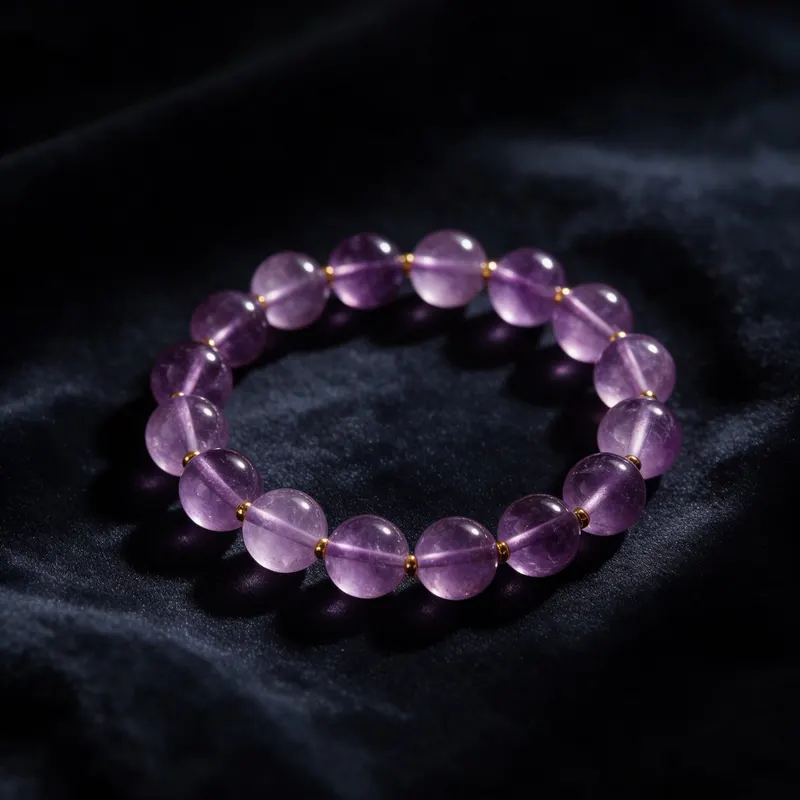
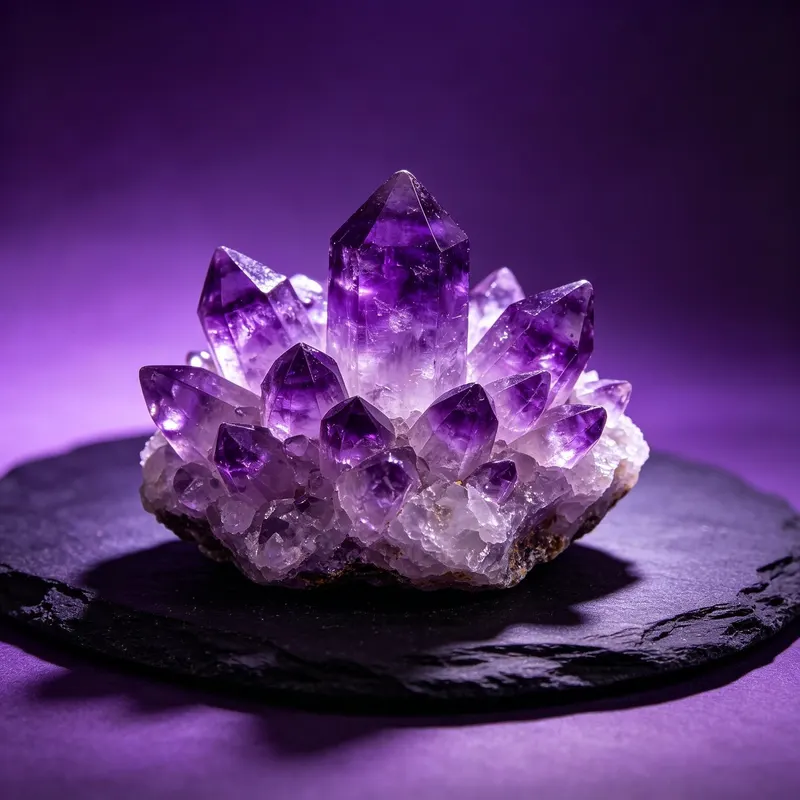
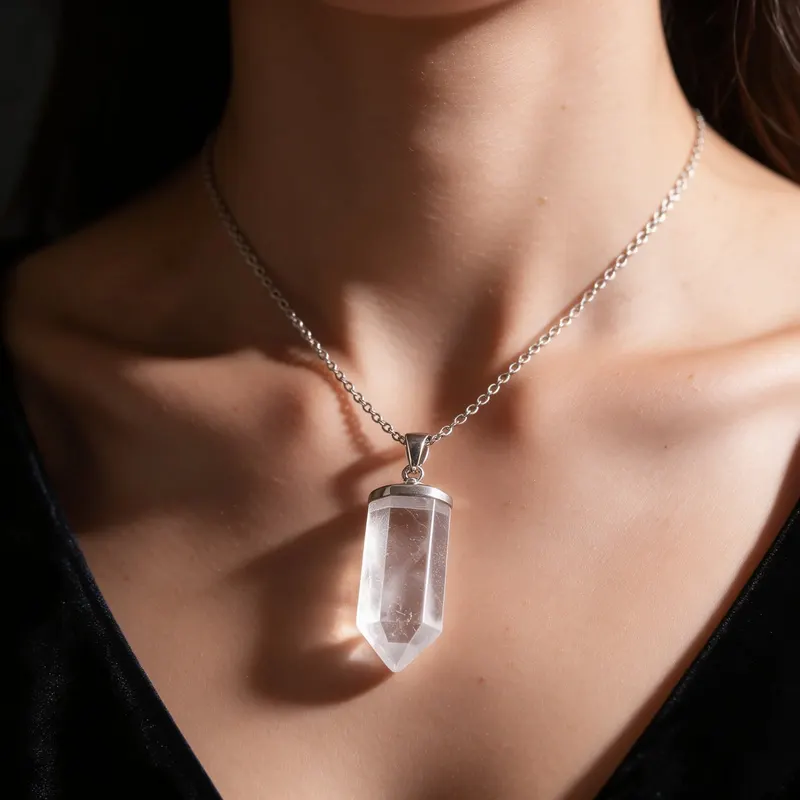
Amethyst is the stone most often recommended for sleep, and it's a sensible starting point. It's widely believed to quiet an overactive mind, and its deep violet color is easy to live with on a nightstand. You can keep a tumbled stone or cluster nearby, or wear an Amethyst Healing Bracelet for Calm & Clarity during your wind-down routine and remove it before bed. A Raw Amethyst Cluster for Meditation & Altar works well if you prefer a piece that stays in one place and doubles as a focal point for evening breathing exercises.
Selenite
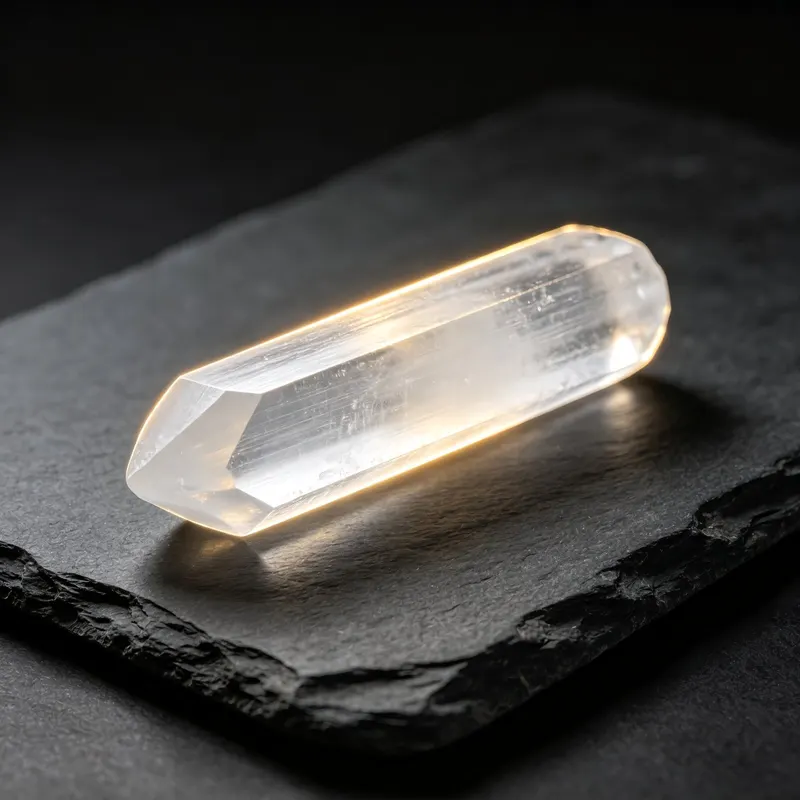
Selenite is traditionally used for clearing stagnant energy from a space, which is why it often appears in bedroom routines. A Selenite Cleansing Wand for Energy Clearing can be waved slowly around the room or simply left on the nightstand. Note the care warning below: selenite is water-soluble, so keep it dry.
Moonstone
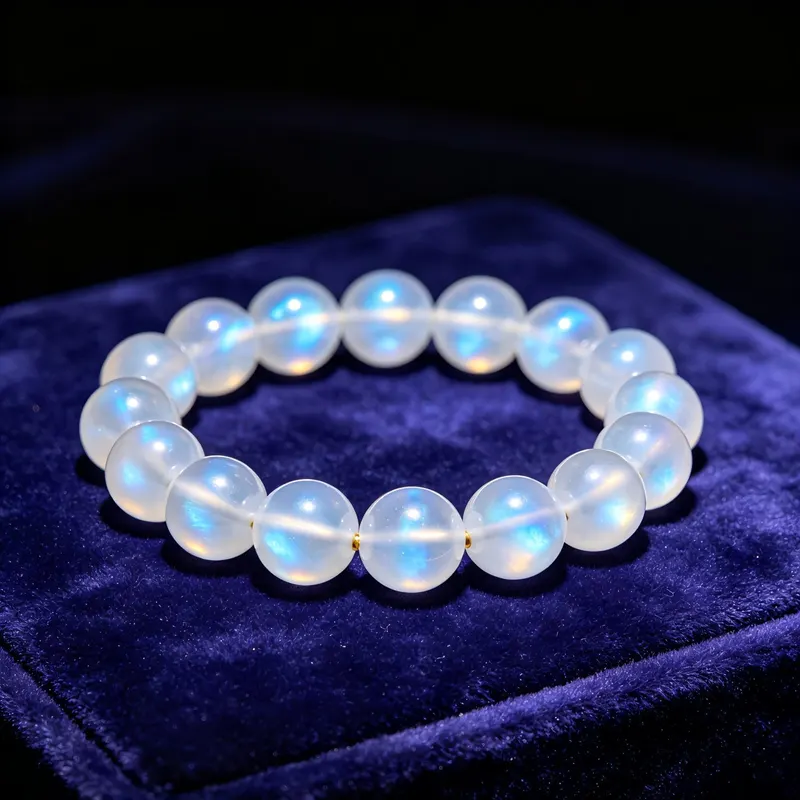
Moonstone is linked in tradition to lunar cycles, emotional balance, and new beginnings. If your sleep struggles come and go with your cycle or with life transitions, a Rainbow Moonstone Bracelet for Intuition & New Beginnings is a gentle, wearable option. Moonstone is softer than quartz, so store it separately to avoid scratches.
Howlite and Fluorite
Howlite is sometimes called the "sleep stone" in popular crystal literature, traditionally associated with calming racing thoughts. Fluorite, particularly the rainbow variety, is linked to focus and mental clarity—which sounds counterintuitive for sleep, but many people use it to "settle" a busy mind before bed rather than to induce drowsiness. A Rainbow Fluorite Focus Bracelet for Concentration can be part of an evening routine in which you write down tomorrow's tasks, then set the bracelet aside.
Grounding Stones: Black Tourmaline and Obsidian
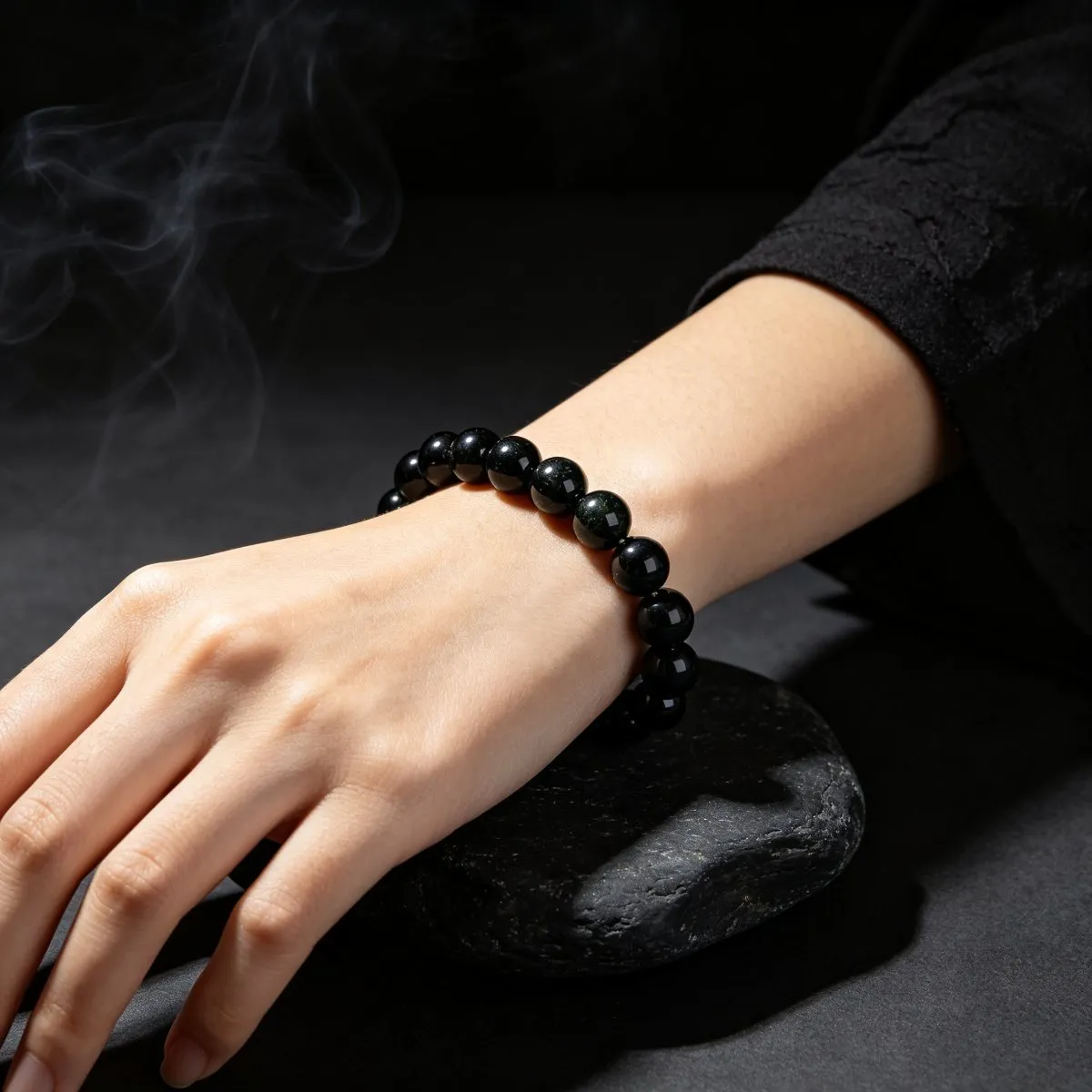
If your sleeplessness feels more like free-floating anxiety than mental chatter, grounding stones may suit you better. Black tourmaline and obsidian are traditionally associated with protection and feeling anchored. A Black Tourmaline Protection Bracelet for Grounding can be worn during the day and placed on the nightstand at night. Some people find dark, dense stones too "heavy" for under-pillow use—try the nightstand first.
Heart-Centered Stones: Rose Quartz and Rhodonite
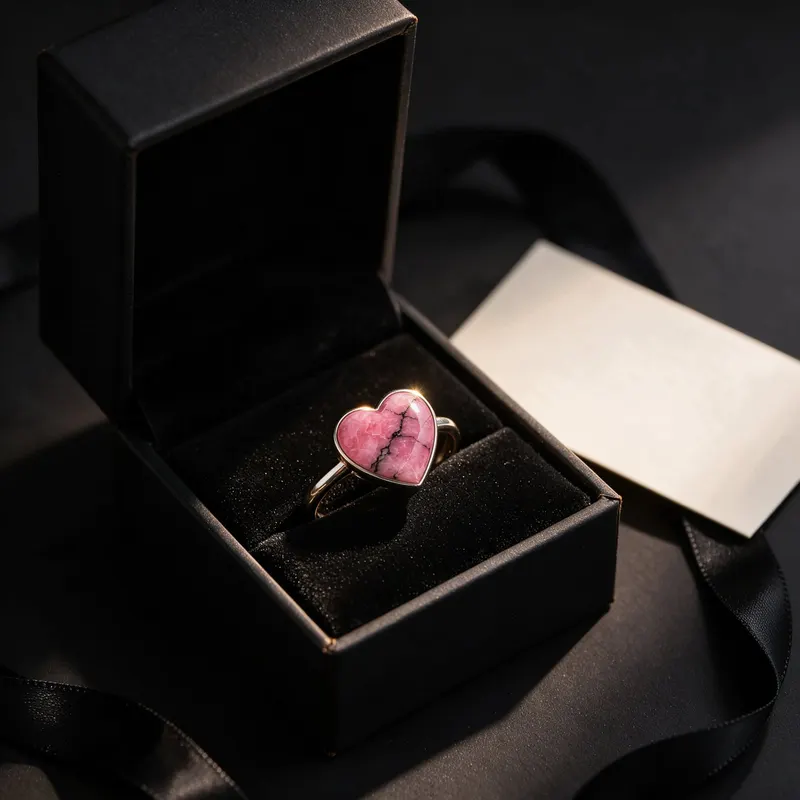
For nights when the difficulty is emotional rather than mental, rose quartz and rhodonite are traditionally associated with self-compassion and forgiveness. A Rose Quartz Love Bracelet for Self-Love & Heart is a common choice for a gentle bedtime ritual. These are comfort stones, not sedatives—think of them as a reminder to be kind to yourself at 3 a.m.
Quick Comparison: Which Stone for Which Sleeper
| Stone | Traditionally associated with | Best placement | Care note |
|---|---|---|---|
| Amethyst | Calm, mental quiet | Nightstand or under pillow | Fades in prolonged direct sun |
| Selenite | Space clearing, peace | Nightstand | Water-soluble; keep dry |
| Moonstone | Cycles, emotional balance | Nightstand or worn | Soft (Mohs 6); store separately |
| Howlite | Calming racing thoughts | Under pillow | Porous; avoid water and dyes |
| Fluorite | Focus, settling the mind | Nightstand | Soft (Mohs 4); handle gently |
| Black tourmaline | Grounding, protection | Nightstand | Durable; rinse briefly, dry well |
| Rose quartz | Self-compassion, comfort | Nightstand or worn | Fades in direct sun |
The traditional view, and what is verifiable
Crystal traditions are old and worth understanding, but they are not the same as tested claims. Here's a clear split.
What tradition says: Amethyst quiets the mind and wards off nightmares; selenite clears a room's energy; moonstone regulates sleep and emotions; howlite calms an overactive mind; lepidolite (which contains trace lithium in its mineral structure) is calming to the nervous system. These are traditional associations, passed down and repeated in crystal literature—not findings from clinical research.
What we can verify: the physical properties of the stones, which matter for how you use and care for them.
- Hardness (Mohs scale): Quartz-family stones like amethyst and rose quartz sit around 7. Moonstone is about 6. Fluorite is soft at about 4, and selenite is about 2—easily scratched. Keep soft stones away from keys, jewelry, and each other.
- Water sensitivity: Selenite dissolves in water; never rinse it. Howlite is porous and can absorb dyes or liquids. Amethyst and rose quartz can fade with prolonged direct sunlight, so don't leave them on a sunny windowsill.
- Lithium content: Lepidolite does contain lithium as part of its mineral structure, but handling a stone is not the same as ingesting lithium—no calming effect from trace lithium through skin contact has been established.
- Cleaning: Dust with a soft dry cloth. For durable stones like quartz and tourmaline, a brief rinse and thorough dry is fine. For selenite, howlite, and fluorite, dry methods only.
- Safety: Small tumbled stones are a choking hazard for children and pets. If you sleep with a stone under your pillow, choose one large enough not to be swallowed and check it isn't cracked or sharp.
Crystals are for reflection and ritual; they are not medical devices and are not a substitute for professional care. If insomnia is persistent or affecting your daily life, talk to a healthcare provider.
Building a Bedtime Ritual That Actually Sticks
A crystal only helps if it's attached to a routine you'll repeat. Keep it simple:
- Set a consistent cue: Place your stone on the nightstand at the same time each evening—right after you plug in your phone across the room, for example.
- Two minutes of stillness: Hold the stone, take five slow breaths, and name one thing that went okay today. This is the ritual; the stone is the anchor.
- Dim the room: Lower the lights an hour before bed. Crystals look their best in low light, and dim lighting supports your body's natural wind-down.
- Write it down: Keep a small notepad beside the stone. If tomorrow's tasks are circling, put them on paper and let the stone mark "done for today."
- Keep the nightstand clear: One or two stones, a lamp, a glass of water. Nothing else.
If you're new to crystals entirely, a Healing Crystal Starter Kit, 7 Stones + Guide lets you try several stones before committing to a bedside piece.
Sizing, Price, and What to Look For
Sizing: For under-pillow use, a tumbled stone roughly 1 to 1.5 inches across is comfortable and easy to find in the dark. For nightstand pieces, clusters and wands typically run 2 to 4 inches; anything larger starts to feel like decor rather than ritual. Bracelets should fit snugly enough not to slide off but loosely enough to leave a slight indent—measure your wrist and add about half an inch.
What to look for: Natural color variation is normal and a good sign; perfectly uniform dye-bright stones are often treated. Check for chips and cracks, especially on soft stones. Ask whether a piece is natural, heat-treated, or dyed—many citrine and howlite pieces on the market are treated, which is fine if disclosed.
Realistic prices: Tumbled stones generally run a few dollars to about $15. Bracelets typically fall in the $15–$40 range depending on stone quality and findings. Small clusters and wands are often $15–$45; larger display clusters can reach $60 or more. Be skeptical of any stone priced as a cure-all.
Frequently Asked Questions
Can crystals cure insomnia?
No. Crystals are not medical devices and do not treat, cure, or prevent insomnia or any condition. They can serve as a calming ritual object, but persistent sleep problems deserve professional attention.
Where should I put a sleep crystal?
Most people place one on the nightstand or under the pillow. Under-pillow placement suits small tumbled stones; larger clusters and wands belong on the nightstand. Avoid sharp or fragile pieces near your head.
How do I clean and recharge my stones?
Dust with a dry cloth and, for durable quartz-family stones, rinse briefly and dry fully. Selenite, howlite, and fluorite should stay dry. Many people "recharge" stones in moonlight—a harmless practice—but avoid prolonged direct sun, which can fade amethyst and rose quartz.
Which crystal should a beginner start with?
Amethyst is the most common starting point because it's durable, widely available, and traditionally associated with calm. If racing thoughts are your main issue, howlite is another approachable option. Start with one stone and one routine.
A Final Word
The most restful thing about a sleep crystal may simply be the pause it creates—a small, quiet moment at the end of the day when you stop, breathe, and let the day close. Choose one stone that appeals to you, give it a fixed place, and let it hold that moment for you. And if sleep still won't come, be kind to yourself and reach out for support.