A Discreet Anchor in Social Moments
You know the feeling: the invitation is accepted, the outfit is chosen, and then the hours before the event fill with a low hum of dread. In the room itself, your heart speeds up, your mouth goes dry, and your thoughts start narrating everything you might say wrong. Social anxiety is common, and it is not a character flaw—it is your nervous system trying to protect you in situations it has flagged as risky.
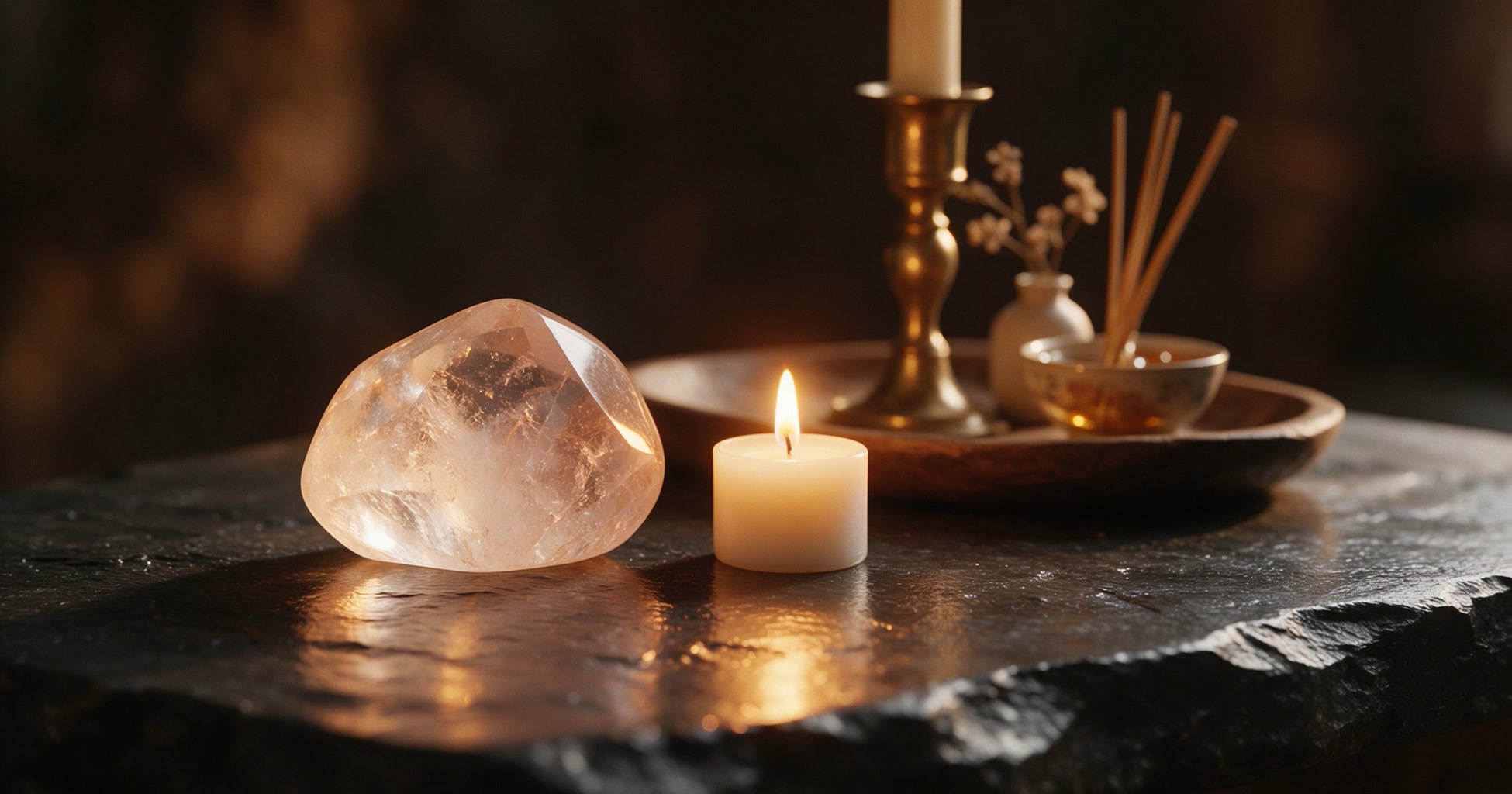
Crystals are not a treatment for social anxiety, and nothing here should replace professional support if anxiety is persistent or interfering with your life. What crystals can offer is smaller and more practical: a private, tactile cue you can touch in a crowded room without anyone noticing. Many people find that holding a specific stone becomes a reminder to breathe, slow down, and return to the present moment.
This guide covers the stones traditionally associated with calm communication and quiet confidence, how to choose and wear them discreetly, how to care for them, and a few grounding techniques you can pair with them. Treat the stone as a prompt for your own self-regulation—not a magic switch.
Why a Small Stone Can Help in a Crowd
Anxiety often pulls attention outward into a spiral of imagined judgments. A physical object gives your attention somewhere concrete to land. The stone in your pocket or under your sleeve becomes an anchor: you feel its temperature, its weight, its smooth or faceted surface, and that small sensory input can interrupt the spiral long enough for you to take a slower breath.
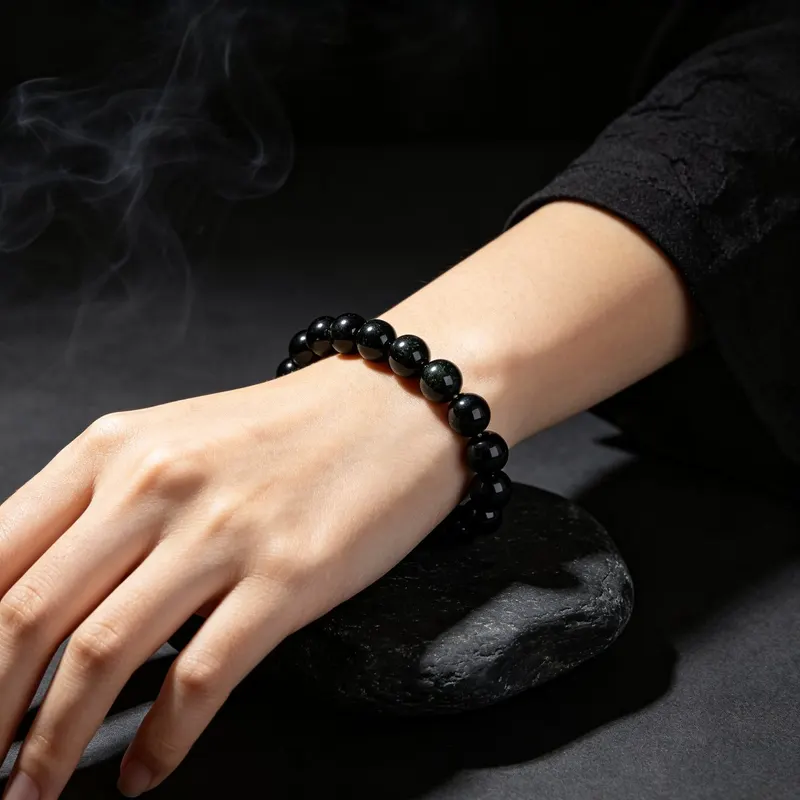
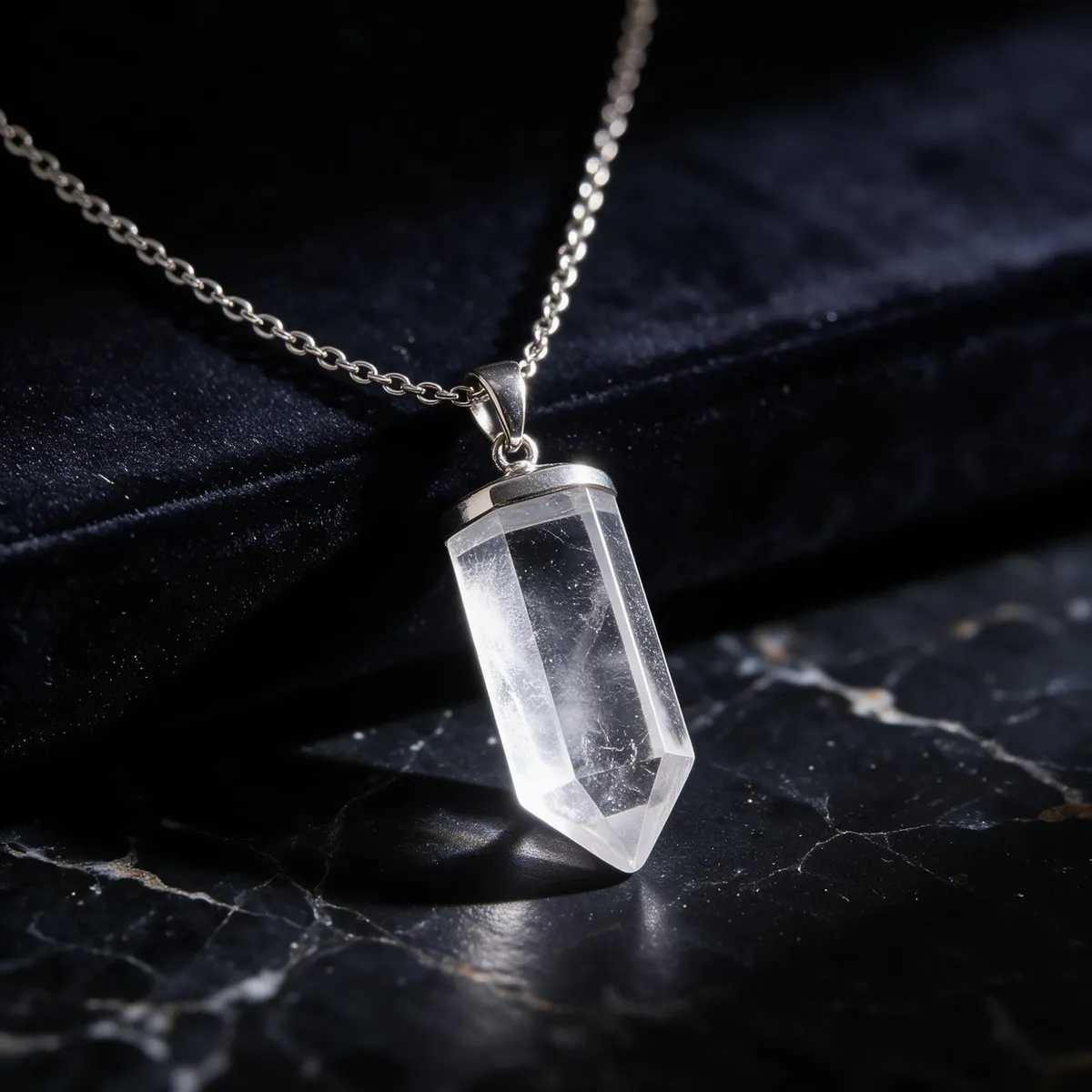
This is why discreet pieces tend to work better than statement jewelry for social situations. A bracelet you can rotate on your wrist, a pendant you can hold between two fingers, or a palm stone kept in a pocket all let you self-soothe without drawing attention. The goal is not to hide your practice, but to have a tool that works quietly when you need it most.
The stones below are traditionally associated with particular qualities. Those associations are cultural and symbolic—they are not clinical claims. What matters practically is that you choose a stone you find pleasant to touch and look at, because you will actually use it.
Gentle Stones to Try
These are the most commonly chosen stones for social situations, along with how people typically use them.
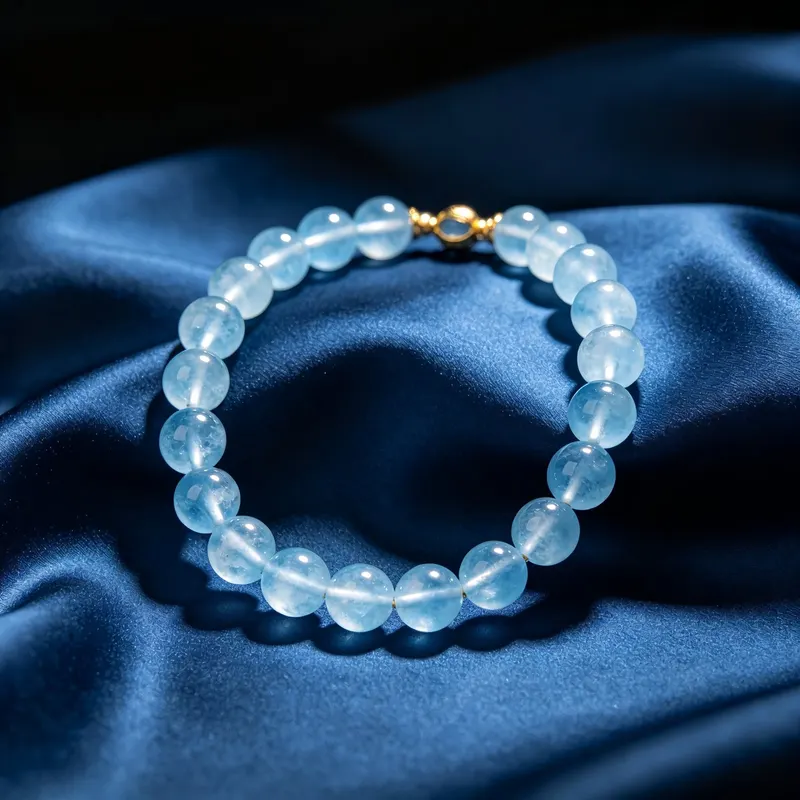
- Aquamarine is traditionally associated with calm, clear communication. It is a popular choice for people who feel their throat tighten or their words scatter in conversation. The Aquamarine Serenity Necklace sits close to the throat, which makes it easy to touch briefly before speaking.
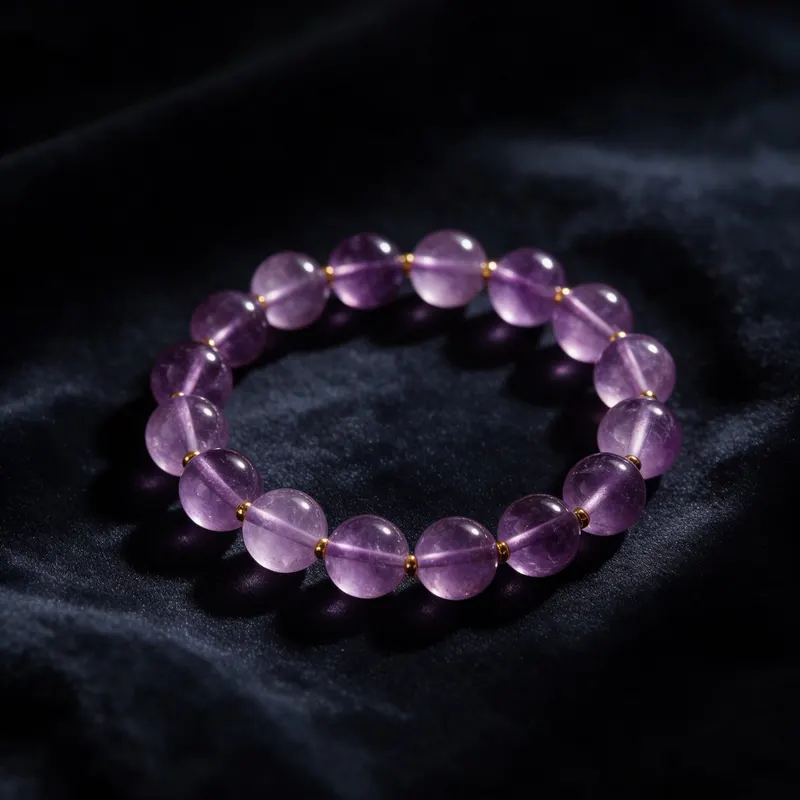
- Amethyst is believed to support a settled, quiet mind. It is a good option if your anxiety shows up as racing thoughts or replaying conversations afterward. An Amethyst Healing Bracelet is easy to rotate on your wrist under a sleeve. For a deeper wind-down practice at home, see our notes on anxiety relief.
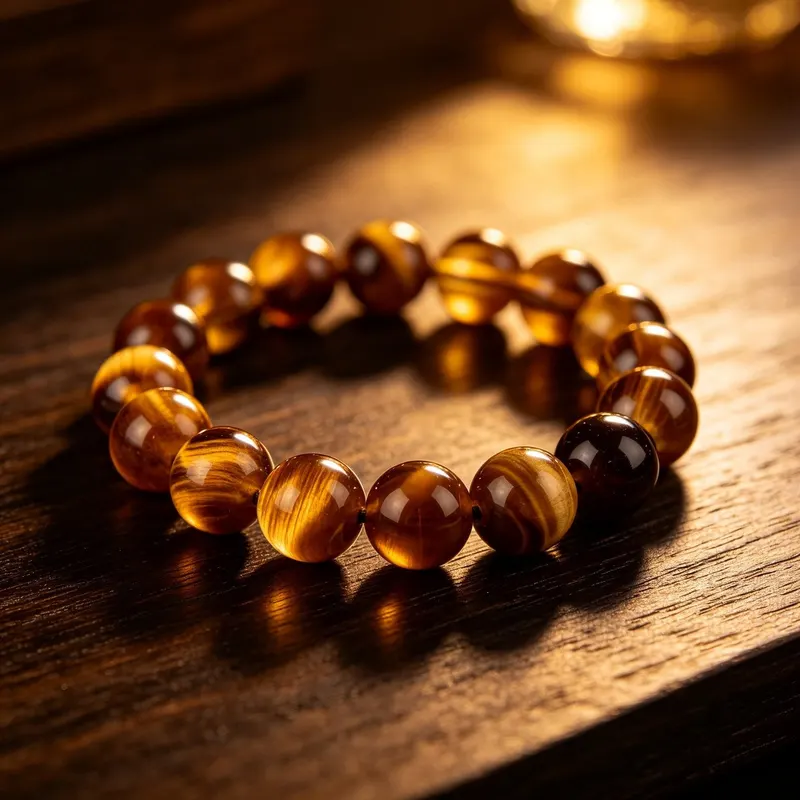
- Tiger's eye is traditionally associated with steady confidence and focus. It suits situations where you need to speak up, make a request, or hold your ground. A Tiger's Eye Confidence Bracelet is a common choice for work events and presentations.
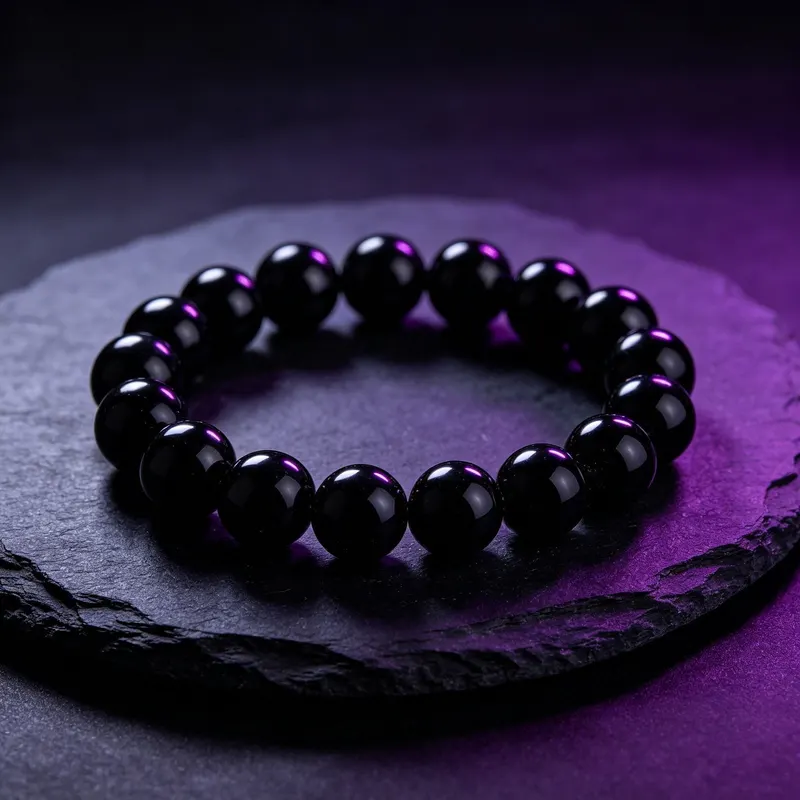
- Black tourmaline is used for grounding and a sense of personal space. If crowded rooms feel overwhelming, a Black Tourmaline Protection Bracelet can serve as a reminder to feel your feet on the floor.
- Rainbow moonstone is associated with intuition and new beginnings—useful symbolism for first meetings, new jobs, or re-entering social life after a quiet stretch. A Rainbow Moonstone Bracelet is a gentle, low-key option.
- Lapis lazuli is traditionally linked with wisdom and expression. A pendant such as the Lapis Lazuli Wisdom Pendant can be a discreet cue for pausing before you answer.
How to Choose: A Practical Checklist
Choosing a stone for social situations is less about finding the "right" one and more about finding one you will actually reach for. Use this checklist before you buy.
- Discretion: Can you touch it without drawing attention? A smooth bead bracelet or a small pendant works better than a large statement piece.
- Fit: For bracelets, measure your wrist with a soft tape and add roughly 0.5 inch (1.3 cm) for a comfortable fit. Bead bracelets usually sit best when they can rotate slightly but not slide over your hand.
- Chain length: Pendants for daily wear typically sit at 16–18 inches for a closer fit or 20–24 inches for a longer drop. Choose based on where you want the stone to rest and whether you will fidget with it.
- Skin sensitivity: If you react to base metals, look for sterling silver, gold-plated over sterling, or stainless steel findings, and check the clasp and chain material, not just the stone.
- Touch: Do you like the surface? Smooth polished stones are soothing to rub; raw or faceted stones offer more texture.
- Color you enjoy: You will look at this stone often. Pick a shade that feels calming or encouraging to you personally.
- Care needs: Some stones are sensitive to water, sunlight, or heat. Check the care notes below before committing to a piece you plan to wear daily.
What lore says — and what the evidence shows
Crystal lore and gemology answer different questions. Tradition offers symbolism and ritual; gemology tells you how a stone behaves in daily wear. Keeping the two separate helps you choose well and care for your pieces realistically.
| Stone | Traditional association | What we can verify (Mohs hardness) | Care notes |
|---|---|---|---|
| Aquamarine | Calm communication, steady speech | 7.5–8 | Generally durable for jewelry; avoid prolonged heat and sudden temperature changes |
| Amethyst | Quiet mind, calm | 7 | Prolonged direct sunlight may fade color over time; avoid harsh cleaners |
| Tiger's eye | Confidence, focus, protection | 6.5–7 | Durable; avoid abrasive cleaners that can dull the chatoyant sheen |
| Black tourmaline | Grounding, personal space | 7–7.5 | Sturdy; wipe with a soft dry cloth |
| Rainbow moonstone | Intuition, new beginnings | 6–6.5 | Softer stone; avoid knocks and harsh chemicals |
| Lapis lazuli | Wisdom, expression | 5–6 | Porous and softer; keep away from water, perfumes, and household cleaners |
Hardness is not the whole story. A stone rated 7 on the Mohs scale can still chip if struck at the wrong angle, and plated metals wear over time with sweat and friction. For everyday social wear, remove bracelets before gym sessions, swimming, or heavy cleaning, and store pieces separately so they do not scratch each other.
For cleansing, a soft dry cloth and a few minutes of quiet intention are enough for most pieces. Avoid soaking porous stones like lapis lazuli, and skip ultrasonic cleaners unless a jeweler confirms the setting and stone are suitable. If you use a Selenite Cleansing Wand as part of a ritual, keep in mind that selenite itself is water-soluble—keep it dry.
Crystals are for reflection and are not medical devices.
A 60-Second Reset
This is the practice to pair with your stone. It works in a meeting, at a party, in a checkout line, or in the car before you walk in.
- Touch the stone inside a pocket or under a sleeve. Notice its temperature and weight.
- Breathe out longer than you breathe in, three times. A slow exhale is a simple way to signal safety to your body.
- Press your feet down and notice five things you can see. Name them silently if it helps.
- Roll your shoulders back once and let your jaw soften.
- Choose one small next action: ask a question, introduce yourself, or simply stay one more minute.
If you are preparing for a specific event, practice the reset at home first so the motion feels familiar. For performance situations specifically, see public speaking and social confidence.
Wearing and Caring for Your Stone
Discreet wear is about placement as much as size. A bracelet under a long sleeve lets you rotate the beads without anyone seeing. A pendant can be held briefly between thumb and forefinger, which reads as a natural gesture. A small palm stone in a pocket works well if you prefer not to wear jewelry at all.
Build a simple routine: put the stone on before you leave, set one intention for the social situation ("I will ask one question" or "I can leave when I need to"), and use the reset when you notice tension. Afterward, wipe the stone with a soft cloth and put it away in its own pouch or box. If a piece is plated, avoid perfume, lotion, and hairspray directly on the metal, and remove it before showering to extend the finish.
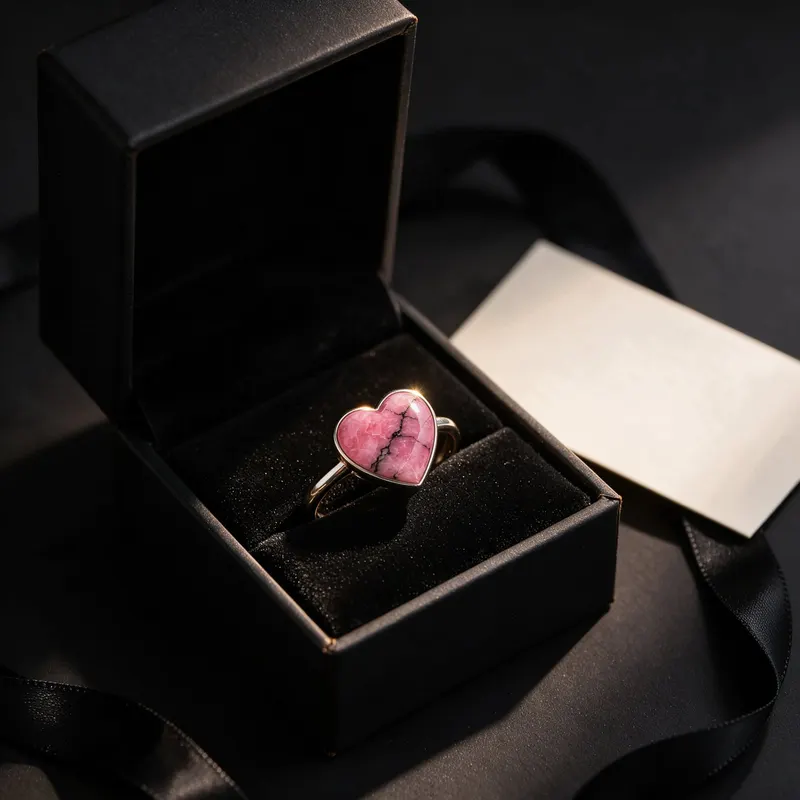
Realistic price expectations: simple beaded bracelets in these stones typically range from roughly $20 to $60 depending on bead size and metal findings. Pendants vary widely—silver or gold-plated settings with a modest stone often fall in the $40 to $120 range, while larger or higher-grade stones cost more. A starter set is a budget-friendly way to try several stones before committing to one. The Healing Crystal Starter Kit includes seven stones and a guide, which is useful if you are still deciding what you like to hold.
FAQ
People Also Ask
What crystal is best for social anxiety?
Aquamarine for calm speech and amethyst to quiet a racing mind are the traditional choices, used as a discreet grounding cue. Tiger's eye is often chosen for quiet confidence. The best stone is the one you find pleasant to touch and will remember to use.
Can crystals cure social anxiety?
No. They are a wellness aid and a ritual prompt, not a treatment. Persistent anxiety deserves professional support alongside self-care, and crystals should not replace therapy, medication, or medical advice.
How do I wear a crystal discreetly at work?
Choose a smooth bead bracelet that fits under a sleeve, a small pendant on a 16–18 inch chain, or a palm stone in a pocket. Avoid dangling pieces if you will be fidgeting, and check that metal findings suit your skin sensitivity.
How do I clean and recharge my stone?
Wipe it with a soft dry cloth and store it separately. Avoid soaking porous stones like lapis lazuli, keep amethyst out of prolonged direct sun, and skip harsh cleaners. Many people set a quiet intention with the stone as part of their routine; that ritual is personal, not a technical requirement.
Browse the Curated Collection
Explore the full edit here: Calm, Stress Relief & Sleep Collection →
Shop the Stones
- Aquamarine Serenity Necklace
- Amethyst Healing Bracelet
- Tiger's Eye Confidence Bracelet
- Black Tourmaline Protection Bracelet
- Rainbow Moonstone Bracelet
- Lapis Lazuli Wisdom Pendant
Keep Exploring
Social Confidence · Anxiety Relief · Public Speaking
Crystals are intended to support personal and spiritual well-being and are not medical devices. They do not diagnose, treat, cure, or prevent any disease. Crystal lore is offered for reflection, not as medical or psychological advice.