Steady Energy for Connection
You know the feeling: the meeting invite lands, the party is next week, the video call starts in ten minutes, and your chest tightens. Social confidence isn't about becoming a louder, more extroverted version of yourself. It's about feeling grounded enough to be yourself when other people are watching—or when you're worried they might be.
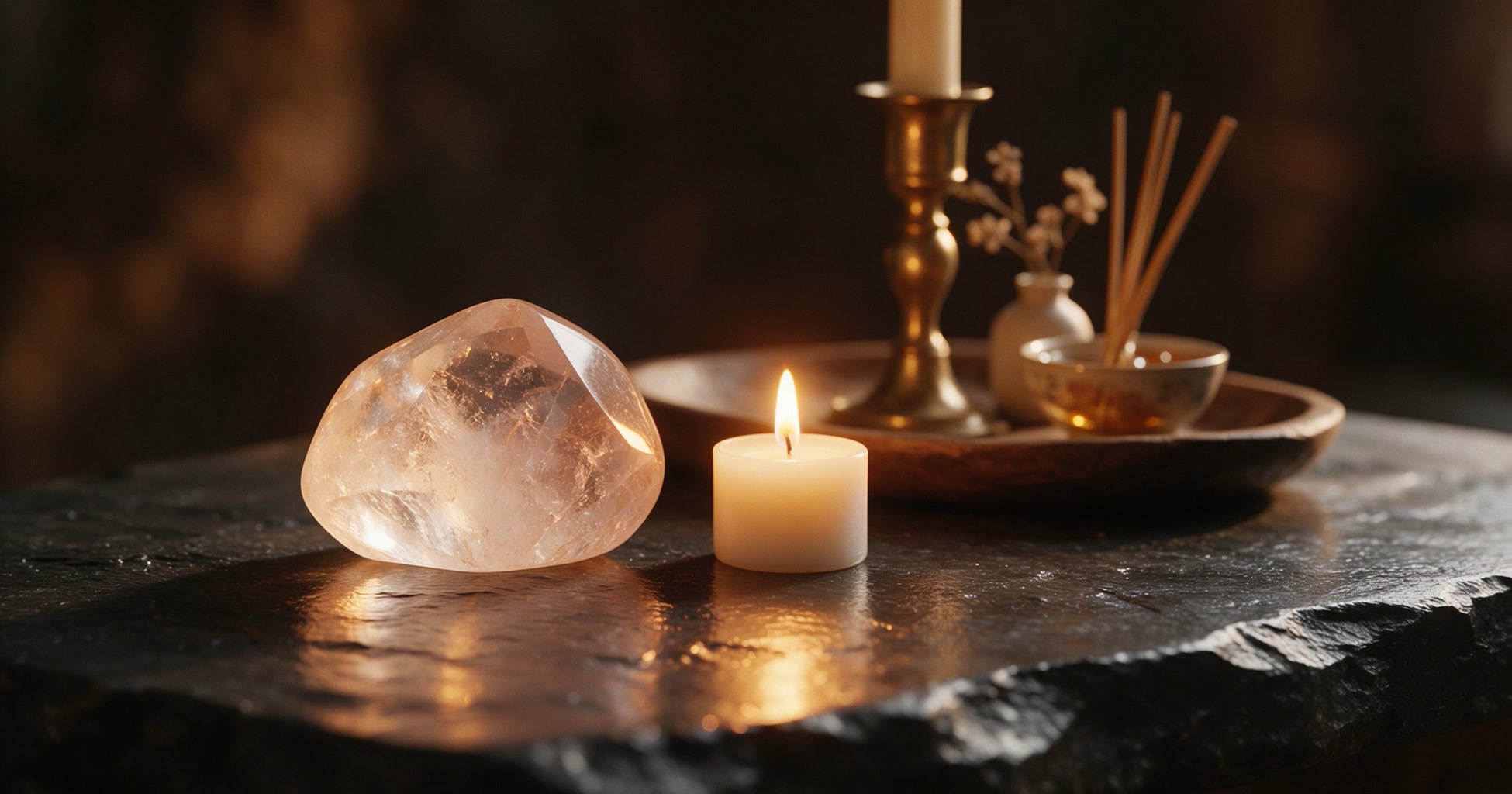
This is where a small, tactile anchor can help. A stone you can touch before you speak, slip into your pocket before you walk into a room, or rest your thumb on while you wait for the call to connect gives your attention somewhere steady to land. Many people find that a crystal worn for this purpose becomes a cue: a physical reminder to slow down, lengthen the exhale, and let your shoulders drop.
Below we look at the stones most often chosen for social confidence, how to pick one that suits you, how to wear and care for it, and what the tradition actually claims versus what we can verify. Treat the lore as a framework for reflection, not a promise.
Stones Traditionally Associated With Social Confidence
Different stones are chosen for different flavors of social ease. Some people want courage, some want articulate expression, some want warmth, and some want a calmer nervous system. Here's how the most popular options are traditionally understood:
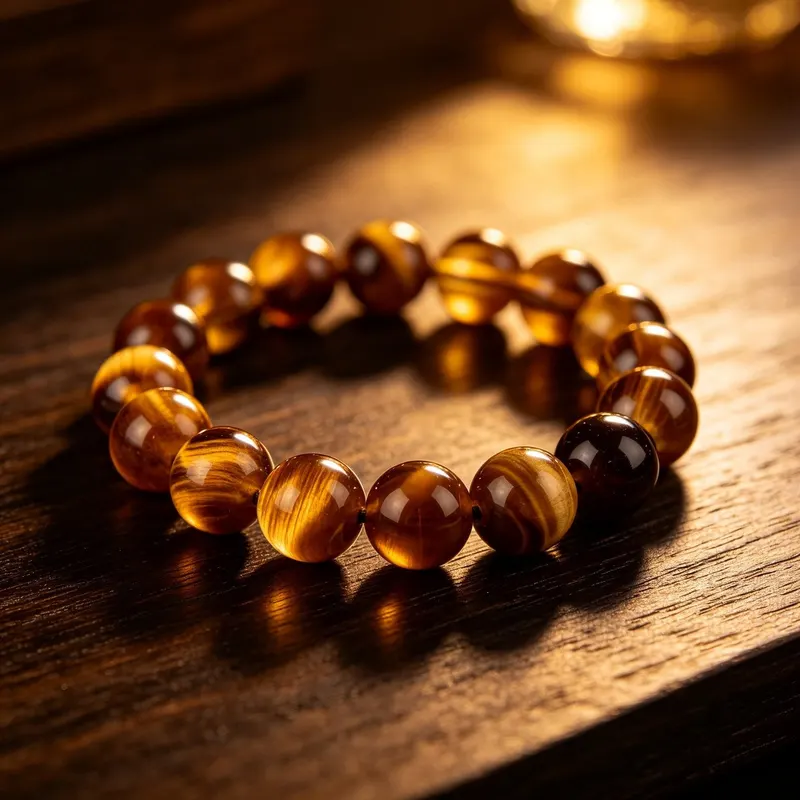
- Tiger's eye: traditionally associated with steady courage and grounded confidence under pressure—the "I can do this" stone for presentations, interviews, and first meetings.
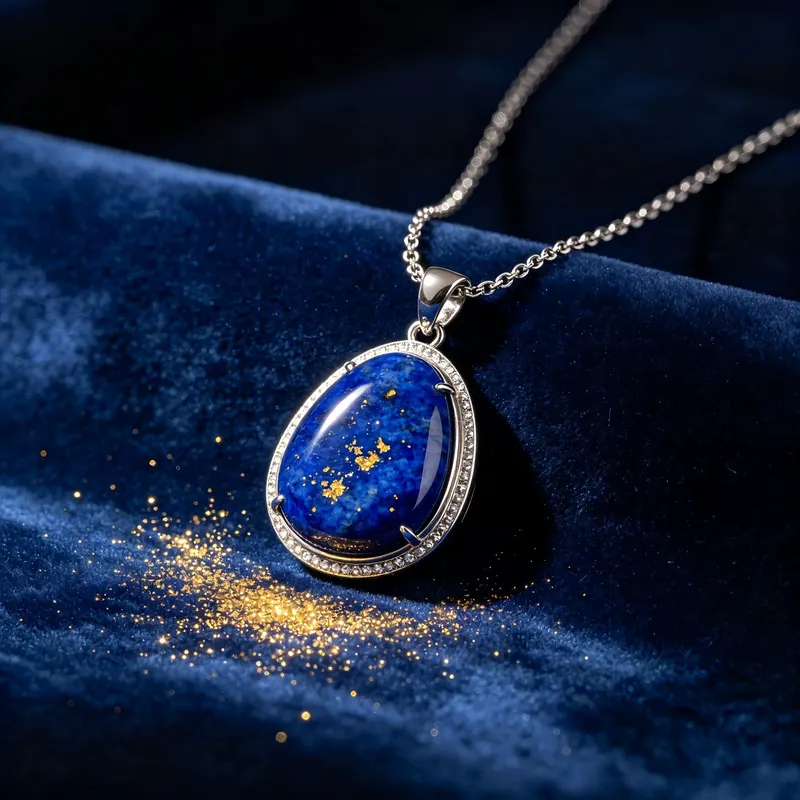
- Lapis lazuli: long linked with truthful, articulate expression and clear communication; often called a throat-chakra stone.
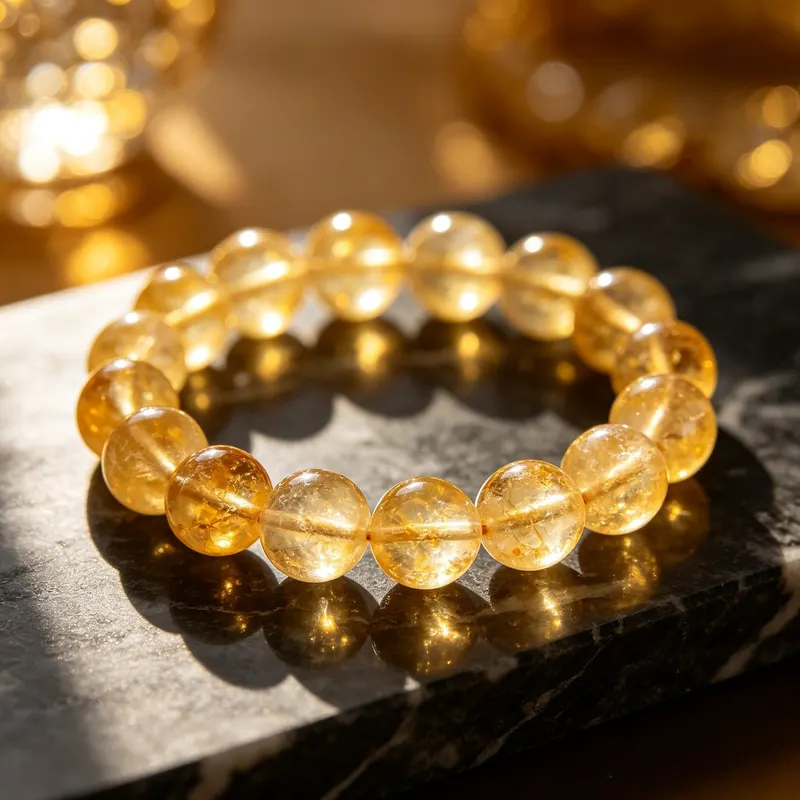
- Citrine: believed to carry a warm, approachable optimism that can ease self-consciousness and invite a lighter mood.
- Amazonite: traditionally used as a soothing stone for calm, filtered conversation and for softening the urge to over-explain.
- Aquamarine: associated with serene communication—useful when the goal is to speak calmly rather than to perform.
- Carnelian: traditionally tied to motivation and warmth, a good fit if your hesitation is more about energy than nerves.
- Black tourmaline: a grounding stone many people reach for when they feel overstimulated by crowds or crowded rooms.
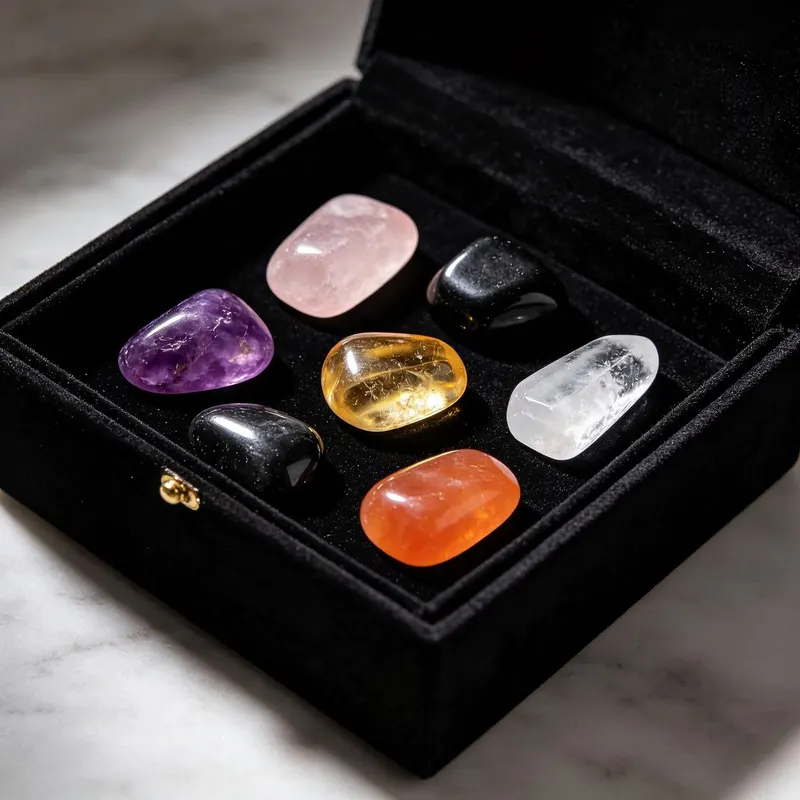
If you'd rather not choose, a mixed set is a reasonable starting point. The Healing Crystal Starter Kit includes seven stones plus a guide, which is a practical way to try a few before committing to a single piece.
How to Choose: A Quick Comparison
Use this table to match a stone to the specific social moment you're preparing for. "Traditional association" reflects lore, not clinical effect.
| Stone | Traditional association | Best worn as | Typical price range (USD) |
|---|---|---|---|
| Tiger's eye | Steady courage, grounded confidence | Bracelet you can touch discreetly | $25–$60 |
| Lapis lazuli | Clear, truthful expression | Pendant near the throat | $40–$90 |
| Citrine | Warmth, optimism, approachability | Bracelet or small tumbled stone | $25–$55 |
| Aquamarine | Calm communication | Necklace | $45–$95 |
| Black tourmaline | Grounding, protection from overwhelm | Bracelet or pocket stone | $25–$50 |
| Mixed starter set | Exploring several at once | Loose stones for a desk or altar | $35–$70 |
Prices vary with stone quality, metal findings, and brand. Be cautious of anything marketed as "certified" for healing purposes—no recognized body certifies crystals for wellness outcomes. What you can reasonably ask about is the metal (sterling silver or gold-plated over brass), the elastic quality on bracelets, and whether the stone is natural or dyed.
Choosing the Right Piece for You
Think about where your hands and eyes naturally go during a conversation. That's where your anchor should live.
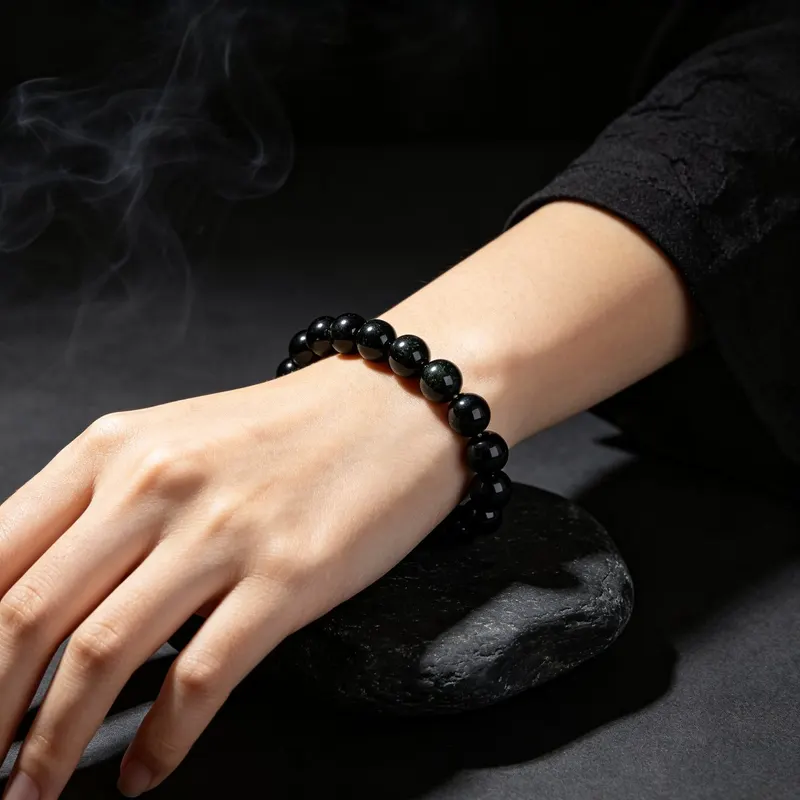
- If you fidget or need something to touch: a bracelet is the most discreet option. A Tiger's Eye Confidence Bracelet sits on the wrist where your thumb can find it without anyone noticing.
- If your hesitation is about speaking: a pendant rests near the throat and can be a visual cue to breathe before you talk. The Lapis Lazuli Wisdom Pendant is a natural fit for this.
- If you want warmth and approachability: the Citrine Abundance Bracelet is traditionally associated with a lighter, more open mood.
- If crowds overwhelm you: a grounding stone like black tourmaline may suit you better than a "speaking" stone. The Black Tourmaline Protection Bracelet is a common choice for overstimulating environments.
Sizing notes: most beaded bracelets come in 7–8 inch circumferences and use elastic cord. Measure your wrist with a soft tape and add about half an inch for a comfortable fit. Pendant chains are typically 16–20 inches; a 16-inch chain sits at the base of the throat, which is ideal if the throat is your focus. If you're between sizes, size up—an elastic bracelet that's too tight will wear out faster.
Before a Social Moment: A Short Ritual
Wear your chosen stone where you can reach it easily. About a minute before you need to speak—before you walk into the room, unmute, or dial—do this:
- Touch the stone with your thumb or fingertips.
- Lengthen your exhale: inhale for four counts, exhale for six.
- Repeat five times, letting your shoulders drop on each exhale.
- Set one simple intention for the interaction—"I'll listen first," "I'll speak slowly," or "I'll be curious."
The longer exhale is a widely used, simple way to help the body settle before conversation. The stone isn't doing the work; it's reminding you to do it. That's the honest version of how these practices function.
What tradition holds — and what we can verify
It's worth separating two kinds of claims so you can enjoy the practice without being misled.
What the tradition says: For centuries, various cultures have assigned meanings to stones—courage to tiger's eye, truthful speech to lapis lazuli, warmth to citrine. These associations are cultural and symbolic. They can be meaningful frameworks for reflection, but they are not measured effects.
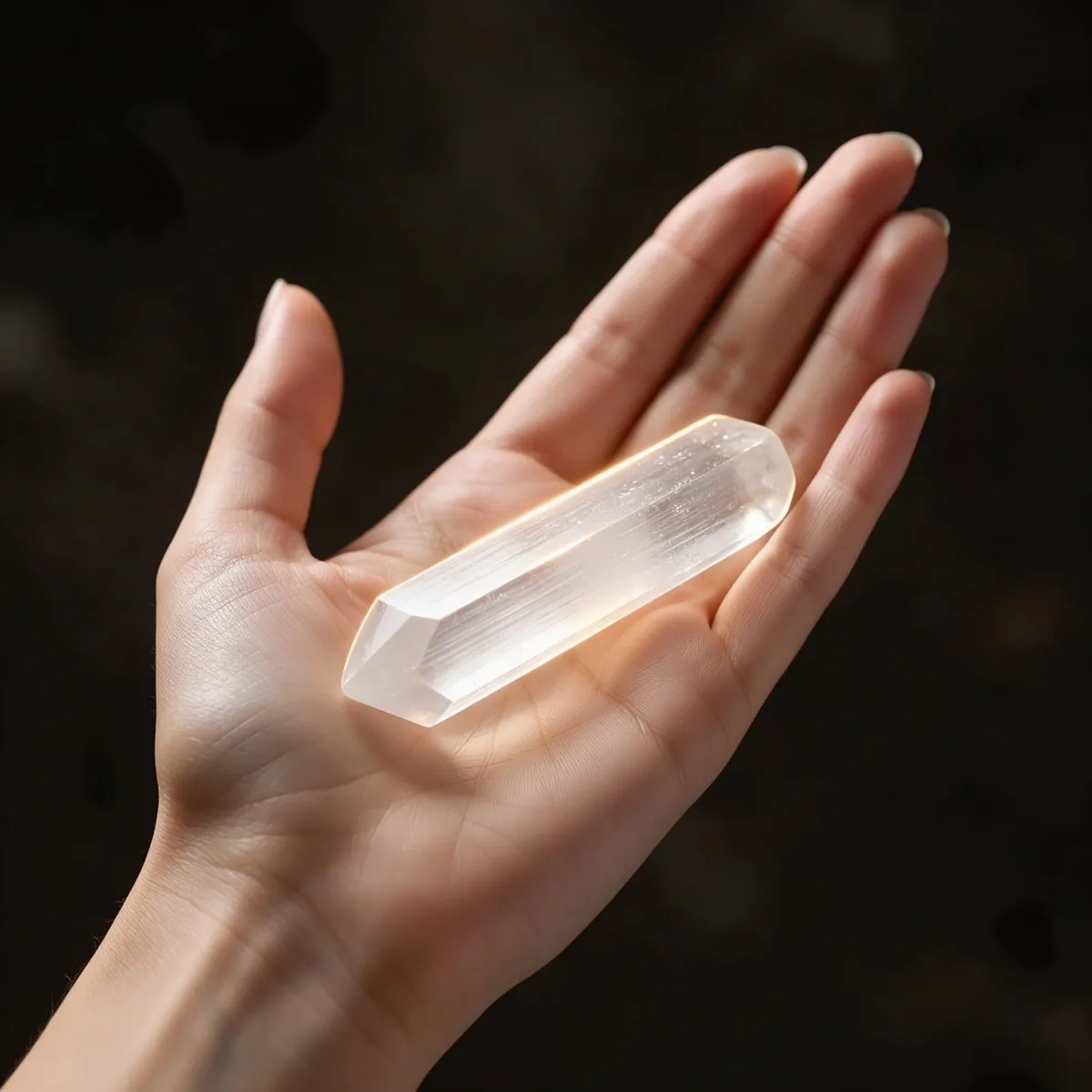
What we can verify: We can verify physical properties. On the Mohs hardness scale, quartz-family stones like citrine and amethyst rate about 7, while lapis lazuli is softer at roughly 5–6, and tiger's eye around 6.5–7. Softer stones scratch more easily and should be kept away from harder jewelry in a drawer. Selenite is very soft (around 2) and dissolves in water, so it should never be soaked. Amethyst and citrine can fade with prolonged direct sunlight, so store them away from a bright windowsill. Most beaded bracelets should be kept out of chlorinated pools and harsh cleaners, and wiped with a soft dry cloth rather than scrubbed.
What we cannot verify is any claim that a stone diagnoses, treats, cures, or prevents a condition, or that it guarantees an outcome like a job offer, a date, or a successful presentation. Crystals are for reflection and are not medical devices.
FAQ
People Also Ask
What crystal is good for social nerves?
Tiger's eye is traditionally associated with steady courage, and lapis lazuli with calm, clear expression. Many people choose one for the wrist and one for the throat, or start with a single piece and see how it feels.
Where should I wear the stone for social confidence?
A bracelet you can touch discreetly works well if you fidget or need a physical anchor. A pendant near the throat suits people whose main concern is speaking. There's no rule—choose the placement you'll actually notice in the moment.
Can crystals cure social anxiety?
No. They are a supportive mindfulness aid, not a treatment. If social anxiety is affecting your daily life, speaking with a qualified mental health professional is genuinely valuable, and a crystal practice can sit alongside that support rather than replace it.
How do I clean and care for a confidence stone?
Wipe it with a soft dry cloth after wearing. Keep softer stones like lapis away from harder ones in storage, avoid prolonged sunlight for amethyst and citrine, and never soak selenite. For elastic bracelets, avoid stretching them over your hand repeatedly—roll them on gently to extend the cord's life.
Keep Exploring
Social confidence lives partly in the throat chakra, so our throat chakra guide is a natural next read. You can also build wider confidence with our confidence crystals and stress-support articles.
Crystals are intended to support personal and spiritual well-being and are not medical devices. They do not diagnose, treat, cure, or prevent any disease. If you are struggling with your mental or physical health, please reach out to a qualified professional.