The Year's Highest Energy Point
If you've been circling the summer solstice on your calendar, you're probably not just planning a picnic. Many people come to this day wanting to mark it—to set a real intention for the season, to feel the shift that comes with the longest stretch of daylight, and to give their practice some structure. The solstice is a natural turning point, and crystals are one of the simplest, most tactile ways to make that turning point feel tangible.
This guide is for anyone who wants a grounded, practical solstice ritual: which stones suit the season's themes of vitality, joy and bold action, how to charge them without damaging them, how to choose and care for them, and what to realistically expect. We'll keep the traditional symbolism front and center while being honest about what's lore and what's simply good gemstone care.
You don't need a big collection or a perfect altar. A single stone, a few minutes of morning light, and one concrete action will do more than an elaborate setup you never return to.
Why the Solstice Works as a Ritual Anchor
The June solstice marks the longest day of the year in the Northern Hemisphere—the point where daylight peaks before slowly receding again. Across cultures, this has long been a moment for celebration, fire, and outward-facing activity. In an I Ching framework, this is the season of full yang energy: expansion, visibility, forward motion. That's why solstice practices tend to lean toward action rather than rest.
What makes the solstice useful as a ritual anchor is that it's fixed and predictable. You know it's coming. That gives you a built-in moment to pause, take stock of the year so far, and choose one direction to lean into for the months ahead. Crystals, in this context, aren't magic switches. They're reminders—objects you can hold, see on your desk or wear on your wrist that quietly point you back toward the intention you set.
Traditionally, warm-colored stones are associated with this season: carnelian, citrine, and clear quartz charged in peak light. You'll also see sunstone mentioned in solstice writing, but this guide focuses on stones that are easy to source, care for, and wear through the summer.
Solstice Stones: What to Choose and Why
The stones below are selected for their traditional associations and, just as importantly, for how practical they are to use in summer. Each entry notes what the tradition says, plus a realistic care note.
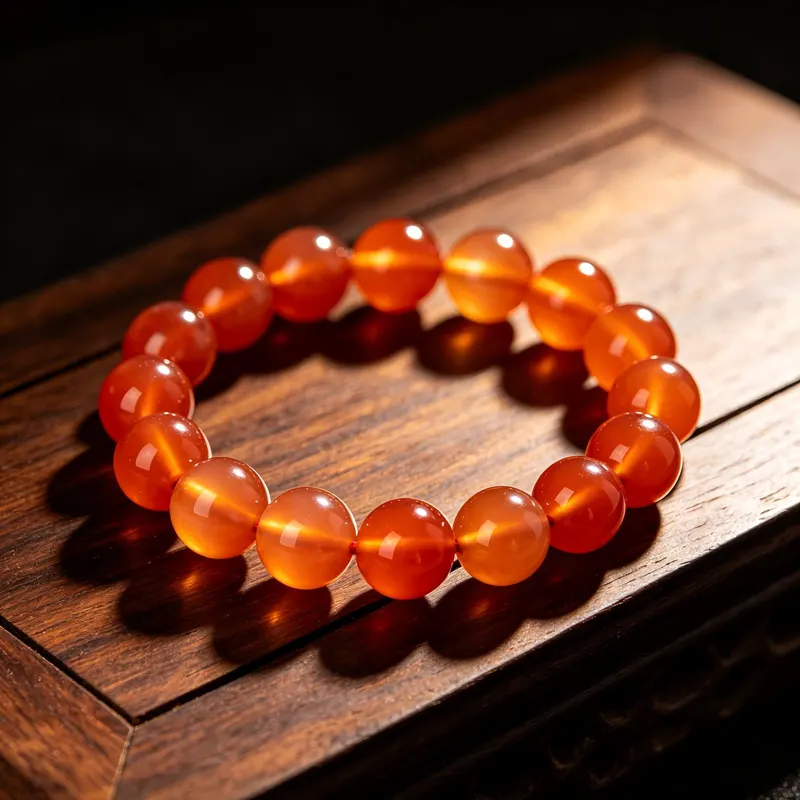
- Carnelian — Traditionally associated with vitality, motivation and creative fire. A good pick if your intention is about starting something, moving your body, or pushing a project forward. It's a durable quartz-family stone that handles daily wear well. The Carnelian Creativity Bracelet for Motivation & Fire is a natural solstice piece.
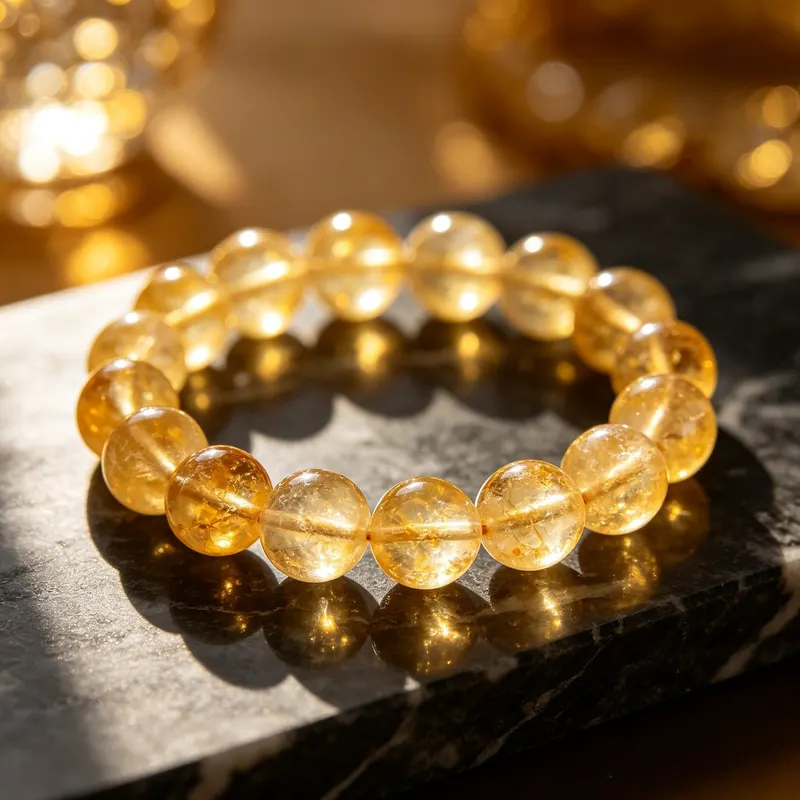
- Citrine — Believed to invite joy, optimism and a sense of abundance. If your season's theme is lightness and openness, citrine fits. Note that much commercial citrine is heat-treated amethyst; that's normal and doesn't affect how you use it. The Citrine Abundance Bracelet for Prosperity & Joy is a bright, wearable option.
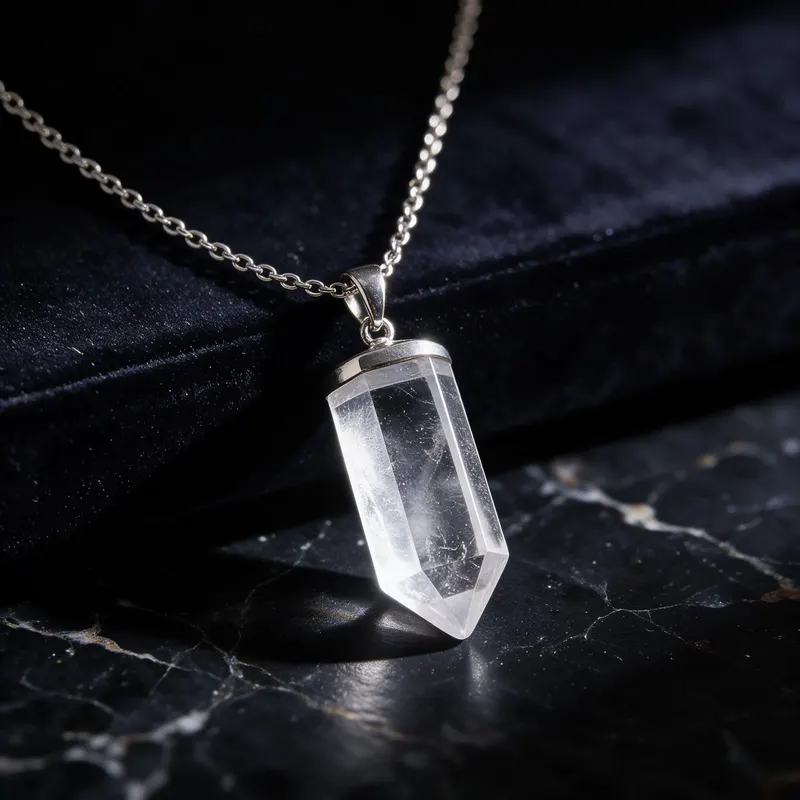
- Clear quartz — The classic "programmable" stone in crystal lore, traditionally used for clarity and amplifying intention. It's also one of the most sun-tolerant stones, making it a good candidate for a solstice charging ritual. A Clear Quartz Point Pendant Necklace, Sterling Silver keeps that intention close all day.
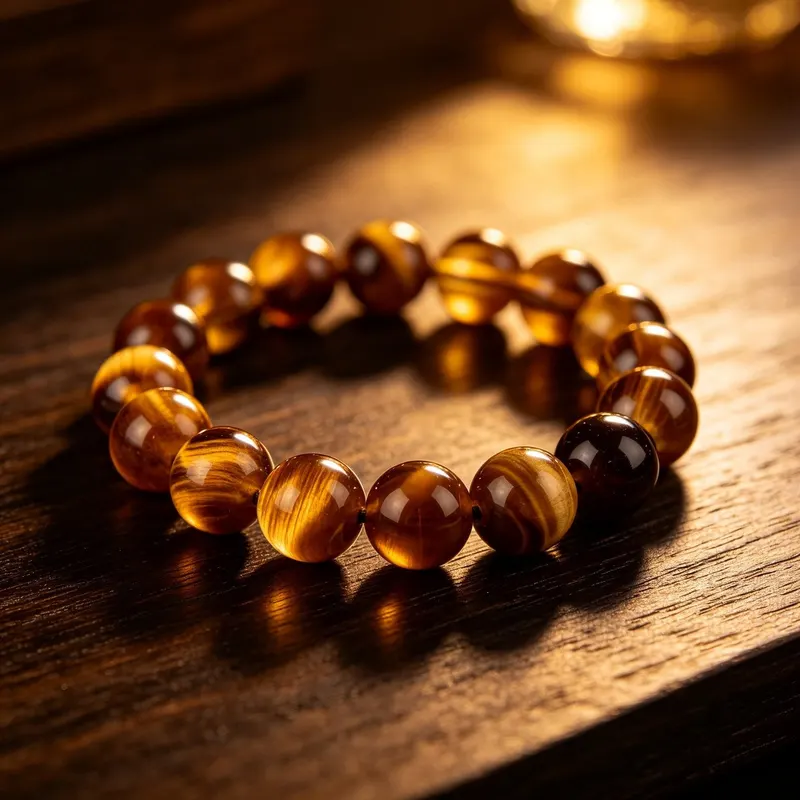
- Tiger's eye — Traditionally linked to confidence, focus and steady courage. Good for anyone whose solstice intention involves a bold conversation, a career step, or simply showing up more visibly. The Tiger's Eye Confidence Bracelet for Focus & Courage is a solid everyday choice.
- Lapis lazuli — Associated with wisdom and clear communication. If your summer goal involves speaking up or sharing ideas, this is a traditional match. It's softer than quartz, so treat it gently. The Lapis Lazuli Wisdom Pendant, Gold-Plated Chain works well for this theme.
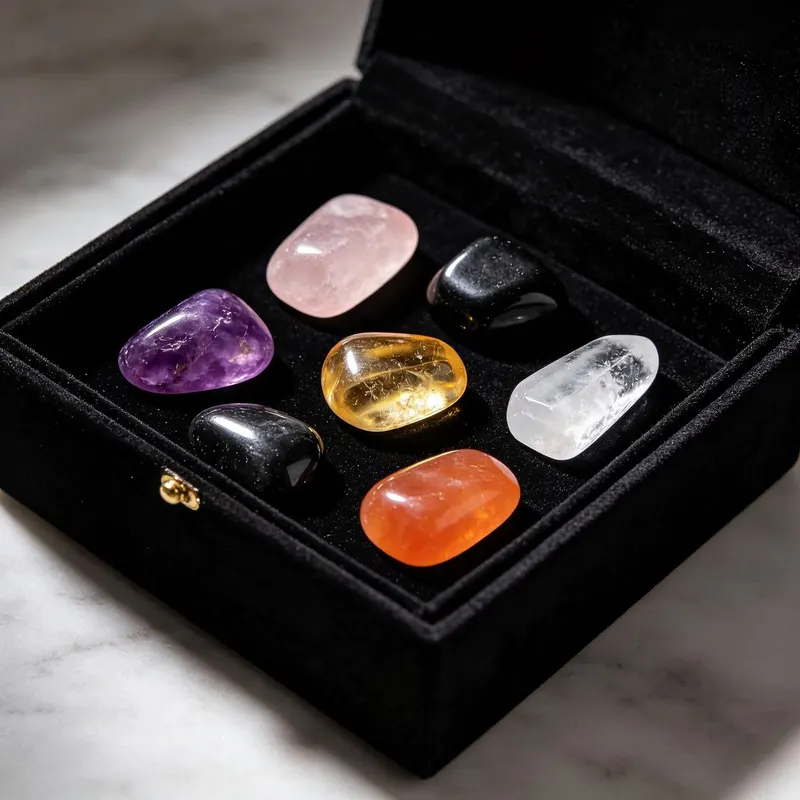
If you're new to crystals and want a single starting point rather than several pieces, a Healing Crystal Starter Kit, 7 Stones + Guide gives you a small, labeled set to experiment with before committing to a larger collection.
Quick Comparison: Solstice Stones at a Glance
| Stone | Traditional Association | Sun Tolerance | Best Use |
|---|---|---|---|
| Carnelian | Vitality, motivation, creative fire | Good | Wearing daily; action-focused intentions |
| Citrine | Joy, optimism, abundance | Good | Desk or wrist; mood-lifting reminder |
| Clear quartz | Clarity, amplification of intention | Excellent | Solstice charging; pendant or point |
| Tiger's eye | Confidence, focus, courage | Good | Work and visibility goals |
| Lapis lazuli | Wisdom, communication | Moderate | Speaking and sharing intentions |
| Amethyst | Calm, reflection, spiritual focus | Poor (fades) | Evening wind-down; charge by moonlight |
| Rose quartz | Self-love, heart-centered connection | Poor (fades) | Gentle daily wear; indirect light |
Use this as a starting filter, not a rulebook. The best stone is the one whose theme matches what you actually want to do this season—and the one you'll genuinely enjoy handling.
A Peak-Light Practice: Step by Step
This is a simple, repeatable ritual you can do on the solstice itself or on any bright morning near it. It takes about fifteen minutes.
- Set one intention. At sunrise or early morning, write a single sentence describing what you want to move toward this season. Keep it specific and within your control—"I will finish the first draft of my portfolio" rather than "I will get the job."
- Charge your stone. Place a sun-tolerant stone (clear quartz, citrine or carnelian) in direct morning light for about ten minutes. Morning sun is gentler than midday sun. Skip prolonged exposure for amethyst, rose quartz and fluorite, which can fade—charge those by moonlight instead.
- Hold and repeat. Pick up the stone, hold it for a minute, and read your intention aloud once. This is the reflective part—the stone is a physical cue, not a guarantee.
- Take one concrete action. Before the day ends, do one small thing that moves the intention forward. Send the email, outline the chapter, book the class. The ritual's value comes from what you do after it.
- Close with gratitude. Name one thing already going well. This keeps the practice grounded rather than purely aspirational.
If you want to build a fuller seasonal ritual, pair this with a short evening wind-down using a calmer stone. The Amethyst Healing Bracelet for Calm & Clarity is traditionally associated with reflection and is a good counterbalance to the day's outward energy.
What tradition teaches — and what is provable
Crystal practice blends centuries of folklore with modern gemology, and it's worth keeping the two separate so you can enjoy the tradition without relying on claims it can't support.
What the tradition says
Traditional and modern spiritual writing associates carnelian with vitality and courage, citrine with joy and abundance, and clear quartz with clarity and amplification. These are symbolic and reflective frameworks—useful for focus and meaning-making, but not measurable effects. We use language like "traditionally associated with" and "believed to" deliberately, because that's the honest framing.
What we can verify
- Hardness (Mohs scale): Quartz-family stones like clear quartz, amethyst, citrine and carnelian sit around 7, which makes them reasonably durable for daily wear. Lapis lazuli is softer (roughly 5–6) and more prone to scratching. Selenite is very soft (about 2) and should be kept away from water and rough handling.
- Sunlight sensitivity: Prolonged direct sun can fade amethyst, rose quartz and fluorite. This is a documented property of these materials, not a spiritual one—so keep them out of long sun exposure.
- Water sensitivity: Selenite and some porous or dyed stones shouldn't be soaked. Many bracelets are strung on elastic or metal that degrades with water, so remove jewelry before swimming or showering.
- Care basics: Wipe stones with a soft dry cloth, store them separately to avoid scratches, and keep pendants away from perfume and harsh cleaners. For elastic bracelets, avoid over-stretching when putting them on.
None of this diminishes the ritual. Knowing how to care for a stone is part of respecting it—and it means your pieces will last through many solstices.
How to Choose, Size and Budget
A few practical pointers before you buy:
- Match the theme, not the hype. Choose a stone whose traditional association lines up with your actual intention. Vitality and action → carnelian or tiger's eye. Joy and openness → citrine. Clarity → clear quartz. Communication → lapis lazuli.
- Sizing: For beaded bracelets, measure your wrist snugly with a soft tape and add about half an inch for comfort. Most stretch bracelets are sized for a 6.5–7.5 inch wrist; if you're between sizes, size up. For pendants, check the chain length—16–18 inches sits near the collarbone, 20–24 inches hangs lower.
- What to look for: Even color, no obvious cracks or chips at the drill holes, and a comfortable weight. Natural variation in color and inclusions is normal and often a sign of genuine stone.
- Realistic pricing: Simple beaded bracelets typically range from roughly $20–$60; sterling silver or gold-plated pendants generally run higher, often $40–$120 depending on metal and stone size. Larger raw clusters and display sets cost more. Be cautious of unusually low prices paired with claims of rare or "certified" stones.
Buy one piece you'll actually wear rather than a set you'll store in a drawer. If you're building a small seasonal collection, start with a sun-tolerant stone and add a calmer evening piece later.
FAQ
People Also Ask
Which crystal is best for the summer solstice?
Warm, sun-tolerant stones like carnelian and citrine traditionally match the peak-light energy of the longest day, and clear quartz is a classic choice for charging in solstice sunlight. Choose based on your intention rather than a single "correct" stone.
Can I charge crystals in the sun?
Brief morning sun—about ten minutes—is generally fine for durable stones like clear quartz, citrine and carnelian. Prolonged direct sun can fade amethyst, rose quartz and fluorite, so charge those by moonlight or indirect light instead.
How do I care for a crystal bracelet so it lasts?
Keep it dry, remove it before swimming or showering, avoid over-stretching the elastic, and store it separately from harder pieces. Wipe it with a soft cloth after wear. These habits matter more than any cleansing method.
Do I need to "cleanse" my stones, and how?
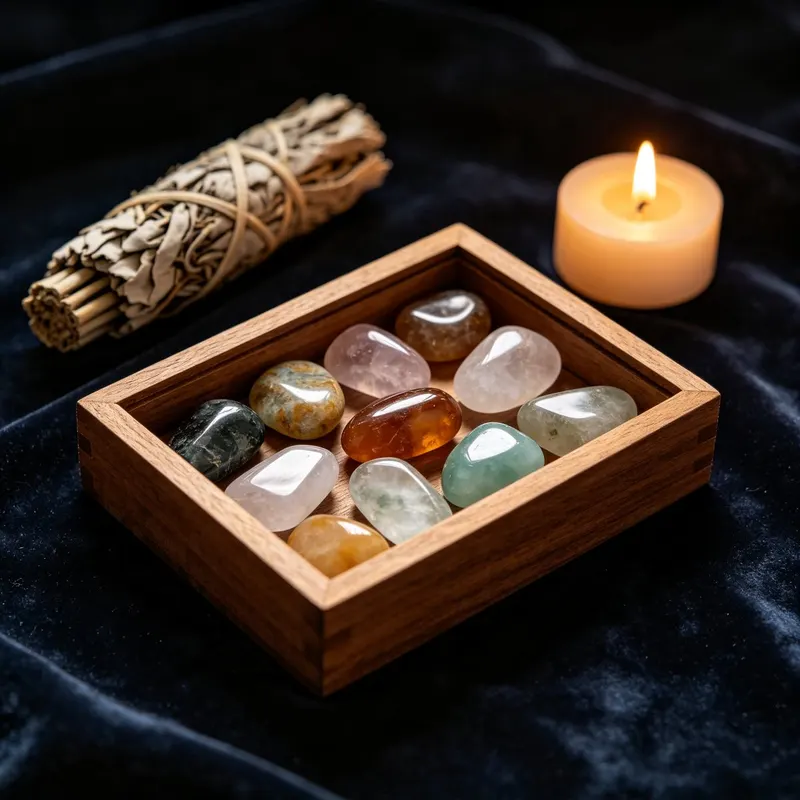
Cleansing is a traditional practice, not a requirement. Many people simply set stones in moonlight, pass them through smoke, or rest them on selenite. If you use a Selenite Cleansing Wand for Energy Clearing, keep it dry—selenite is water-sensitive and soft.
Closing
The summer solstice is a good excuse to pause, choose one direction, and give it a little structure. Pick a stone that matches your intention, charge it briefly in morning light, and follow through with one real action. That combination—symbol, ritual, and follow-through—is what makes the practice meaningful. Crystals are for reflection and are not medical devices; if you're navigating a health concern, please work with a qualified professional.