The Longest Night as a Turning Point
If you're reading this in mid-December, you may already feel it: the early dark, the urge to stay in, the quiet sense that the year is closing whether or not you're ready. The winter solstice—the shortest day and longest night in the Northern Hemisphere, usually falling around December 21 or 22—has been marked by cultures across the world for thousands of years as a hinge point. After it, the light slowly returns.
That makes it a natural evening to pause. Not to force a big transformation, but to sit with what the year held, set down what you're done carrying, and name a few gentle hopes for the brighter months ahead. Crystals can serve as simple, tactile anchors for that reflection—something to hold while you think, something to place on a windowsill as a reminder.
This guide walks through a quiet solstice ritual you can do alone or with others, the stones traditionally associated with the season, how to choose and care for them, and an honest look at what crystal traditions can and can't claim.
Why the Solstice Works as a Ritual Anchor
Rituals tend to stick when they're tied to something real—a season, a date, a change you can see. The solstice gives you all three. The nights genuinely are getting longer, then they genuinely start getting shorter. You don't have to believe anything mystical for the turning point to feel meaningful; you only have to notice it.
Many people find that a small, repeatable ritual at the solstice does two useful things. First, it creates a container for reflection that a busy December rarely offers. Second, it gives you a marker you can return to next year, so the practice builds rather than resets. Crystals fit into this because they're physical: a stone on your desk or altar holds the intention you gave it in a way a passing thought doesn't.
Solstice Stones and What They're Traditionally Associated With
The stones below are the ones most often reached for in winter solstice practice. None of them are required—pick two or three that appeal to you and that you'll actually enjoy looking at.
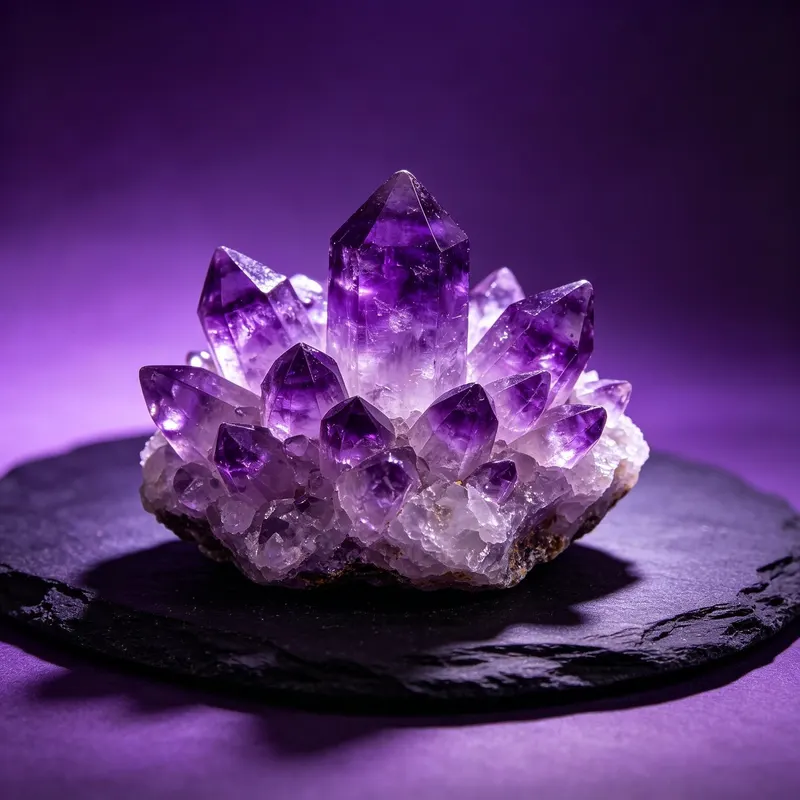
- Amethyst — traditionally associated with calm, reflection and quieting a busy mind. A Raw Amethyst Cluster makes a beautiful centerpiece for an altar or a low table; a single point or tumbled piece works just as well if space is tight.
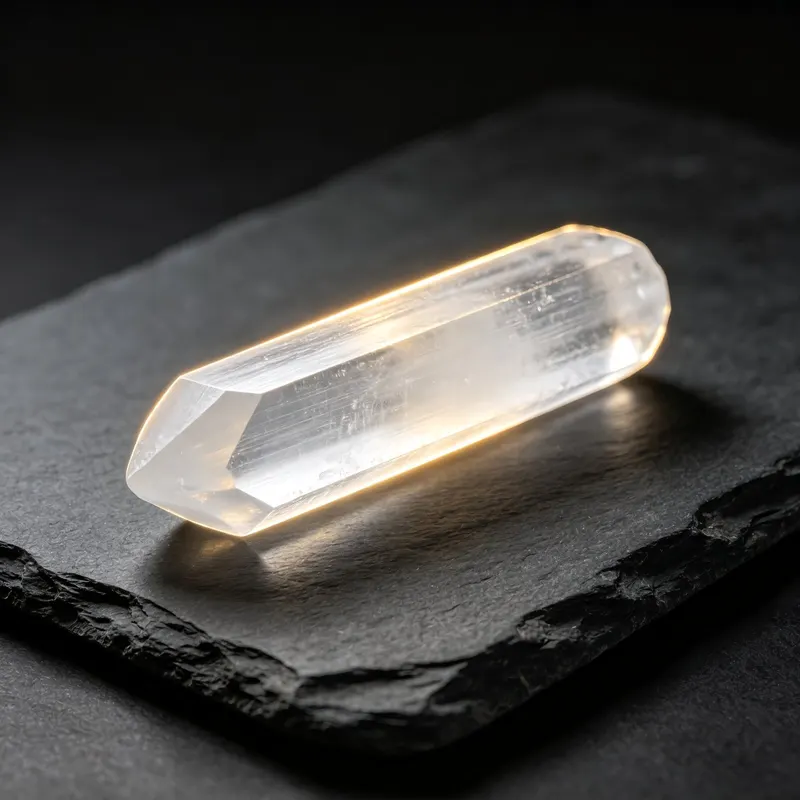
- Selenite — a pale, translucent stone traditionally used for cleansing and clearing. A Selenite Cleansing Wand laid beside a candle is a common way to symbolize returning light. Selenite is soft, so handle it gently (more on care below).
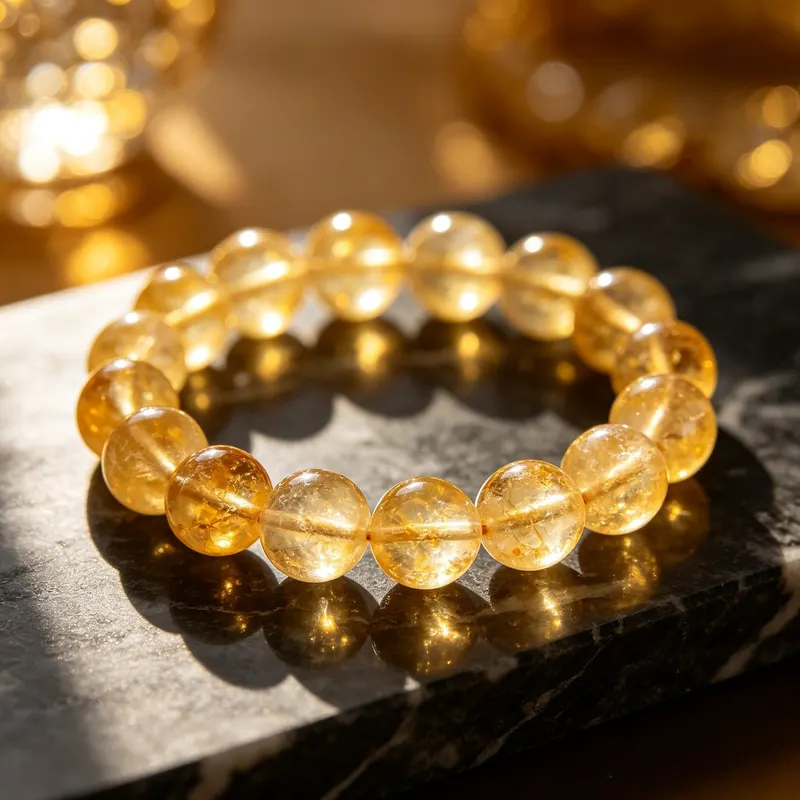
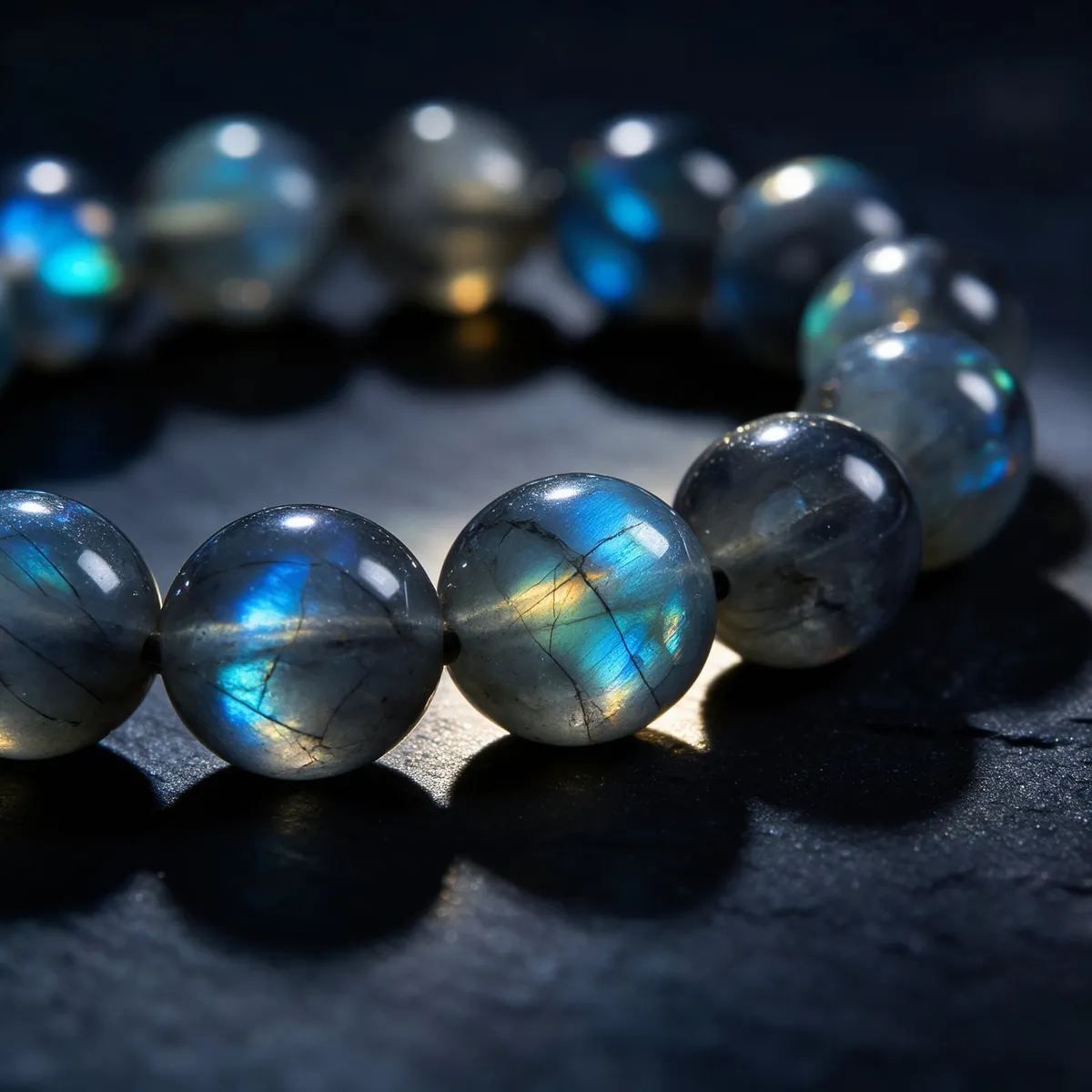
- Citrine — traditionally associated with optimism, warmth and abundance. A Citrine Abundance Bracelet is easy to hold during the intention-setting part of the ritual, or to wear in the days after.
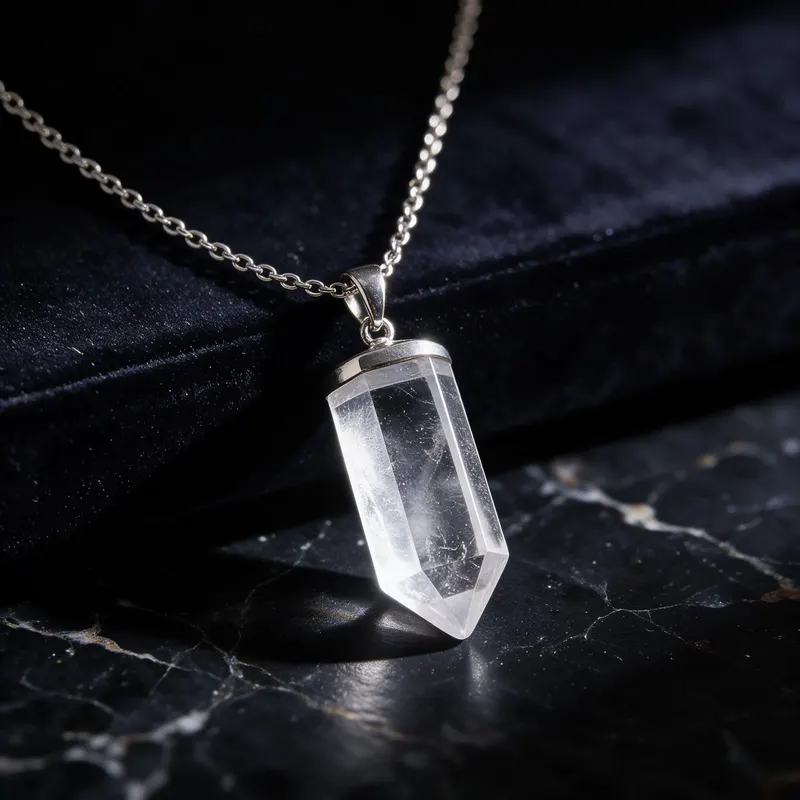
- Clear quartz — often described as a "master healer" in crystal lore and used as a general amplifier or clarity stone. A Clear Quartz Point Pendant is a discreet way to carry the ritual with you into the new year.
- Black tourmaline or obsidian — traditionally associated with grounding and protection, useful if the solstice feels more like a release than a celebration. A Black Tourmaline Protection Bracelet is a common choice for this.
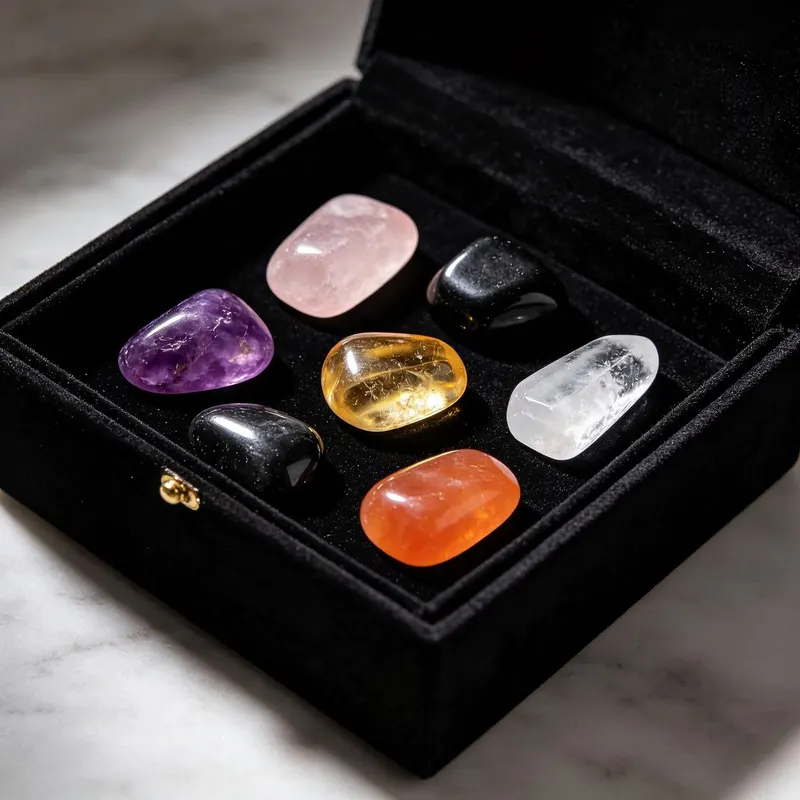
If you're new to crystals and want a single purchase that covers several bases, a Healing Crystal Starter Kit with seven stones and a guide is a practical starting point—you can pick the two or three that suit your ritual and keep the rest for other seasons.
A Simple Winter Solstice Ritual, Step by Step
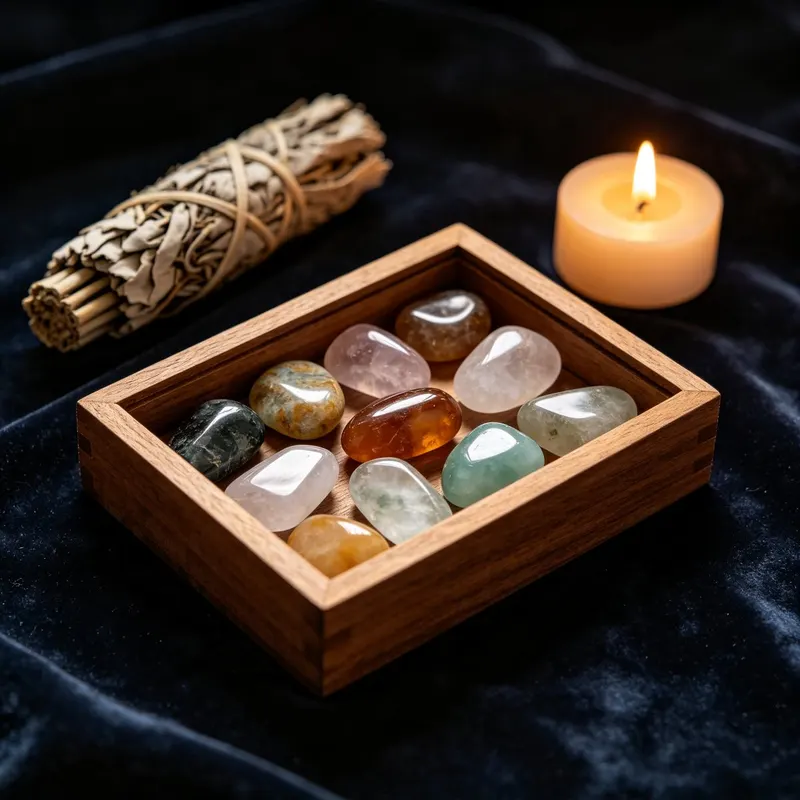
Set aside ten to twenty quiet minutes, ideally after dark. You don't need a dedicated altar; a cleared table, a windowsill or the floor works. Turn your phone face down or, better, leave it in another room.
What you'll need
- Two or three stones from the list above
- A candle and something safe to set it on (never leave a lit candle unattended)
- A pen and two small slips of paper
- Optional: a soft cloth to lay your stones on, and a cup of tea
The practice
- Set the scene. As it grows dark, light your candle and lay your stones out in front of you. Take a moment to notice the room—the light, the quiet, the temperature.
- Name what you're releasing. On one slip of paper, write one thing you're ready to set down from the past year—a habit, a worry, a role you've outgrown. Keep it to a sentence. Fold it and set it aside; you'll decide what to do with it at the end.
- Hold your reflection stone. Pick up your amethyst (or whichever stone you chose for reflection) and sit with it for a few slow breaths. There's nothing to achieve here—just let the year settle.
- Name one intention. On the second slip, write one hope for the returning light. Make it something you can actually act on, however small. Hold your citrine or clear quartz while you write it.
- Close with light. Sit for five slow breaths, then blow out the candle. Keep your intention slip somewhere you'll see it—a wallet, a book, a windowsill—and place your stones where they'll catch the morning light.
What you do with the release slip is up to you. Some people tear it up and compost it, some burn it safely outdoors in a fire-safe dish, some simply throw it away. The gesture matters more than the method.
Choosing Your Stones: A Practical Checklist
If you're buying specifically for a solstice ritual, a few practical points will save you disappointment:
- Size: A cluster for a centerpiece should be roughly palm-sized or larger so it reads as a focal point; a wand or point for beside a candle can be 3–6 inches. Bracelets should fit snugly but not tightly—measure your wrist and check the listing's sizing.
- Color and clarity: Look at photos in natural light where possible. Amethyst ranges from pale lavender to deep violet; citrine from pale lemon to warm amber. Neither range is "wrong"—choose what you find beautiful.
- Natural vs. treated: Much citrine on the market is heat-treated amethyst, which is standard and widely accepted; ask if it matters to you. Selenite is genuinely soft and should arrive without chips.
- Setting and materials: For pendants, check the metal (sterling silver and gold-plated are common) and whether you have sensitivities. For bracelets, check the elastic or clasp quality.
- Price expectations: Small tumbled stones and simple bracelets typically run from around $15–$40; a raw amethyst cluster might be $25–$80 depending on size; a sterling silver pendant with a clear quartz point commonly sits in the $40–$90 range. Prices vary widely by seller and stone quality—treat these as rough guides, not rules.
What tradition teaches — and what is provable
Crystal traditions are old, varied and largely symbolic. It's worth separating the lore from the facts you can actually check, especially when you're spending money or deciding how to care for a stone.
| Stone | Traditional lore | Verifiable facts (hardness, sensitivity, care) |
|---|---|---|
| Amethyst | Calm, reflection, quieting the mind | Quartz family, Mohs 7; generally water-safe but avoid prolonged sunlight, which can fade color; clean with mild soap and water |
| Selenite | Cleansing, clearing, light | Gypsum, Mohs 2—very soft; water-soluble, so keep dry and wipe with a soft cloth; store away from harder stones to avoid scratching |
| Citrine | Optimism, warmth, abundance | Quartz family, Mohs 7; often heat-treated amethyst; avoid prolonged direct sun; clean with mild soap and water |
| Clear quartz | Clarity, amplification | Mohs 7; durable and water-safe; can fade if dyed or coated—check the listing; wipe with a soft cloth |
| Black tourmaline | Grounding, protection | Mohs 7–7.5; generally durable and water-safe; clean with mild soap and water |
The takeaway: the lore is a meaningful frame for reflection, but the care instructions are physical facts. Selenite in particular will be damaged by soaking, and amethyst left on a sunny windowsill for months can lose some of its color. Store soft stones separately, keep candles away from anything flammable, and treat your ritual as a practice of attention rather than a guarantee of any outcome.
Crystals are for reflection and are not medical devices. They do not diagnose, treat, cure, or prevent any disease, and they do not promise love, wealth, or any other outcome.
FAQ
People Also Ask
What crystals are traditional for the winter solstice?
Selenite for light, amethyst for reflection and citrine for optimism in the returning sun are a classic trio. Black tourmaline or obsidian are common additions if you want a grounding stone for release work.
How long should a solstice ritual take?
Ten to twenty quiet minutes is plenty. The ritual is about intention and attention, not length—a five-minute version with one stone and one candle is a complete practice.
Do I need to cleanse my stones first?
Many people like to. Traditional methods include moonlight, sound, or a selenite wand held nearby. Practically, a soft dry cloth and a few minutes of quiet handling are enough—and safer for soft stones like selenite, which shouldn't be soaked in water.
Can I do this ritual with children or a partner?
Yes. Keep the candle out of reach of young children, and let each person write their own release and intention. It's a gentle way to mark the season together without requiring anyone to share what they wrote.
Closing
The solstice doesn't ask you to have the year figured out. It only asks you to notice the turning—the longest night, then the slow return of light. A candle, two slips of paper and a stone or two are enough. If you'd like to build a seasonal practice, continue with autumn grounding, the new moon ritual and the full moon ritual, and explore the Raw Stones & Sets Collection for pieces that suit your space.