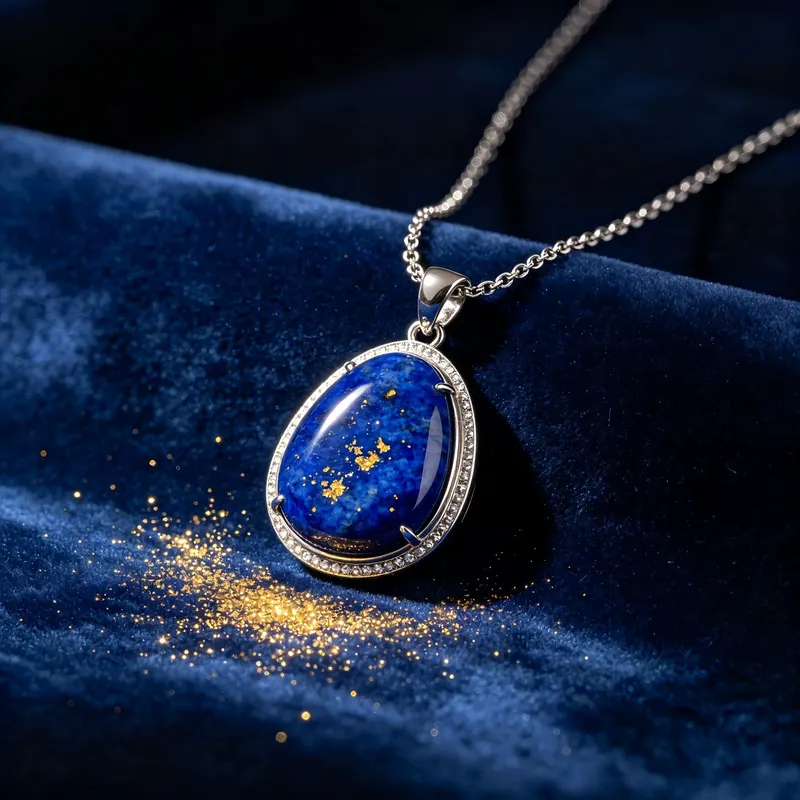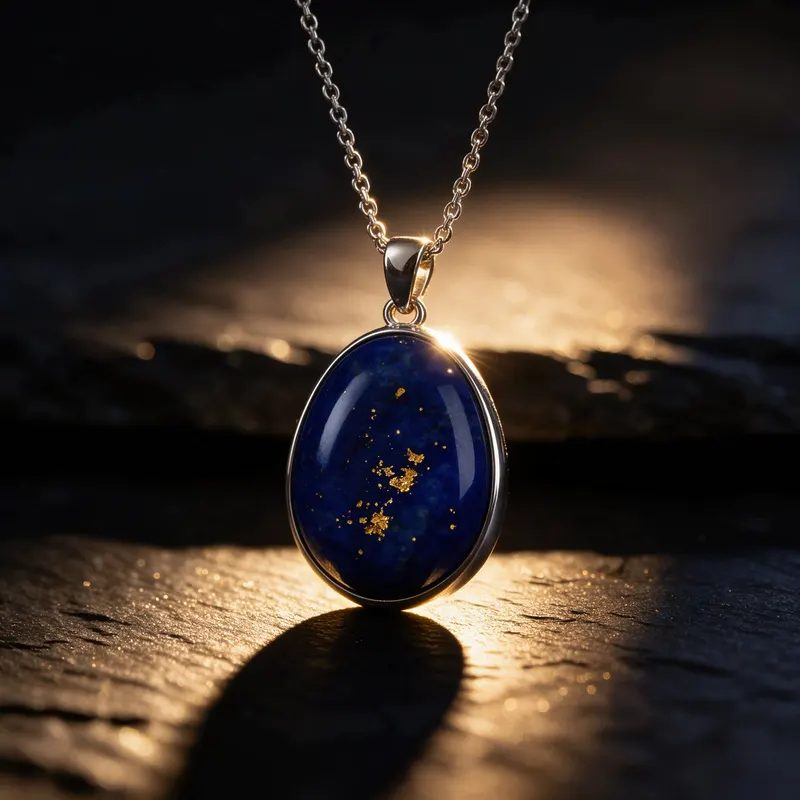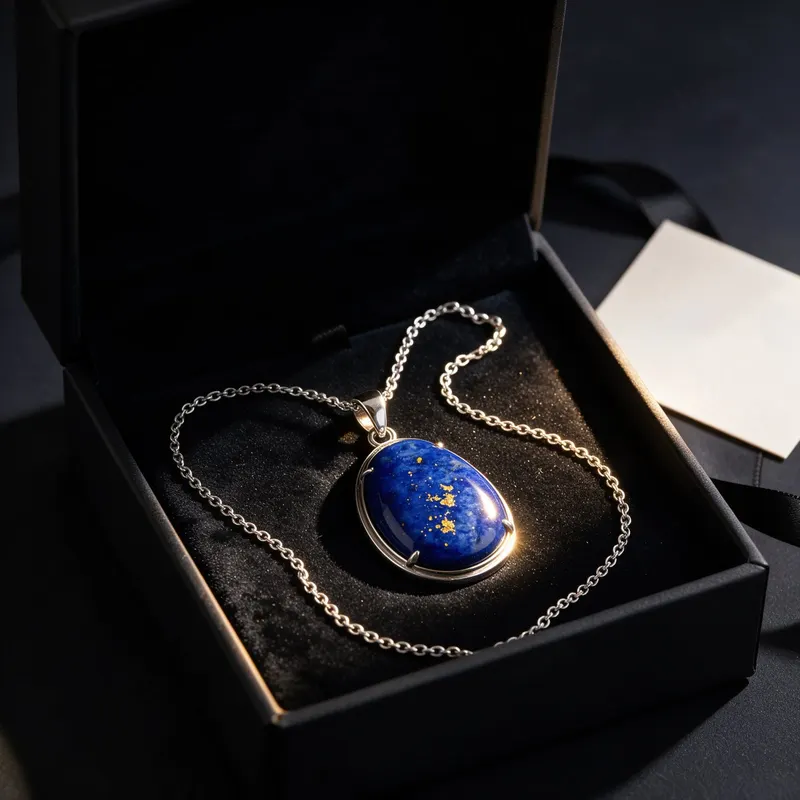
The Sweet Spot for Wearable Gifts
You are looking for a gift that feels personal, doesn't strain your budget, and won't end up in a drawer by February. That's the real challenge with crystal gifts: they can look beautiful in a photo and then sit unworn because the piece is too chunky, the wrong color, or the wrong size for the person you had in mind.
The $25–$50 range happens to be where handcrafted crystal jewelry hits its stride. It's enough to buy genuine natural stone and real metal findings rather than dyed glass on a stretchy cord, but not so much that you're gambling on a style they may never wear. A well-chosen bracelet or pendant in this range can become a daily piece—something they reach for with their watch and their rings.
This guide is built around one idea: match the stone to the season the person is actually in, then match the format to how they dress. Below you'll find gift ideas by intention, a comparison table, a practical sizing and care checklist, and an honest section on what crystal traditions claim versus what we can actually verify about the stones themselves.
Gift by Intention: Match the Stone to Their Season
Before you shop, name what this person is navigating. A friend starting a new job, a partner in a stressful season, a sibling going through a breakup, a parent easing into retirement—each calls for a different stone. In crystal tradition, each variety carries associations; treat these as a meaningful language for choosing a gift, not a promise of any outcome.
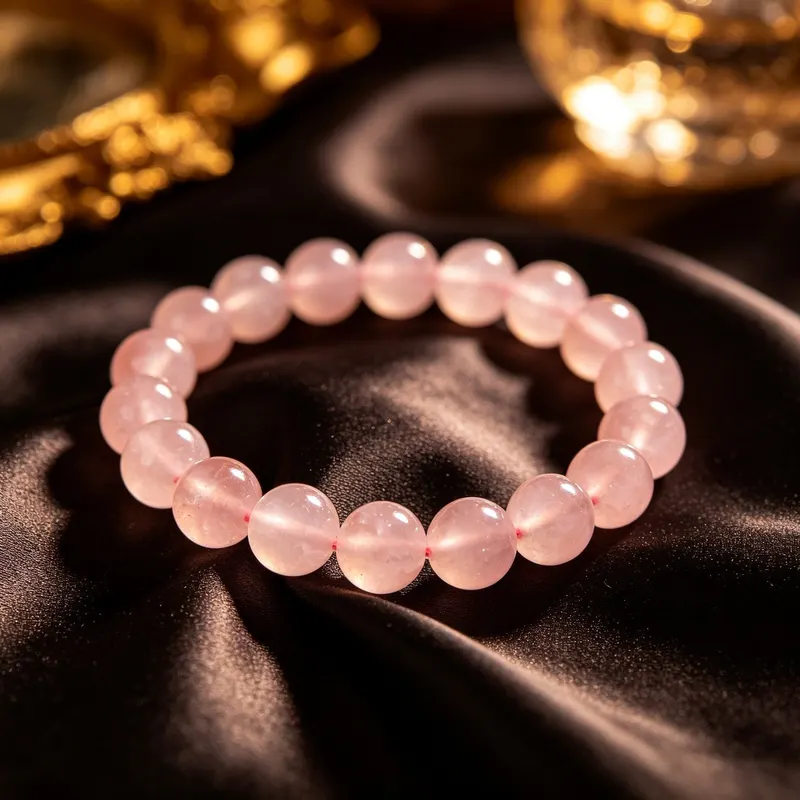
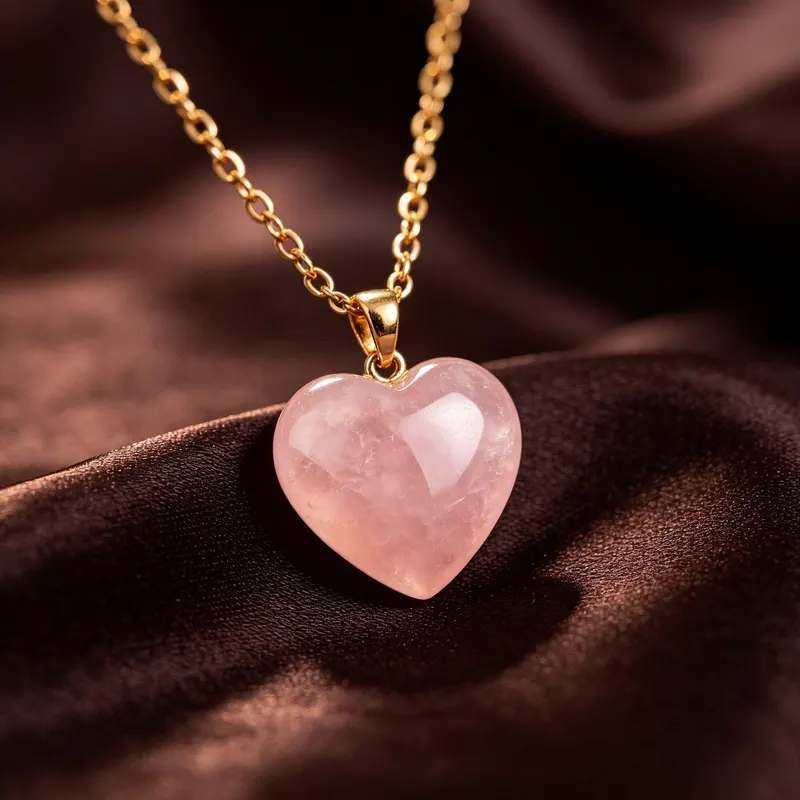
- Love and comfort: Rose quartz is traditionally associated with the heart and self-compassion. The Rose Quartz Love Bracelet for Self-Love & Heart is a soft, wearable everyday pick, and the Rose Quartz Heart Pendant Necklace, Gold-Plated suits someone who prefers necklaces to bracelets.
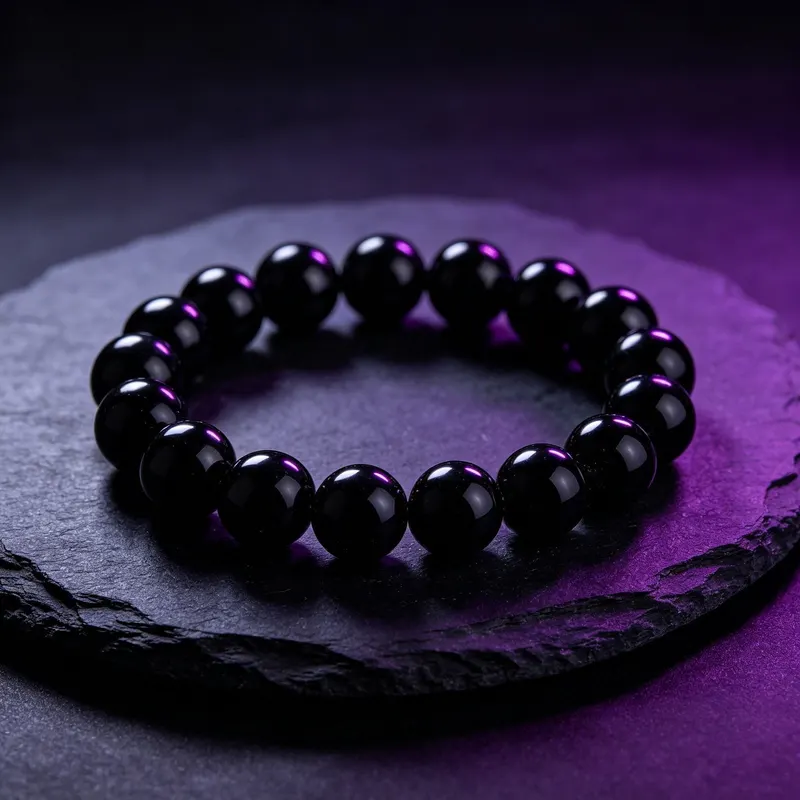
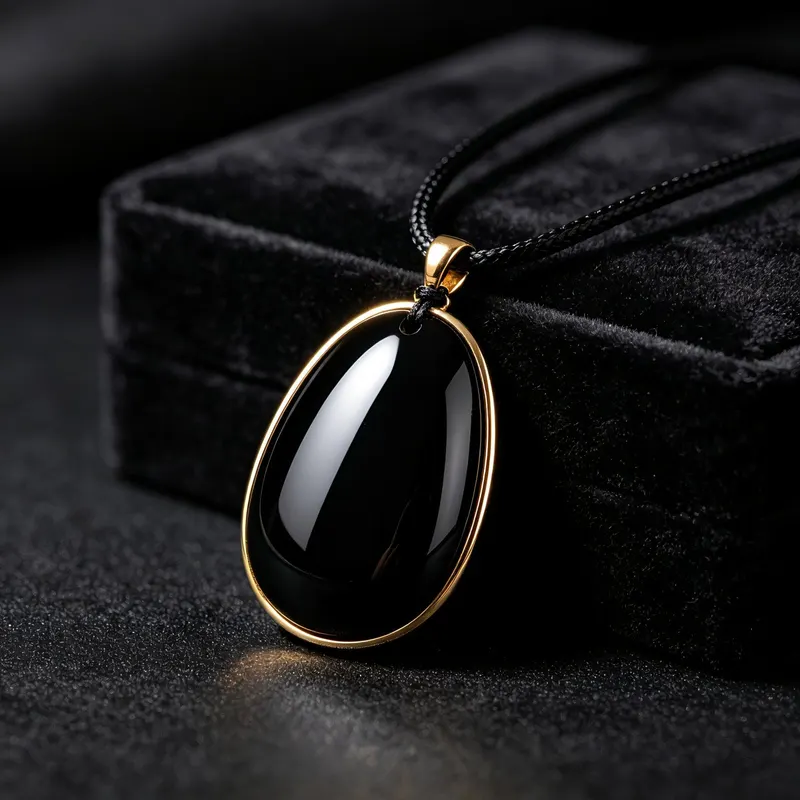
- Protection and grounding: Black tourmaline is believed to be a grounding, protective stone. The Black Tourmaline Protection Bracelet for Grounding reads as quietly elegant—black goes with everything—and the Black Obsidian Teardrop Protection Pendant Necklace is a good option for someone who dresses minimally.
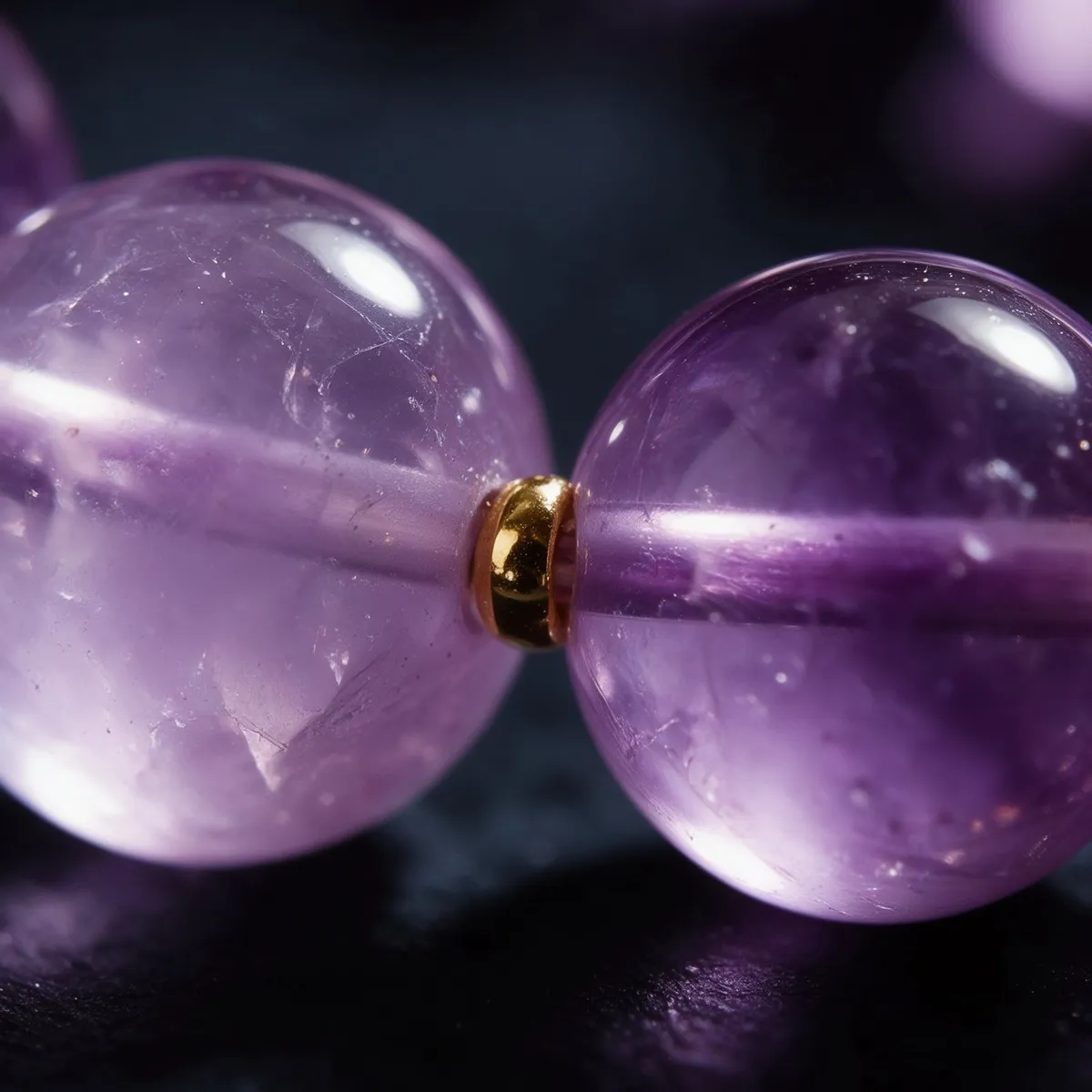
- Calm and clarity: Amethyst is traditionally linked to calm and quiet reflection. The Amethyst Healing Bracelet for Calm & Clarity is one of the most universally wearable gifts in this range.
- Confidence and focus: Tiger's eye is associated with courage and steady focus—a fitting gift for a new job, a promotion, or a big exam season (as a token of encouragement, not a guarantee of results). The Tiger's Eye Confidence Bracelet for Focus & Courage has a warm, unisex look.
- New beginnings: Moonstone is traditionally tied to intuition and fresh chapters—graduations, moves, new relationships.
- A curious beginner: If you genuinely don't know which stone they'd connect with, the Healing Crystal Starter Kit, 7 Stones + Guide lets them explore several stones at once, usually for right around the $50 ceiling.
Bracelet or Pendant? A Quick Comparison
The format matters as much as the stone. Use this table to decide which style fits the recipient's daily life.
| Format | Best for | Sizing notes | Everyday wear considerations |
|---|---|---|---|
| Stretch bracelet | People who already wear bracelets or a watch; casual dressers | Usually one size; check the listed bead diameter and inner circumference | Easy on and off; avoid overstretching; keep away from lotions and perfume |
| Pendant necklace | Minimalists, people who dislike things on their wrists, office dressers | Check chain length; 16–18 inches sits at the collarbone, 20+ inches sits lower | Metal type matters for sensitive skin—look for sterling silver or gold-plated over a base metal |
| Ring | Someone who wears rings daily and prefers a subtle piece | Ring sizing is exact; confirm their size before ordering | Best for occasional wear if the stone is softer |
| Starter kit / stone set | Beginners, meditators, anyone building an altar or bedside tray | No sizing needed | Not worn, so care is simpler—store in the included box away from direct sun |
How to Choose for Someone Else: A Practical Checklist
Work through these steps in order and you'll rarely go wrong.
- Name the season. Stress, change, love, work, grief, celebration—pick one. Trying to cover everything usually means choosing nothing.
- Pick the stone tradition links to that intention. Rose quartz for love and comfort, black tourmaline or obsidian for grounding, amethyst for calm, tiger's eye for confidence, moonstone for new beginnings.
- Check their existing jewelry. Do they wear gold or silver? Chunky pieces or delicate ones? A gold-plated pendant is a mismatch for someone who only wears silver.
- Choose the format for their routine. If they type all day or work with their hands, a pendant may get more wear than a bracelet. If they already stack bracelets, a bracelet fits right in.
- Confirm sizing. For bracelets, note the bead size and whether it's stretch or clasped. For necklaces, check chain length. For rings, get the size right—this is the one format where guessing fails.
- Set a realistic budget. In this range, expect natural stone beads or a genuine stone pendant with plated or sterling findings. Be cautious of anything described as "diamond-grade" or "certified healing"—those phrases are marketing, not standards.
What to Look For—and What to Skip
Quality in this price range is mostly about honesty and construction, not perfection. Natural stones vary in color and pattern; that variation is a sign of authenticity, not a flaw. Look for clear product descriptions that name the stone and the metal, consistent bead sizing, and sturdy stringing on stretch bracelets. Skip listings that promise specific outcomes ("attracts wealth," "cures anxiety") or that use vague language about "energy certification"—no recognized body certifies healing properties.
Realistic price expectations: a simple natural-stone stretch bracelet typically runs $25–$40; a pendant with sterling silver or gold-plated findings sits around $35–$50; a multi-stone starter set lands near the top of the range. If a "gemstone" bracelet is priced far below that, it's worth asking whether the stone is dyed, reconstituted, or glass.
What lore says — and what the evidence shows
Crystal traditions are old and culturally rich, and they can be meaningful to the people who practice them. But it's worth separating lore from fact so your gift is both thoughtful and honest.
Traditional lore (belief, not science): Different stones are traditionally associated with qualities like calm, protection, love, and clarity. Many people use them as focal points for intention-setting, meditation, or simply as reminders of a goal. These associations are cultural and symbolic. Crystals are not medical devices, and no stone treats, cures, or prevents disease.
What we can verify (materials and care): Hardness, sensitivity to water and sunlight, and safe cleaning are measurable. The Mohs scale runs from 1 (talc) to 10 (diamond). Quartz-family stones like amethyst, rose quartz, and clear quartz sit around 7—durable enough for daily wear but still scratchable. Softer stones need more care. Here's a quick reference:
| Stone | Approx. Mohs hardness | Water sensitivity | Sunlight sensitivity | Care note |
|---|---|---|---|---|
| Amethyst | ~7 | Generally fine for brief cleaning | Can fade with prolonged direct sun | Wipe with a soft damp cloth; store away from windowsills |
| Rose quartz | ~7 | Generally fine for brief cleaning | Can fade over time in strong sun | Avoid harsh chemicals and ultrasonic cleaners |
| Clear quartz | ~7 | Generally fine | Stable | Easy to care for; wipe clean |
| Black tourmaline | ~7–7.5 | Generally fine | Stable | Durable everyday stone |
| Obsidian | ~5–5.5 | Fine, but avoid soaking | Stable | Can chip; store separately from harder stones |
| Tiger's eye | ~6.5–7 | Avoid prolonged soaking | Stable | Wipe clean; keep away from harsh cleaners |
| Moonstone | ~6–6.5 | Avoid soaking | Stable | Softer; protect from knocks and scratches |
| Selenite | ~2 | Water-soluble—keep dry | Stable | Dust with a dry cloth only; never rinse |
General care rules that apply across the board: put jewelry on last (after lotion and perfume), take it off before swimming or showering, and store pieces separately so harder stones don't scratch softer ones. For plated metals, keep them dry and wipe them after wear to slow tarnishing.
Crystals are offered for reflection and gifting and are not medical devices.
FAQ
People Also Ask
What is the most popular crystal bracelet gift under $50?
Rose quartz for love and comfort and black tourmaline for grounding are consistently popular, wearable picks in this range—both pair easily with everyday outfits and suit most wrists.
Is a crystal starter kit a good gift?
Yes, for a curious beginner. A set gives several stones plus guidance so they can explore without committing to one style, and it usually lands right at the top of the under-$50 range.
How do I choose a bracelet size as a gift?
Check the product listing for bead diameter and inner circumference. Stretch bracelets are more forgiving than clasped ones; if you're unsure and can't ask, a pendant or a starter set removes the sizing risk entirely.
Are crystal gifts appropriate if the recipient isn't "into" crystals?
Often, yes—many people simply enjoy a beautiful natural-stone piece as jewelry. Frame it as a stone chosen for its look and meaning, and skip claims about outcomes. If they're skeptical, a pendant in a neutral stone like clear quartz or obsidian is an easy, low-pressure choice.
Browse the Curated Collection
Ready to choose? Explore the full edit here: Crystal Gifts Collection →. Start with the intention, pick the format, confirm the size—and you'll have a gift they'll actually wear.