Why the Full Moon Draws So Many of Us Outdoors
Maybe you've set a reminder for the next full moon, or you've found yourself standing at the window with a handful of stones and a vague sense that they should be doing something. Maybe you've read that the full moon is when you "charge" your crystals, but you're not sure what that actually means, how long it takes, or whether leaving a $40 bracelet on a balcony ledge is a good idea. You're in the right place.
The full moon is traditionally treated as a peak moment in the lunar cycle: a time of culmination, visibility, and completion. In crystal practice, it's used for three things at once—cleansing stones of accumulated energy, charging them with fresh intention, and pausing to notice what has actually grown since you last set a goal. It is also, conveniently, one of the gentlest methods available: moonlight won't fade your stones the way direct sun can, and it doesn't require water, salt, or smoke.
This guide walks through a practical three-part ritual you can complete in about twenty minutes plus an overnight charge, explains which stones suit the full moon and why, and separates the traditional lore from what we can actually verify about caring for your crystals. Crystals are for reflection and are not medical devices.
What the Full Moon Means in Crystal Practice
In lunar-cycle traditions, the new moon is associated with beginnings—setting intentions, starting something, planting. The full moon sits at the opposite point: it's associated with illumination, harvest, and release. The logic is simple and, frankly, useful even if you set aside the metaphysics entirely. Once a month, you get a built-in checkpoint. What did you start? What's working? What are you carrying that you no longer need?
Crystals fit into this because they're physical objects that hold attention. A stone on your desk or wrist works as a small reminder of whatever you decided it stands for. The full moon ritual simply gives you a scheduled moment to reset that association—clean the stone, restate the intention, and put it back into rotation with fresh attention.
Traditionally, the full moon is also considered the strongest night for charging because the moon's light is at its most direct. Many practitioners work the night of the full moon itself, but the nights immediately before and after are treated as equally valid. If clouds roll in, the ritual still counts.
A Three-Part Full Moon Ritual
The structure below takes the existing three steps—charge, release, give thanks—and fills in the practical detail. Do them in whatever order suits your evening; many people prefer to release first, charge overnight, and give thanks in the morning.
1. Cleanse and charge your stones
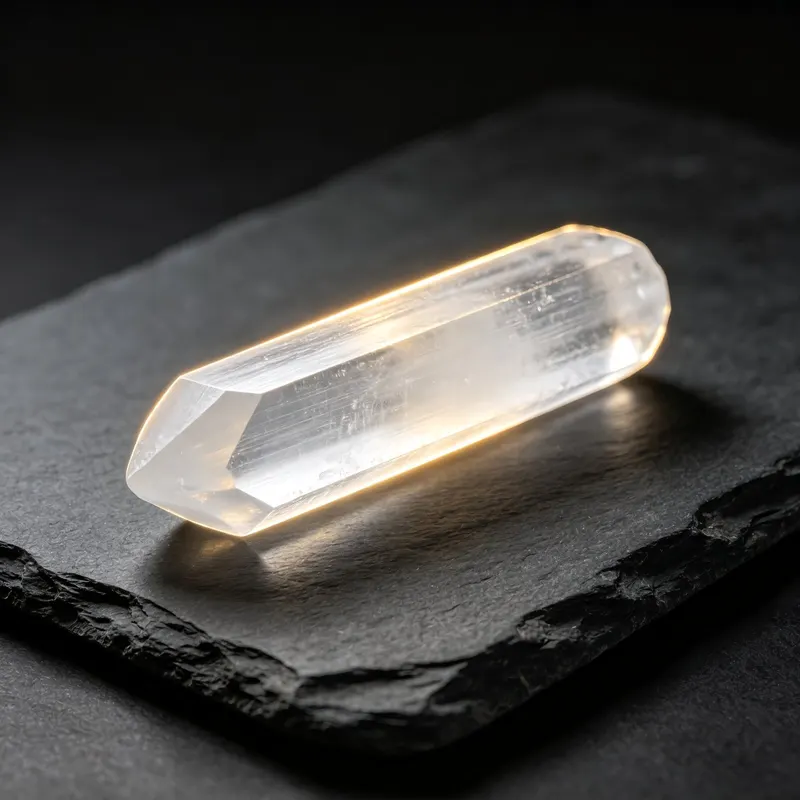
Before charging, it's traditional to cleanse—think of it as clearing the slate so the charge carries your current intention rather than last month's. A Selenite Cleansing Wand is the simplest tool for this: pass the wand slowly over each stone or rest the stone beside it for a few hours. Selenite is traditionally associated with clearing and is soft enough that it should never be soaked in water (more on that below).
Then set your stones out where moonlight will actually reach them: a windowsill, a balcony, a garden ledge, or a shallow dish on a table near glass. Leave them overnight and bring them in before direct morning sun if the forecast is bright—more on sun sensitivity in the verification section.
2. Release what is complete
Write down one habit, worry, or thought you're ready to put down. Be concrete: "checking my phone before I'm out of bed" is more useful than "stress." Read it once, out loud if you can, then fold the paper and dispose of it deliberately—tear it, compost it, or burn it safely in a fireproof dish. The point isn't the paper; it's the act of naming something and deciding it's finished.
If you keep a journal, note the date and what you released. Reviewing those entries over a few months is often more revealing than the ritual itself.
3. Give thanks
Name three things that have grown or gone well since the last full moon—small counts. A conversation that went better than expected, a project you finally finished, a week you slept well. Hold a stone while you do it. A Rainbow Moonstone Bracelet is a natural fit for lunar work, traditionally associated with intuition and new beginnings; a piece of clear quartz works just as well if that's what you have.
This step is easy to skip and worth keeping. Gratitude is the part of the ritual that closes the loop—it turns a monthly reset into something you can actually feel accumulating.
Choosing Stones for the Full Moon
You don't need a collection to do this ritual. One stone you already own is enough. But if you're building a small lunar set, these are the traditional pairings and the practical reasons they work:
| Stone | Traditionally associated with | Practical note for full moon work |
|---|---|---|
| Selenite | Clearing, cleansing, spiritual reset | Soft (Mohs 2); keep dry, handle gently, ideal as a cleansing tool rather than a chargeable piece |
| Moonstone | Intuition, lunar attunement, new beginnings | Moonlight-safe; avoid prolonged direct sun and harsh chemicals |
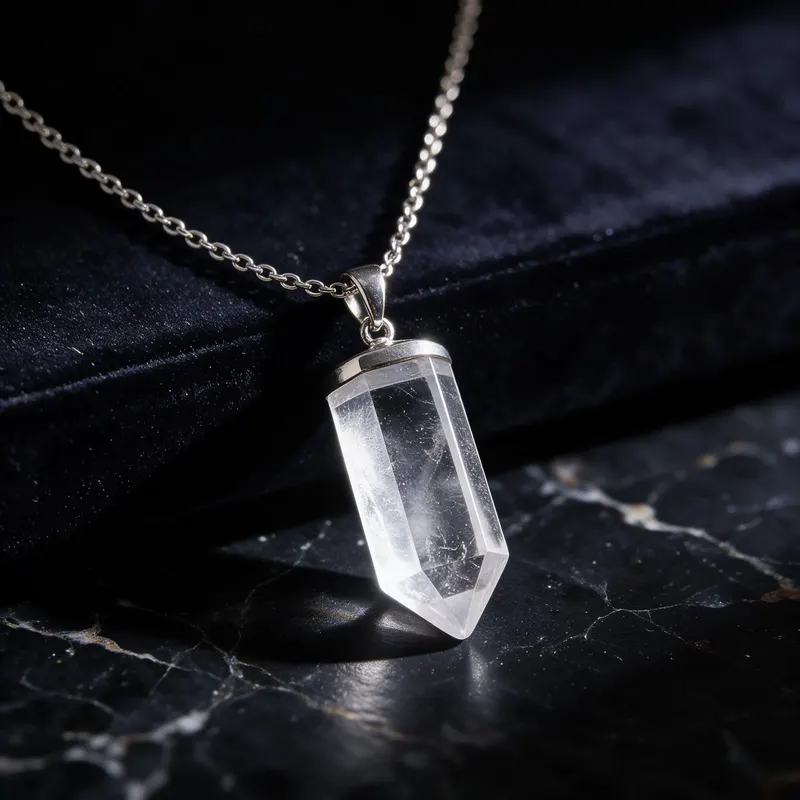
| Clear quartz | Amplification, clarity | Hard (Mohs 7) and durable; a good all-purpose charging stone |
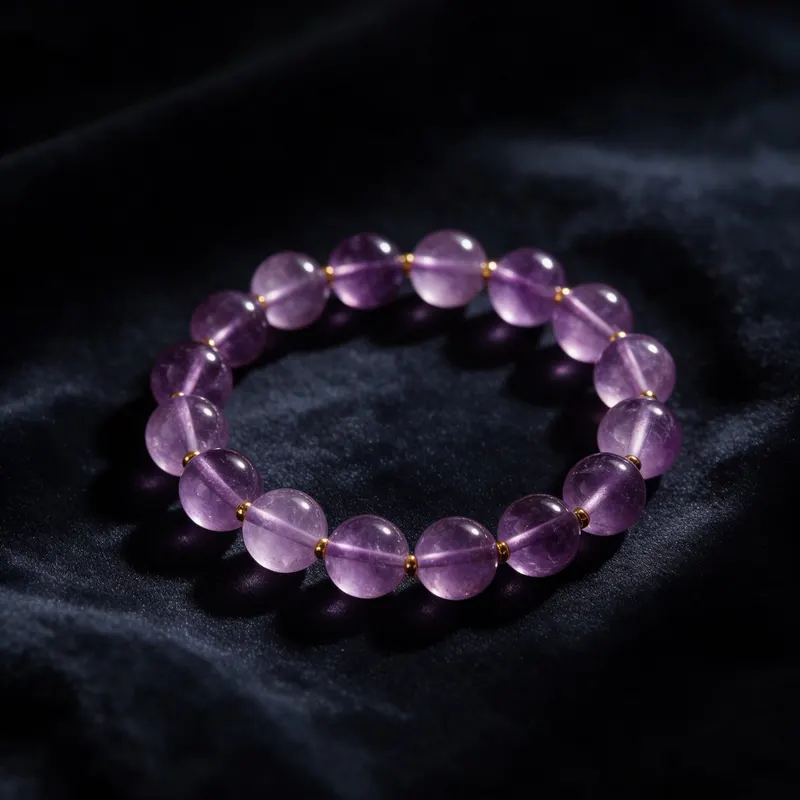
| Amethyst | Calm, reflection, spiritual quiet | Sunlight can fade its color over time; moonlight is the safer choice |
| Black tourmaline | Grounding, protection | Durable and low-maintenance; good for a release-focused ritual |
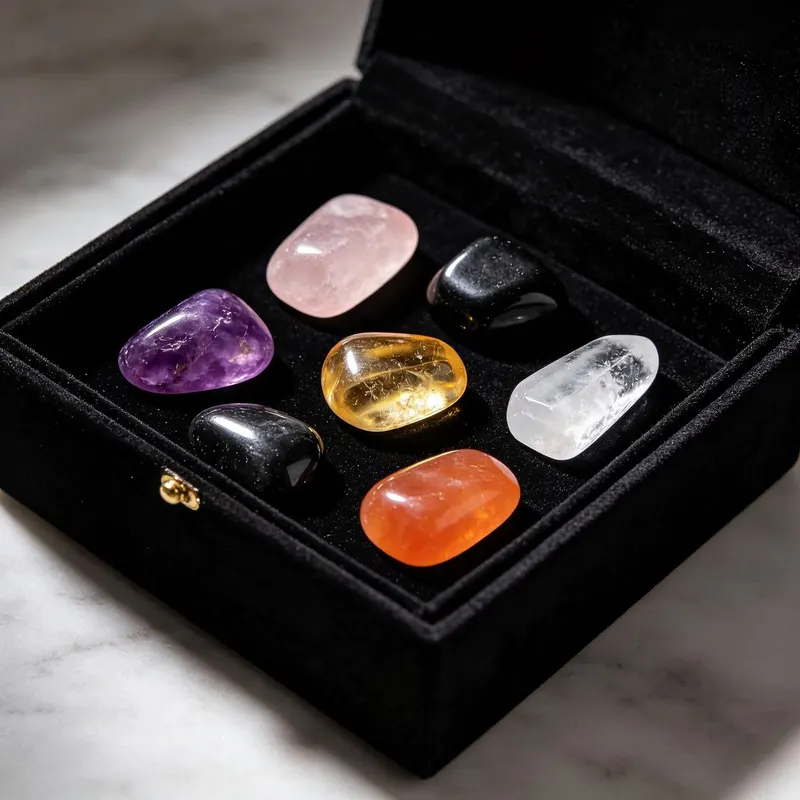
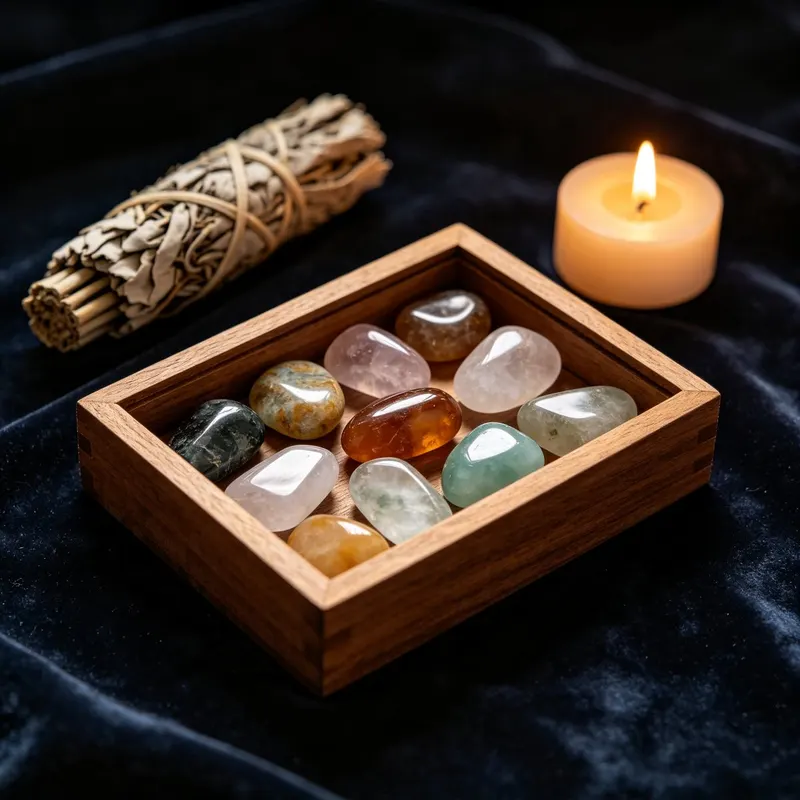
If you want a single piece to anchor the practice, an Amethyst Healing Bracelet is traditionally associated with calm and reflection—well suited to an evening ritual—while a Clear Quartz Point Pendant is the most versatile option if you'd rather wear your intention than set it on a shelf. For a broader set to work with across the lunar cycle, the 7 Chakra Stone Set with Wooden Display Box gives you seven stones to rotate and a place to keep them between moons.
Preparing Your Space: A Practical Checklist
Small logistics make the difference between a ritual you repeat and one you abandon. Before the full moon, run through this list:
- Check the weather and your exposure. A north-facing windowsill may get no direct moon at all; a balcony or garden ledge is better if you have one.
- Secure your stones. Wind, cats, and curious neighbors are real risks. Use a shallow dish with a lip, or a tray with a raised edge.
- Keep water-sensitive stones indoors. If rain is forecast, don't leave selenite, malachite, or any porous or soft stone outside.
- Set out only what you can carry back in. Five to seven stones is plenty; a whole collection becomes a chore.
- Have your paper and pen ready before you go outside, so the release step doesn't stall.
- Plan the morning. Bring stones in before strong sun hits them, especially amethyst, rose quartz, and fluorite.
- Note the date in your journal or calendar so you can track the cycle.
What is handed down — and what we can verify
Crystal practice blends centuries of folk tradition with modern mineralogy, and it's worth keeping the two separate. Here's an honest breakdown.
What tradition holds: that the full moon cleanses stones of absorbed energy, that certain stones attune to lunar cycles, and that charging a crystal with intention strengthens that intention. These are spiritual and reflective practices. They are meaningful to many people, and we present them as tradition rather than fact.
What we can verify: the physical properties of the stones themselves, which determine how you should actually care for them.
- Hardness (Mohs scale). Quartz, amethyst, and citrine sit around 7—durable enough for daily wear but still scratchable by diamond and hard surfaces. Selenite is about 2, meaning a fingernail can mark it; keep it away from other stones in storage. Moonstone and labradorite are roughly 6–6.5. Black tourmaline is around 7–7.5.
- Sunlight sensitivity. Amethyst, rose quartz, fluorite, and citrine can fade with prolonged direct sun. Moonlight does not carry the same UV load, which is exactly why it's the gentler charging method.
- Water sensitivity. Selenite dissolves and damages in water. Malachite, lapis lazuli, and many porous stones should also be kept dry. Quartz and amethyst tolerate brief rinsing but don't need it.
- Heat and chemicals. Avoid hot water, ultrasonic cleaners, and household cleaners on any set stone or plated jewelry. Store bracelets away from direct sun and humidity.
In short: the ritual is a reflective practice, and the care instructions are physics. Follow both, and your stones will last.
Adapting the Ritual to Real Life
Not every full moon lands on a quiet evening. If you're traveling, working late, or sharing a small apartment, the ritual still works in reduced form. Charge a single stone on a windowsill. Write your release on a sticky note and throw it away with intention. Name your three gratitudes in the shower. The structure matters more than the staging.
If you live with others, you don't need to explain or justify anything—a dish of stones on a windowsill is unremarkable. If you have children, the release step is a surprisingly good conversation starter about letting go of things that no longer serve them.
And if you miss the exact night, don't treat it as a failure. The nights before and after the full moon are traditionally considered effective, and the ritual works just as well a day late as on time.
Frequently Asked Questions
Do I have to put my crystals outside?
No. A bright windowsill works well, and the nights around the full moon are effective too. What matters is that the stones are somewhere you'll remember to collect them.
What if it's cloudy?
Moonlight rituals are forgiving. Overcast skies don't cancel the practice—the nights before and after the full moon also work, and many people simply proceed as planned.
Can I charge every crystal under the full moon?
Moonlight is gentle and safe for nearly every stone, unlike direct sunlight or water. The main exceptions are practical: keep water-sensitive stones like selenite indoors if rain is forecast, and bring sun-sensitive stones in before strong morning light.
How often should I cleanse and charge my crystals?
Once a month at the full moon is a common rhythm and easy to remember. You can also cleanse a stone whenever it feels "stale" to you, or after a particularly heavy week—there's no rule against doing it more often.
Closing
The full moon ritual is less about the moon and more about the pause. Twenty minutes to clean your stones, name what you're done with, and notice what's gone right is a small investment with a surprisingly long return. Start with one stone and one honest sentence, and let the practice grow from there.
Explore the full edit here: Calm, Stress Relief & Sleep Collection →
Crystals are intended to support personal and spiritual well-being and are not medical devices. They do not diagnose, treat, cure, or prevent any disease. If you are struggling with your mental or physical health, please reach out to a qualified professional.