An Honest Answer
If you have just brought a crystal home and are waiting for something to happen, you are in good company. Most people arrive at this question with the same quiet hope: that the stone will do something, and soon. It helps to say plainly up front that there is no guaranteed timeline, and any seller who promises instant cures, guaranteed love, or fast money should be avoided. Crystals are not switches you flip. They work best as a daily mindfulness anchor, and the benefits of ritual and intention can be felt quickly even when real change is gradual.
What most people actually notice is not a dramatic event but a series of small ones: a pause before reacting, a remembered intention, a habit that slowly shifts over weeks. Those shifts come from consistent practice rather than from the stone alone. The crystal is the reminder; you are the one doing the work.
This guide sets realistic expectations, explains what "working" tends to look like, and shows you how to build a simple practice you can actually track. It also separates traditional lore from what we can verify about your stone's physical care, so you can enjoy the ritual without being misled.
What "Working" Usually Means
In crystal practice, "working" is rarely a single breakthrough. More often it is a pattern of subtle changes that add up. People commonly describe:
- Feeling calmer during the ritual of holding or wearing the stone.
- Remembering an intention at a useful moment, such as before a difficult conversation.
- Noticing a reaction that used to be automatic and now has a small pause in it.
- Gradually aligning daily habits with a goal you set weeks ago.
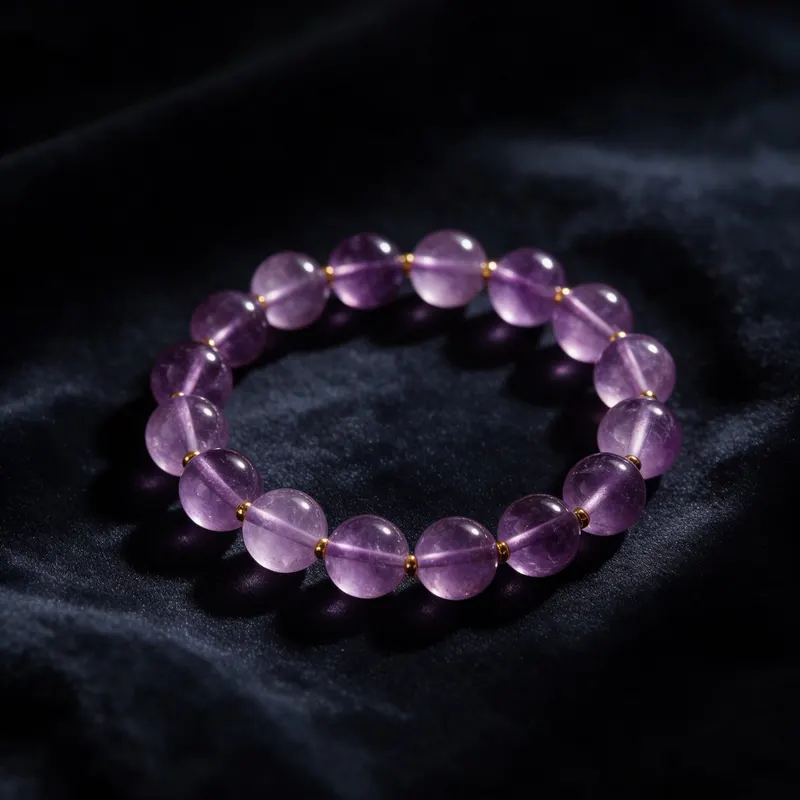
These are ordinary, human changes, and that is the point. A crystal traditionally associated with calm, such as Amethyst Healing Bracelet for Calm & Clarity, does not manufacture calm. It gives you a physical cue to return to your intention, and over time that cue becomes a habit. The stone invites you to slow down; the slowing down is yours.
Realistic Timeframes to Expect
No honest source can give you a fixed number of days, because the timeline depends on your practice, your goal, and how you measure change. What we can offer is a realistic framework for what people tend to notice at different stages. Treat these as gentle checkpoints, not promises.
| Stage | What you might notice | What to focus on |
|---|---|---|
| First session | A sense of calm or focus during the ritual itself; nothing more is required | Setting one clear intention and holding the stone without distraction |
| First 1–2 weeks | Remembering your intention more often; the stone becomes a familiar cue | Consistency: same time, same place, same short ritual |
| Around 2–4 weeks | Small behavioral shifts, like pausing before reacting or keeping a promise to yourself | Journaling what changed, however minor |
| 1–3 months | Habits that feel more automatic; a clearer sense of whether this practice suits you | Pairing the stone with a concrete action toward your goal |
If you notice nothing at all after a month of consistent practice, that is useful information too. It may mean the stone or the ritual is not the right fit, or that your goal needs a different kind of support. Neither outcome is a failure.
Why Consistency and Intention Matter More Than the Stone
The variable that most affects your experience is not which crystal you choose but how you use it. A beautiful stone left in a drawer does very little. A modest stone held every morning with a clear intention becomes a reliable anchor. Three things tend to make the biggest difference:
- One intention, stated simply. "I want to feel calmer before meetings" is workable. "I want everything to be better" is not. Narrow intentions are easier to notice and track.
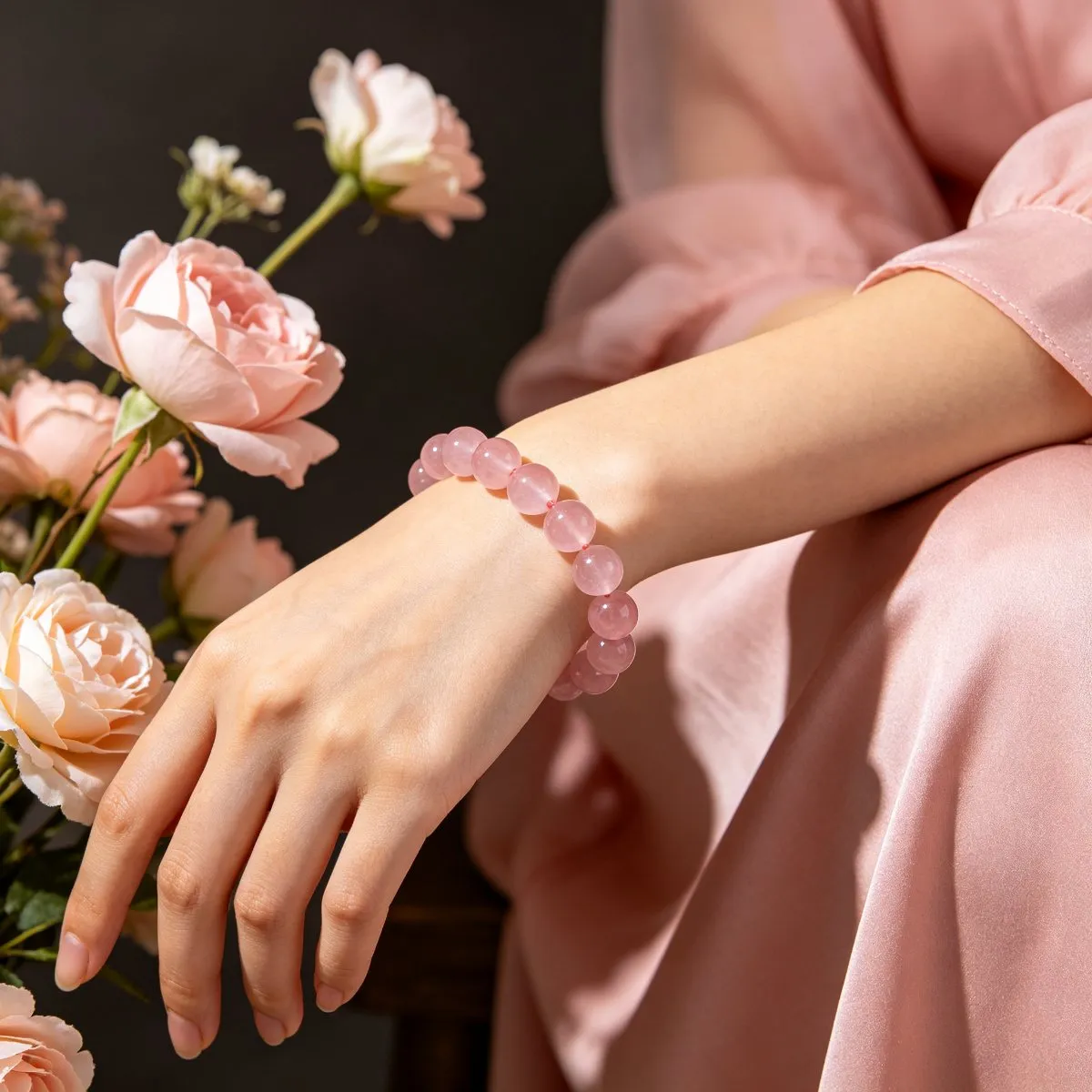
- A consistent cue. Wearing the stone, or holding it at the same time each day, trains your attention. A bracelet you see on your wrist throughout the day is a constant, gentle reminder.
- A real-world action. Pair the crystal with something concrete: a breathing exercise, a journal entry, a walk, a message you have been avoiding. The stone supports the action; it does not replace it.
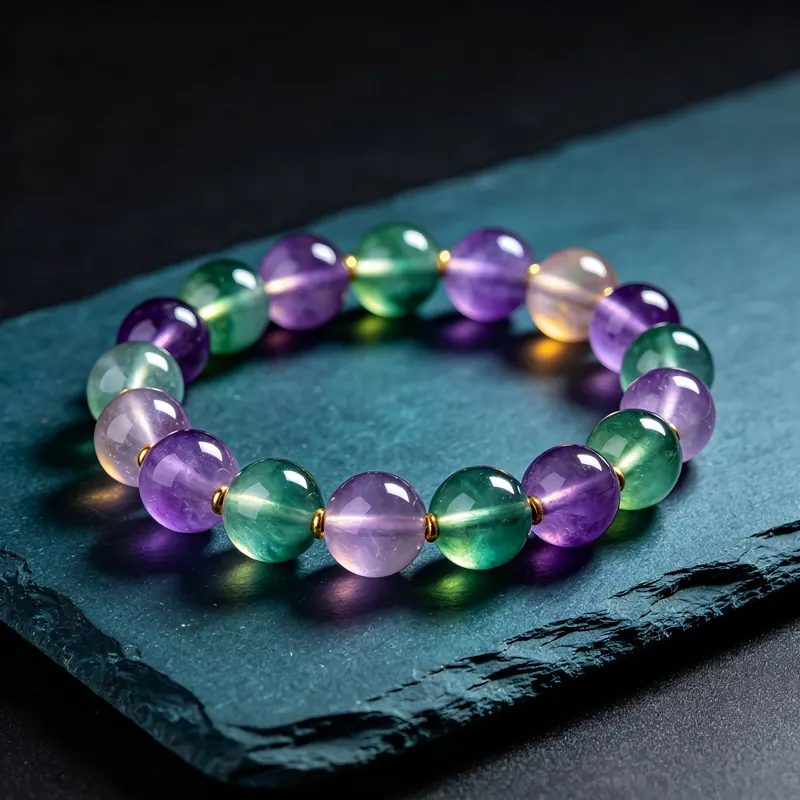
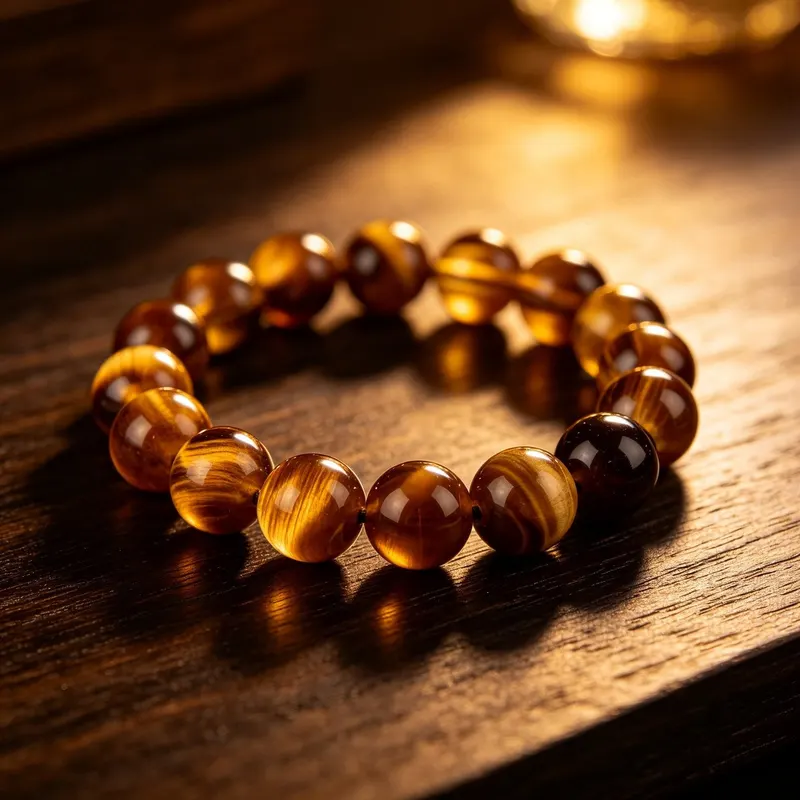
This is why a piece you will actually wear or handle daily often outperforms a rarer stone you rarely touch. If your goal is focus, a Rainbow Fluorite Focus Bracelet for Concentration worn during work hours gives you a cue exactly when you need it. If your goal is confidence before a challenge, a Tiger's Eye Confidence Bracelet for Focus & Courage can serve as a reminder to stand a little taller. The stone is traditionally associated with these qualities; the follow-through is yours.
How to Help the Process
A simple, repeatable routine does more than an elaborate one you abandon. Here is a practical sequence you can adapt:
- Cleanse and program your crystal with one clear intention. If it is new, see activating a new crystal for a step-by-step approach.
- Wear or hold it at the same time each day, even for two or three minutes.
- Pair it with a real action and set intentions you can actually track.
- Journal small changes after two and four weeks. Note what you did, not only what you felt.
- Review at the one-month mark: keep the practice, adjust the intention, or try a different stone.
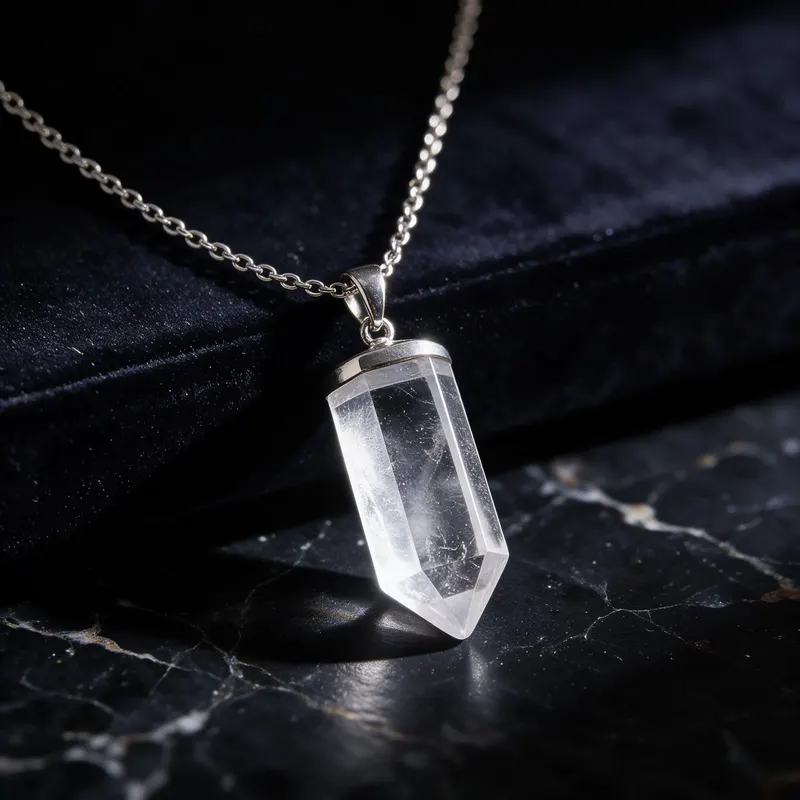
A versatile first stone is a Clear Quartz Point Pendant Necklace, Sterling Silver, which is easy to wear and traditionally associated with clarity, or the amethyst bracelet mentioned above. Beginners who want to explore several stones at once often prefer a guided Healing Crystal Starter Kit, 7 Stones + Guide, which lets you compare how different stones feel before committing to one.
How to Choose a First Stone (and What to Look For)
Choosing well is less about finding the "most powerful" crystal and more about matching a stone to your goal and your daily life. Use this checklist:
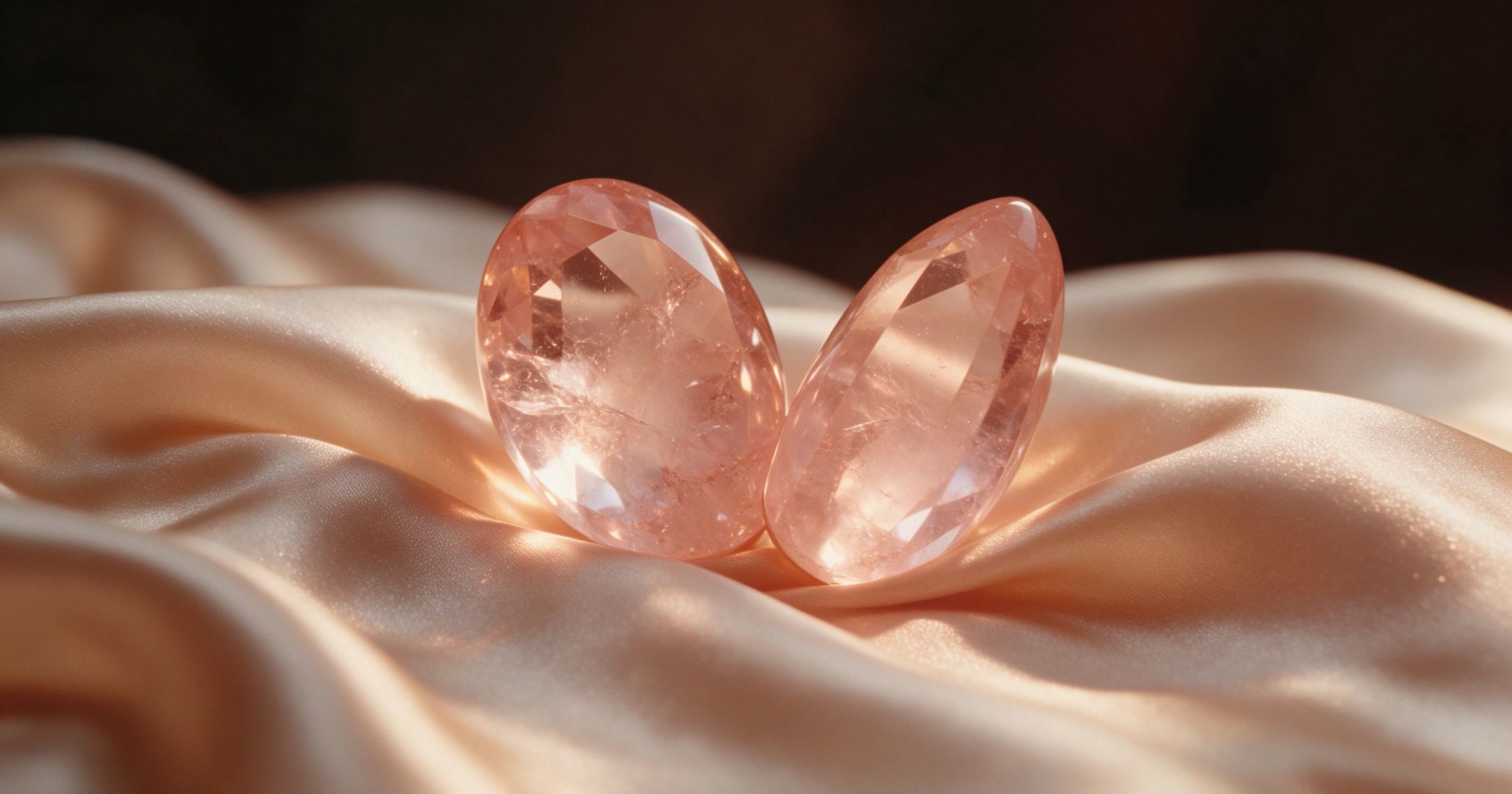
- Match the intention. Calm and sleep rituals often point to amethyst; self-compassion to rose quartz; focus to fluorite; grounding to black tourmaline or obsidian.
- Match the format to your routine. Bracelets suit all-day wear; pendants sit close and are easy to keep on; raw clusters and wands suit a desk or altar.
- Check wearability. For bracelets, measure your wrist and choose a fit that leaves a little room; beads should not press into the skin. For pendants, confirm chain length and metal type.
- Look at the stone itself. Natural stones vary in color and inclusions. Uniformity is not a sign of quality; visible natural variation usually is. Avoid pieces with obvious chips at the drill holes or settings that wobble.
- Set a realistic budget. Simple beaded bracelets and small pendants typically sit in an accessible range, while larger raw specimens and precious-metal settings cost more. Spend what lets you wear or use the piece regularly.
If you are drawn to a stone for a reason you cannot quite explain, that is a legitimate starting point. Interest keeps you consistent, and consistency is what makes the practice stick.
The lore, and what we can actually verify
Crystal traditions are rich, varied, and largely unverifiable by design. It is worth being clear about which claims belong to lore and which belong to physical fact, so you can enjoy the first without being misled about the second.
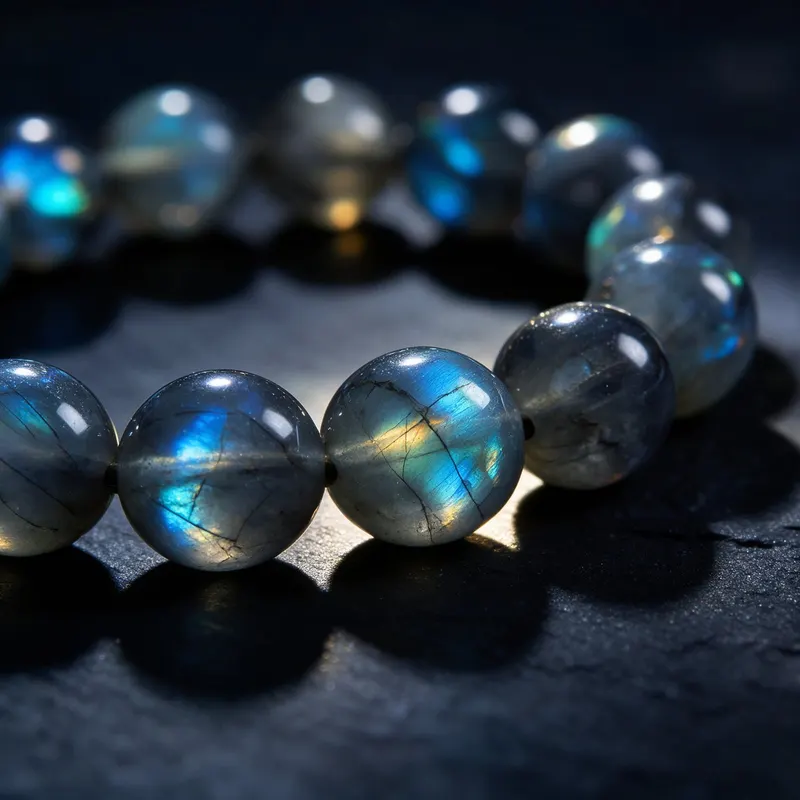
What the tradition says: Different stones are traditionally associated with different qualities. Amethyst is believed to support calm and clarity; rose quartz is traditionally associated with love and self-compassion; citrine with abundance and joy; black tourmaline and obsidian with protection and grounding; moonstone and labradorite with intuition. These associations come from long-standing cultural and spiritual practice. They are meaningful to many people, but they are not measurable claims, and no crystal is a substitute for medical care, financial advice, or professional support.
What we can verify: The physical properties of your stone are real and worth knowing, because they affect how you care for it.
- Hardness. On the Mohs scale, quartz-family stones such as amethyst, citrine, and clear quartz sit around 7, which resists scratching but can still chip. Softer stones scratch more easily: fluorite is around 4, selenite around 2, and these need gentler handling and separate storage.
- Water sensitivity. Selenite dissolves in water and should never be soaked. Many porous or layered stones dislike prolonged soaking, and metal settings can tarnish or loosen. When in doubt, cleanse by sound, moonlight, or a dry method rather than water.
- Sunlight sensitivity. Some stones fade with prolonged direct sun, including amethyst, rose quartz, and fluorite. Display them in indirect light rather than on a bright windowsill.
- Everyday care. Wipe with a soft dry or barely damp cloth, store harder stones separately from softer ones, and remove bracelets before swimming, showering, or heavy exercise. For a cleansing tool, a Selenite Cleansing Wand for Energy Clearing is traditionally used to clear other stones; keep it dry and store it away from moisture.
Crystals are for reflection and are not medical devices.
FAQ
People Also Ask
Do crystals work immediately?
Some people feel calmer during the ritual itself, which can happen on the first use. Meaningful change, however, is usually gradual and tied to consistent practice rather than a single session.
Why don't I feel anything from my crystal?
Sensitivity varies widely, and feeling nothing is common and not a problem. Focus on the ritual and your intention rather than waiting for a physical sensation. If the stone does not become a useful cue after a few weeks, try a different format, such as a bracelet you see throughout the day.
How will I know it is working?
Look for small, concrete signs: remembering your intention, calmer reactions in situations that used to rattle you, and habits slowly aligning with your goal. Journaling makes these easier to notice, because subtle shifts are easy to forget.
How often should I cleanse my crystal?
There is no fixed rule. Many people cleanse when a stone feels "stale" to them, after intense periods of use, or on a regular schedule such as weekly or monthly. Choose a method suited to the stone's hardness and water sensitivity, as noted above.
A Closing Note
Crystals are best understood as invitations rather than guarantees. They invite you to pause, to remember what matters to you, and to act on it. Give the practice a few consistent weeks, keep your expectations grounded, and let the small shifts be enough. If a stone helps you return to your intention a little more often, it is doing its job.
Crystals are intended to support personal and spiritual well-being and are not medical devices. They do not diagnose, treat, cure, or prevent any disease. If you are struggling with your mental or physical health, please reach out to a qualified professional.