How Many Crystal Bracelets Can You Wear at Once?
You're standing in front of your jewelry tray, three or four bracelets in hand, and the same question keeps coming up: is there a limit? Maybe you've just bought your first Amethyst Healing Bracelet and want to add a grounding stone. Maybe you already have a small collection and worry that stacking them will "cancel out" their energy. Or maybe your wrist simply feels cluttered and you want a clearer, more intentional approach.
The short answer: there is no fixed number. You cannot overdose on crystals, and wearing several bracelets is physically safe. The real question isn't how many you can wear—it's how many you can wear while keeping your intention clear and your wrist comfortable. A stack of two or three thoughtfully chosen stones usually feels more purposeful than a jangling armful of ten.
This guide covers a simple stacking rule, which stones tend to work together, which wrist to use, how to size and care for a stack, and what you can realistically expect to pay. It also separates traditional crystal lore from what we can actually verify—because a trustworthy guide should be honest about both.
There Is No Fixed Limit—But There Is a Practical One
Physically, you can wear as many bracelets as your wrist will comfortably hold. Energetically, the tradition doesn't impose a cap either. The practical limit comes down to three things: comfort (weight, friction, and how the beads sit against your skin), clarity (whether you can hold one main intention in mind), and durability (softer stones scratch more easily when they knock against harder ones).
Most people find their sweet spot at two to four bracelets. Beyond that, the stack starts to feel like noise rather than focus—and if you're wearing stones for reflection or ritual, the point is to notice them, not to forget they're there. If a stack feels heavy, distracting, or overwhelming, that's your signal to wear fewer pieces.
A Simple Stacking Rule for Beginners
If you're new to stacking, this three-step approach keeps things clear and easy to adjust:
- Start with one main intention. Pick the stone that matches what you need most today as your anchor—calm, focus, confidence, or protection. Wear it closest to your hand so it stays top of mind.
- Add at most one or two supporting stones. Choose goals that work together rather than pull in opposite directions. A calming anchor pairs well with a grounding or clarity stone.
- Keep opposing energies apart. A deeply soothing stone like amethyst and a high-energy motivator like carnelian can be worn on different wrists or on different days if the combination feels conflicting to you.
There's no rule that says you must follow this exactly—it's a starting framework, not a law. The best test is how the stack feels when you wear it for a day.
Combinations That Tend to Work
These pairings are popular because the stones' traditional associations complement each other rather than compete. Treat them as invitations to experiment, not prescriptions.
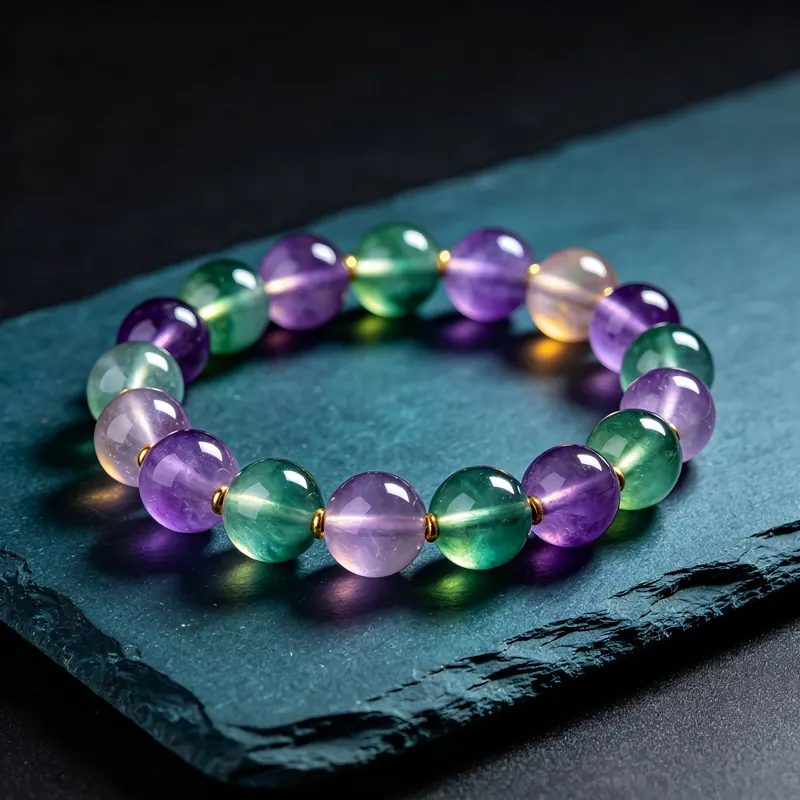
- Focus under pressure: Rainbow Fluorite Focus Bracelet paired with clear quartz, traditionally believed to amplify the intention of nearby stones.
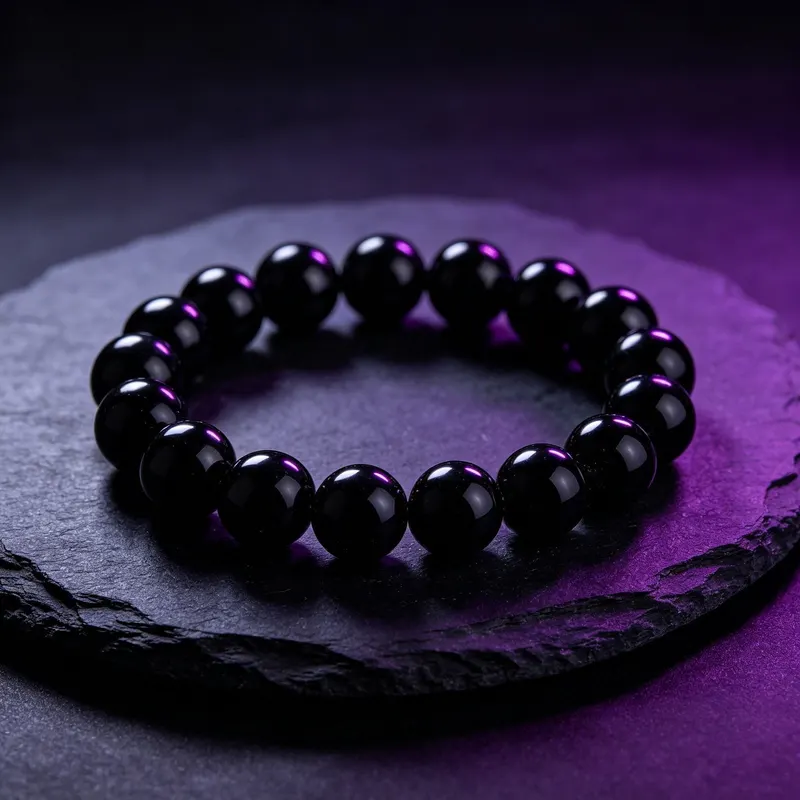
- Protected and grounded: Black Tourmaline Protection Bracelet alongside almost any softer stone—black tourmaline is traditionally associated with grounding and boundary-setting.
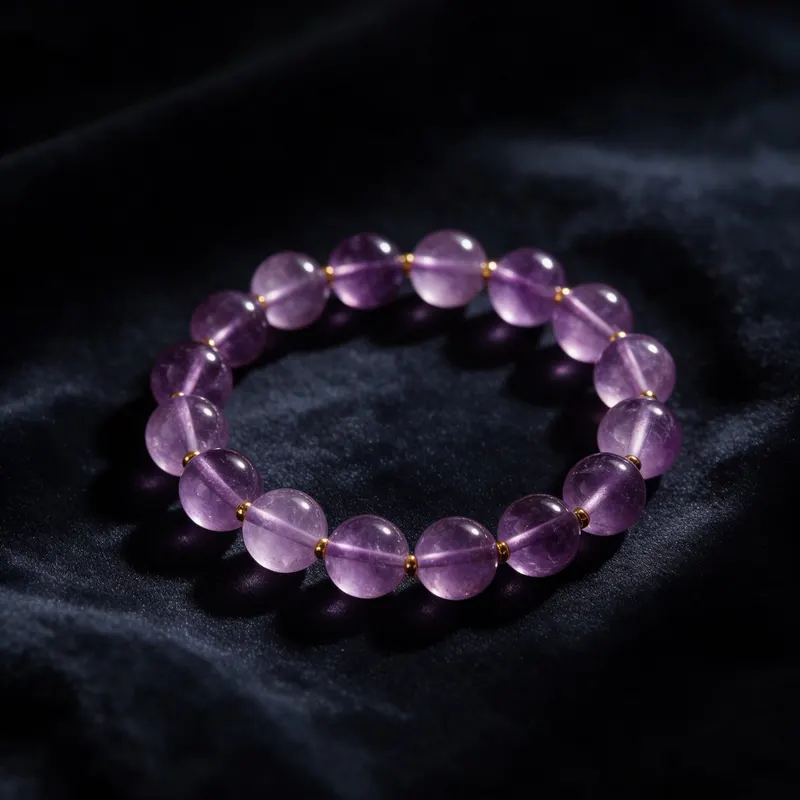
- Calm with a clear mind: amethyst plus clear quartz is a gentle, widely used stack for evening reflection or meditation.
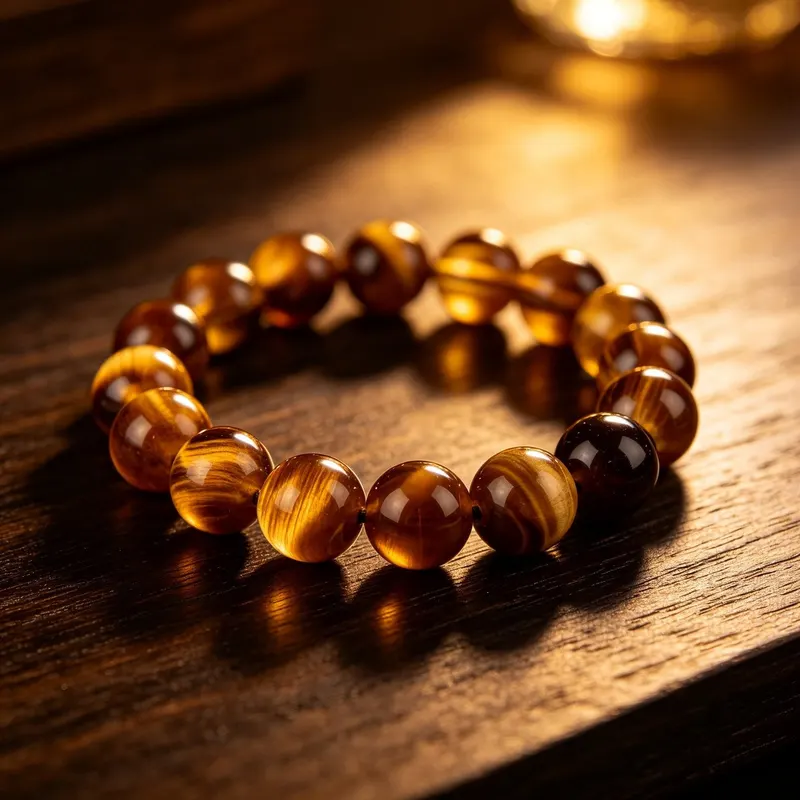
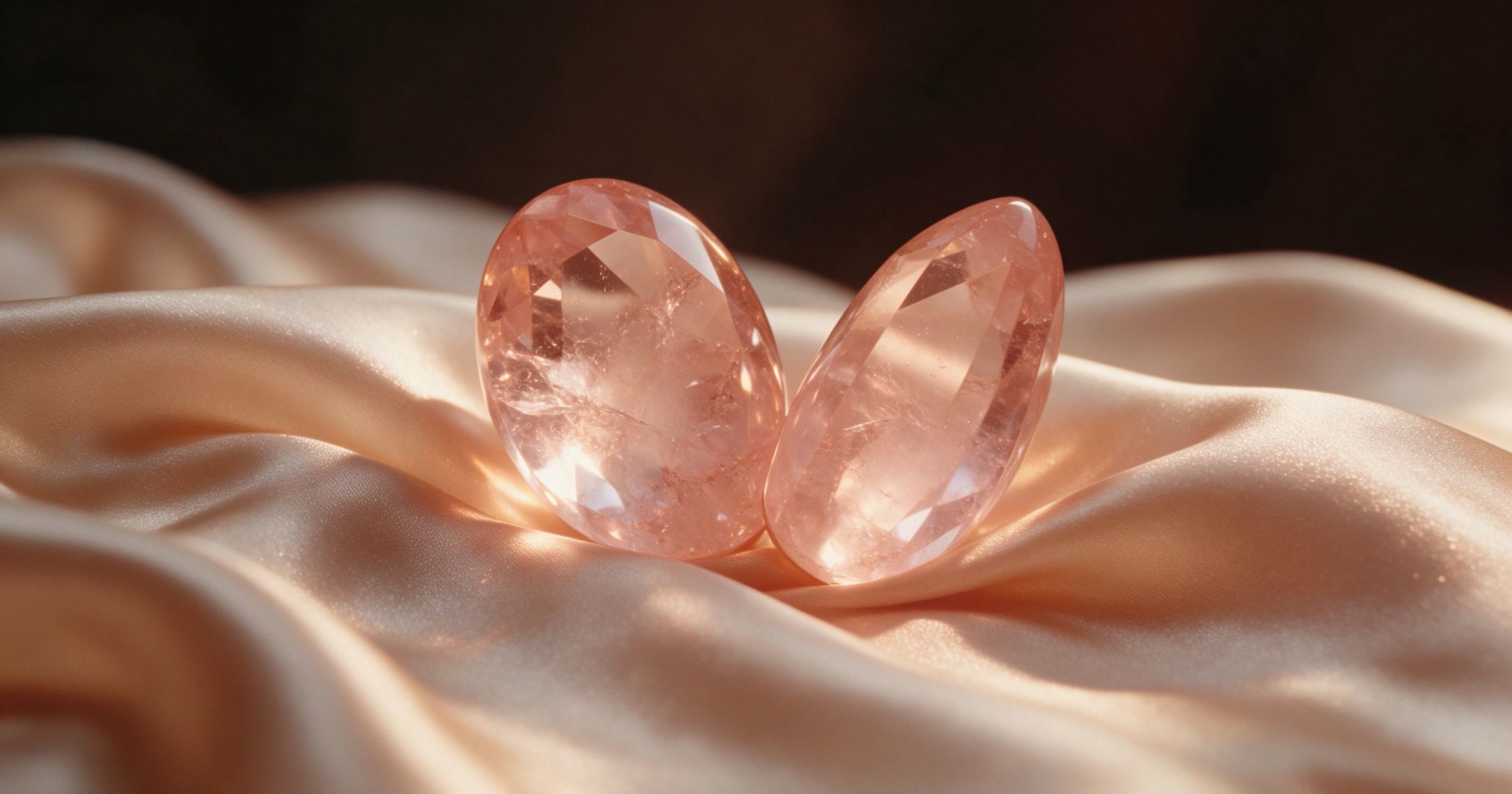
- Confidence with heart: Tiger's Eye Confidence Bracelet with a rose quartz piece—one traditionally associated with courage and focus, the other with self-compassion.
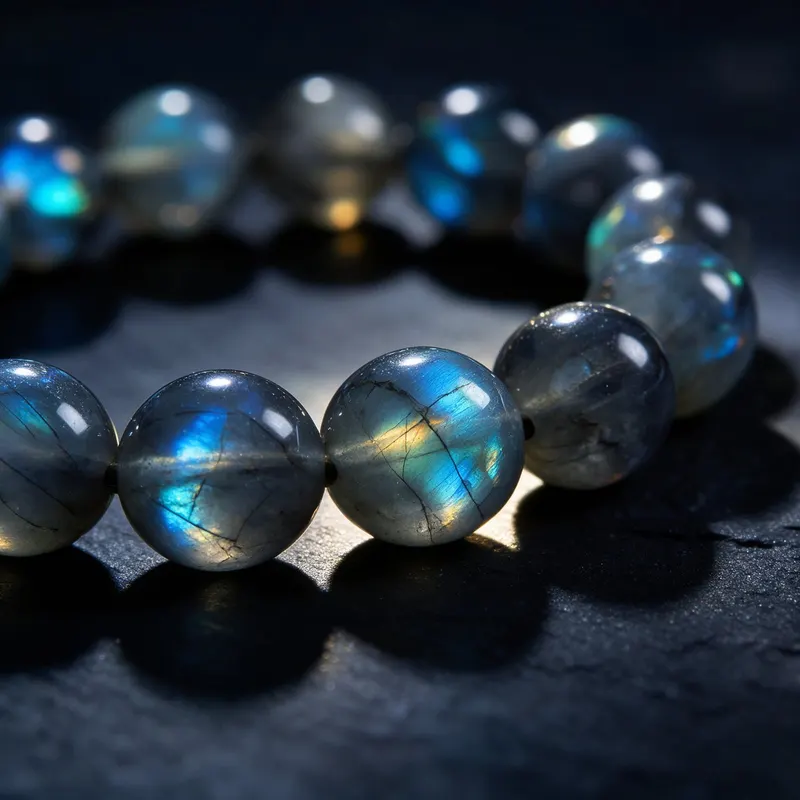
- Intuition and new beginnings: Rainbow Moonstone Bracelet with labradorite, both traditionally linked to intuition and inner knowing.
If you're building from scratch, a Healing Crystal Starter Kit lets you try several stones before committing to a full bracelet stack.
Stacking at a Glance: Quick Comparison
Use this table to plan a stack around a single intention. The "traditional association" column reflects lore, not medical claims.
| Goal | Anchor Stone | Supporting Stone | Traditional Association |
|---|---|---|---|
| Calm & clarity | Amethyst | Clear quartz | Traditionally associated with calm, focus, and reflection |
| Grounding & protection | Black tourmaline | Obsidian | Believed to support a sense of stability and boundaries |
| Focus & study | Fluorite | Tiger's eye | Traditionally linked to concentration and steady effort |
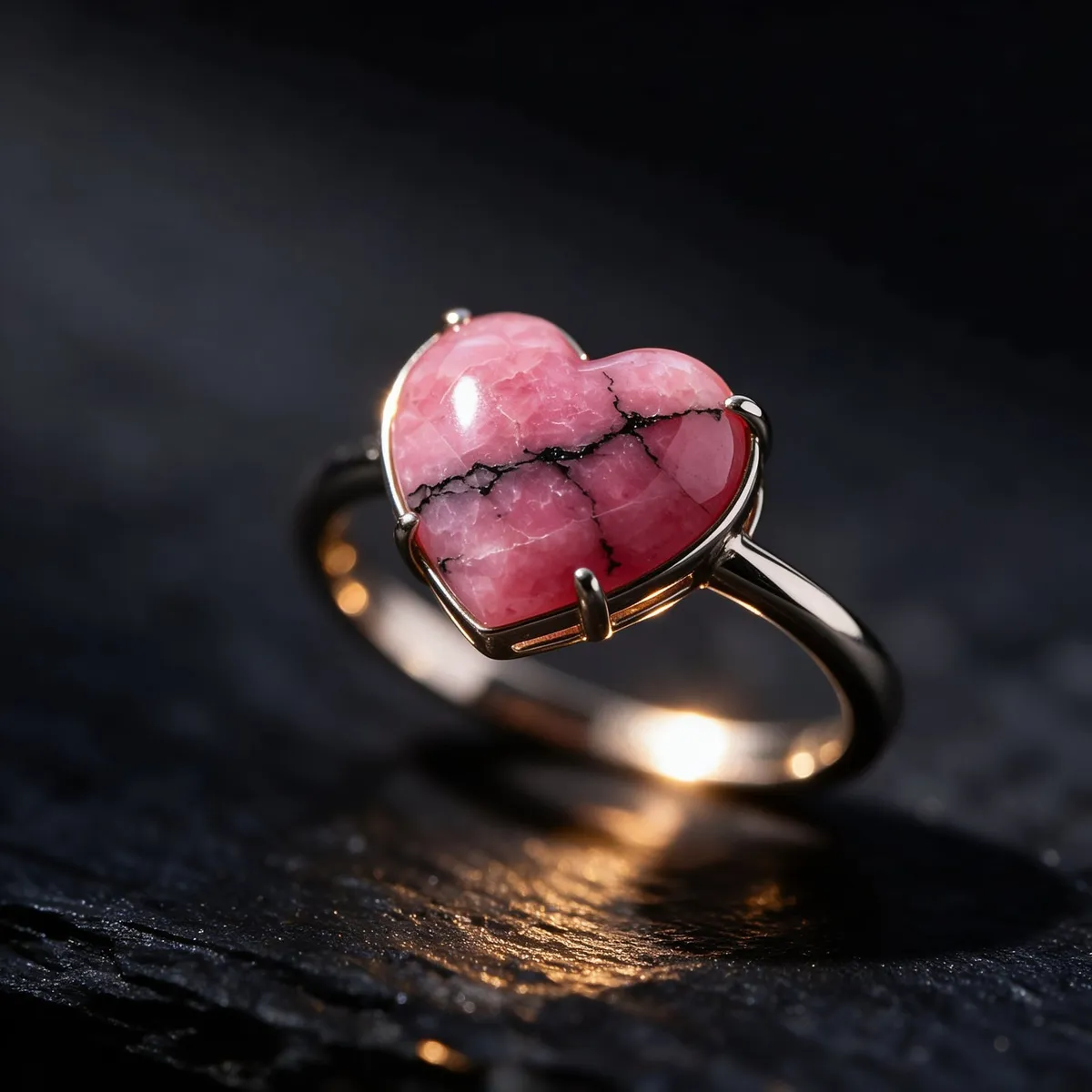
| Self-compassion | Rose quartz | Rhodonite | Traditionally associated with gentleness and forgiveness |
| Motivation | Carnelian | Citrine | Believed to invite energy, creativity, and optimism |
Which Wrist—and Does It Matter?
A common guideline in crystal tradition uses the left wrist to receive energy and the right wrist to release or project it. Some practitioners reverse this depending on dominant hand. There's no universal agreement, and no verifiable mechanism behind either convention—so comfort and your own sense of what feels right remain the best guide. If you wear a watch on one wrist, many people stack crystals on the opposite wrist to avoid scratching the watch face. For a fuller breakdown, see our left vs right wrist guide.
How to Build a Stack That Fits and Lasts
Sizing
Measure your wrist with a soft tape just below the wrist bone, then add roughly 0.5 inch (about 1.3 cm) for a comfortable fit. Beaded bracelets typically come in 6.5–8 inch (16.5–20 cm) lengths; if you're between sizes, size up and look for an adjustable clasp or restringing option. When stacking, remember that each bracelet adds a few millimeters of bulk—two 8mm-bead bracelets feel noticeably tighter together than alone.
What to look for
- Consistent bead size and color—uneven dye or obvious seams can signal a lower-grade or imitation stone.
- Secure stringing—check the knot and any clasp; natural stone beads are heavy and wear through weak elastic over time.
- Honest labeling—a reputable seller names the stone and notes treatments (dyeing, heat, or stabilization) where relevant.
- Comfortable edges—rough or chipped beads will abrade the stones next to them.
Realistic price expectations
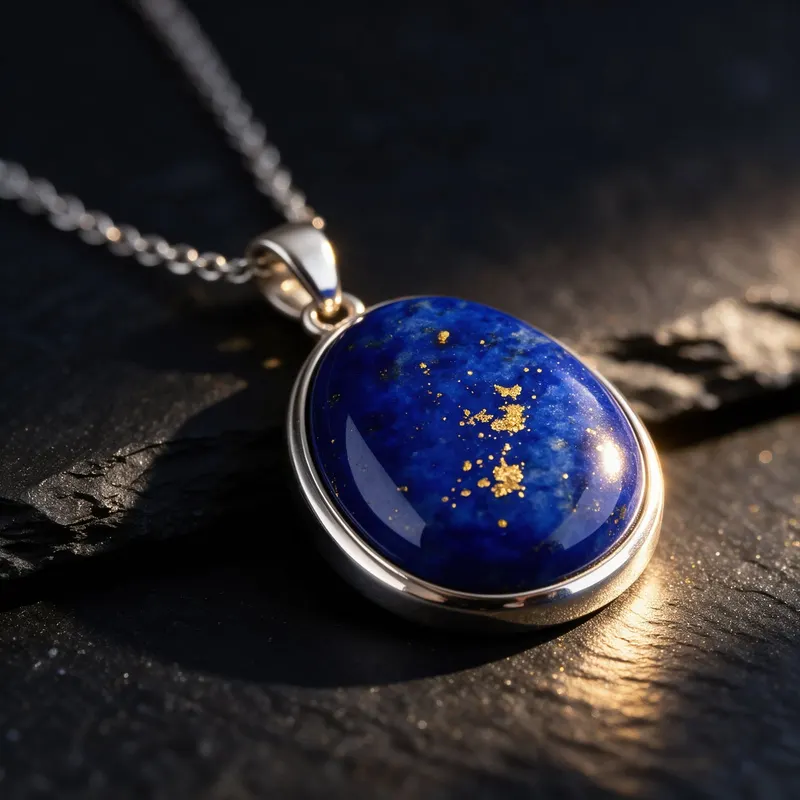
Genuine gemstone bead bracelets generally run from about $15–$40 for common stones like amethyst, rose quartz, or tiger's eye, and $40–$100+ for rarer or higher-grade material such as lapis lazuli or large labradorite. Sterling silver or gold-plated pendants and rings sit higher. Be cautious of "rare" stones priced far below market—it usually means dyed glass, resin, or a mislabeled material. Price reflects stone quality and craftsmanship, not guaranteed results.
What tradition teaches — and what is provable
Crystal lore is rich, but it's important to separate belief from fact. Here's an honest split:
- Traditional lore (not verifiable): that specific stones carry energies, correspond to chakras, or influence mood, luck, or relationships. These are cultural and spiritual beliefs, often meaningful as personal rituals—but they are not scientifically established.
- Verifiable facts: Mohs hardness determines scratch resistance. Quartz (including amethyst, citrine, and clear quartz) is about 7; black tourmaline about 7–7.5; fluorite only about 4; selenite about 2. Softer stones scratch easily and should be kept away from harder ones in a stack or storage pouch.
- Water and sunlight sensitivity: amethyst and rose quartz can fade with prolonged direct sunlight; selenite dissolves in water; opal and moonstone dislike soaking. Remove bracelets before swimming, showering, or cleaning with harsh chemicals.
- Care: wipe with a soft dry cloth, store separately in a pouch, and avoid ultrasonic cleaners for soft or porous stones. Re-string elastic bracelets every year or two if worn daily.
Crystals are for reflection and are not medical devices. They do not diagnose, treat, cure, or prevent any condition, and no outcome is guaranteed.
FAQ
People Also Ask
Is it okay to wear multiple crystal bracelets together?
Yes—many people comfortably stack two to four. Aim for complementary intentions rather than wearing every stone at once, and space them so they don't rub or feel tight.
Can wearing too many crystals be bad?
Not dangerous. But too many conflicting intentions can feel mentally scattered, and hard stones can scratch softer ones. If a stack feels heavy or overwhelming, wear fewer pieces.
Can I wear crystals with opposite meanings?
You can. For clarity, wear them on different wrists or at different times—calming amethyst in the evening, energizing carnelian during the workday, for example.
How do I clean a stacked set of bracelets?
Wipe each with a soft dry cloth and store separately. Avoid water for selenite and prolonged sunlight for amethyst and rose quartz. Check elastic and clasps regularly.
Start Simple, Adjust as You Go
There's no magic number—two to four bracelets is a comfortable, intentional range for most people. Choose one anchor stone, add a supporting stone or two, keep opposing energies on separate wrists or days, and let comfort be your final filter. If you'd like to explore further, browse our Crystal Bracelets collection, or read our guides on combining crystals and how many crystals to carry. Build slowly, notice what you reach for, and let the stack evolve with you.