Why "How Often?" Is the Wrong Question to Start With
You bought a crystal bracelet you love, or a pendant you wear almost every day. Then you read three different articles and came away with three different answers: cleanse daily, cleanse weekly, cleanse only on the full moon. Now the stone is sitting on your dresser because you are not sure whether touching it wrong will "ruin" it.
Here is the honest answer: there is no universal number. Cleansing frequency depends on how often a stone is handled, where it lives, what you were doing while you wore it, and — importantly — the physical nature of the material itself. A quartz point that sits on a shelf has very different needs from a bracelet that goes to the gym, the office and a crowded dinner.
This guide gives you a realistic schedule you can actually keep, signs that a piece is due for a reset, and a clear-eyed section on what tradition claims versus what we can verify about stone care. The goal is a routine that feels calm, not another checklist to fail at.
A Realistic Cleansing Schedule by Use
Think in terms of exposure rather than a fixed calendar. The more a stone is handled, worn against skin, or present during intense emotional moments, the more often it makes sense to clear it. Use this as a starting framework and adjust to your life.
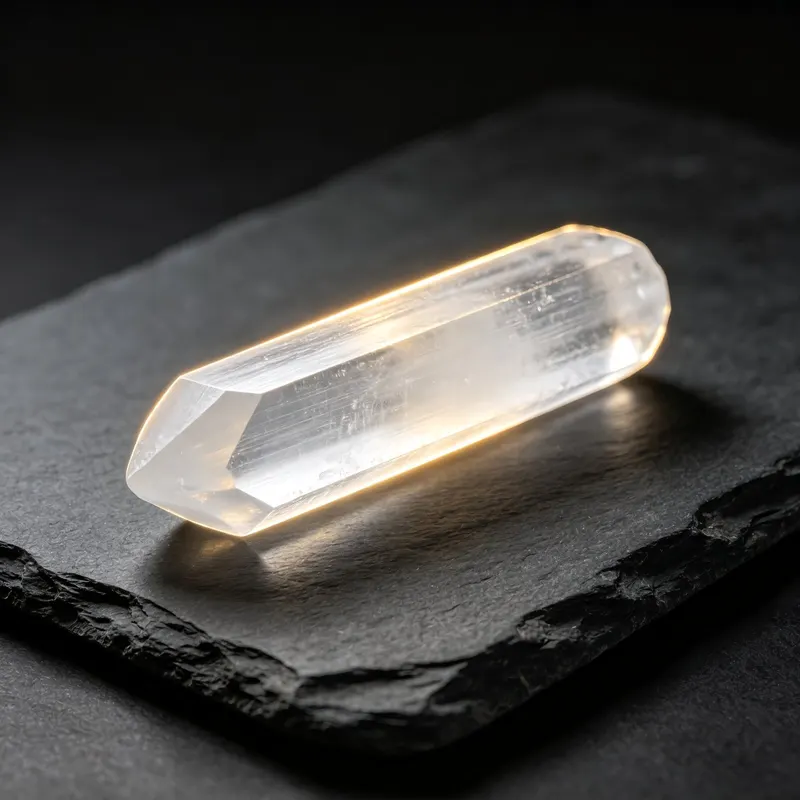
- Jewelry you wear daily: cleanse about once a week, or park it on a Selenite Cleansing Wand each night so it stays clear with almost no effort. Selenite is a soft mineral, so keep the wand dry and store it where it will not be knocked or scratched.
- Stones carried in a pocket or bag, or kept in a busy room: cleanse every few days, and always after crowded, stressful or emotionally charged events.
- Crystals on an altar, shelf or bedside table: once a month is usually plenty. Tying it to the full moon makes it easy to remember.
- Pieces you rarely use: a seasonal cleanse — four times a year — is enough. Dust them and reset your intention while you are at it.
- After an argument, a funeral, a hospital visit or an intense meditation session: cleanse right away rather than waiting for the schedule.
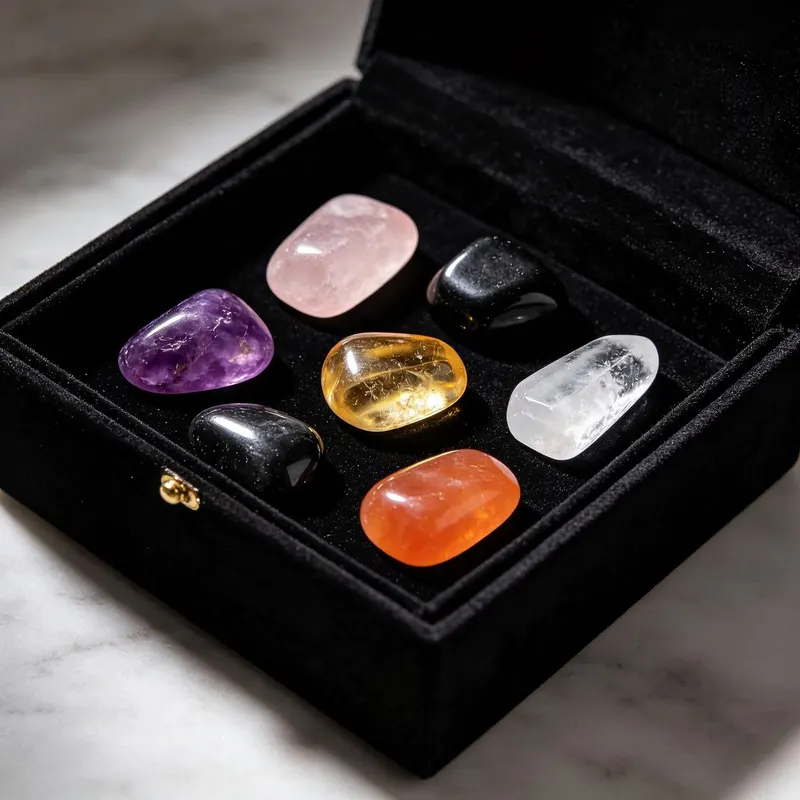
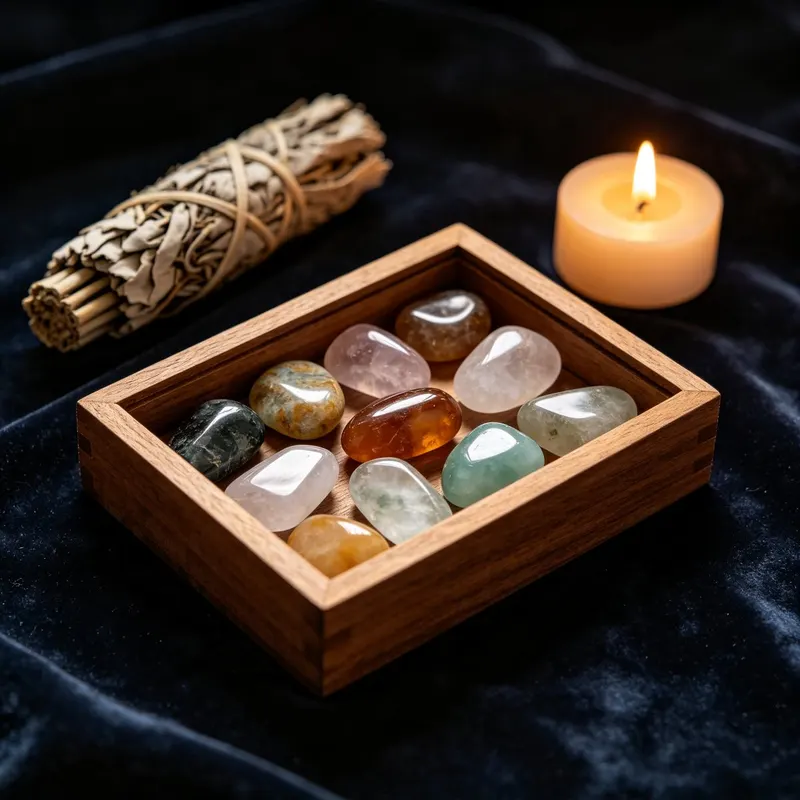
If you are building a first collection and want a rotation that is easy to maintain, a Healing Crystal Starter Kit gives you several stones to work with, so you can keep one resting while another is in use.
Cleansing vs. Charging: Two Different Steps
These terms get used interchangeably, but they describe different actions. Cleansing is a reset — a way of symbolically clearing a stone after handling or heavy use. Charging is a refilling step, where you set or restate an intention and let the stone rest in moonlight, sunlight or on another stone.
You do not always need to do both. Many people cleanse and charge in one motion by leaving a piece on selenite overnight or under a full moon. What matters more than the exact sequence is consistency and intention. A single sentence — "may this stone support calm and clarity" — spoken as you set it down is enough.
Signs a Crystal Is Due for Clearing
Traditional practice treats these as signals rather than rules. If any of them ring true, treat it as an invitation to reset the stone.
- It feels heavy, dull or "off" in your hand compared with how it usually feels.
- You wore it through an unusually emotional or draining day.
- It has been handled by many people — a gift passed around, a piece shown at a gathering.
- It has sat in a cluttered or high-traffic space for weeks.
- You simply cannot remember the last time you cleared it.
None of these indicate a problem with the stone. They are prompts to slow down, handle the piece deliberately, and reconnect with why you chose it.
Match the Method to the Stone
This is where practical care matters most. Some popular cleansing methods — water, salt, direct sun — can damage certain materials. The table below pairs common stones with methods that are generally safe, plus the physical reason behind the caution.
| Stone | Generally safe methods | What to avoid | Why |
|---|---|---|---|
| Clear Quartz | Moonlight, selenite, sound, brief rinsing | Long sun exposure if dyed or treated | Hard (Mohs 7) and durable, but heat and prolonged UV can affect coatings |
| Amethyst | Moonlight, selenite, sound, dry salt in a separate dish | Prolonged direct sun; harsh chemicals | Color can fade with long UV exposure; avoid soaking metal settings |
| Selenite | Dry methods only — moonlight, sound, resting near other stones | Water, salt water, humid storage | Very soft (Mohs 2) and water-soluble; it will pit and cloud |
| Rose Quartz | Moonlight, selenite, sound, brief rinsing | Hot water, sudden temperature change | Hard enough for light water use, but thermal shock can crack it |
| Black Tourmaline | Moonlight, selenite, dry salt, sound | Long soaking if set in plated metal | Durable stone; the setting is usually the fragile part |
| Lapis Lazuli | Dry methods, soft dry cloth | Water, salt, ultrasonic cleaners | Porous and softer (Mohs 5–6); water and chemicals can dull or damage it |
| Labradorite | Moonlight, selenite, sound | Harsh chemicals, ultrasonic cleaners | Cleavage planes make it vulnerable to impact and sudden stress |
| Fluorite | Dry methods, soft cloth | Hot water, scratching, direct sun | Soft (Mohs 4) and heat-sensitive; scratches easily |
When in doubt, choose a dry method. Moonlight, sound, and resting on selenite are gentle on nearly every stone and every metal setting.
What the old stories say — and what checks out
It helps to separate two kinds of claims. Traditional lore gives crystals meaning and ritual; materials science tells you how to keep them intact. Both are worth knowing, and neither replaces the other.
What tradition holds
In crystal and I Ching practice, stones are traditionally associated with particular qualities. Amethyst is believed to support calm and clarity; rose quartz is associated with self-love and the heart; black tourmaline is traditionally used for grounding and protection; citrine is linked with abundance and joy. Cleansing is understood as a way of resetting a stone's energy after it has been handled or worn through intense experiences. These are meaningful frameworks for reflection — not measurable properties.
What we can verify
What is measurable is hardness, porosity, heat and light sensitivity, and how a stone responds to water and chemicals. Mohs hardness tells you how easily a stone scratches: selenite at 2 is soft enough to mark with a fingernail, while quartz at 7 is durable but still vulnerable to chipping. Porous stones like lapis lazuli absorb water and can be damaged by salt or cleaners. Amethyst's color can fade under prolonged direct sunlight. Metal settings — especially plated or sterling silver — tarnish faster when exposed to water and salt.
Practical rules that follow
- Skip water for soft or porous stones: selenite, lapis lazuli, and any piece with glued or plated settings.
- Skip salt for anything with metal: dry salt in a separate dish is fine for the stone, but salt accelerates tarnish on chains and clasps.
- Limit direct sun: an hour of morning light is fine; all-day windowsill exposure is not, especially for amethyst and dyed stones.
- Store separately: softer stones scratch easily, so keep them in pouches rather than loose in a bowl.
- Clean gently: a soft dry cloth removes skin oils and dust better than any ritual method.
Crystals are offered for reflection and are not medical devices. They do not diagnose, treat, cure or prevent any condition, and no outcome is guaranteed.
Make It Effortless: A Routine You Will Keep
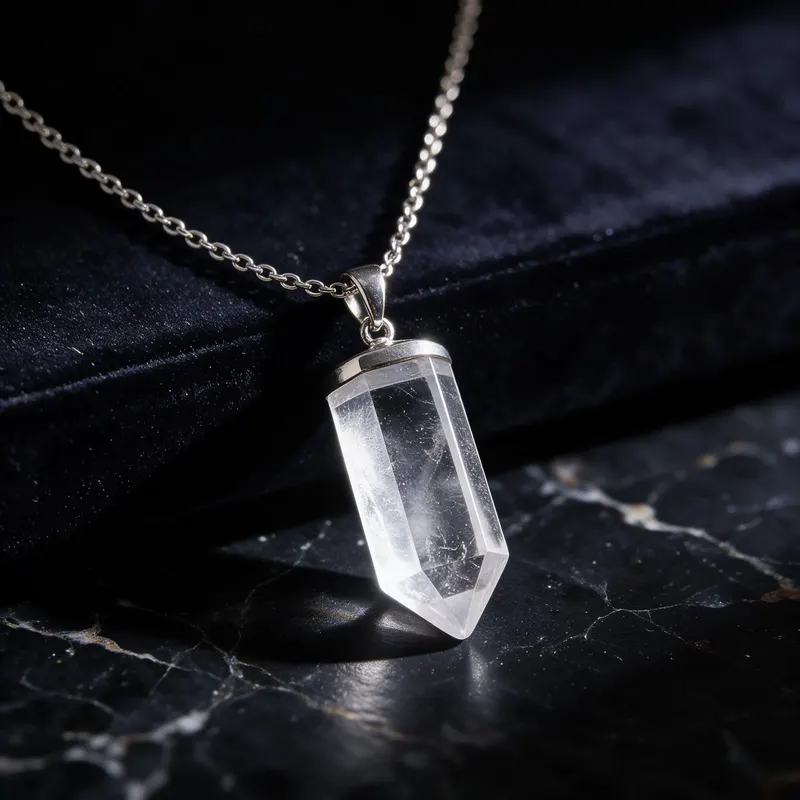
- Create a parking spot. Keep one selenite piece near where you take jewelry off, so clearing happens automatically overnight. A Clear Quartz Point Pendant Necklace can also rest there between wears.
- Anchor monthly cleansing to the full moon. Set a phone reminder for the evening of the full moon and clear everything on your shelf at once.
- Restate your intention in one sentence whenever you recharge a piece — for example, "may this support steadiness during a busy week."
- Do a seasonal audit. Four times a year, dust every stone, check settings for looseness, and decide whether a piece still belongs in your daily rotation.
- Cleanse after heavy days, not just on schedule. If a piece came with you through something difficult, give it a reset that evening.
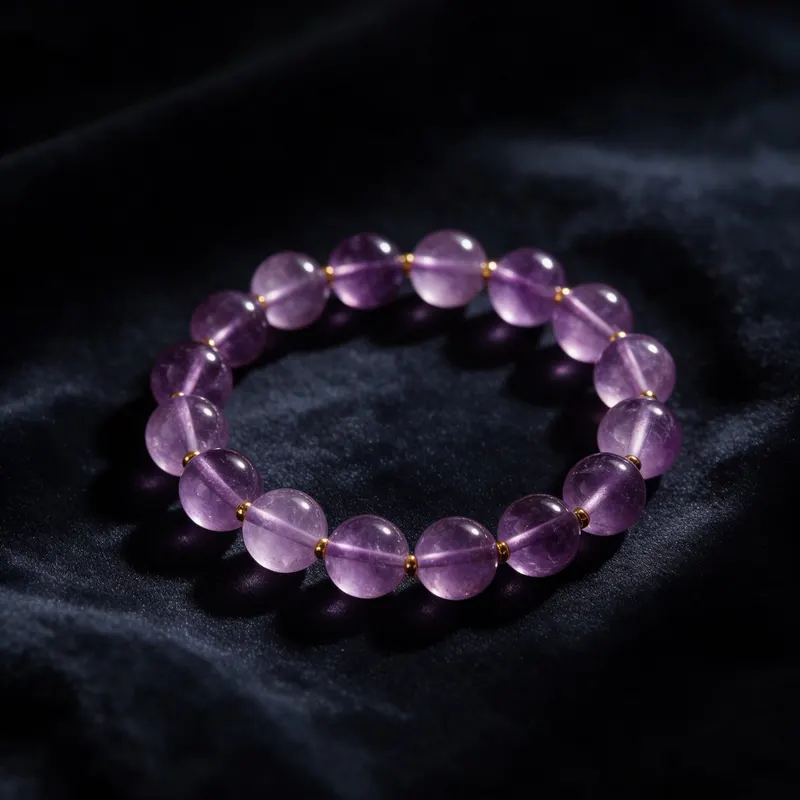
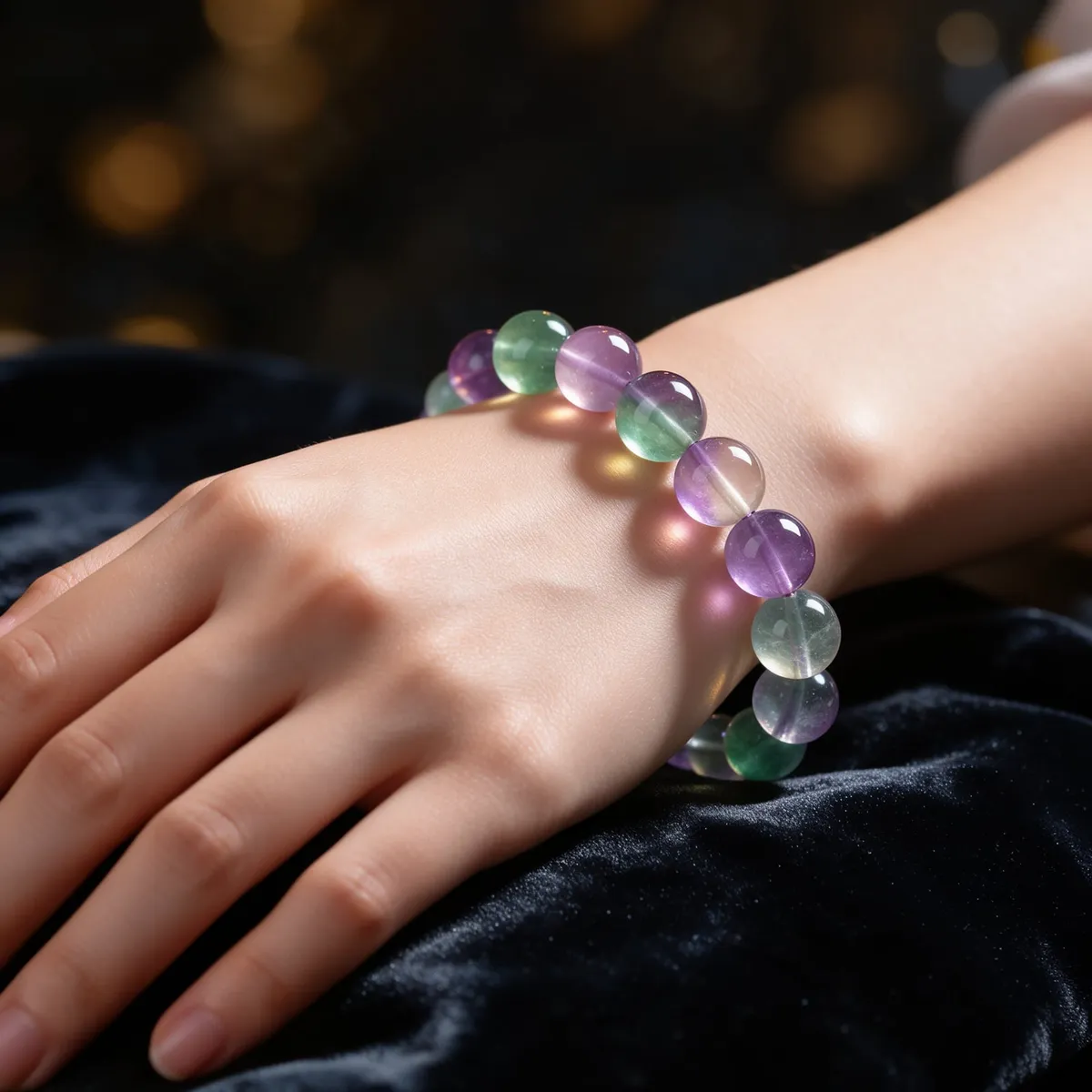
Pieces worn for specific intentions often benefit from a consistent rhythm. A Amethyst Healing Bracelet for Calm & Clarity worn daily, for instance, fits well into a weekly cleanse plus nightly selenite rest, while a Black Tourmaline Protection Bracelet for Grounding may warrant a quicker reset after crowded or stressful days.
How to Choose and What to Expect to Pay
If you are buying your first pieces with cleansing in mind, look for stones that are easy to care for and settings you can maintain. Clear quartz, amethyst and black tourmaline are forgiving; selenite, fluorite and lapis lazuli need gentler handling. Check that bracelets are strung on durable elastic and sized to your wrist — most adult bracelets run about 7 to 8 inches, and a slightly loose fit is easier to remove without stretching. For pendants, confirm the chain length (16 to 20 inches is typical) and the metal type, since plated chains need more careful storage than sterling silver.
Realistic price expectations: simple beaded bracelets typically range from roughly $20 to $60 depending on stone quality and bead size; sterling silver pendants generally start around $40 and rise with stone size and setting; raw clusters and selenite wands are often $15 to $50; and curated sets sit higher because of the number of pieces and packaging. Prices vary widely by retailer, so compare stone size and clarity rather than assuming a higher price means a better stone.
FAQ
People Also Ask
How often should I cleanse a crystal bracelet I wear every day?
About once a week is a common guideline, or simply leave it on a selenite wand overnight each night so it stays clear with minimal effort. If you wore it through a stressful day, cleanse it sooner.
What happens if you don't cleanse your crystals?
There is no physical danger. Many practitioners feel stones become less "bright" after heavy use, so cleansing functions as a reset ritual rather than a safety requirement. From a care standpoint, the bigger risk is skipping basic cleaning — dust, skin oils and tarnish build up over time.
Do I have to recharge after every cleanse?
Not always. Clearing and charging can happen together under moonlight or on selenite. It does help to restate your intention regularly so the piece stays connected to why you chose it.
Can I cleanse all my crystals the same way?
No. Water and salt are fine for some stones but damaging to selenite, lapis lazuli and plated metal settings. When unsure, use dry methods — moonlight, sound or resting on selenite — which are safe for nearly everything.
A Simple Place to Start
If you take one thing from this guide, let it be this: cleanse by exposure, not by the calendar. Wear it daily, clear it weekly. Keep it on a shelf, clear it monthly. Handle it through something hard, clear it that night. Pair the habit with a gentle method suited to the stone, and the routine will take care of itself.
Browse the Raw Stones & Sets collection for pieces that make cleansing easy, and keep exploring with Cleanse & Charge, Cleansing vs Charging, and Recharge Methods.
Crystals are offered for wellness and reflection, not as medical or psychological treatment, and outcomes are not guaranteed.