Why Moonlight Is the Gentlest Way to Charge Crystals
If you've ever set a crystal on a windowsill during a full moon and wondered whether you were doing it "right," you're in good company. Most people come to moonlight charging the same way: they've heard that crystals need to be cleansed and recharged, they know direct sun can fade certain stones, and the moon feels like the safe, quiet option. What's often missing is the practical detail — which stones actually benefit, how long to leave them out, what to do when the forecast is cloudy, and how to tell the difference between cleansing a stone and charging it.
This guide walks through a simple monthly full moon ritual you can repeat without much fuss, then gets specific about timing, placement, and stone-by-stone care. It also separates what the tradition teaches from what we can actually verify about a stone's physical properties, so you can enjoy the ritual while keeping your pieces in good condition.
You don't need a garden, a clear sky, or a collection of twenty crystals to make this work. A windowsill, a few stones you already love, and ten quiet minutes are enough to begin.
Cleansing vs. Charging: What's the Difference?
These two words get used interchangeably, but practitioners generally treat them as separate steps. Cleansing is about clearing — resetting a stone's energy after it's been worn, handled, or sitting in a busy room. Charging is about filling — inviting a specific intention or quality into a stone you've already cleansed. Moonlight is traditionally used for both, which is part of why it's so popular: one overnight session can do double duty.
Think of it like a glass of water. Cleansing empties and rinses the glass; charging fills it with fresh water. If you skip the rinse, you're pouring new intention into a cloudy vessel. That's why most rituals start with a physical clean — a soft dry cloth or a brief rinse for water-safe stones — before anything else.
If you want the fuller picture on both practices, our core cleanse and charge guide covers smoke cleansing, sound, salt, and running water in detail. For the moon specifically, read on.
A Step-by-Step Full Moon Ritual
This is a repeatable ritual you can run every month, ideally on the night of the full moon or within a day or two of it. Set aside about fifteen minutes in the evening and ten in the morning.
- 1. Pick your stones. Choose a small group — three to five pieces is plenty. Rotating a few at a time keeps the ritual focused and means each stone gets attention.
- 2. Clean them physically. Wipe each stone with a soft, dry microfiber cloth. Remove dust, fingerprints, and skin oils, especially from bracelets and pendants that sit against the skin.
- 3. Set an intention for each. Hold each stone for a few breaths and name what you'd like it to support — calm before a difficult conversation, focus during a project, restful sleep. Keep it simple and specific to you. There's no script.
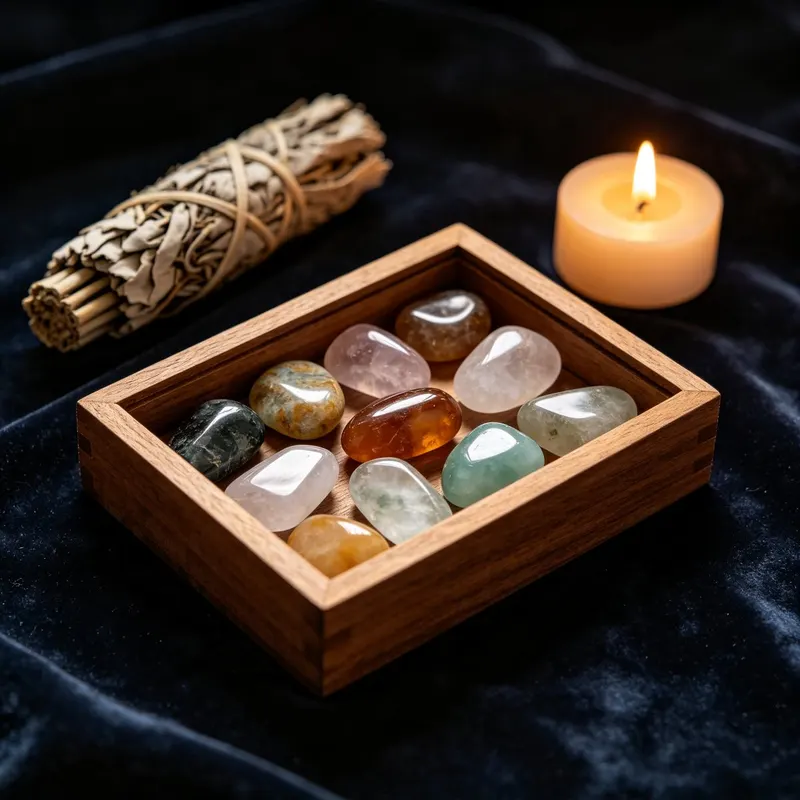
- 4. Arrange them where moonlight reaches. A windowsill, balcony rail, or a safe outdoor patch. Spread them out so each gets exposure rather than stacking them in a pile.
- 5. Leave overnight. Dusk through early morning is the traditional window. You don't need to stay up or watch the clock.
- 6. Retrieve before strong morning sun. Bring stones in soon after sunrise, particularly amethyst, rose quartz, and fluorite, which are more prone to fading.
- 7. Close the ritual. Hold each stone briefly, thank it, and return it to where you keep it — a dish, a pouch, an altar, or back on your wrist.
That's the whole thing. The ritual is deliberately low-effort so it's sustainable month after month.
How Long Should Crystals Stay Out — and Does Timing Matter?
A single night is plenty. The full moon itself, plus the one or two nights on either side, are all considered effective by most practitioners. You do not need to leave stones out for a week, and doing so usually just exposes them to more dust, weather, and morning sun.
If you want a simple rule: one night, dusk to dawn, within three days of the full moon. That covers nearly every situation, including a missed night or a cloudy forecast.
A few practical notes on timing:
- Cloudy skies are fine. The tradition doesn't require visible moonlight, and the nights around the full moon are treated as equally potent.
- You don't need to catch the exact peak. The full moon is a moment, but the ritual window is a few days wide.
- New moon works too. Some practitioners prefer the new moon for intentions and beginnings; the full moon is more often associated with release, clarity, and gratitude. Either is a fine monthly anchor.
- Set a phone reminder. The single most common reason people "miss" the full moon is simply forgetting. A recurring reminder the day before is the easiest fix.
Which Stones Benefit Most From Moonlight
Moonlight is safe for the vast majority of crystals, which is its main advantage over sunlight. That said, some stones are traditionally considered especially harmonious with lunar work, and a few have practical reasons to prefer the moon over the sun.
| Stone | Why it suits moonlight | Practical care note |
|---|---|---|
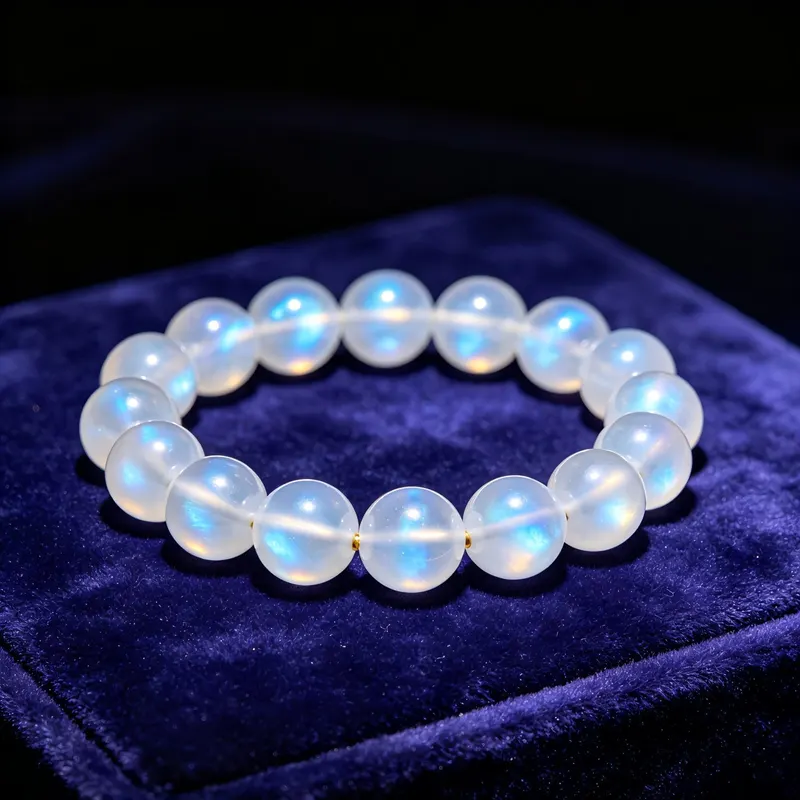
| Moonstone | Traditionally associated with intuition, cycles, and new beginnings — a natural lunar pairing. | Softer stone (around 6–6.5 on the Mohs scale); handle gently and avoid harsh chemicals. |
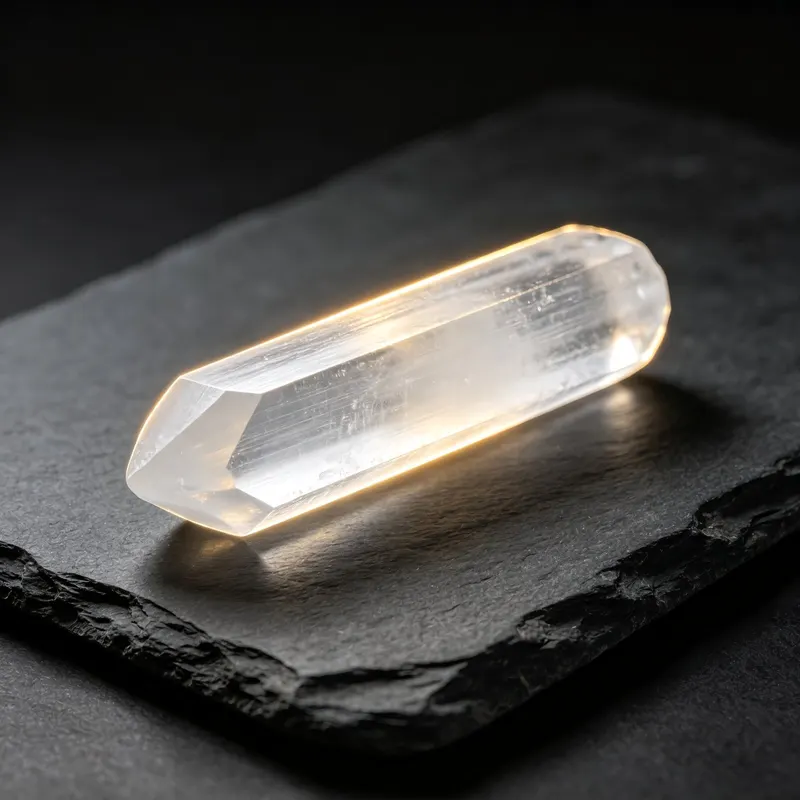
| Selenite | Named for the moon goddess Selene; often used for cleansing other stones. | Water-soluble — never rinse or leave outdoors in rain. |
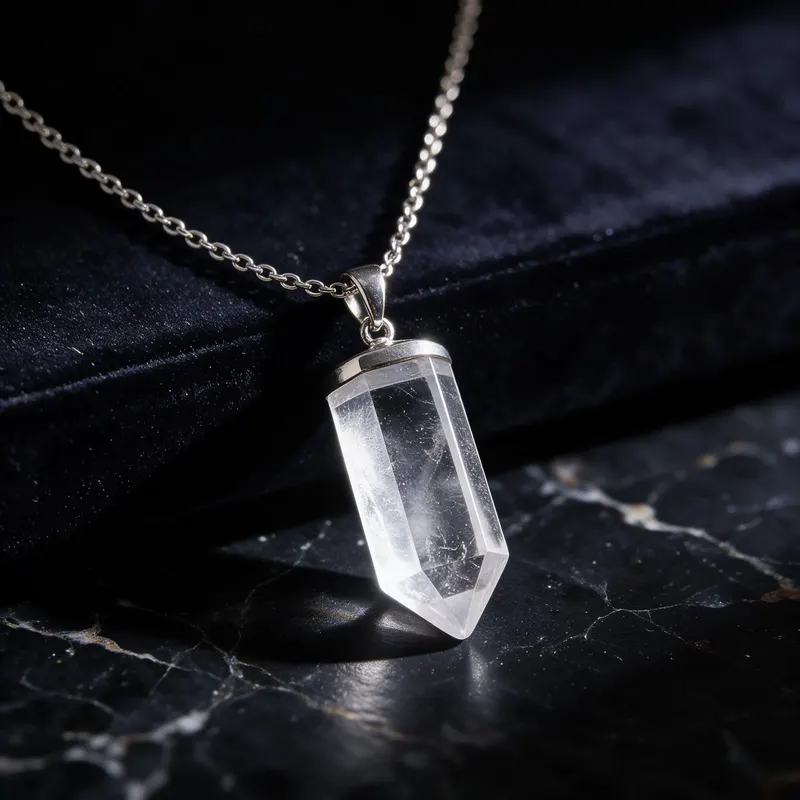
| Clear quartz | Believed to amplify intention; a versatile "blank slate" for programming. | Hard and durable (Mohs 7); safe for most placements. |
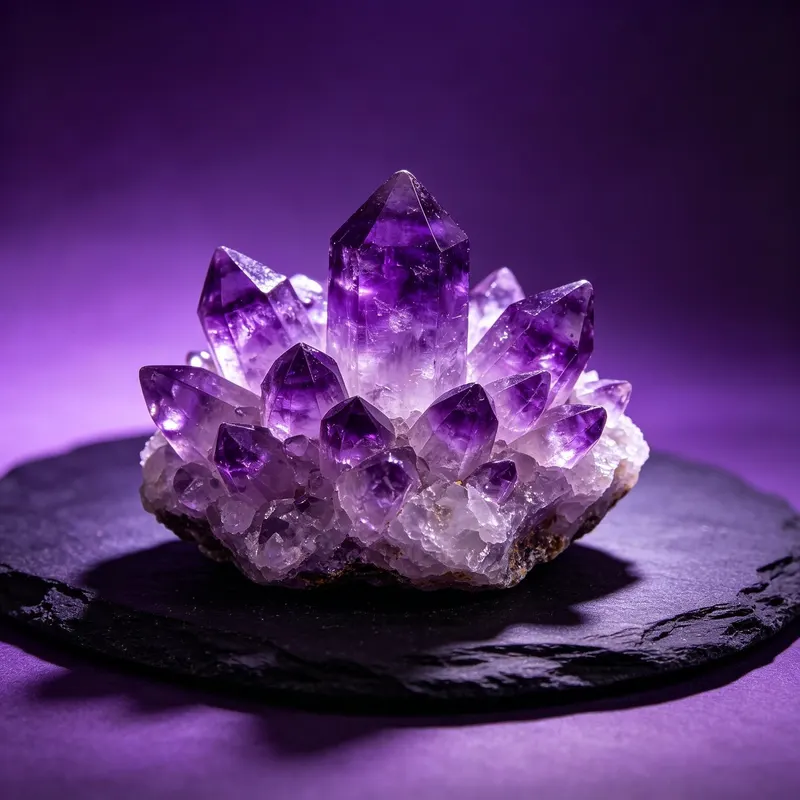
| Amethyst | Traditionally associated with calm and clarity; a classic meditation stone. | Color can fade in prolonged direct sun — moonlight is the safer choice. |
| Labradorite | Believed to support intuition and transformation; a favorite for lunar work. | Moderately hard but can chip; keep off hard outdoor surfaces. |
| Rose quartz | Traditionally associated with self-love and the heart. | Color may fade with long sun exposure; keep to shade or moon. |
| Fluorite | Associated with focus and mental clarity. | Softer (Mohs 4) and sun-sensitive — moonlight is ideal. |
If you're building a small lunar set, a Rainbow Moonstone Bracelet is the most on-theme starting point, and a Clear Quartz Point Pendant is the most versatile. For a stone that doubles as a cleansing tool, a Selenite Cleansing Wand is worth having on hand — just keep it dry.
Indoor vs. Outdoor Placement: A Quick Checklist
Where you put your stones matters more than most people expect. Use this checklist to choose a spot that's both effective and safe for your pieces.
- Windowsill: the most popular indoor option. Choose a window that gets moonlight, and move stones back from the glass if the sill gets hot in the morning.
- Balcony or porch: good exposure, but check for rain, sprinklers, and wind that could knock pieces over.
- Outdoors on the ground: lovely for a photo or a longer session, but risky for softer stones and small pieces. Use a tray or cloth.
- Altar or shelf near a window: works if the light reaches; a Raw Amethyst Cluster makes a natural centerpiece for a small moon altar.
- Avoid: stacking stones, placing them where pets or children can reach, or leaving water-sensitive stones anywhere damp.
For a deeper reset, some practitioners pair moonlight with a selenite wand passed slowly over each stone the next morning. It's optional, but it makes a nice closing gesture.
What tradition holds — and what we can verify
It's worth being clear about which parts of this practice are traditional and which are physical fact. Both can coexist comfortably, as long as we don't confuse one for the other.
What the tradition says: Crystals are believed to hold and direct subtle energy, and moonlight is traditionally understood to cleanse and recharge that energy gently. Moonstone is associated with intuition and lunar cycles; amethyst with calm and clarity; clear quartz with amplification of intention. These are symbolic and spiritual frameworks, not scientific claims, and they're offered here as a lens for reflection rather than a promise of any outcome.
What we can verify: the physical properties of each stone, which determine how you should actually care for it.
- Hardness (Mohs scale): quartz and amethyst sit around 7, moonstone around 6–6.5, fluorite around 4. Softer stones scratch and chip more easily, so handle them with care and store them separately.
- Sun sensitivity: amethyst, rose quartz, and fluorite can fade with prolonged direct sunlight. Moonlight avoids this entirely, which is a real practical reason to prefer it.
- Water sensitivity: selenite dissolves in water; many porous or metal-set pieces don't love moisture. Keep water-sensitive stones out of rain and skip the rinse step for them.
- Metal settings: gold-plated and sterling silver components can tarnish or wear with moisture and outdoor exposure. Dry pendants and bracelets thoroughly after any damp night.
In short: the ritual is a matter of tradition and personal meaning; the care instructions are a matter of material science. Following both keeps your practice grounded and your stones intact.
Choosing Your First Moon-Charged Stone
If you're new to this and don't yet have a collection, start with one or two pieces rather than a full set. A single stone you wear often will teach you more than a drawer full of ones you never touch. Consider what you'd like the ritual to support:
- For calm and reflection: an Amethyst Healing Bracelet is a gentle everyday choice and pairs naturally with lunar work.
- For intuition and new beginnings: moonstone, as above.
- For a grounding counterpoint: a darker stone like black tourmaline or obsidian balances a lunar set and is traditionally associated with protection.
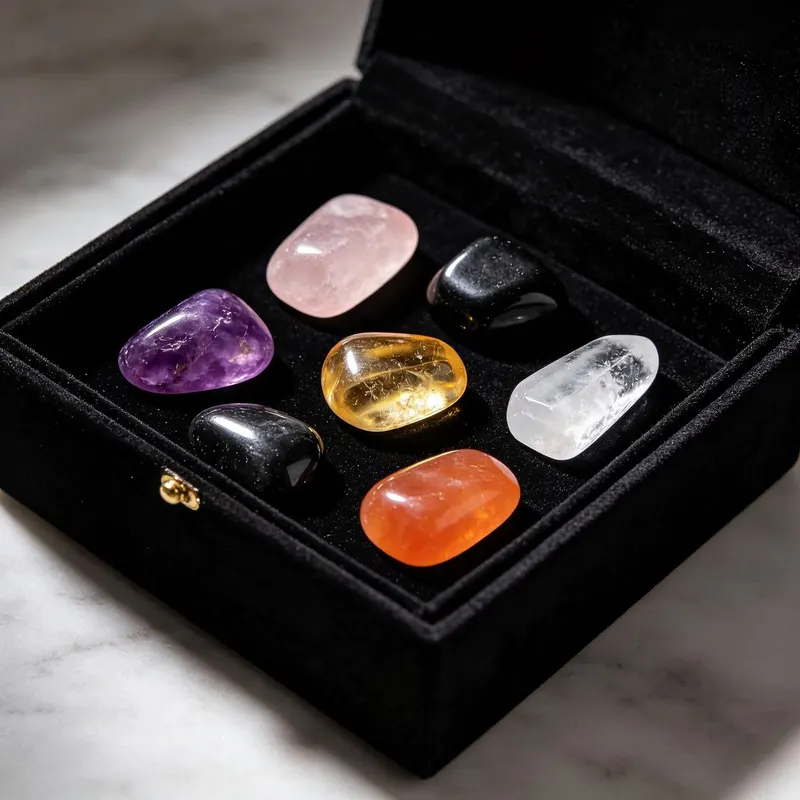
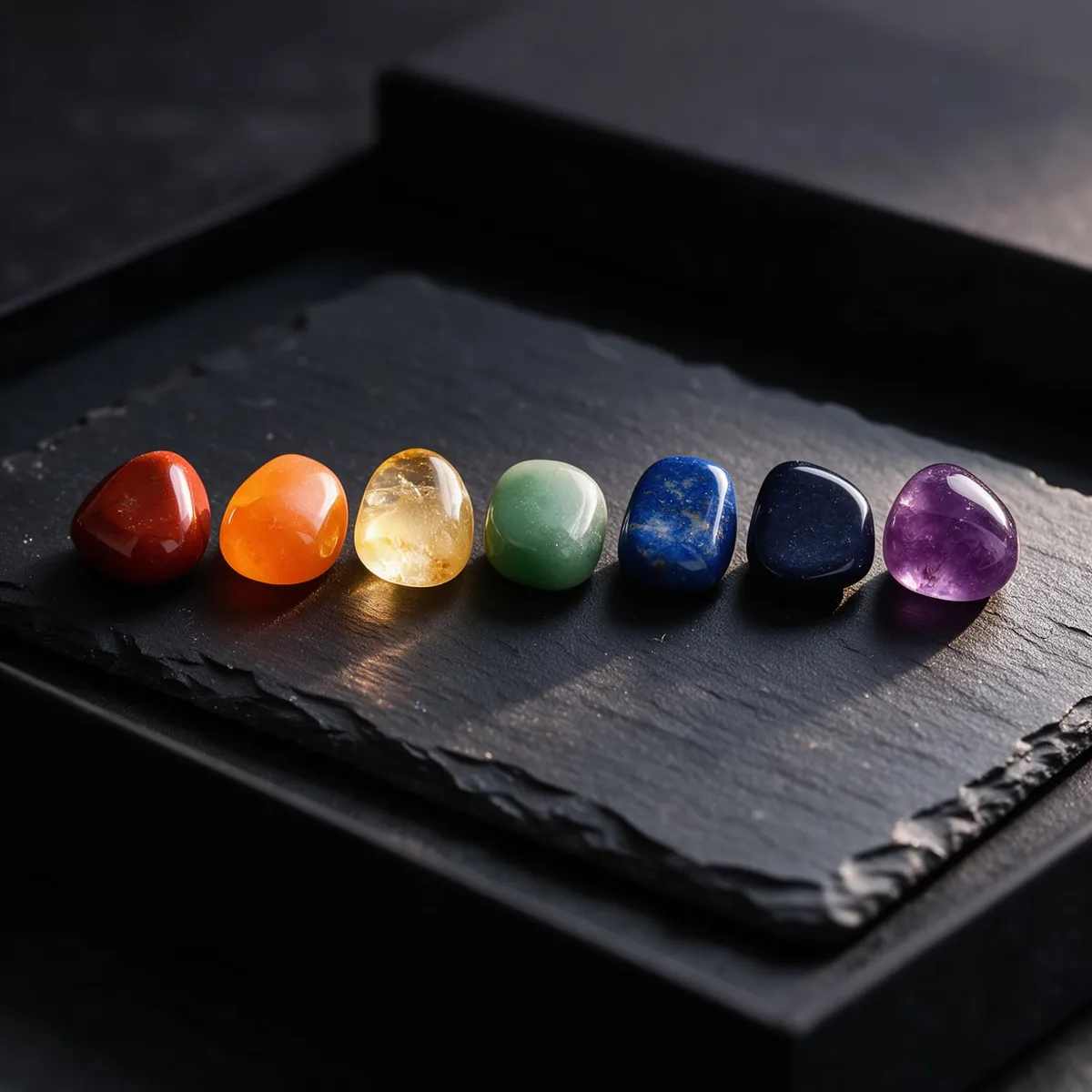
- For a complete beginner's set: a Healing Crystal Starter Kit gives you seven stones plus a guide, which is handy if you want to experiment with which ones you resonate with before investing further.
On price: expect roughly $20–$40 for a simple beaded bracelet, $30–$60 for a pendant on a plated or sterling chain, and $40–$90 for a small raw cluster or a multi-stone starter set. Natural stone varies, so slight differences in color and pattern between pieces are normal, not flaws. If a listing promises dramatic results or uses words like "certified healing," treat that as a marketing signal rather than a guarantee.
FAQ
People Also Ask
Do crystals have to be in direct moonlight to be charged?
Direct light is ideal but not required. A bright windowsill or the nights around the full moon are traditionally considered effective, and cloudy skies don't cancel the ritual.
Can the full moon charge crystals through a window?
Yes — windowsill charging is one of the most common indoor methods. Just move sun-sensitive stones back from the glass before morning.
What if it's cloudy or I miss the full moon?
The one or two nights before and after the full moon work just as well. Moonlight rituals are forgiving; a missed night is not a problem.
How often should I charge my crystals?
Once a month is a comfortable rhythm for most people, or whenever a stone feels "due" after heavy wear or a stressful period. There's no strict rule — consistency matters more than frequency.
Closing Thoughts
Moonlight charging is one of the most accessible crystal practices there is: no special tools, no clear sky required, and a rhythm you can keep for years. Clean your stones, set a simple intention, leave them out for one night near the full moon, and bring them in before the sun gets strong. The tradition gives the ritual its meaning; the care notes keep your stones beautiful. Hold both lightly, and let the practice be something that supports your reflection rather than one more task on your list.
Crystals are intended for personal reflection and spiritual well-being and are not medical devices. They do not diagnose, treat, cure, or prevent any disease. If you are struggling with your mental or physical health, please reach out to a qualified professional.