Two Kinds of "Clean"
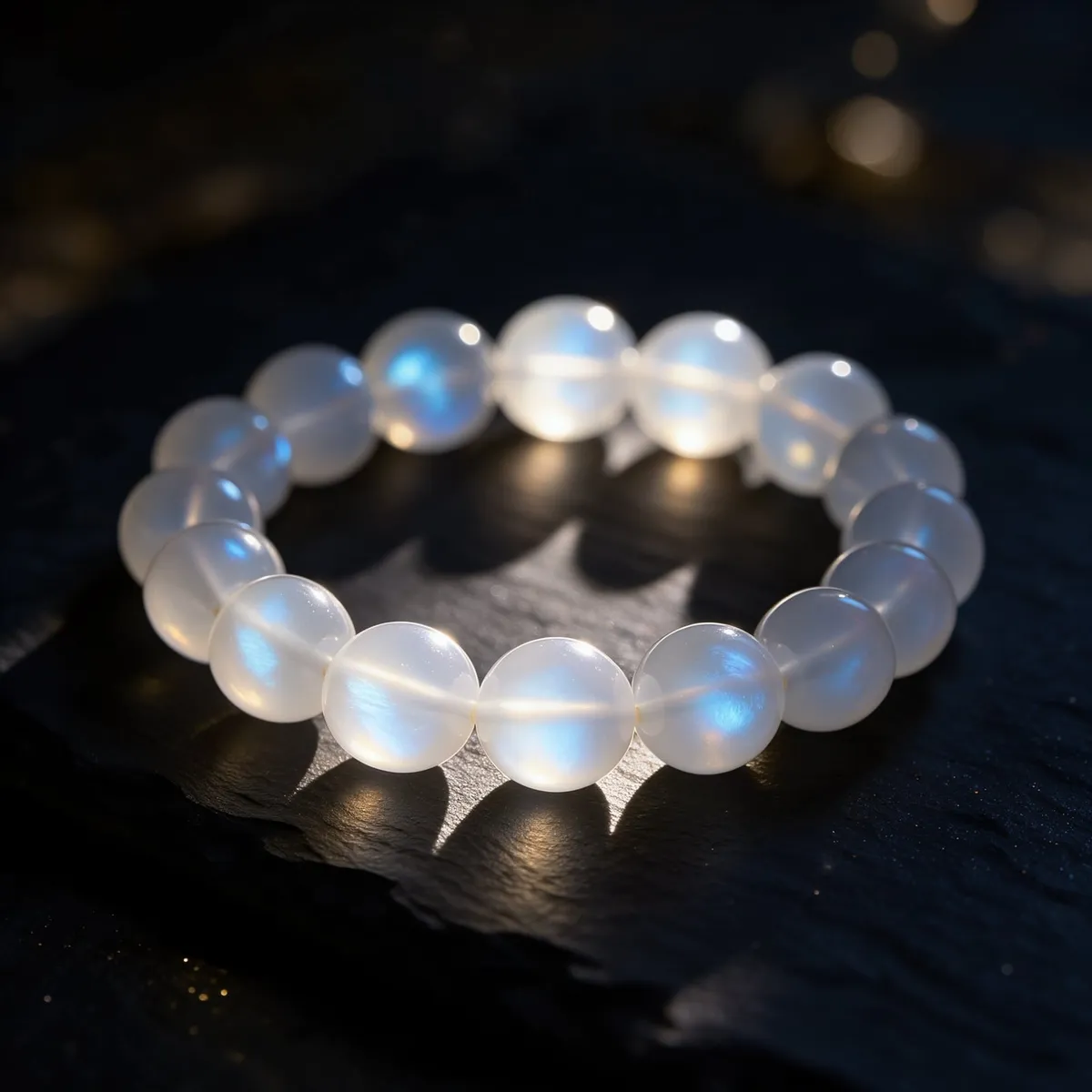
You bought a crystal bracelet you love, you've worn it every day for a month, and now it looks a little dull and feels a little... tired. Maybe you've read that crystals need to be "cleansed," but you're not sure whether that means rinsing it under the tap, leaving it in the sun, or something else entirely. And you'd rather not ruin the elastic or dull a soft stone figuring it out by trial and error.
The good news: caring for a crystal bracelet is simple once you separate two jobs that are easy to confuse. One is physical cleaning—removing skin oils, dust, and lotion from the beads and keeping the elastic cord sound. The other is energetic cleansing—the ritual practice of clearing a stone's energy, which many people do with moonlight, smoke, sound, or another crystal. Because elastic cord and several popular stones dislike water, the gentlest methods often overlap: water-free approaches are usually safest for both the beads and the string.
This guide walks through both kinds of care, tells you which stones can safely touch water and which can't, and gives you realistic expectations for how long a beaded bracelet should last. Think of it as a care manual you can actually follow.
Before You Start: Know What Your Bracelet Is Made Of
Care instructions depend entirely on the stone and the stringing. A quartz bracelet on quality elastic is forgiving; a soft, porous stone on silk thread is not. Before choosing a method, identify two things:
- The stone. Hardness and porosity determine whether water, salt, sunlight, or heat will damage it. (More on this in the verification section below.)
- The cord or wire. Most beaded bracelets use elastic cord; some use nylon thread, and a few use metal wire or chain. Elastic degrades with repeated soaking, heat, and stretching. Metal can tarnish or corrode.
If you're unsure what you have, treat it as delicate: wipe, don't soak, and keep it dry.
Energetic Cleansing Methods (and Which Stones Suit Each)
These are traditional practices, not measurable processes—so choose the one that fits your routine and your stone's physical tolerances. The method should never risk the jewelry.
Resting on selenite
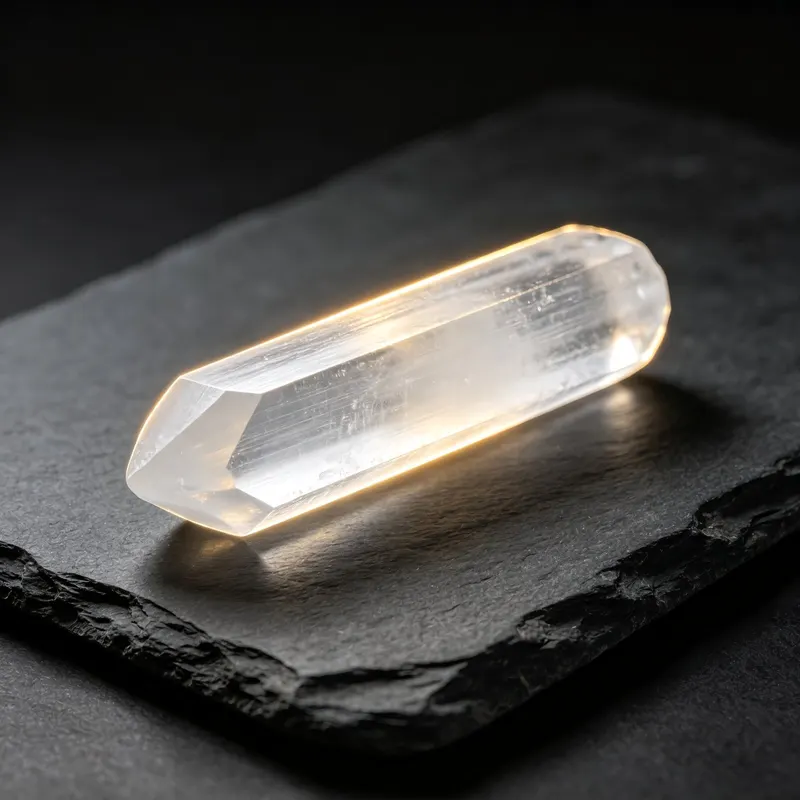
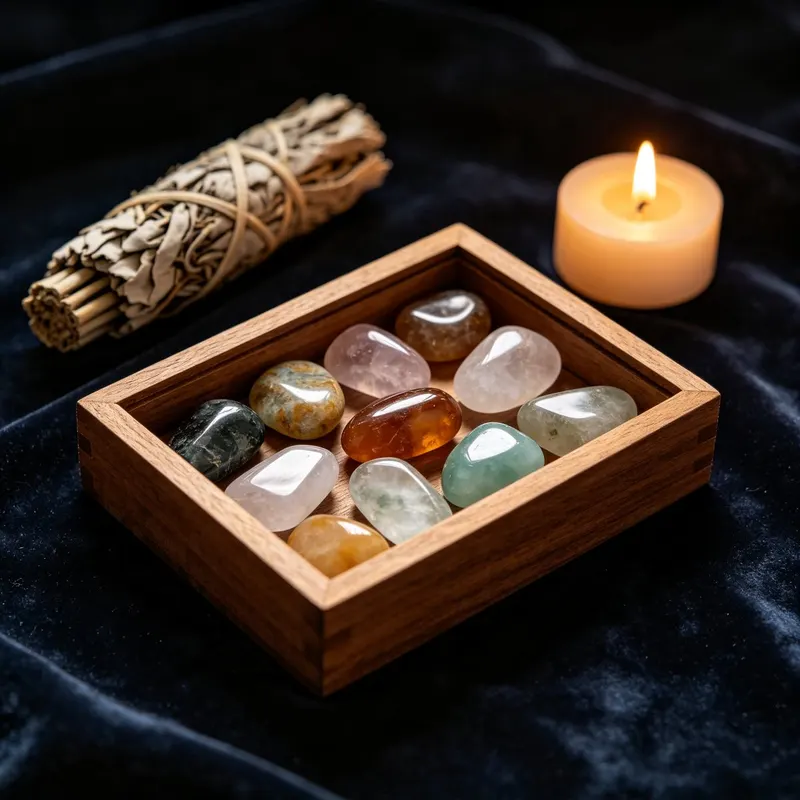
A common, low-effort approach: lay the bracelet on a Selenite Cleansing Wand or a selenite plate overnight. Selenite is soft (it scratches easily and will dissolve if soaked), so keep the wand dry and store it away from moisture. This method is water-free and safe for essentially any beaded bracelet.
Smoke or sound
Passing a bracelet through sage or palo santo smoke, or holding it near a singing bowl or bell, are popular water-free options. Keep the piece a safe distance from any flame—you're bathing it in smoke, not holding it over fire—and ventilate the room.
Moonlight
Leaving a bracelet on a windowsill overnight, especially under a full moon, is a gentle, no-touch method. It's safe for most stones, though prolonged direct sun the next morning is a separate concern (see below).
Brown rice or dry salt (with caution)
Burying a stone in dry brown rice is a traditional, water-free cleanse. Dry salt is also traditional, but salt can scratch softer stones and is best avoided for porous or polished pieces. If you use either, brush the bracelet clean afterward so grit doesn't work into the cord.
What to skip
Skip saltwater soaks, prolonged direct sunlight, and burying jewelry in damp soil—each can damage specific stones or the elastic. For a fuller treatment of charging and cleansing, see our guide to how to cleanse and charge crystals.
Physical Care: Cleaning the Beads and Protecting the Elastic
This is the part that determines whether your bracelet still looks good in a year. Follow these steps in order.
- Wipe, don't soak. Use a soft, lint-free cloth that is barely damp—not wet—to wipe each bead. Dry immediately with a second dry cloth, paying attention to the gaps between beads where moisture hides.
- Check water tolerance first. Before any damp wipe on an unfamiliar stone, confirm it's water-safe. Our guide to which crystals cannot go in water covers the common exceptions.
- Keep soap and chemicals away. Harsh soap, perfume, hairspray, sunscreen, and chlorine can dull a polish or degrade elastic. Put jewelry on after lotions and fragrance have dried.
- Remove it for the rough stuff. Take the bracelet off before showering, swimming, exercising, washing dishes, and sleeping. Heat and moisture weaken elastic; pressure while you sleep stretches it.
- Roll, don't yank. When putting on or removing an elastic bracelet, roll it over your hand rather than stretching it wide. This single habit adds months to the cord's life.
- Store it separately. Keep each bracelet in its own pouch or compartment so harder stones don't scratch softer ones. See how to store crystals for storage ideas.
- Inspect the cord. Every few months, gently stretch the bracelet and look for fraying, thinning, or a loosened knot. Re-string or have it re-strung at the first sign of wear—before a bead drops off in public.
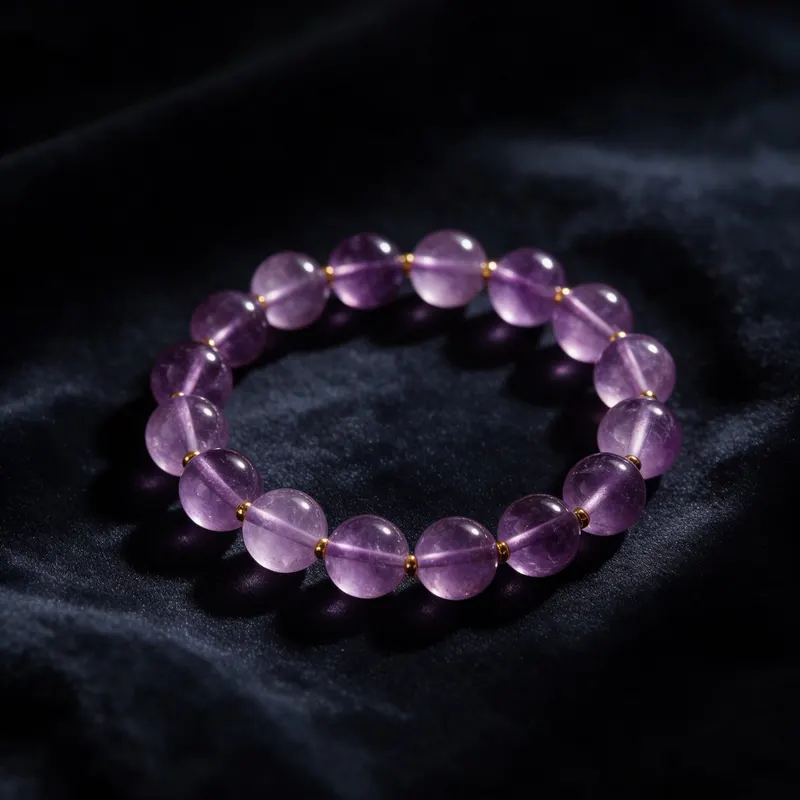
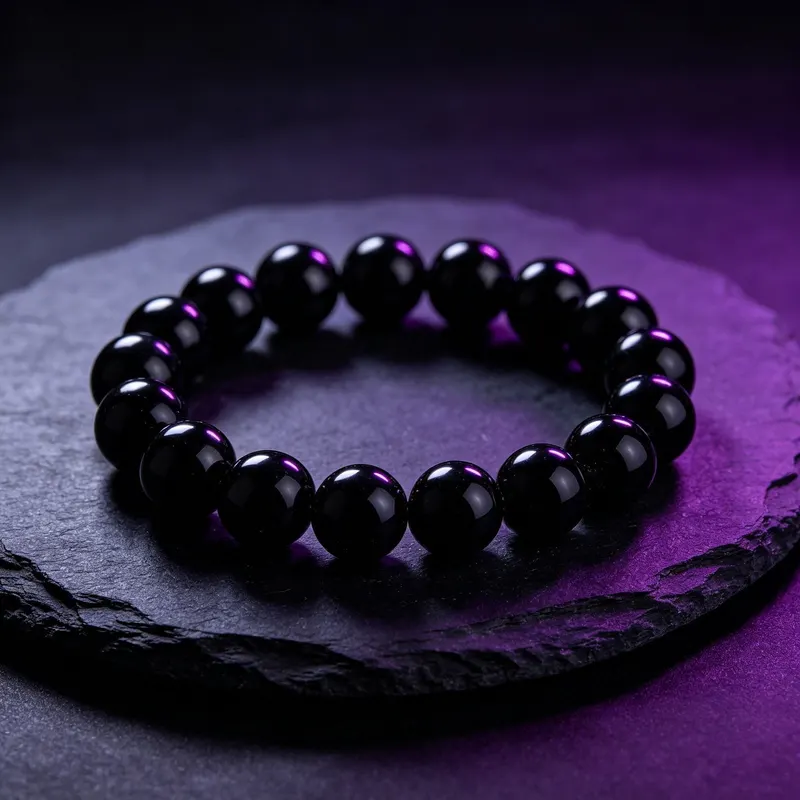
These habits protect any genuine beaded piece, including the Amethyst Healing Bracelet and the Black Tourmaline Protection Bracelet. Browse the full bracelets collection to see the range of stones and stringing styles.
Water, Sun, and Heat: A Quick Reference by Stone
Use this table as a starting point. "Water-safe" means a brief damp wipe or quick rinse is generally fine—not that you should soak the bracelet or its elastic. When in doubt, go water-free.
| Stone | Water | Direct sun | Notes |
|---|---|---|---|
| Clear quartz, amethyst | Generally OK for a quick wipe | Amethyst can fade with long exposure | Hard and durable; still dry the cord |
| Rose quartz | Generally OK for a quick wipe | Fine short-term | Hard; avoid harsh cleaners |
| Citrine | Generally OK for a quick wipe | Prolonged sun can fade color | Keep away from heat |
| Black tourmaline, obsidian | Generally OK for a quick wipe | Fine | Durable; obsidian can chip if dropped |
| Tiger's eye | Quick wipe only | Fine | Avoid soaking; dry thoroughly |
| Labradorite, moonstone | Quick wipe only | Fine | Feldspars can be brittle; avoid knocks |
| Lapis lazuli | Avoid soaking | Fine | Porous; keep away from chemicals |
| Fluorite | Avoid soaking | Color can fade in strong sun | Soft; scratches and chips easily |
| Carnelian | Generally OK for a quick wipe | Fine | Durable quartz family |
| Selenite | No—dissolves | Fine | Very soft; keep dry and padded |
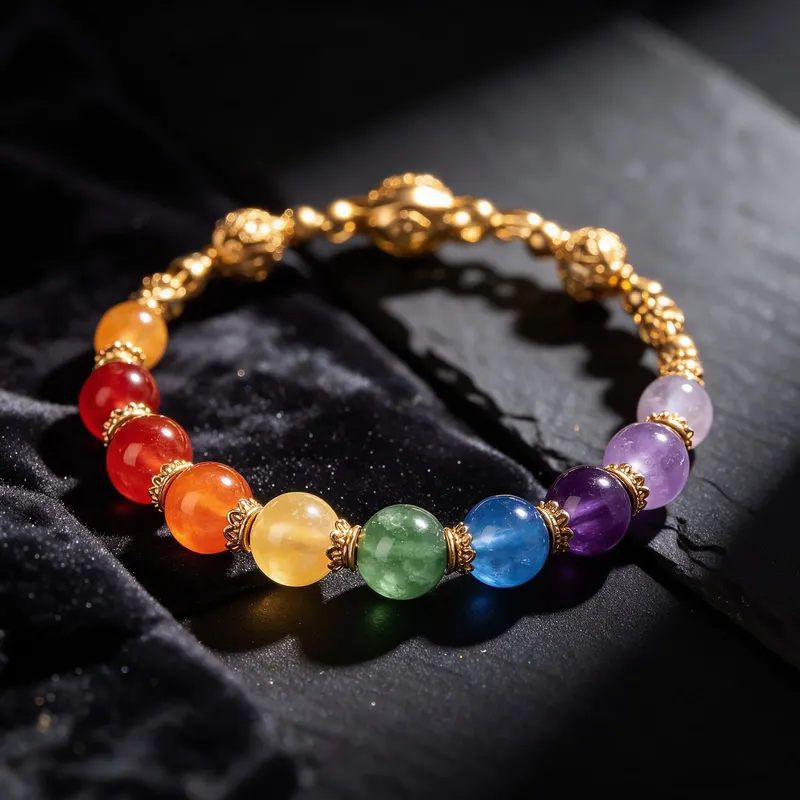
For a mixed-stone piece like the 7 Chakra Balancing Bracelet, follow the most delicate stone in the set—usually the softest one—and default to dry methods.
What folklore claims — and what is verifiable
Crystal practice blends centuries of folk tradition with modern gemology, and it's worth keeping the two in their own lanes.
What tradition holds: Many practitioners believe certain stones carry or absorb energy and should be "cleared" regularly—amethyst is traditionally associated with calm and clarity, black tourmaline with grounding and protection, and rose quartz with the heart and self-love. Cleansing rituals like moonlight, smoke, and selenite are believed to reset a stone's energy. These are meaningful practices for many people, and they invite reflection and intention-setting. They are not measurable, and we don't present them as proven effects.
What we can verify: Gemology gives us concrete, testable facts about care. Mohs hardness tells you how easily a stone scratches: quartz-family stones (clear quartz, amethyst, rose quartz, citrine, carnelian) sit around 7 and are fairly durable, while fluorite is about 4 and scratches easily, and selenite is about 2 and can be marked by a fingernail. Porosity and solubility matter too—selenite will dissolve in water, and porous stones like lapis lazuli can be harmed by soaking and chemicals. Sunlight sensitivity is real for some colored stones, including amethyst and fluorite, whose color can fade with prolonged direct sun. And elastic cord is a wear item: heat, moisture, and stretching shorten its life regardless of the stone.
The practical takeaway: tradition guides the ritual, but gemology should guide the handling. When the two conflict—say, a ritual that calls for soaking a soft stone—protect the jewelry and choose a water-free method instead.
Crystals are for reflection and are not medical devices. They do not diagnose, treat, cure, or prevent any disease. If you're struggling with your physical or mental health, please reach out to a qualified professional.
How Often, and How to Build a Simple Routine
You don't need a complicated schedule. A workable rhythm for a bracelet you wear daily:
- Weekly: a simple energetic cleanse—overnight on selenite, a few minutes of moonlight, or a pass through smoke or sound. Weekly, or whenever it feels "heavy," is plenty.
- As needed: a dry or barely-damp wipe when the beads look dull or after heavy lotion or sunscreen use.
- Monthly: a quick cord inspection and a check that the knot is secure.
- Seasonally: a deeper clean of your storage pouches, and a review of any pieces you haven't worn.
If you're building the habit from scratch, a set like the Healing Crystal Starter Kit pairs well with a selenite wand so you have a dedicated cleansing spot.
FAQ
People Also Ask
How often should I cleanse my bracelet?
A simple energetic cleanse weekly—or whenever it feels heavy—is plenty for daily wear. Physical wiping can be done as needed, whenever the beads look dull.
Can I wash my crystal bracelet with soap and water?
Avoid soaking and harsh soap. Wipe beads gently with a barely-damp cloth, keep the elastic dry, and skip water entirely for soft or porous stones like selenite, fluorite, and lapis lazuli.
How long does the elastic on a crystal bracelet last?
With gentle wear and dry storage, quality elastic typically lasts many months to a year or more. Removing the bracelet for sleep, showers, and swimming—and rolling it on rather than stretching it—meaningfully extends its life. Inspect regularly and re-string at the first sign of fraying.
Can I leave my bracelet in direct sunlight to charge it?
Brief sun exposure is fine for many stones, but prolonged direct sun can fade the color of amethyst, fluorite, citrine, and others. Moonlight or selenite is a safer default if you're unsure of your stone.
A Last Word
Caring for a crystal bracelet comes down to two habits: keep it dry and handle it gently. Choose water-free cleansing methods unless you know your stone is water-safe, wipe rather than soak, and give the elastic the same consideration you give the beads. Do that, and the piece you chose for its meaning will stay beautiful for a long time. Explore the full Crystal Bracelets Collection when you're ready to add another.