Your Pendant Is Jewelry First, Crystal Second
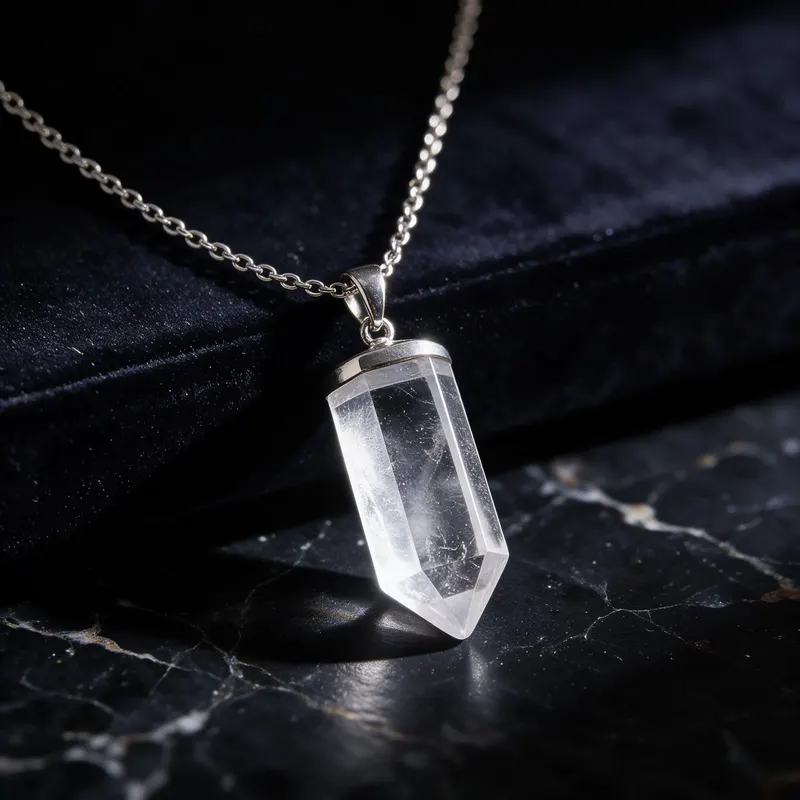
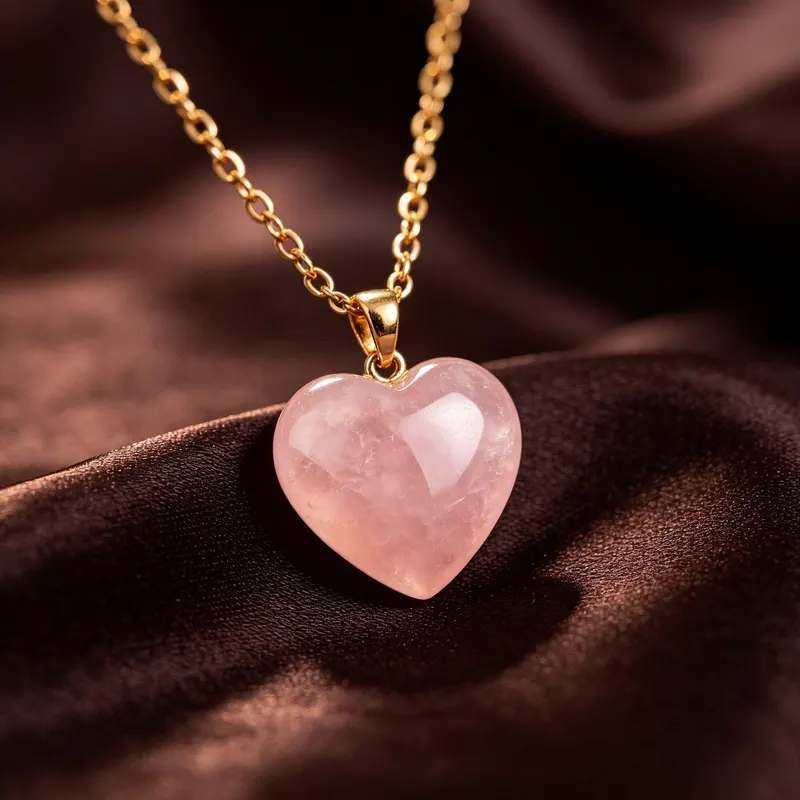
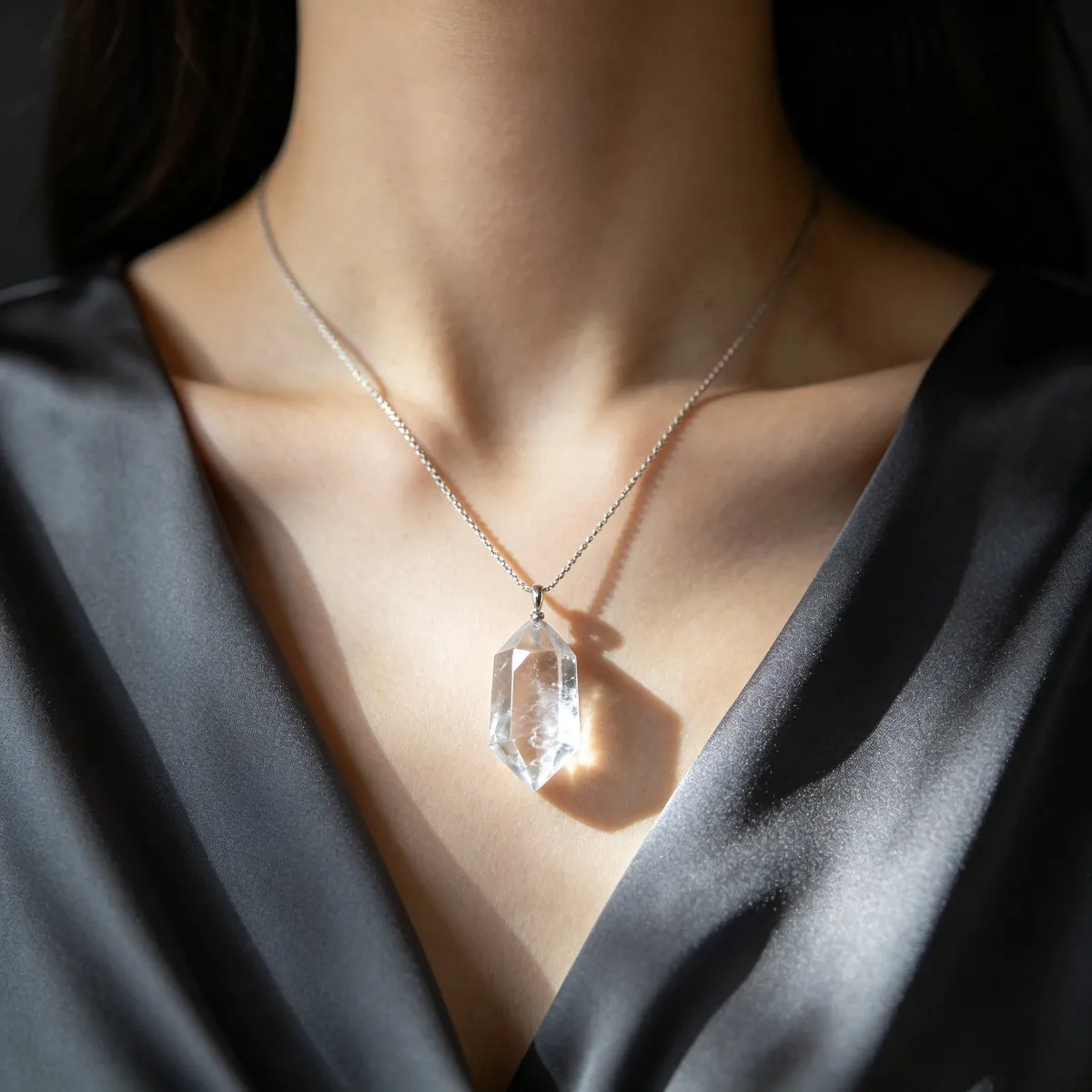
You bought a crystal necklace because it felt meaningful — maybe a Clear Quartz Point Pendant you wear to interviews, or a Rose Quartz Heart Pendant that reminds you to be kinder to yourself. Then you read that crystals need regular cleansing, and you froze. Can you dunk it in salt water? Leave it in the sun? Will sage smoke stain the chain?
Here's the honest answer: a pendant is not a loose tumbled stone. It has a setting, a bail, a chain or cord, and sometimes a plating or adhesive. Many of the most popular cleansing methods — salt water soaks, running water, hours of direct sun — are fine for a raw stone and genuinely bad for jewelry. They can tarnish sterling silver, degrade gold plating, dry out or weaken cord, loosen glue, and fade certain stones.
This guide walks you through jewelry-safe cleansing, physical care, and how to choose a routine you'll actually keep. It's written for US readers who want a practical ritual, not a chemistry experiment — and who'd rather protect a piece they love than risk it for a trend.
Why Necklaces Need Gentler Care Than Loose Stones
When you cleanse a loose crystal, the stone is the only thing at stake. With a pendant, you're caring for several materials at once, each with different tolerances:
- The stone itself — hardness, porosity, and heat sensitivity vary enormously. A quartz pendant and a soft, layered stone like lapis behave nothing alike.
- The metal — sterling silver tarnishes with moisture and sulfur; gold plating wears thin with abrasion and repeated wet-dry cycles.
- The cord or chain — cotton and leather cords absorb water and oils; fine chains kink and stretch if handled roughly.
- The setting — prongs, bezels, and glued bails can loosen over time, especially with soaking or temperature swings.
The practical takeaway: for pendants, favor dry cleansing methods and keep water contact brief and deliberate. That single rule prevents most damage.
Step-by-Step: A Dry Cleanse That Protects the Hardware
This is the routine we recommend as a default for any crystal necklace. It takes a few minutes and involves no water, salt, or sunlight risk.
- 1. Lay the pendant flat on a soft, clean cloth. A microfiber cloth or folded cotton works well. This protects the stone from scratches and keeps the chain from tangling.
- 2. Set a brief intention. Hold the piece or rest a hand near it and name what you'd like it to support — calm before a meeting, patience at home, clarity in a decision. There's no wrong wording; the point is attention.
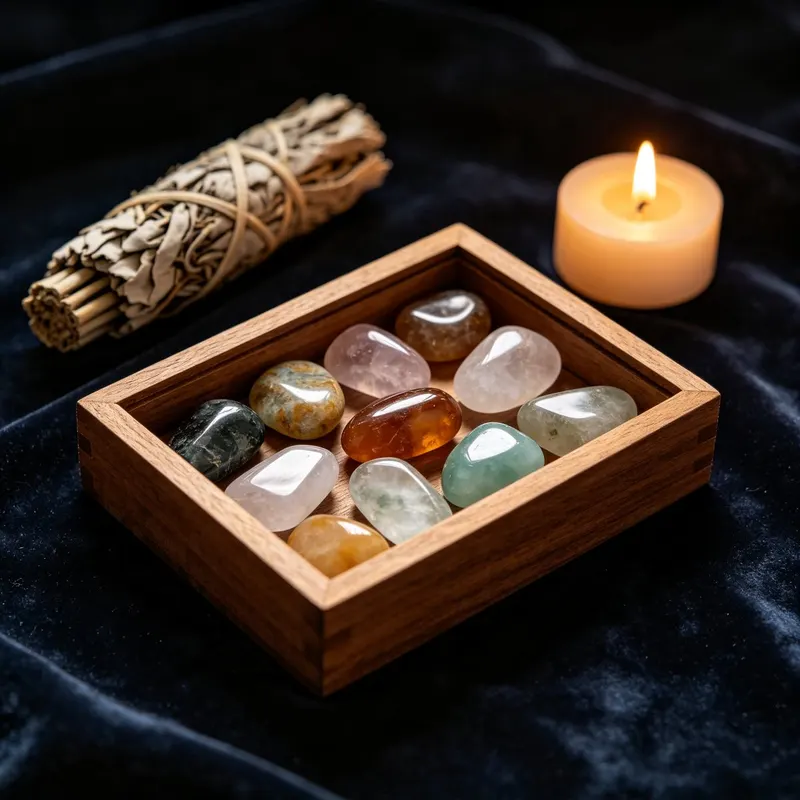
- 3. Cleanse with smoke, briefly. Pass the pendant through sage or palo santo smoke for about 20–30 seconds, keeping the flame well away and the piece moving. If smoke isn't your thing, skip to the next step.
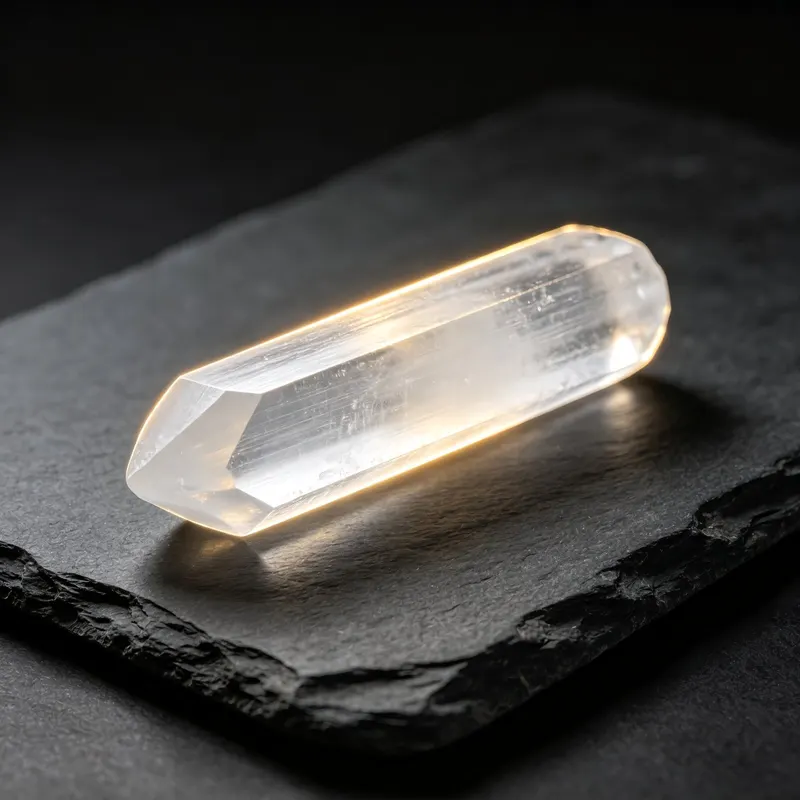
- 4. Or rest it on or beside a selenite wand overnight. A Selenite Cleansing Wand is a popular dry option because selenite is soft and best kept dry anyway — just don't let the wand and pendant knock together.
- 5. Store it properly. Return the pendant to a pouch or box, chain fastened or laid straight, away from direct sun and humidity.
If you prefer moonlight, that's also jewelry-safe: place the pendant on a windowsill overnight during a full or new moon. Just avoid prolonged direct sun, which can fade some stones and heat metal.
Physical Cleaning: What's Actually Safe
Energetic cleansing and physical cleaning are different jobs. Here's how to handle the physical side without harming the piece:
- Wipe the stone with a slightly damp, lint-free cloth, then dry immediately. Don't scrub; soft stones can scratch.
- Polish the metal with a dedicated jewelry cloth. For sterling silver, a silver polishing cloth removes tarnish; avoid abrasive pastes on plated pieces.
- Skip the ultrasonic cleaner and steam unless a jeweler confirms the stone and setting can take it. Many porous or glued pieces cannot.
- Never soak. Brief surface wiping is fine; submerging is where cords swell, glue softens, and plated finishes dull.
- Check water sensitivity first. Before any damp wipe, confirm your stone tolerates moisture — see our guide to which crystals cannot go in water.
The lore, and what we can actually verify
Crystal cleansing sits at the intersection of folklore and materials science. It's worth separating the two so you can enjoy the ritual without mistaking lore for fact.
| Practice or Claim | What Tradition Says | What We Can Verify |
|---|---|---|
| Smoke cleansing | Clears stagnant or "heavy" energy from a stone | No measurable energetic effect is established; smoke is safe for most stones and metals in short bursts |
| Selenite cleansing | Selenite "absorbs" and resets other stones | Selenite is very soft (Mohs 2) and water-soluble — keep it dry and handle gently |
| Salt water soak | Purifies and "recharges" crystals | Salt corrodes silver and plated metals and damages many porous stones — generally avoid for pendants |
| Sunlight charging | Restores a stone's vitality | UV can fade amethyst, rose quartz, and fluorite; heat can crack some stones — use brief, indirect light |
| Moonlight | Gentle, receptive cleansing | No physical change, but it's harmless to stones, metal, and cord — a safe default |
| Hardness (Mohs) | — | Quartz is 7, amethyst 7, rose quartz 7; softer stones like lapis (~5–6) and selenite (2) scratch easily |
In short: the ritual is yours to keep, and many methods are perfectly safe. The verifiable part is about materials — hardness, porosity, plating, and cord. Respect those and your pendant will last.
How to Choose a Cleansing Routine (and a Pendant You Can Maintain)
The best routine is the one that fits your week. Use this checklist to build one:
- Daily or every few days: a quick intention-setting moment or a brief smoke pass.
- Weekly: an overnight rest on or beside selenite, or on a windowsill in moonlight.
- After intense periods (a stressful week, a big decision, a difficult conversation): a fuller cleanse plus a gentle physical wipe.
- Seasonally: inspect the setting, bail, and chain for looseness or wear; take plated pieces to a jeweler if prongs feel loose.
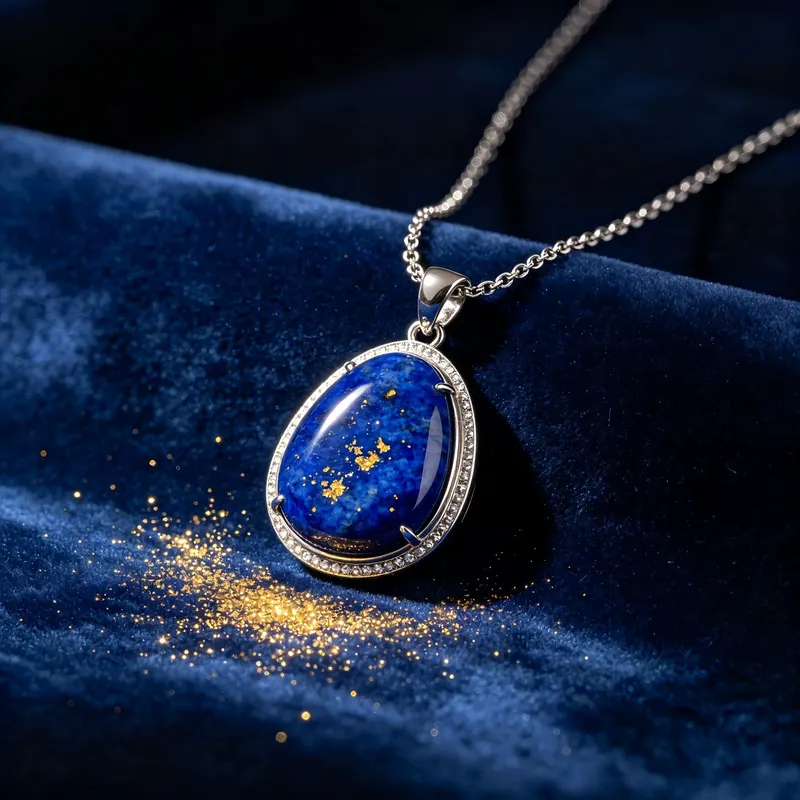
When shopping, consider how easy a piece will be to care for. A Lapis Lazuli Wisdom Pendant is beautiful but softer and more porous, so it rewards dry, gentle handling. A Black Obsidian Teardrop Pendant is tougher and forgiving of regular wear. And a Clear Quartz Pendant remains one of the simplest to maintain — hard, stable, and easy to wipe clean.
On price: expect simple pendants on cord or plated chain to run roughly $25–$60, sterling silver settings and chains to land around $50–$120, and larger or finer stones to go higher. You're paying for the stone's quality, the metal, and the setting — not for any promised outcome.
FAQ
People Also Ask
Can I put my crystal necklace in water?
Avoid soaking it. Water can damage cords, tarnish or dull metal, soften glue, and harm water-sensitive stones. Use smoke, moonlight, or selenite instead, and wipe the stone only briefly if needed.
How often should I cleanse a pendant?
A light refresh every few days and a fuller cleanse after stressful periods is a simple, sustainable rhythm. There's no strict rule — consistency matters more than frequency.
Will sunlight or salt damage my pendant?
It can. Prolonged sun may fade stones like amethyst and rose quartz, and salt water corrodes silver and plated metals. Keep both brief or skip them for jewelry.
Can I cleanse a pendant while wearing it?
You can set an intention anytime, but for smoke, selenite, or moonlight, remove the piece first. This protects the hardware and lets you handle the stone and chain gently.
A Calm, Sustainable Practice
Cleansing a crystal necklace doesn't require elaborate tools or risky soaks. A soft cloth, a few seconds of smoke or an overnight rest on selenite, and a moment of intention are enough — and they keep your pendant beautiful for years. Treat the ritual as a small pause in your day, and treat the jewelry as what it is: a well-made object worth caring for.
Crystals are for reflection and personal ritual; they are not medical devices and do not diagnose, treat, cure, or prevent any disease. If you're navigating your mental or physical health, please reach out to a qualified professional.