Why Brown Rice, and Who It's For
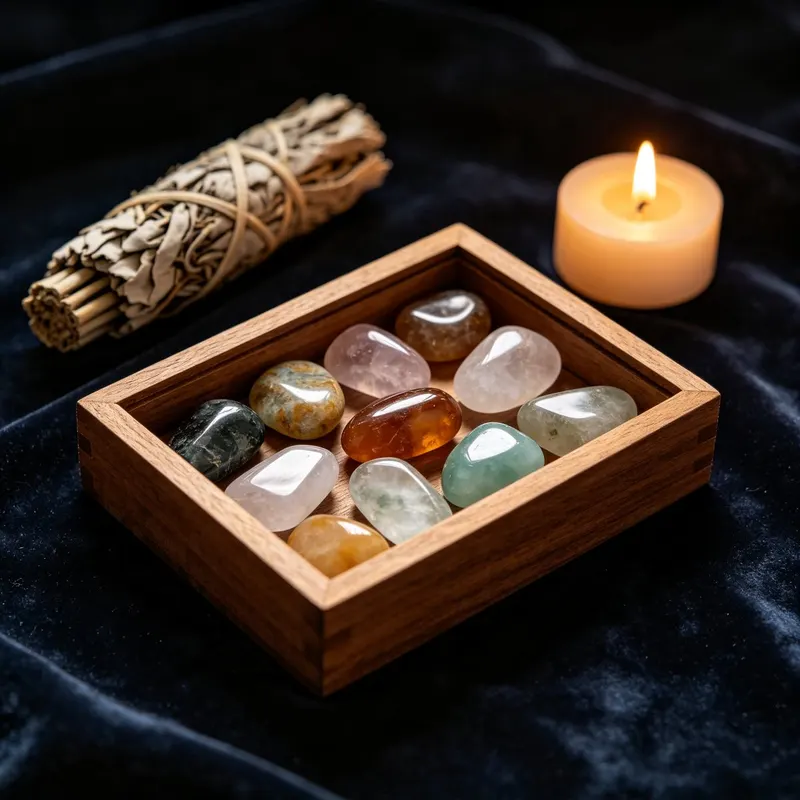
You've probably seen the advice to "bury your crystals in brown rice" and wondered whether it's a real practice or something invented for social media. It's a real, if niche, technique—a dry, gentle way to reset a stone's energy without water, salt, or smoke. It suits people who own soft or porous stones that shouldn't get wet, who live somewhere they can't leave pieces in moonlight, or who simply prefer a quiet, tactile ritual to a splash-and-dry routine.
This guide explains how the brown rice method works, how long to leave stones buried, which crystals it actually suits, and why the rice must be thrown away afterward. It also separates the traditional lore from what we can verify about stone hardness and care, so you can decide whether this method belongs in your practice.
One note up front: crystals are for reflection and are not medical devices. Nothing here treats or prevents illness—this is a ritual and a care routine, not a health claim.
What the Brown Rice Method Actually Is
Brown rice cleansing is a "burial-lite" technique. In many earth-based traditions, a stone is buried in soil or garden earth to be cleansed and grounded, then dug up after a set period. Burying a stone in a bowl of dry, uncooked brown rice borrows that idea and brings it indoors—no digging, no weather, no muddy cleanup.
Traditionally, the rice is believed to act as a gentle, absorbent medium that draws out stagnant energy, similar to how salt or sound is used in other cleansing practices. Practitioners often describe it as a "soft reset" rather than a deep purge. Because it's completely dry, it's one of the few methods that won't damage water-sensitive stones.
It's worth being clear about what this is: a symbolic, ritual practice. There's no scientific mechanism by which rice "absorbs" energy from a crystal. What the method does offer is a structured pause—a way to set an intention, slow down, and care for your collection deliberately. That reflective quality is the real value.
The Method, Step by Step
The process is simple, but a few details make it work better and protect your stones.
- Choose a clean, dry bowl. Glass, ceramic, or wood all work. Avoid metal if you can—some practitioners prefer non-metal vessels for energetic reasons, and it also avoids any chance of scratching softer stones.
- Fill it with dry, uncooked brown rice. You don't need much; enough to fully bury the stone with a centimeter or two of rice above it. A small bowl and a cup or two of rice is plenty for most pieces.
- Bury the stone completely. Push it down so no part is exposed. For bracelets, coil them loosely and bury the whole strand. For pendants, remove the chain first and bury only the stone.
- Leave it overnight, or up to 24 hours for a deeper reset. There's no benefit to leaving it for days—tradition holds that a night is sufficient, and longer doesn't make it "more cleansed."
- Remove the stone and wipe it with a dry, soft cloth. Brush off any grains lodged in crevices or drill holes. A soft-bristle brush (like a clean toothbrush) helps for textured or raw stones.
- Discard the rice afterward. Do not cook or eat it. Tradition holds the rice has absorbed what was cleared; practically, it has also collected dust, skin oils, and grit from the stone.
Which Stones Suit Brown Rice—and Which Don't
The rice method is safest for stones that are hard, non-porous, and dry-friendly. It's a poor fit for very soft, flaky, or water-soluble minerals, and it's unnecessary for stones that are perfectly happy being rinsed. Here's a practical comparison.
| Stone type | Brown rice suitable? | Why |
|---|---|---|
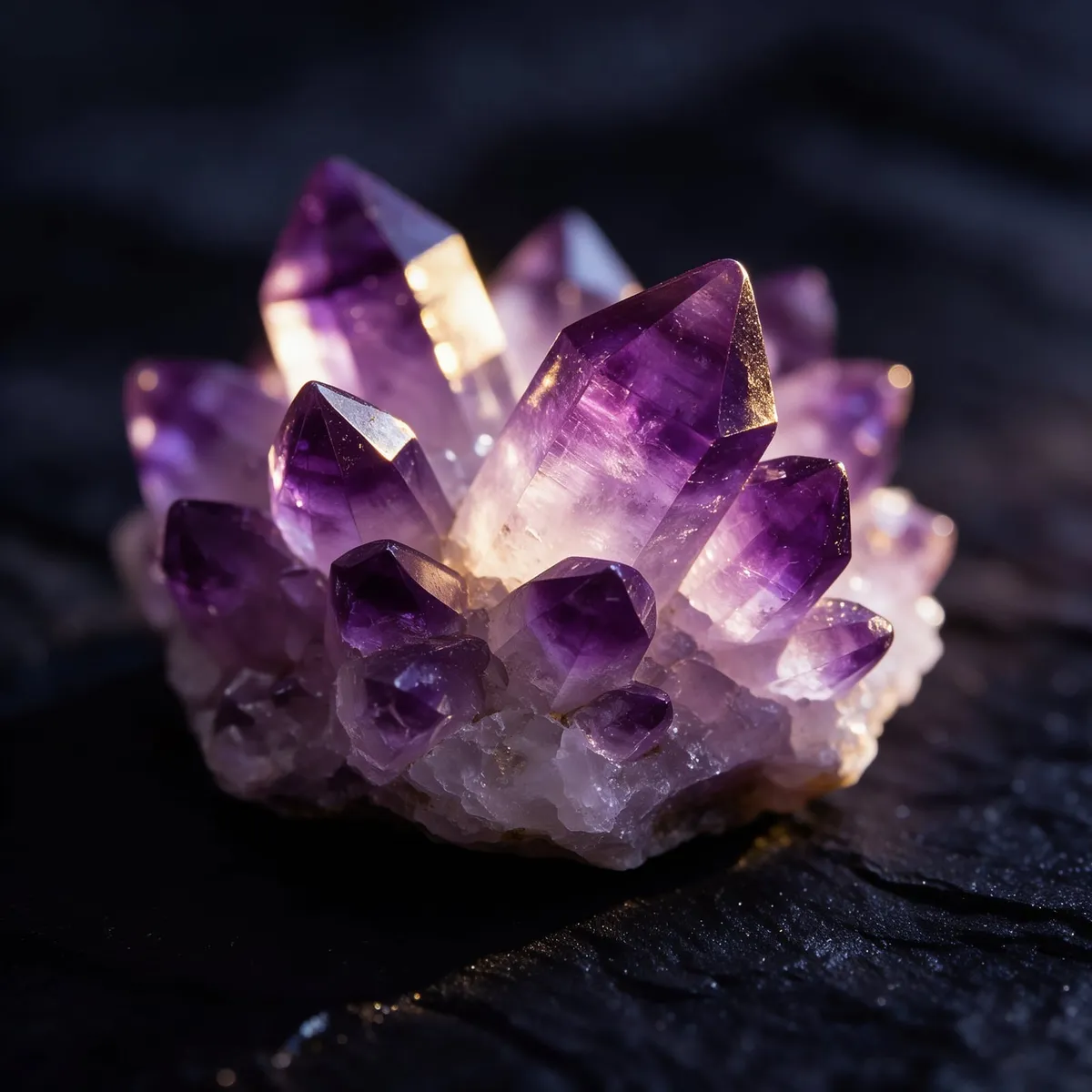
| Quartz family (clear quartz, amethyst, rose quartz, citrine) | Yes | Hard (Mohs 7) and non-porous; dry rice is gentle and safe. |
| Black tourmaline, obsidian | Yes | Hard and dense; dry method avoids water spotting. |
| Labradorite, moonstone (feldspar) | Yes, with care | Reasonably hard but can have cleavage; handle gently and avoid knocking against the bowl. |
| Selenite | No | Very soft (Mohs 2) and water-soluble; rice grains can scratch it. Use dry sound or moonlight instead. |
| Lapis lazuli, malachite, turquoise | No | Porous or soft; grit and friction can dull or damage the surface. |
| Fluorite | With caution | Soft (Mohs 4) and can chip; if you use rice, handle very gently. |
If you're unsure of a stone's hardness, err on the side of a gentler method. A quick check: if a stone scratches easily or feels chalky, keep it out of rice.
A quick suitability checklist
- Good candidates: clear quartz, amethyst, rose quartz, citrine, black tourmaline, obsidian, carnelian, tiger's eye.
- Handle with care: labradorite, moonstone, fluorite—hard enough but prone to chipping.
- Skip the rice: selenite, lapis lazuli, malachite, turquoise, and any raw, flaky, or coated stone.
- Always remove metal: chains, clasps, and wire settings can trap rice and tarnish; bury the stone alone.
How Long, and How Often
Overnight is the standard. For a piece you've just brought home, or one you've worn through a difficult stretch, up to 24 hours is a reasonable "deep reset." Beyond that, there's no traditional or practical benefit—the rice simply sits there.
How often you cleanse depends on use. A bracelet worn daily might get a monthly reset; a pendant worn occasionally, every few months or when it feels "heavy" to you. Many practitioners cleanse new stones once on arrival, then on a schedule that feels intuitive. There's no rule that makes one rhythm more correct than another—consistency matters more than frequency.
Traditional beliefs vs. verifiable facts
It helps to hold two things at once: respect for the tradition and honesty about the physical facts. Here's the split.
What the tradition says: Brown rice is believed to absorb stagnant or "heavy" energy from a stone, offering a gentle reset. Many practitioners pair it with an intention—holding the stone and setting a clear thought before burying it. The rice is then considered spent and is discarded rather than reused, out of respect for what it has "taken on."
What we can verify: Rice is a dry, mildly abrasive medium. It won't damage hard stones (Mohs 7 and above) but can scratch soft ones. It does collect dust, grit, and oils from the stone, which is the practical reason not to reuse or eat it. It offers no cleansing beyond the ritual itself—but ritual has real value for focus and reflection.
Care facts worth knowing: Stones vary widely in hardness (selenite is about Mohs 2; quartz about 7; diamond 10). Water sensitivity is separate from hardness—some hard stones are still damaged by prolonged soaking, and some soft ones are fine dry. Sunlight can fade certain stones (amethyst, rose quartz, citrine) over time, so keep them out of direct sun. For any stone, dry methods like rice, sound, or moonlight are the safest default when you're unsure.
Practical Tips for a Better Ritual
- Set an intention first. Hold the stone, take a breath, and name what you'd like to release or invite. The ritual is more meaningful when it's deliberate.
- Keep a dedicated bowl. A small ceramic dish reserved for cleansing avoids cross-contamination with kitchen use.
- Label your rice. If you cleanse often, keep a jar marked "cleansing rice—do not eat" so no one mistakes it for food.
- Pair with a recharge. After rice, many practitioners follow with moonlight or a selenite plate to "recharge." See our guide on recharging crystals.
- Store thoughtfully. After cleansing, keep stones in a soft pouch or lined box to prevent scratches.
Stones That Pair Well With This Practice
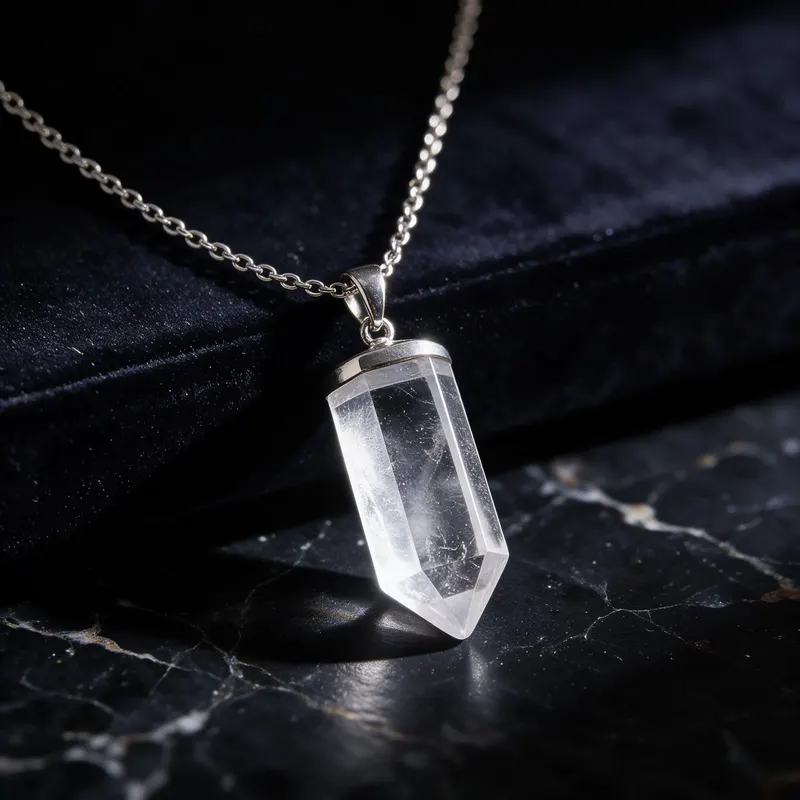
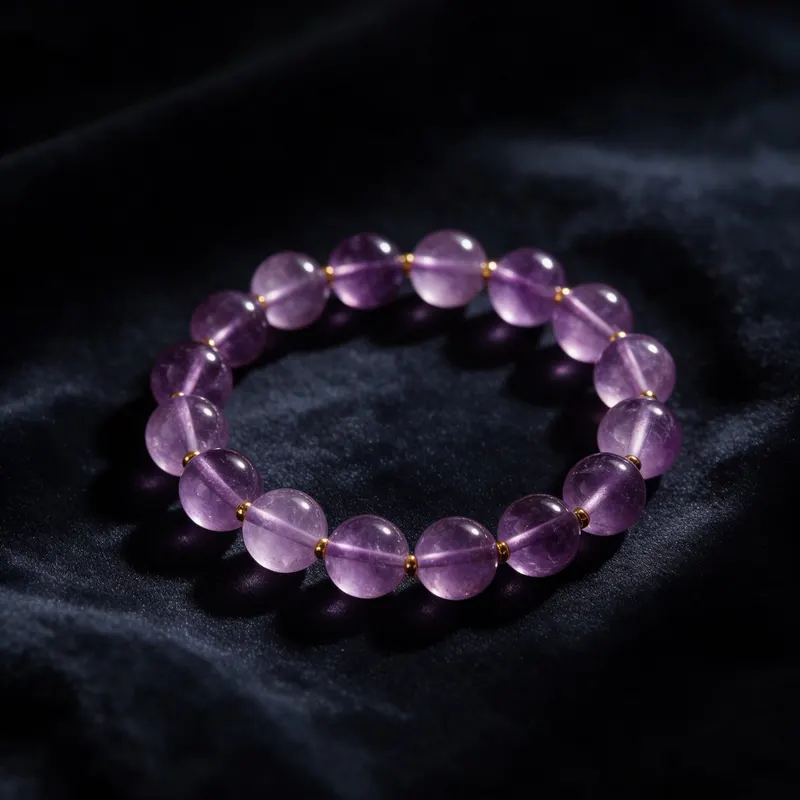
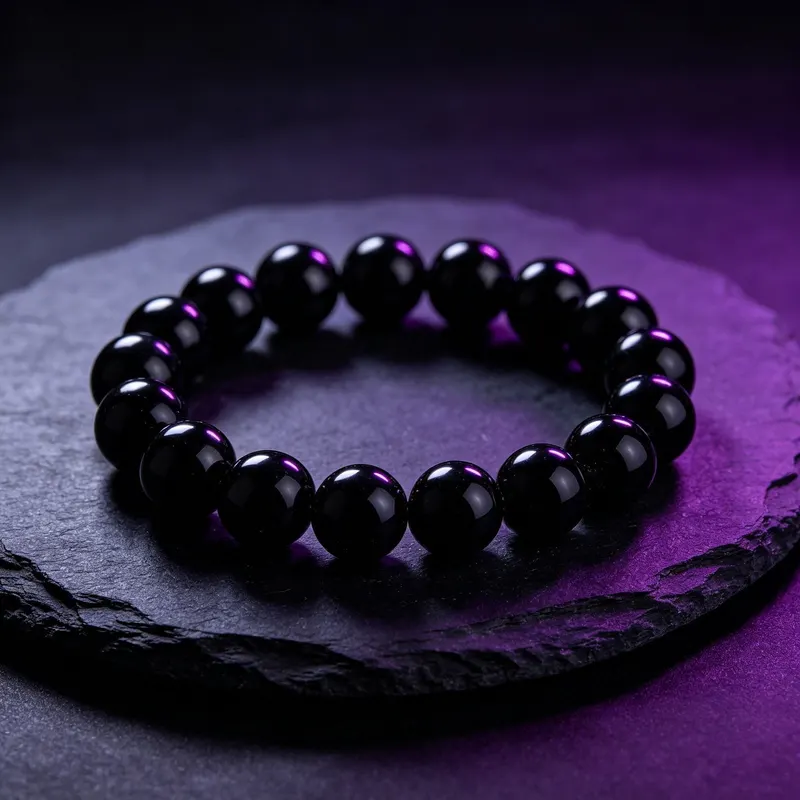
If you're building a collection suited to dry cleansing, start with hard, non-porous pieces. A Clear Quartz Point Pendant Necklace, Sterling Silver is a classic—hard, versatile, and easy to wipe dry. For a daily-wear piece, the Amethyst Healing Bracelet for Calm & Clarity is a natural fit; amethyst is hard enough for rice and traditionally associated with calm and clarity. If you prefer a grounding stone, the Black Tourmaline Protection Bracelet for Grounding is dense and dry-friendly.
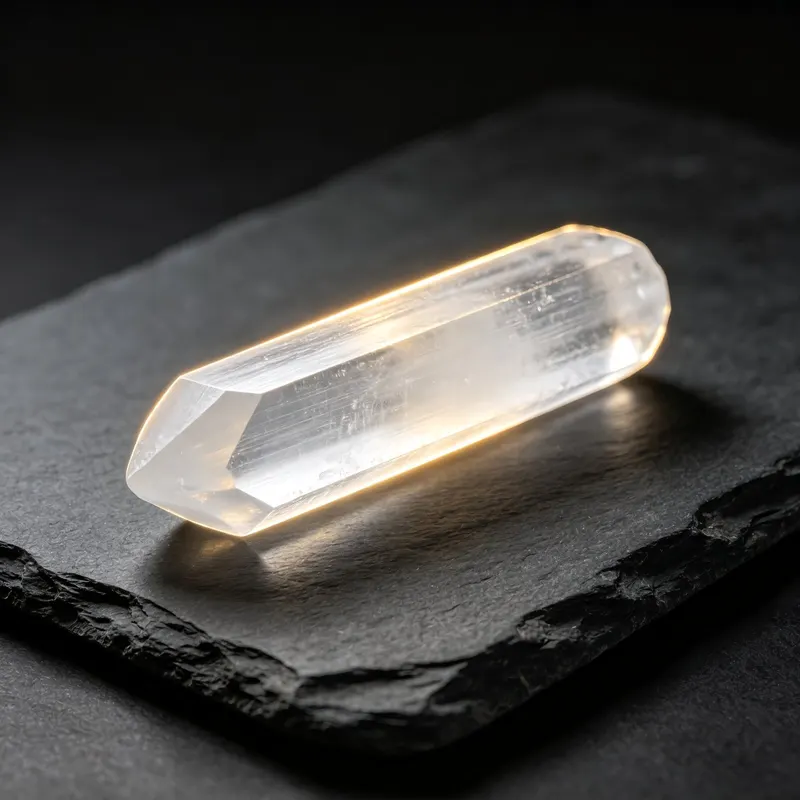
For a stone that's better cleansed by other means, a Selenite Cleansing Wand for Energy Clearing is traditionally used to cleanse other stones—keep it out of rice and simply wipe it dry. And if you're new to all of this, the Healing Crystal Starter Kit, 7 Stones + Guide gives you a range of hard stones to practice with.
FAQ
People Also Ask
How long do you leave crystals in brown rice?
Overnight is standard, and up to 24 hours is fine for a thorough reset. Longer offers no added benefit. Remove the stone and wipe it dry with a soft cloth afterward.
Can I reuse the rice after cleansing?
No. Tradition holds the rice has absorbed what was cleared, and practically it collects dust and oils from the stone. Discard it—and never cook or eat it.
Is brown rice better than white rice?
Tradition favors brown rice as a more "natural" or earthy medium, but there's no verifiable difference. Use what you have; the ritual matters more than the variety.
Can I cleanse metal jewelry this way?
Remove chains, clasps, and wire settings first. Bury only the stone. Metal can trap rice, tarnish, or scratch, and the rice won't help it.
A Quiet Reset
The brown rice method isn't the flashiest cleansing technique, but it's one of the gentlest—and it asks something of you: a pause, an intention, a little care. Used on the right stones and discarded afterward, it's a simple way to reset both your crystals and your attention. Browse our Raw Stones & Sets to find pieces suited to dry cleansing, and explore more in our guides on cleansing and charging and sound cleansing.
Crystals are for reflection and are not medical devices. This article is for informational and ritual purposes and is not a substitute for professional care.