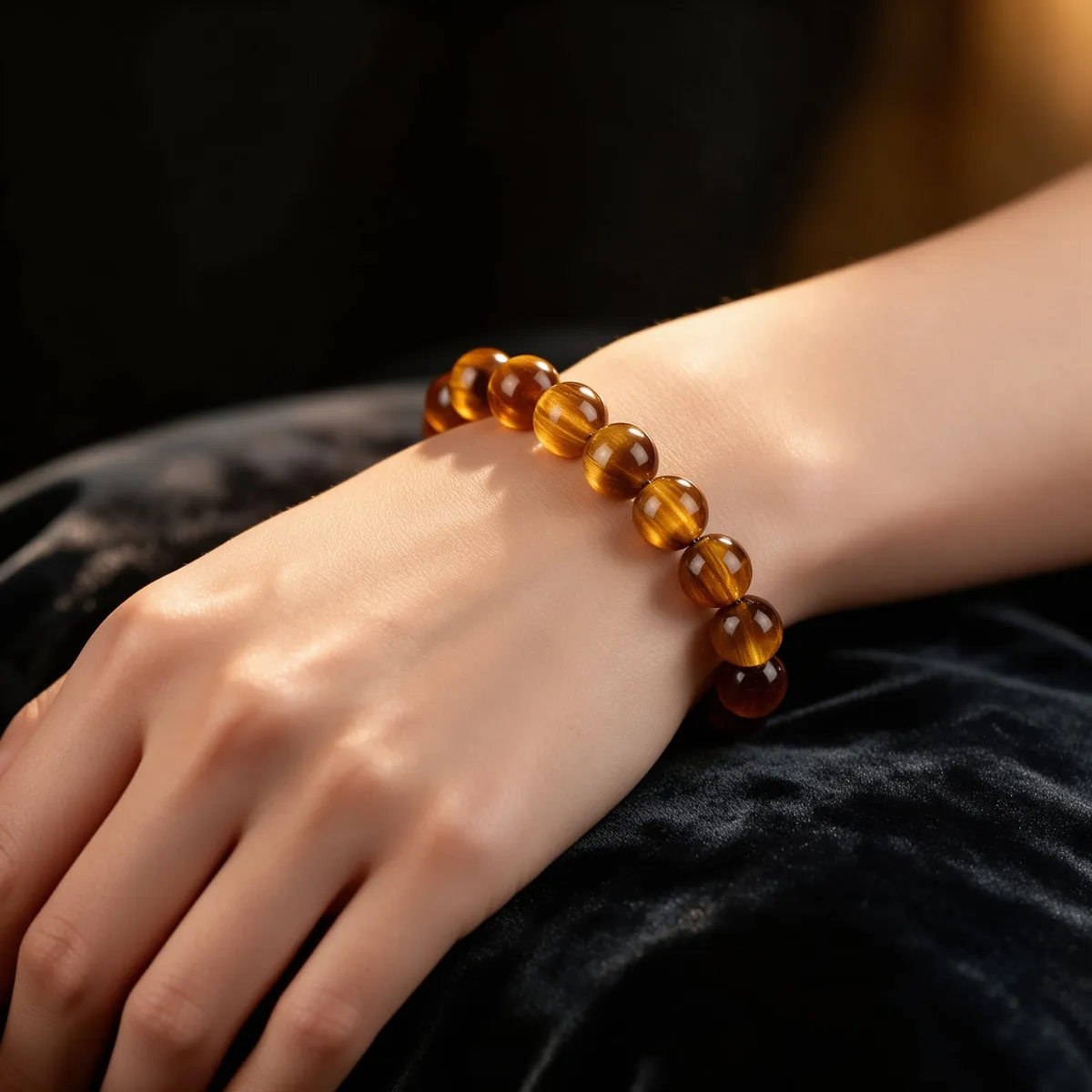
Why Moonlight Is the Gentlest Way to Cleanse and Charge
You have a small collection of stones on your dresser, a bracelet you wear most days, and maybe a pendant that has started to feel a little "heavy" or dull. You have read that crystals need cleansing and charging, but the methods you find online involve salt, running water, sunlight, or bundles of herbs that smoke up your apartment. You want something simple, quiet, and safe for every stone you own—including the soft ones you are worried about ruining.
Moonlight is that method. It requires no water, no smoke, no salt, and no handling of the stone itself, which makes it one of the few cleansing practices that is genuinely safe for almost every crystal, including porous, soft, and water-sensitive varieties. You set the stones out, you go to sleep, and you bring them in the next morning.
This guide walks through the full ritual step by step, explains the difference between full-moon and new-moon work, covers how long to leave stones out, flags which crystals fade in light, and gives you a workable indoor windowsill version for apartments and cloudy weeks. It also separates the traditional lore from what we can actually verify about your stones, so you can practice with confidence rather than guesswork.
Full Moon vs. New Moon: Which Night to Use
In crystal practice, the two moon phases carry different intentions. Neither is "better"—they simply do different jobs, and many people use both across a month.
| Phase | Traditional purpose | Best for | Typical timing |
|---|---|---|---|
| Full moon | Release, clearing, and recharging | Stones that feel stagnant, jewelry worn daily, a collection reset | The night of the full moon, plus one night before or after |
| New moon | Setting intentions and fresh starts | New stones, a new goal, a stone you are dedicating to a purpose | The night of the new moon, plus one night before or after |
If you only remember one night a month, the full moon is the most common choice because it is traditionally associated with clearing and replenishing. If you have just bought a new stone—say a Rainbow Moonstone Bracelet for Intuition & New Beginnings—the new moon is a natural fit for a first charging.
Step-by-Step: The Moonlight Cleanse and Charge
1. Pick your night and check the weather
Look up the moon phase and the forecast. A clear night is ideal, but thin cloud cover will not ruin anything—moonlight cleansing is a practice of intention as much as exposure. If rain or heavy dew is expected and you plan to leave stones outside, choose a sheltered spot or move to the windowsill version below.
2. Wipe each stone with a soft dry cloth
Dust, skin oils, and lotion residue dull a stone's surface and, practically speaking, are the main thing making it look tired. A dry microfiber cloth or soft cotton cloth is enough. For bracelets, wipe the beads and the elastic; for pendants, wipe the stone and the metal. Avoid ultrasonic cleaners and harsh chemicals, which can damage softer stones and plated finishes.
3. Choose a natural surface
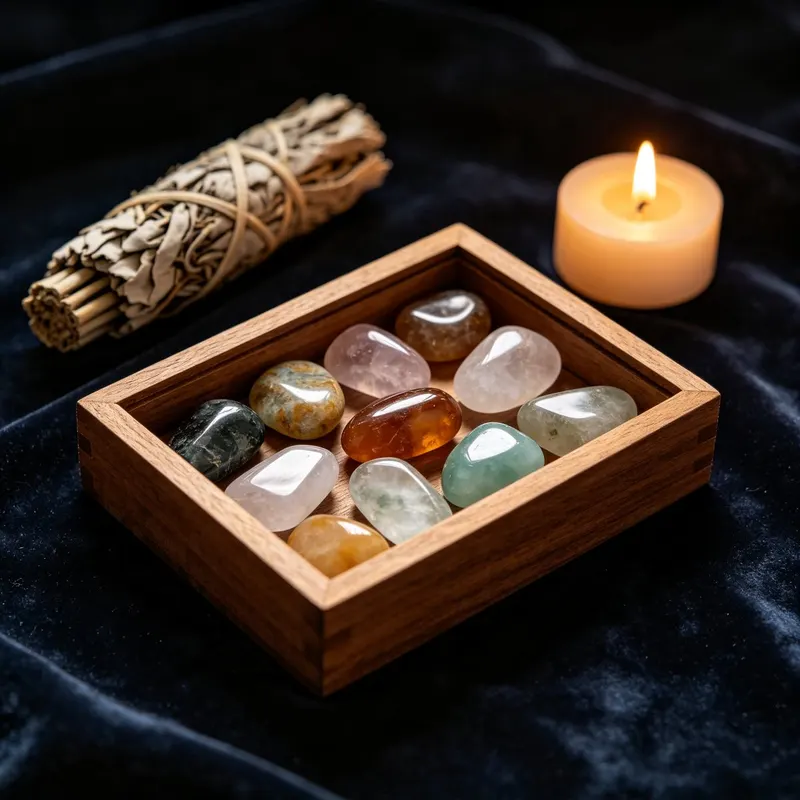
Traditionally, stones are placed on the earth, a wooden tray, a stone slab, or a natural fabric. The surface itself is not doing anything measurable—it is a marker that this is a deliberate practice rather than clutter. A wooden board or a linen cloth on a balcony rail works well and keeps stones from rolling.
4. Set them out where moonlight reaches them
Direct outdoor moonlight is ideal. A clear windowsill is the practical indoor alternative and works fine for most people. Arrange stones so they are not stacked, and keep small pieces—rings, tumbled stones—in a shallow dish so they do not get lost or blown away.
5. Leave overnight, then collect before strong morning sun
Moonrise to early morning is the standard window, roughly four to eight hours. The key practical instruction is to bring stones in before bright, direct morning sun hits them, because sunlight—not moonlight—is what fades certain crystals.
6. Reset your intention and put them back
Hold each stone briefly, name what you want it to support, and return it to its place. This closing step is what turns an overnight habit into a ritual. Keep it short—ten seconds per stone is plenty.
A Quick Pre-Cleanse Checklist
- Know your stone: confirm whether it is water-safe and light-sensitive before it goes outside (see the section below).
- Check the forecast: rain, dew, and wind are the main risks to outdoor stones.
- Use a tray or cloth: stops small stones rolling off ledges and balconies.
- Keep pieces separate: harder stones can scratch softer ones if they knock together.
- Set a morning reminder: collect before direct sun, especially for amethyst, rose quartz, and fluorite.
- Skip metal-heavy pieces outdoors: remove plated or sterling chains if rain is likely, and dry them thoroughly if they do get damp.
Which Crystals Fade or React to Light and Water
This is where a little practical knowledge protects your collection. Two separate issues matter: light sensitivity and water sensitivity.
- Light-sensitive (fade in prolonged sun): amethyst, rose quartz, fluorite, and many dyed or heat-treated stones. Moonlight itself is not the problem—bright direct sun over many hours is. Collect these early.
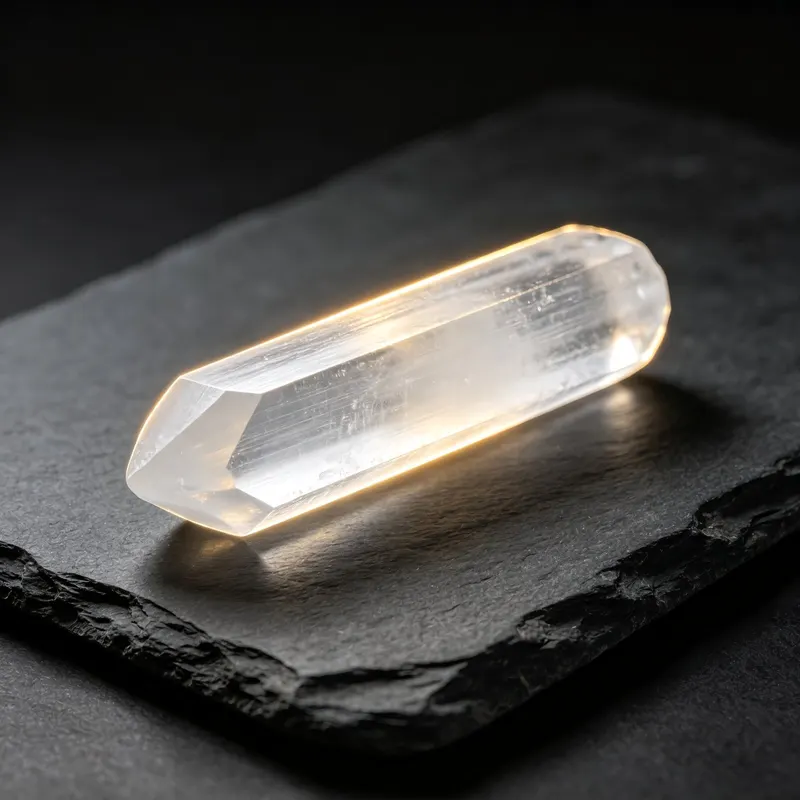
- Water-sensitive (avoid dew and soaking): selenite, halite, and other soft or porous stones, plus anything with a plated finish or glued setting. A Selenite Cleansing Wand for Energy Clearing, for example, should stay dry—selenite is soft and will pit or dissolve with repeated moisture.
- Generally robust: clear quartz, black tourmaline, obsidian, and tiger's eye tolerate outdoor nights well, though all stones benefit from being brought in before rain.
If you are unsure about a piece, the windowsill method removes the weather risk entirely and still gives you the ritual.
Indoor Windowsill Options for Apartments and Cloudy Weeks
You do not need a garden or a balcony. A windowsill that receives moonlight works, and consistency matters more than perfection.
- Pick the brightest window that faces the moon's path that night—often a south- or east-facing window, depending on the season.
- Clear the sill first. A clean, uncluttered surface makes the practice feel intentional and keeps stones from sitting in dust.
- Use a small tray or wooden board so pieces stay put and are easy to carry back.
- On cloudy nights, still set them out. The ritual is the point; you are not measuring light output.
- Keep curtains open and blinds up so the stone is not sitting behind glass and fabric.
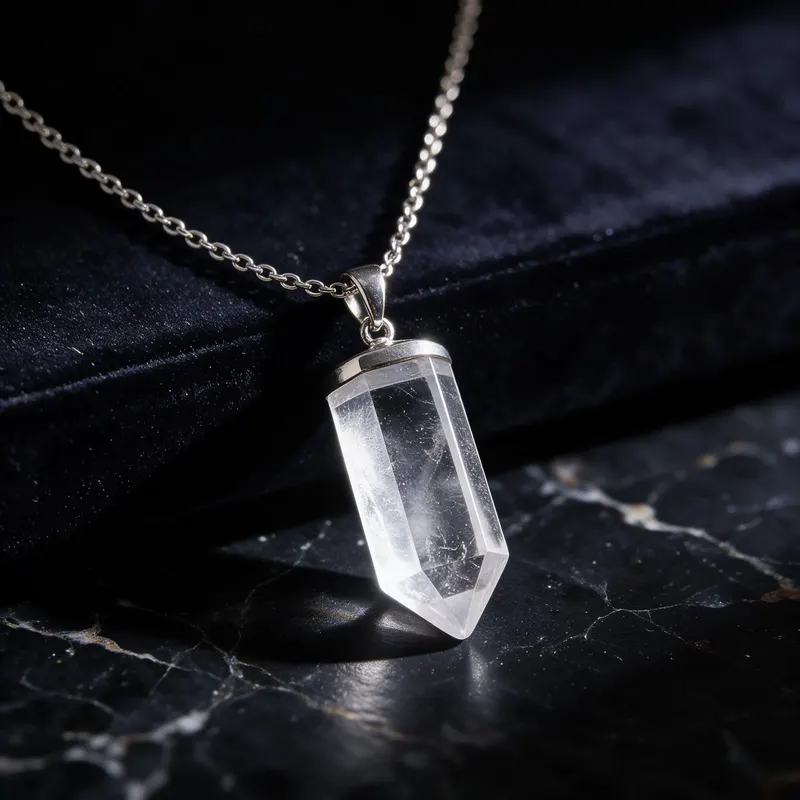
For pieces you wear daily, a windowsill is often the most realistic routine. A Clear Quartz Point Pendant Necklace, Sterling Silver can sit on the sill overnight and go back on in the morning with no fuss.
Folklore, and the facts we can check
Crystal practice blends centuries of folk tradition with modern gemology, and it helps to keep the two clearly separated.
What the tradition says: moonlight is believed to clear stagnant energy and restore a stone's "charge." Full moons are traditionally associated with release and recharging; new moons with intention-setting. Many practitioners hold that stones absorb and hold energy from their environment and benefit from regular clearing. These are meaningful frameworks for reflection and ritual—they are not scientific claims, and we present them as tradition, not fact.
What we can verify: the practical, measurable properties of your stones.
- Hardness (Mohs scale): this tells you how easily a stone scratches. Quartz sits at about 7, feldspars like moonstone and labradorite around 6–6.5, fluorite at 4, and selenite around 2. Softer stones scratch easily and should be stored separately from harder ones.
- Light sensitivity: prolonged direct sunlight can fade the color of amethyst, rose quartz, and fluorite. This is a real, observable effect—keep these out of long sun exposure.
- Water sensitivity: selenite and other soft, porous, or soluble minerals can be damaged by water. Plated metals can tarnish or flake with moisture.
- Care basics: wipe with a soft dry cloth, avoid harsh chemicals and ultrasonic cleaners on soft or treated stones, and store pieces so they do not rub against each other.
None of this diminishes the ritual. It simply means you can practice with confidence and without damaging the stones you love.
Choosing Stones for Moon Work
If you are building a small set specifically for moonlight practice, a few considerations help.
- Start with what you wear. Cleansing is most useful for the pieces in daily contact with your skin—bracelets and pendants.
- Match the stone to the phase. Full moon suits clearing and grounding pieces; new moon suits stones you associate with beginnings and intention.
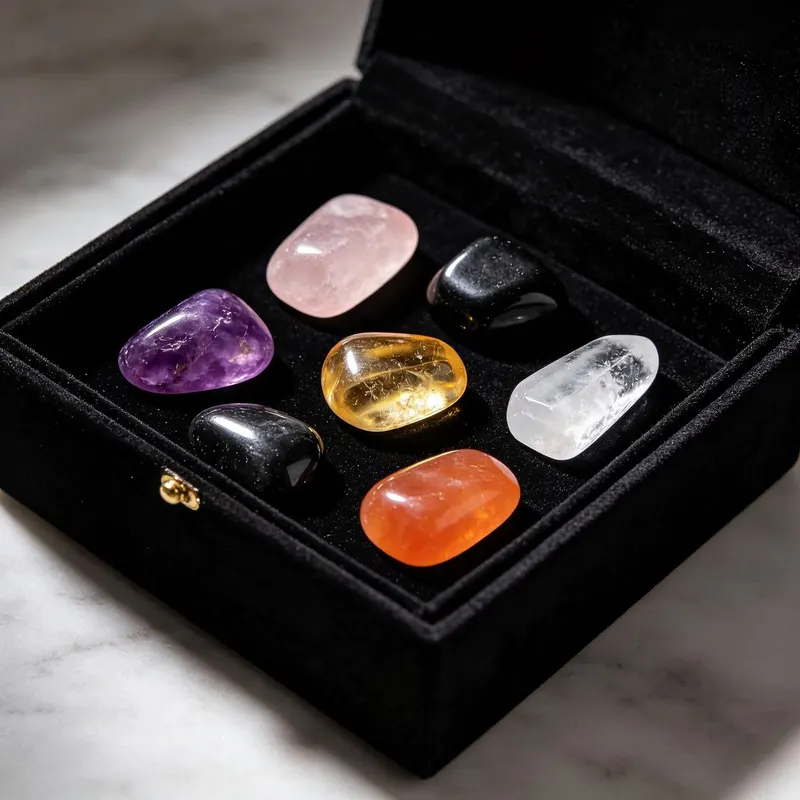
- Keep a mixed set for convenience. A Healing Crystal Starter Kit, 7 Stones + Guide gives you a range of stones to work with and a reference for each.
- Consider a dedicated meditation piece. A Raw Amethyst Cluster for Meditation & Altar is a natural anchor for a monthly full-moon ritual, though it should be kept out of long direct sun.
- Think about size and storage. Bracelets are typically sized by bead diameter (commonly 6mm, 8mm, or 10mm) and elastic fit; pendants by chain length. Check measurements before buying so a piece actually gets worn—unworn stones rarely get cleansed.
Realistic price expectations: simple beaded bracelets and small tumbled or raw pieces generally run from modest entry-level prices up to around the low hundreds of dollars for larger specimens or precious-metal settings. Sterling silver and gold-plated pendants cost more than plain cord or elastic pieces. Be wary of unusually low prices on stones described as rare, and remember that natural stones vary in color and pattern—some variation is normal, not a defect.
FAQ
People Also Ask
How long should crystals sit in moonlight?
Overnight, from moonrise to before strong morning sunlight, is the standard practice—roughly four to eight hours. There is no strict minimum; consistency matters more than duration.
Do crystals need direct moonlight through a window?
Direct outdoor moonlight is ideal, but a clear windowsill is a practical indoor alternative and works well for most people. Keep curtains and blinds open so the stone is not sitting behind fabric.
Can I cleanse and charge crystals in moonlight if it is cloudy?
Yes. Many practitioners set stones out regardless of cloud cover, treating the ritual as the point rather than the light itself. If rain or heavy dew is forecast, use a windowsill or a sheltered spot.
Is moonlight safe for every crystal?
Moonlight itself is gentle and safe for nearly all stones. The real risks are weather and morning sun: protect water-sensitive stones like selenite from dew and rain, and bring light-sensitive stones like amethyst, rose quartz, and fluorite in before bright direct sun.
A Simple Monthly Rhythm
You do not need an elaborate setup. Pick one night near the full moon, wipe your stones, set them on a tray by a window or outside, and collect them before the morning sun. On the new moon, do the same with a single intention in mind. Over a few months this becomes a quiet, grounding habit—one that keeps your collection clean, cared for, and meaningful.
Start with the pieces you wear most, add a stone or two as your practice grows, and let the ritual stay simple enough that you actually keep it.
Crystals are offered for reflection and wellness, not as medical devices, and are not a substitute for professional medical care.