When to Cleanse: Reading the Signs Instead of the Calendar
You bought a crystal bracelet or pendant, wore it daily, and now something feels off. Maybe the stone looks duller than you remember. Maybe you had a hard week and the bracelet sat on your wrist through all of it. Or maybe a friend tried it on, and you're not sure whether that matters. You've read that crystals need cleansing, but every source gives a different schedule — once a week, once a month, after every wearing — and none of them explain how to actually tell.
Here's the honest answer: there is no universal schedule, and the "signs" most practitioners describe are subtle and personal. What follows is a practical framework — the six cues people commonly watch for, how to tell a genuine care issue from a mood, and how to refresh a stone safely depending on what it's made of. Treat the signs as prompts for attention, not as diagnostics.
One note before we start: crystals are objects for reflection and ritual. They are not medical devices, and nothing here is health advice. If you're dealing with anxiety, stress or any health concern, a crystal can sit alongside professional support — it doesn't replace it.
There Is No Exact Schedule
Cleansing is not like a service interval. It depends on how often a stone is worn or handled, who touches it, where it's stored, and what role it plays in your practice. A bracelet worn every day against skin, lotion and weather will pick up more physical grime than a cluster sitting on a shelf. A pendant you wear only for meditation may go months without needing anything.
Rather than counting days, practitioners watch for a handful of signs. Some are physical and verifiable — residue, dullness from skin oils, a loose setting. Others are intuitive: a sense that the stone feels "flat" or that you want a fresh start. Both kinds are worth noticing, but it helps to know which is which.
Six Common Signs
- The stone feels heavy or "flat." A crystal that usually feels bright in the hand may seem dull or draining. This is a subjective impression, not a measurable property — but it's the most commonly cited cue, and it's a good prompt to slow down and check in with yourself.
- It looks less lively. Natural stones don't fundamentally change, but skin oils, sunscreen, soap residue and dust can coat a surface and mute its sparkle. This one is often literally cleanable — see the care notes below.
- Someone else held it for a while. After a friend tries on a bracelet or handles a pendant, many people like to cleanse before wearing it again. The tradition frames this as clearing another person's energy; practically, it's also a hygienic reset.
- You have leaned on it heavily. A stone worn through a stressful week, a difficult conversation or an intense ritual is often cleansed afterward. The ritual marks a transition; the cleansing closes it.
- You have just bought it. New stones pass through many hands — cutters, setters, packers, shippers. A first cleanse is a common practice, and a gentle wash is also a sensible way to remove handling residue.
- You simply feel like it. Intention matters. Cleansing because you want a fresh start is reason enough; the practice is yours to define.
What folklore claims — and what is verifiable
It's worth separating two things that often get blended together: traditional lore about energy, and the physical facts of gemstone care. The first is a matter of belief and practice. The second is a matter of chemistry and hardness, and getting it wrong can genuinely damage a stone.
On hardness, the Mohs scale runs from 1 (talc) to 10 (diamond). Most jewelry stones sit between 6 and 8. Anything at 7 or below — including amethyst, rose quartz, moonstone and fluorite — can be scratched by household dust (which contains quartz at 7) and is vulnerable to knocks. Softer stones like selenite (around 2) and lapis lazuli (around 5–6) scratch easily and should be handled gently and stored separately.
On water and sunlight, the risks are real and specific:
| Stone | Approx. Mohs hardness | Water | Sunlight | Practical note |
|---|---|---|---|---|
| Clear quartz | 7 | Generally fine | Fine | Durable; still avoid harsh cleaners |
| Amethyst | 7 | Generally fine | Prolonged direct sun may fade color | Store away from windows |
| Rose quartz | 7 | Generally fine | Prolonged sun may fade color | Wipe settings dry |
| Citrine | 7 | Generally fine | Prolonged sun may fade color | Heat and sun can dull tone |
| Black tourmaline | 7–7.5 | Generally fine | Fine | Sturdy everyday stone |
| Tiger's eye | 6.5–7 | Brief rinse only | Fine | Avoid soaking; dry thoroughly |
| Labradorite | 6–6.5 | Avoid soaking | Fine | Cleavage planes make it brittle |
| Moonstone | 6–6.5 | Avoid soaking | Fine | Soft; prone to scratching |
| Fluorite | 4 | Avoid water | May fade in strong sun | Very soft; dry methods only |
| Lapis lazuli | 5–6 | Avoid water | Fine | Porous; can be damaged by soaking |
| Carnelian | 6.5–7 | Generally fine | Prolonged sun may fade color | Dry settings after rinsing |
| Selenite | ~2 | Never — it dissolves | Fine | Keep dry; store away from moisture |
Two more verifiable points. First, salt — a popular traditional cleansing method — is abrasive and can pit or scratch softer stones and corrode metal settings, so dry salt beds are best kept away from jewelry. Second, any stone set in sterling silver or gold plating should be kept away from harsh chemicals, chlorine and prolonged soaking, regardless of the stone's hardness. When in doubt, choose a dry method.
Matching the Method to the Stone
Once you've decided a refresh is due, the method should follow the material, not the other way around.
- Water-safe, unset stones (quartz family, tourmaline): a brief rinse in lukewarm water, patted dry with a soft cloth. Skip hot water and sudden temperature changes, which can crack some stones.
- Jewelry with settings or plating: wipe with a soft dry or barely damp cloth. Avoid submerging plated pieces, and dry thoroughly around prongs.
- Soft or porous stones (fluorite, lapis, selenite, moonstone): dry methods only — smoke, sound, moonlight, or resting near a cleansing stone.
- Traditional smoke cleansing: pass the stone through incense or dried-herb smoke for thirty seconds to a minute. Keep it brief and ventilate the room.
- Selenite as a cleansing station: a selenite plate or wand is traditionally used to "clear" other stones. Note that selenite itself is water-soluble, so keep it dry and store it away from humid bathrooms.
A Quick No-Water Refresh
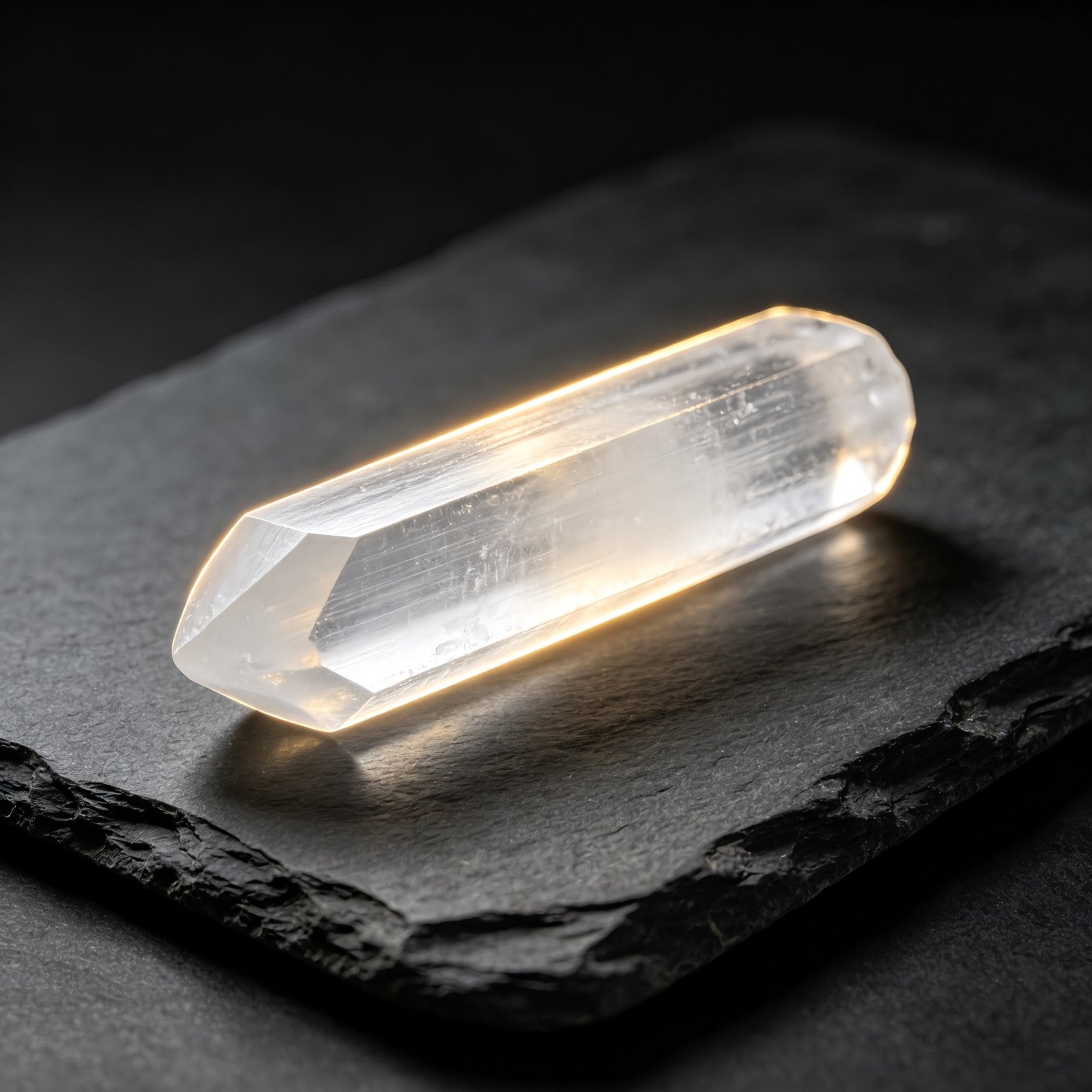
If the stone is set in jewelry or isn't water-safe, you don't need a full ritual. Hold it in moving smoke from incense for a minute, rest it on a selenite plate or beside a Selenite Cleansing Wand for Energy Clearing, or simply visualize light moving through it while you breathe slowly for sixty seconds. These methods avoid the risks of water and salt entirely — and the minute of stillness is arguably the most useful part.
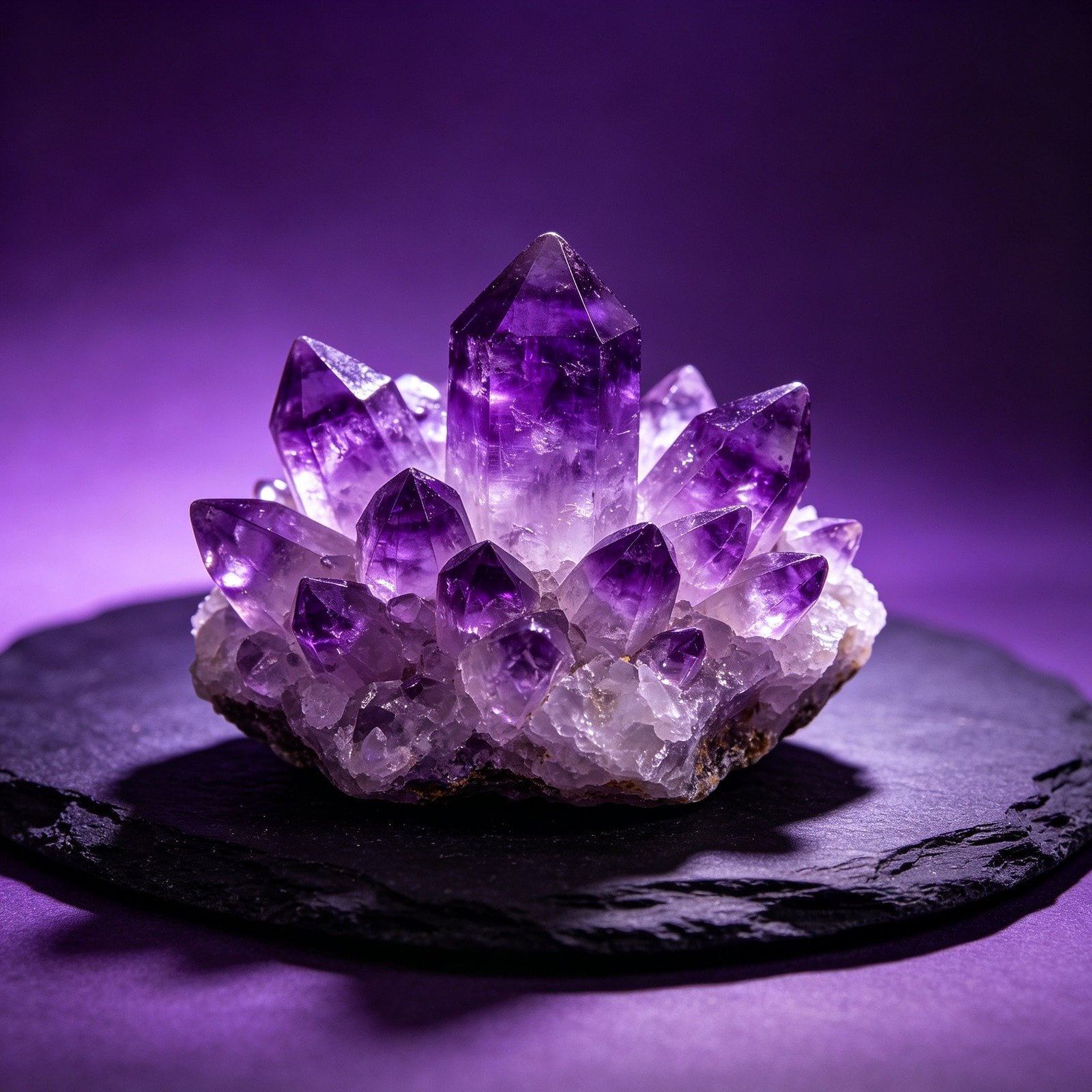
For pieces you wear daily, a simple weekly habit works well: a soft dry wipe, a minute of quiet intention, and back in the jewelry box. If you keep a raw piece on a meditation altar, a Raw Amethyst Cluster for Meditation & Altar can anchor the ritual — cleanse it monthly or whenever your practice feels stale.
Cleansing vs Charging
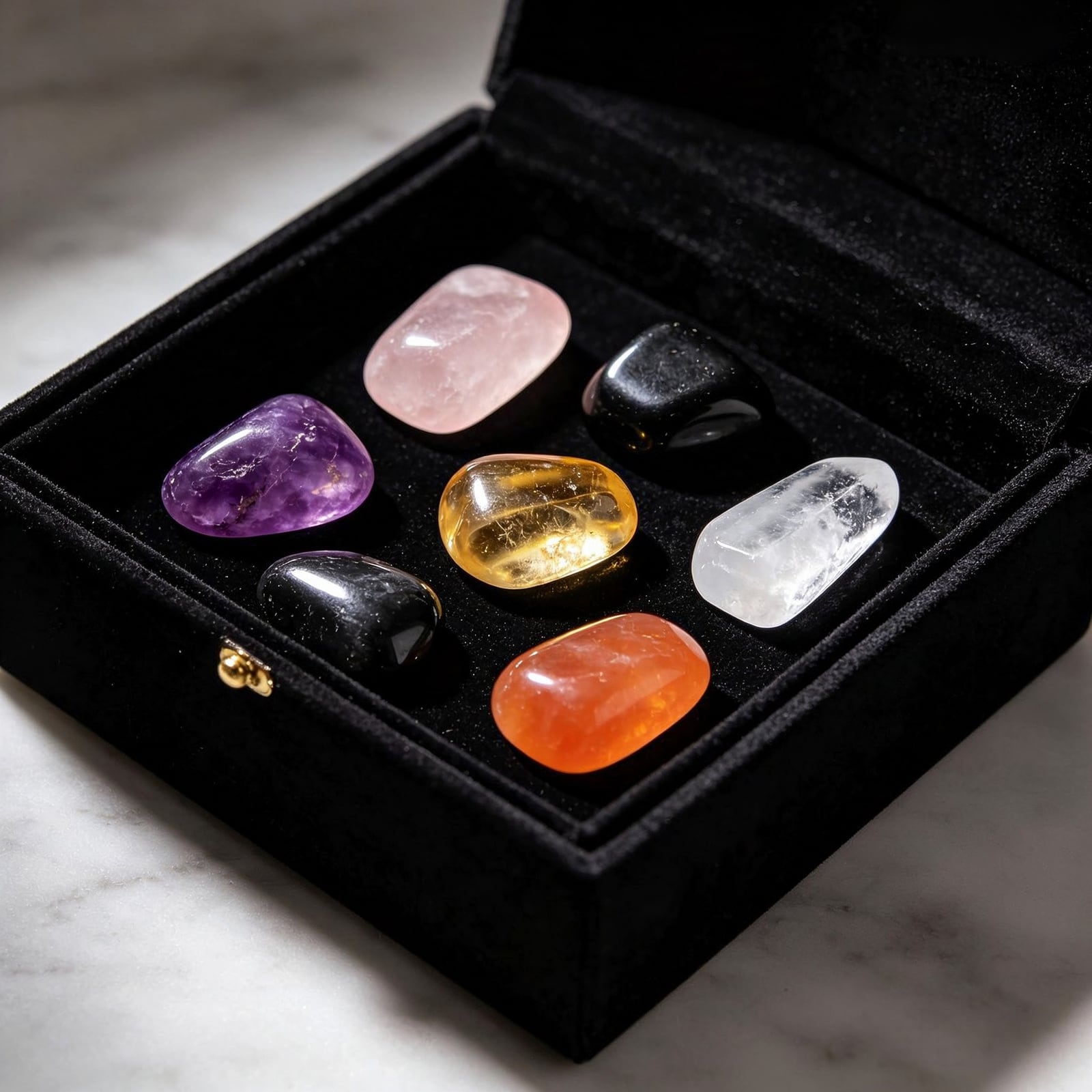
Cleansing clears accumulated energy; charging refills a stone with intention. The two often happen together but are not the same thing — this guide explains the difference between cleansing and charging. In practice: cleanse first (a wipe, a rinse, a minute of smoke), then charge by holding the stone and setting a clear intention, or by resting it in moonlight overnight. If you're building a first collection, a Healing Crystal Starter Kit, 7 Stones + Guide includes stones soft enough that dry methods are the safe default while you learn each one's needs.
How to Choose and Care for Cleansing-Friendly Pieces
If you're shopping with cleansing in mind, a few practical filters help:
- Know the stone before you buy. Ask what it is and check its hardness. Anything under 7 needs gentler handling and dry cleansing.
- Check the setting. Plated chains and glued settings don't tolerate soaking. Solid sterling silver is more forgiving but still prefers a dry wipe.
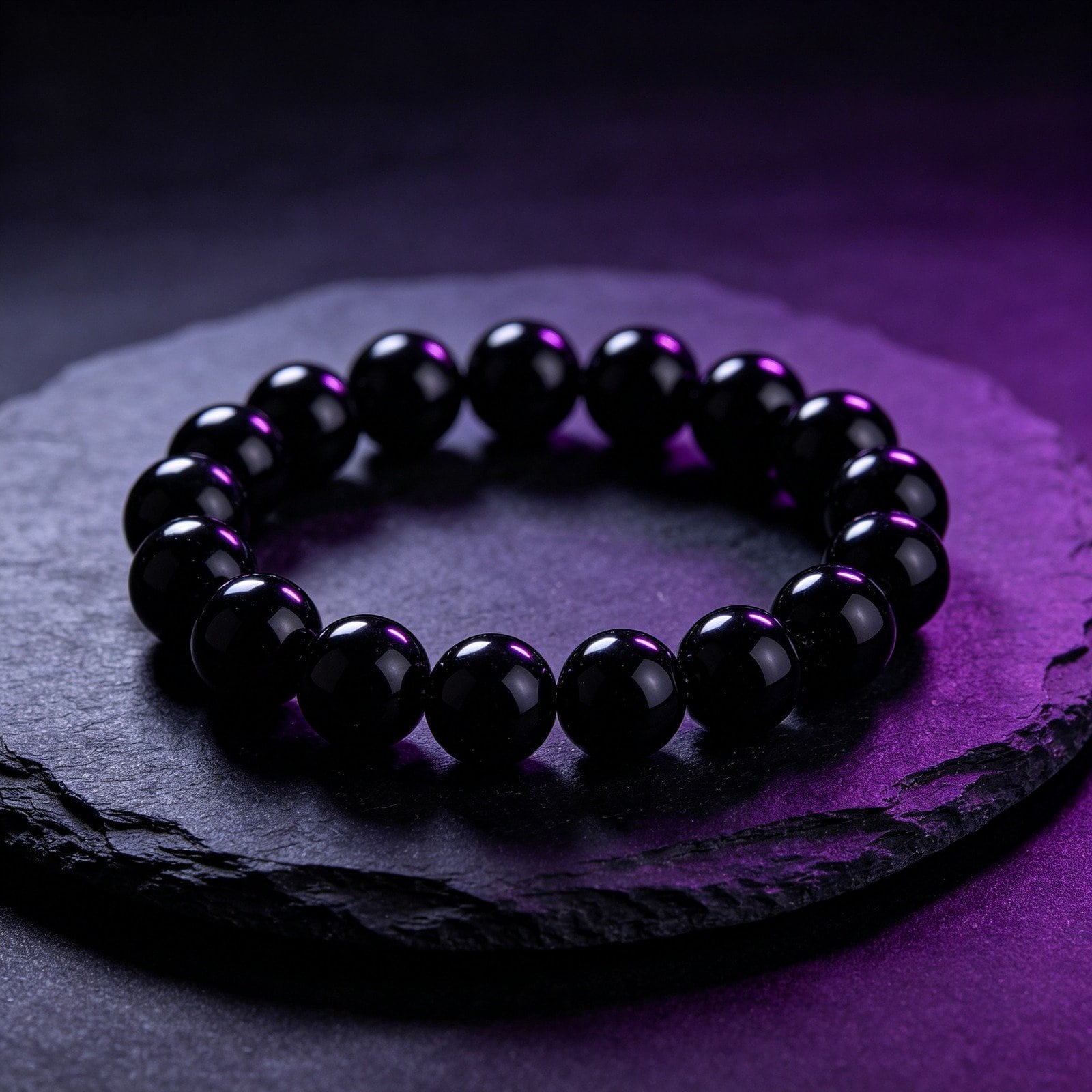
- Match the piece to your routine. A daily-wear bracelet in Black Tourmaline Protection Bracelet for Grounding is sturdy and easy to wipe clean; a soft Rainbow Moonstone Bracelet for Intuition & New Beginnings deserves more careful storage.
- Expect realistic prices. Natural stone bracelets typically run from around $20 to $60; pendants in sterling silver or gold plating generally sit between $40 and $120; raw clusters and selenite wands vary widely with size. Be wary of prices far below market — they often signal dyed, heat-treated or synthetic material, which isn't inherently bad but should be disclosed.
- Ask about treatments. Many citrine and amethyst pieces are heat-treated, and some stones are dyed. Reputable sellers say so.
Frequently Asked Questions
What happens if you don't cleanse your crystals?
Nothing dramatic. Practitioners simply feel the stone is less "fresh." Physically, a worn piece may collect oils and dust, which a wipe will fix. Cleansing is a personal practice — follow the signs you notice rather than a rule.
How long does cleansing take?
Methods range from a minute of visualization or smoke to an overnight rest on a selenite plate or in moonlight. There's no required duration; choose what fits your routine.
Do new crystals need cleansing?
Many people cleanse new stones because they've been handled and transported. It's a common first step and a sensible way to remove handling residue, but it isn't required.
Can I cleanse a crystal with salt water?
We'd avoid it. Salt is abrasive, can pit softer stones, and can corrode metal settings. Dry salt beds are also risky for jewelry. A dry wipe, brief smoke, or a rest on selenite achieves the same ritual purpose without the damage.
A Simple Rhythm to Start With
You don't need a schedule. Start with a soft dry wipe once a week for pieces you wear daily, a deeper cleanse after intense periods or when someone else has handled a stone, and a first cleanse for anything new. Let the six signs be your prompt rather than a calendar — and let the care notes protect the stone itself. If you'd like a place to begin, browse the Bestsellers collection or revisit How Often to Cleanse and After Someone Touches It.
Crystals are for reflection and are not medical devices. This article is offered for wellness and spiritual support, not as medical, psychological or financial advice, and outcomes are not guaranteed.