Why Your Crystals Feel "Flat" - and What Recharging Really Means
If you wear a bracelet every day, keep a pendant on your nightstand, or set a cluster beside your meditation cushion, you have probably noticed that a stone can start to feel like background noise. Many people describe their pieces as "tired," "dull," or simply less noticeable after weeks of constant wear. In crystal practice, that drifting feeling is the cue to recharge.
Recharging is the second half of a two-part routine. Cleansing is understood as clearing a stone of accumulated energy; recharging is understood as inviting fresh energy or a renewed intention back into it. Think of it less as plugging in a battery and more as resetting a habit - the stone stays the same, but your relationship to it gets a clean start.
This guide compares six common methods, explains which stones suit which approach, and separates traditional lore from the practical facts that actually protect your collection. If you are new to the practice, start with one method and one stone rather than overhauling everything at once.
The Six Recharge Methods, Compared
No single method is "best." The right choice depends on the stone's hardness, its sensitivity to light and water, and how much time you realistically have. Here is the honest comparison.
| Method | Best For | Time Needed | Watch Out For |
|---|---|---|---|
| Moonlight | Almost every stone, especially pieces you wear daily | Overnight | Rain and damp windowsills; bring pieces inside before storms |
| Selenite plate or wand | Quick daily upkeep, bracelets and rings | A few hours to overnight | Selenite itself is soft and water-soluble - keep it dry |
| Sound | Delicate stones, tumbled pieces, tight time budgets | 30-60 seconds | Nothing physical touches the stone, so risk is minimal |
| Sunlight | Hardy, light-stable stones like clear quartz | 15-30 minutes | Fading in amethyst, rose quartz, fluorite, and other dyed or light-sensitive stones |
| Earth | Hardy stones that can be cleaned afterward | A few hours to a day | Soil staining, moisture, and losing small pieces - use a marked spot |
| Intention | Any stone, any time, anywhere | Under a minute | Nothing physical - but it works best paired with a regular rhythm |
1. Moonlight
Moonlight is the gentlest and most forgiving method, which is why it is the default recommendation for beginners. Place your pieces on a windowsill or outdoor ledge overnight, ideally during a full moon but perfectly fine on any clear night. Traditionally, moonlight is associated with intuition, calm, and gentle renewal - a natural fit for stones you use for reflection.
Practically, moonlight is safe for nearly every stone because it involves no heat, no water, and no abrasion. The real risks are weather and gravity: rain, condensation, and a curious pet or a gust of wind. Use a shallow tray with a lip, and bring pieces in if the forecast turns.
2. Selenite
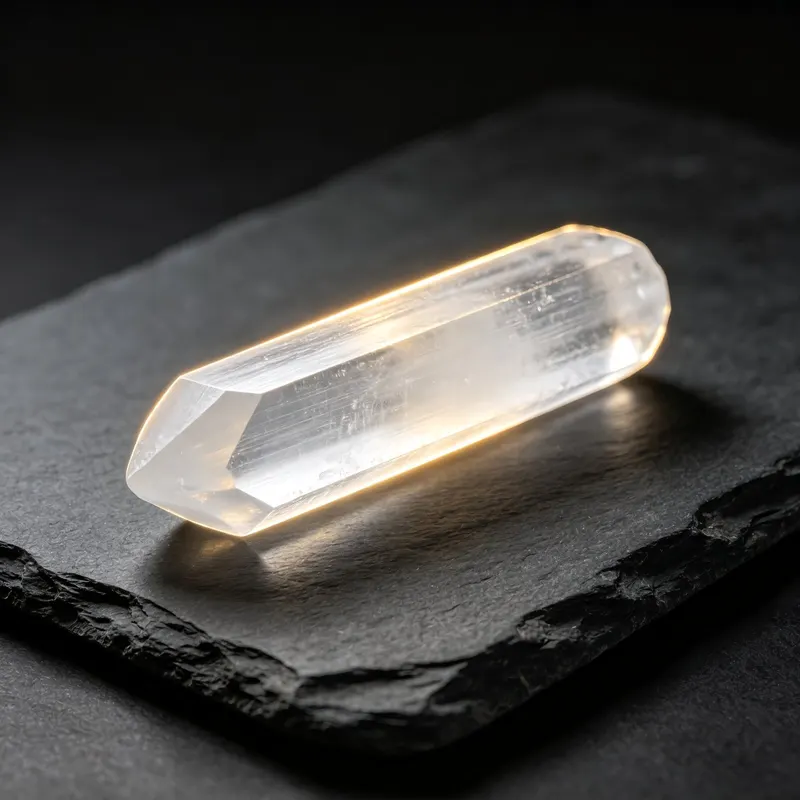
Resting a piece on a Selenite Cleansing Wand is the lowest-effort daily habit in crystal care. Selenite is traditionally believed to clear and recharge other stones simply by proximity, which makes it ideal for the pieces you wear constantly and do not want to think about.
One caveat that matters more than any lore: selenite is genuinely soft (Mohs 2) and slightly water-soluble. Keep the wand dry, store it flat so it does not chip, and never rinse it under a tap. A dry, dust-free shelf is all it needs.
3. Sound
A singing bowl, tuning fork, or even a chime held near the stone for 30-60 seconds is the safest method for fragile or porous pieces. Nothing touches the crystal, so there is no scratching, no moisture, and no fading. Many practitioners use sound as a reset between deeper recharges rather than a replacement for them.
It is also the most portable option - a tuning fork in a drawer takes up no space and works in a hotel room.
4. Sunlight
Sunlight is powerful and fast, and it is also the method most likely to damage your collection. Brief morning sun - 15 to 30 minutes - is plenty for hardy stones like clear quartz. Prolonged exposure fades amethyst, rose quartz, fluorite, and many dyed or treated stones, sometimes permanently and often gradually enough that you do not notice until the color has shifted.
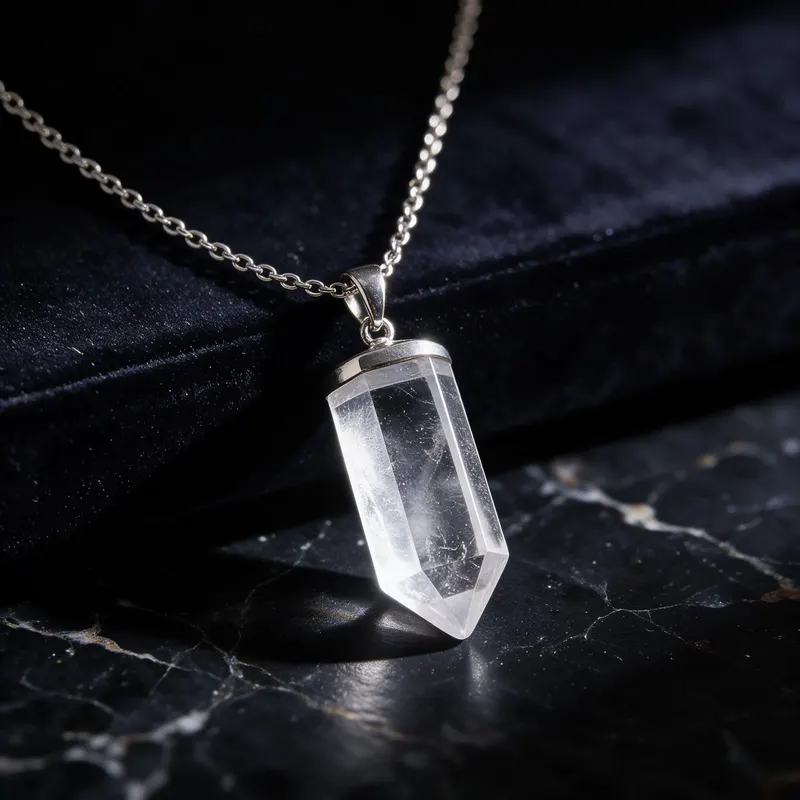
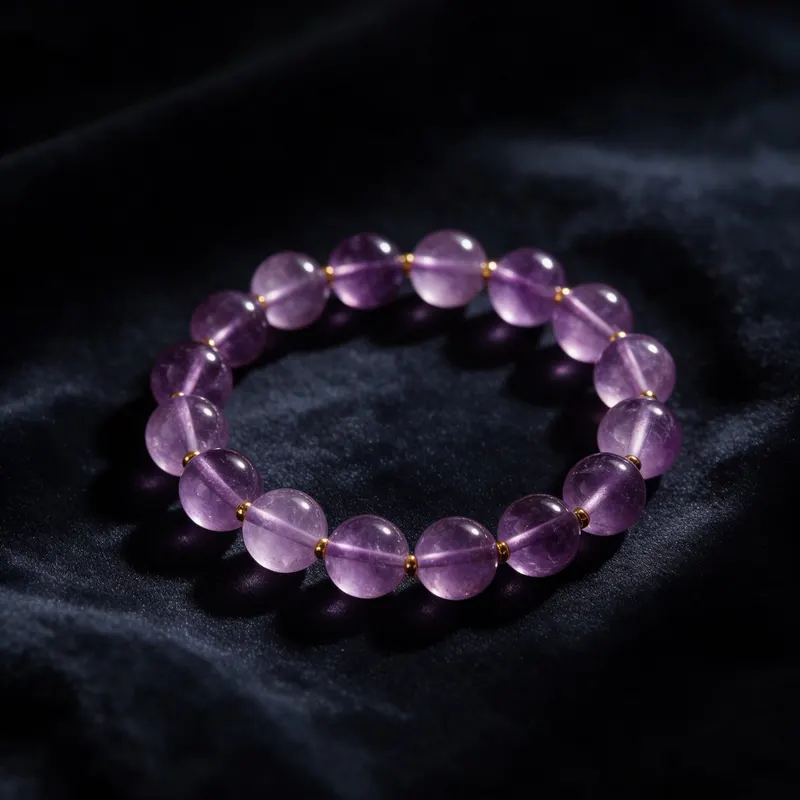
If you love a sunny windowsill, rotate pieces and keep light-sensitive stones to the shaded side. A Clear Quartz Point Pendant Necklace, Sterling Silver handles sun well; a Amethyst Healing Bracelet for Calm & Clarity does not, so keep the amethyst to moonlight and selenite instead.
5. Earth
Burying a stone in soil or nestling it into a potted plant for a few hours is a traditional way to "ground" a piece and reconnect it with natural cycles. It suits hardy stones - clear quartz, black tourmaline, obsidian - and it is best done briefly and in a spot you will remember.
Clean the stone thoroughly afterward with a soft dry cloth. Avoid earth recharging for porous, soft, or water-sensitive stones, and skip it entirely for pieces with metal findings, which can tarnish or trap grit.
6. Intention
The simplest method requires nothing but your attention. Hold the stone, breathe slowly, and consciously direct a clear intention into it - a word, a phrase, or a single feeling. This is traditionally the heart of the practice, and it takes seconds.
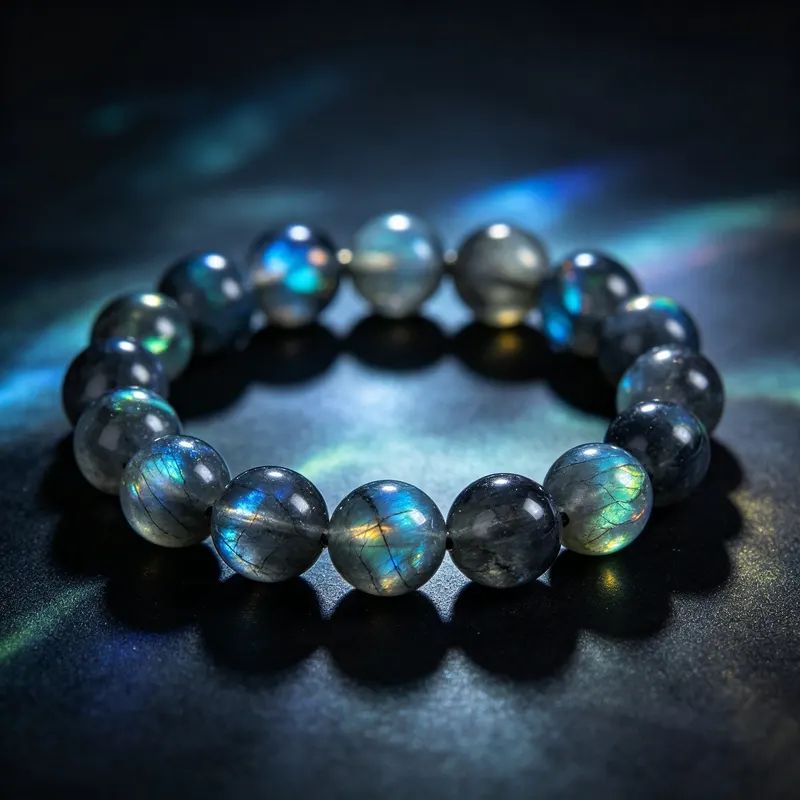
Intention works best when paired with a physical anchor. Set the stone down afterward in the same place each time, so the act of picking it up becomes a cue. For a piece like the Labradorite Bracelet for Intuition & Transformation, a short intention ritual before journaling or meditation gives the practice a natural home in your day.
Tradition and evidence, side by side
Crystal practice is a tradition of reflection, not a branch of materials science. It is worth being clear about which claims are cultural and which are measurable.
Traditional lore
- Stones are believed to absorb and hold energy, and to need clearing and recharging.
- Moonlight, selenite, sound, earth, and focused intention are all traditionally associated with renewal.
- Specific stones are traditionally associated with specific qualities - amethyst with calm, citrine with abundance, rose quartz with love.
What we can verify
- Hardness (Mohs scale): quartz is 7, amethyst 7, labradorite 6-6.5, fluorite 4, selenite 2. Softer stones scratch easily and should never share a pouch with harder ones.
- Light sensitivity: amethyst, rose quartz, fluorite, and many dyed stones can fade with prolonged UV exposure. This is a real, observable change in the material.
- Water sensitivity: selenite dissolves; porous stones and metal settings corrode. Dry methods are always the safer default.
- Heat and thermal shock: sudden temperature changes can crack stones. Avoid hot cars, radiators, and boiling water.
- Care basics: store pieces separately, dust with a dry soft cloth, and keep metal findings dry.
What we cannot verify is any energetic effect. No controlled study establishes that a stone holds or releases energy in the way tradition describes. That does not make the practice meaningless - it makes it a reflective ritual, which is how we present it. Crystals are for reflection and are not medical devices.
How to Choose Your Method: A Quick Checklist
- Is the stone soft or water-soluble? (selenite, fluorite) - use sound, intention, or a dry selenite plate. Never water or earth.
- Is the color light-sensitive? (amethyst, rose quartz, fluorite) - moonlight only, no direct sun.
- Does it have metal findings? - keep it dry; skip earth and water entirely.
- Do you wear it daily? - a nightly selenite plate is the easiest habit.
- Is it a display piece? - a monthly moonlight night covers the whole shelf at once.
- Short on time? - 30 seconds of sound or intention still counts.
Building a Rhythm That Sticks
The most common mistake is overcomplicating it. A rhythm you actually keep beats an elaborate one you abandon after a week.
- Daily-worn pieces: rest on a selenite plate or wand overnight.
- Whole collection: moonlight once a month, ideally on a clear night near the full moon.
- After intense use: a sound reset or a short intention ritual following travel, a difficult week, or a big transition.
- Seasonally: a full clean-and-recharge of every piece, with a check for scratches, loose settings, and fading.
If you are building a collection, a Healing Crystal Starter Kit, 7 Stones + Guide gives you a small, manageable set to practice on before you scale up. For a piece that anchors a daily ritual, the Raw Amethyst Cluster for Meditation & Altar sits naturally on a shelf and pairs well with monthly moonlight.
FAQ
People Also Ask
How often should I recharge my crystals?
Daily-worn pieces benefit from a nightly selenite rest; a wider collection is commonly recharged monthly under a full moon. There is no fixed rule - recharge when a piece starts to feel like background noise or after intense use.
What is the fastest way to recharge a crystal?
Holding the stone and directing a clear, focused intention takes seconds and works alongside any other method. Sound is the fastest physical method at 30-60 seconds.
Can I recharge crystals in the sun?
Only briefly, and only for hardy, light-stable stones like clear quartz. Amethyst, rose quartz, fluorite, and many dyed stones fade with prolonged sun exposure, so moonlight is the safer default.
Do I need to cleanse before recharging?
Traditionally, yes - clearing comes first, then recharging. In practice, many people combine the two: a selenite plate, for example, is believed to do both at once.
Browse the Collection
Ready to build a recharge routine? Explore our Raw Stones & Sets for display pieces and starter collections, and keep reading with Cleansing vs Charging and Moonlight Cleansing.
Crystals are offered for wellness and reflection, not as medical or psychological treatment. They are not medical devices and are not intended to diagnose, treat, cure, or prevent any condition.