When Your Bracelet Starts to Feel Loose
You've probably noticed it before anything actually broke: the elastic on your favorite crystal bracelet has gone soft, the beads sit a little slacker than they used to, and the cord between them looks faintly cloudy instead of clear. Maybe a strand is starting to fray at the knot, or the bracelet now slides off your wrist when it used to sit snug. That's the moment to act — not after a bead rolls under the sofa.
Restringing a stretch crystal bracelet is one of the most useful skills you can pick up as a collector. It takes about twenty minutes, costs a few dollars in supplies, and lets you keep the stones you've chosen and worn in rather than replacing the whole piece. It also means you can adjust the fit, swap in a fresh knot, and give the beads a proper clean while they're off the cord.
This guide walks through cord sizing, the tools that actually help, a knot that holds, and how to tell when to restring before a break happens. It's written for the common case — an 8mm bead bracelet on elastic — with notes for larger, heavier, or more delicate stones.
Why Crystal Bracelets Snap (and Why It's Usually Preventable)
Almost all stretch crystal bracelets are strung on clear or colored elastic cord, and elastic is a consumable. It degrades for predictable reasons:
- Repeated stretching. Every time you roll the bracelet over your hand, the cord stretches and relaxes. Over hundreds of cycles it loses elasticity and thins.
- Body products. Lotion, sunscreen, perfume, hair oil and soap residue work into the cord and can break down the elastic fibers.
- Water and heat. Showering, swimming and hot cars accelerate wear. Elastic doesn't love prolonged moisture or high heat.
- Friction at the knot. The knot is the weakest point. If it's not glued or tucked, it works loose with movement.
- Bead weight and sharp edges. Larger beads, heavy pendants, and beads with rough drill holes put more strain on the cord and can abrade it from the inside.
The takeaway: cord failure is normal wear, not bad luck. Inspecting every few months and restringing on a schedule — or at the first sign of cloudiness — prevents most breaks.
What You Need: A Practical Supply List
You don't need much, and most of it is inexpensive. Here's what to gather before you cut the old cord:
- Stretch elastic cord in the right diameter (see the table below). Buy a spool rather than a single length — you'll use it again.
- Small, sharp scissors for a clean cut. Blunt scissors fray the cord end and make threading harder.
- Bead glue or clear nail polish to secure the knot. Bead glue is formulated to stay slightly flexible; nail polish works as a backup.
- A soft cloth or shallow tray so beads don't scatter if the bracelet rolls.
- A folded-wire threader or a fine beading needle (optional but genuinely helpful, especially for small holes).
- A bead reamer or round file (optional) if any drill holes feel rough or sharp inside.
- A small clip or tape to hold the cord end while you thread.
A dedicated beading mat with a lip is a nice upgrade if you restring often, but a folded towel does the job.
Cord Size Guide: Matching Elastic to Your Beads
Cord diameter matters more than most people expect. Too thin and it stretches and snaps early; too thick and it won't pass through the bead holes or will sit bulky at the knot. Use this as a starting point, then check your actual bead holes — drill sizes vary by stone and supplier.
| Bead size / type | Suggested cord diameter | Notes |
|---|---|---|
| 6mm beads, light stones | 0.5–0.6mm | Fits small holes; use a threader. Best for delicate, lightweight bracelets. |
| 8mm beads (most common) | 0.7–0.8mm | The standard for crystal bracelets. 0.8mm is a good default for durability. |
| 10mm beads or heavier stones | 0.8–1.0mm | More weight needs more cord. Check that the cord passes the hole comfortably. |
| Large feature beads, pendants, spacers | 1.0mm+ | Consider a double strand or a stronger cord if the piece is heavy. |
| Rough or sharp-edged beads | 0.8–1.0mm | Thicker cord resists abrasion; ream rough holes first if possible. |
If you're unsure, go slightly thicker for durability — as long as it threads easily. A cord that requires force to push through is too thick and will abrade at the hole.
Step-by-Step: Restringing Your Bracelet
1. Prepare your workspace
Lay out a soft cloth or tray. Work over it so that if a bead slips, it lands somewhere you can find it. Good light helps, especially for dark stones.
2. Cut the old cord and preserve the order
Cut carefully at the knot, not through a bead. As you remove the beads, lay them in the original sequence along the cloth, noting any spacer, feature bead, or charm. If the bracelet has a pattern, a quick phone photo saves guesswork.
3. Clean the beads while they're loose
This is the best time to wipe each bead with a soft damp cloth and dry it fully. Skip water for stones that don't tolerate it (more on that below), and never soak beads with glued-in settings.
4. Pre-stretch the new cord
Cut a length roughly your wrist circumference plus 4–6 inches (10–15cm) of working room. Hold both ends and stretch the cord gently several times. This relaxes the elastic so the finished bracelet doesn't loosen after a week.
5. Thread the beads
Fold a thin wire in half to make a loop, pass the loop through the bead hole, and thread the cord through the loop to pull it back through — or simply stiffen the cord end with a little glue and let it dry. Keep the original order. Leave a few inches of tail on each side.
6. Check the fit before knotting
Slide the bracelet onto your wrist with the beads pushed together and the tails held. It should go on with mild resistance and sit comfortably — snug enough not to slide off, loose enough to rotate without pinching. Add or remove a bead if needed. (For a fuller sizing method, see our bracelet sizing guide.)
7. Tie a secure surgeon's knot
Cross the two cord ends and make a first pass, then pass through the loop a second time before pulling tight — this doubled first pass is what makes it a surgeon's knot rather than a plain square knot. Pull firmly and evenly so the knot seats between two beads, ideally tucked slightly into a bead hole so it's hidden. Tie a second simple knot on top for security.
8. Glue, dry, and trim
Apply a small drop of bead glue or clear nail polish to the knot. Let it cure fully — check the product's directions, but allow several hours to overnight. Only then trim the tails close to the knot. Trimming early is the most common reason a fresh restring comes undone.
9. Test and wear in
Gently stretch the finished bracelet a few times, check the knot is hidden and secure, and wear it. If it feels tight, you may have pulled the cord shorter than intended — restringing is quick once you've done it once.
What is handed down — and what we can verify
Crystal bracelets carry a lot of lore, and it's worth separating what's traditional from what's simply true about the materials. Both can be meaningful; they're just different kinds of knowledge.
Traditional lore. Many wearers choose stones for qualities they're traditionally associated with — amethyst is believed to support calm and clarity, rose quartz is traditionally associated with the heart and self-love, black tourmaline with grounding and protection. These associations are cultural and symbolic. They invite reflection and ritual, and many people find that meaningful. They are not claims about health, and they don't guarantee any outcome.
What we can verify. These are the practical, checkable facts that affect how you care for and restring a bracelet:
- Hardness (Mohs scale). Quartz-family stones like amethyst, clear quartz, citrine and rose quartz sit around 7 on the Mohs scale — fairly scratch-resistant but not indestructible. Softer stones (selenite is about 2, fluorite about 4) scratch and chip easily and need gentler handling. This matters when beads rub against each other on a cord.
- Water sensitivity. Some stones are fine with a quick damp wipe; others are not. Selenite can be damaged by water, and porous or dyed stones may fade or degrade. Avoid soaking any bracelet, and never swim or shower in one.
- Sunlight sensitivity. Some stones — rose quartz and amethyst among them — can fade with prolonged direct sun exposure. Store them out of harsh light rather than leaving them on a sunny windowsill for weeks.
- Elastic is the real weak point. Whatever the stone, the cord is what fails first. Restringing on schedule is the single most effective care step.
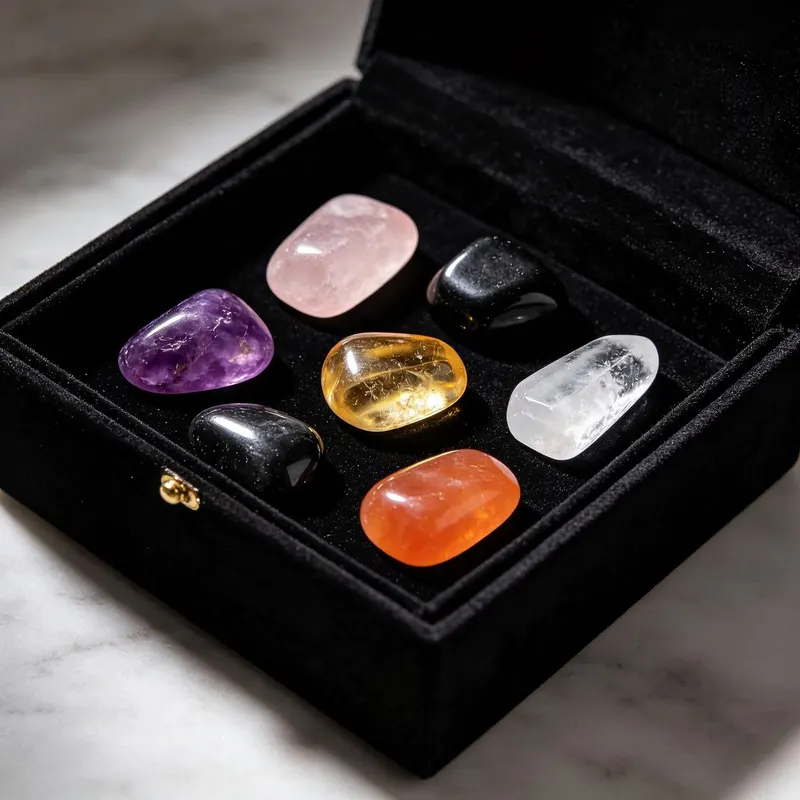
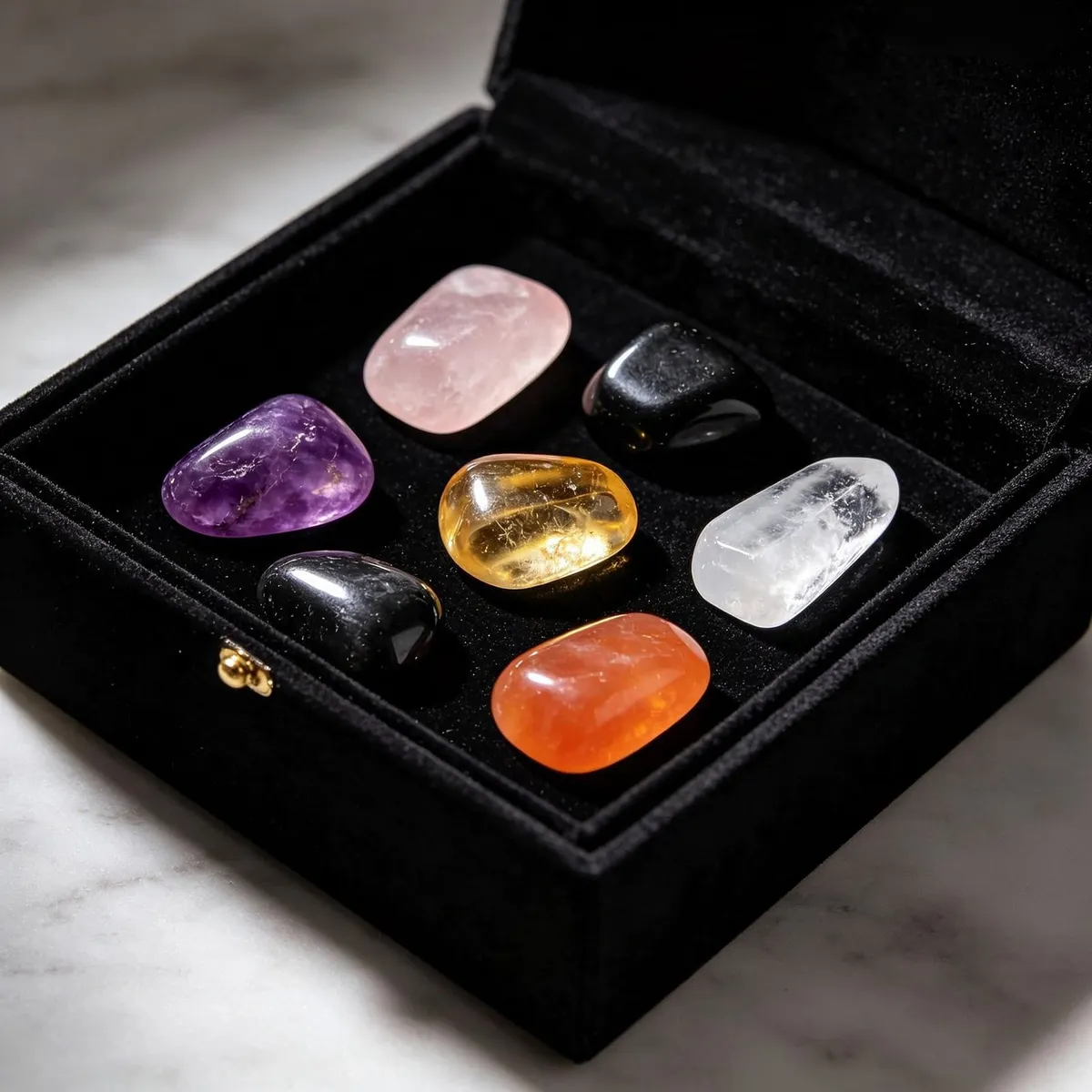
In short: choose stones for the meaning they hold for you, but care for them according to their physical properties. If you're building a collection and want a reference set to learn from, a Healing Crystal Starter Kit, 7 Stones + Guide is a practical way to see how different stones behave before committing to a full bracelet.
When to Replace Cord Early — A Quick Checklist
Don't wait for a snap. Restring when you notice any of these:
- The cord looks cloudy, milky, or discolored between beads.
- The bracelet has stretched and now slides off your wrist.
- You can see fraying or thinning near the knot.
- The knot is visible, loose, or has lost its glue.
- The bracelet has been worn daily for many months, or worn in water or heat.
- A bead feels loose or spins freely when it shouldn't.
If you're not ready to restring yourself, stop wearing the bracelet and keep it flat in a pouch until you can — that protects the beads from loss. Our elastic cord care guide covers how long cord typically lasts and how to extend its life between restrings.
Choosing Bracelets Worth Restringing
Well-made bracelets are easier to maintain: consistent bead sizes, smooth drill holes, and a properly hidden, glued knot. When you're shopping, look for natural stones with visible variation rather than uniform, suspiciously perfect color, and check that the cord passes cleanly through each bead. A few pieces that restring well and are worth the effort:
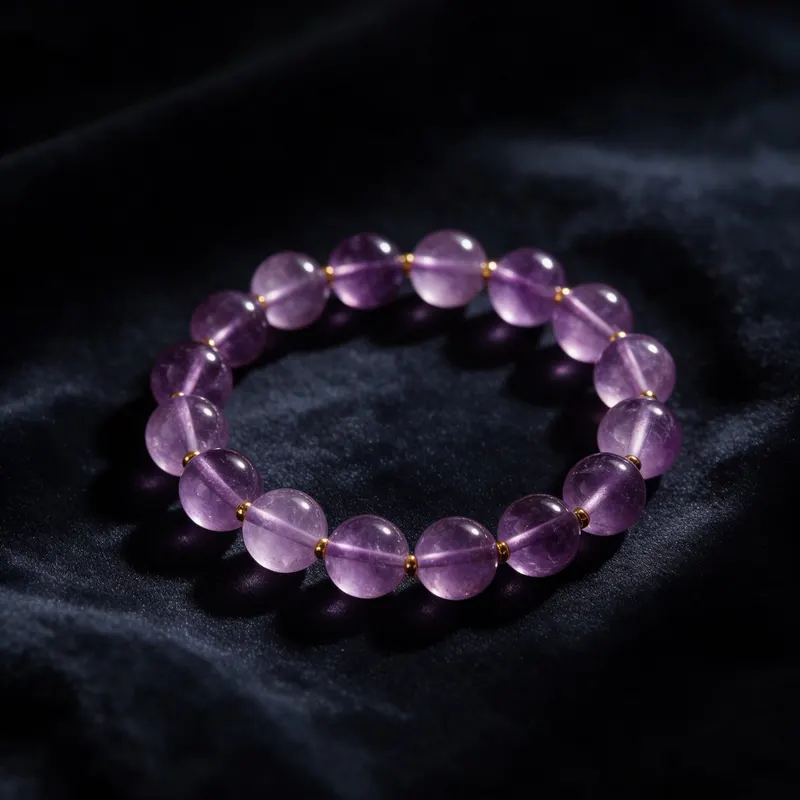
- Amethyst Healing Bracelet for Calm & Clarity — a classic 8mm quartz-family bracelet, straightforward to restring at 0.7–0.8mm.
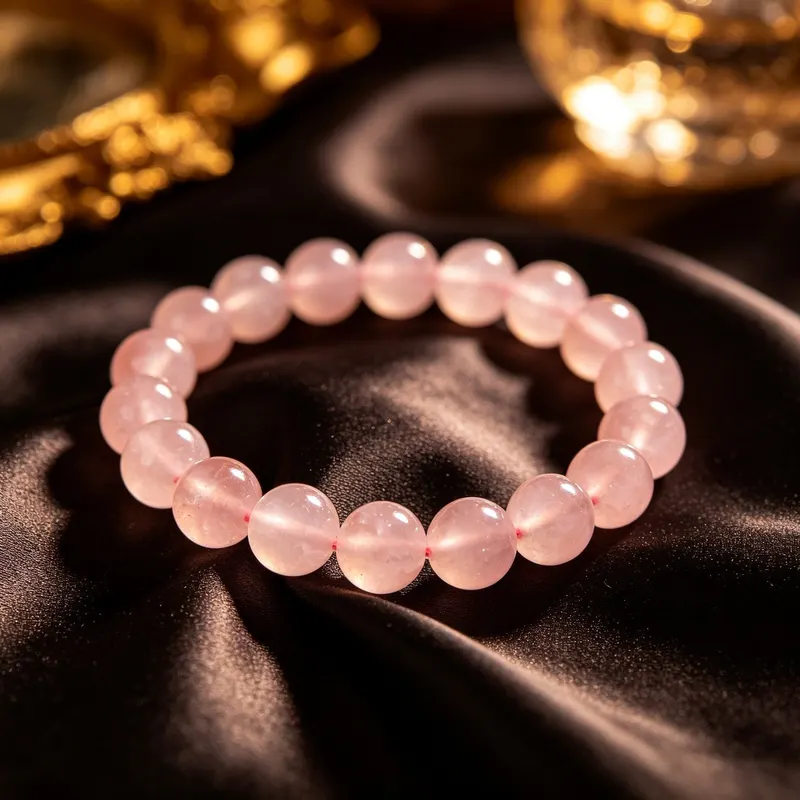
- Rose Quartz Love Bracelet for Self-Love & Heart — soft pink quartz; store away from direct sun to slow fading.
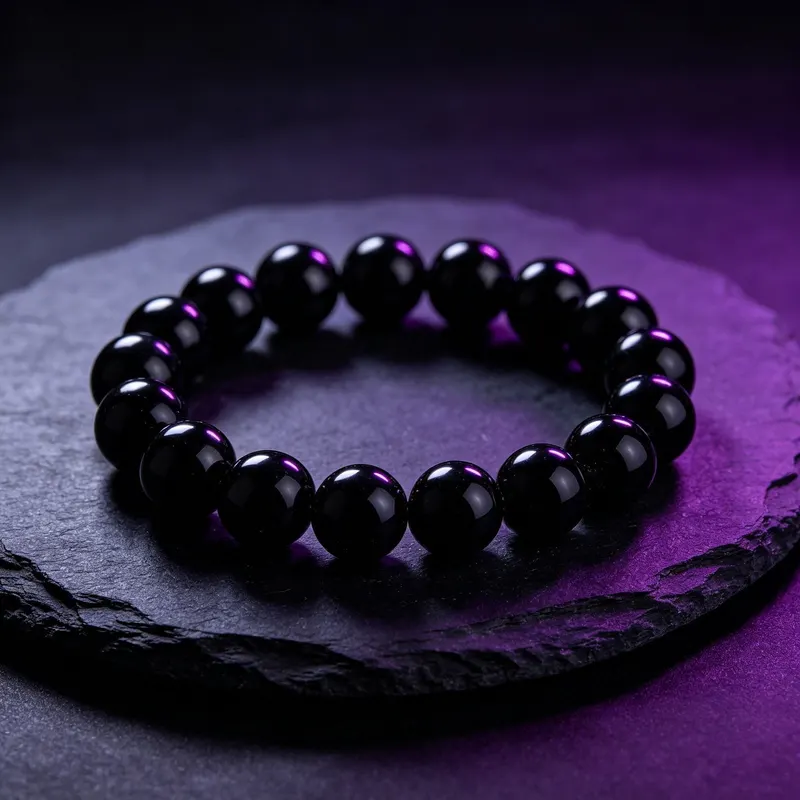
- Black Tourmaline Protection Bracelet for Grounding — a grounding staple; check holes for roughness before restringing.
- Tiger's Eye Confidence Bracelet for Focus & Courage — durable and forgiving, a good first restring project.
- Labradorite Bracelet for Intuition & Transformation — handle gently; labradorite can be more brittle at edges.
For pieces with softer or more delicate stones, consider a pendant instead of a stretch bracelet — a Clear Quartz Point Pendant Necklace, Sterling Silver avoids elastic entirely and needs only occasional polishing.
Frequently Asked Questions
What size elastic do I need for a crystal bracelet?
Most 8mm bead bracelets use 0.7–0.8mm stretch cord. Use 0.5–0.6mm for 6mm beads and small holes, and 1.0mm or thicker for 10mm beads, heavy stones, or rough-edged beads. Always check that the cord passes through your actual bead holes without force.
How do I stop the knot coming undone?
Tie a surgeon's knot (a square knot with the first pass doubled), seat it between two beads or tuck it slightly into a hole, add a small drop of bead glue or clear nail polish, and let it cure fully before trimming the tails. Trimming too early is the most common cause of failure.
How often should I restring a crystal bracelet?
There's no fixed schedule — it depends on wear, water exposure, and body products. Inspect the cord every few months and restring at the first sign of cloudiness, slackness, or fraying. Daily wearers often restring once or twice a year.
Can I restring a bracelet with a broken or missing bead?
Yes. You can restring with the beads you have, though the bracelet will be slightly smaller — check the fit before knotting. If you want to keep the original size, source a replacement bead of the same size and stone, or add a small spacer to make up the difference.
A Skill Worth Keeping
Restringing is one of those small, satisfying skills that pays for itself the first time it saves a bracelet. Once you've done it, you'll notice cord wear earlier, keep your stones cleaner, and get more years out of the pieces you love. Start with a durable bracelet like tiger's eye or amethyst, buy a spool of 0.8mm cord, and give yourself twenty quiet minutes. The ritual of caring for your stones is part of the practice.
Crystals are for reflection and are not medical devices. Crystal meanings are traditional associations, not medical claims; nothing here diagnoses, treats, or promises any outcome. If you have a health concern, consult a licensed professional.